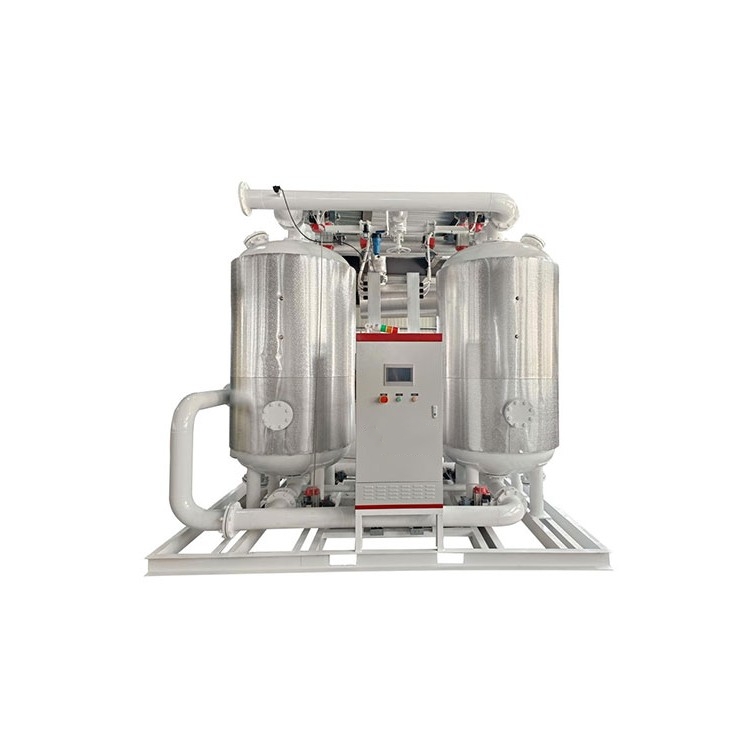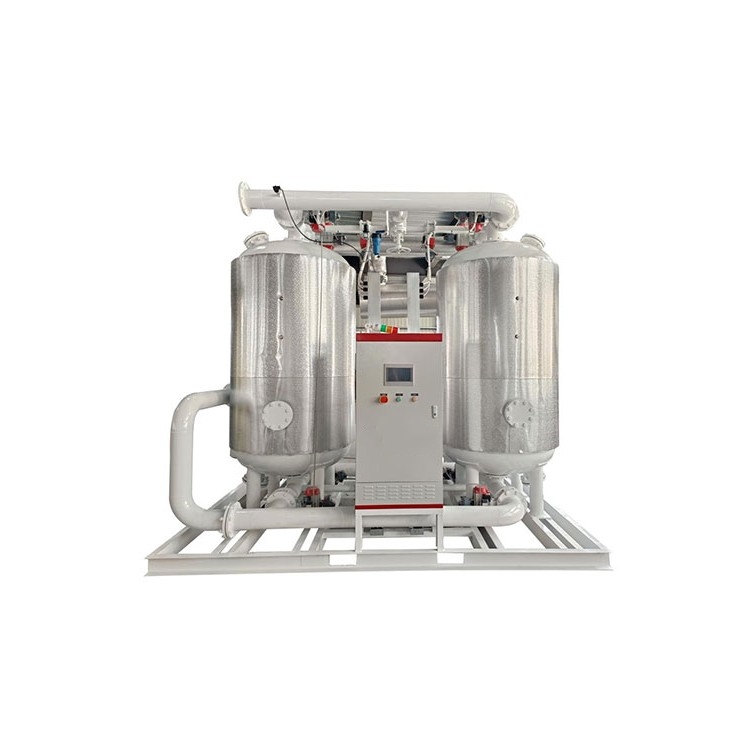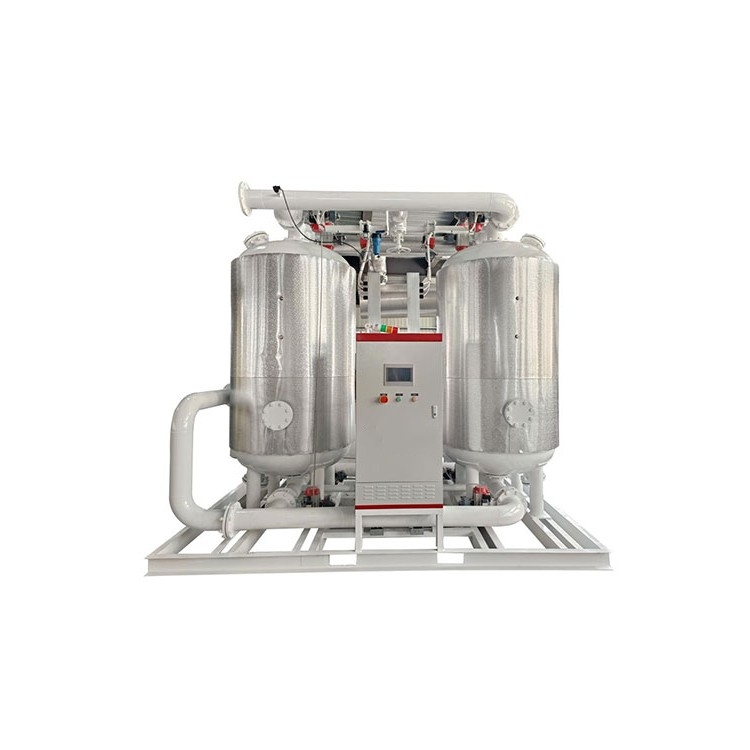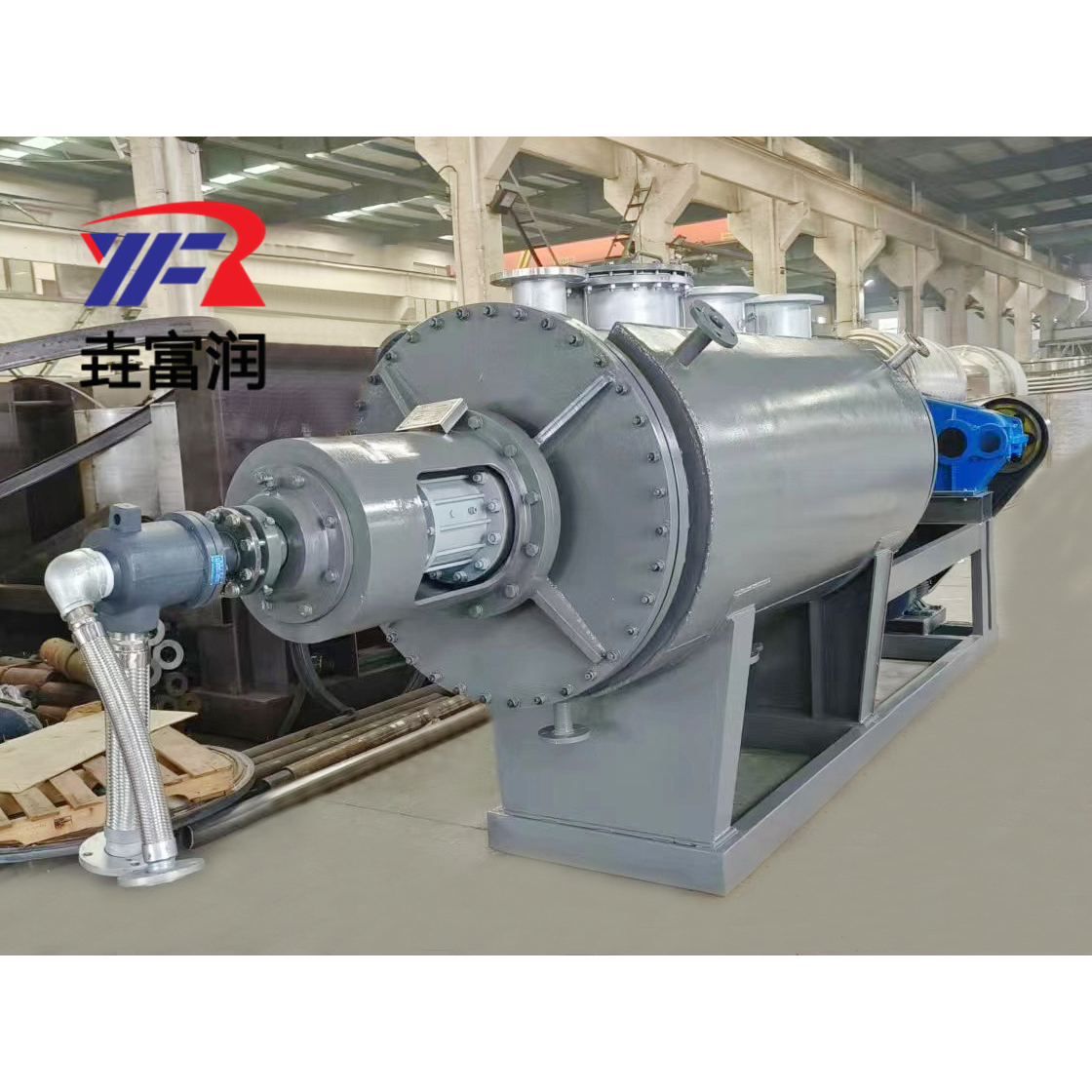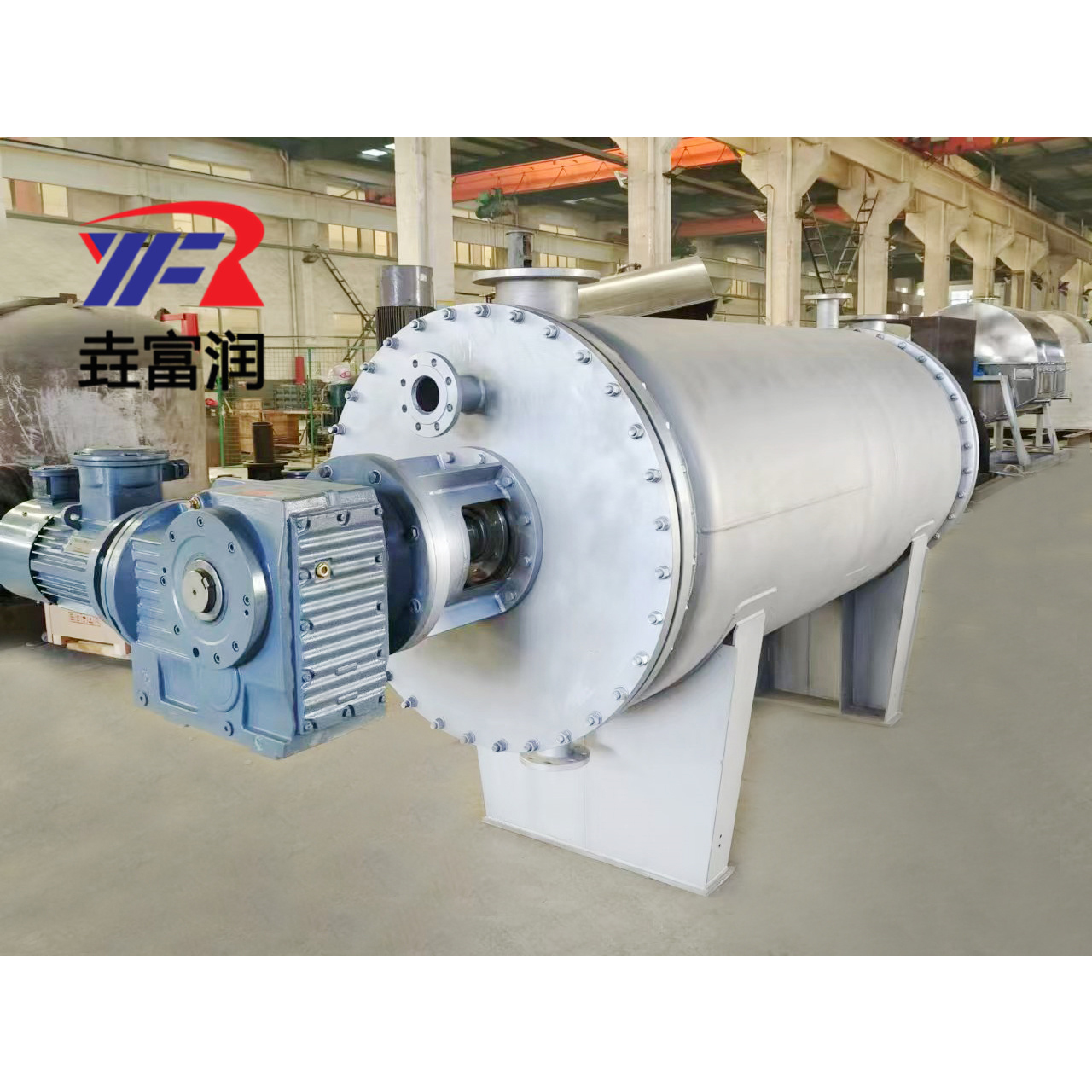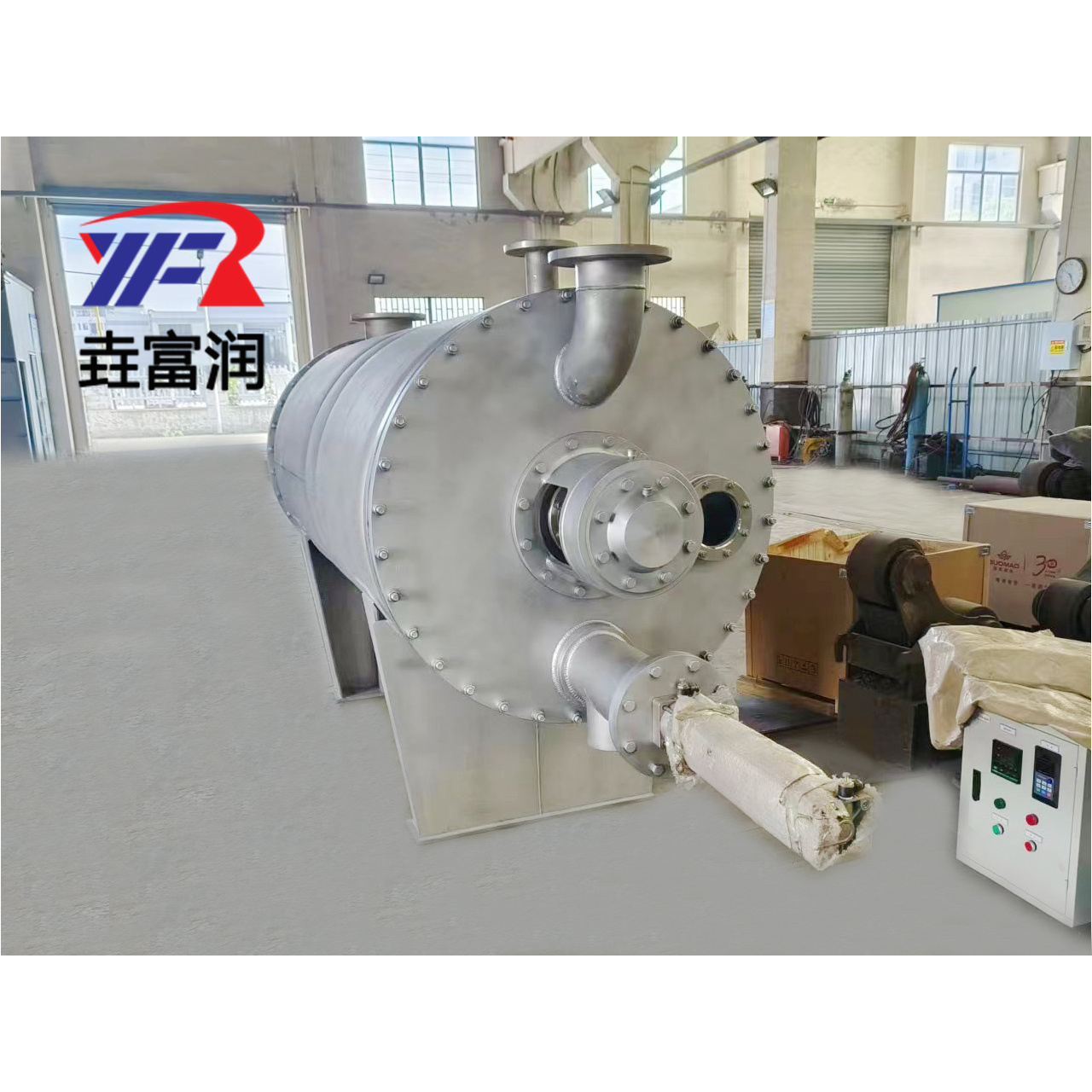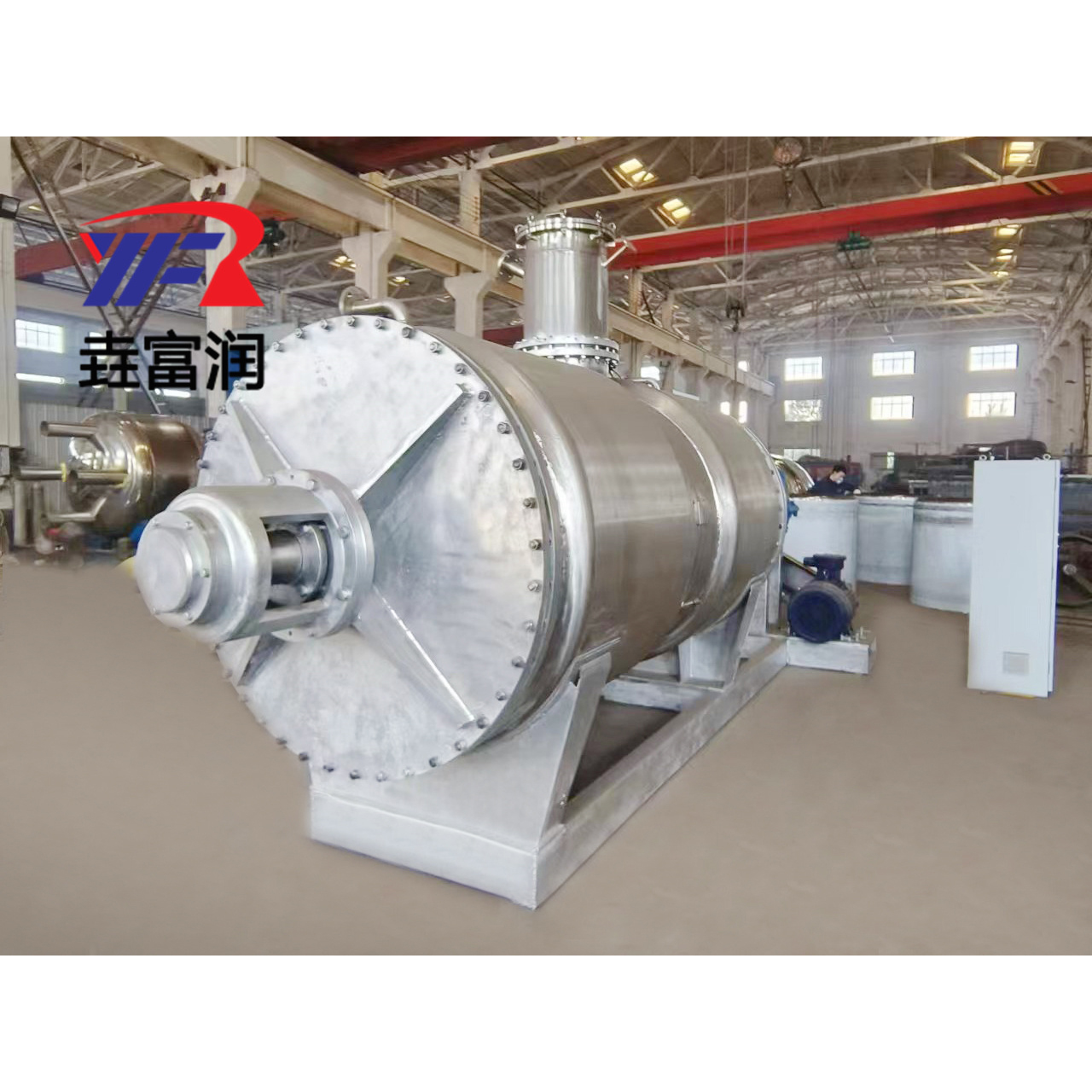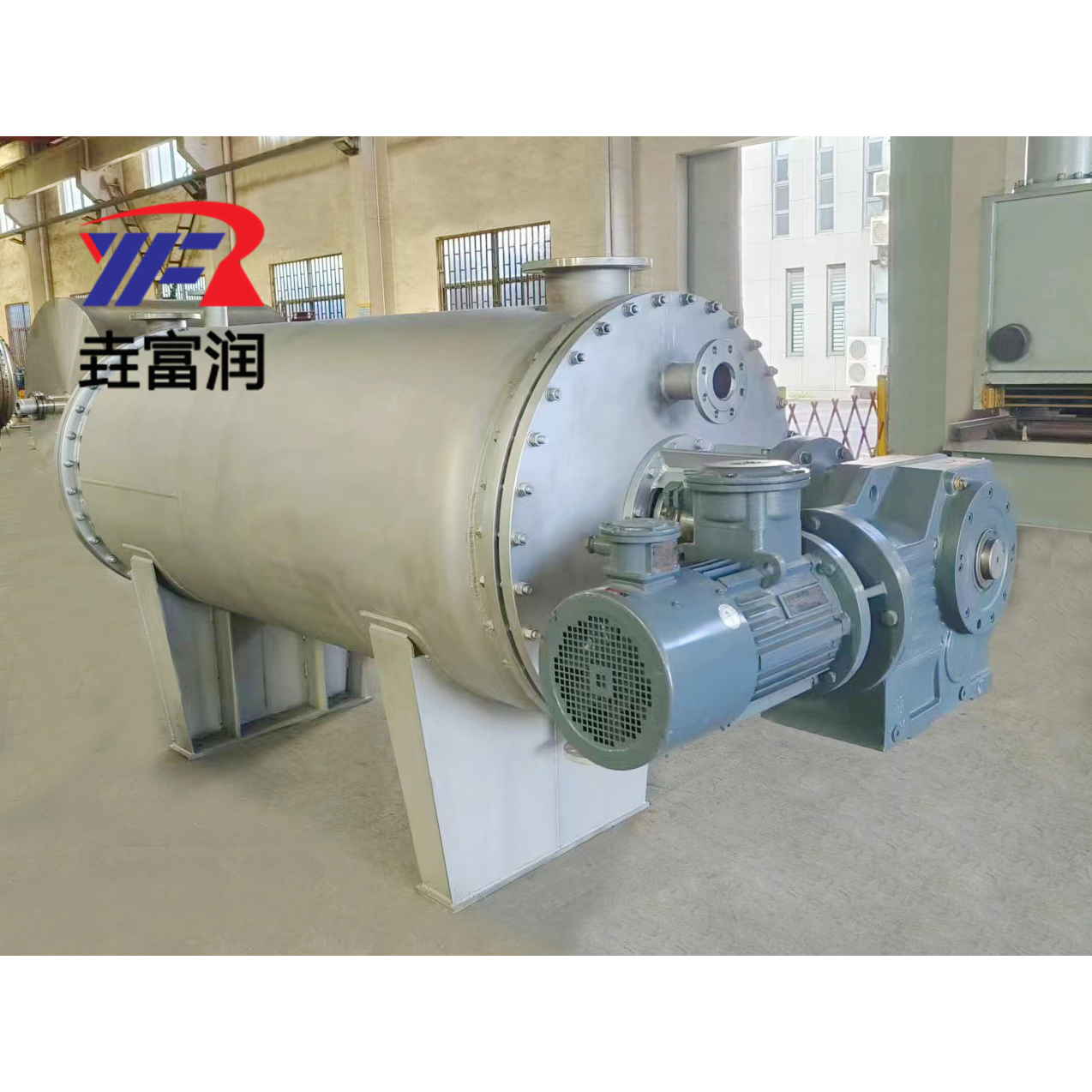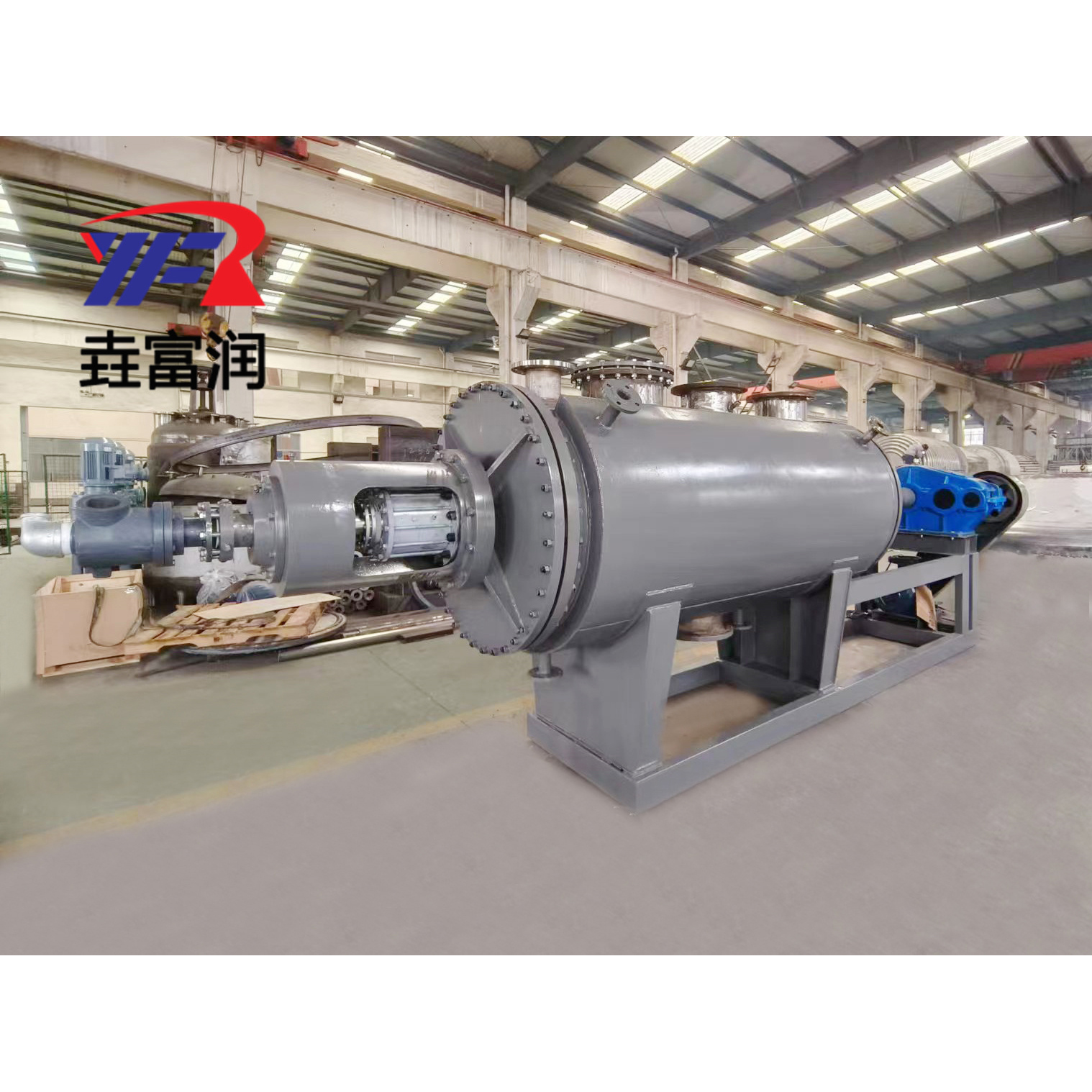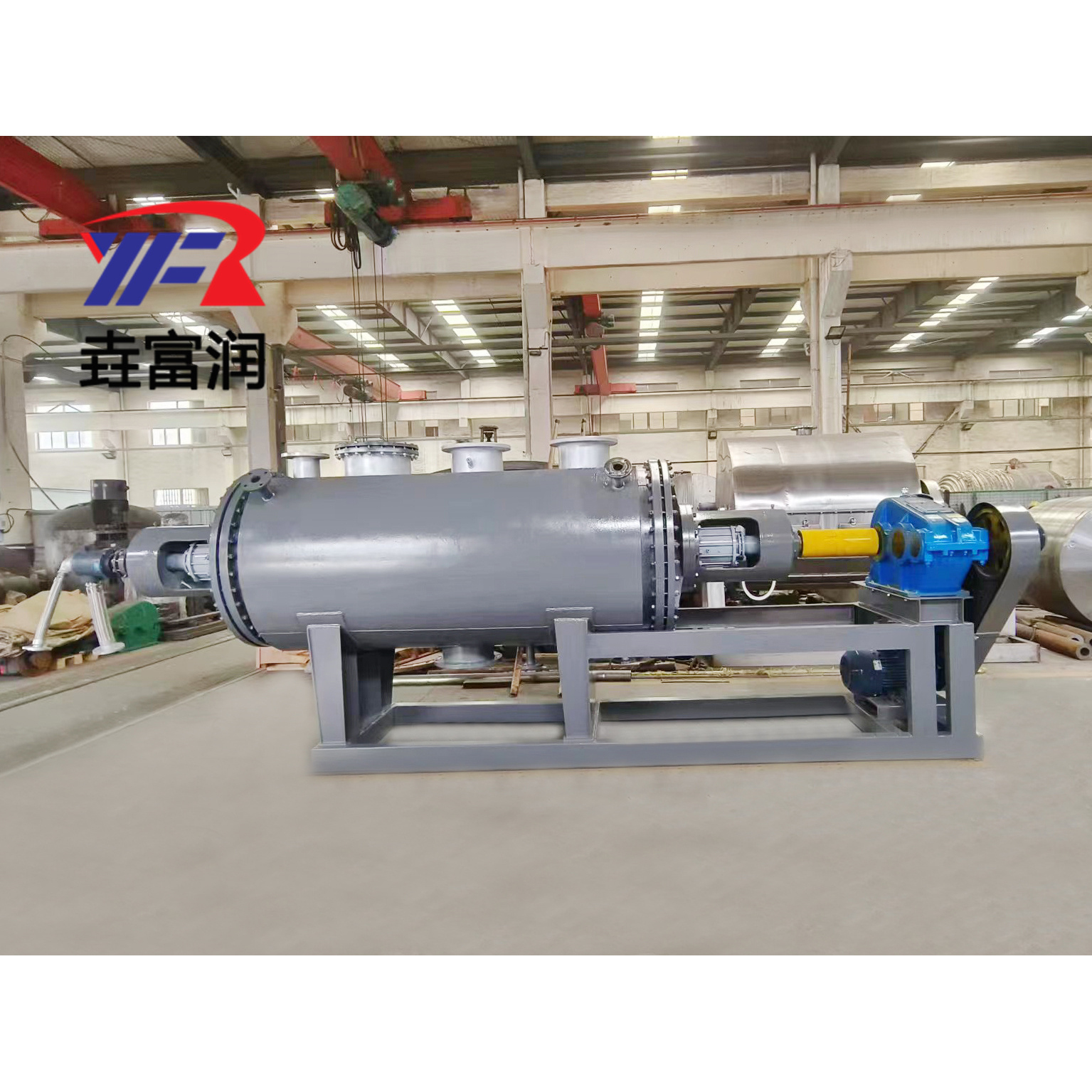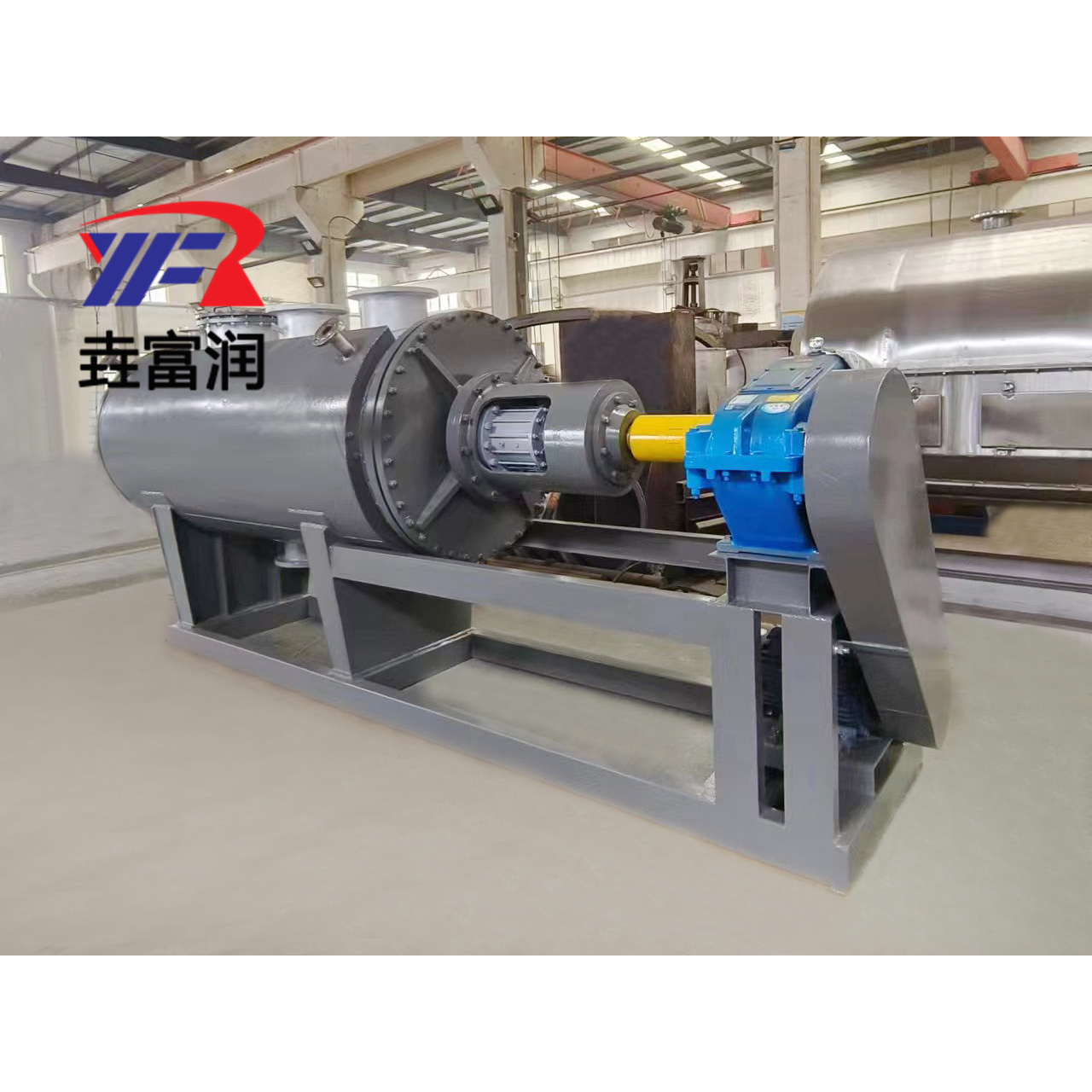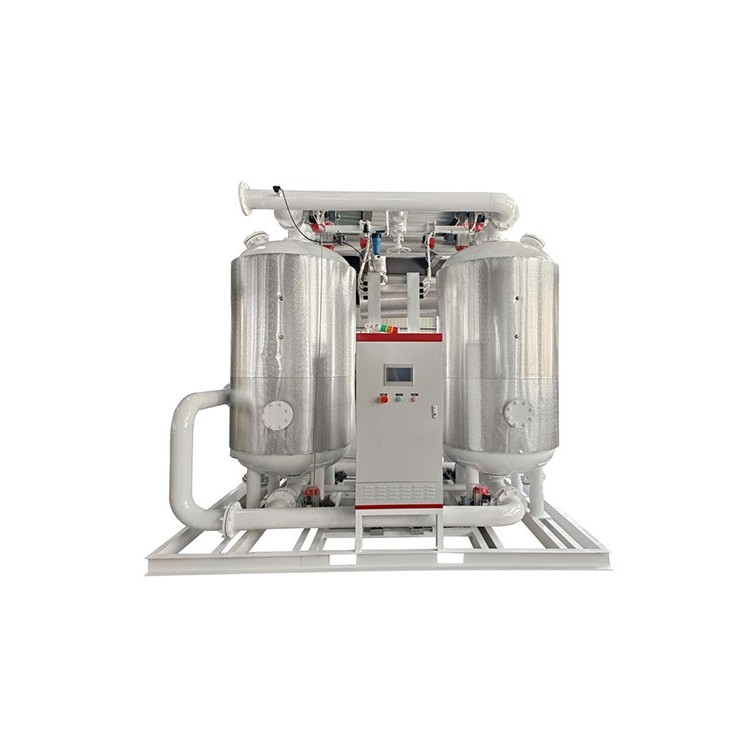

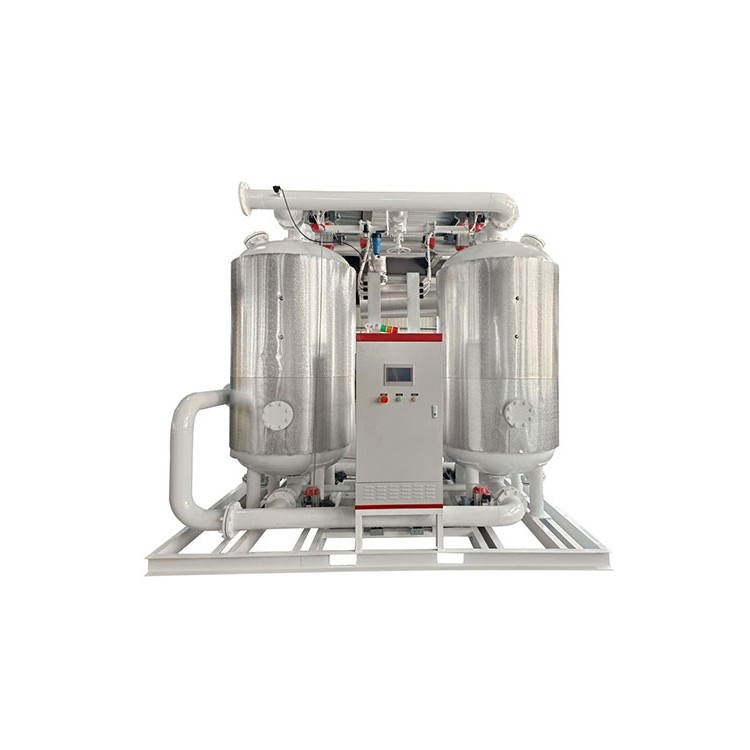
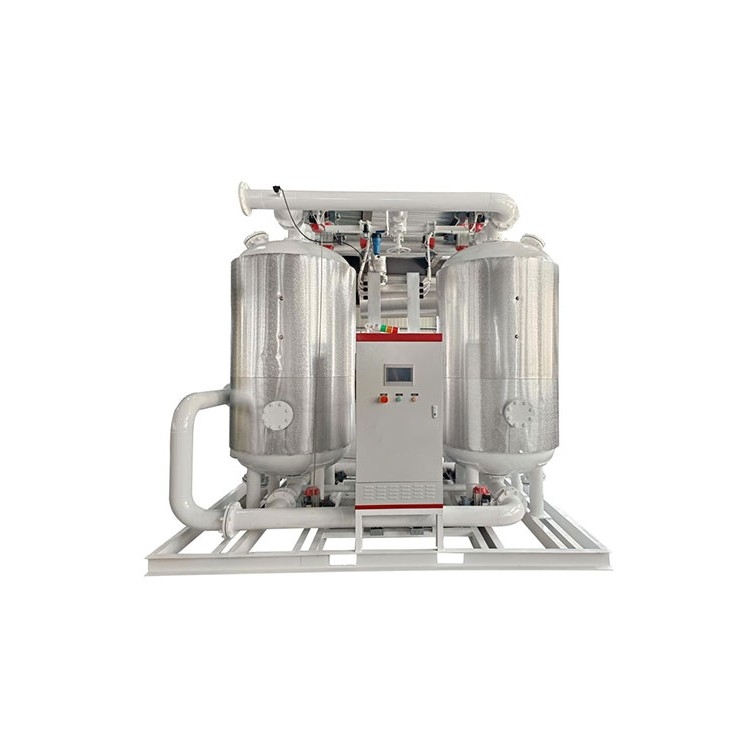
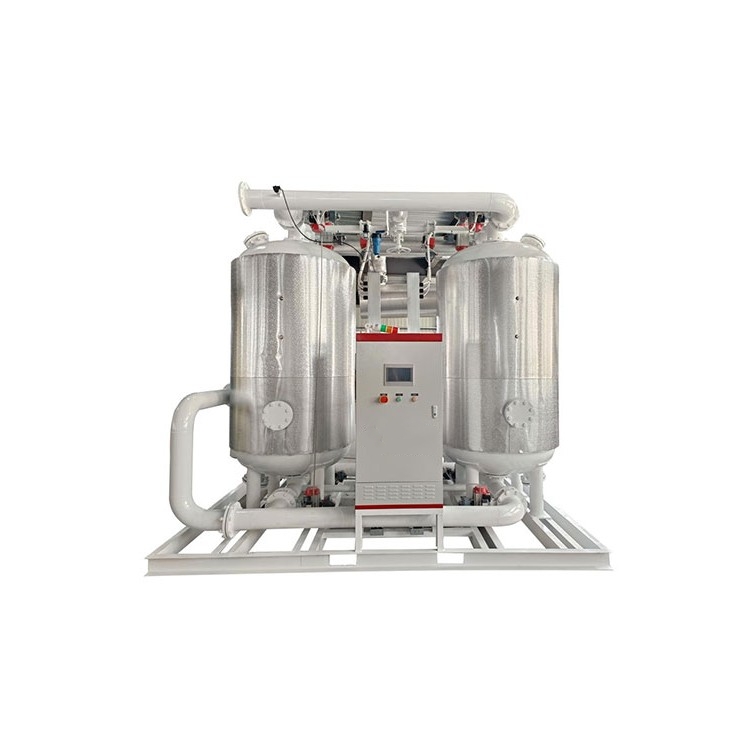







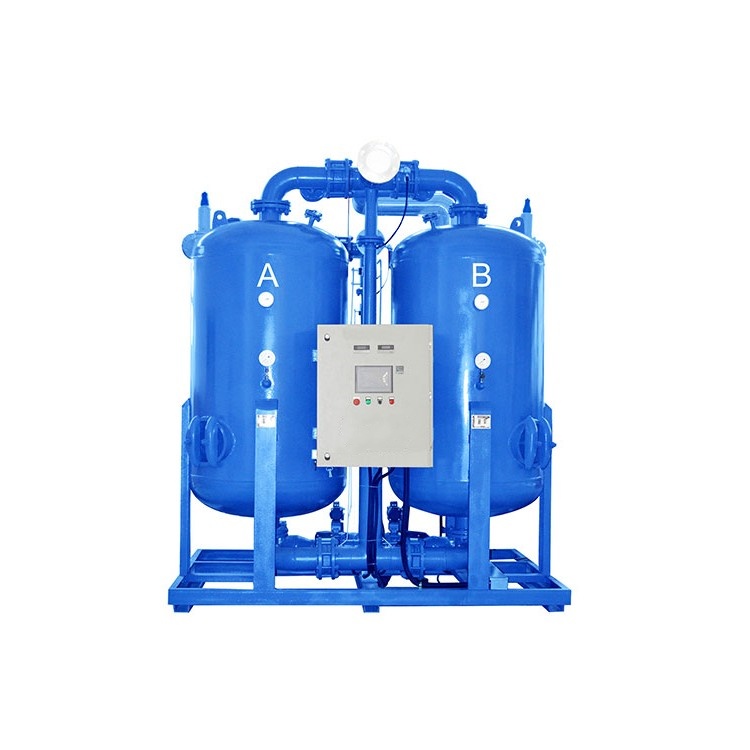
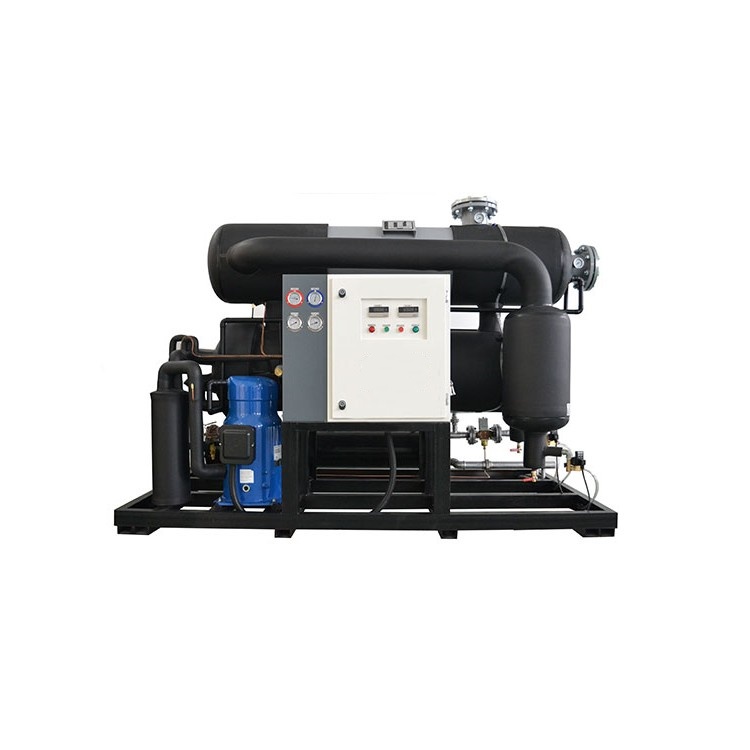
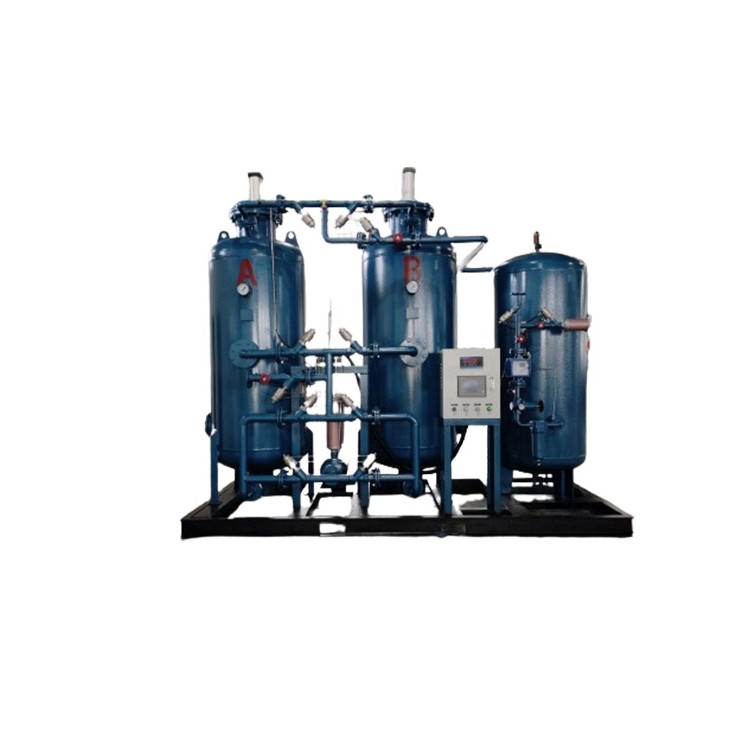
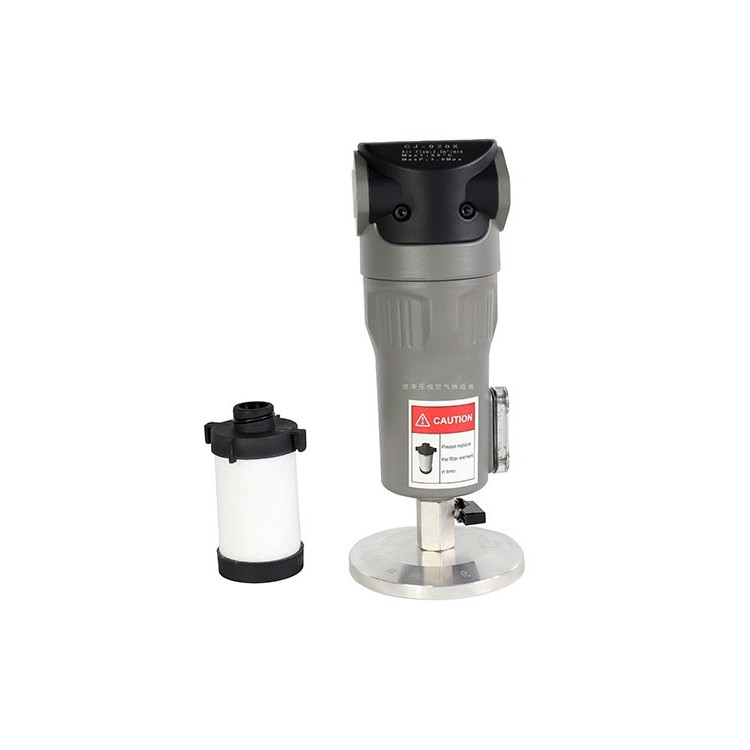
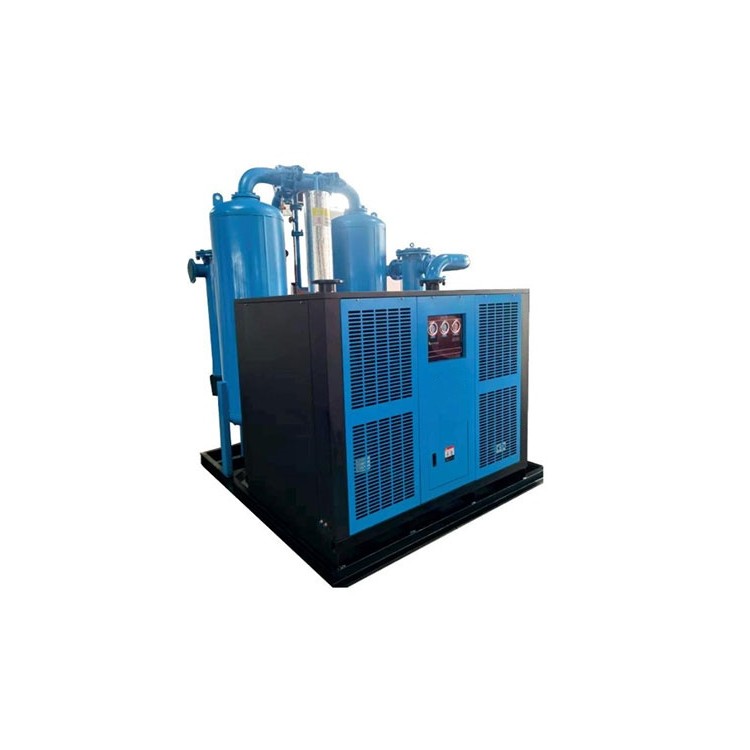

A compressed heat regeneration adsorption dryer is an efficient drying equipment that utilizes the heat from the high-temperature exhaust of an air compressor to heat the desiccant, thereby regenerating the adsorbent and achieving the goal of reducing the dew point of compressed air.
The specific process is as follows: As moist air passes through the adsorbent bed within the dryer, moisture is adsorbed onto the surface of the adsorbent, at which point the adsorbent becomes saturated. It then undergoes two stages of regeneration. Firstly, the adsorbent is heated using a heater to increase its temperature. Next, the heated air is compressed by a compressor, raising its temperature and pressure, which is used to desorb moisture from the adsorbent, restoring its adsorption capacity. The cooled compressed air is further cooled and mixed with another portion of compressed air before entering the adsorption tower for moisture removal.
Compared to traditional hot air dryers and other types of adsorption dryers, the compressed heat regeneration adsorption dryer offers the following advantages:
The compressed heat regeneration adsorption dryer is widely used in various industries such as chemicals, food, electronics, and textiles, for drying chemical raw materials, food ingredients and additives, electronic components and products, textiles and fibers, to ensure product quality, safety, and stability, and to enhance product quality and shelf life.