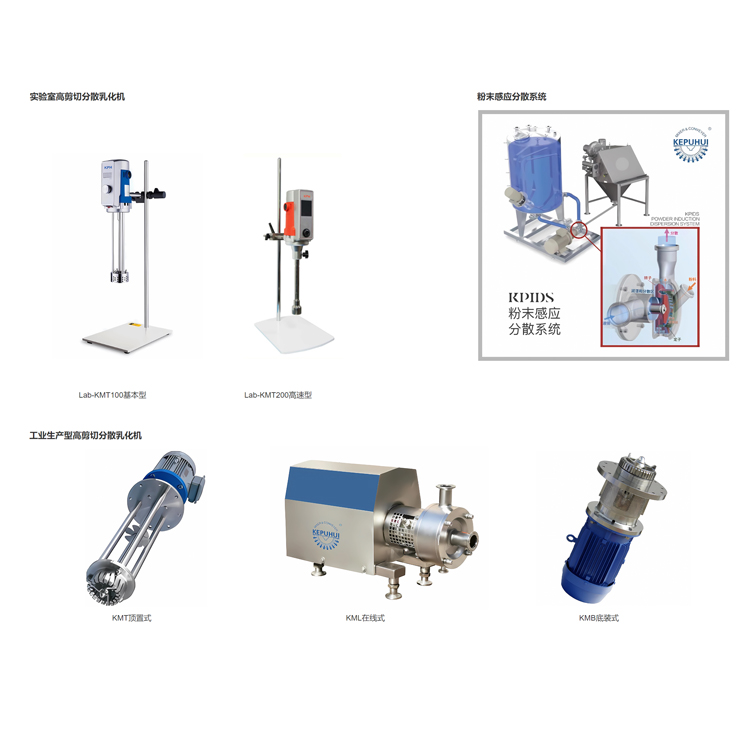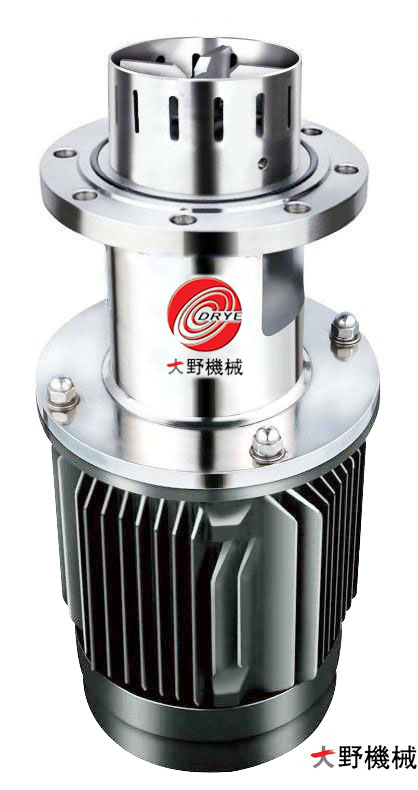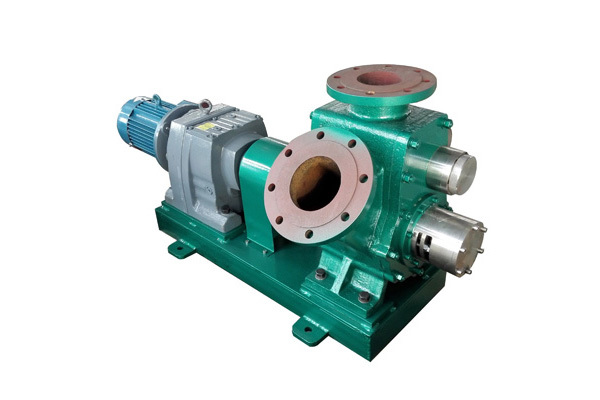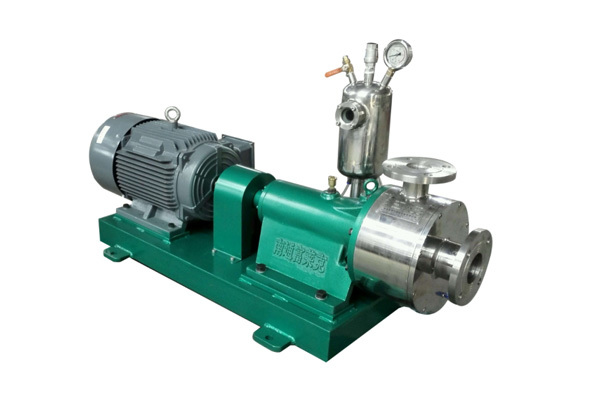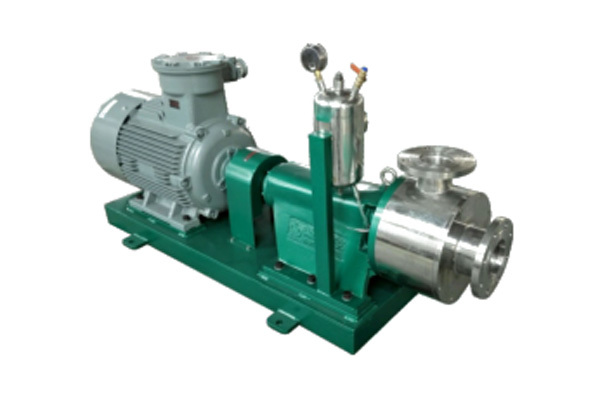

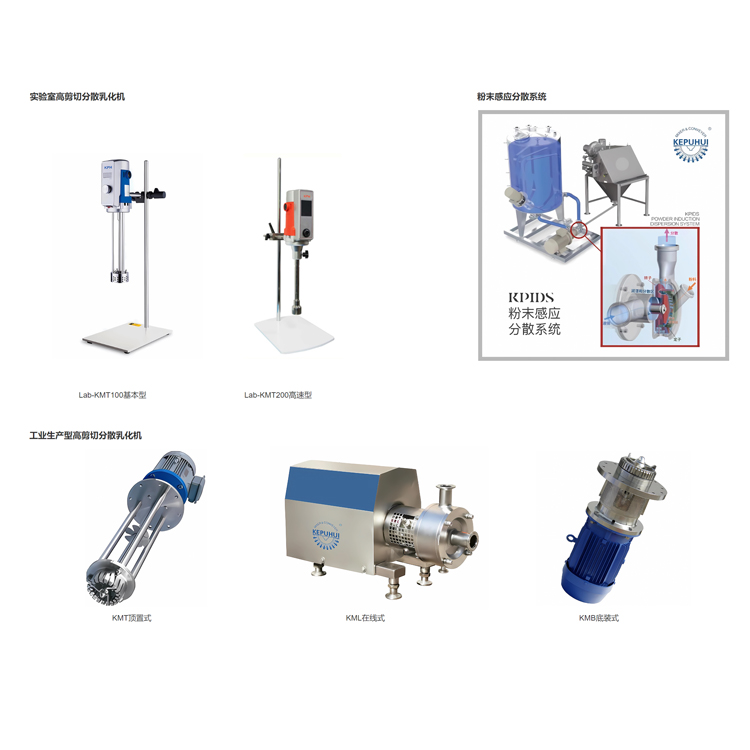


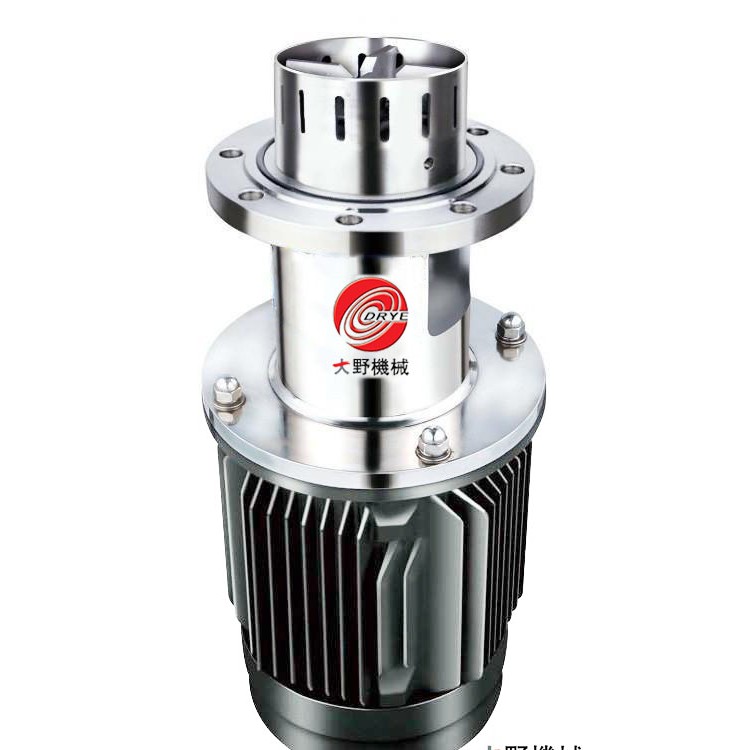
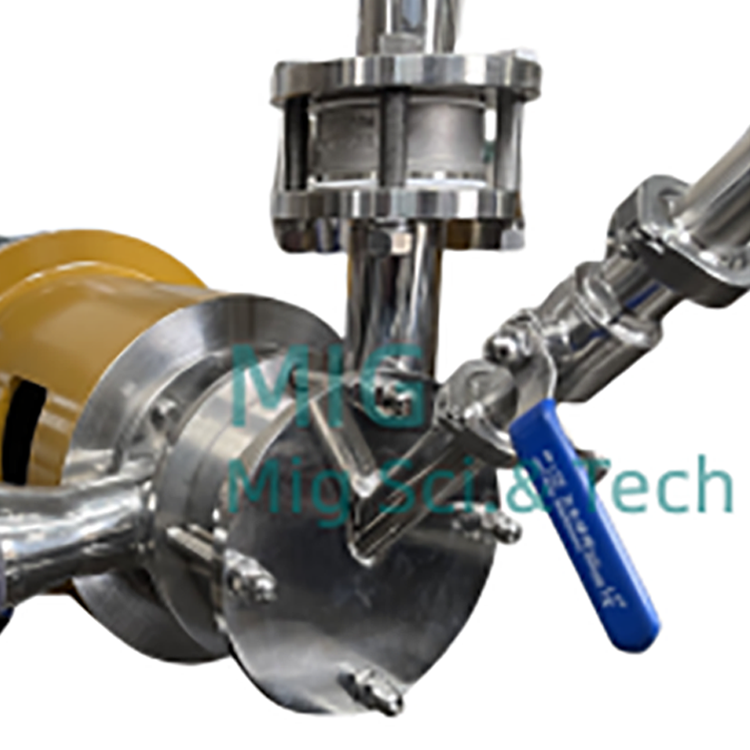
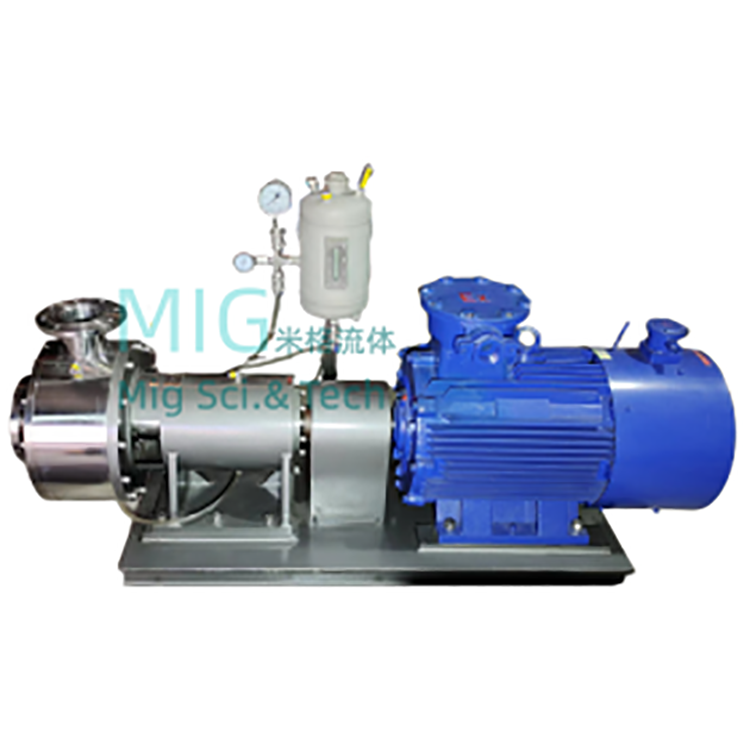
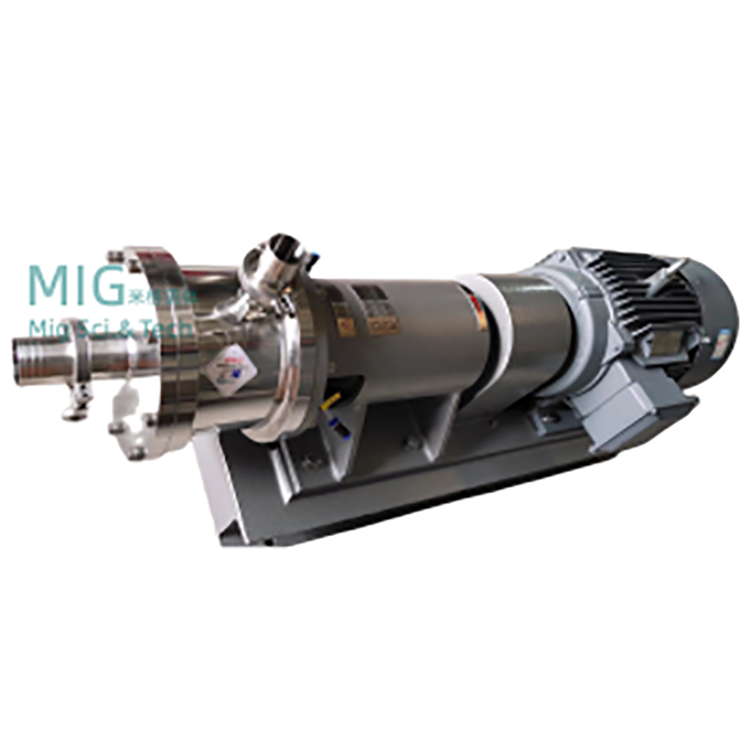





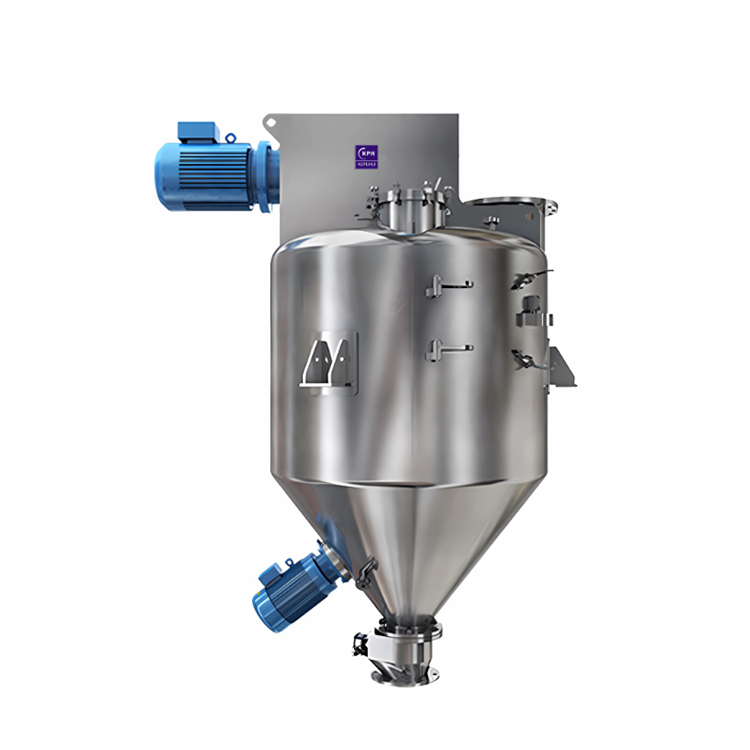
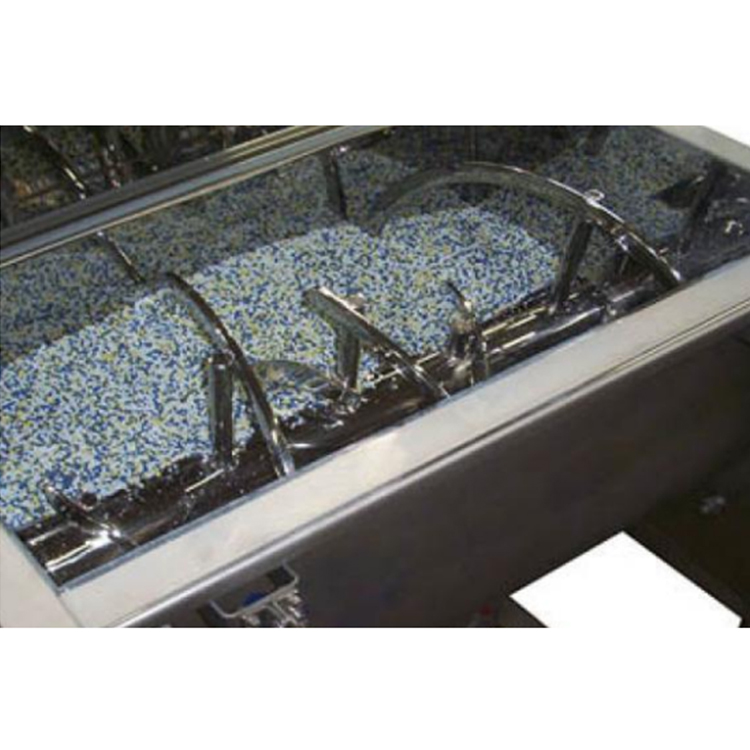
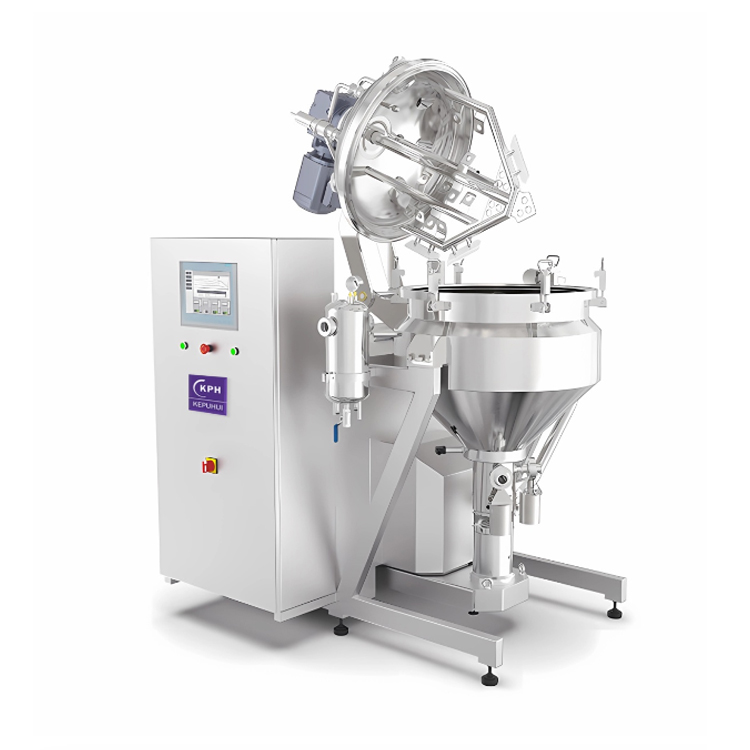
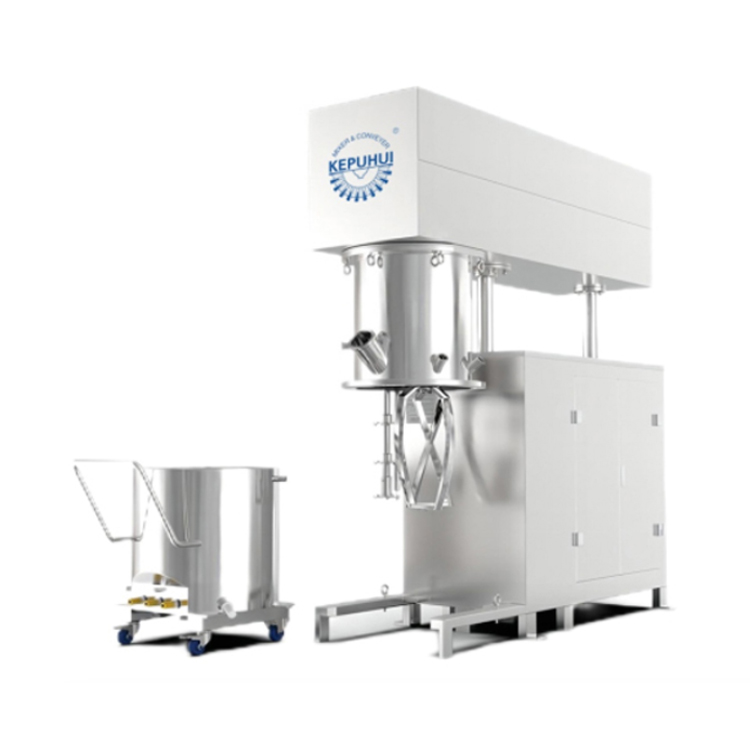

Dispersal is the process of mixing at least two immiscible or poorly miscible substances that do not react chemically. When solid particles disperse into a liquid, a suspension is formed. When one liquid disperses into another, an emulsion is created. The long-term stability of the dispersion is affected by the precise particle size distribution and the use of emulsifiers and stabilizers. When traditional stirring processes do not meet the needs of specific applications, such as complex mixing, dispersing, emulsifying, and homogenizing, KPH has specifically developed high-shear dispersing emulsifiers. These machines achieve micron-sized particle diameters and extremely narrow particle size distributions through the high-speed operation of the rotor/stator working heads with their specific geometric shapes and the resulting high shear rates, thereby obtaining fine emulsions or suspensions and other homogeneous substances.
Principles of Industry:
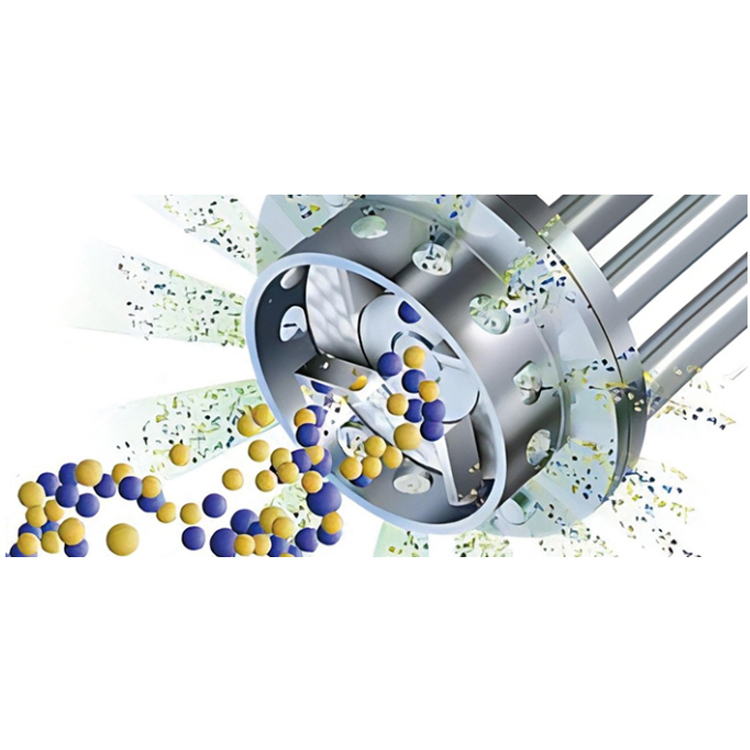
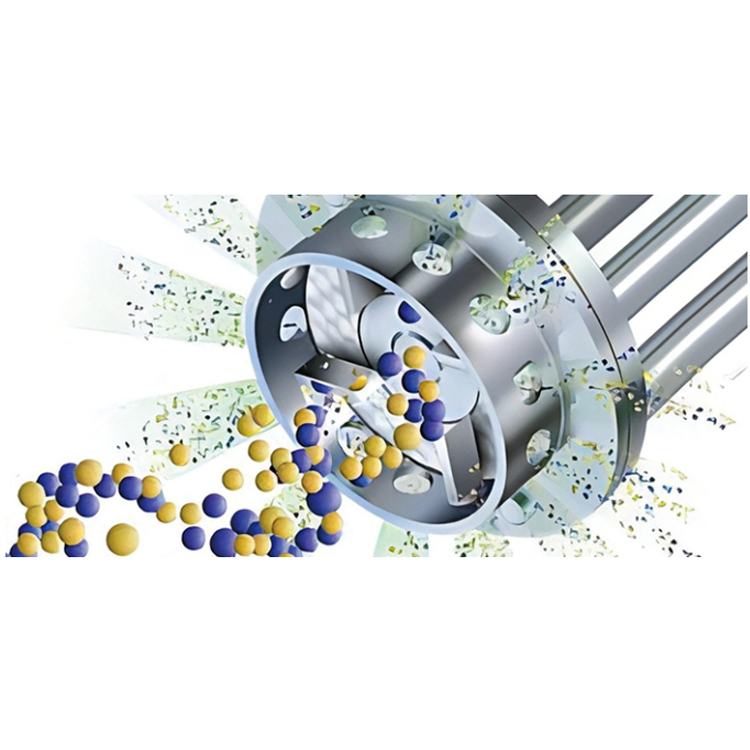
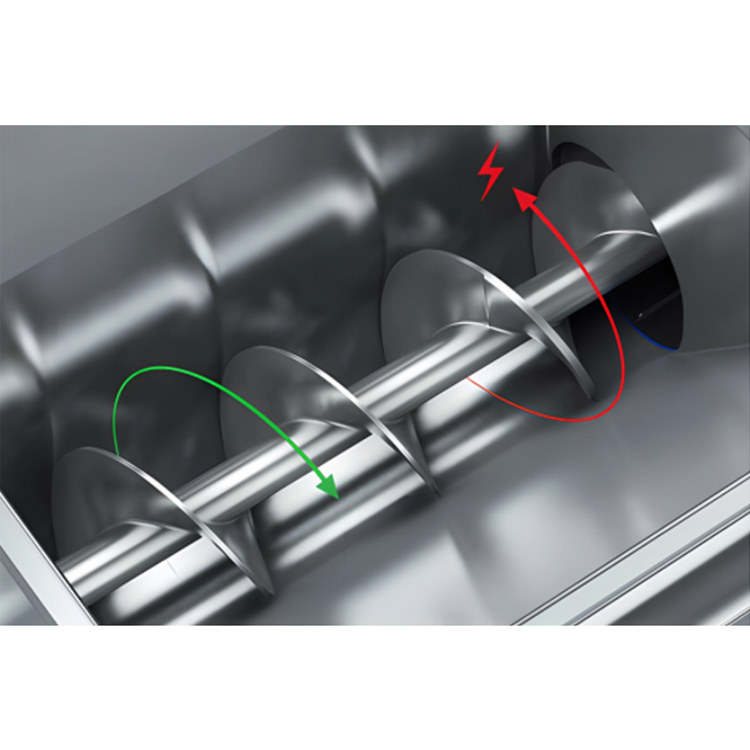
Precision-ground rotating stator working head operates with a high peripheral speed, generating a strong suction force. Materials are drawn into the center of the head, where, with the extremely narrow gap between the rotating stator, they experience strong shearing and turbulence, breaking and blending the material. At the same time, centrifugal force throws the material outward towards the head's perimeter and through the stator's perforations, continuously feeding fresh material back into the head. This cyclic process effectively mixes, disperses, and emulsifies the material.