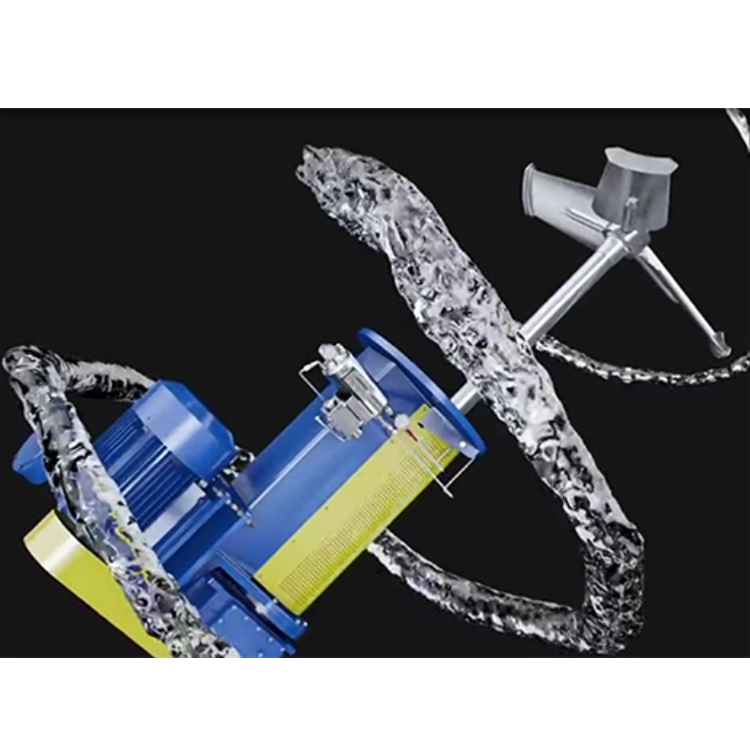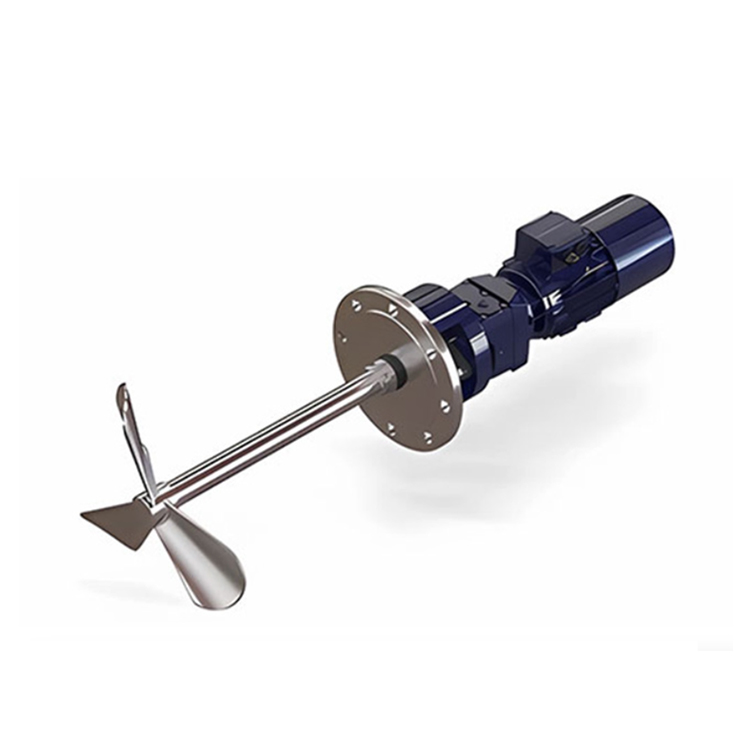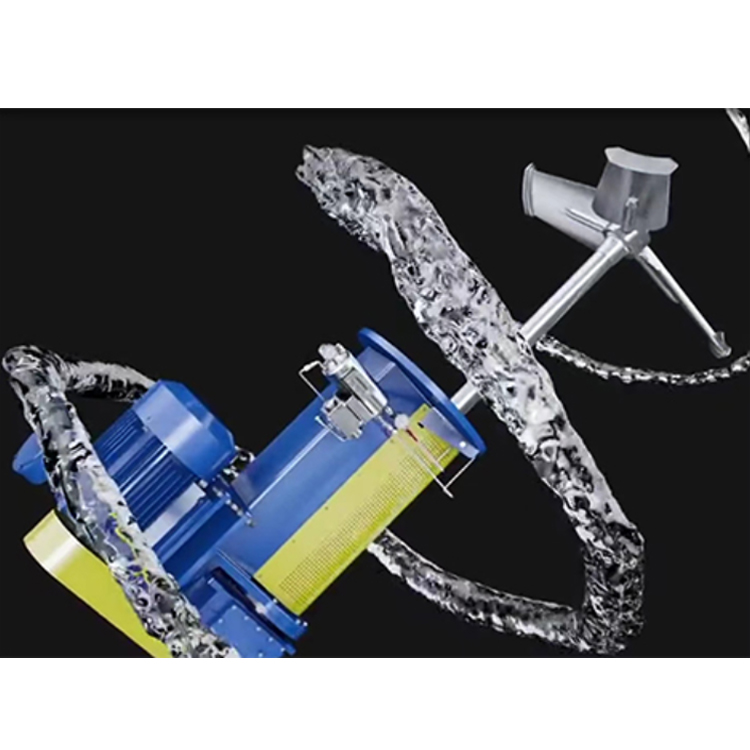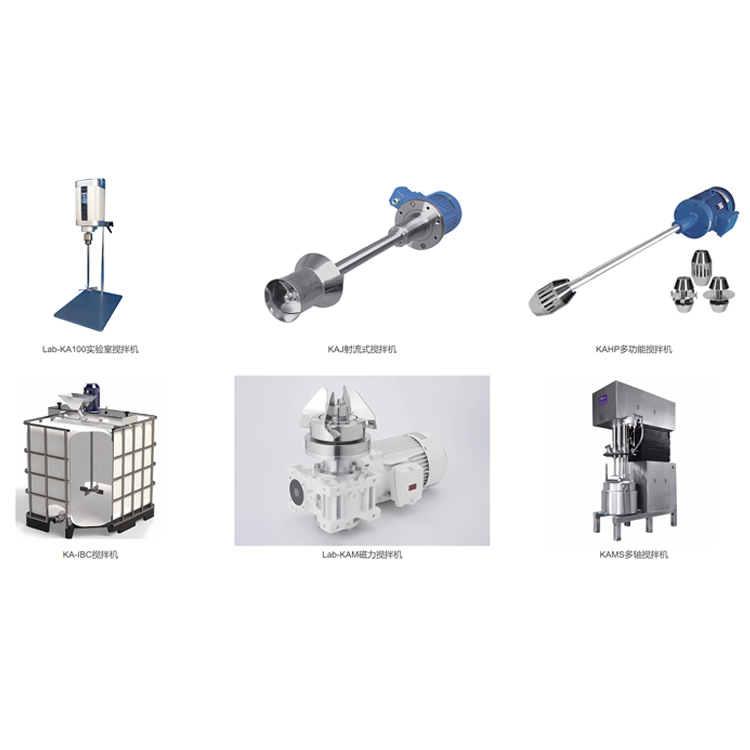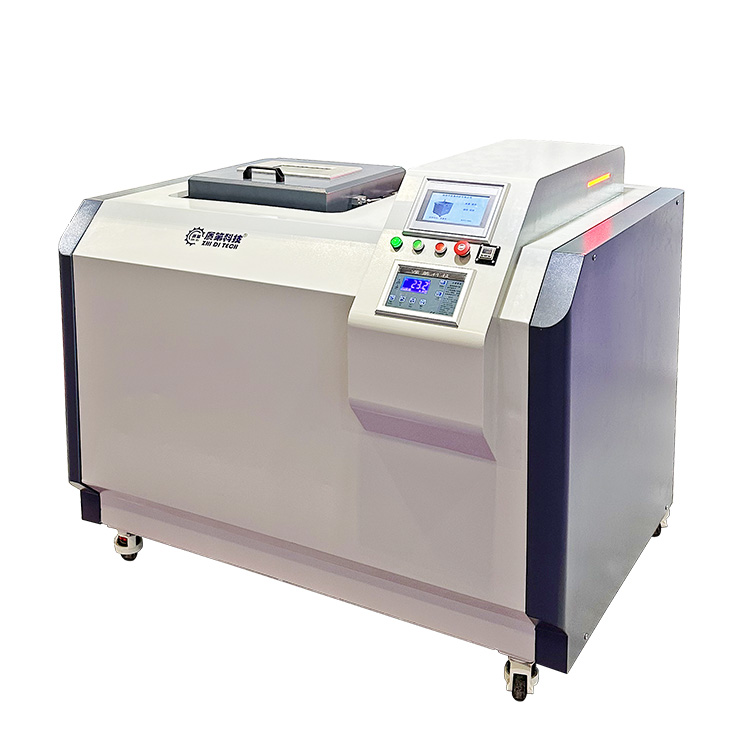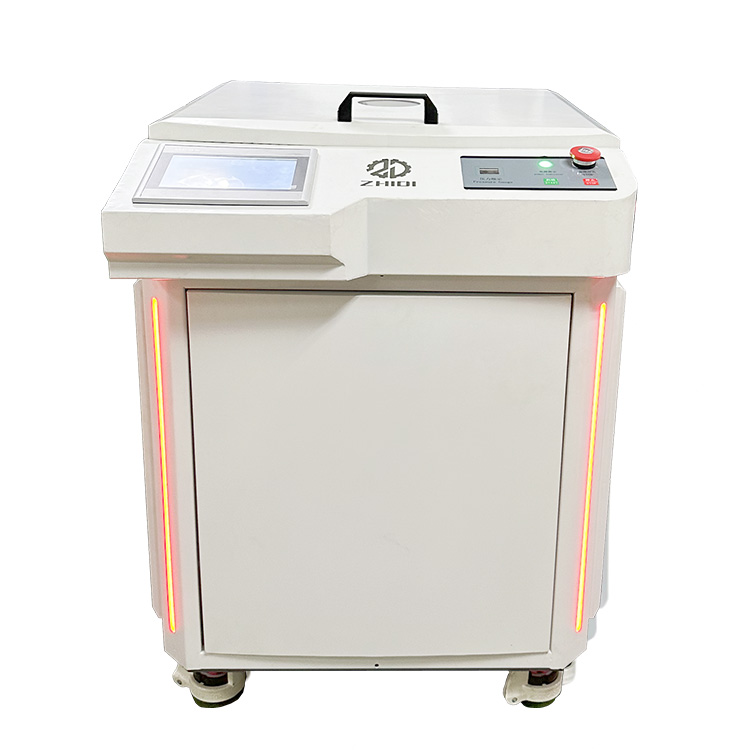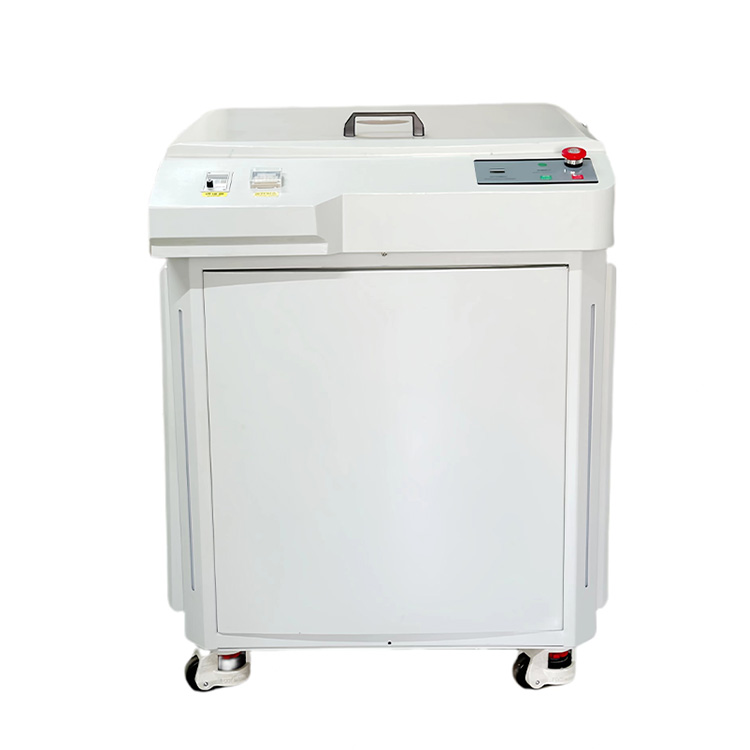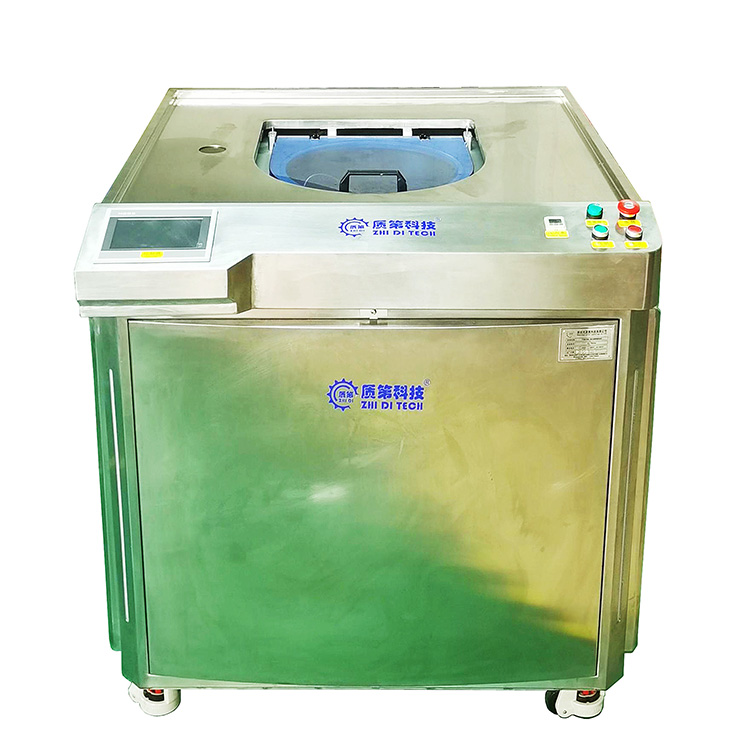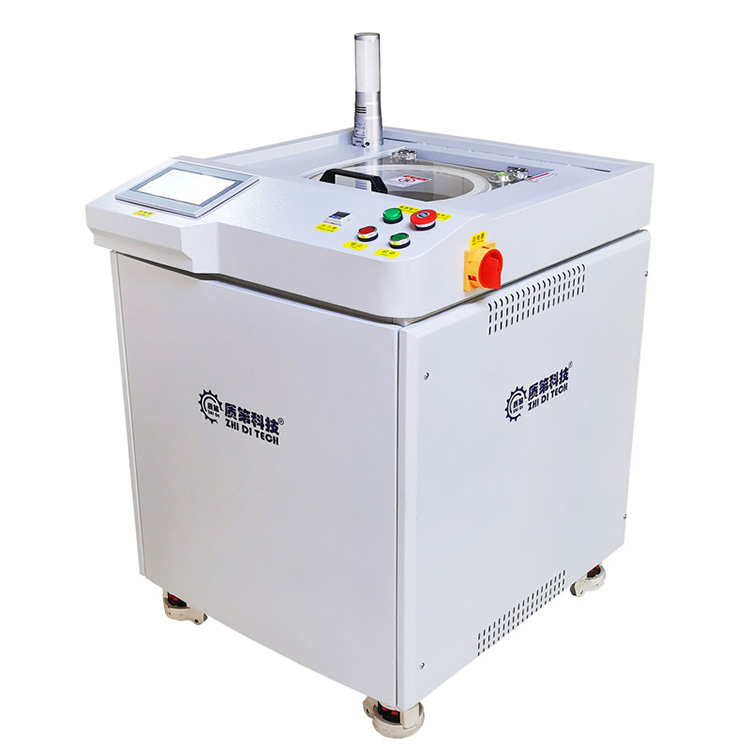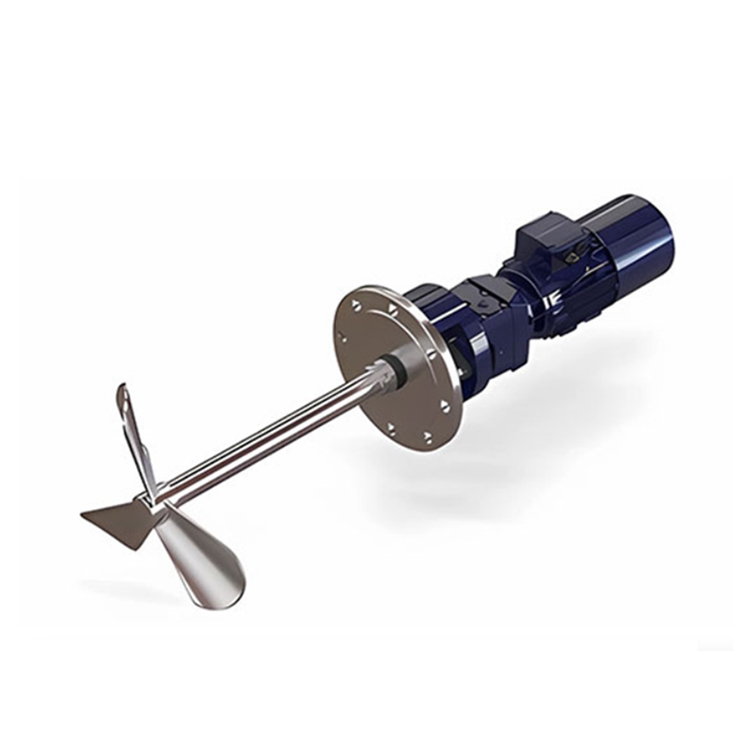


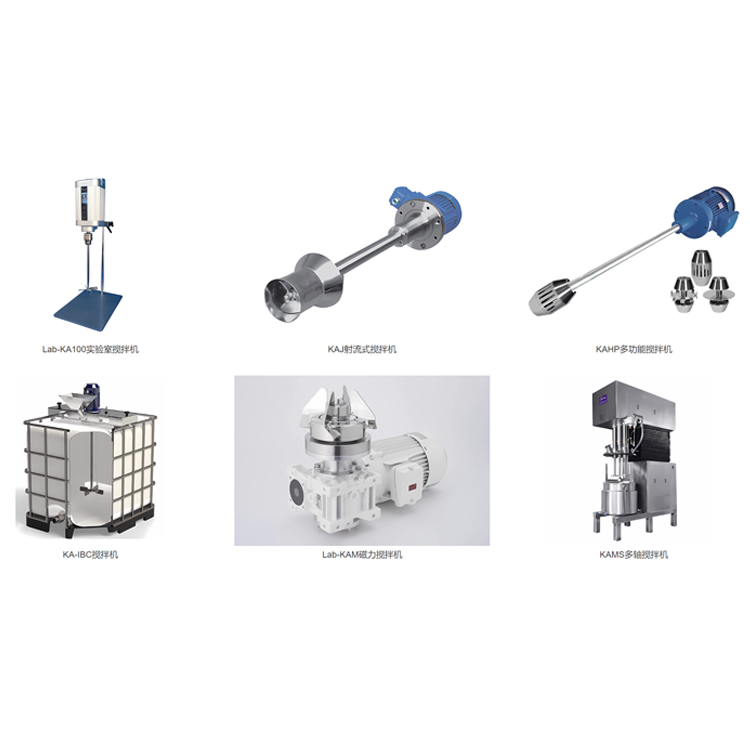


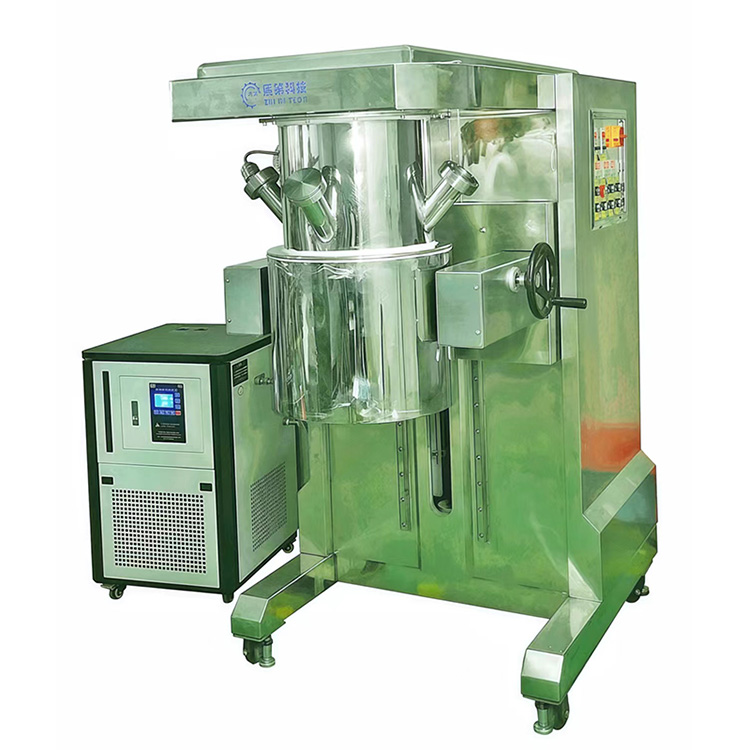
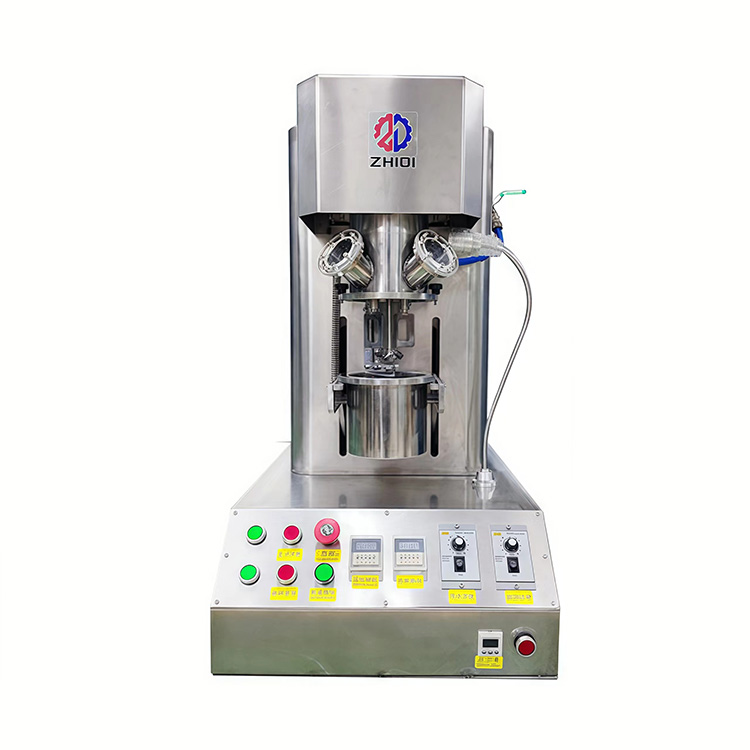
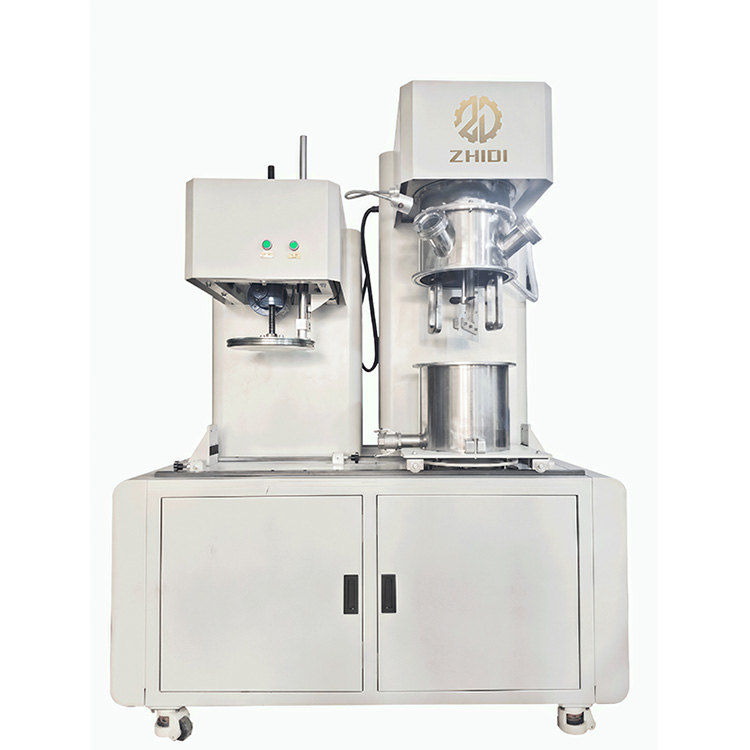
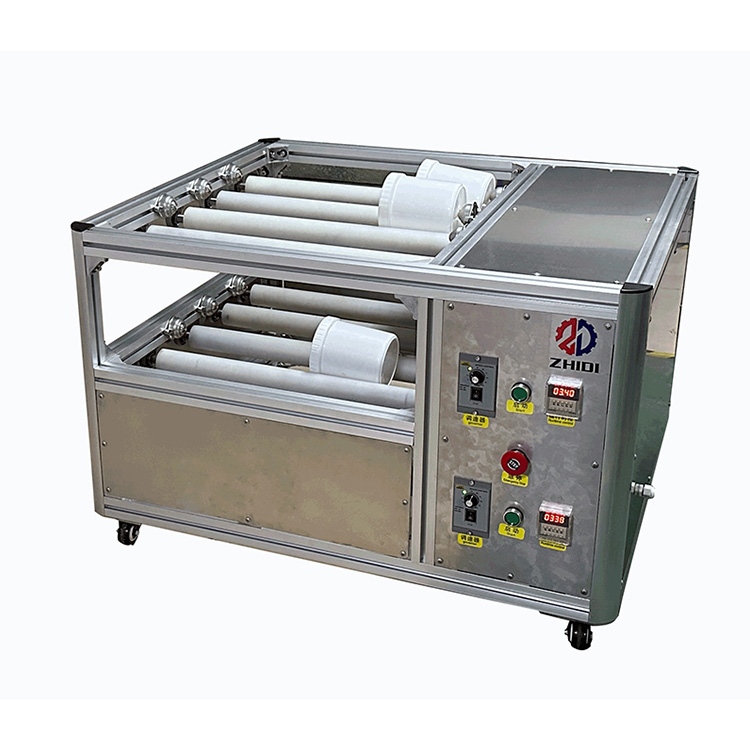
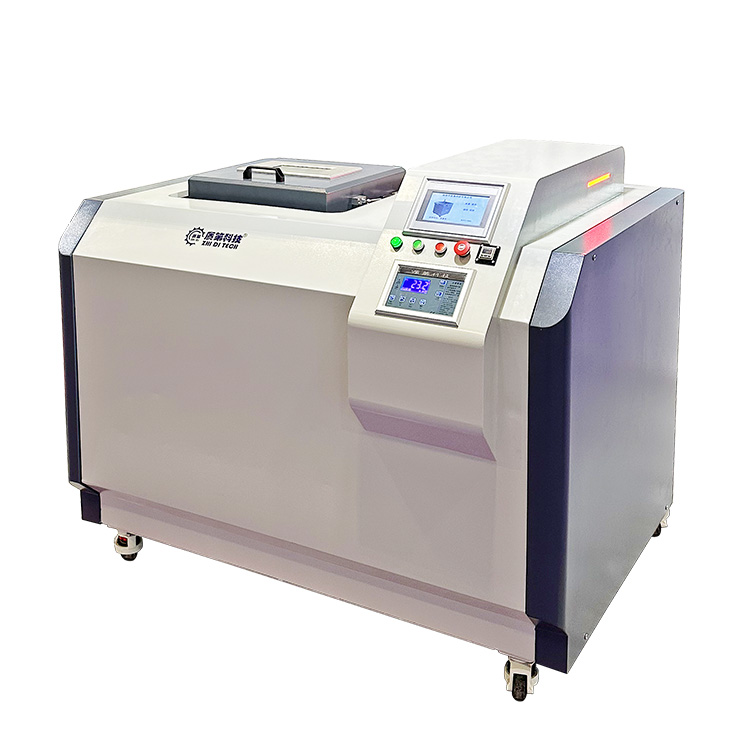





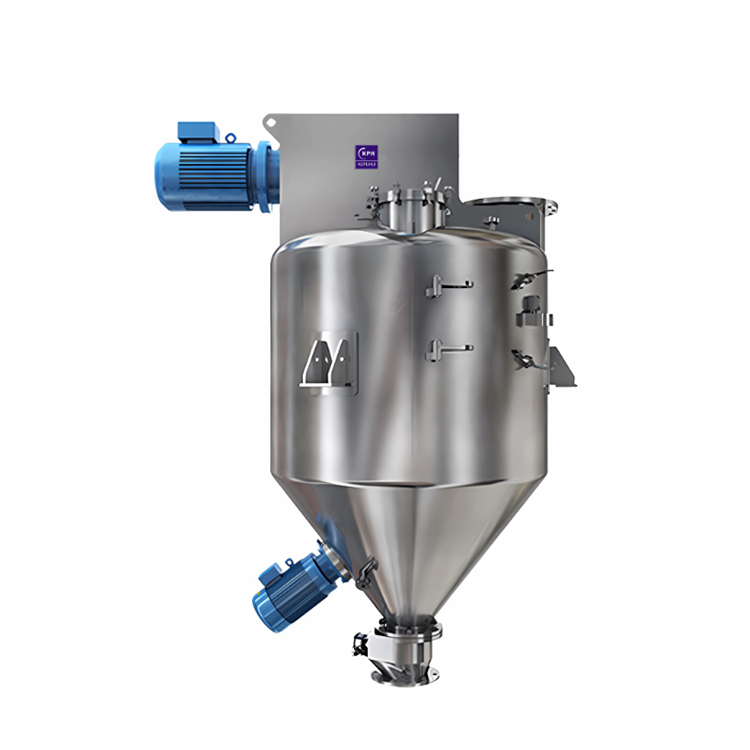
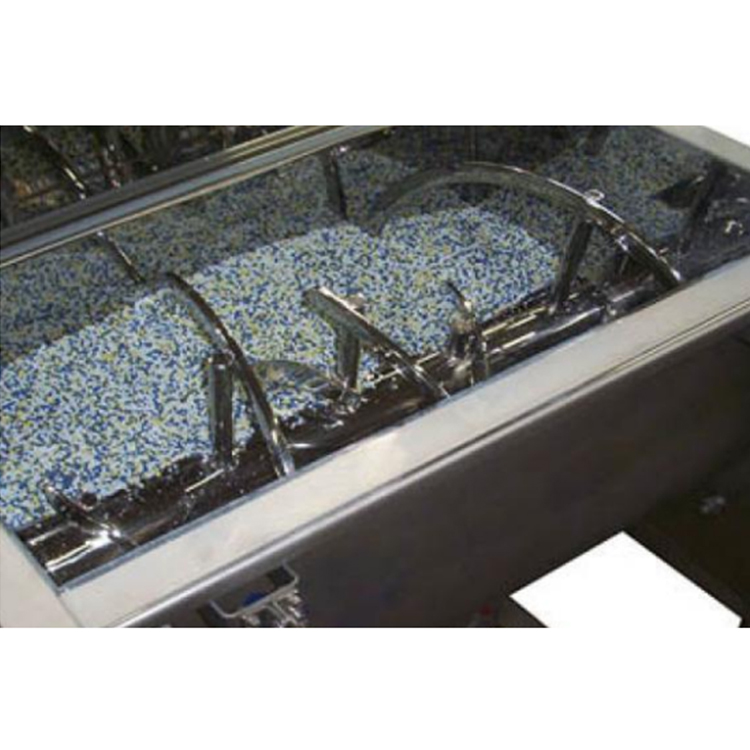
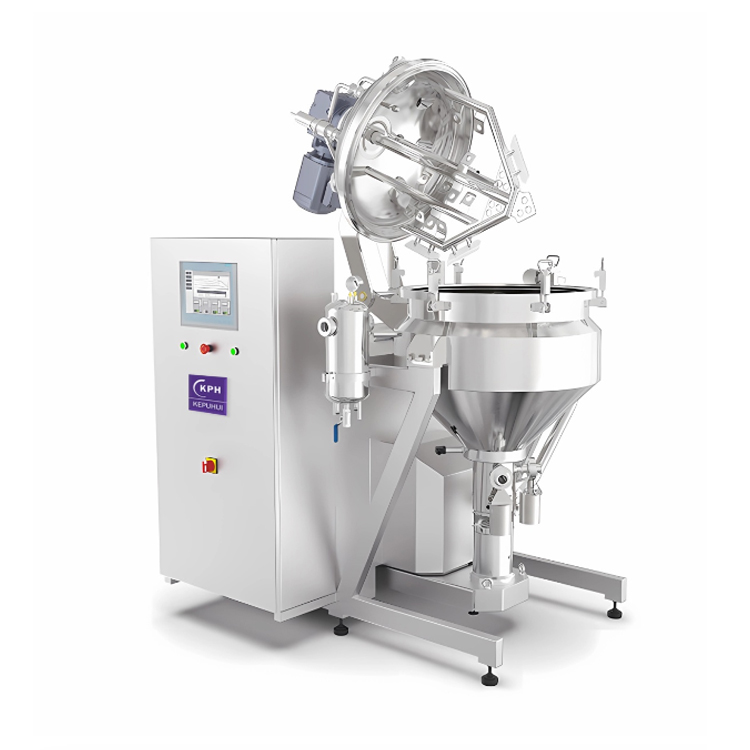
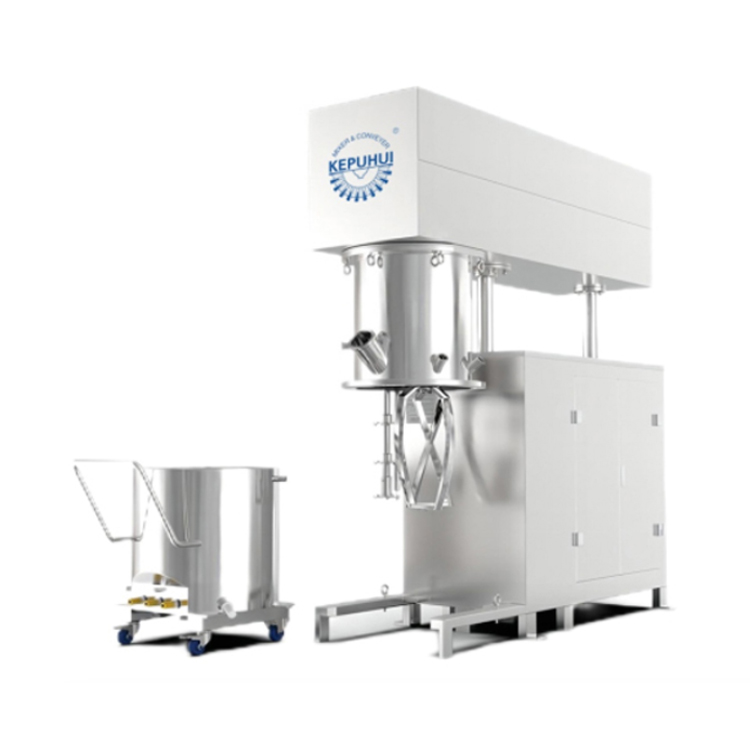
Mixers are suitable for homogenizing mixable liquids, as well as dissolving, dispersing, and blending gas and solid particles within liquids. Adjusting temperature or concentration differences will enhance the efficiency of the mixing process. Additionally, liquid mixing can accelerate the dissolution process and increase the rate of chemical reactions. Mixers are applied in various aspects of the food industry and more.
Operating Principle:
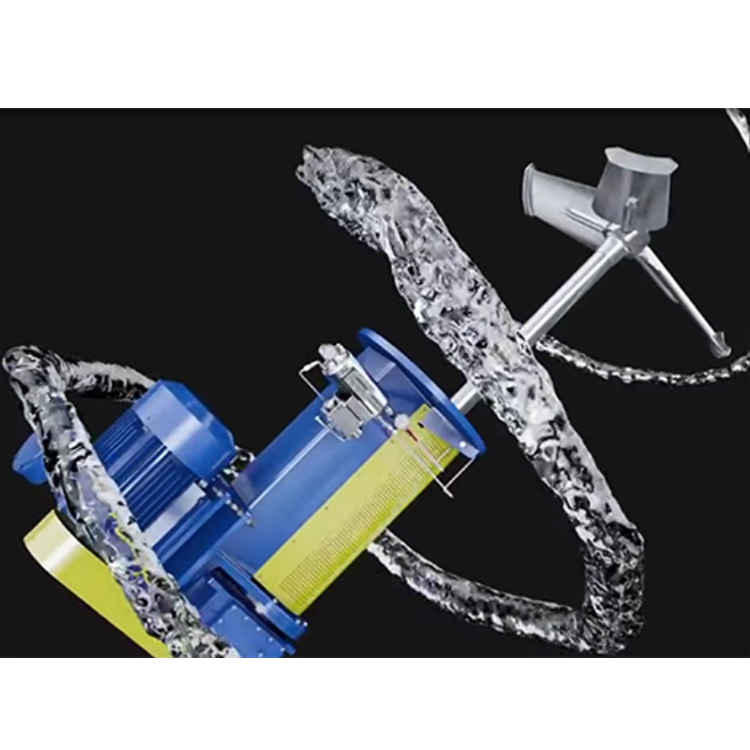
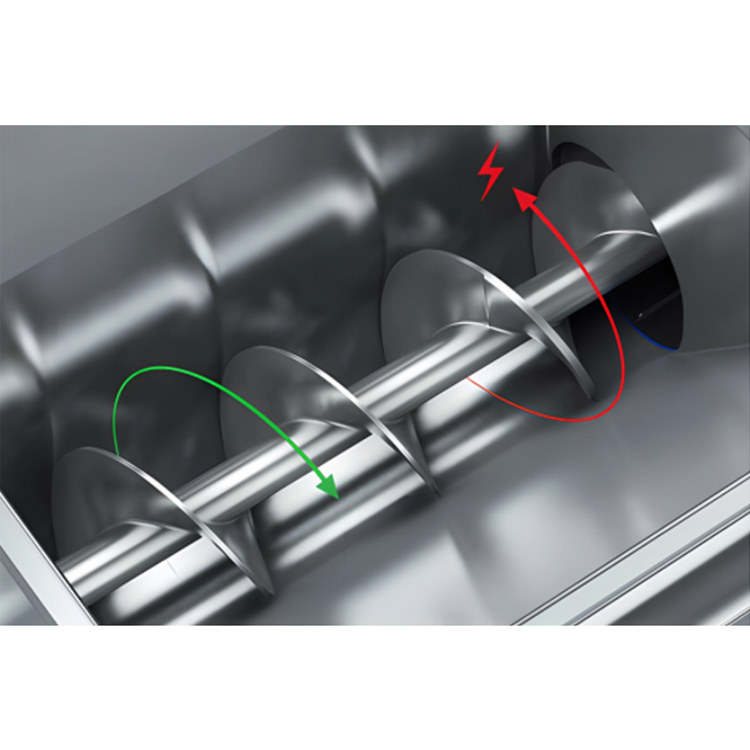
The mixer transfers mechanical energy to the fluid as it rotates, causing the fluid to flow in three states: turbulent, transitional, and laminar. Near the paddle blades, a mixing zone is formed, creating a high-speed jet that drives the fluid to circulate within the mixing vessel. The capacity of the mixer is typically defined by the pump rate it provides (volume/minute). Dividing the pump rate by the tank volume gives the number of times the contents of the tank are circulated per minute, known as the "tank turnover rate." The mixing time is the number of minutes required for the contents of the tank to be circulated X times (X is determined by the application and experience).