






Air cooler

Product Overview
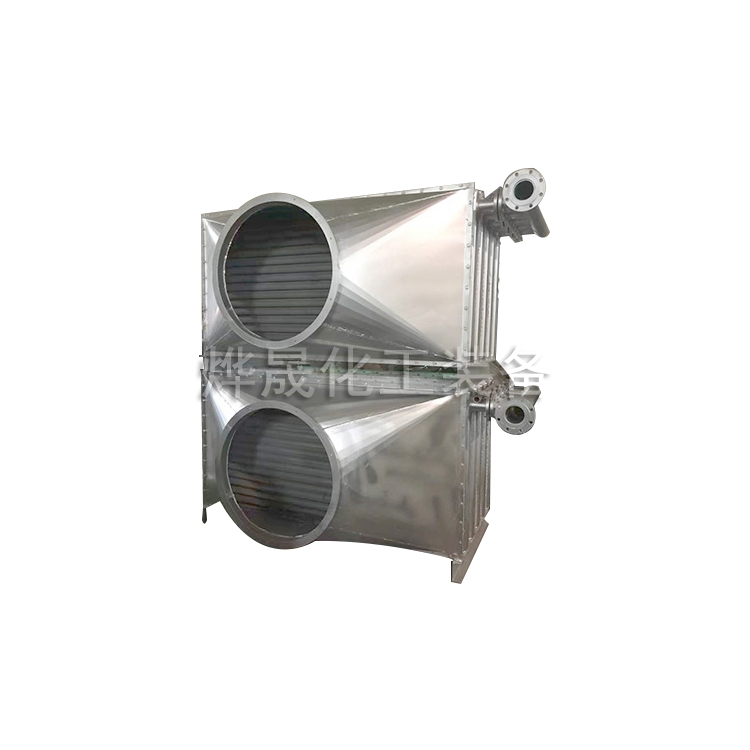
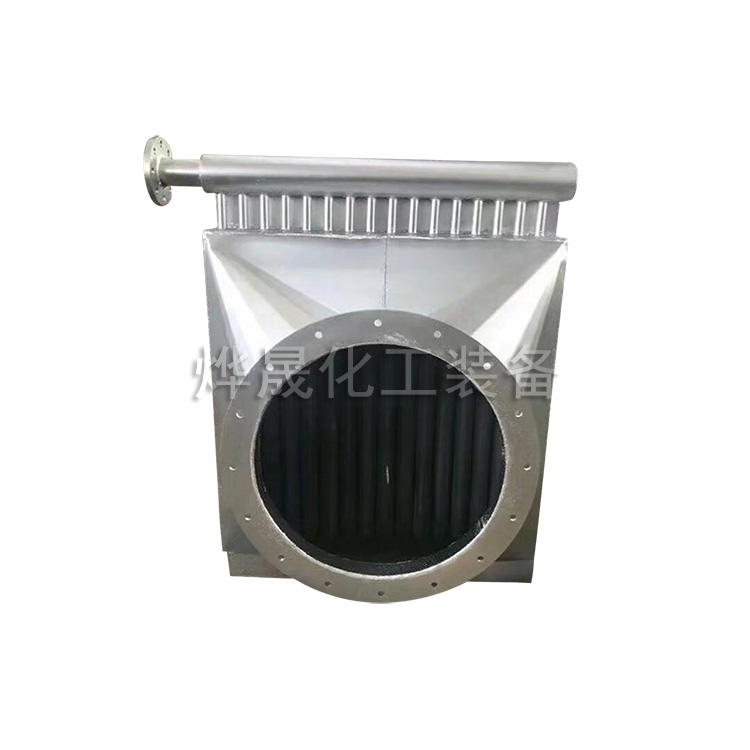
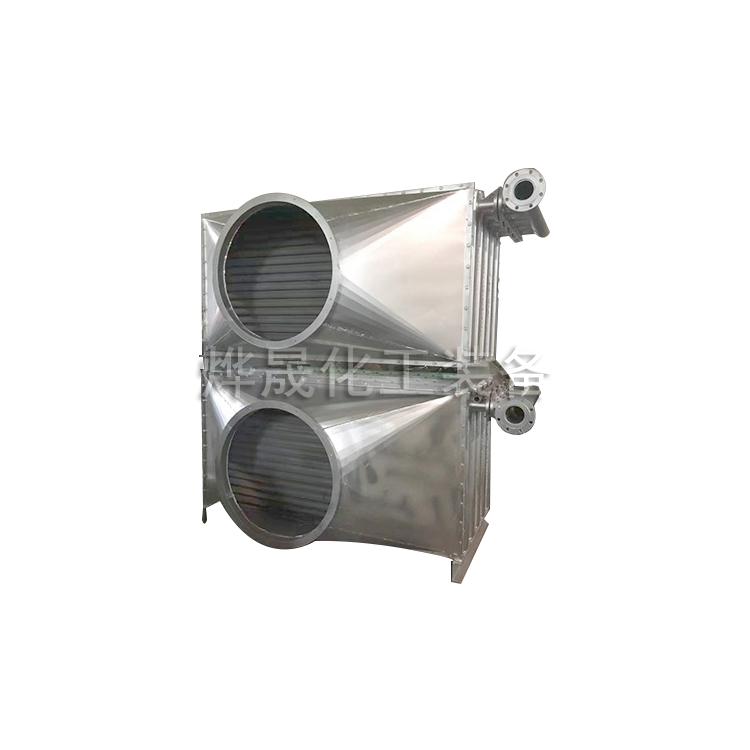
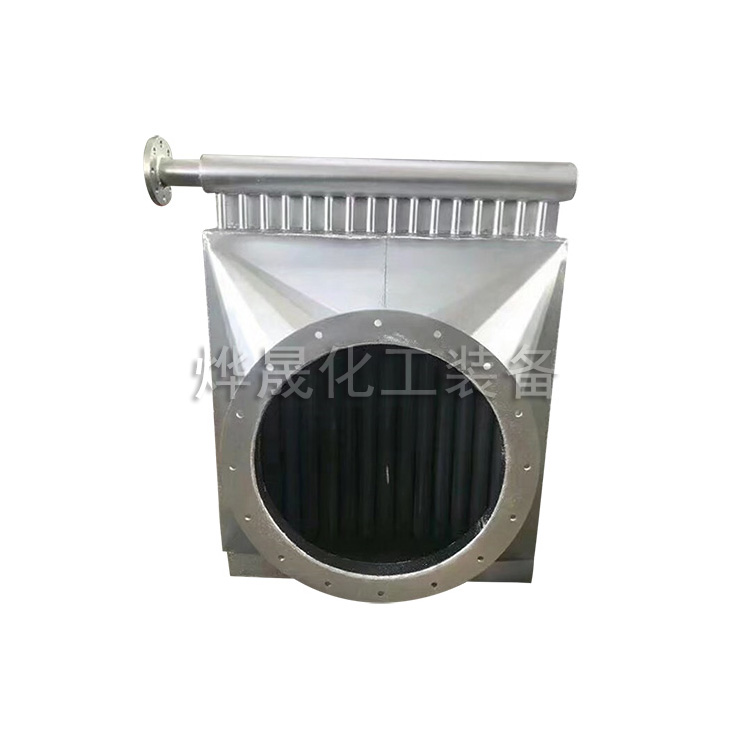
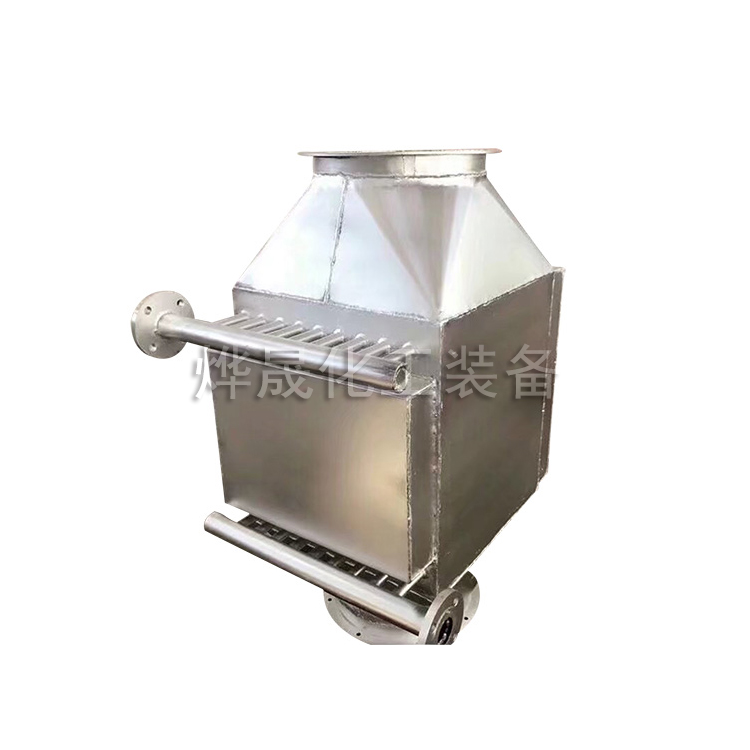
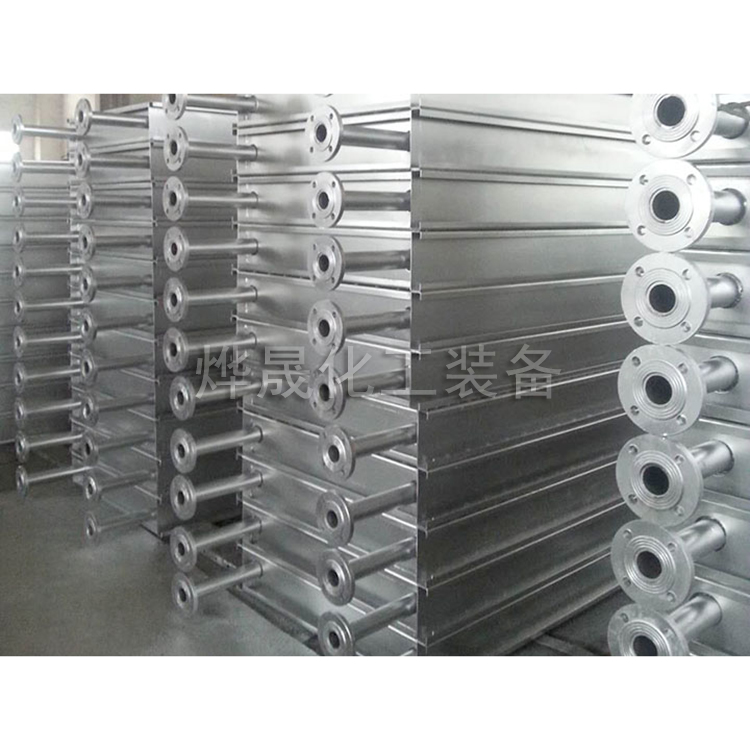
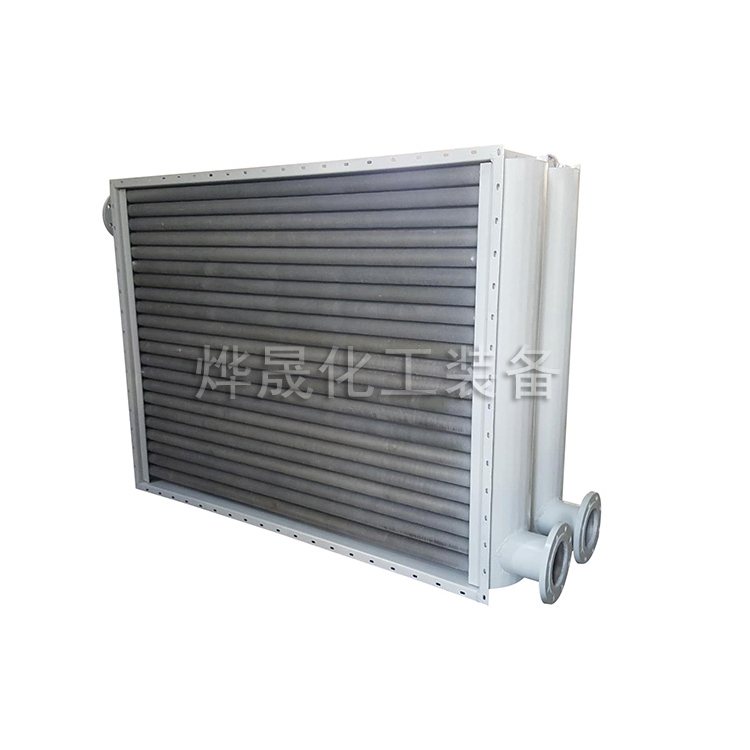
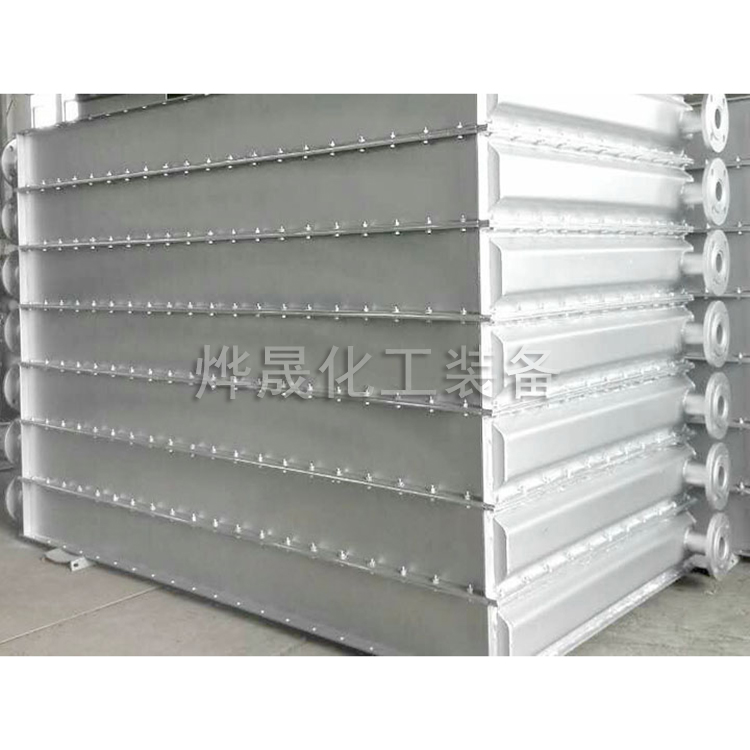
Air-cooled heat exchangers, commonly referred to as air coolers, use air as the cooling medium and can be used as both coolers and condensers. They are primarily composed of tube bundles, supports, and fans. The hot fluid in the air cooler flows inside the tubes, while air blows over the tube bundles externally. Due to the large ventilation volume required for heat exchange and the low wind pressure, centrifugal fans are often used (see fluid conveyance machinery).
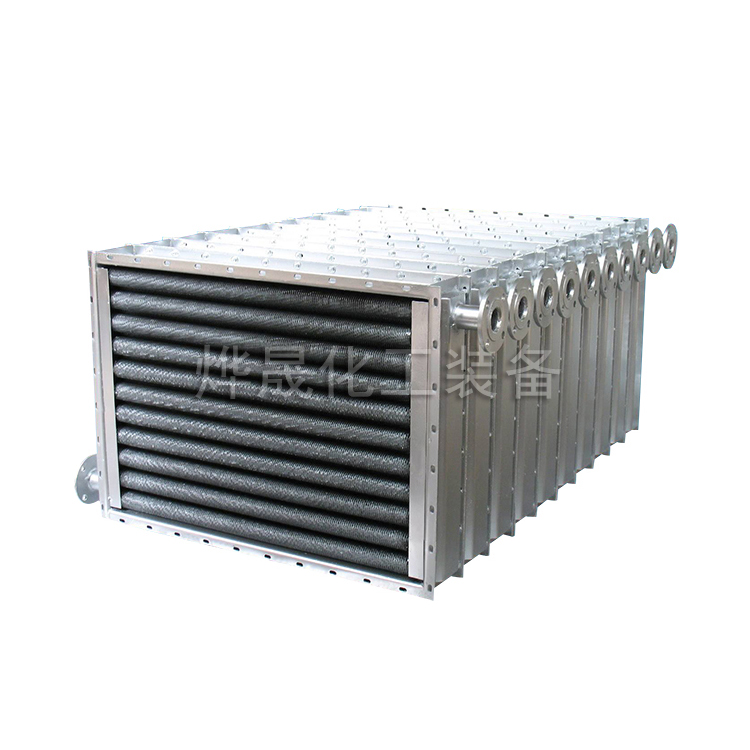
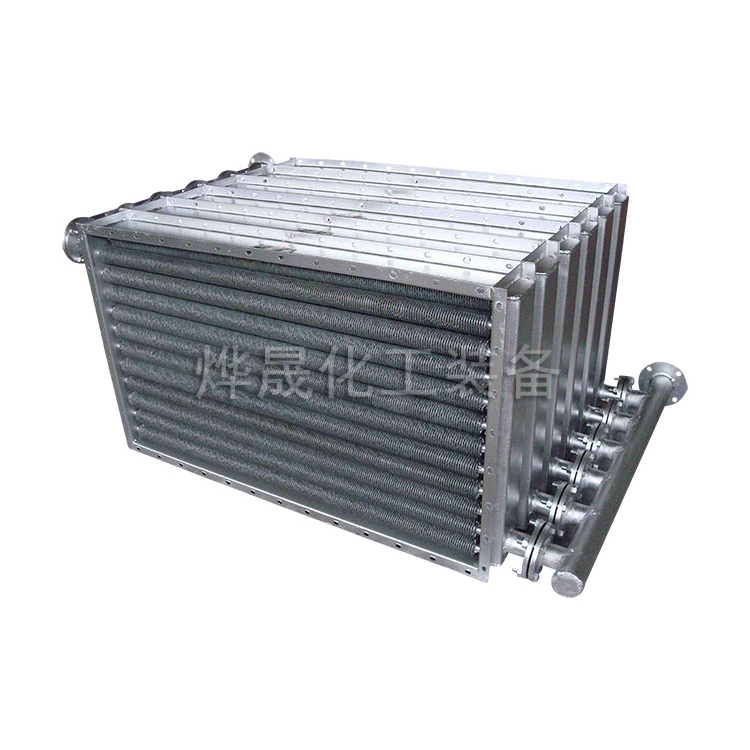
The type and material of the fins greatly affect the performance of air-cooled heat exchangers. Due to the small heat transfer coefficient on the air side, fins are often added to the tubes to increase the heat transfer area and fluid turbulence, thereby reducing thermal resistance. Air-cooled heat exchangers typically use tubes with an outer diameter of 25mm, low fin tubes with a fin height of 12.5mm, and high fin tubes with a fin height of 16mm. Fins are usually made of high thermal conductivity materials (commonly aluminum) and are wrapped or embedded onto the tubes. To enhance the heat transfer efficiency of the air-cooled heat exchanger, water can be sprayed into the inlet air to increase humidity. This not only lowers the air temperature but also increases the heat transfer coefficient. Using air-cooled heat exchangers can save a significant amount of industrial water, reduce environmental pollution, and lower construction costs. Particularly in water-scarce areas, replacing water cooling with air cooling can alleviate the contradiction of insufficient water resources.
Air-cooled radiator structure
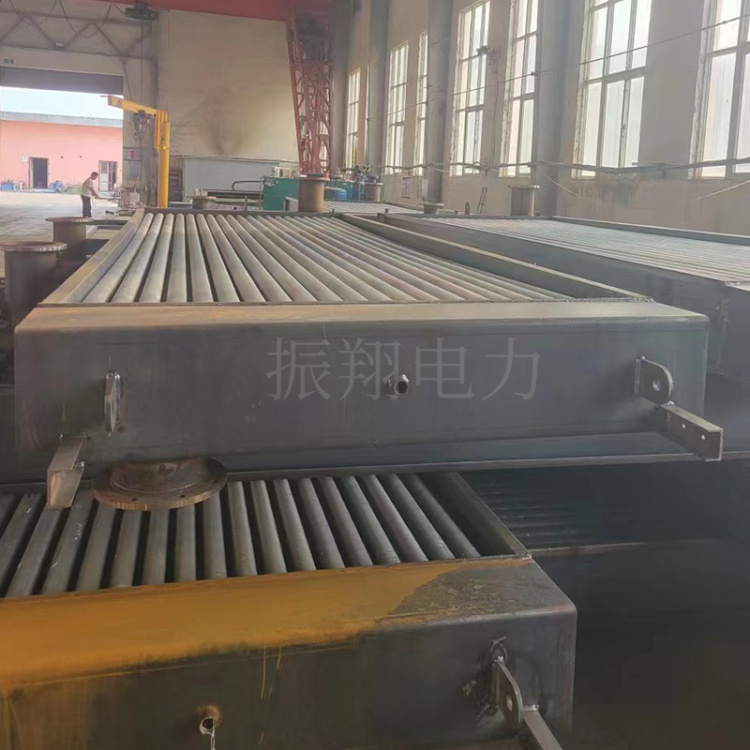
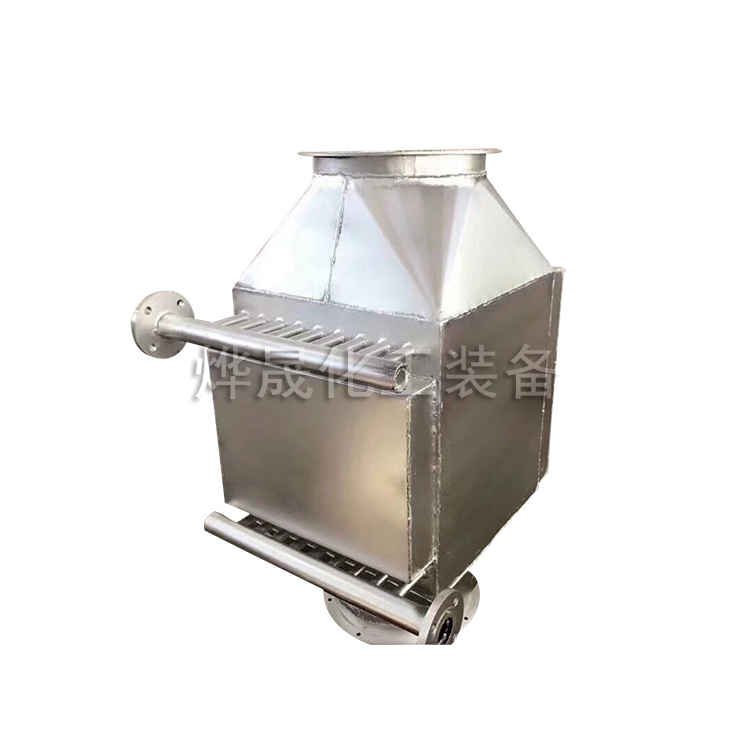
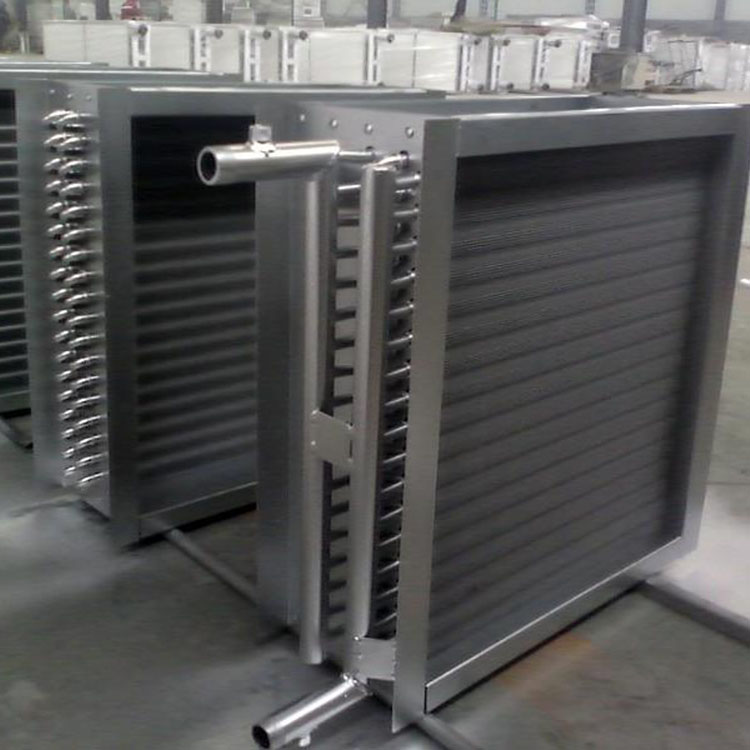
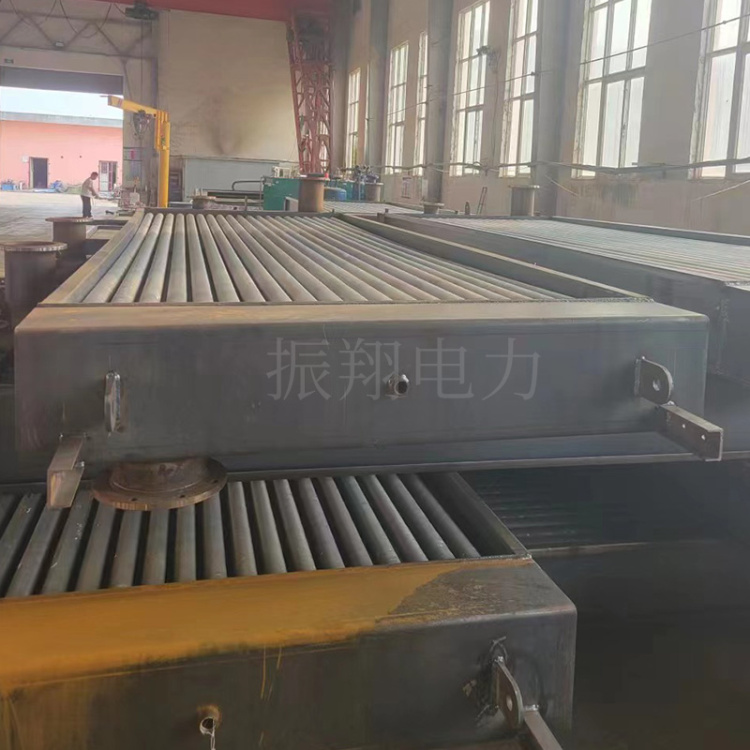
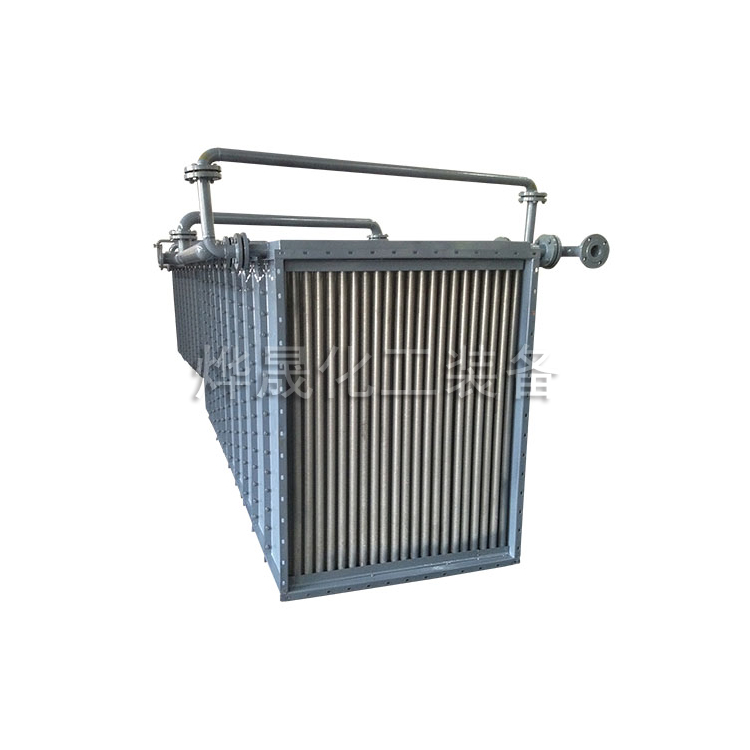
The air cooler is primarily composed of three parts: the tube bundle, the fan, and the frame. The tube bundle includes heat transfer tubes, tube boxes, side beams, and cross beams, etc. It can be arranged in three basic forms: horizontal, vertical, and slanting roof (roof truss) styles. The horizontal arrangement offers a large heat transfer area with uniform air distribution and good heat transfer performance; the slanting roof arrangement has the fan installed in the central space of the truss, which requires less floor space and is structurally compact. To offset the lower heat transfer coefficient on the air side, tubes with fins on the outer surface of the smooth tube are commonly used. Finned tubes, as heat transfer tubes, can increase the heat transfer area. The fins are arranged in layers and connected to the tube box at both ends using welding or胀接 methods. The number of rows of pipes typically ranges from 3 to 8. The tube bundle series can reach up to 12 meters in length. The outer diameter of the smooth tube is usually 25 mm and 38 mm, with the fin height generally at 12 to 15 mm, and the width of the tube bundle ranging from 100 to 3000 mm. The finned tube is a core component of the air cooler, and its form and material directly affect the equipment's performance. The tubes can be made of carbon steel, copper, aluminum, and stainless steel; the fin material is determined based on the usage environment and manufacturing process, with industrial pure aluminum being commonly used. Copper or stainless steel may also be used in high corrosion resistance requirements or under special manufacturing conditions. The fins can be arranged horizontally or vertically. The basic forms of finned tubes include: coiled fins, inserted fins, rolled fins, sleeve fins, welded fins, elliptical tube fins, and turbulent fins (including spoke-type, grooved, and wavy shapes, etc.). The tube box structure mainly includes flanged, plug, and manifold types. The flanged type is generally used for medium and low pressure, while the plug and manifold types are used for high pressure. To accommodate the thermal expansion of the tube bundle, one end of the tube box is not fixed, allowing for displacement along the pipe length. The fan is typically an axial flow fan.
Ventilation Method
There are two methods of ventilation: blowing air and drawing air. ①Blowing air: Air flows through the fan first and then into the bundle. ②Drawing air: Air flows through the bundle first and then into the fan. The former is more cost-effective in operation, generates turbulence beneficial for heat transfer, and is more commonly used. The latter ensures even airflow distribution,有利于precise temperature control, has low noise, and is the direction of development. The outlet temperature of the hot fluid mainly depends on controlling the air volume passing through the bundle, i.e., adjusting the angle of the blades, the speed of the fan, and the opening degree of the louver. For fluids that are prone to condensation and freezing in winter, methods such as hot air recirculation or steam heating can be used to adjust the outlet temperature of the fluid.