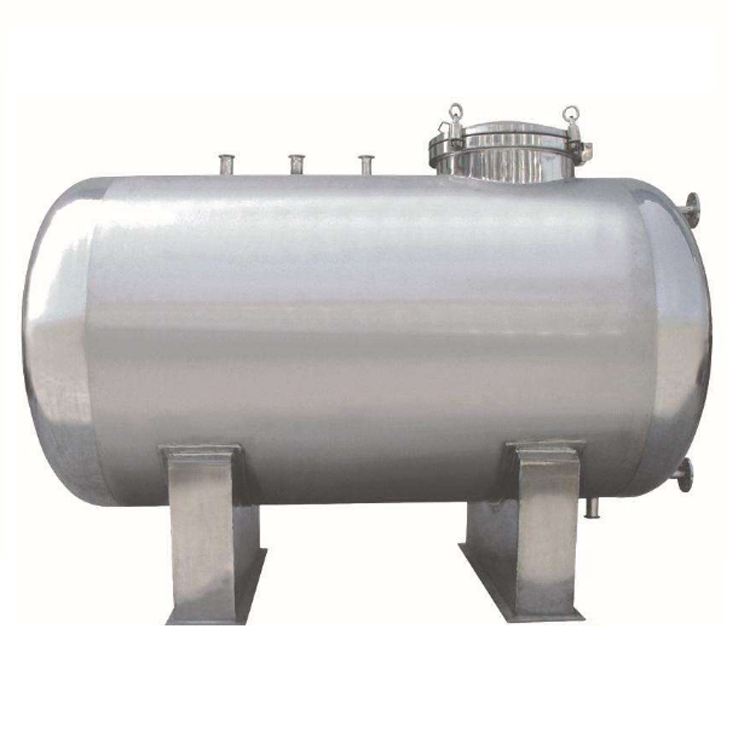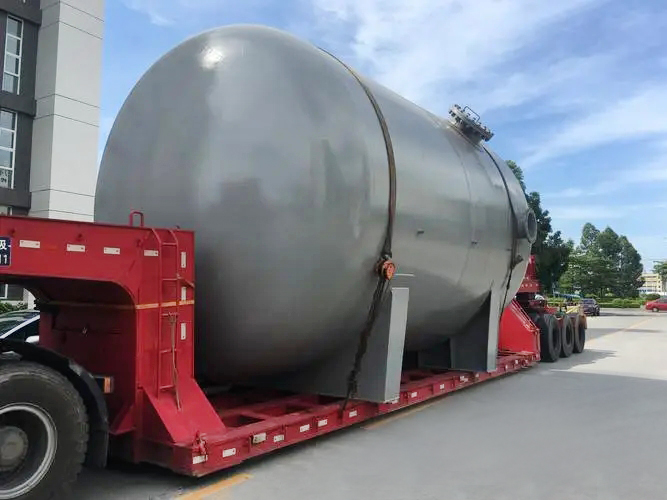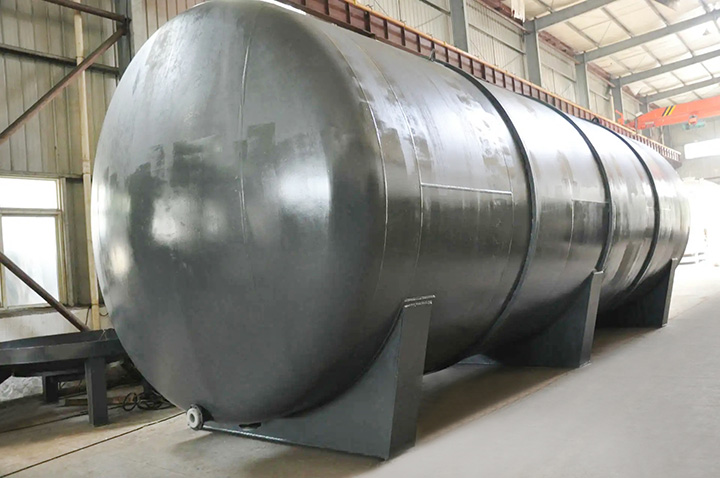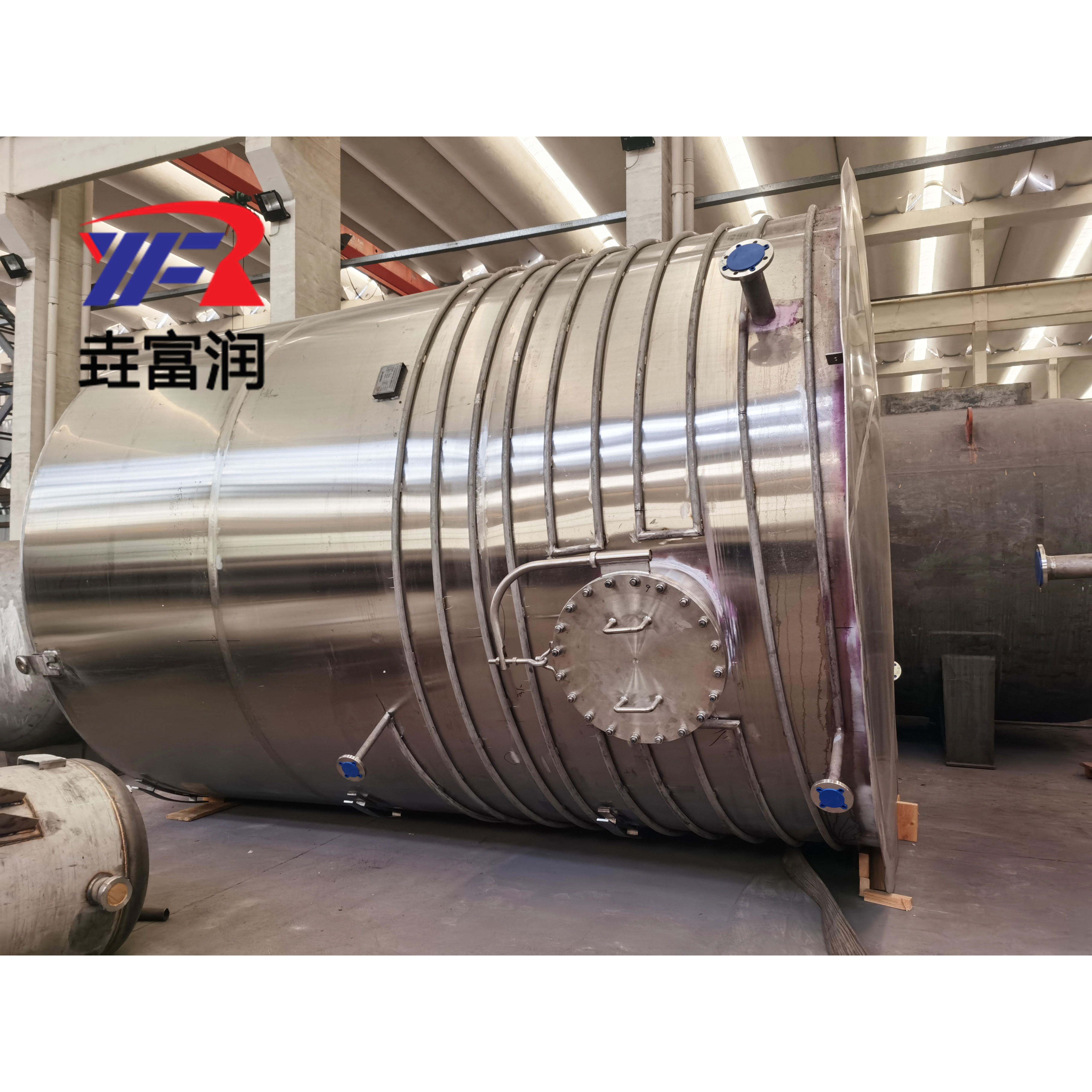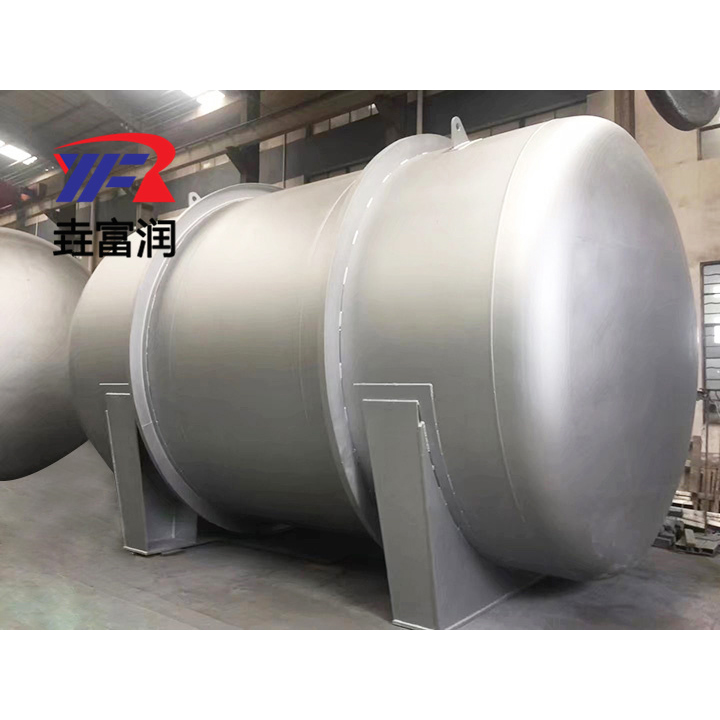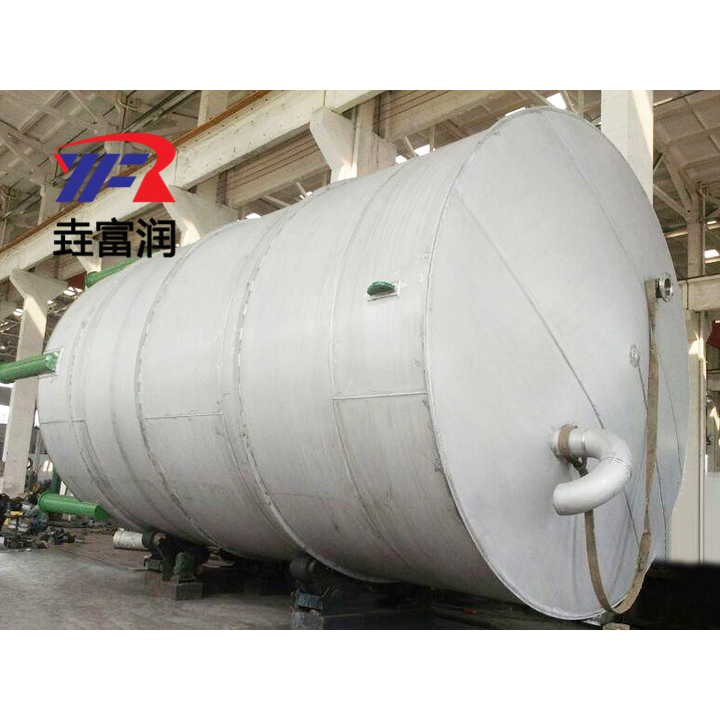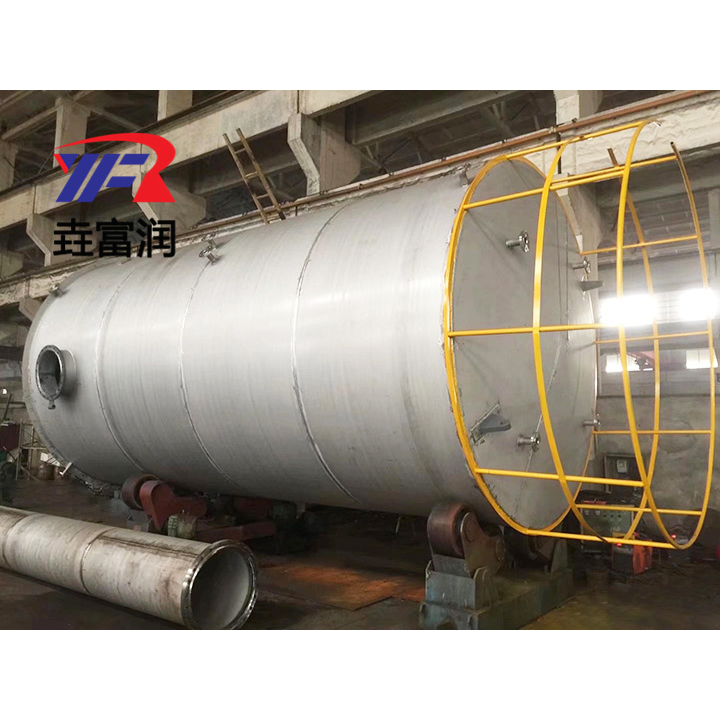

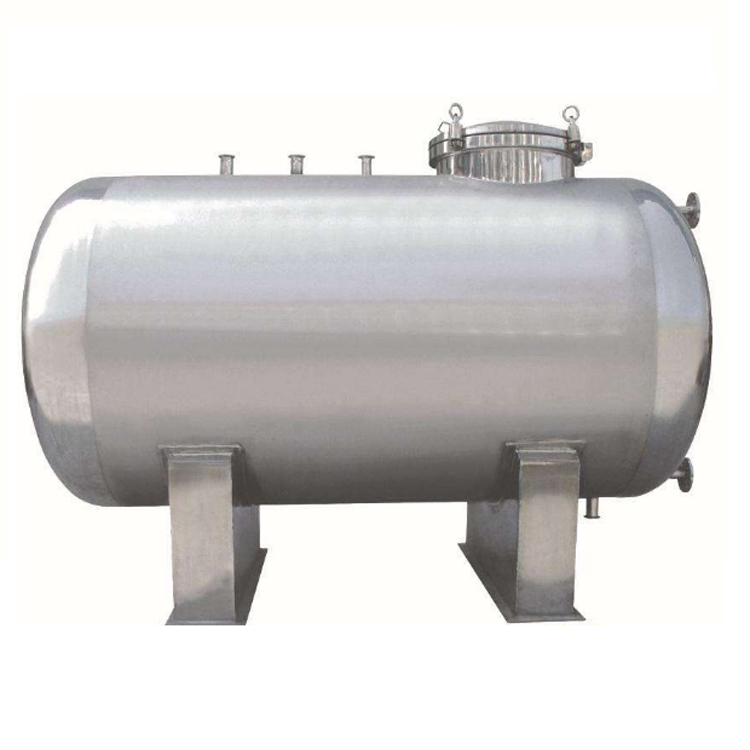


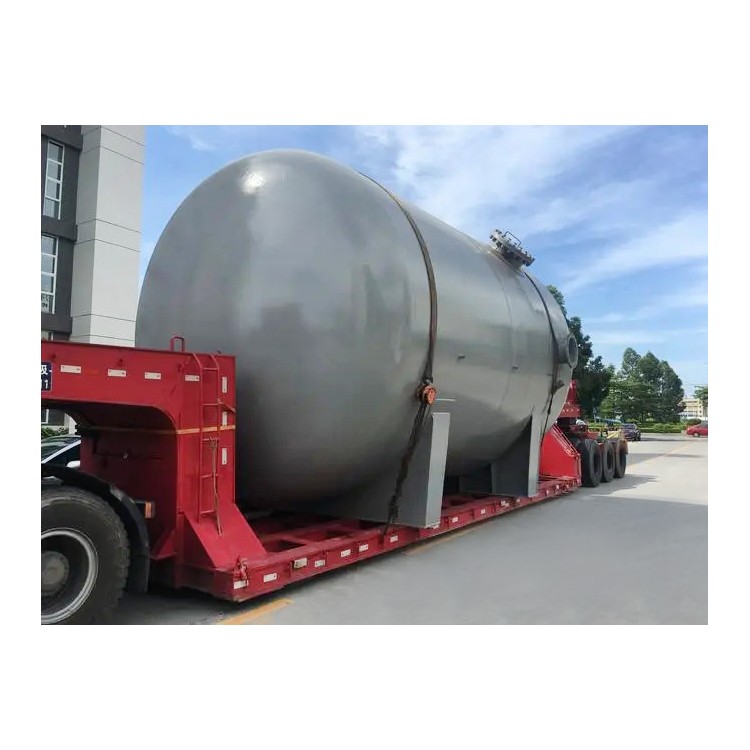
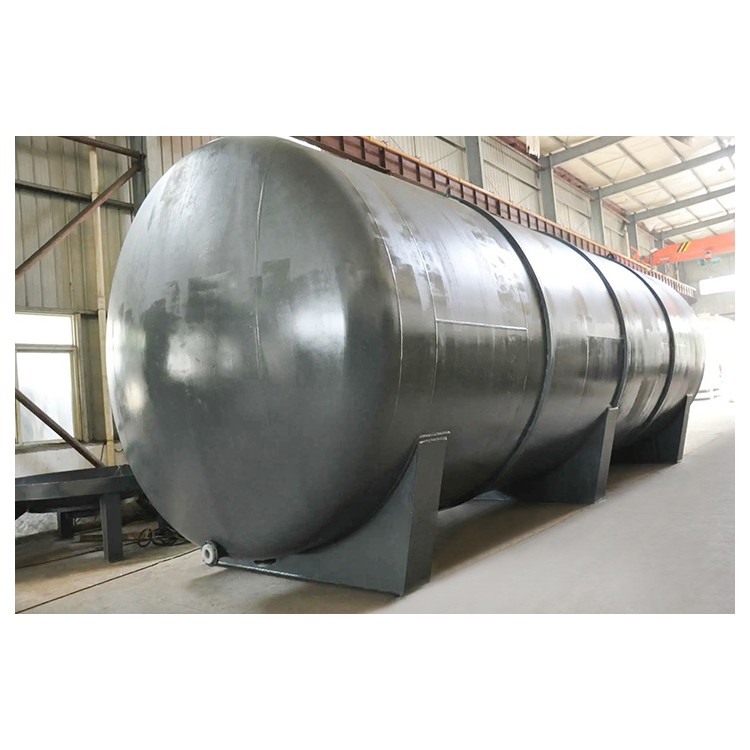


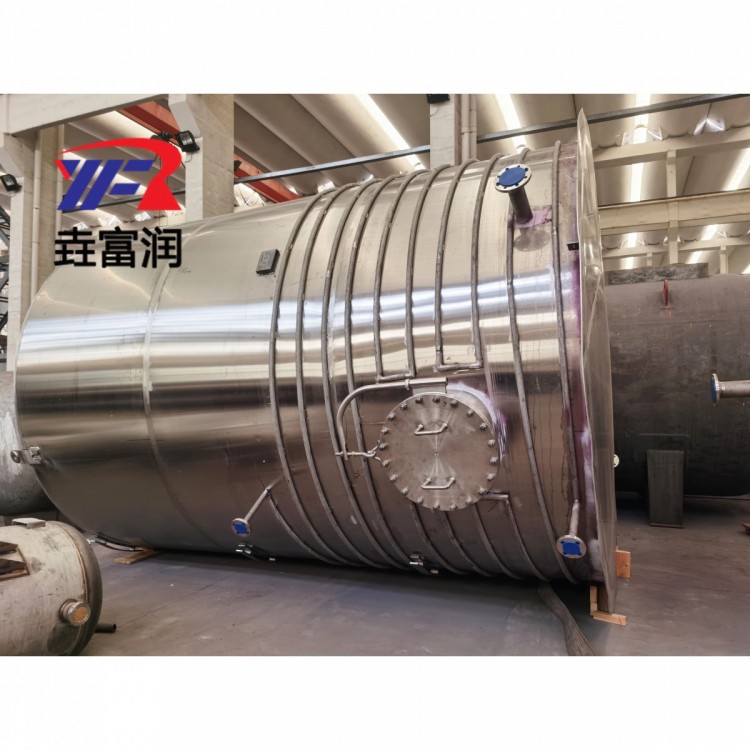
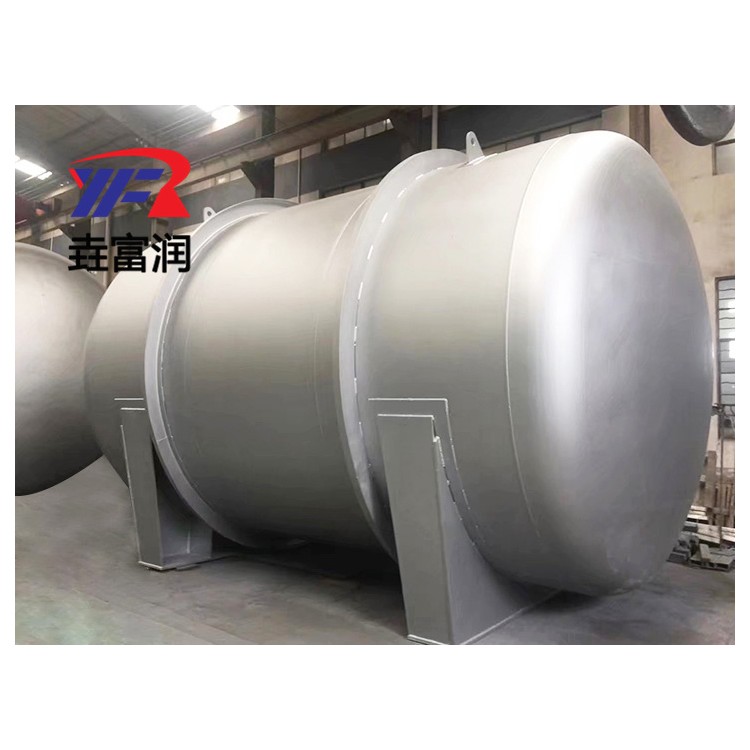
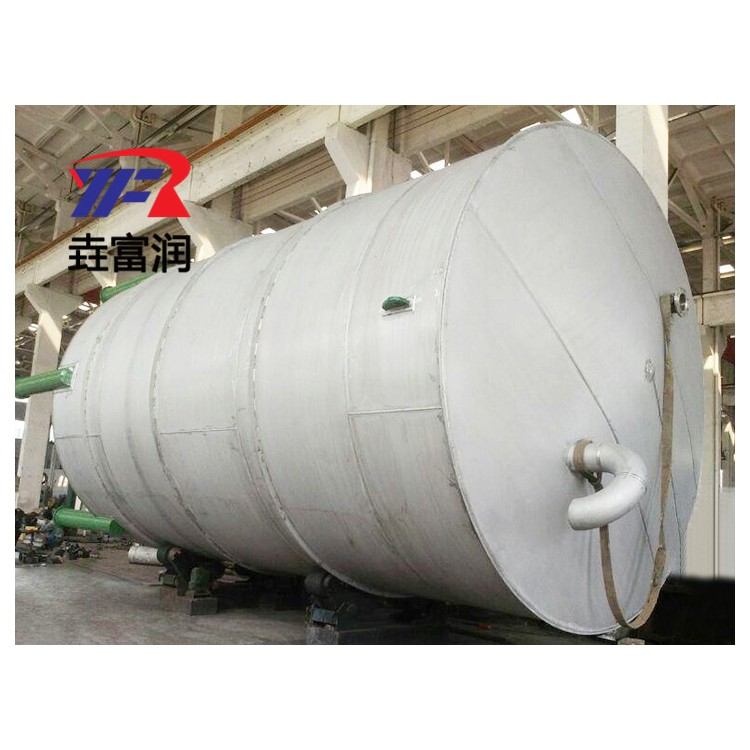
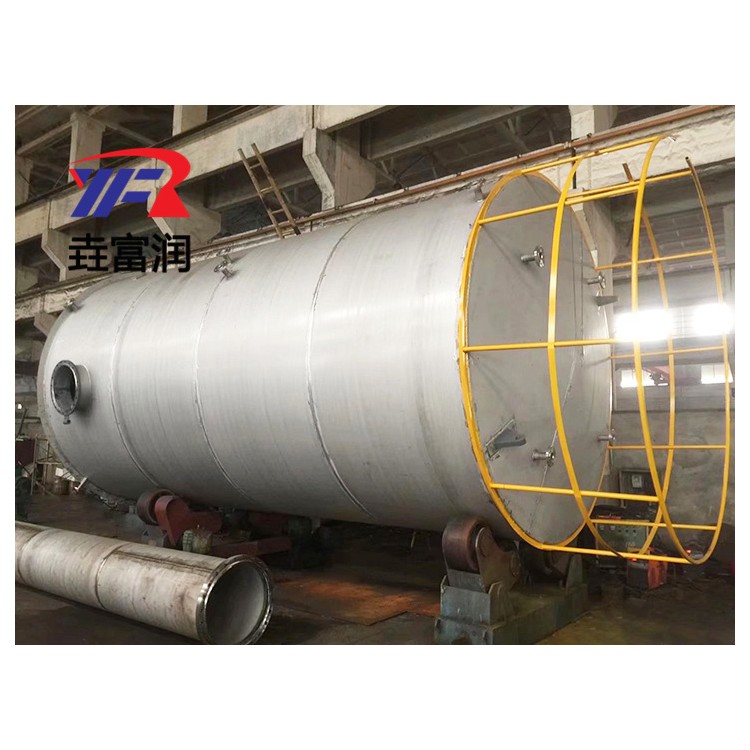





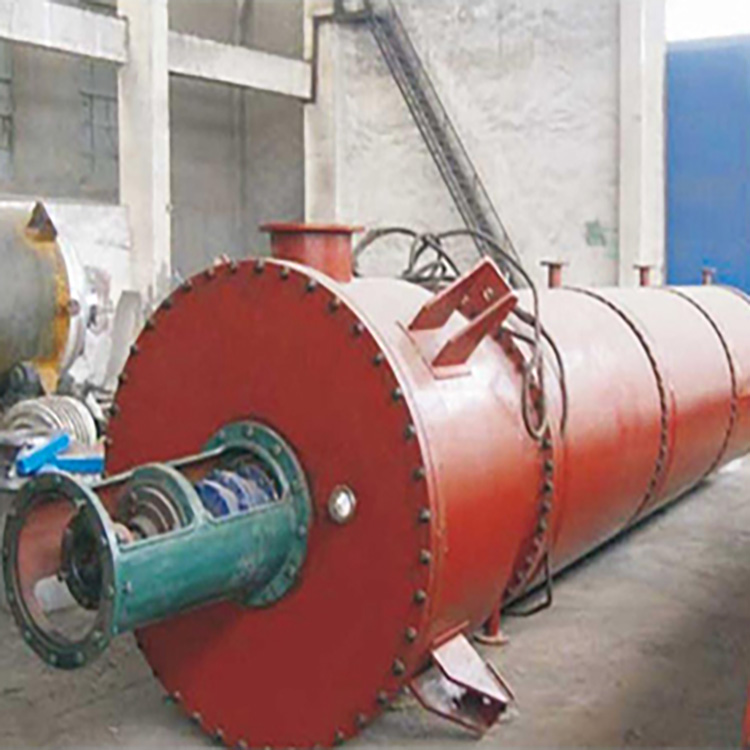
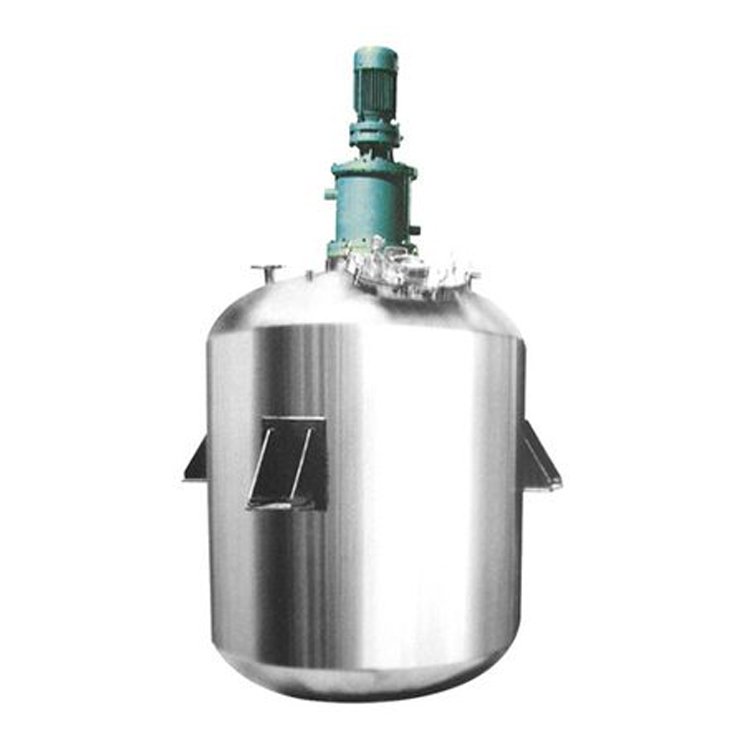

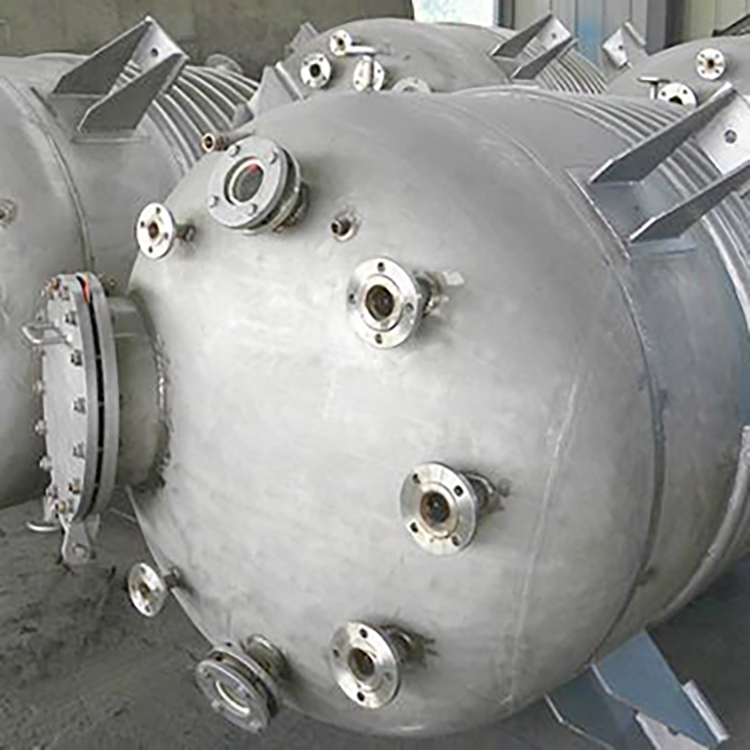
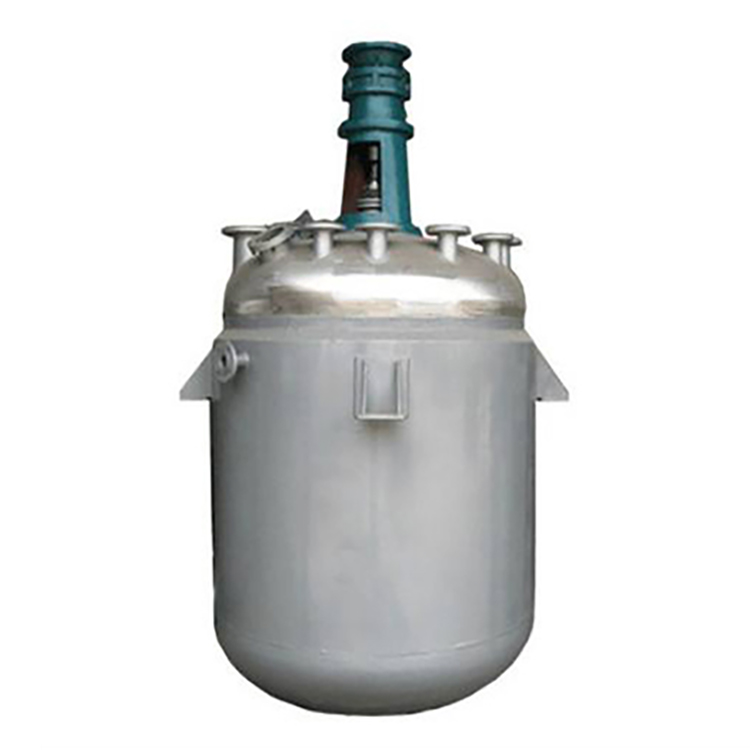
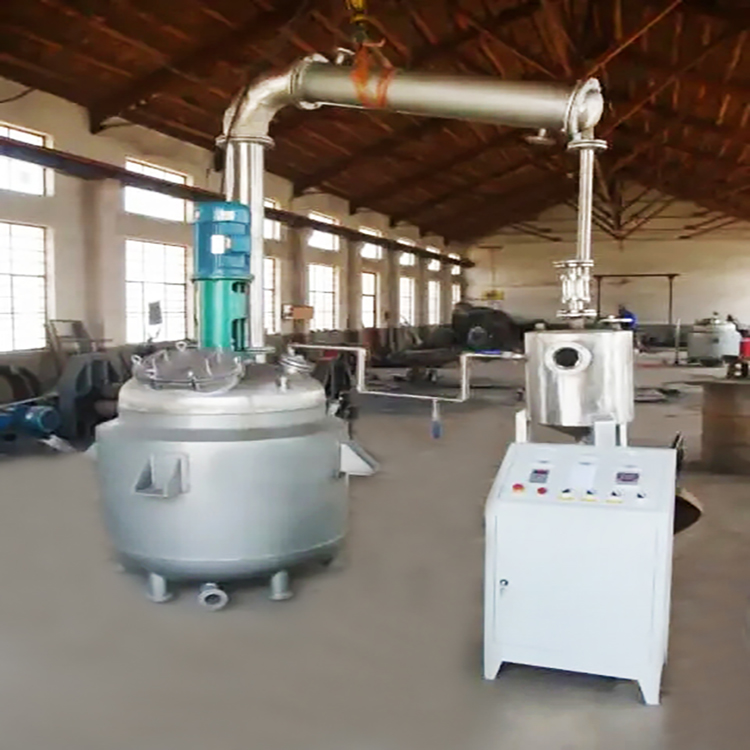
Horizontal Storage Tank
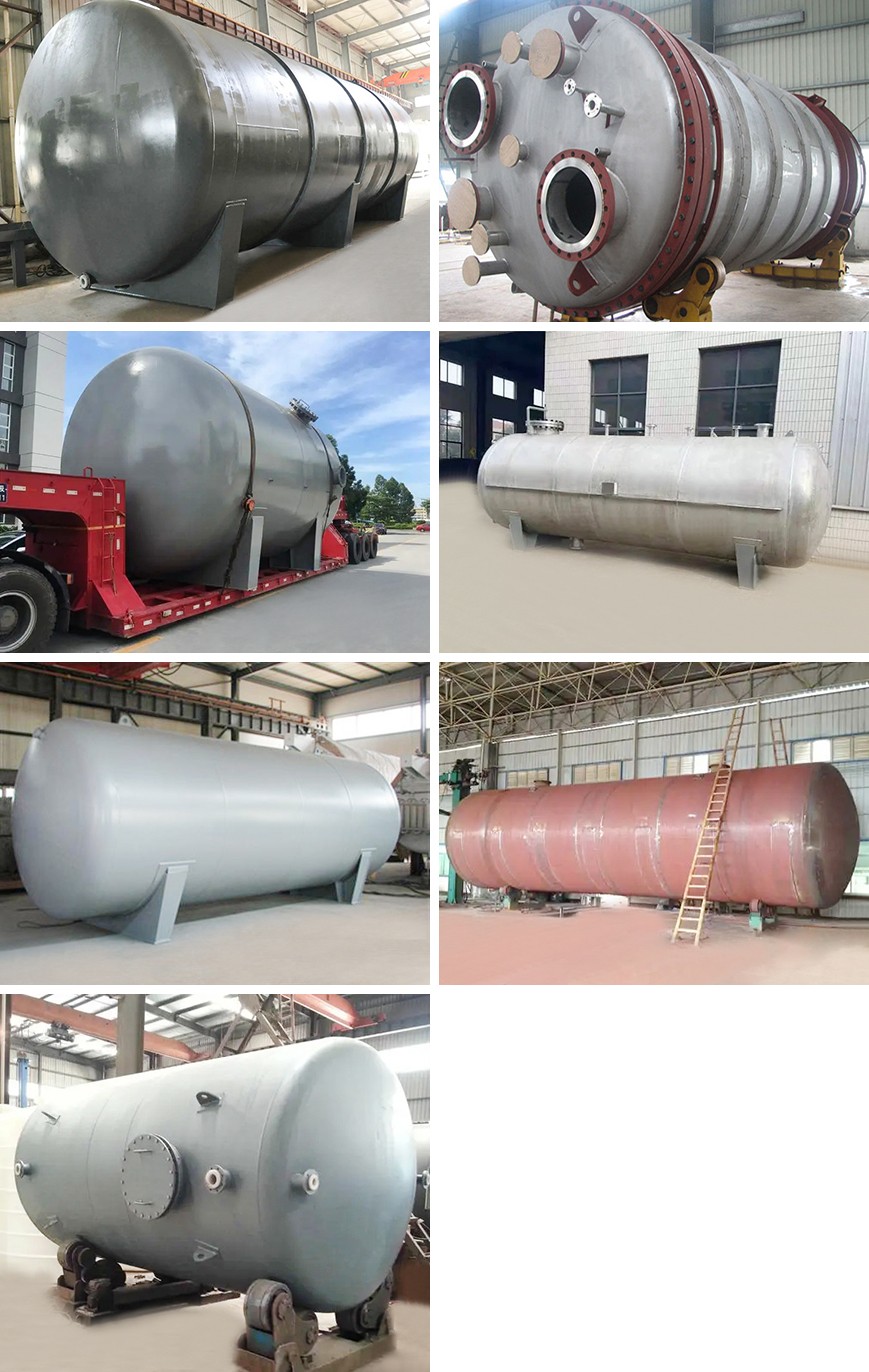
Definition of Horizontal Storage Tank
Horizontal storage tanks are containers for storing oil products and are the main equipment in oil depots. They are suitable for storing fuel oil and various petrochemical raw materials commonly used in industrial and civil facilities. Stainless steel storage tanks can be categorized into metallic horizontal tanks and non-metallic horizontal tanks based on material; into underground horizontal tanks, semi-underground horizontal tanks, and above-ground horizontal tanks based on location; into vertical and horizontal installations based on installation type; and into cylindrical, rectangular box, and spherical shapes based on shape.
Horizontal stainless steel storage tanks are easy to store. Pressure: Atmospheric pressure; Temperature: -25℃ to 180℃; Medium: Fuel oil (petrochemical raw materials, etc.).
The construction of horizontal stainless steel storage tanks must be strictly adhered to.
By application
a. Above-ground Horizontal Storage Tanks - These refer to horizontal storage tanks whose base is at or above the adjacent area's grade level, or horizontal storage tanks where the buried depth is less than half of their height. Above-ground horizontal storage tanks are a common type found in oil refining enterprises, known for their ease of construction, convenient management, and maintenance. However, they have high evaporation losses and fire risks.
b. Underground horizontal storage tanks refer to horizontal tanks where the liquid level at the highest point is 0.2 meters lower than the adjacent low elevation, with a soil cover on the tank top of at least 0.5 meters thick. These horizontal tanks have low loss rates and a reduced risk of fire.
c. Semi-submerged Horizontal Storage Tanks - These are horizontal storage tanks where the buried depth exceeds half of the tank's height, with the liquid level at the interior of the horizontal tank not exceeding 2 meters above the adjacent area's benchmark height.
Common metal horizontal storage tank shapes typically include vertical cylindrical, horizontal cylindrical, spherical, and others. Vertical cylindrical horizontal tanks can be further categorized based on their roof structures, such as truss roof tanks, moment-free roof tanks, beam-column roof tanks, arch roof tanks, dome roof tanks, and floating roof tanks, with the arch and floating roof tanks being most commonly used. The arch roof tank has a simple structure and is often used for storing crude oil, finished oil, and aromatic products. Floating roof tanks come in two types: internal floating roof and external floating roof. The steel floating roof inside the tank floats on the oil surface, moving up and down with the oil level. The floating roof not only reduces oil consumption but also diminishes the risk of fire and atmospheric pollution.
Especially for internal floating roof tanks, the evaporation loss is minimal, which reduces oxidation of the oil by air, ensuring the quality of stored oil and is beneficial for fire safety. Currently, internal floating roof tanks are widely used domestically and internationally for storing volatile light oil products and are a type of stainless steel storage tank in use.