



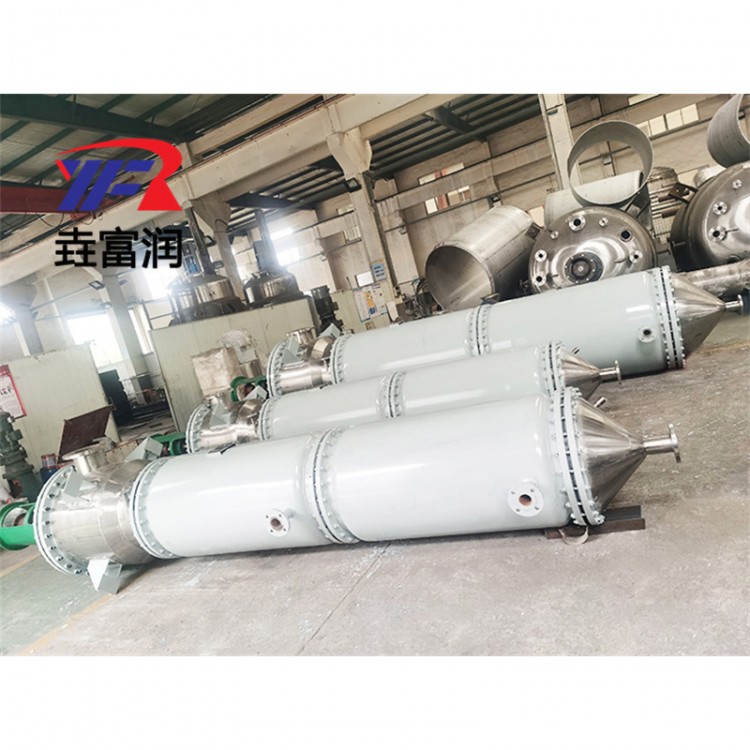
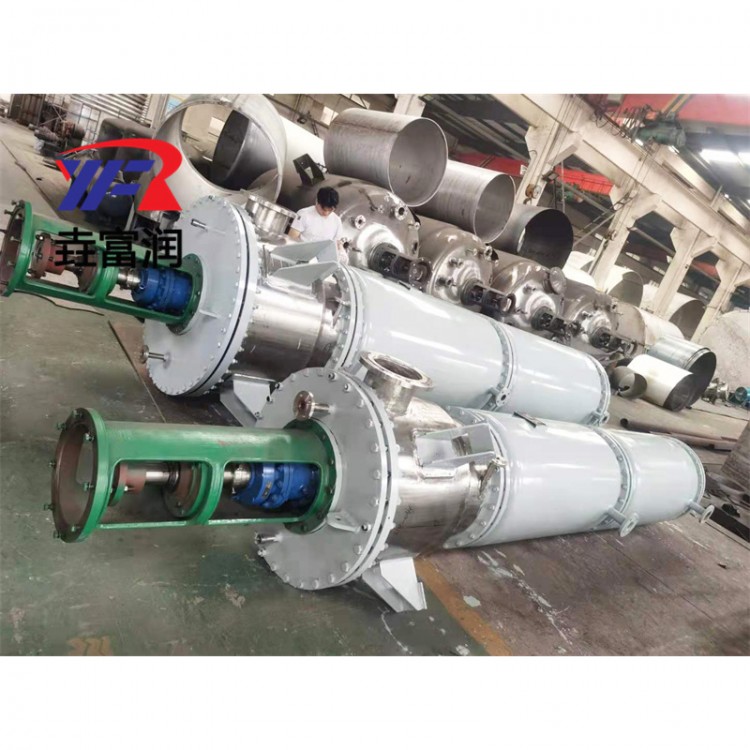
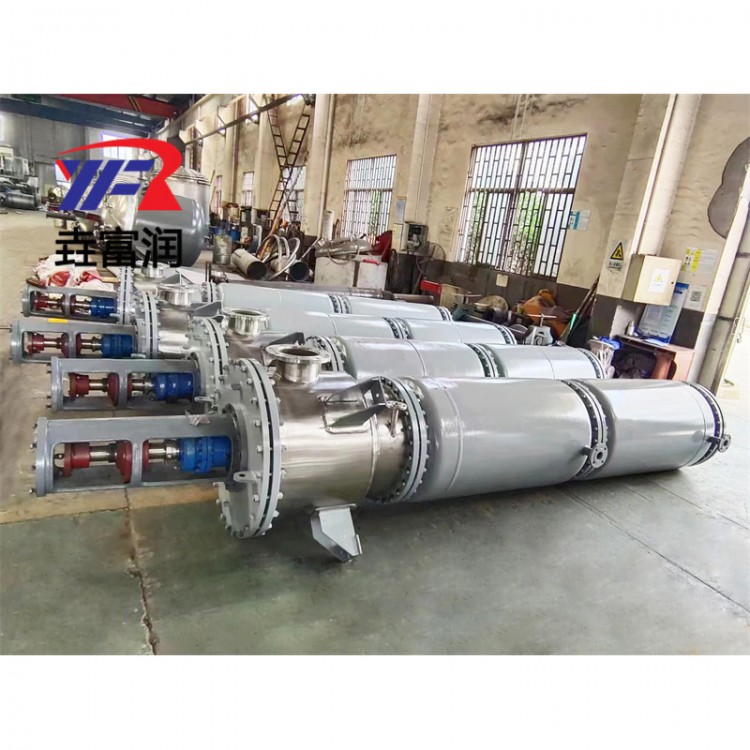
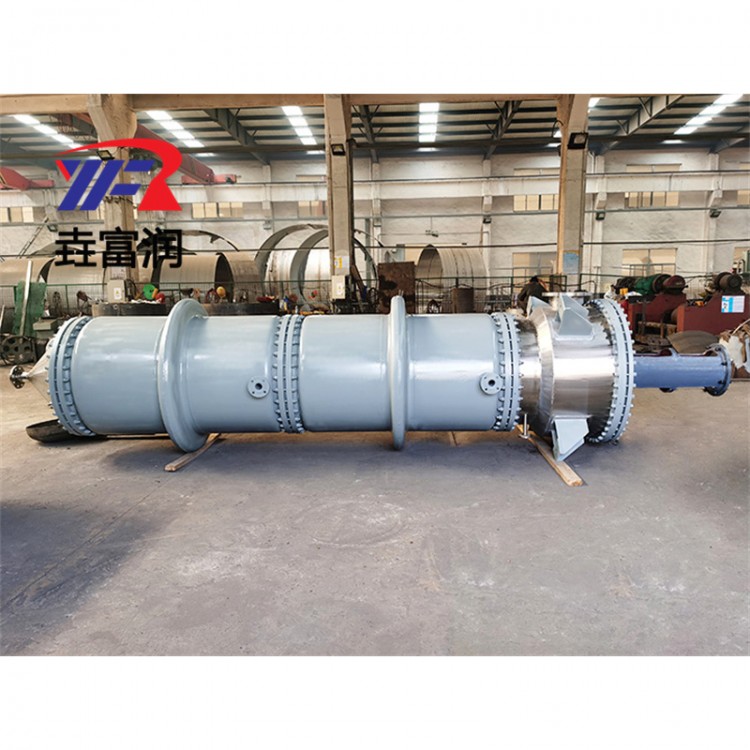






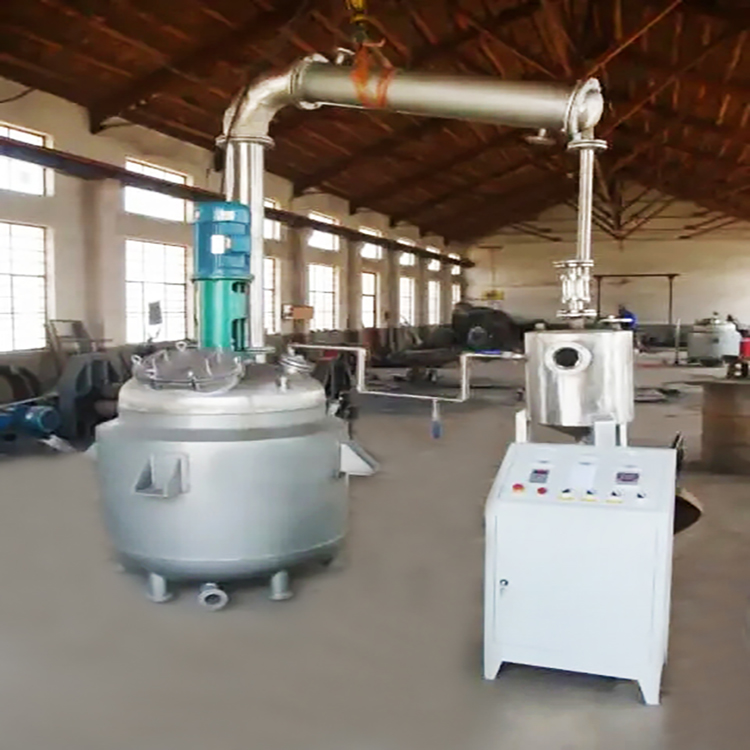
Screw Evaporator

Product Introduction
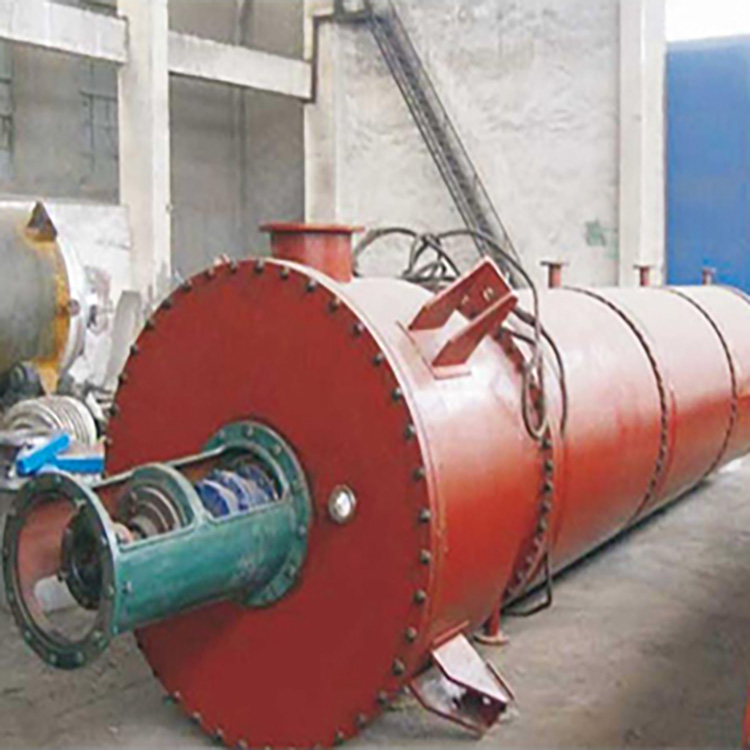
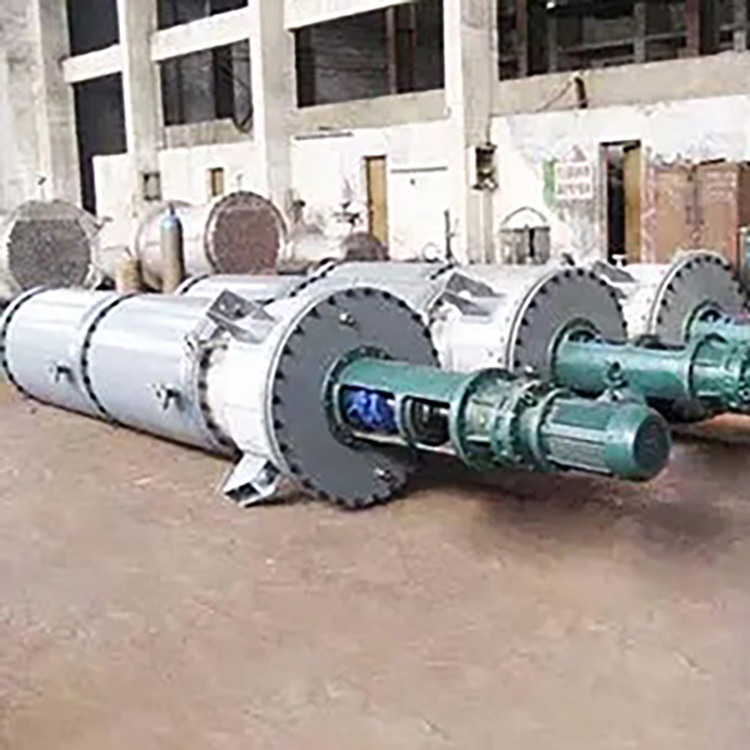
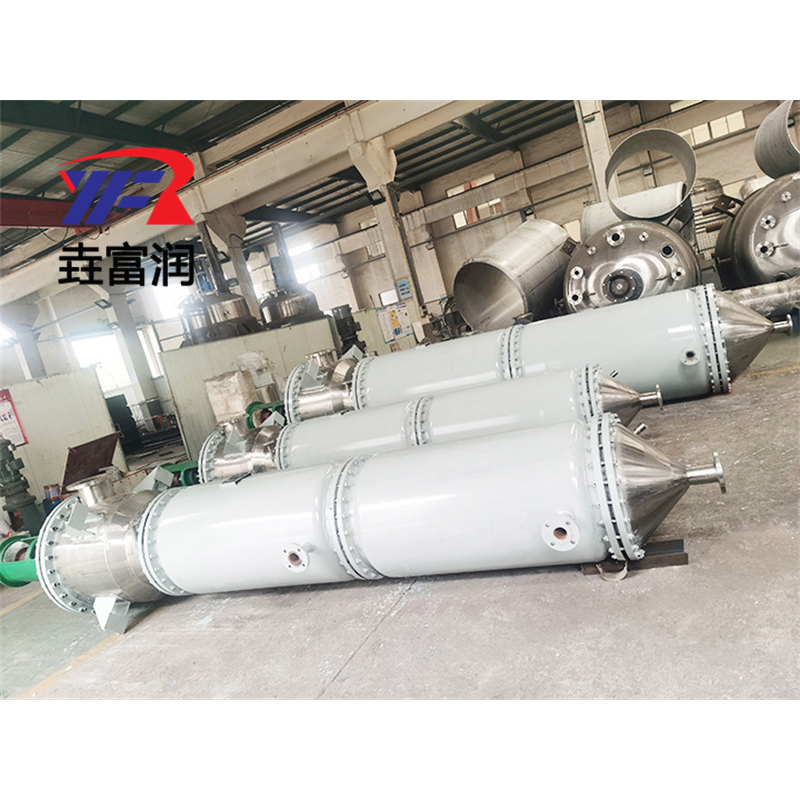
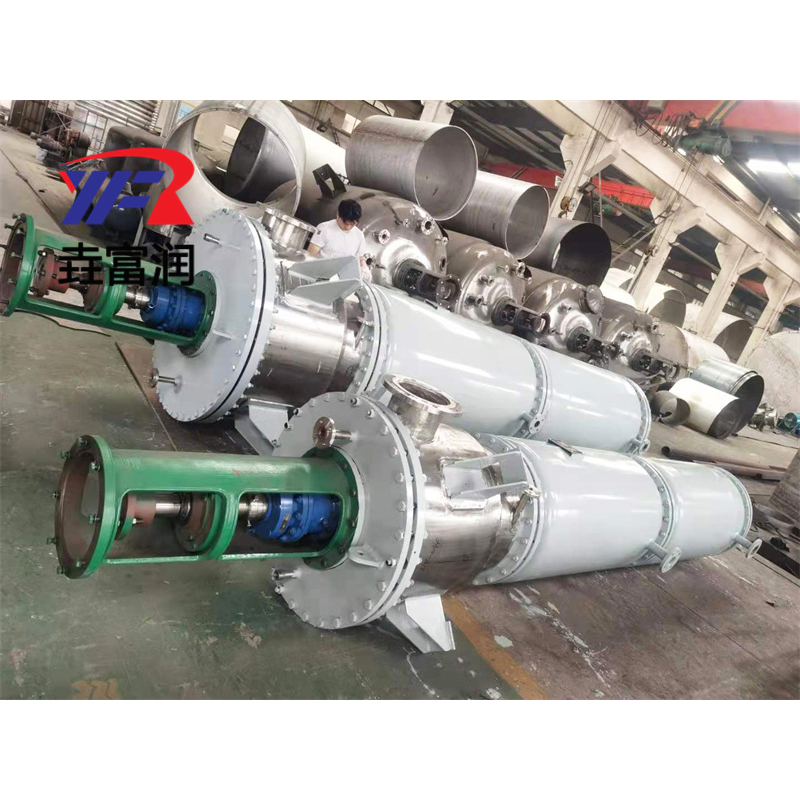
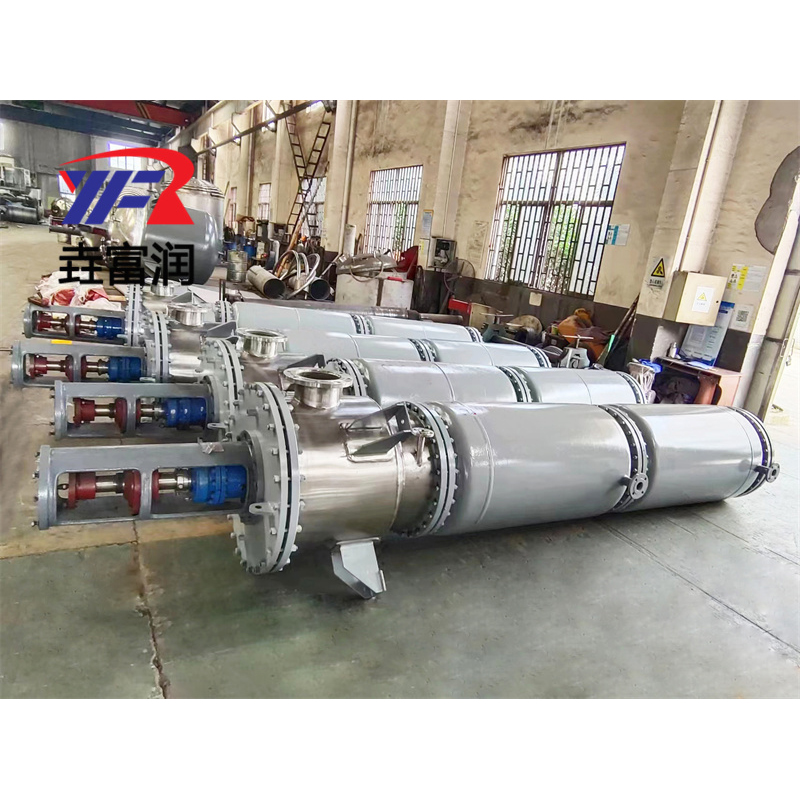
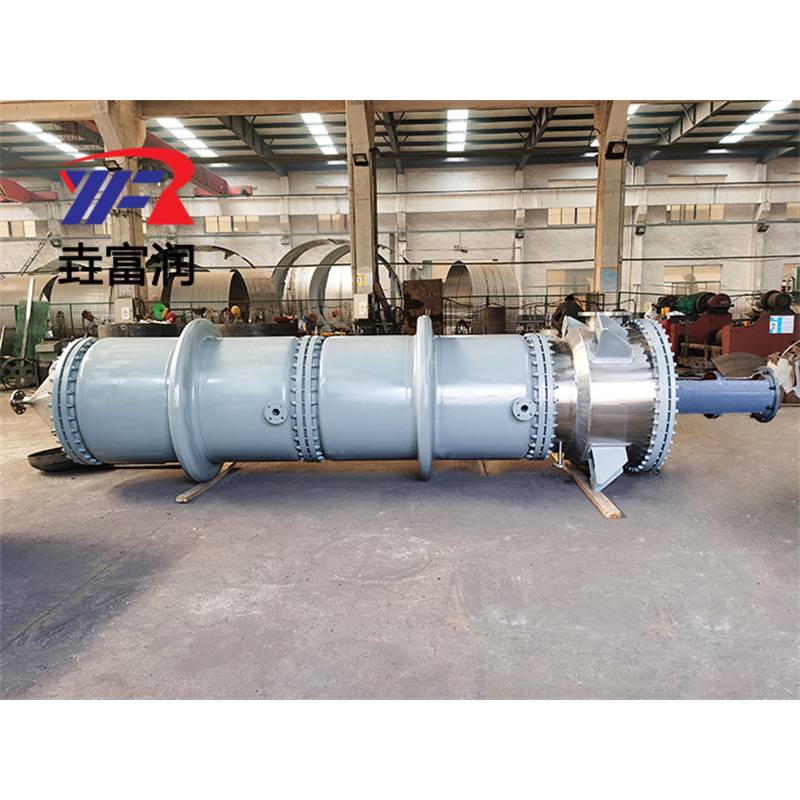
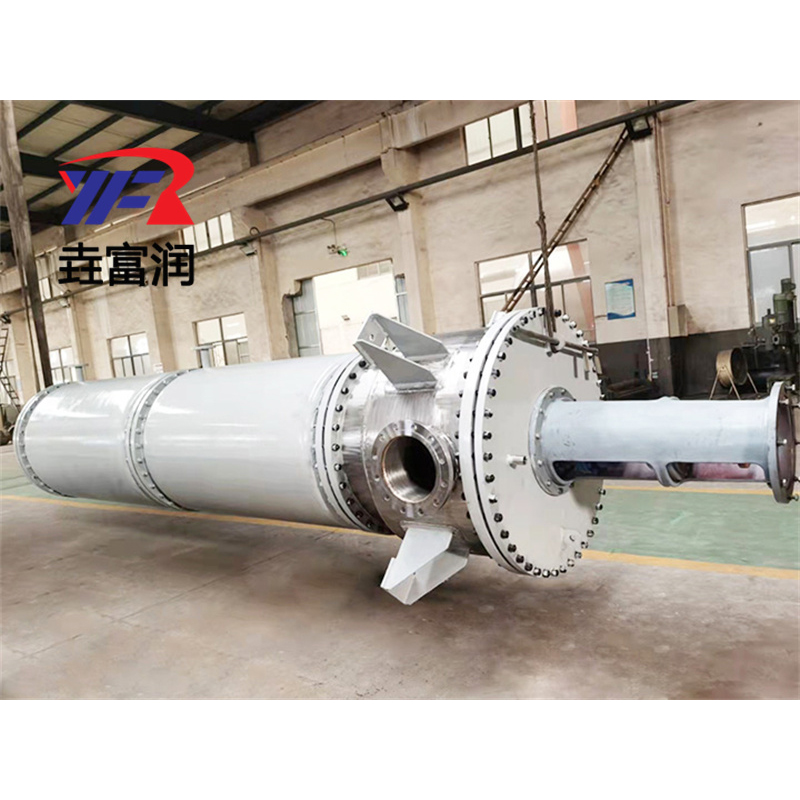
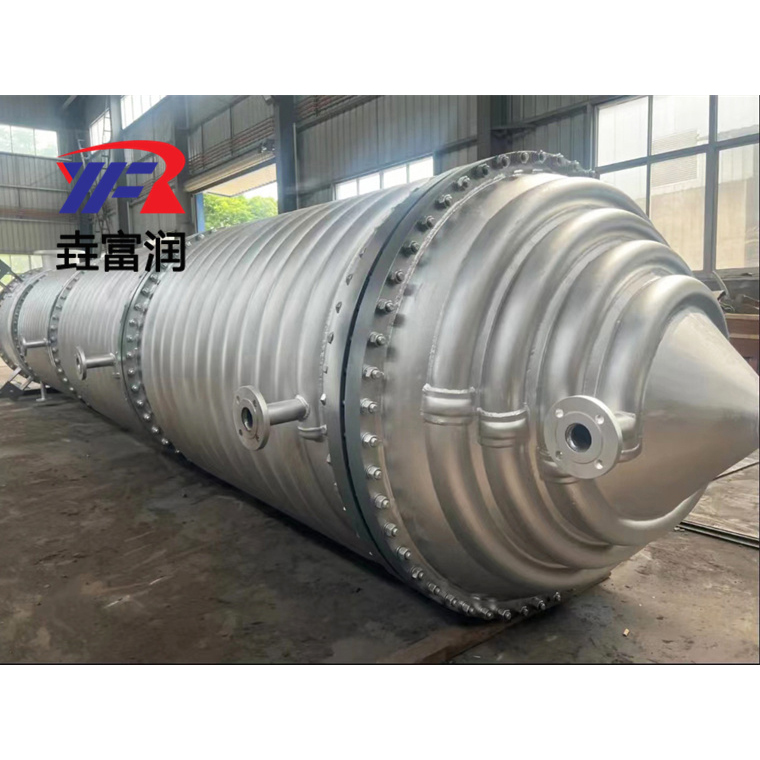
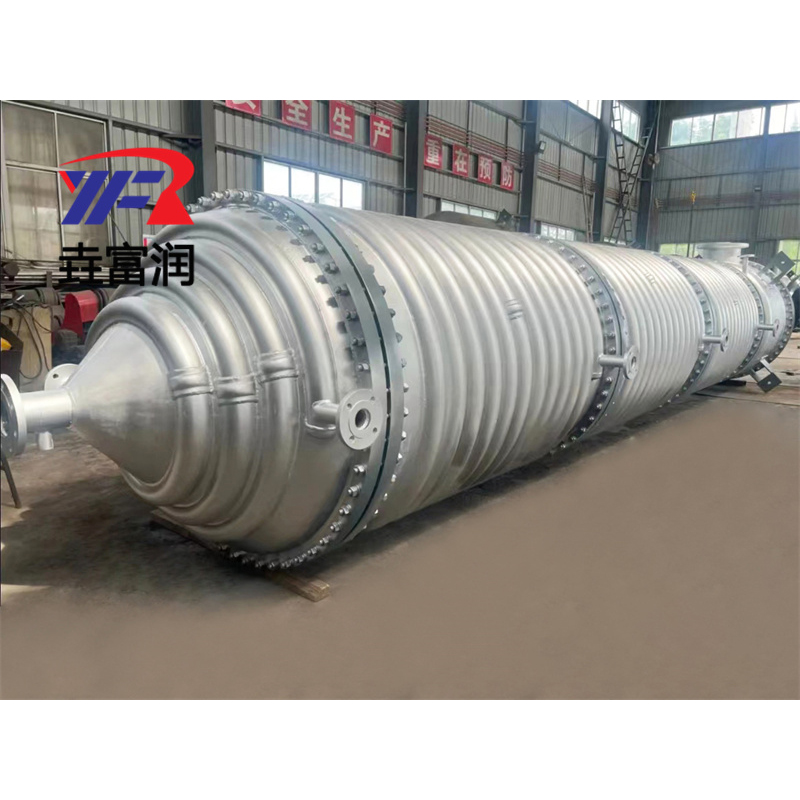
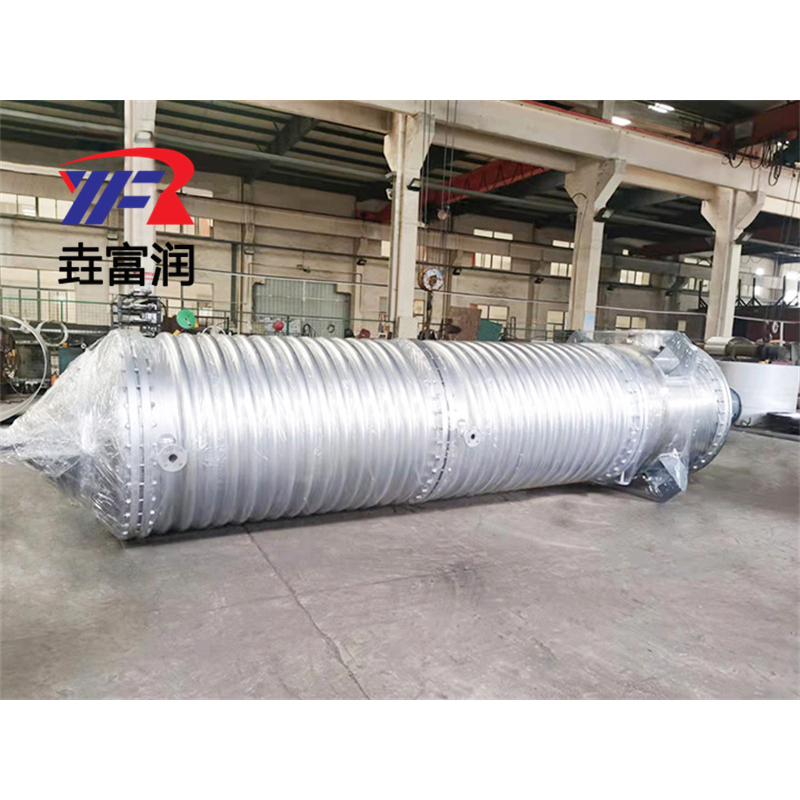
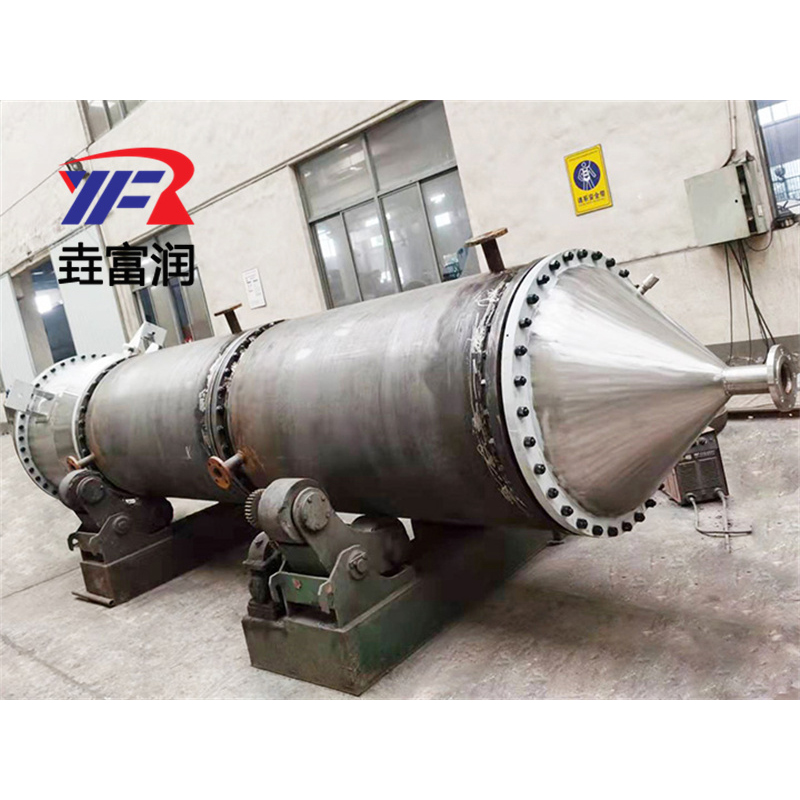
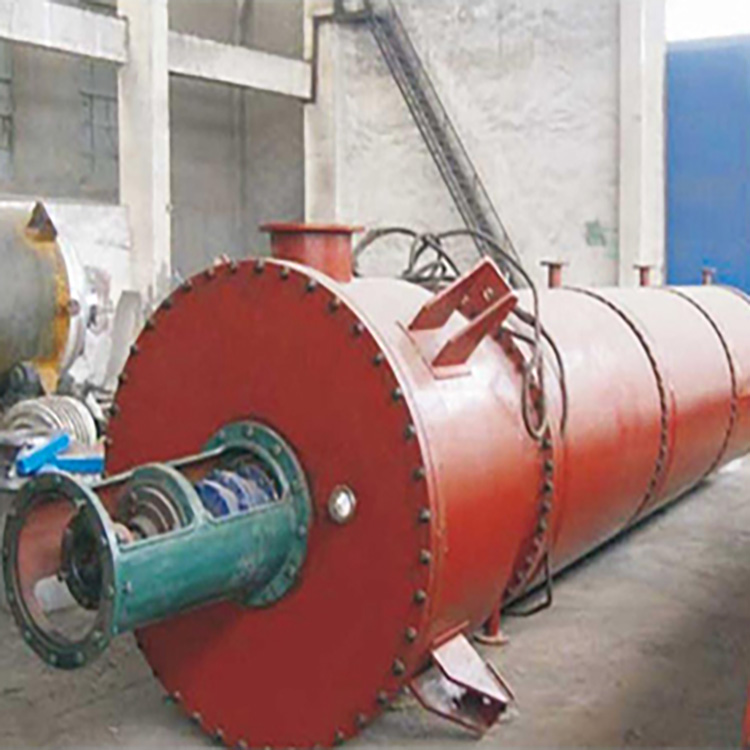
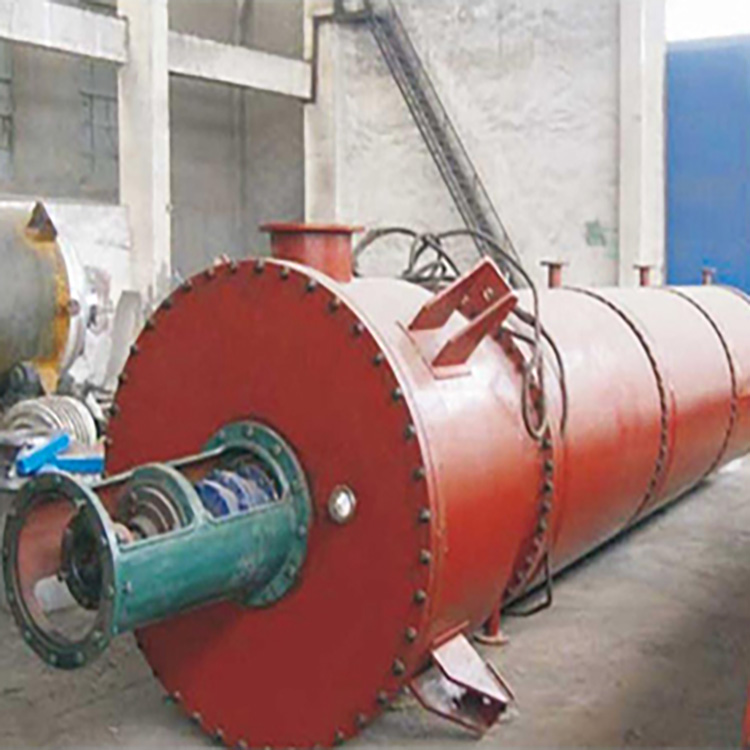
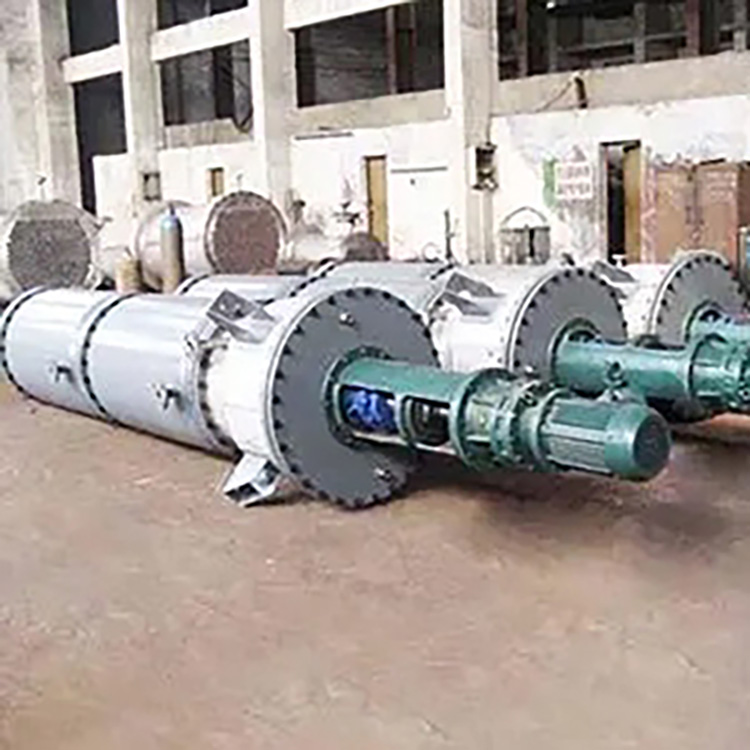
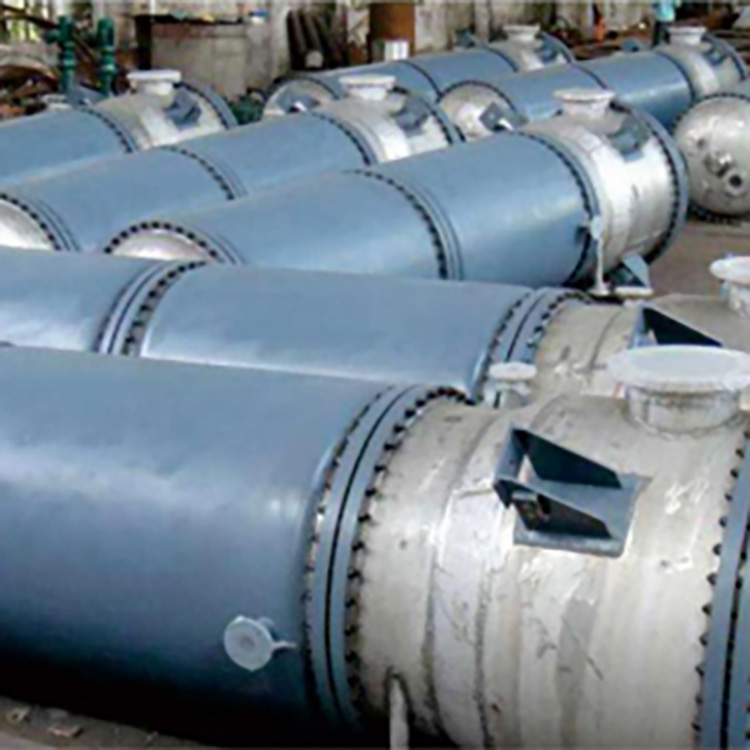
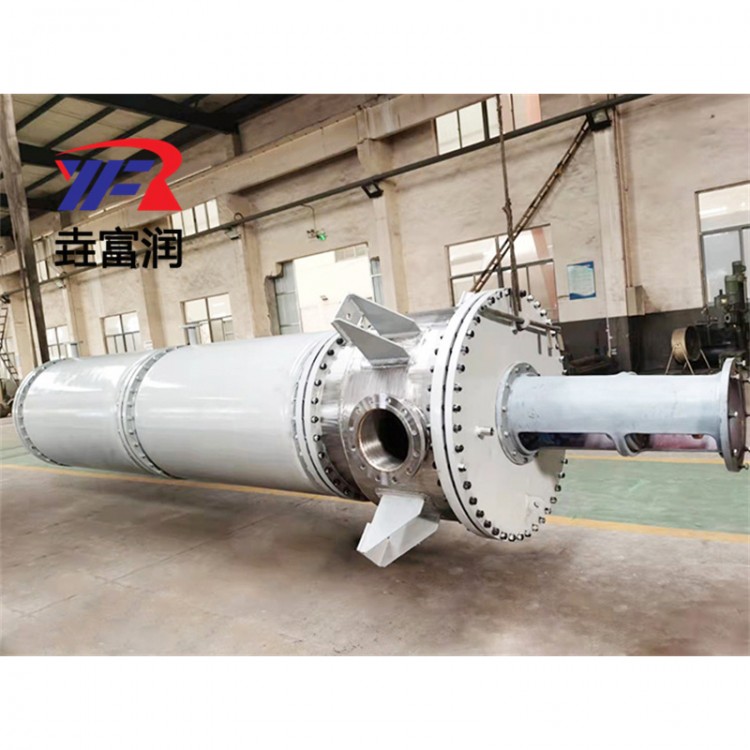
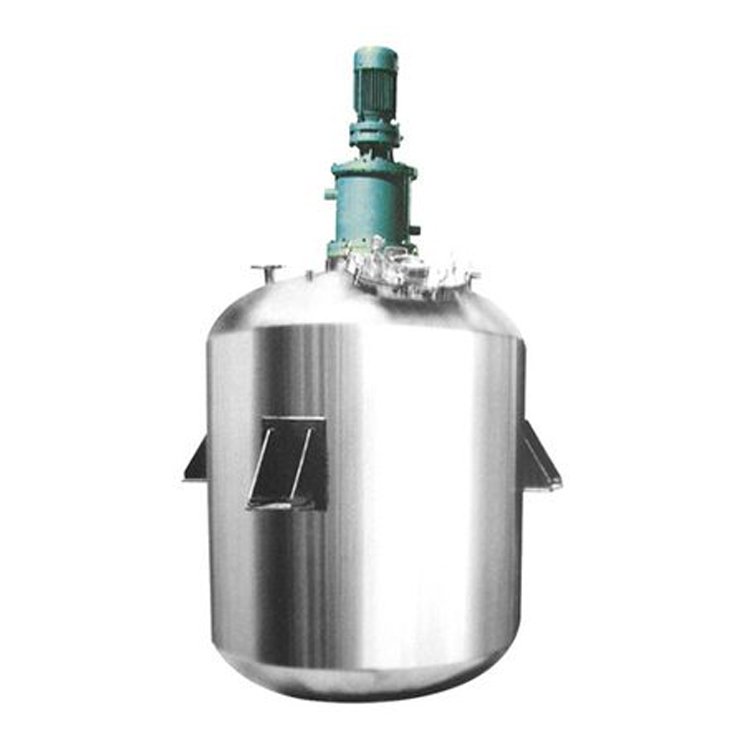
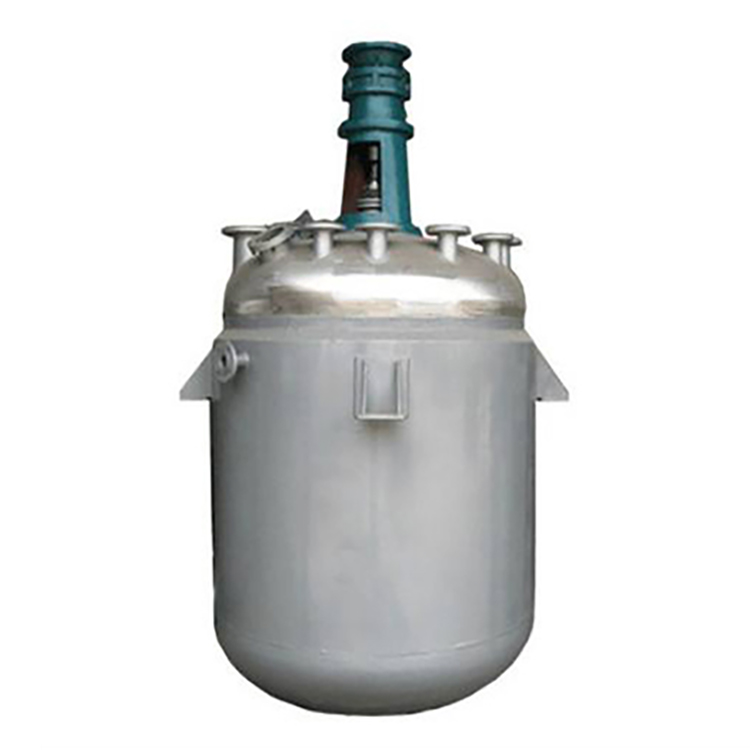
Screw Evaporator, a highly adaptable new type of evaporator suitable for materials with high viscosity, heat sensitivity, and those prone to crystallization and scaling. It primarily consists of a heating jacket and scraper blades. The jacket is filled with heating steam, and the blades are mounted on a rotating shaft. The scraper blades and the inner wall of the jacket maintain a small gap, typically 0.5 to 1.5 mm. The liquid feed is introduced into the evaporator from the top along the tangent direction after preheating. Under the influence of gravity and the rotating blades, it forms a downward spiral film on the inner wall, which is continuously evaporated and concentrated as it descends. The liquid is discharged from the bottom, while the secondary steam escapes from the top. In some cases, this evaporator can completely evaporate the solution, yielding a solid product directly at the bottom.
Key Features
1. The刮板蒸发器 features high efficiency and capacity, capable of evaporating 100-300 Kg/h·m² of solutions such as water and organic solvents.
2. The scraped surface heat exchanger allows the treated material to remain on the evaporation surface for a short duration, approximately ±10 seconds, without coking or scaling.
3.刮板蒸发器 allows for low-temperature evaporation under vacuum conditions.
4. The scraper evaporator is suitable for continuous production, offers great operational flexibility, has a simple structure, is easy to maintain, and can be implemented with automatic control.
5. The scraper evaporator adjusts the slope angle of the grooves on the outer side of the scraper, which can modulate the residence time of the material inside the evaporator, to accommodate the evaporation needs of materials with varying viscosities.
6. All parts and equipment in contact with the material liquid are made of stainless steel to ensure the liquid remains uncontaminated.
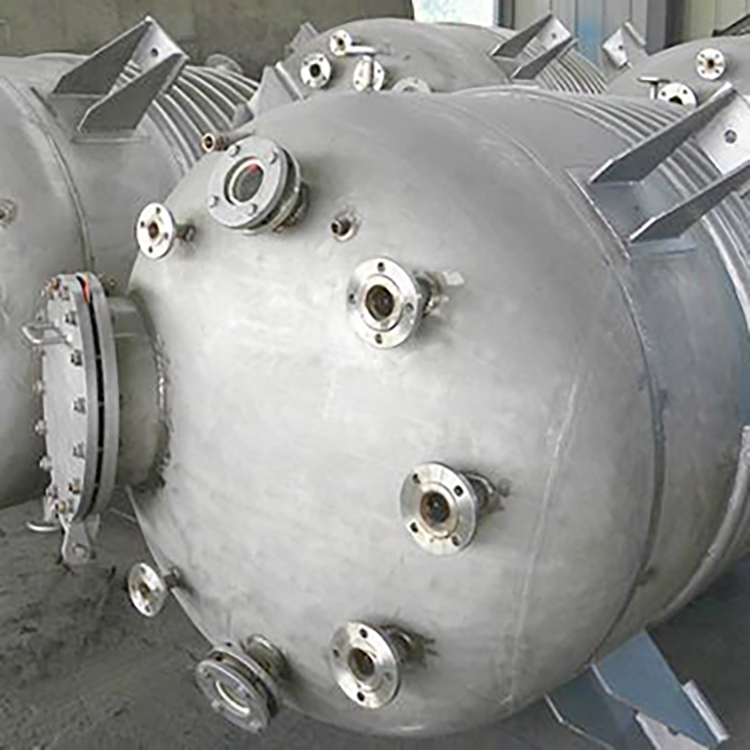
7. The scraper evaporator is equipped with a quick-opening cover at the top for easy cleaning of the heating tubes. Light holes and a viewing mirror are installed on both sides of the top for convenient observation during operation.
Working Principle
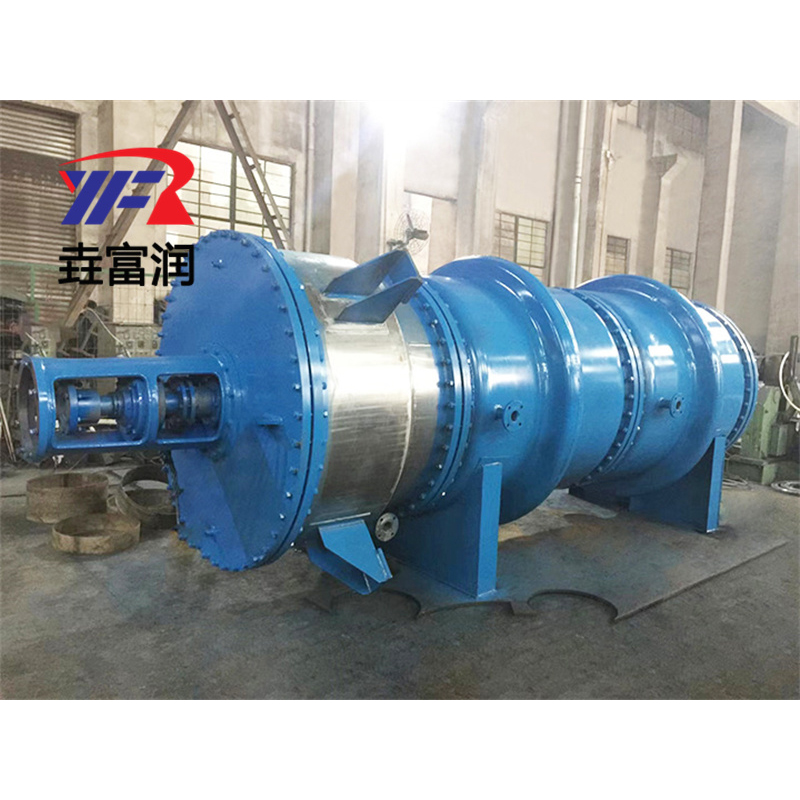
Material continuously enters the horizontal evaporator from the large diameter end, is accelerated and distributed by scraper blades, and immediately forms a thin flowing film on the heating surface.
Conical film evaporator, which relies on a centrifugal force applied to the material by the rotor. This force has two effective components: one perpendicular to the heating surface and the other directed towards the large diameter end (note: the same result occurs in vertical conical film evaporators). These forces generate material acceleration, ensuring that the incoming material is fully moistened on the heating surface without depending on the evaporation ratio or feed rate. As a result, localized overheating and thermal degradation of the material are minimized or eliminated entirely.
During this process, the light fraction (low boiling point material) flows in the same direction as the liquid film through the horizontal tube film evaporator into the vapor-liquid separator, where the droplets and foams generated by the vapor-liquid separation are broken up and enter the liquid phase (high boiling point material). The separated vapor is then introduced into an external condenser or the next process; the heavy fraction (high boiling point material) climbs along the heated wall to the small end outlet and is discharged.
The scraper evaporator housing is equipped with a heating steam jacket inside, which contains rotatable blades or scrapers. The scrapers come in fixed and rotor types; the former has a gap of 0.5 to 1.5mm with the inner wall of the housing, while the latter's gap varies with the rotor speed. The feed liquid is added to the top of the scraper evaporator along the tangential direction (or to a spinning disk coaxial with the scrapers). Due to gravity, centrifugal force, and the scraping action of the rotating blades, a downward spiraling film of solution forms on the inner wall of the vessel, which is then evaporated and concentrated during this process. The liquid is then discharged from the bottom. This type of evaporator is a single-pass evaporator that utilizes external power to form the film.
Application Range
Screw scraped evaporators are used in the oil and chemical industries, particularly suitable for high-viscosity materials (such as gum, honey, etc.) that are prone to crystallization, scaling, and heat sensitivity.
Performance Features
The scraper evaporator boasts the following unique advantages, which are unparalleled by conventional membrane evaporators:
1. Minimal pressure loss
In the rotating blade film evaporator, the "flow" of material and the "flow" of secondary steam are two separate "channels": the material descends as a film along the inner wall of the evaporation cylinder (forced film formation); while the secondary steam evaporated from the evaporation surface leaves the cylinder almost unobstructed from the central space, resulting in very little pressure loss (also known as pressure drop).
2. Operable under true vacuum conditions
Due to the low resistance of the secondary steam from the evaporating surface to the condenser, the entire inner wall of the evaporating cylinder can maintain a high vacuum degree (above -750mmHg), almost equal to the vacuum degree at the outlet of the vacuum system. The increased vacuum effectively lowers the boiling point of the material being processed.
High thermal conductivity, high evaporation intensity
The reduction in the boiling point of the material increases the temperature difference with the heat medium; the turbulent liquid film reduces the thermal resistance; similarly, inhibiting the material from forming焦垢 on the wall also improves the wall heat transfer coefficient of the evaporator; the overall heat transfer coefficient of the rotating film evaporator can reach up to 8000 KJ/h·㎡·℃,therefore, its evaporation intensity is very high.
Features
1. The scraper evaporator boasts high efficiency and capacity, capable of evaporating 100-300 Kg/h·m² of solutions such as water and organic solvents.
2. The scraped film evaporator has a short residence time for the treated material on the evaporation surface, approximately ±10 seconds, and does not cause coking or scaling.
3. Scraper evaporators enable low-temperature evaporation under vacuum conditions.
4. Scraped Surface Evaporators are suitable for continuous production, offer great operational flexibility, have a simple structure, are easy to maintain, and can be implemented with automatic control.
5. The scraper evaporator adjusts the inclination angle of the groove on the outer side of the scraper, which can regulate the material's residence time inside the evaporator to accommodate the evaporation needs of materials with varying viscosities.
6. The scraper evaporator and all equipment parts in contact with the material liquid are made of stainless steel, thereby ensuring the material liquid remains uncontaminated.
7. The scraper evaporator is equipped with a quick-release lid on top for easy cleaning of the heating tubes. Light holes and observation ports are installed on both sides of the top for convenient observation during operation.