









Stainless Steel Jacketed Reactor Tube
Overview
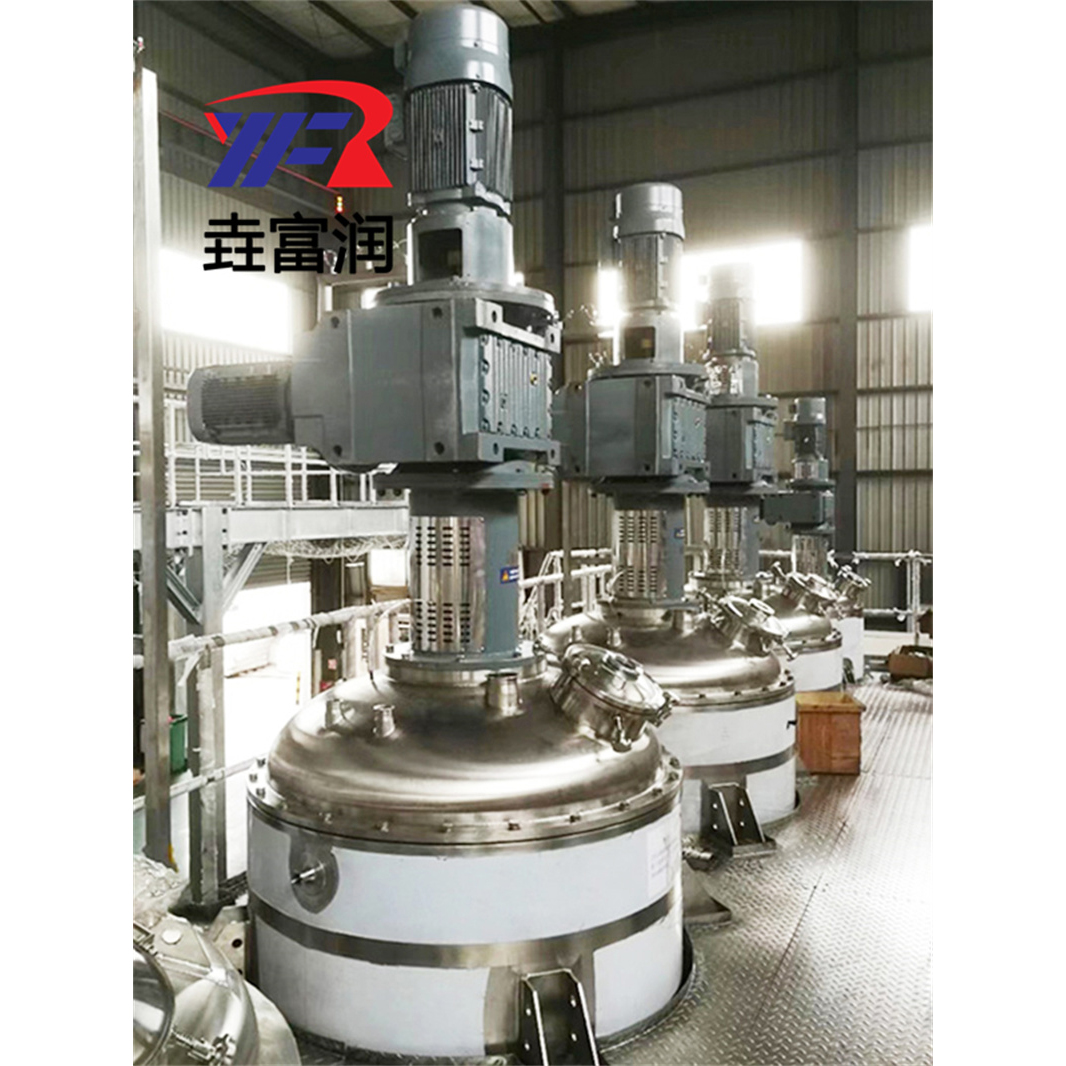
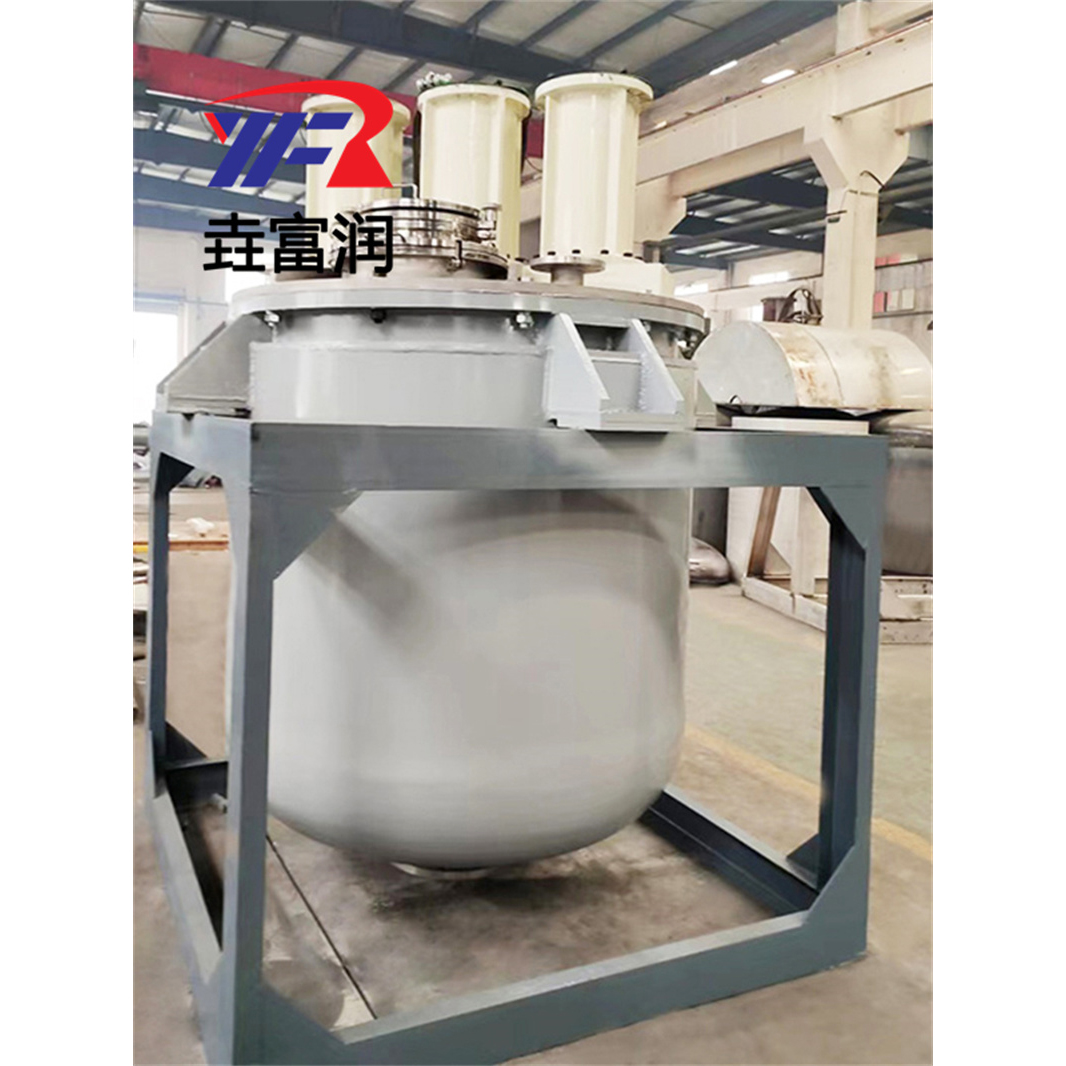
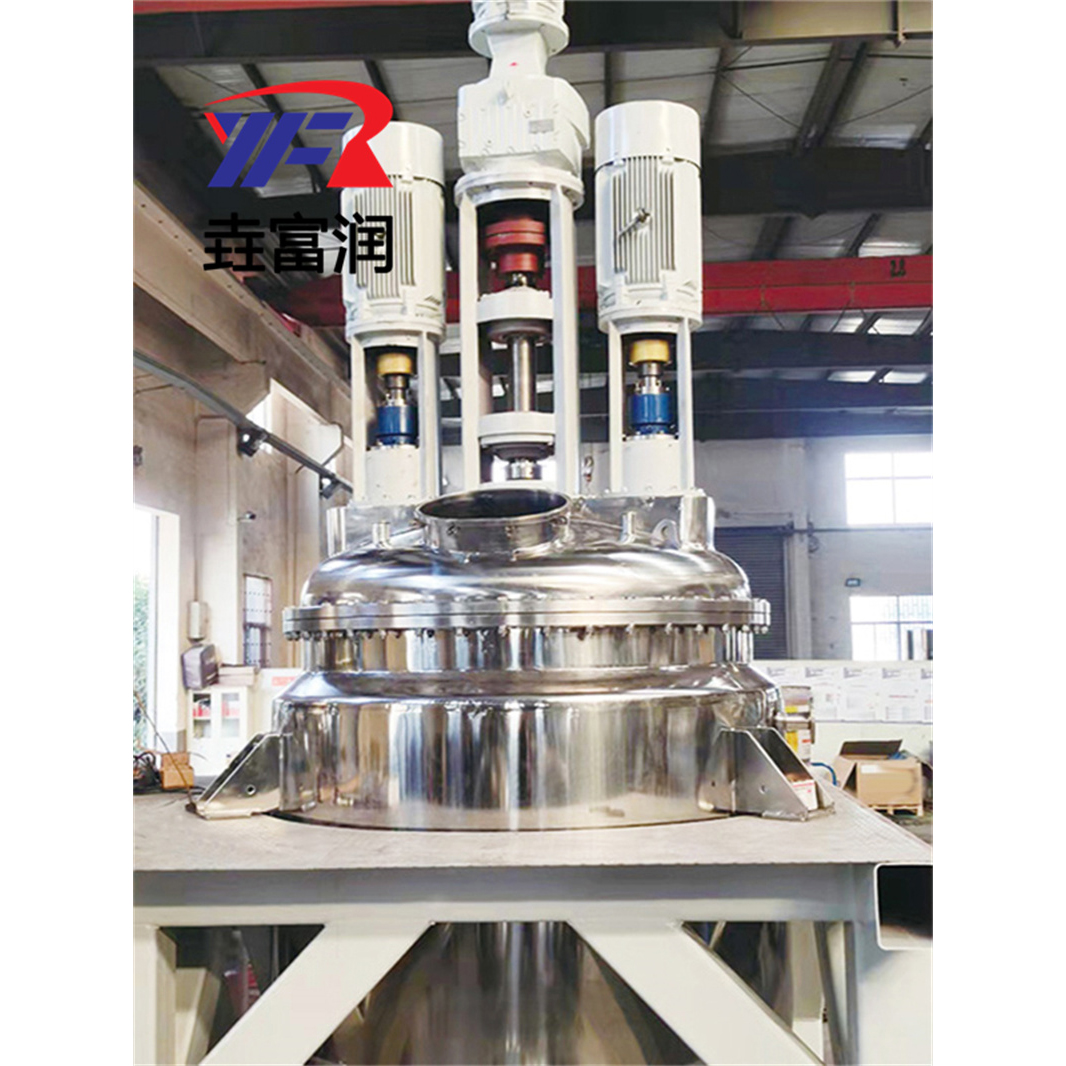
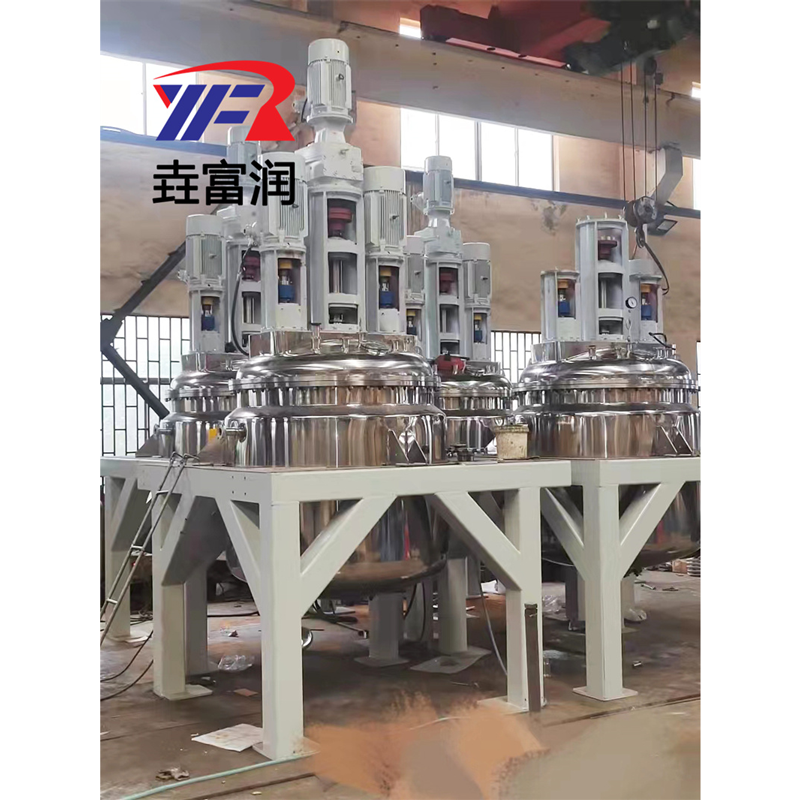
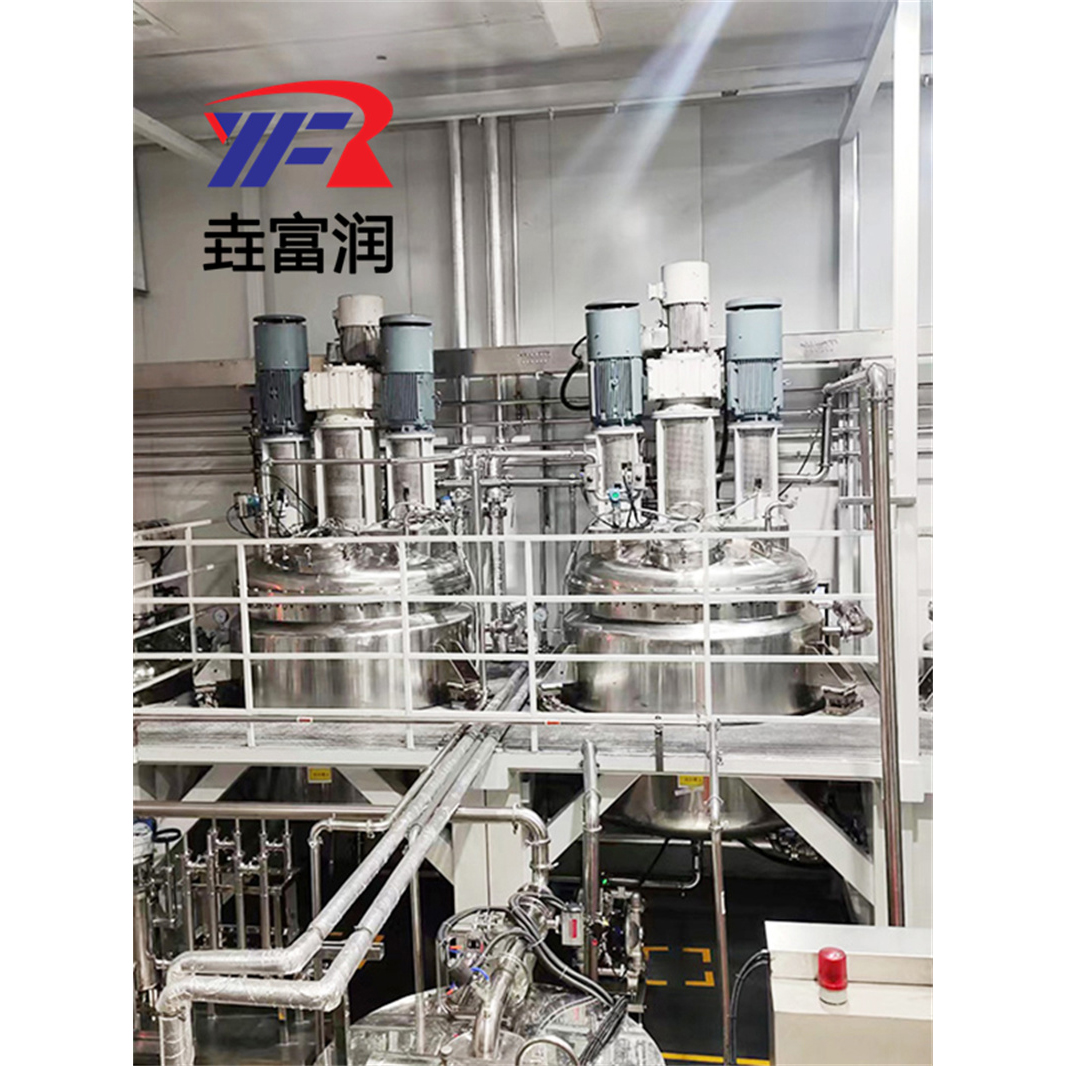
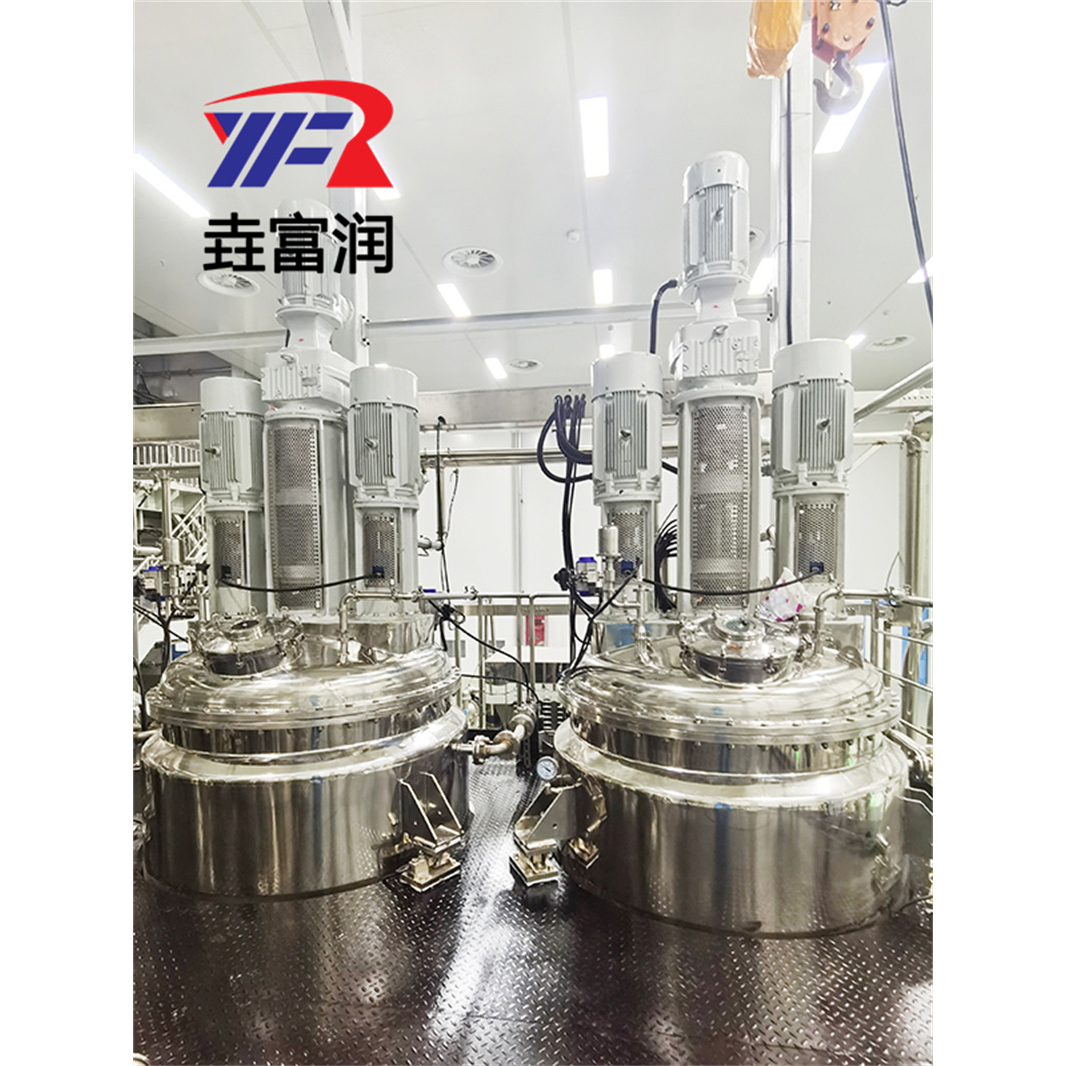
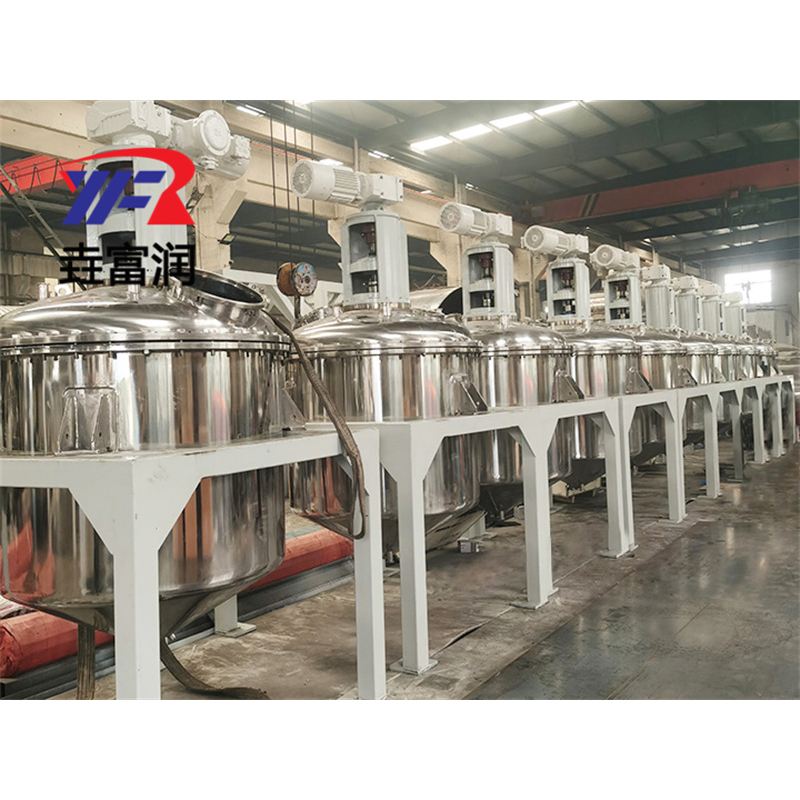
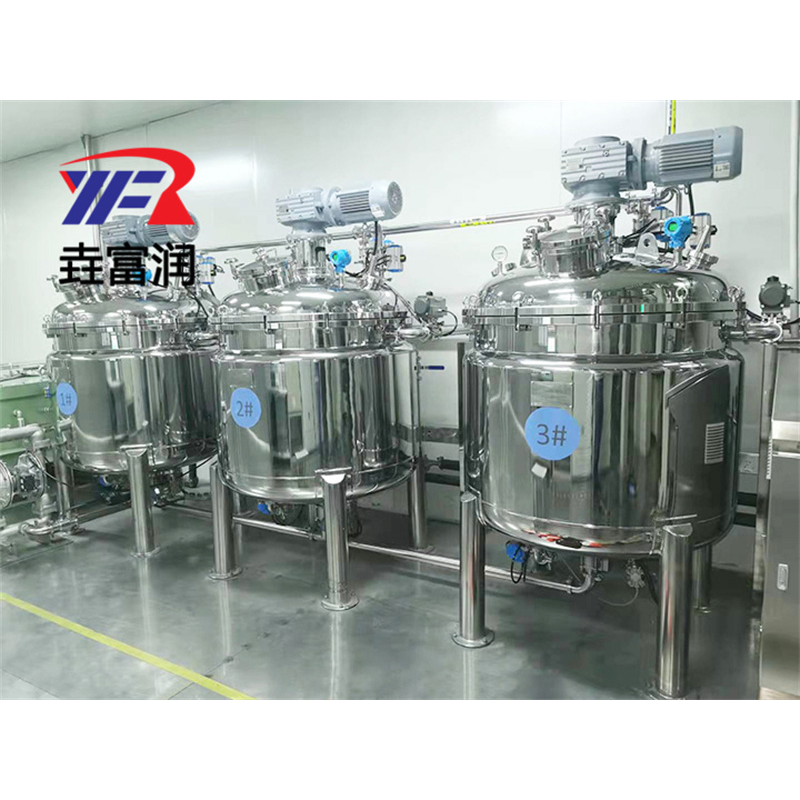
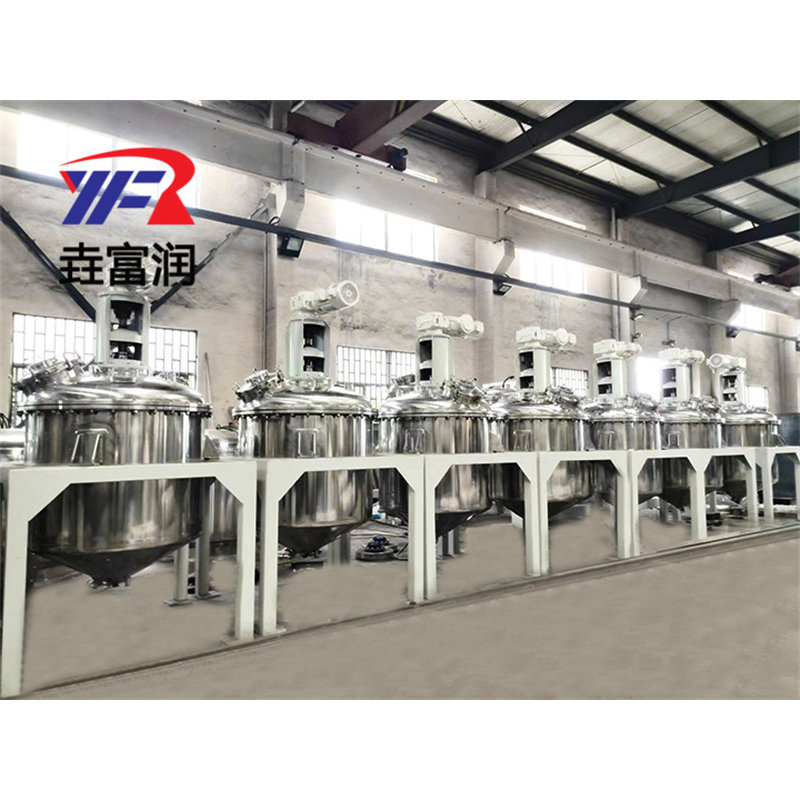
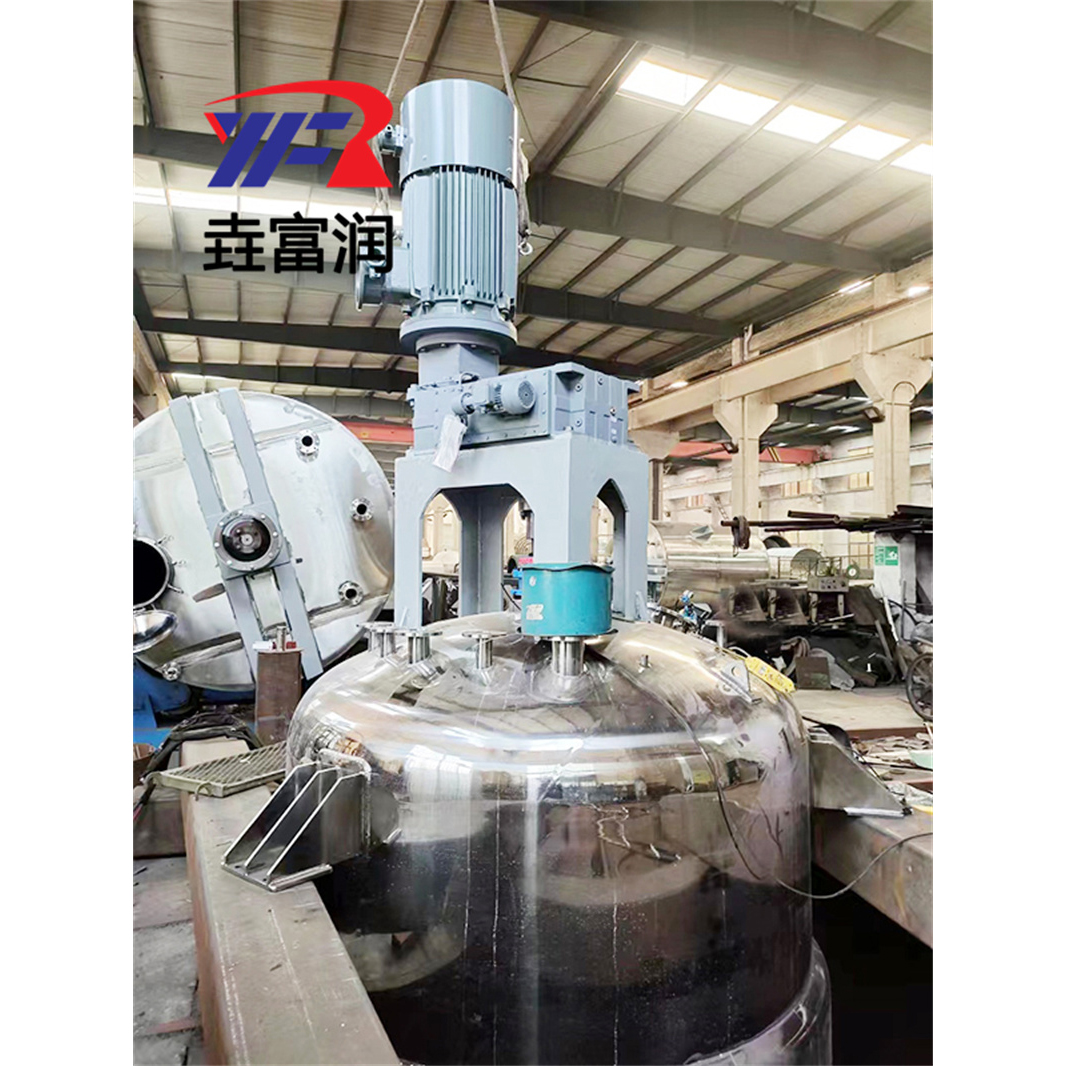
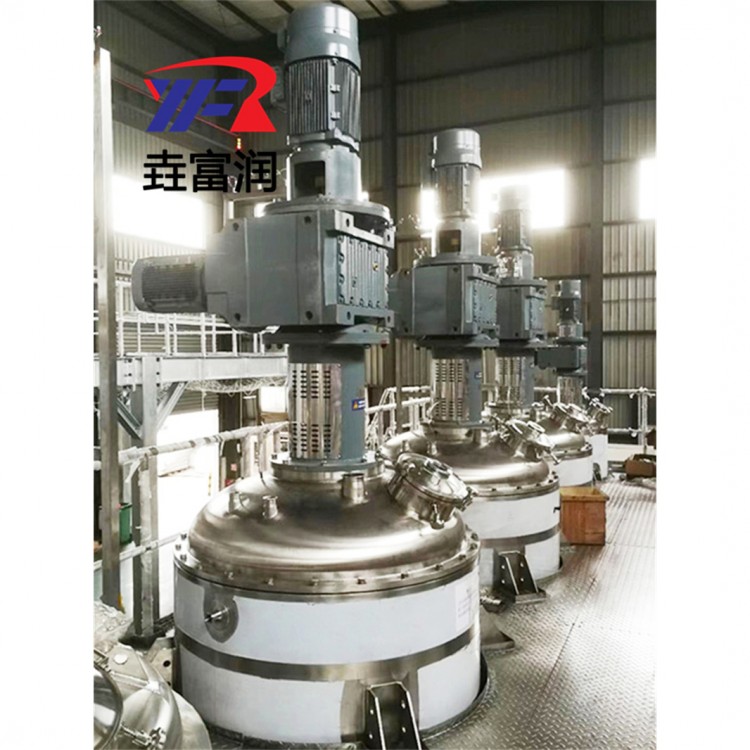
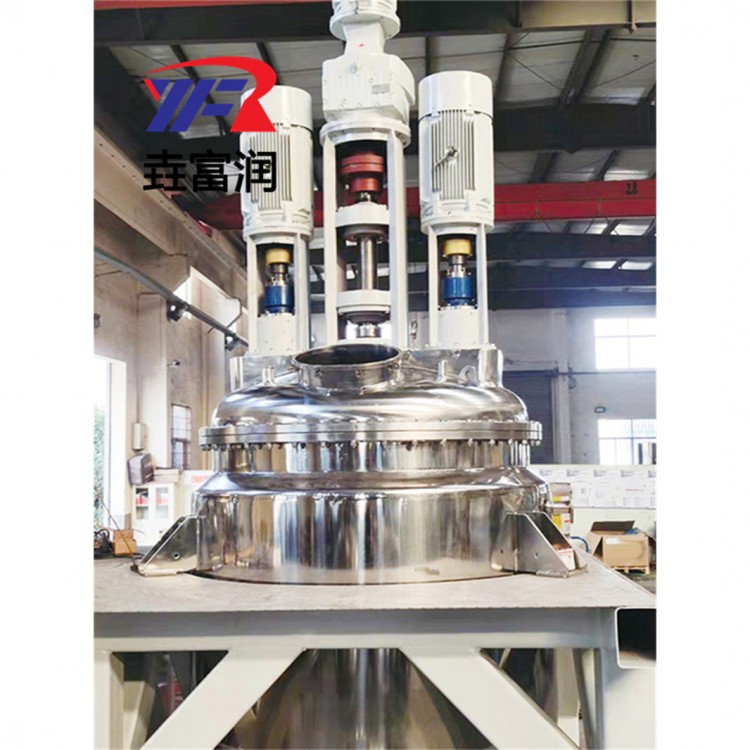
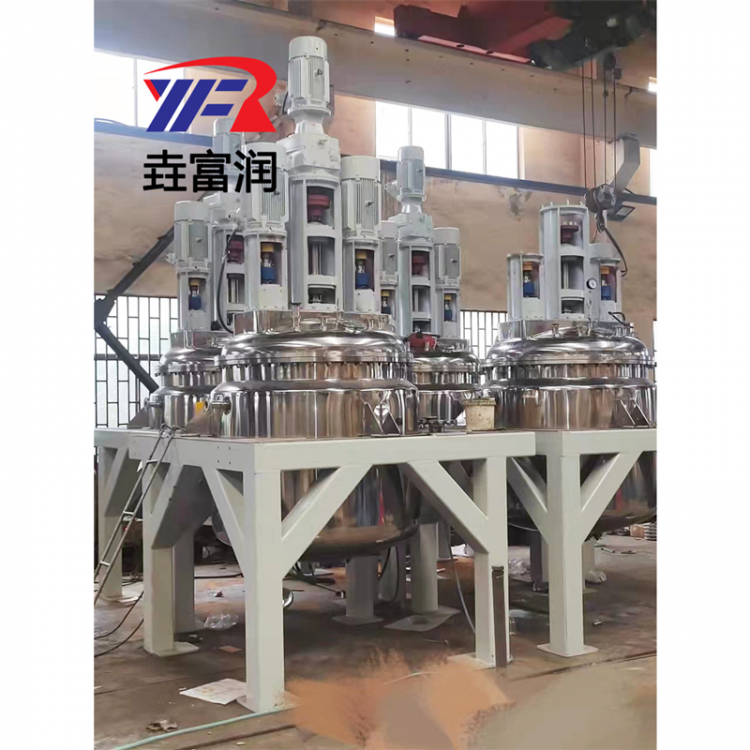
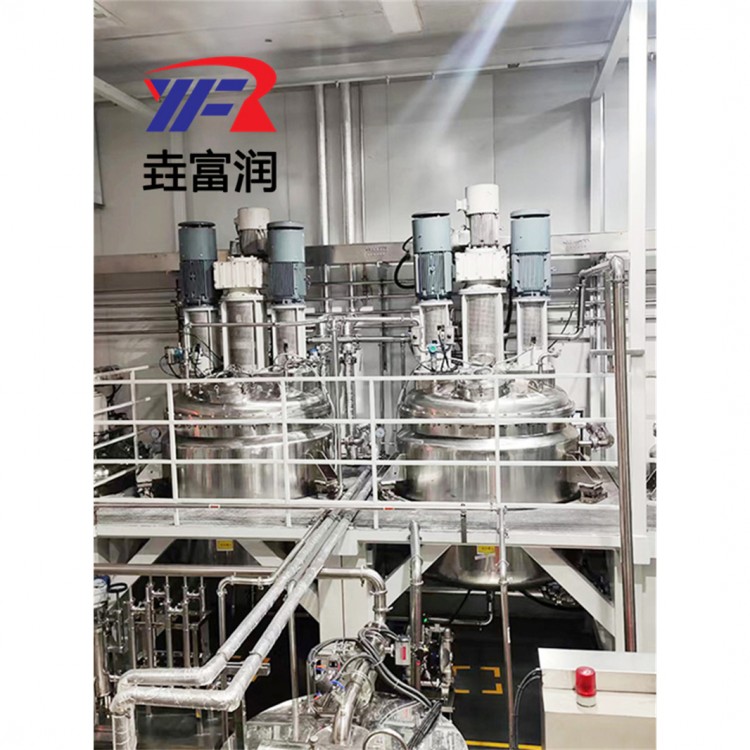
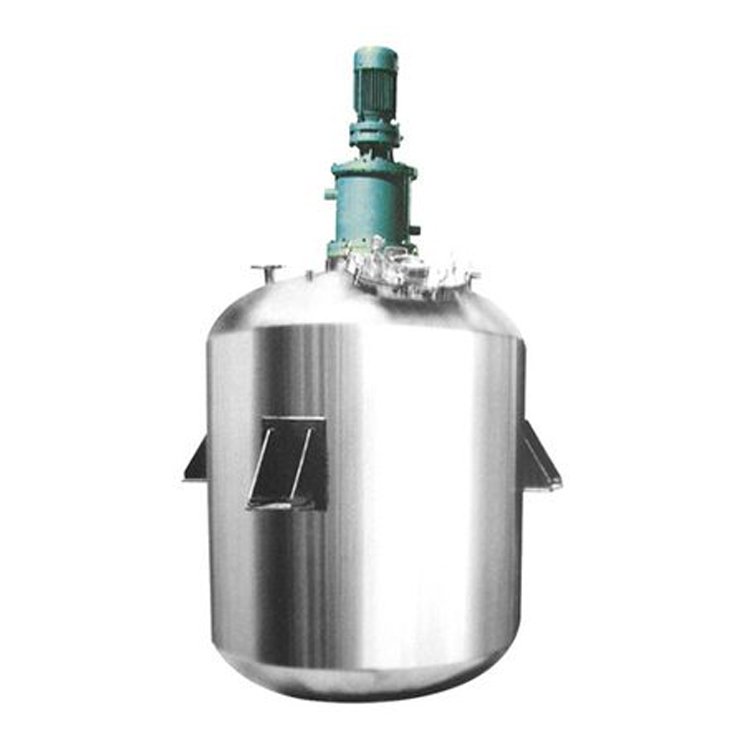
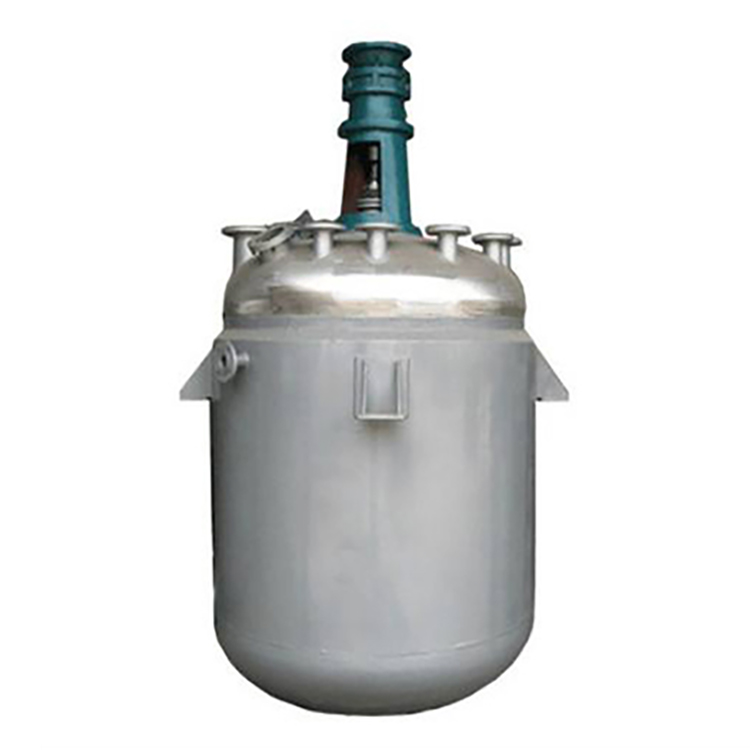
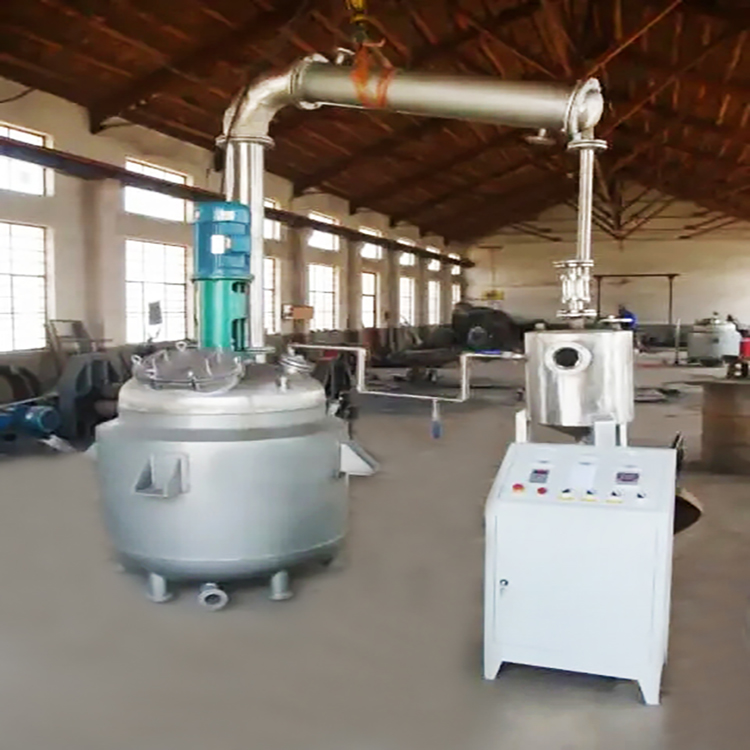
The stainless steel jacketed reactor features rapid heating, high-temperature resistance, corrosion resistance, hygiene, environmental pollution-free, no need for boiler automatic heating, and ease of use. It is widely used in the petrochemical, rubber, pesticide, dye, food industries, for processes such as vulcanization, nitration, hydrogenation, hydrocarbonation, polymerization, and condensation. It is based on the thorough mixing of the reactants and requires a stirrer for effective heating, cooling, liquid extraction, and gas absorption processes. We can also design and process stainless steel jacketed reactors for our clients.
Operating Principle
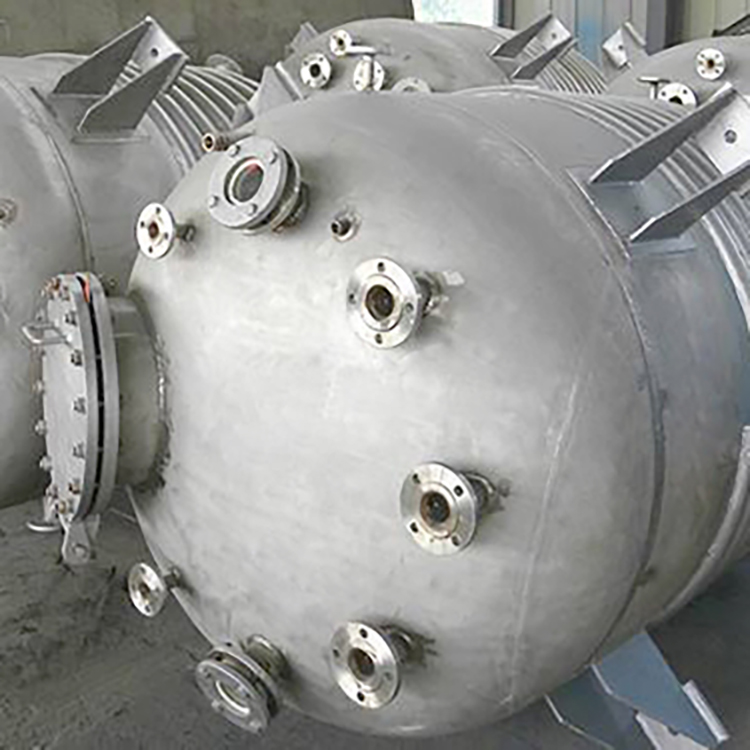
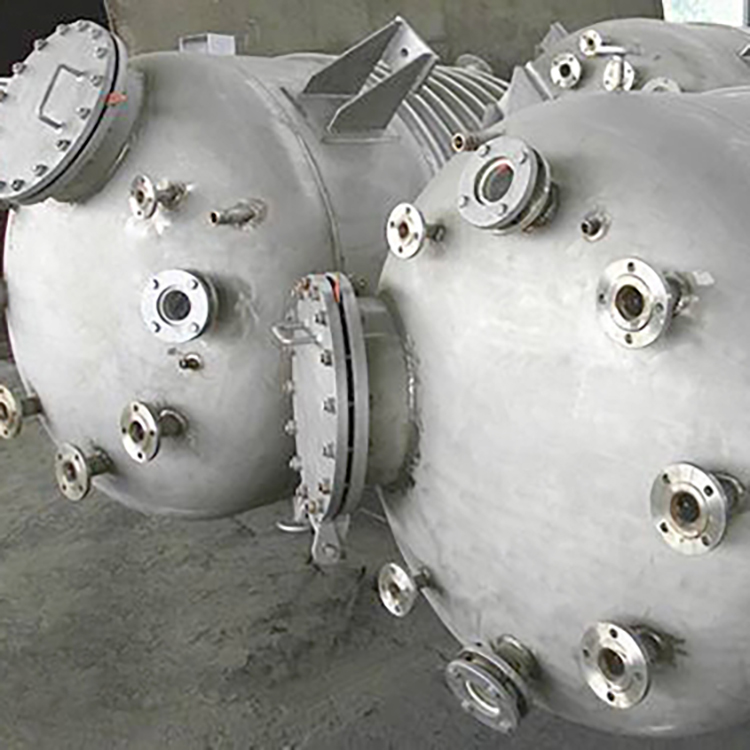
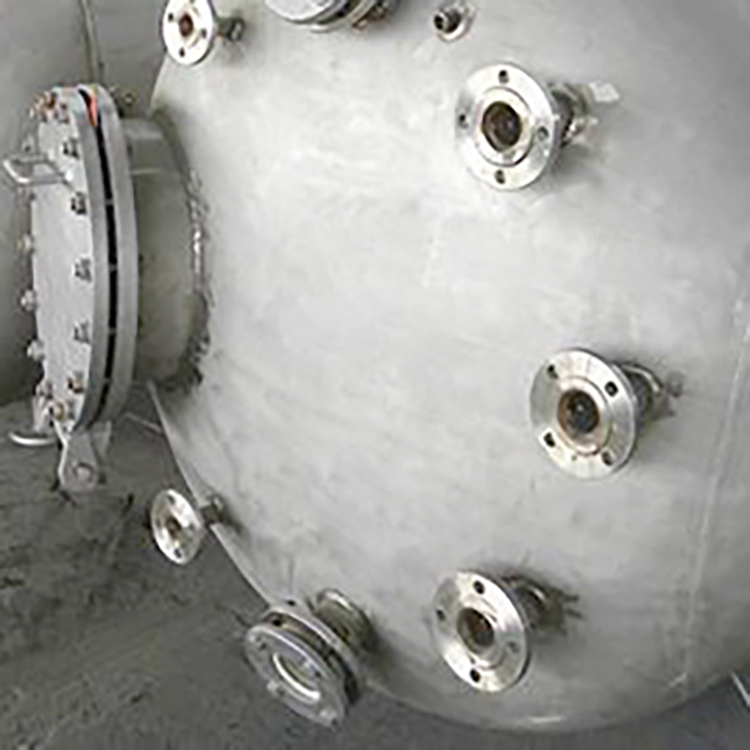
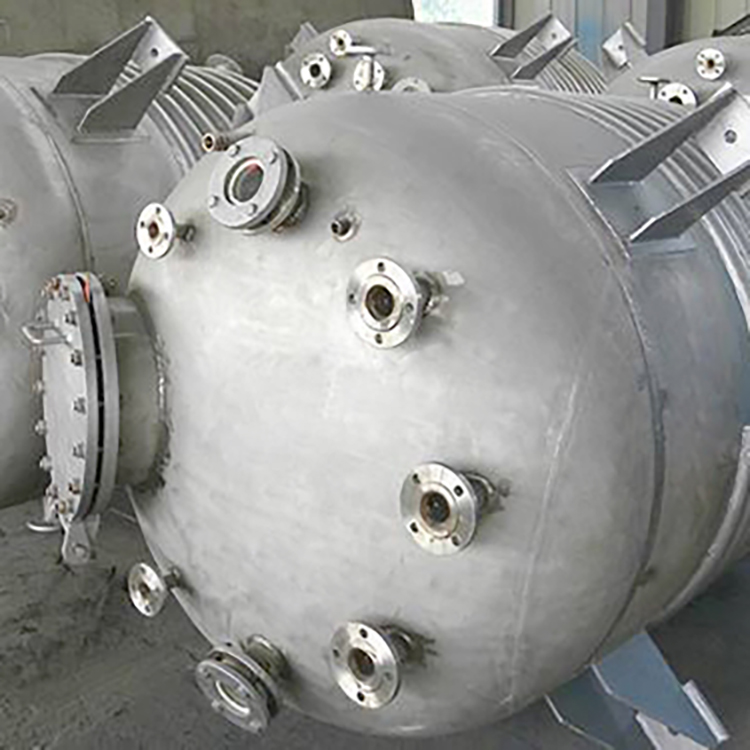
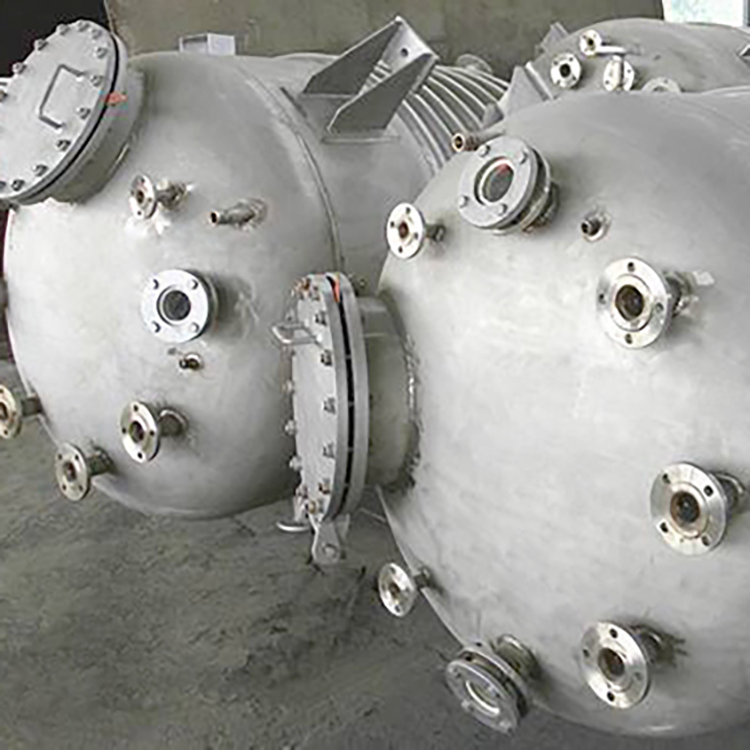
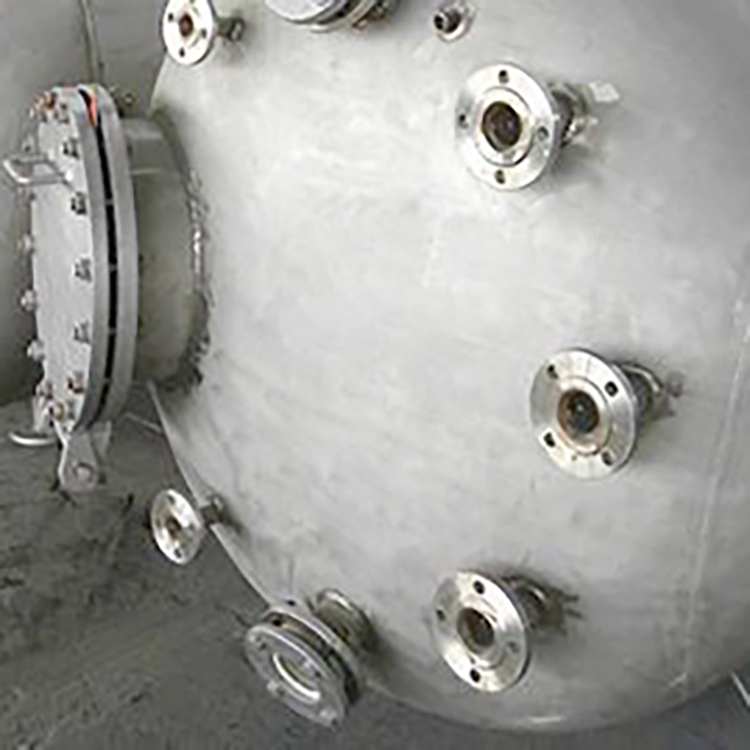
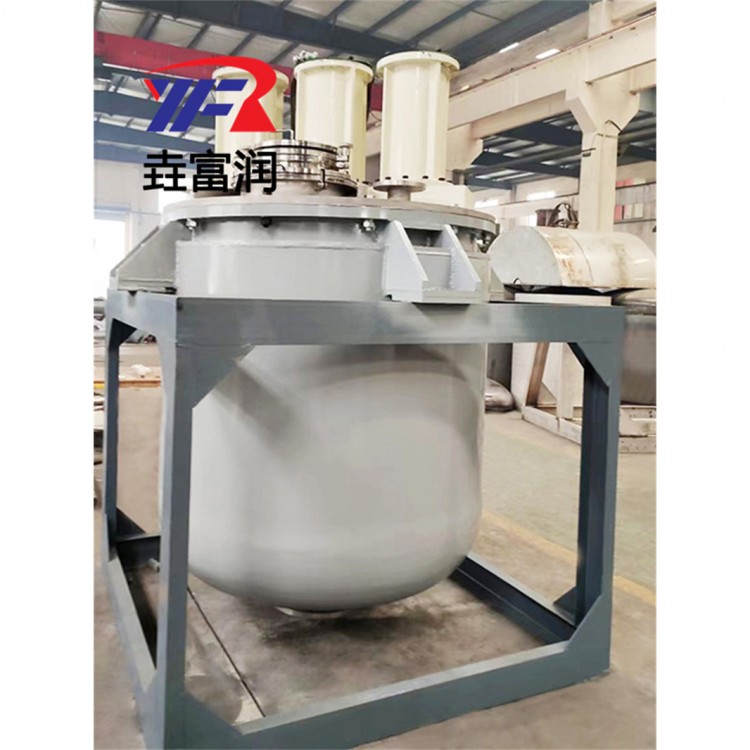
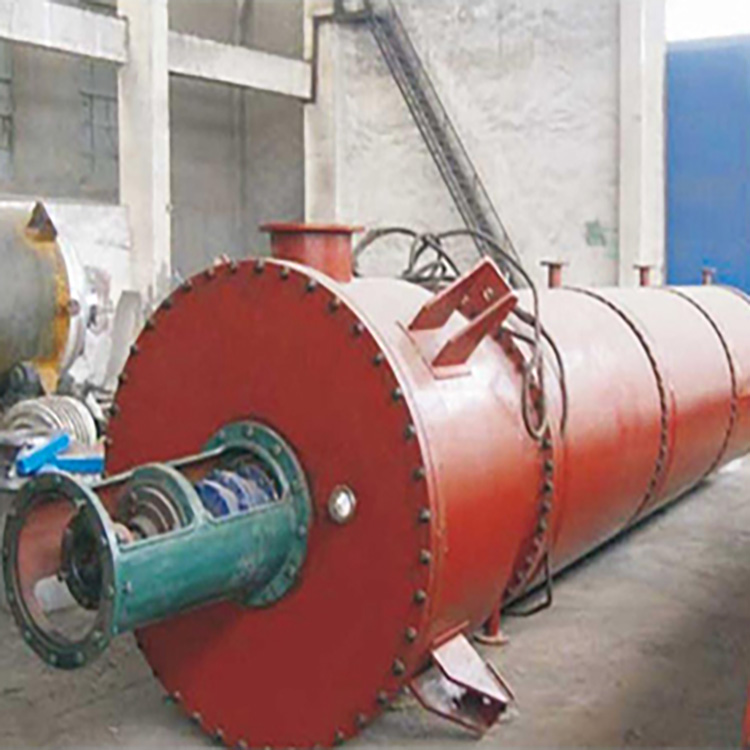
The reactor body features a discharge hole at the bottom, equipped with a stirrer inside. The lid is fitted with process holes for feeding, stirring, observation, temperature measurement, pressure measurement, steam extraction for distillation, and safety venting. The heating coil has inlets and outlets for oil (or steam), temperature measurement, and venting, allowing for steam, thermal oil, or water to be used for heating or cooling. The design and manufacturing are determined based on the production requirements of the material and the user's needs, including pressure, temperature, material, type of stirrer, speed, sealing structure, and heating method. The reactor comes in various types and specifications, with pressures ranging from 10MPa and capacities from 0.1 to 10 cubic meters.
Equipment Features
Stainless steel external jacketed reactor compared to a standard jacketed reactor:
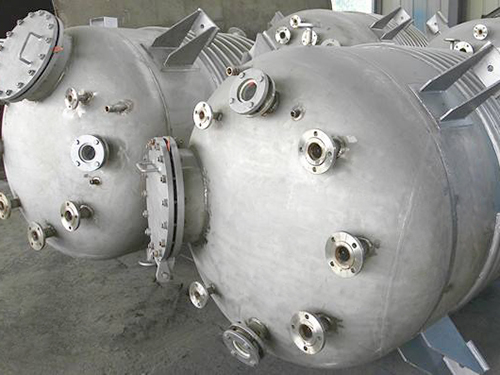
1. Spiral outer casing half-tube design reduces the thickness of the kettle wall, enhancing its pressure-bearing capacity. (The wall thickness ratio of the kettle and bottom head to the jacket design is 37.5% and 50% thinner, respectively.) This is conducive to improving heat transfer efficiency. (It can both increase the heat transfer coefficient and reduce the thermal resistance.)
2. Also suitable for cooling and temperature reduction processes.
3. It also enhances the flow rate of the medium inside the coil, and the high-speed flowing medium effectively prevents scaling on the inner surface of the jacket.
4. Energy-saving consumption (ratio of jacket volume to half-tube volume is 8, reducing investment).
5. Reducing the overall diameter of the kettle body facilitates workshop layout.
6. Steel-saving; the production process for the entire stainless steel jacketed reactor is more complex than that for the conventional jacketed reactor, which increases the labor costs for reactor manufacturers.