







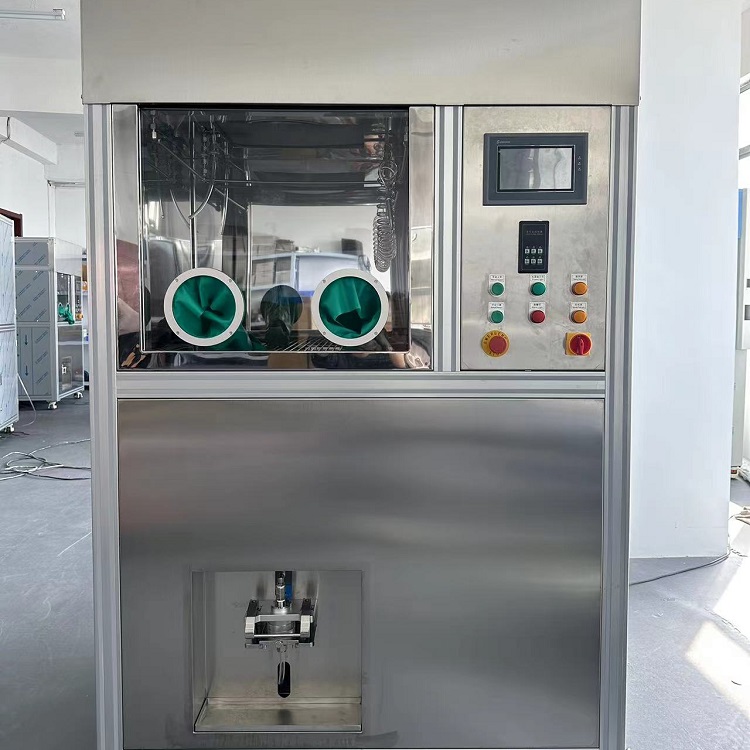
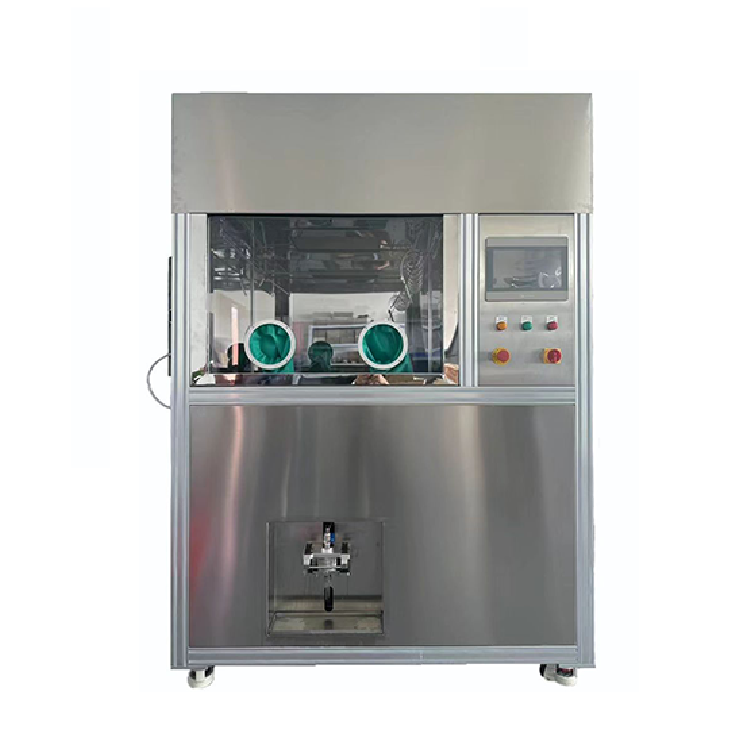

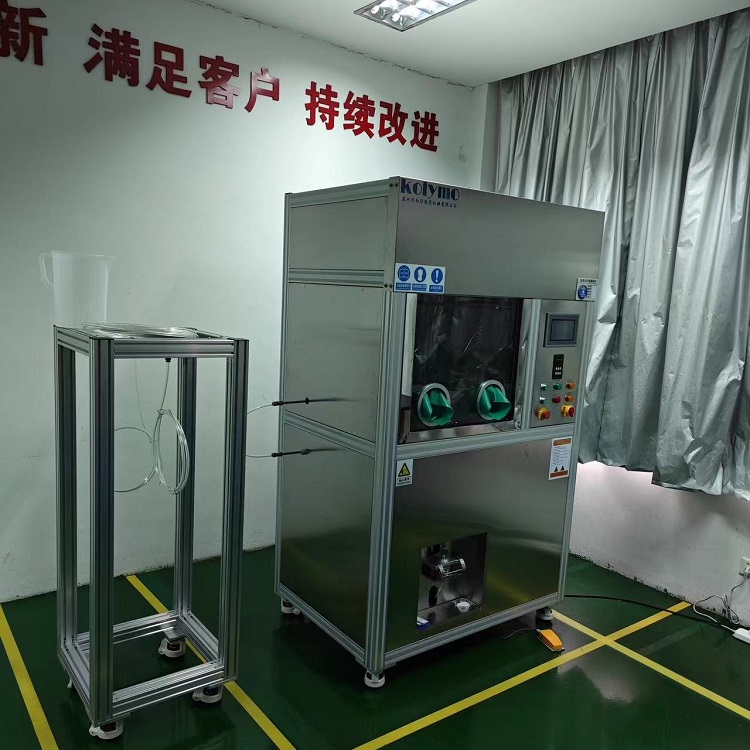
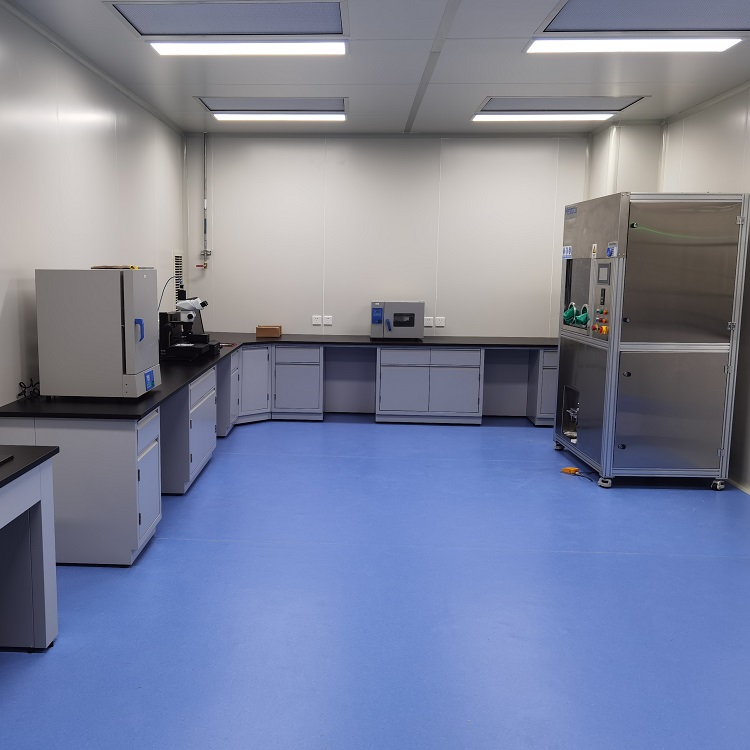
Cleanliness Test Dust-Free Laboratory Planning Layout
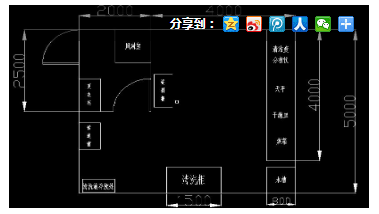
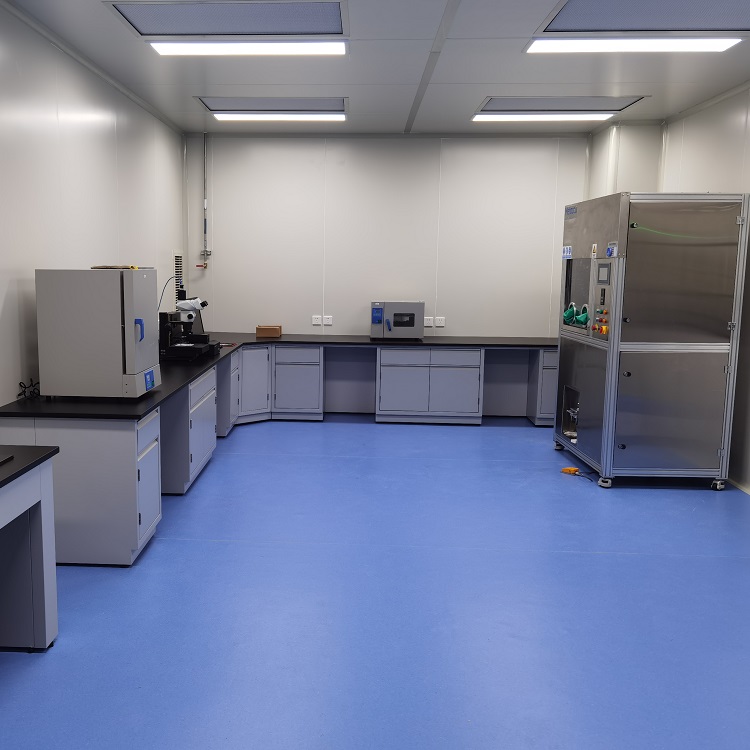
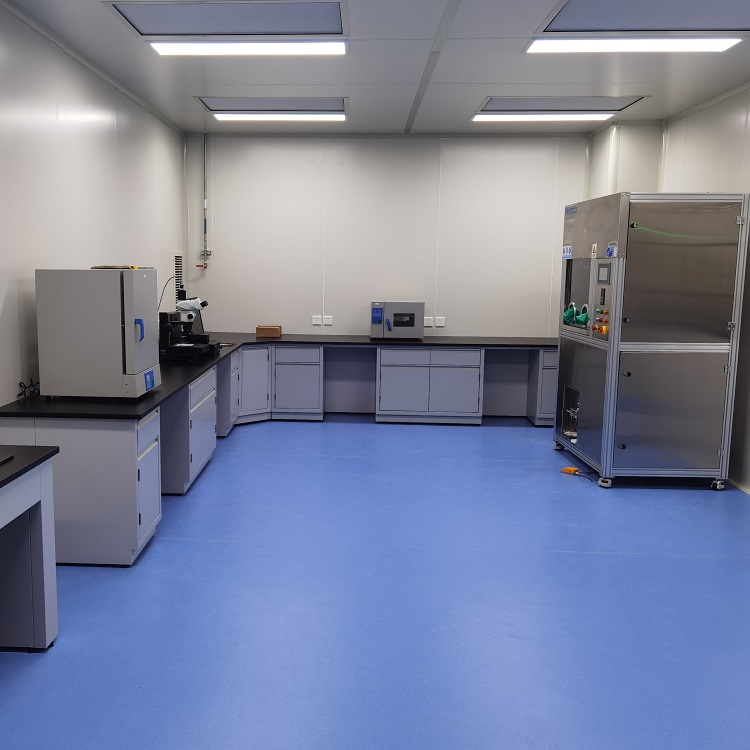
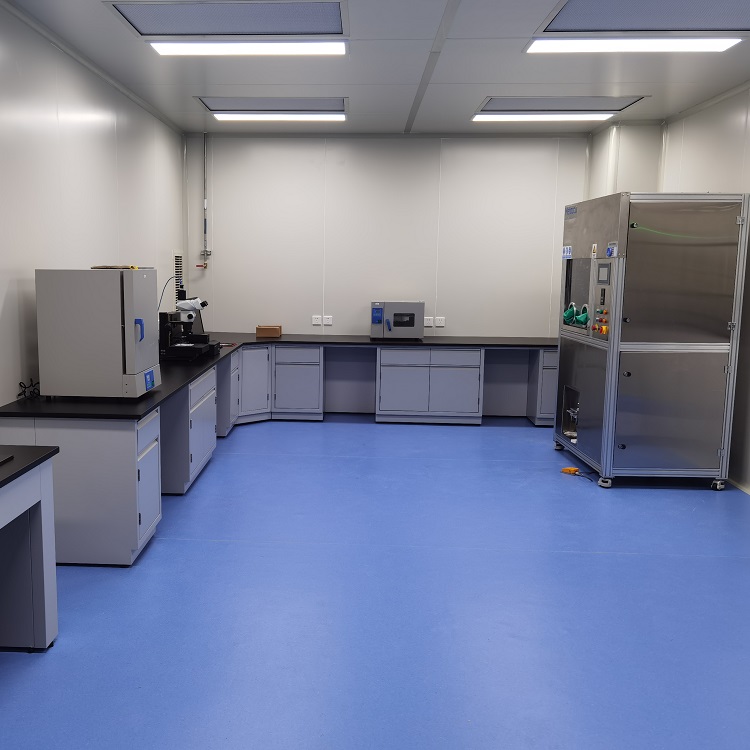
Cleanroom layout planning available to meet various customer cleanliness requirements:
Cleanroom Overall Planning and Layout without Dust
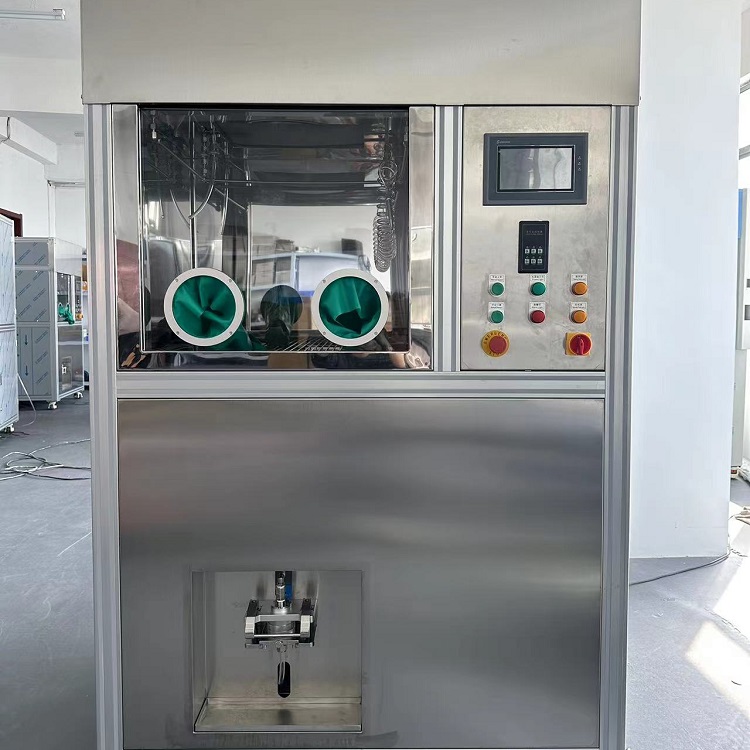
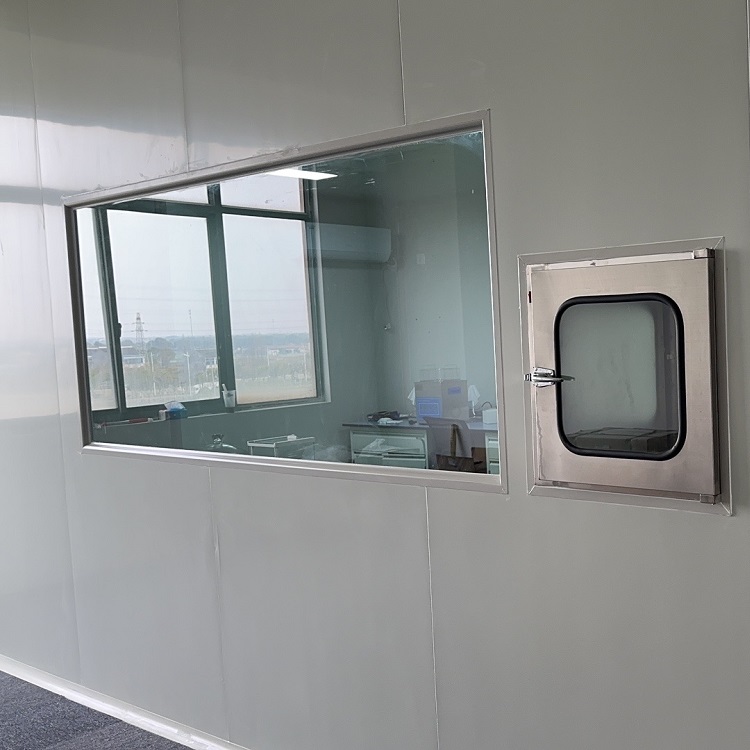
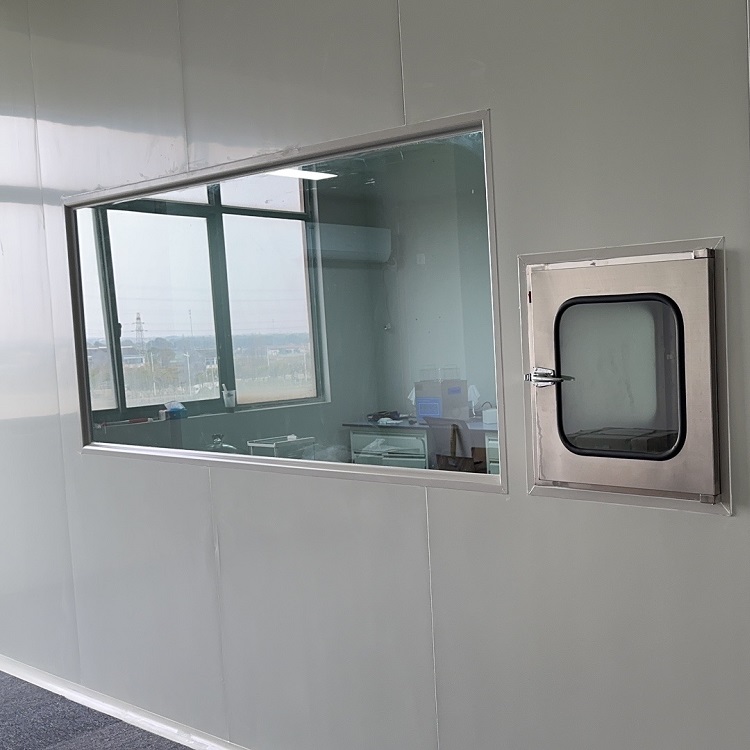
Airlock chamber, transfer gown, transparent glass window
Purification Structure Section, Purification System Section, Power Distribution System
Divided functional areas, such as: sample preparation cleaning area, particle analysis area, document storage area, etc.
Cleanroom cleanliness meets the requirements of ISO 14644-2015, GB 50073-2001, and other standards.
Cleanliness: Dust-free Laboratory Construction Mainly Includes:
Purification structure section
Parts of the purification system
Power distribution section
Cleanliness Class 100 Cleanroom is mainly divided into the following areas:
Employee Changing Room Area
Washing Sample Preparation Area
Sample Analysis Area (Weighing and Particle Size Analysis)
Sample Transfer Area
Cleaning Liquid Storage Area
File Storage Area
The customer provides a 220V power source on-site, regular water supply is sufficient.
No matter how the ambient air conditions change in the cleanroom, it maintains its original set requirements for cleanliness, temperature and humidity, and pressure.
The primary function of a cleanroom is to control the cleanliness, temperature, and humidity of the air that products (such as silicon chips) come into contact with, ensuring production and manufacturing occur in an optimal environment space, which we refer to as a cleanroom. In accordance with international standards, the cleanliness level of a cleanroom is primarily determined by the number of particles per cubic meter that exceed the specified size limit. In other words, "cleanroom" does not mean completely dust-free; rather, it maintains dust levels at an extremely low, controlled quantity. Of course, particles that meet the dust standard in this criterion are minuscule compared to common dust, but for optical structures, even the slightest dust can have a significant negative impact. Therefore, dust-free conditions are an absolute requirement for the production of optical structure products.
As shown in the table, controlling the number of particles with a diameter greater than 0.5 micrometers to less than 3,500 per cubic meter meets the international Class A cleanroom standard. The cleanroom standard for production and processing at the chip level has stricter requirements than Class A, and this high standard is primarily used in the production of higher-grade chips. The number of particles is strictly controlled to less than 1,000 per cubic meter, which is also known in the industry as the 1K level.