

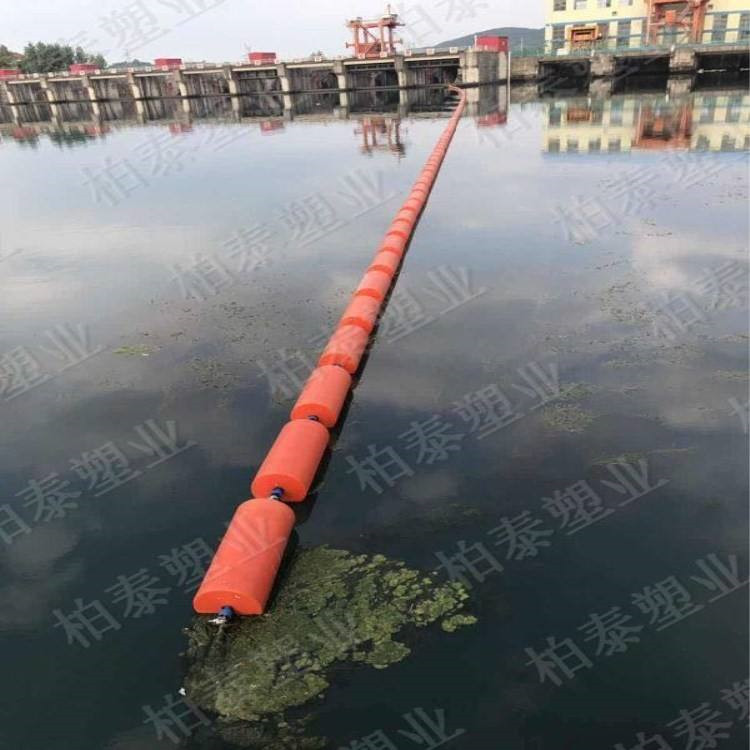


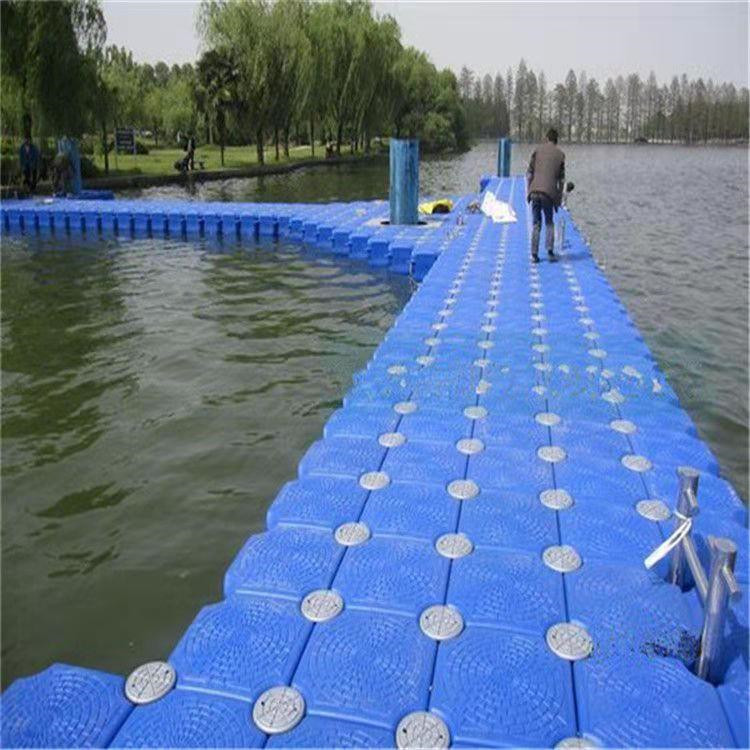
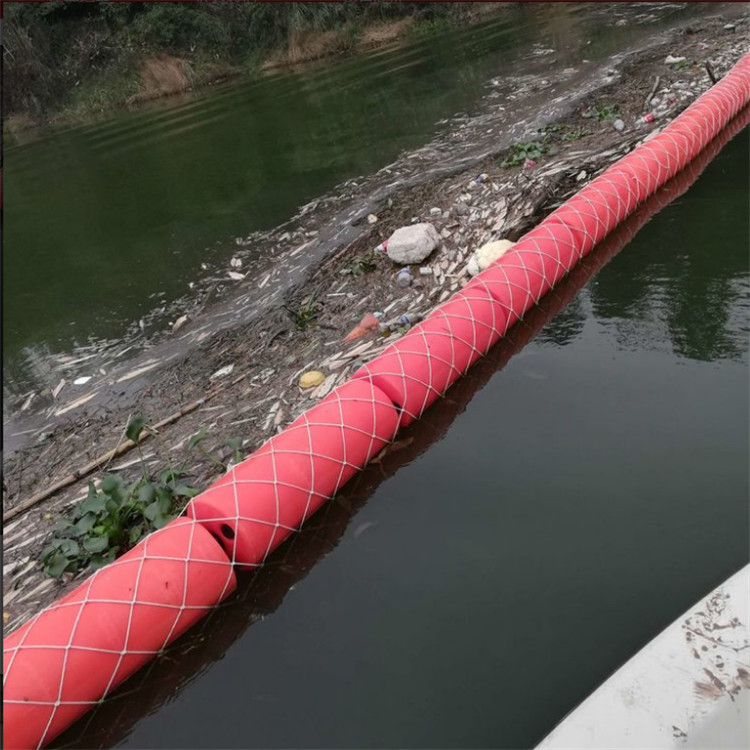





Due to the accumulation of debris in front of the grille, a difference in water levels before and after the grille is created, which increases the force exerted by the water on the grille. In severe cases, the pressure can exceed the bending stress limit of the grille material, causing structural deformation of the grille and even collapse, thus losing its protective function for the pump station.
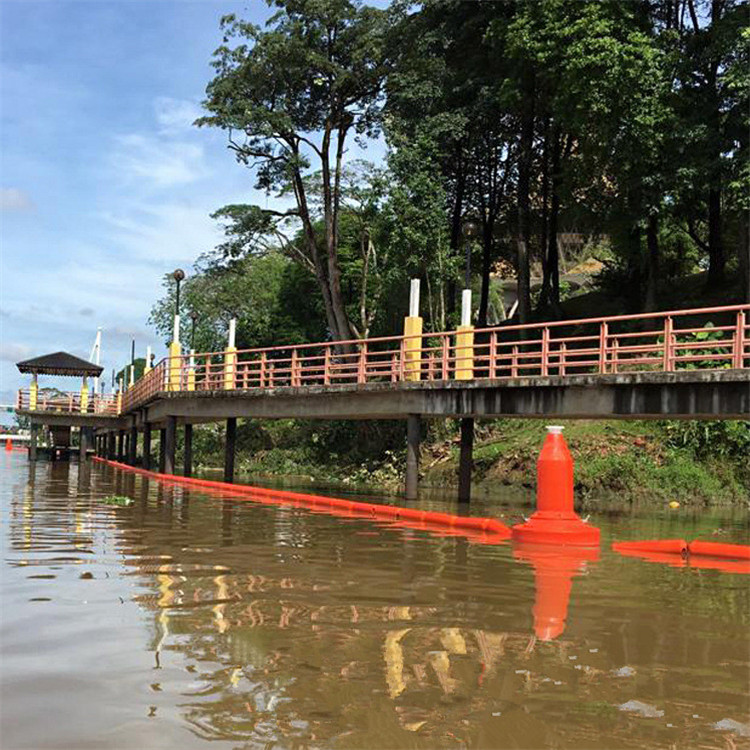
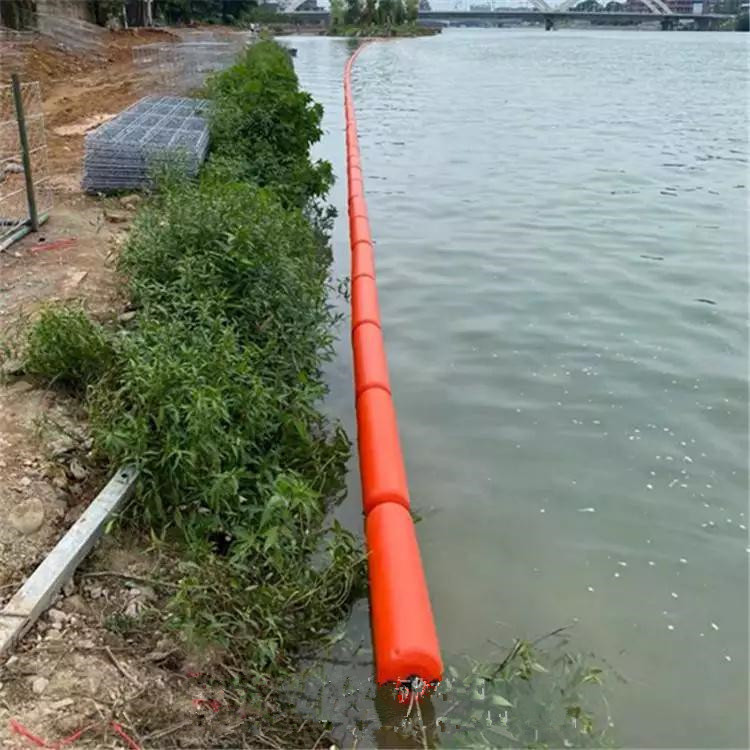
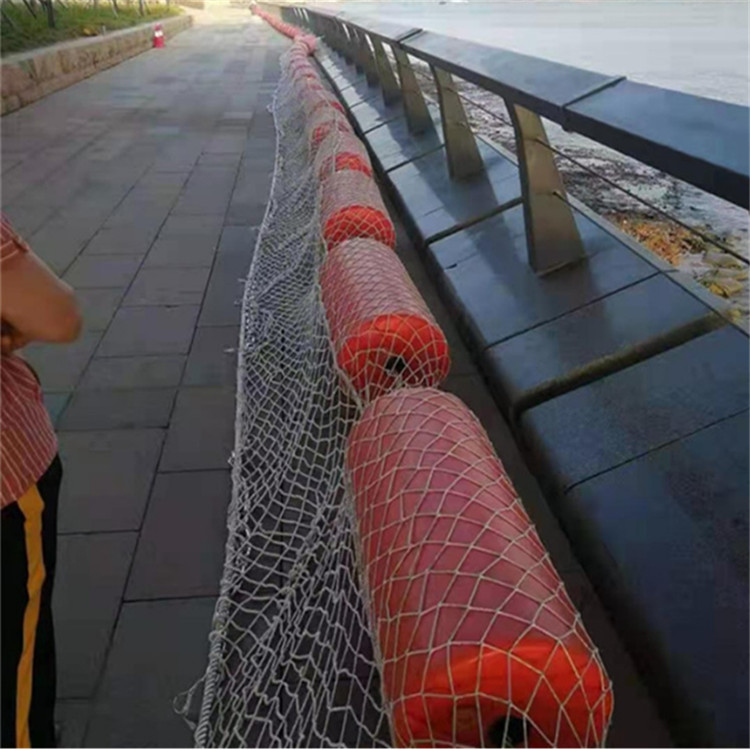
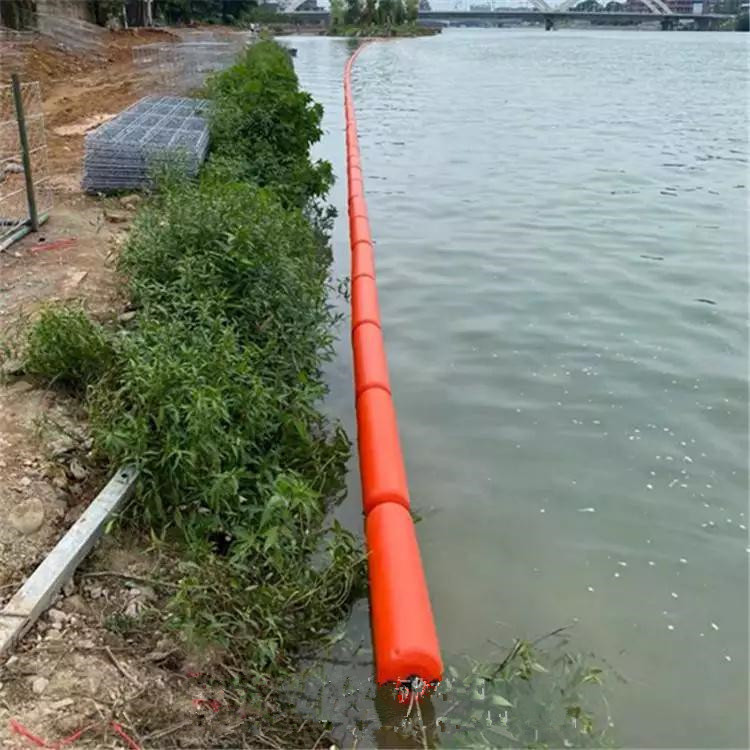
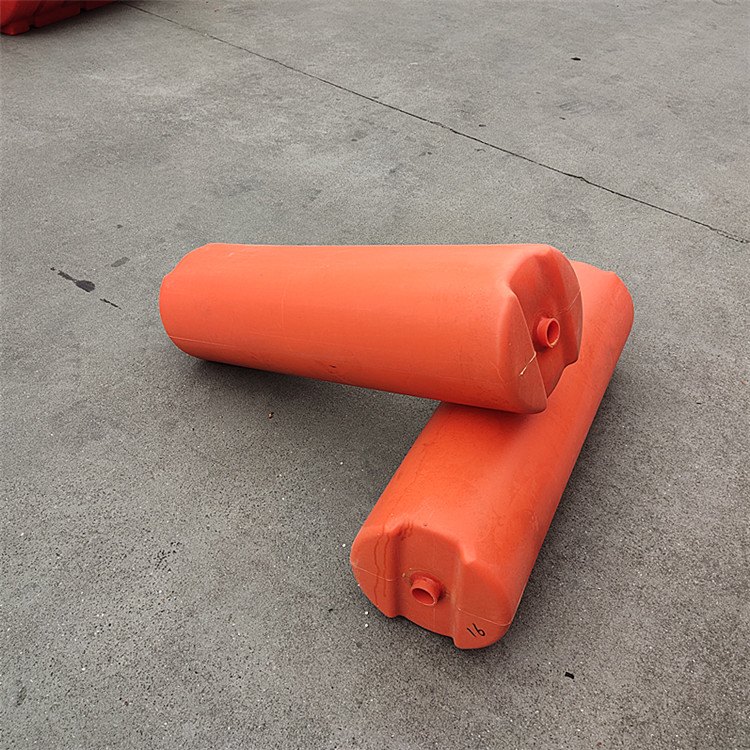
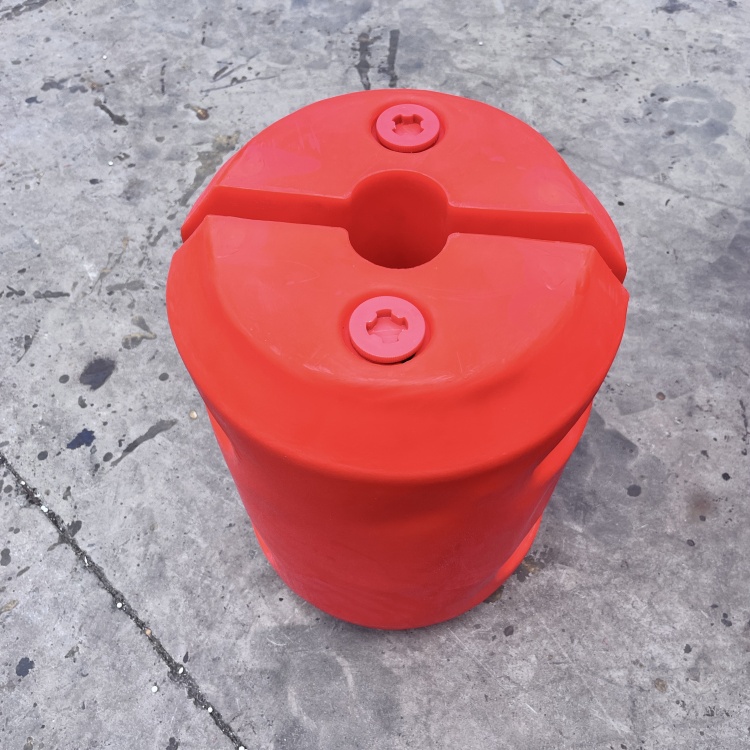
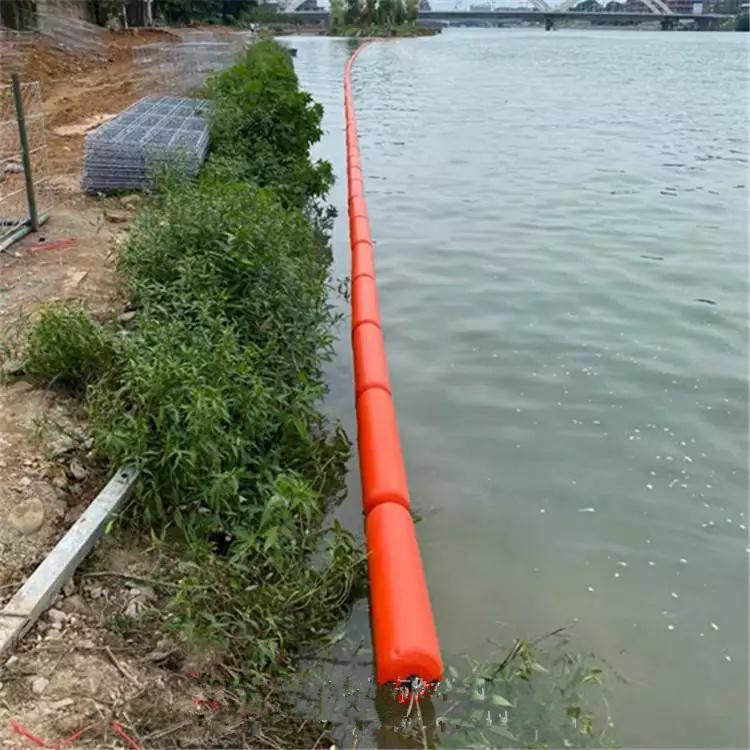
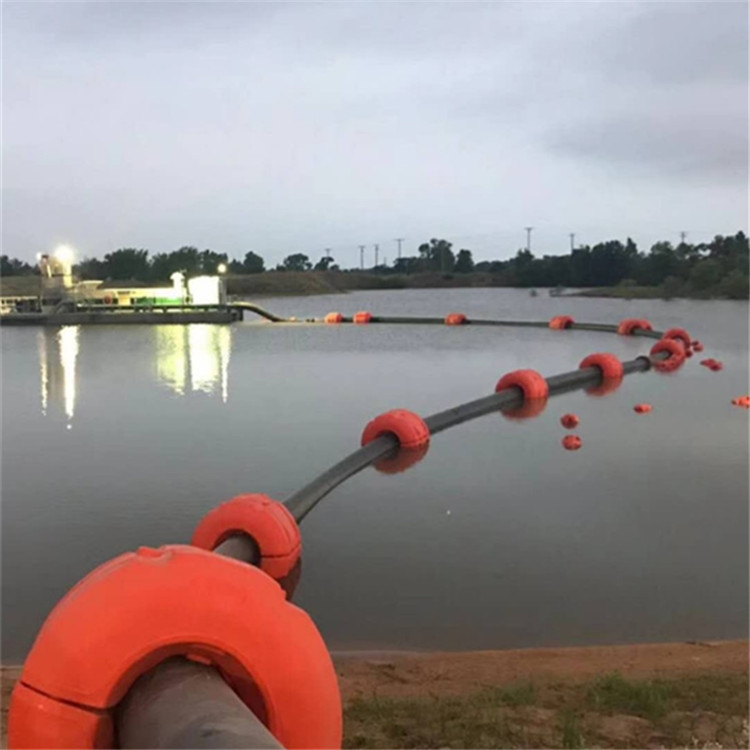
The floating garbage containment buoys for wastewater power stations are manufactured using rotational molding technology. The product is formed in one piece without any welds, is fully enclosed, corrosion-resistant, aging-resistant, impact and collision-resistant, and free from concerns of leakage or cracking.
The draft depth of a floating debris boom is a double-edged sword for the main traction load and debris retention effectiveness; the selection requires careful consideration by the designer and a comparison of proposals to determine.
With the deterioration of water environments, the amount of pollutants in the incoming flow to pump stations increases, particularly during flood drainage periods. A large quantity of pollutants flow down with the water, accumulating in front of the silt traps, which affects the safety and operation of the pump stations.
LWS flat steel grate, composed of steel frame and bars焊接. This flat steel grate boasts aesthetic appearance, simple structure, easy installation, safe operation, strong floating debris blocking, long service life, and low maintenance costs.
The methods for removing floating debris at power station intake are primarily manual or mechanical cleaning, and hydropower dispatch operation. The material used is polyethylene (linear low-density polyethylene, LLDPE), which is discharged downstream through drainage structures (discharge holes), with floating boom-type trash racks set up.
WeChat Official Account

Scan to follow Official Account