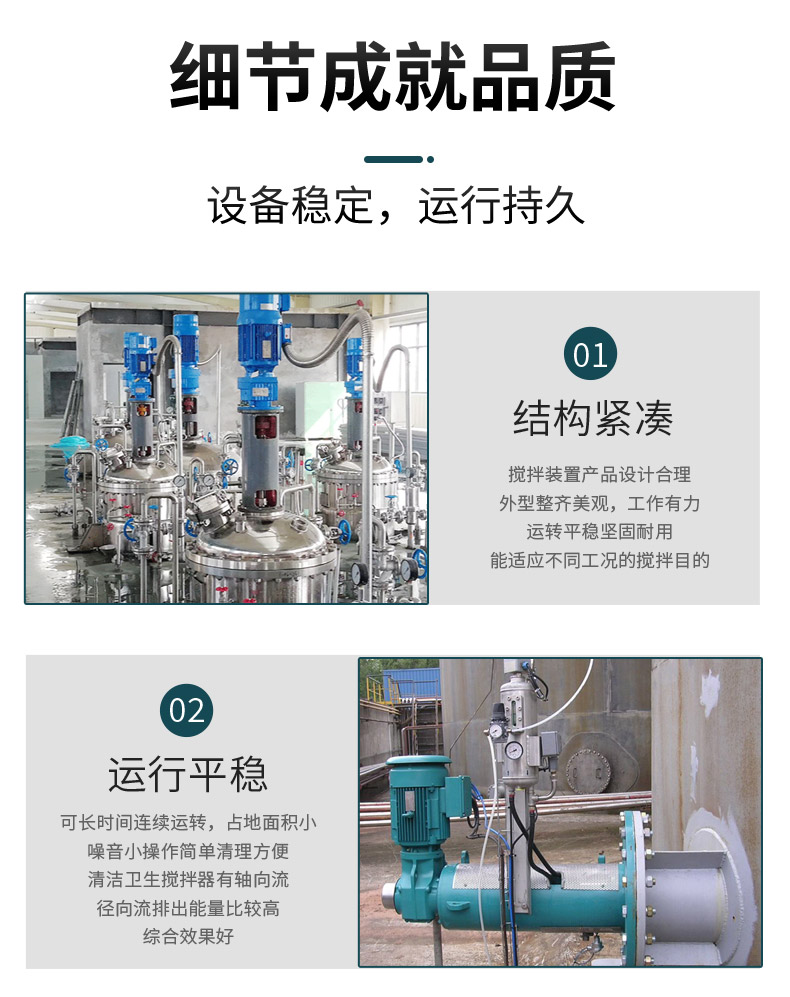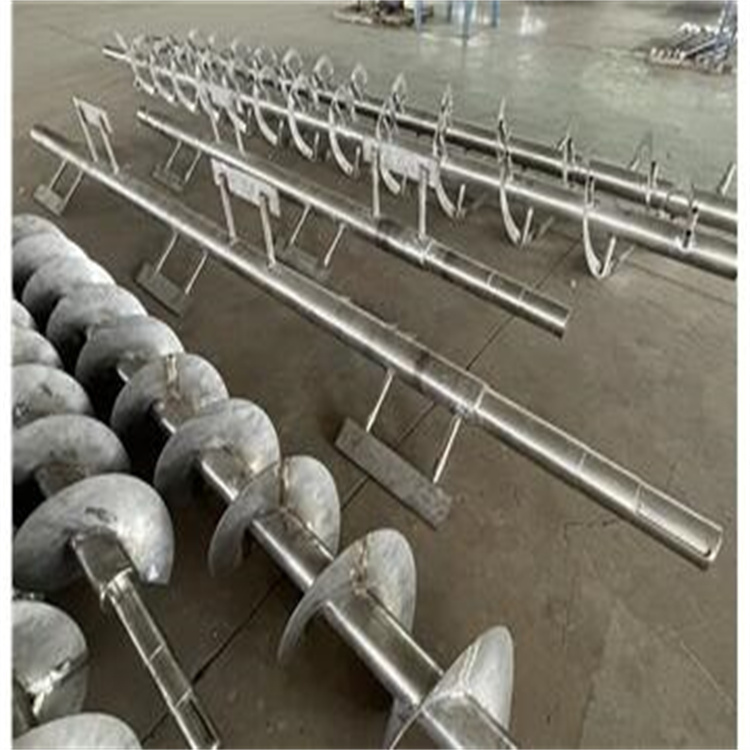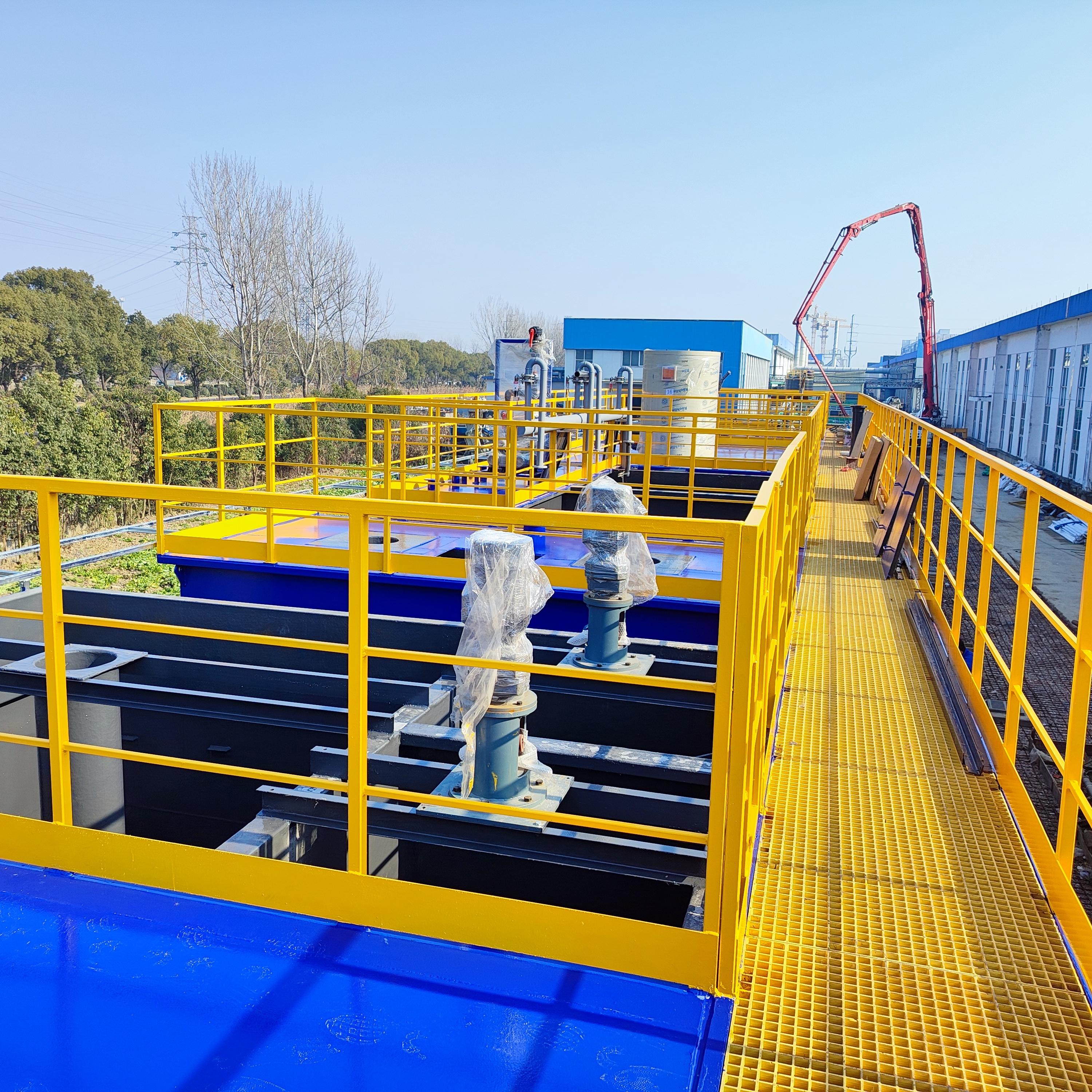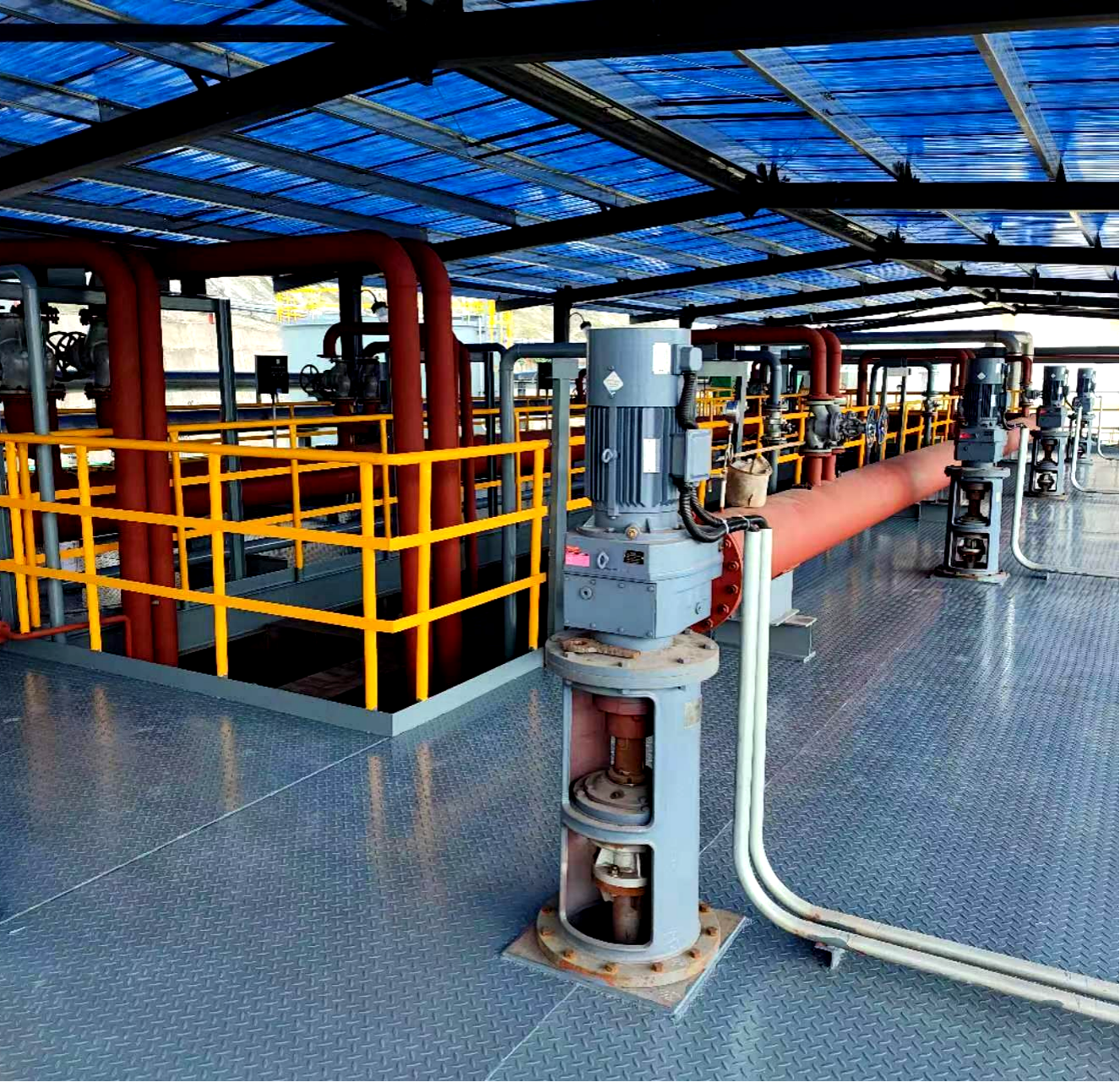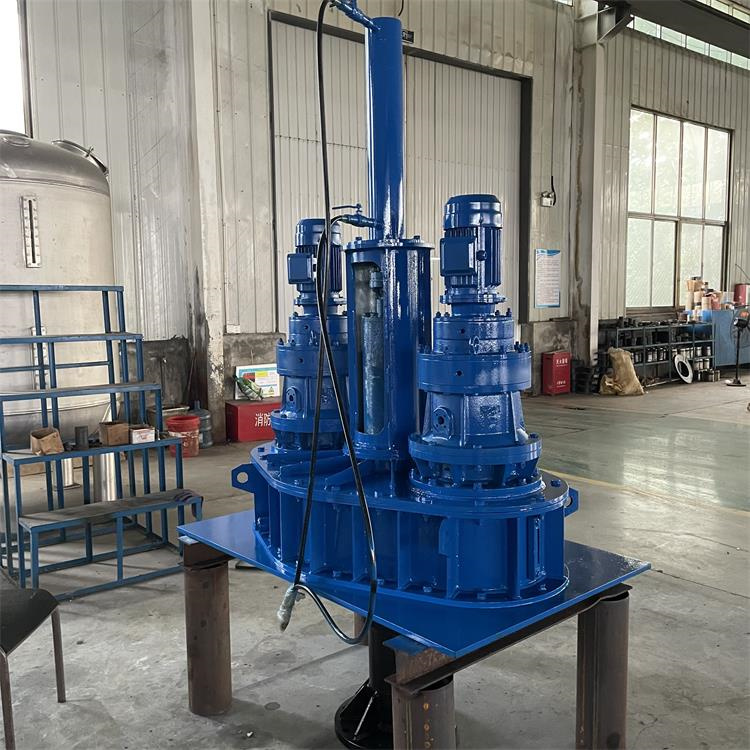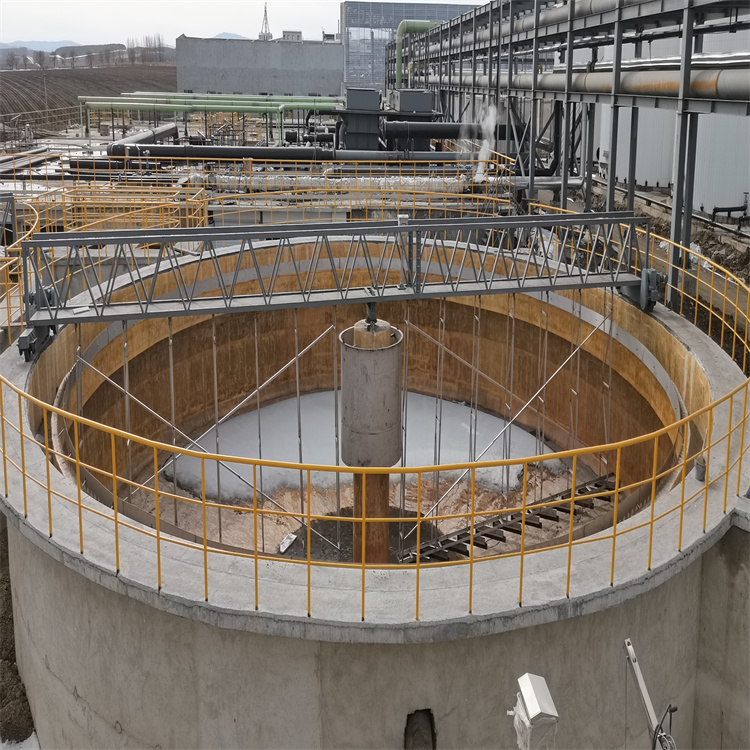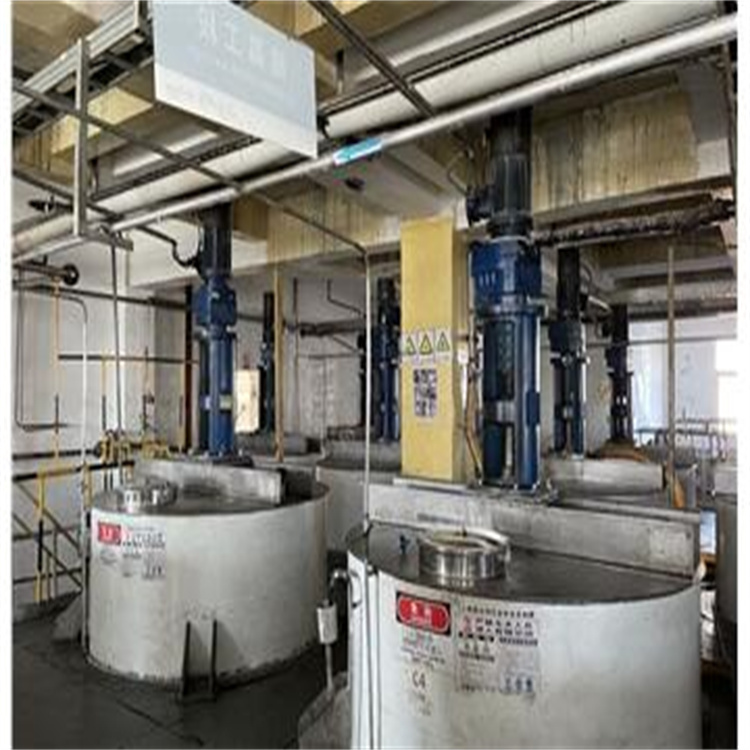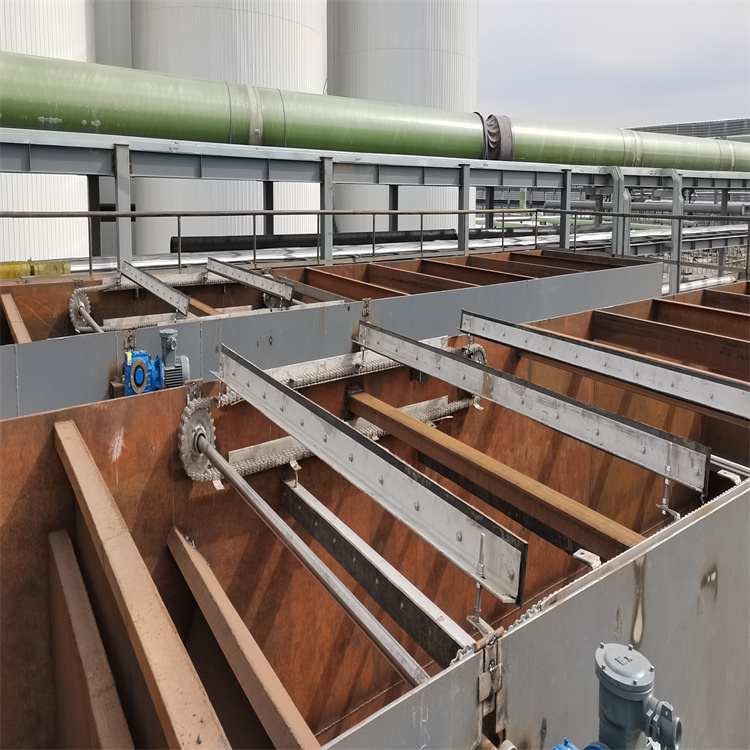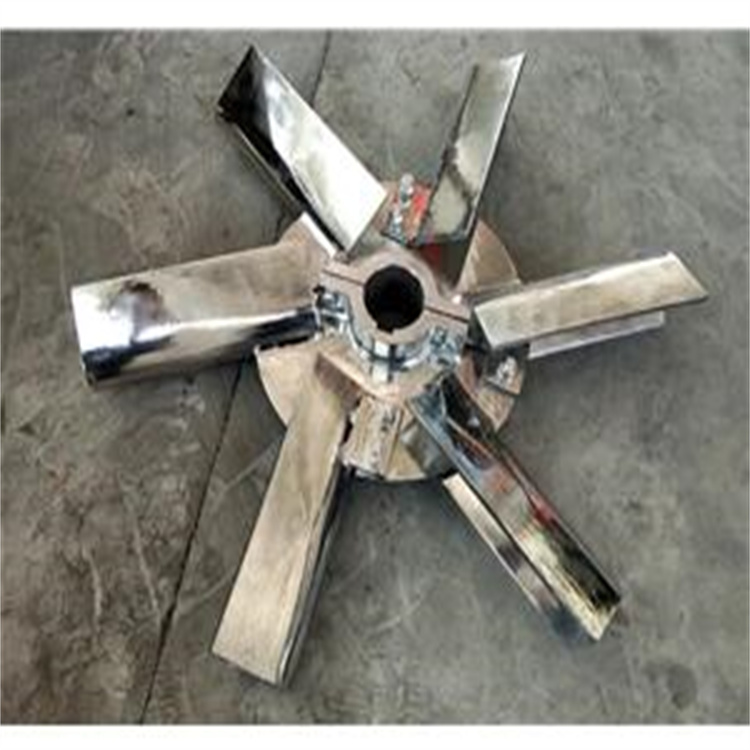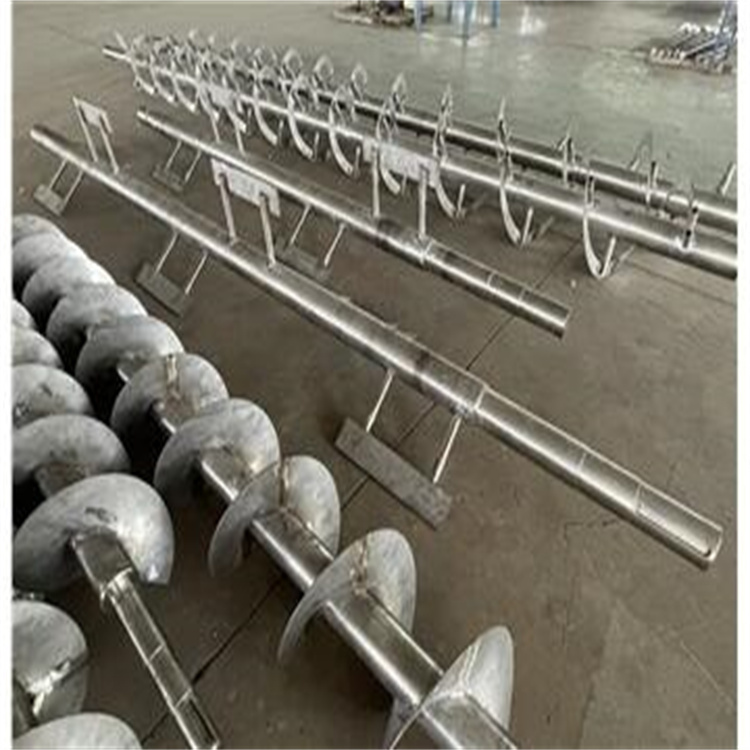


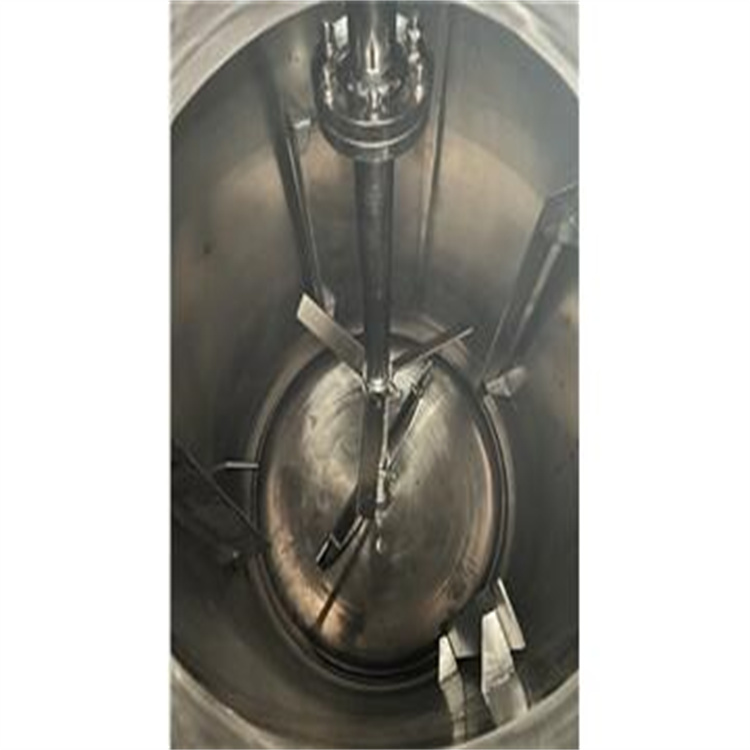
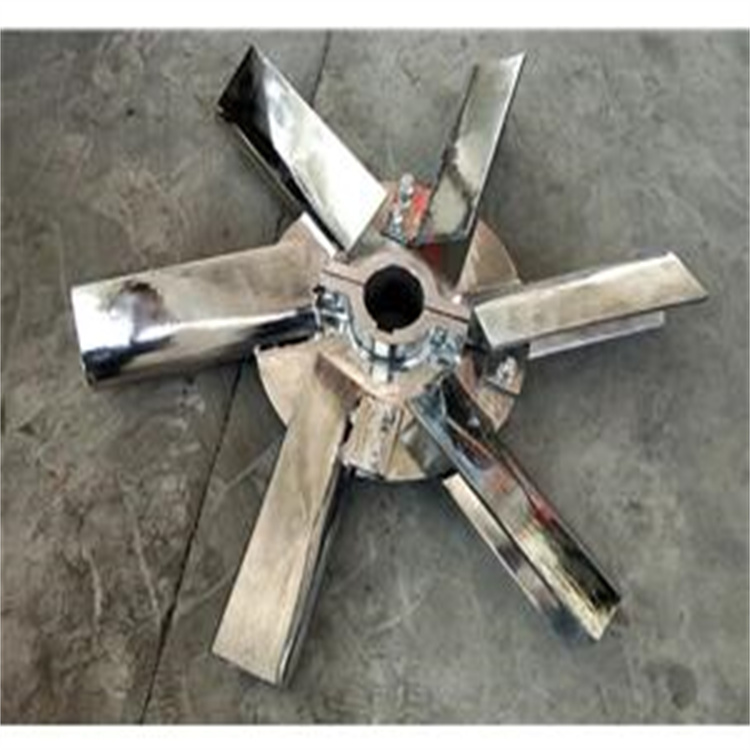


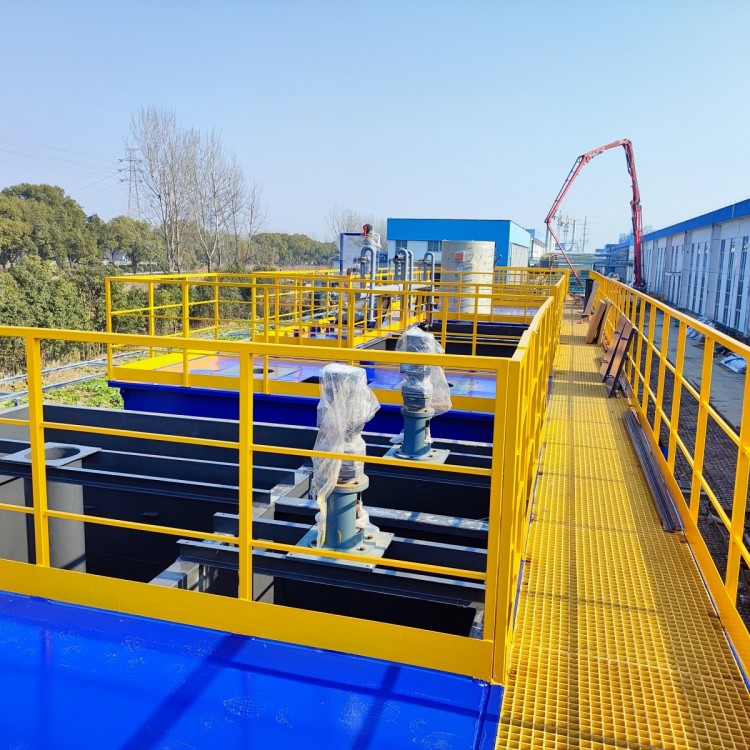

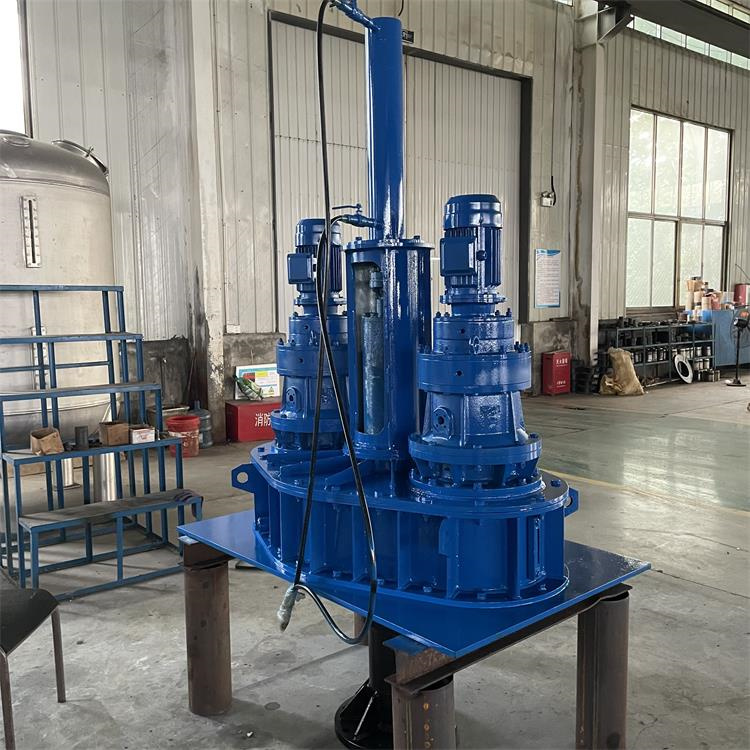
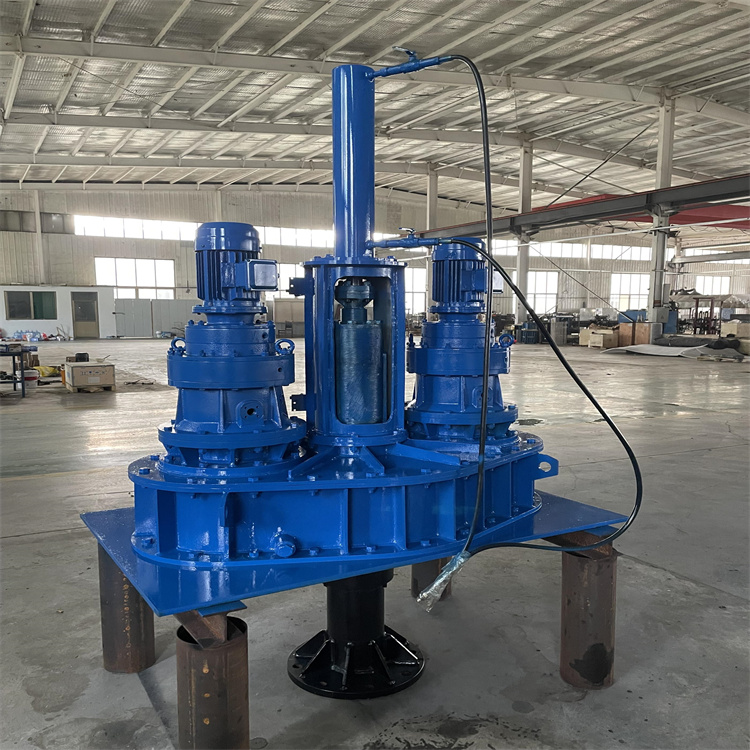
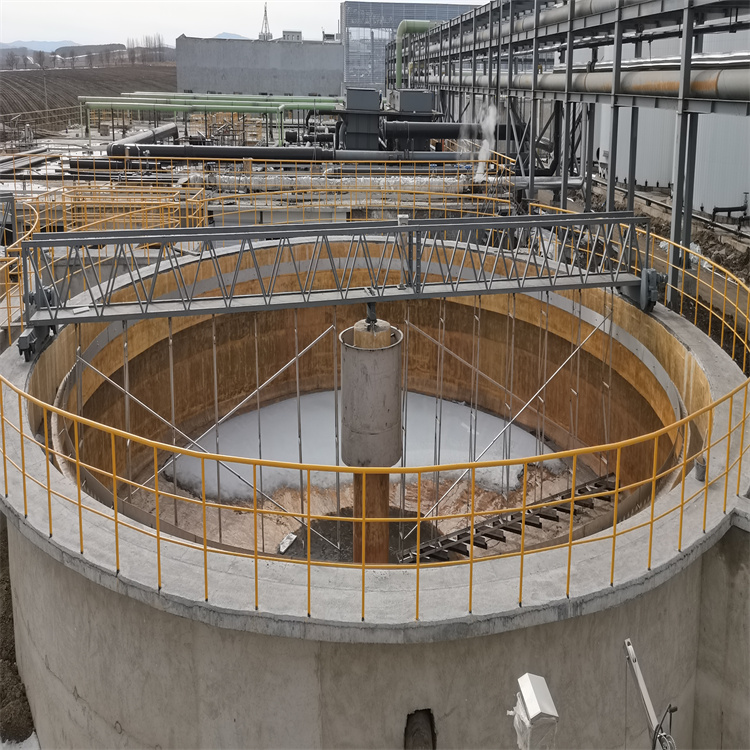





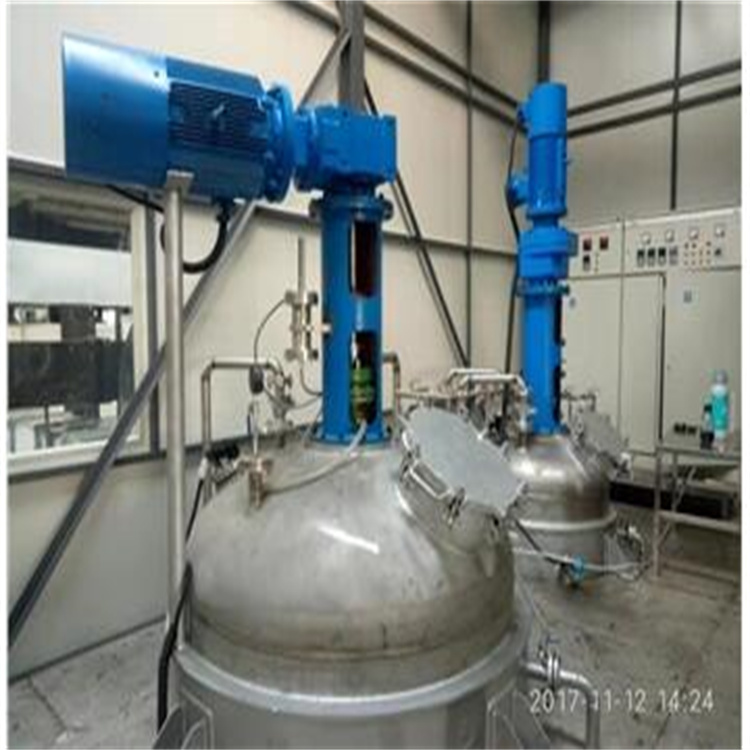
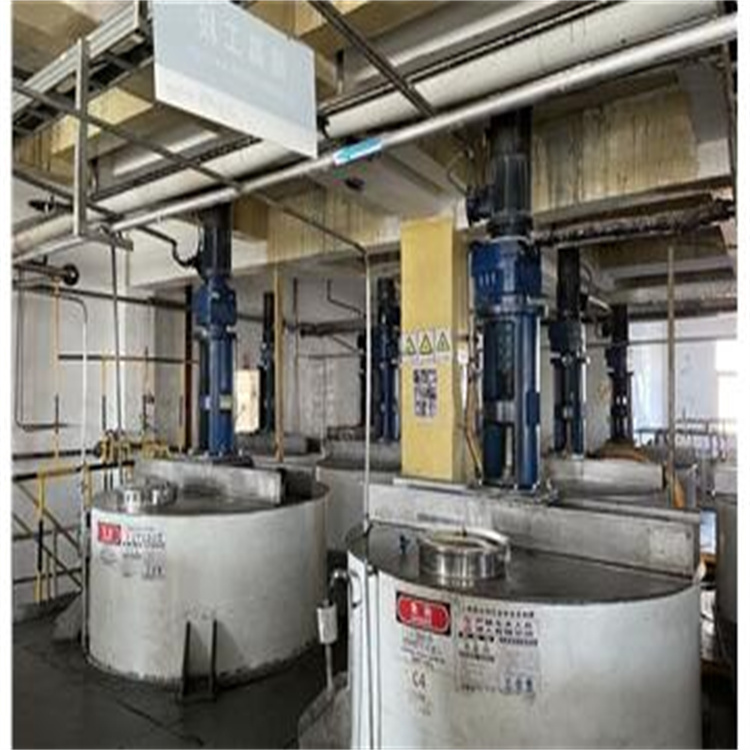
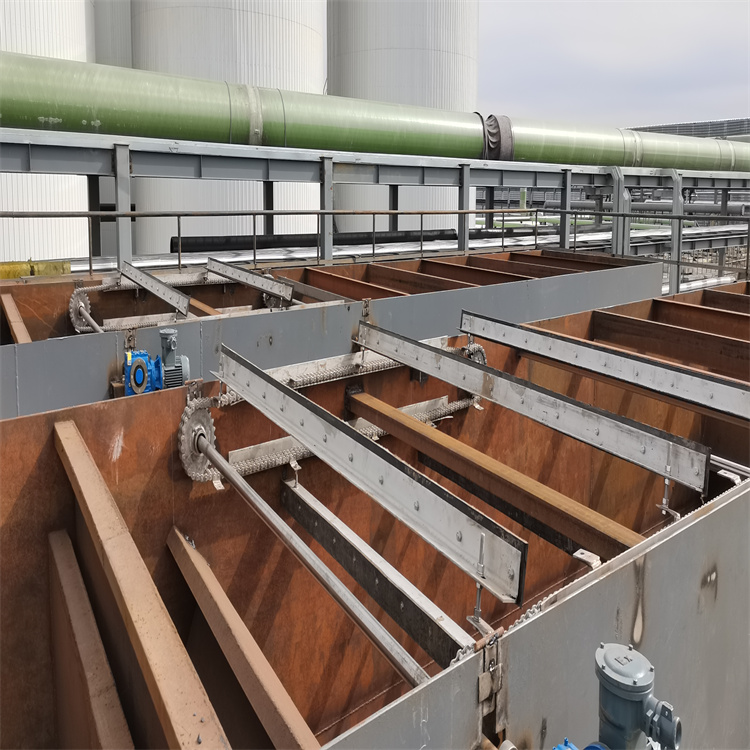
A blending unit is a device used for mixing, stirring, and homogenizing materials, serving mainly in the following aspects:
1. Mixed Material: The mixing device can blend various materials, ensuring even distribution. Whether it's solid or liquid materials, the mixing device effectively combines them, guaranteeing uniformity among all components.
2. Accelerate Reaction Speed: In certain chemical reactions, the reactants need to be adequately contacted and mixed to enhance reaction speed. Stirring equipment can evenly blend the reactants, promoting the contact of reaction substances and increasing the reaction speed.
3. Uniform Temperature Distribution: The stirrer can promote even temperature distribution in the liquid as it agitates. This is crucial for reactions or heating processes requiring constant temperature, as it enhances efficiency and quality of the reaction.
4. Prevent Sedimentation and Caking: Certain materials tend to settle or cake when left undisturbed or stored for extended periods. A stirring device can prevent sedimentation and caking, maintaining the material's uniformity and fluidity.
5. Evenly Distributed Additives: During the processing, it may be necessary to add some auxiliary agents or additives. The blending equipment can evenly distribute these additives into the material, ensuring thorough mixing and the effective operation of the additives.
In summary, the function of the mixing device is to uniformly blend materials, accelerate reaction rates, enhance reaction efficiency, prevent sedimentation and caking, and evenly distribute additives. The mixing device has extensive application value across various industrial fields and practical applications.