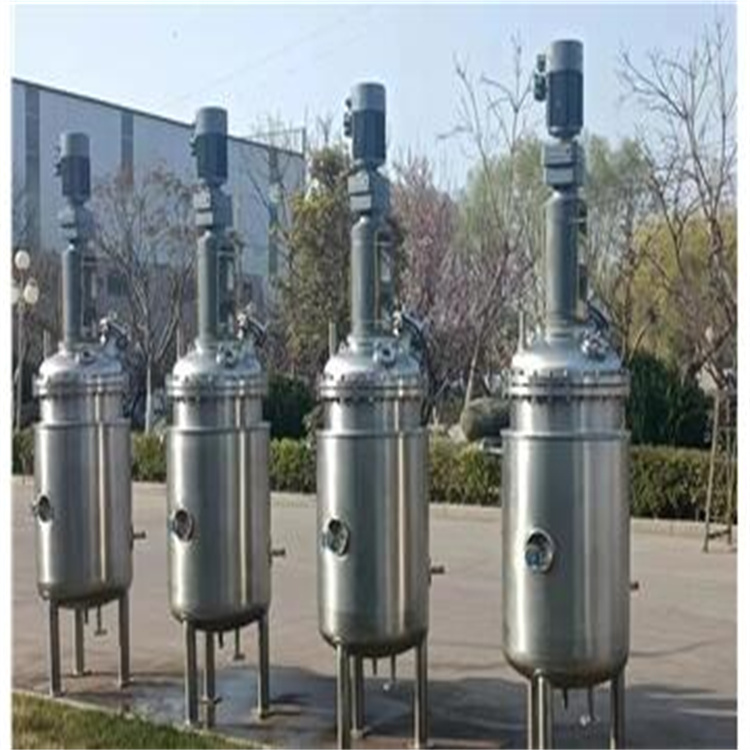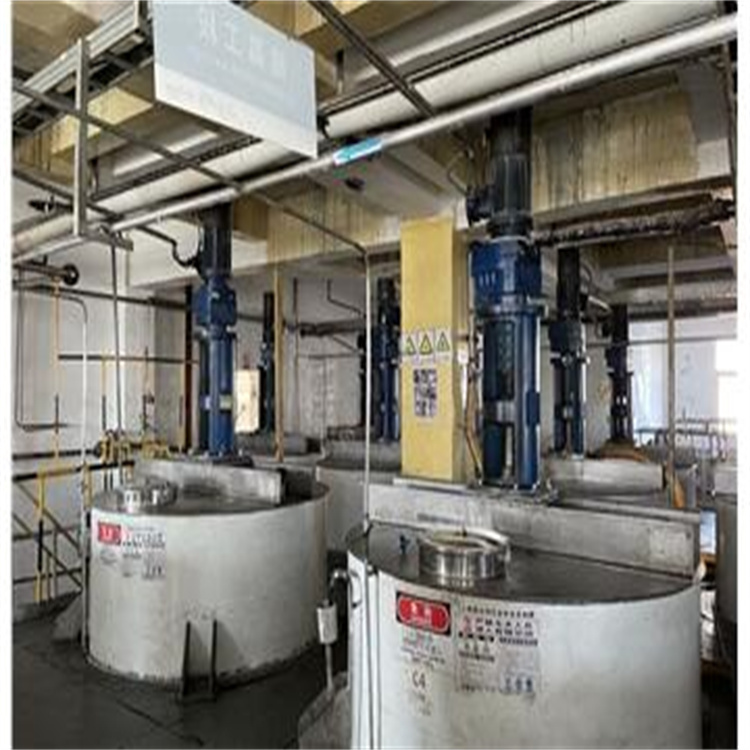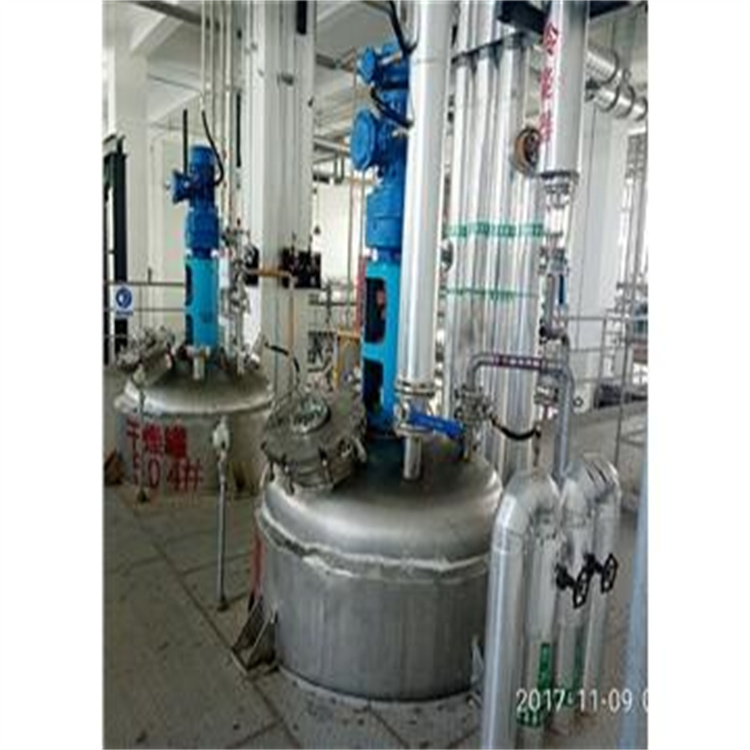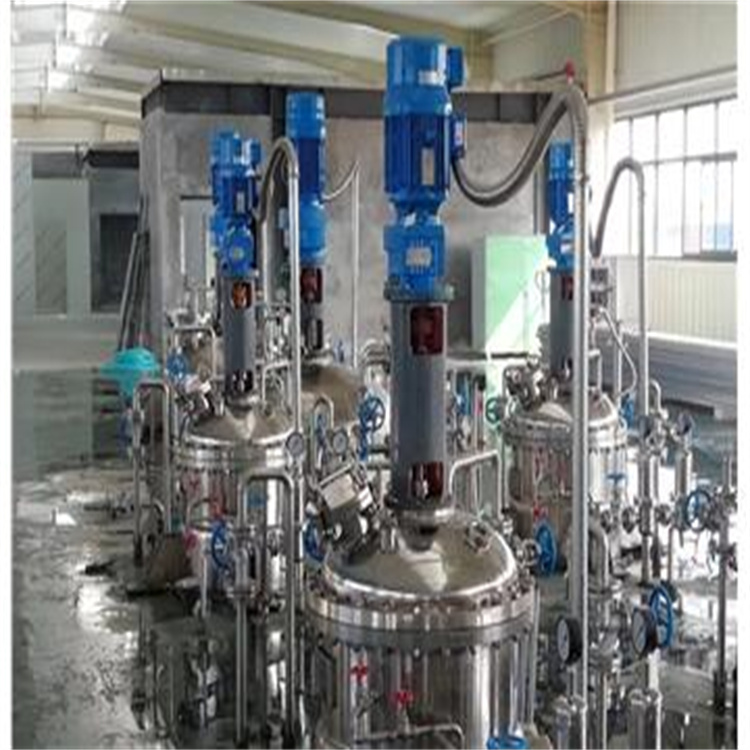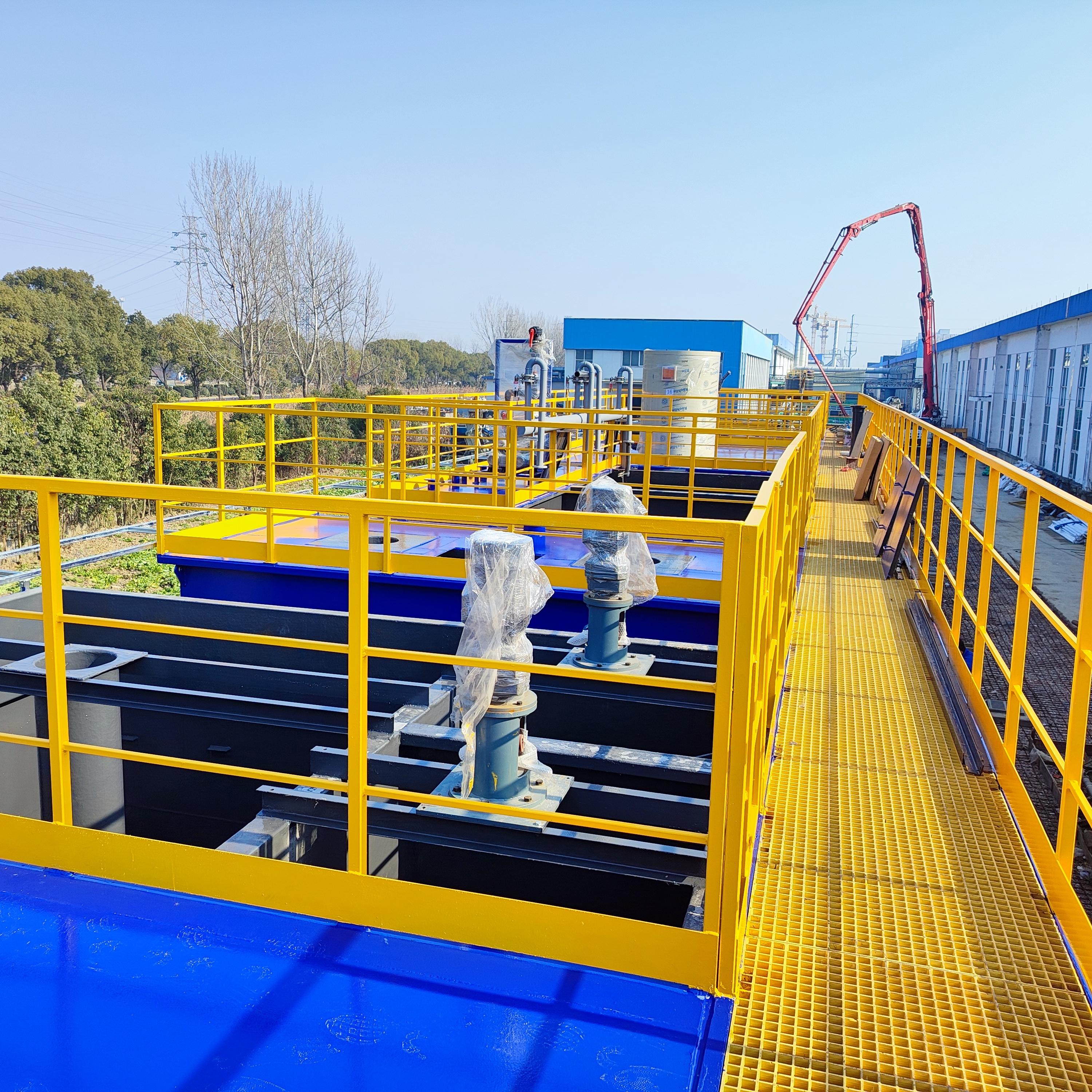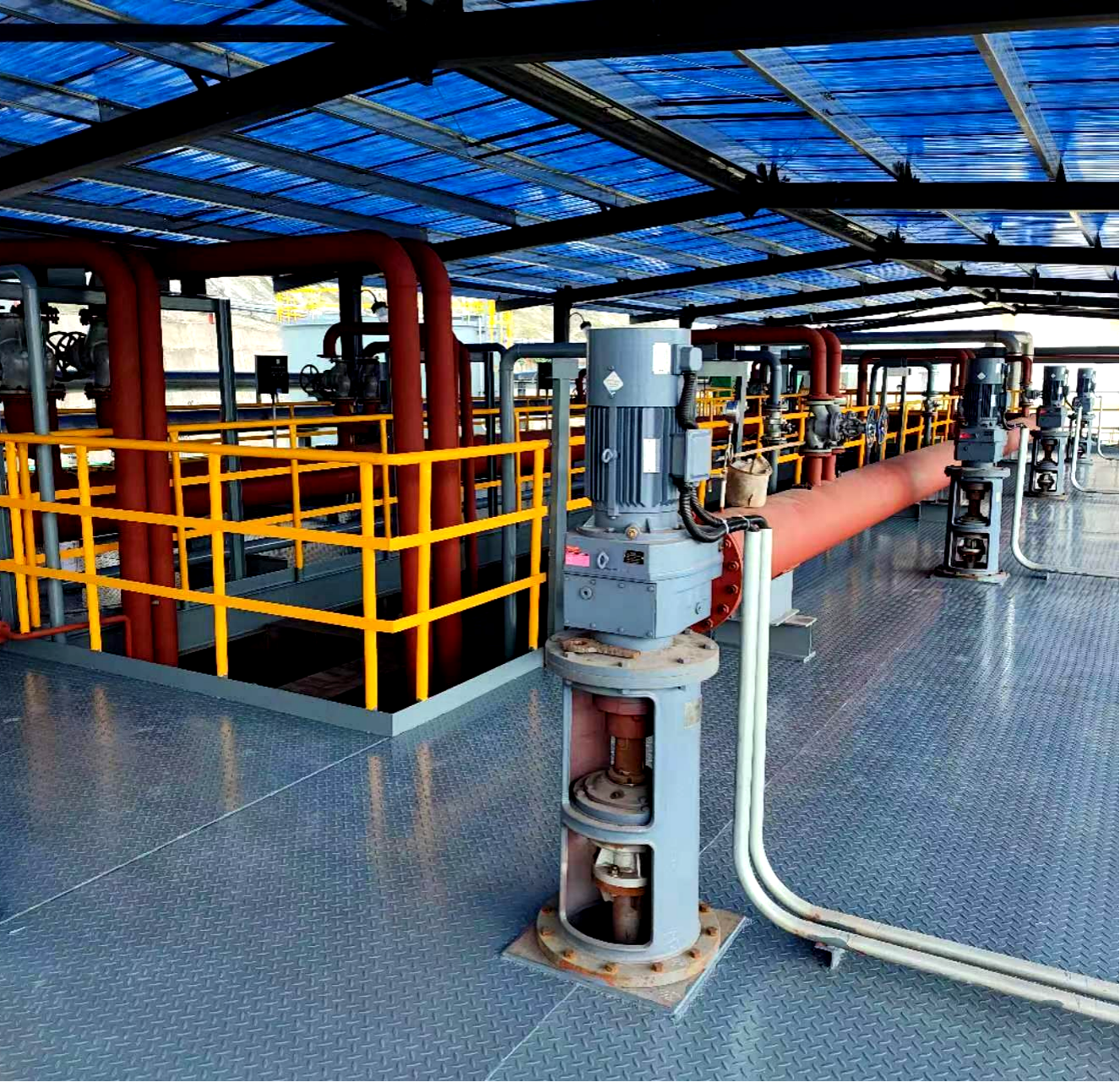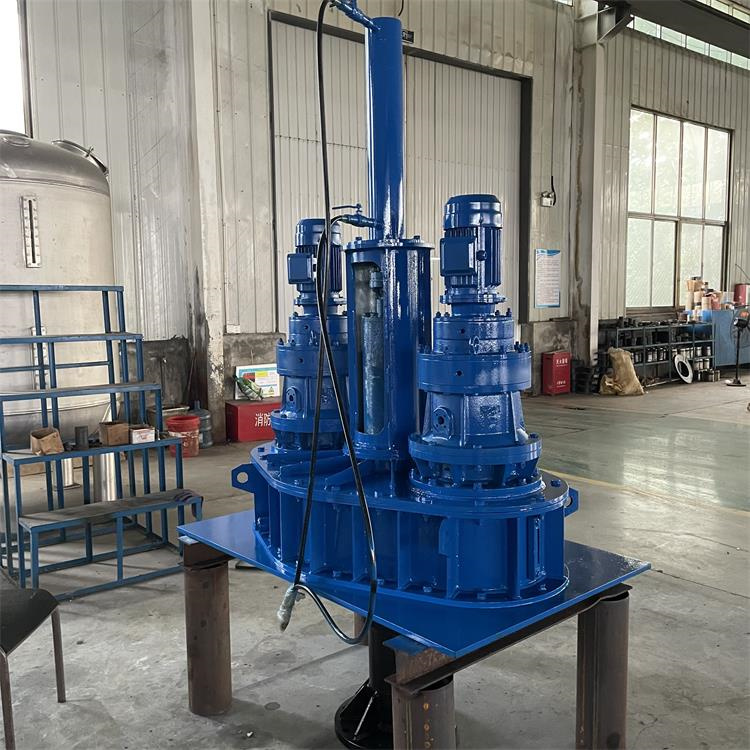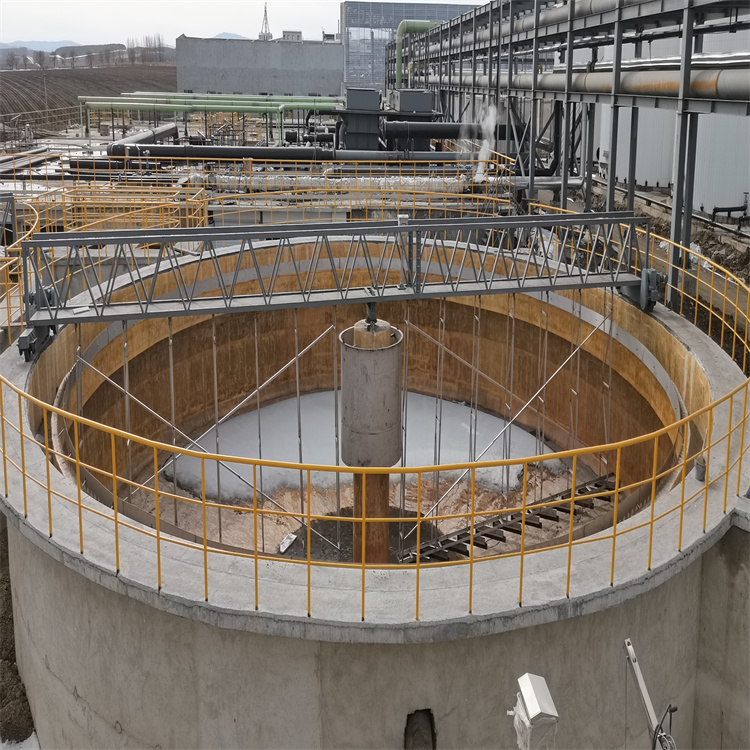










Agitator shaft
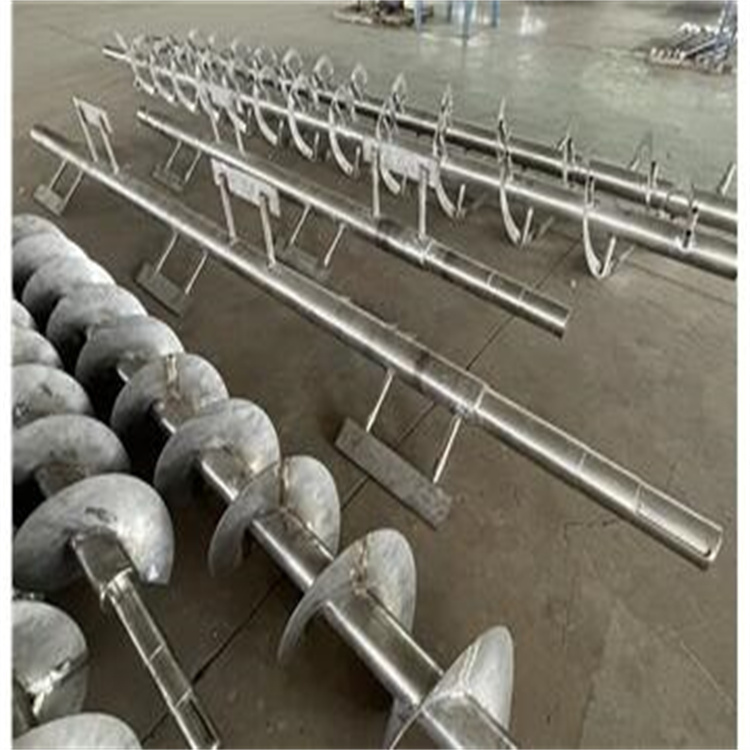
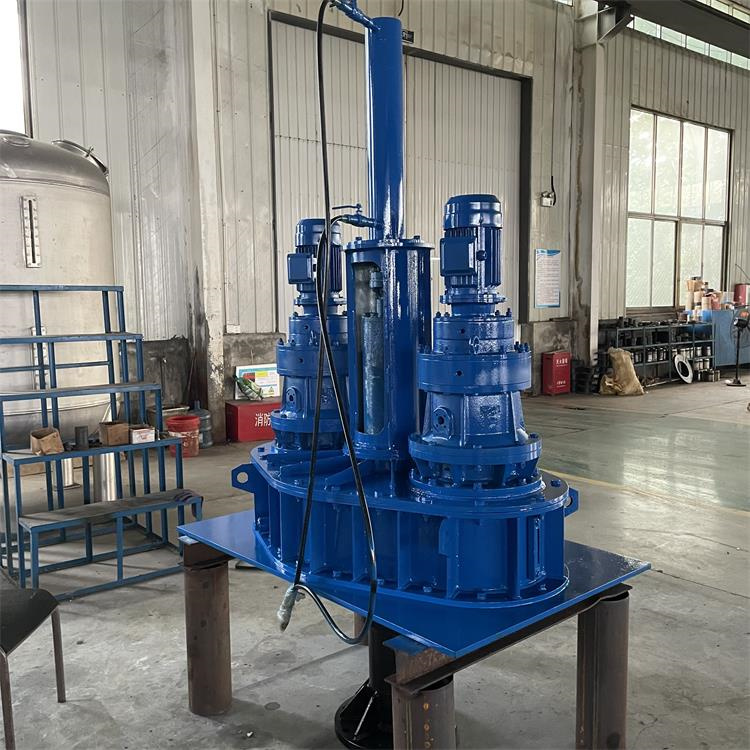
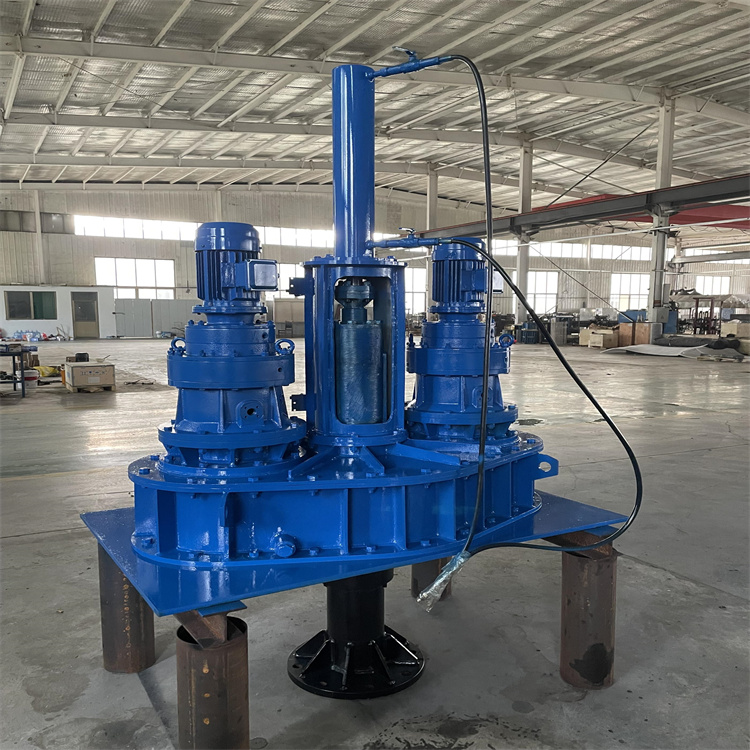
The motor output in the mixing equipment is transmitted to the mixer through the mixing shaft, thus the mixing shaft must be of sufficient strength. Moreover, the mixing shaft needs to be connected to the mixer while passing through the shaft seal device and parts such as bearings and couplings, so the mixing shaft should also have a reasonable structure, high processing accuracy, and fitting tolerances.
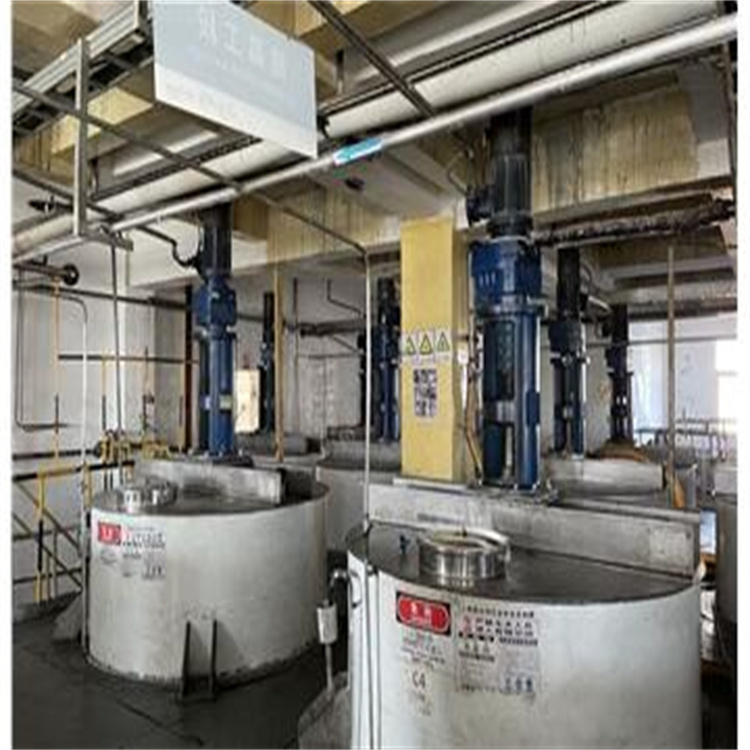
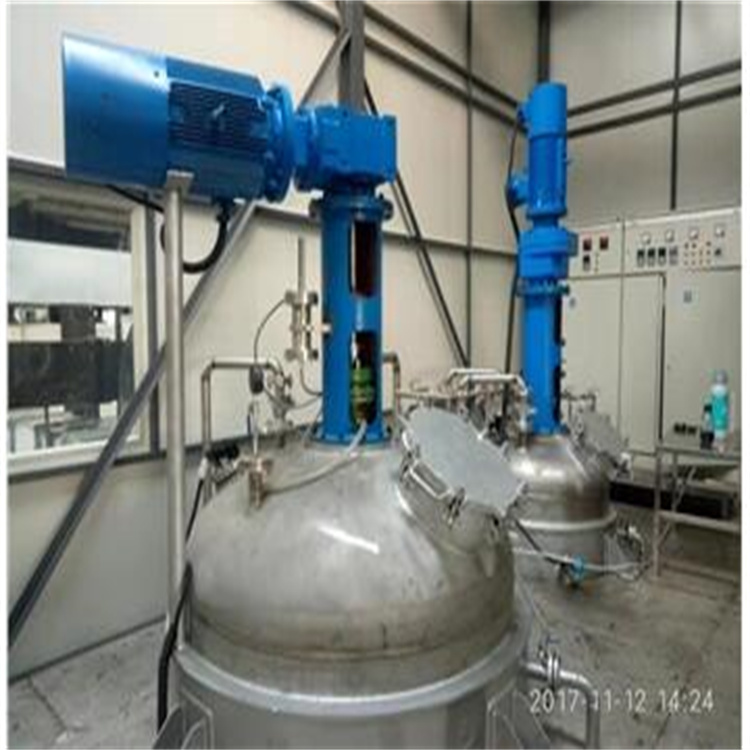
According to the support condition, the agitator shaft can be divided into cantilever and single-span types. The cantilever agitator shaft does not have a middle bearing or a bottom bearing inside the mixing equipment, making maintenance and inspection convenient. Particularly for biological and food mixing equipment with high cleanliness requirements, it reduces the components inside the equipment, so it should be given priority.

Internal components
Including baffles, coiled pipes, flow tubes, and gas distributors, etc.
To eliminate the swirling of the liquid within the mixing container and achieve uniform mixing by causing the liquid to churn up and down, it is typically necessary to add baffles inside the mixing container. Generally, the width of the baffles is about 1/12 to 1/10 of the container's internal diameter. Accessories within the equipment, such as thermometers, heat-exchange coils, or various supports, can also serve as baffles to some extent, but often do not meet the "full baffle condition." Increasing the number and width of baffles usually increases power consumption, but once it reaches a certain point, power consumption no longer increases, at which point the operating condition is referred to as the "full baffle condition."
Within the mixing vessel, the fluid can flow in various directions towards the impeller, with varying travel distances. To control the speed and direction of backflow, a flow guide tube can be used when determining certain conditions. The flow guide tube is an open-ended cylinder, installed inside the vessel, which serves to direct the flow. It not only enhances the degree of fluid stirring within the container, strengthening the direct shearing action of the impeller on the fluid, but also creates a certain amount of circulation flow, allowing all fluid in the container to pass through the intense mixing zone within the flow guide tube, thereby improving mixing efficiency. After installing the flow guide tube, the circulation path is defined, reducing the opportunity for short-circuiting of the fluid. The flow guide tube is mainly used for guiding the flow in pusher, screw, and turbine-type impellers.