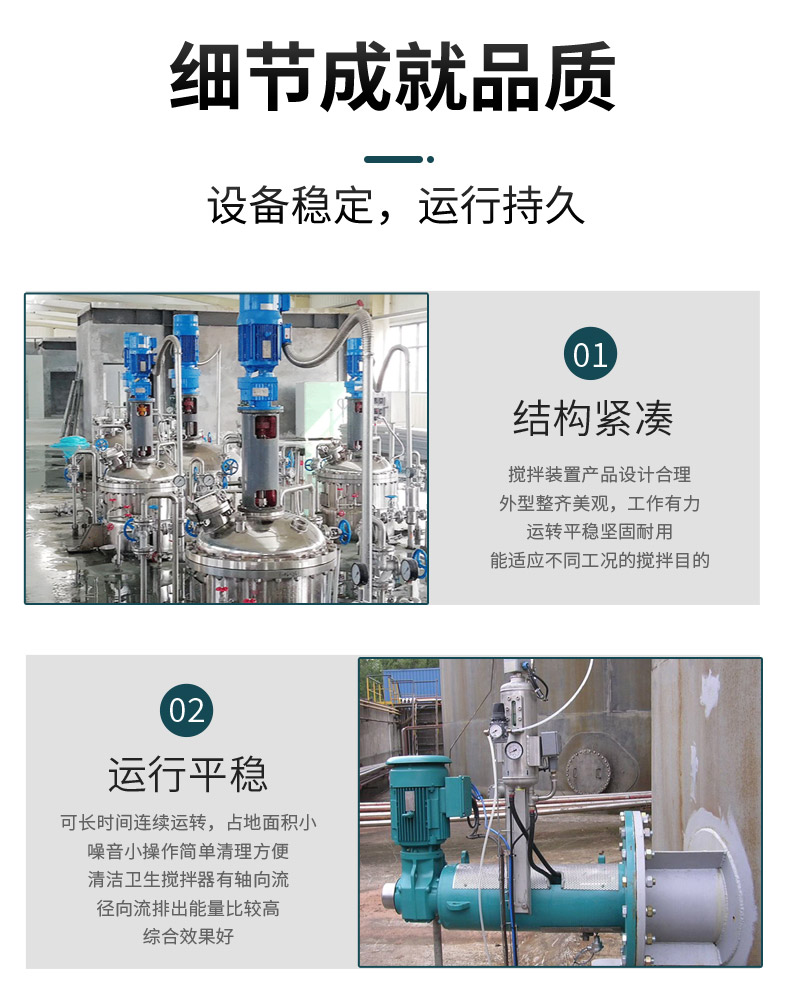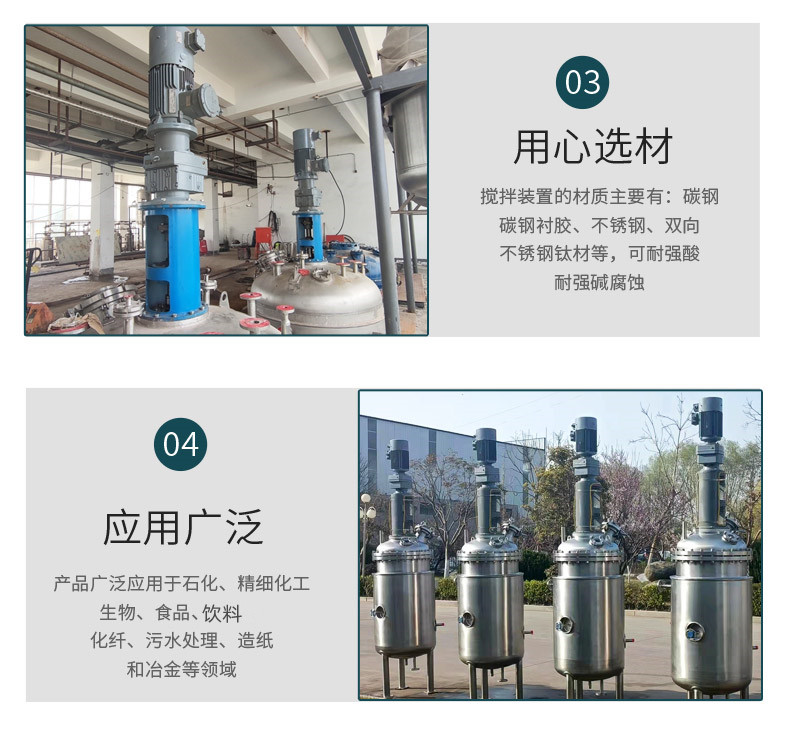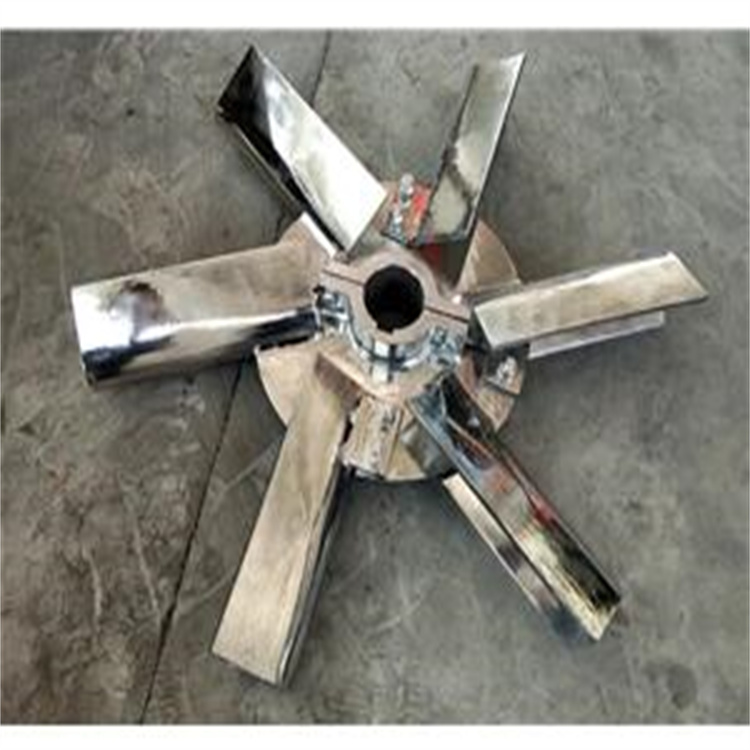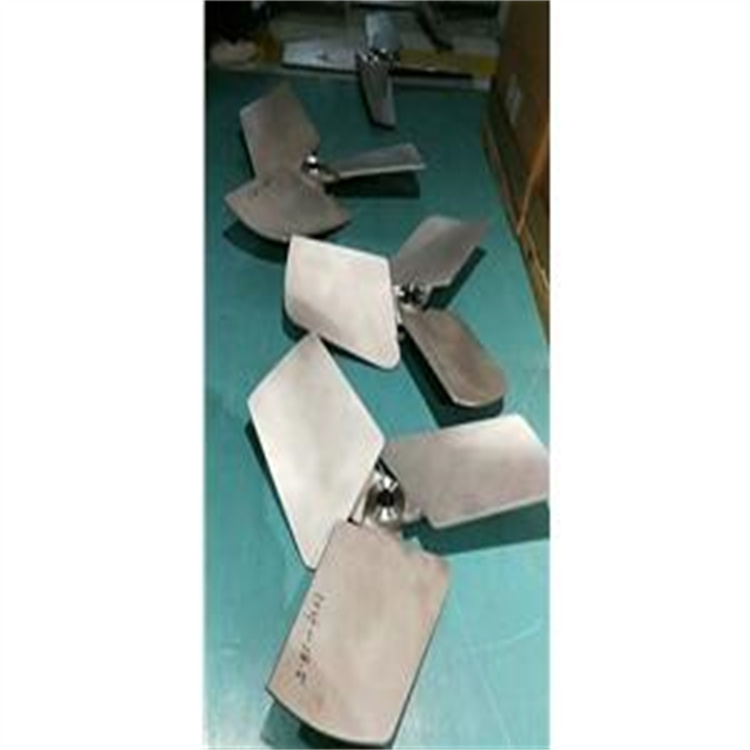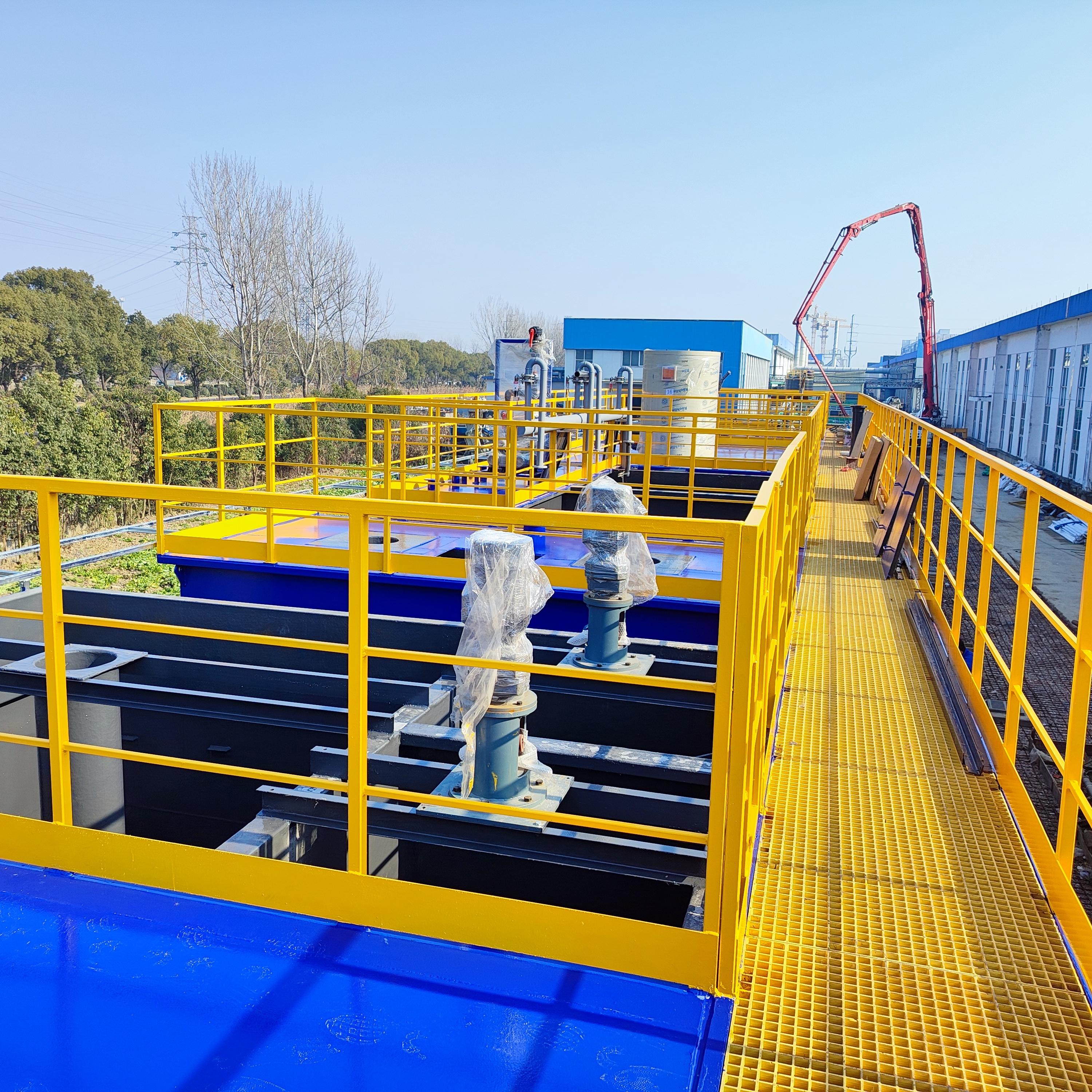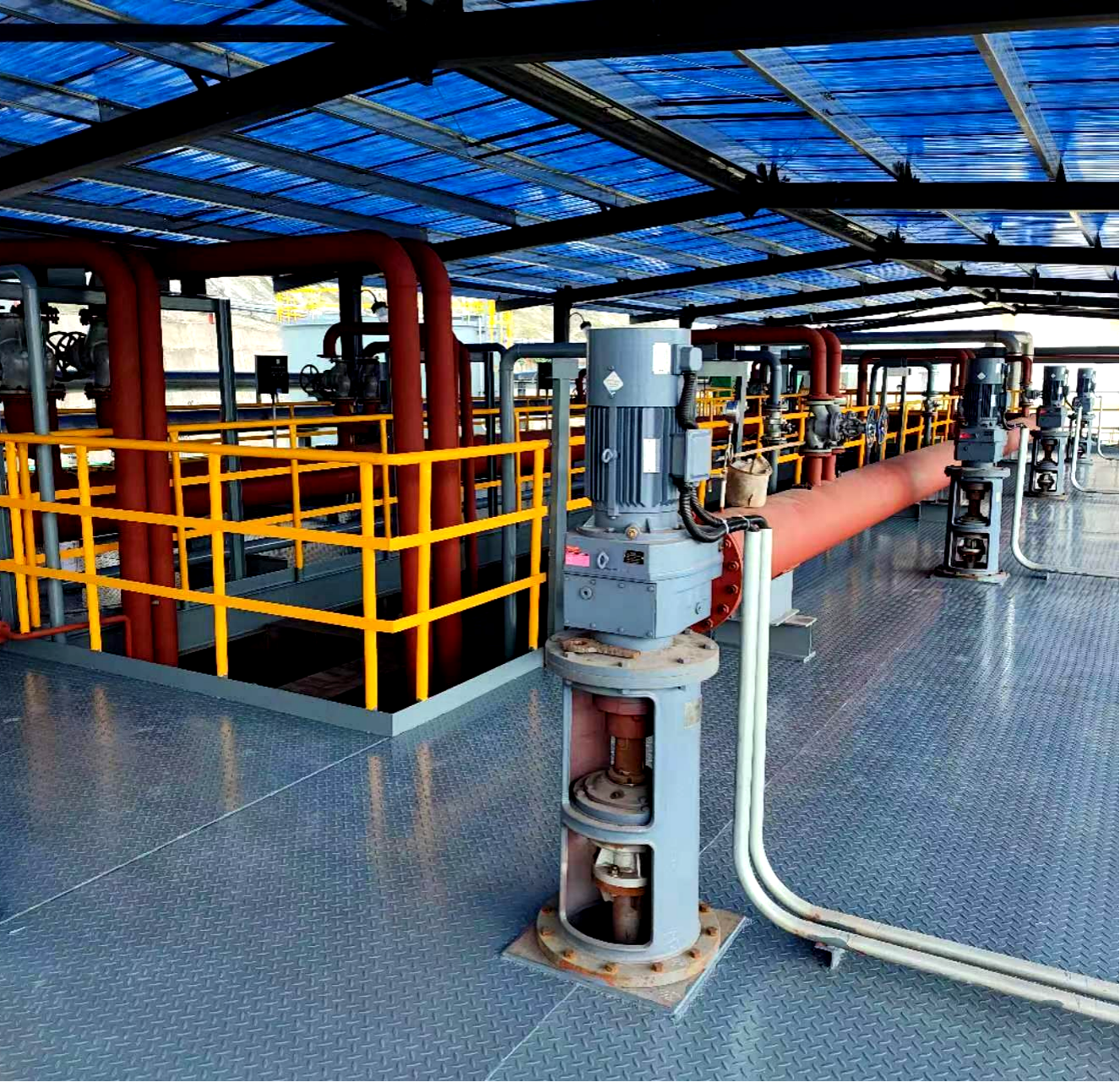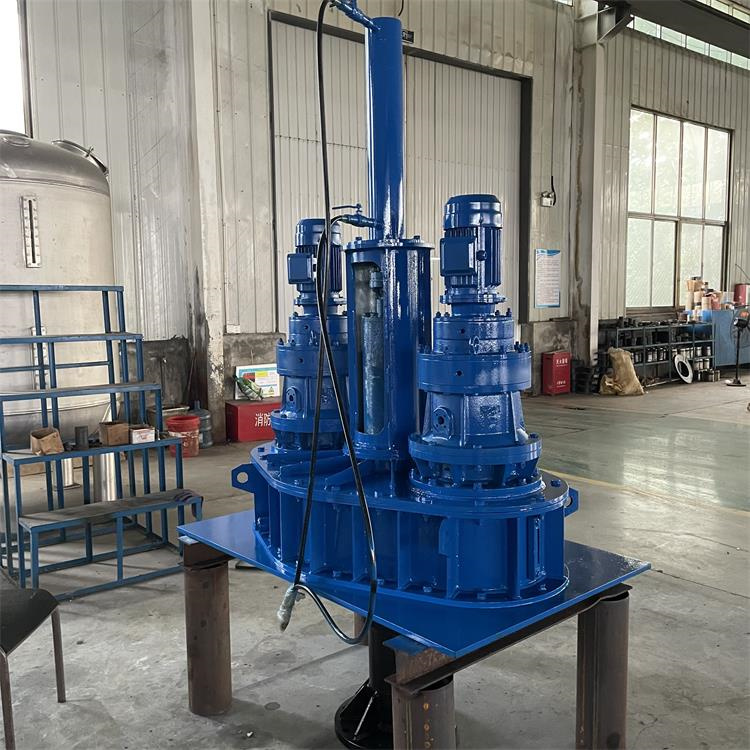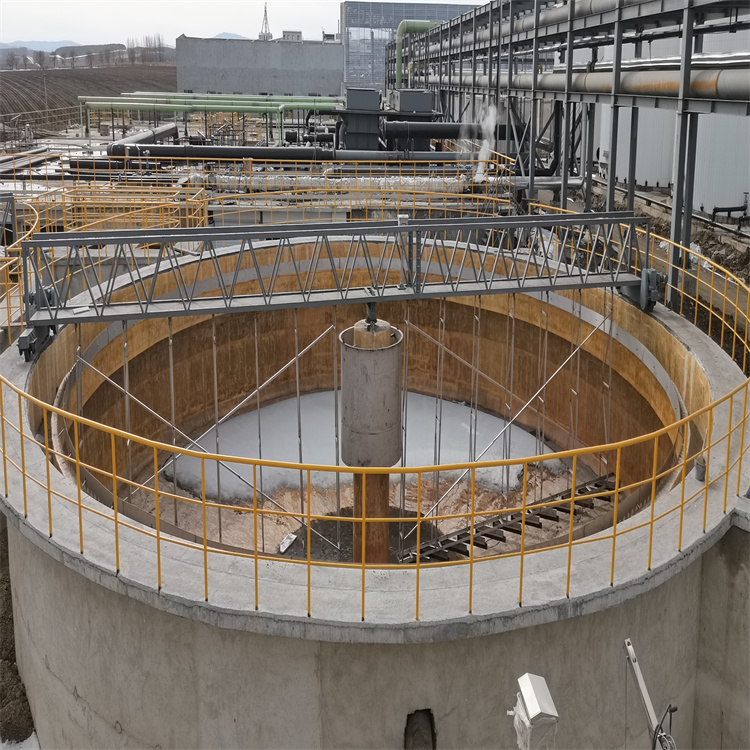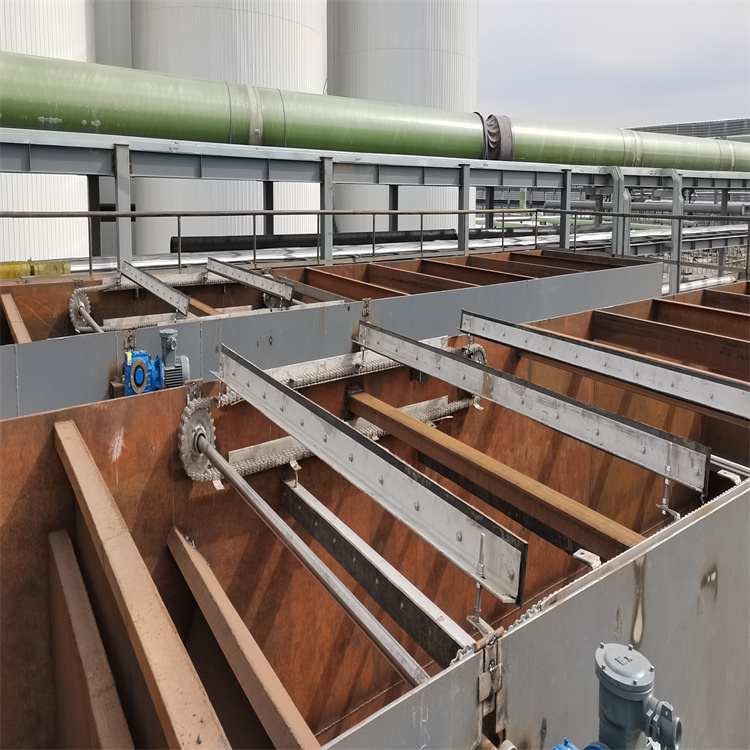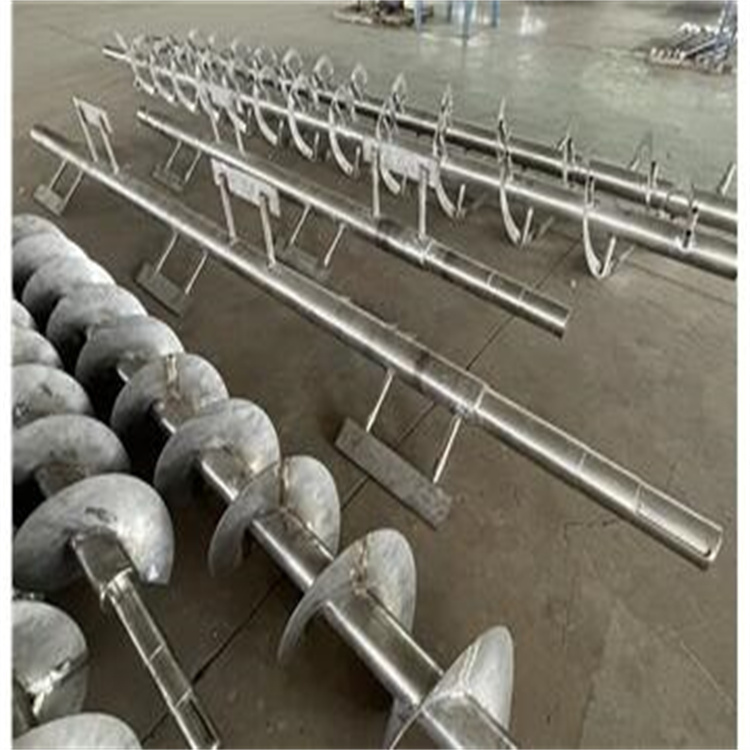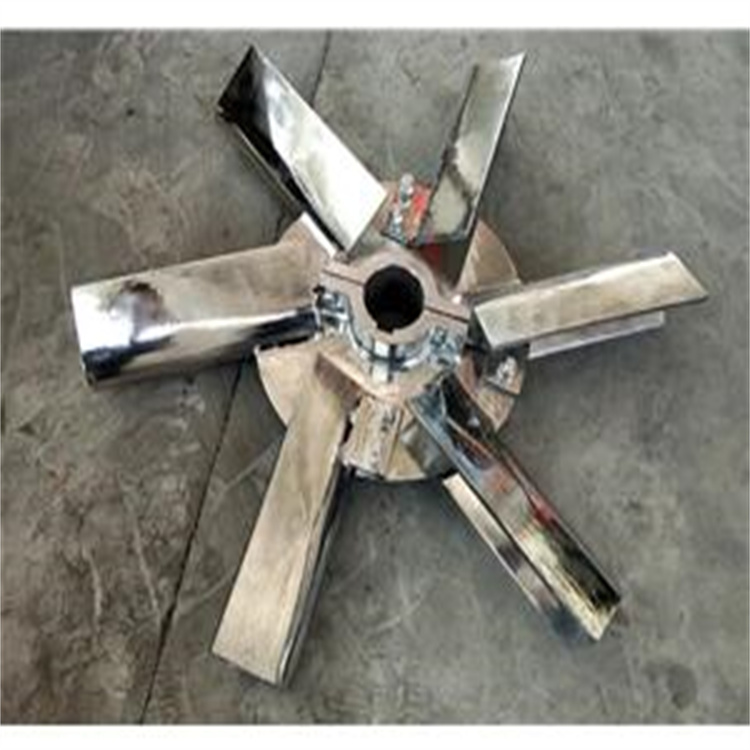

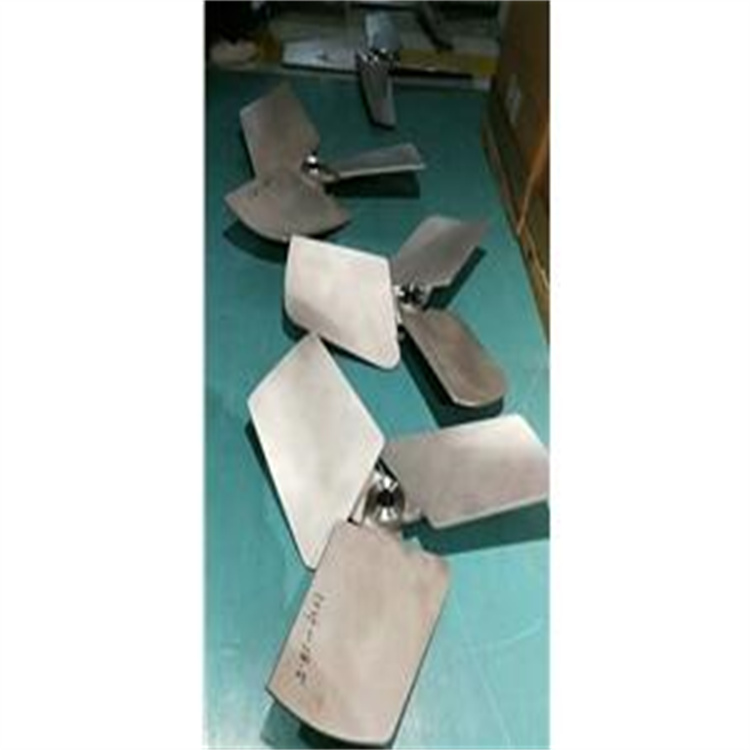


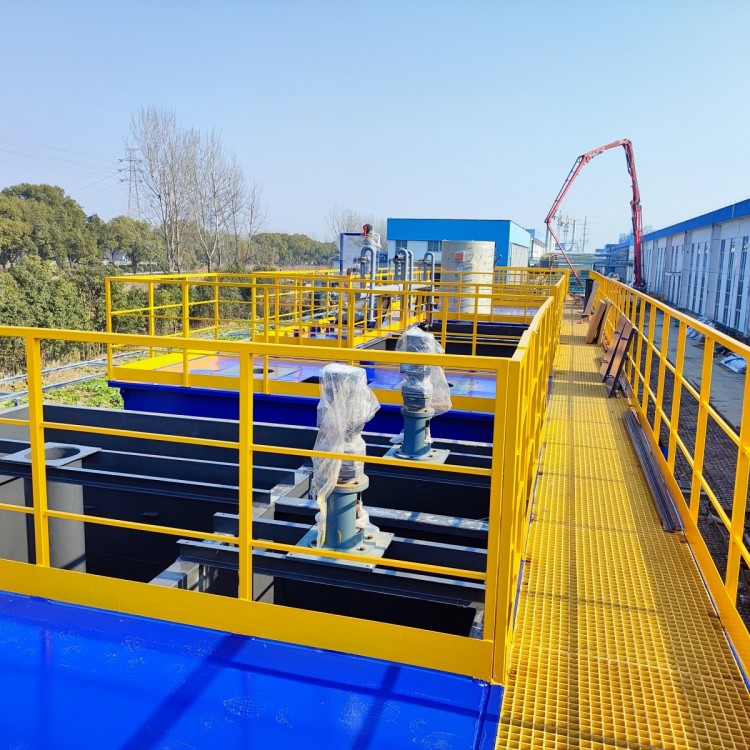

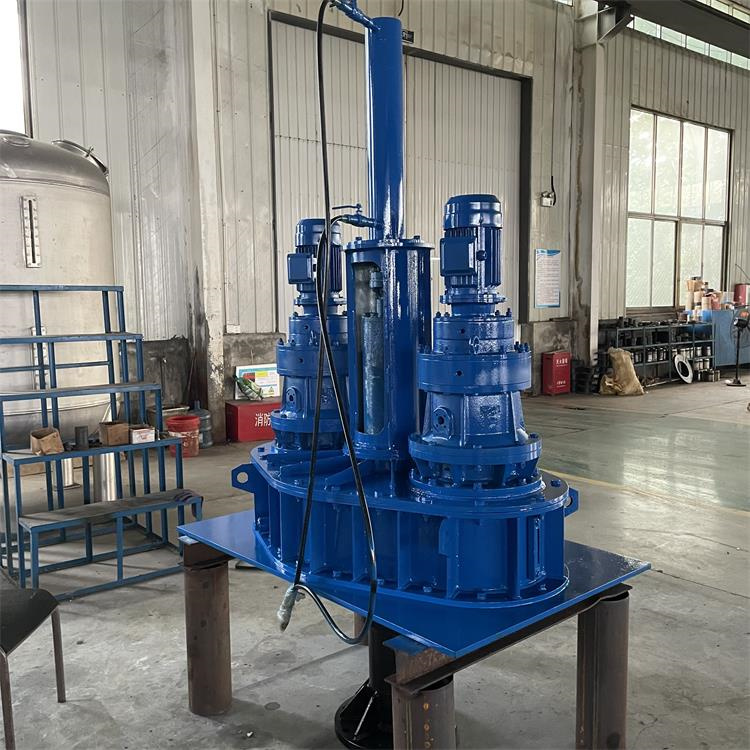
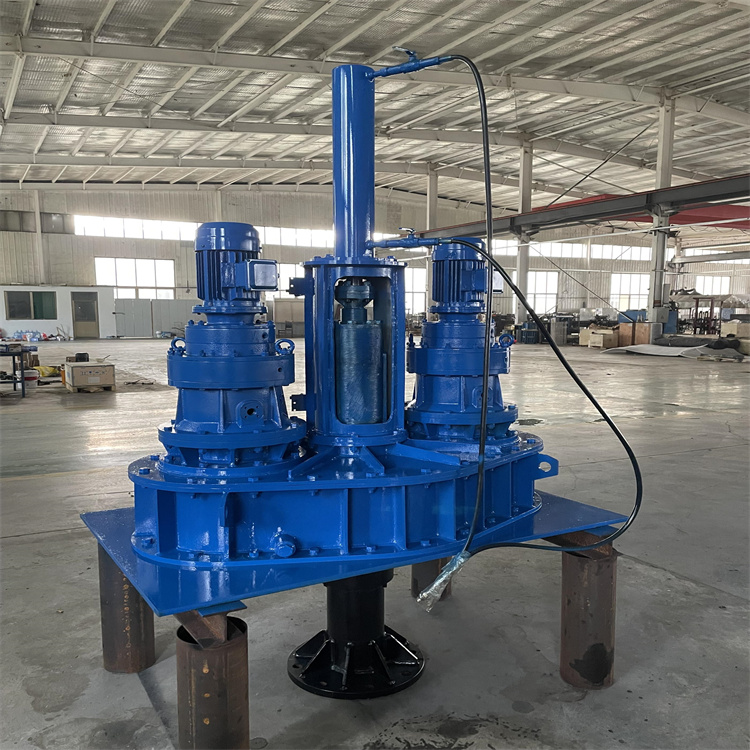
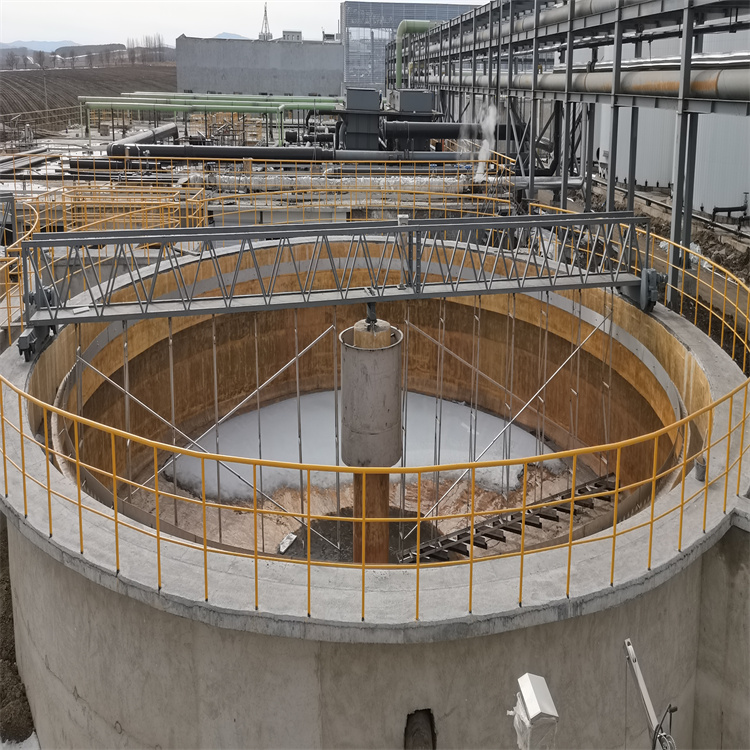





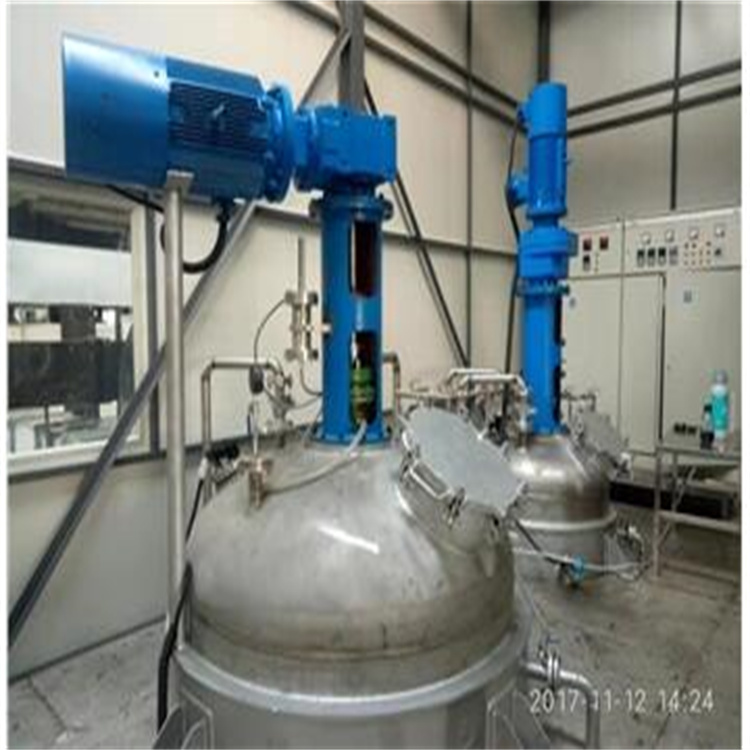
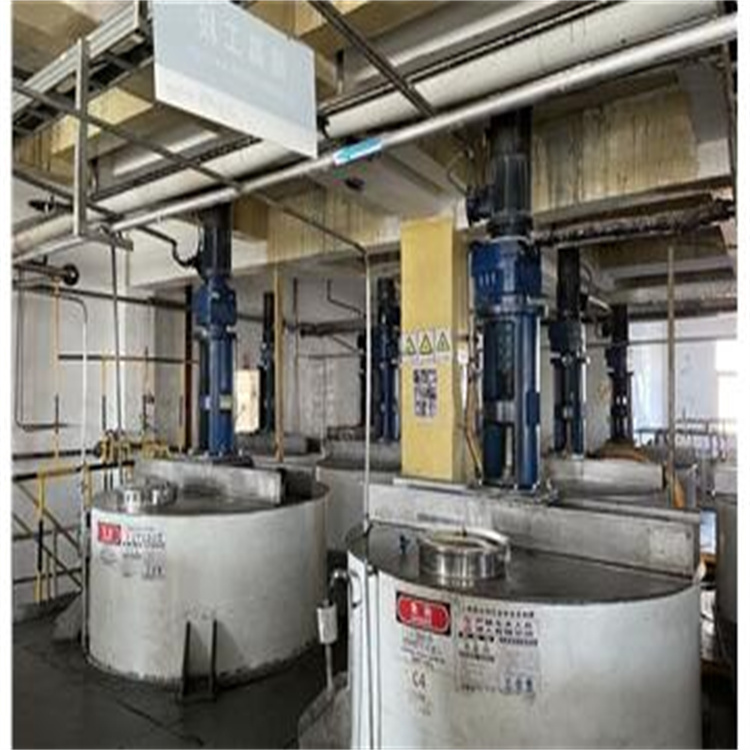
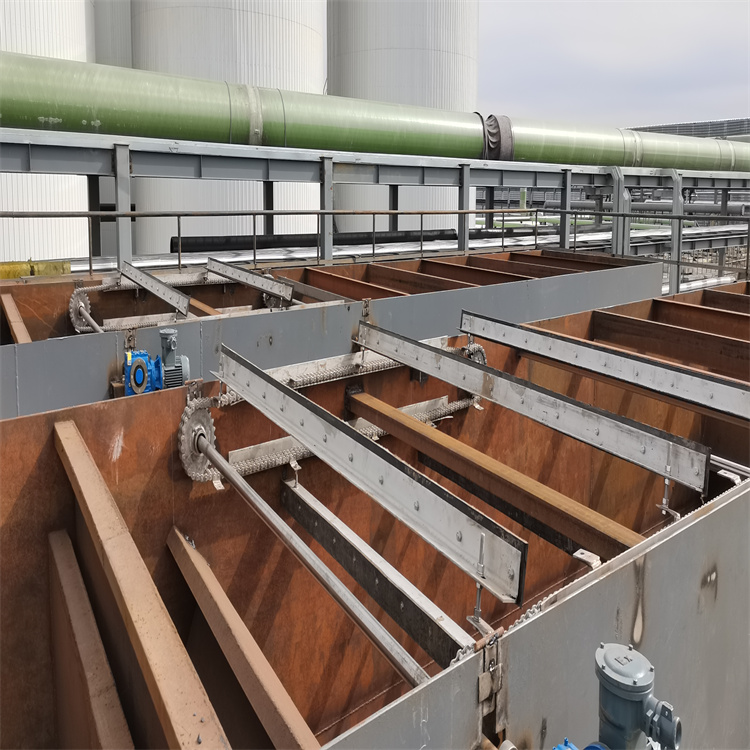
The function of the agitator, simply put, is to provide the energy and appropriate flow needed to achieve the mixing process. This action is generated by the rotating impeller, so the shape, size, quantity, and speed of the impeller directly affect the agitator's performance. Additionally, the performance of the agitator is also related to the physical properties of the mixing medium and the working environment. The shape and size of the mixing tank, the placement of baffles, and the method of material entry and exit within the tank all fall under the category of the working environment, as well as the installation position of the agitator inside the tank. Various factors can influence the agitator's performance to varying degrees. The agitator power is the power required for the mixing process, including both the agitator power and the mixing operation power. Although they have different meanings, they are also interrelated. The agitator power is the power needed to keep the agitator running continuously. The mixing operation power is the power required to complete the mixing process within the tank. Ideally, the agitator power should be equal to the mixing operation power.