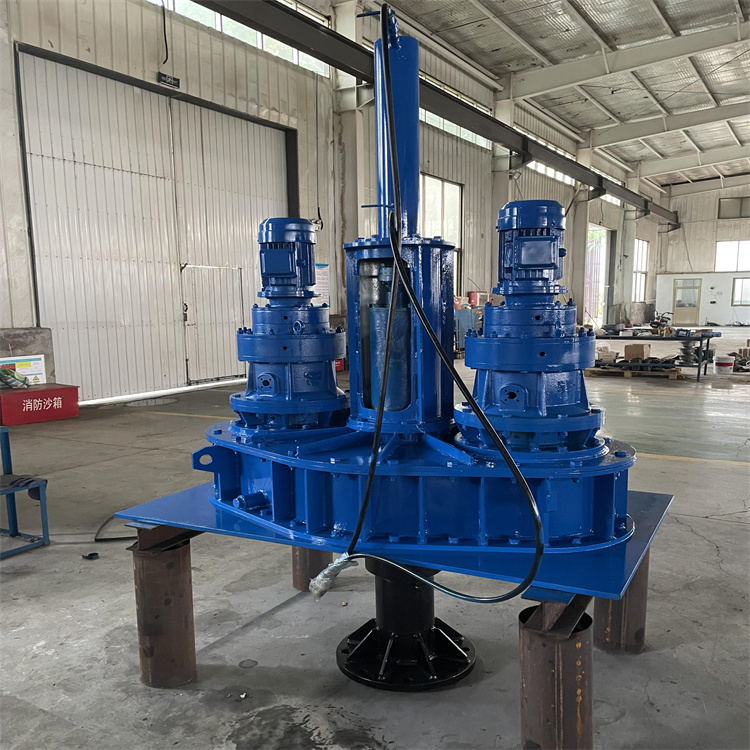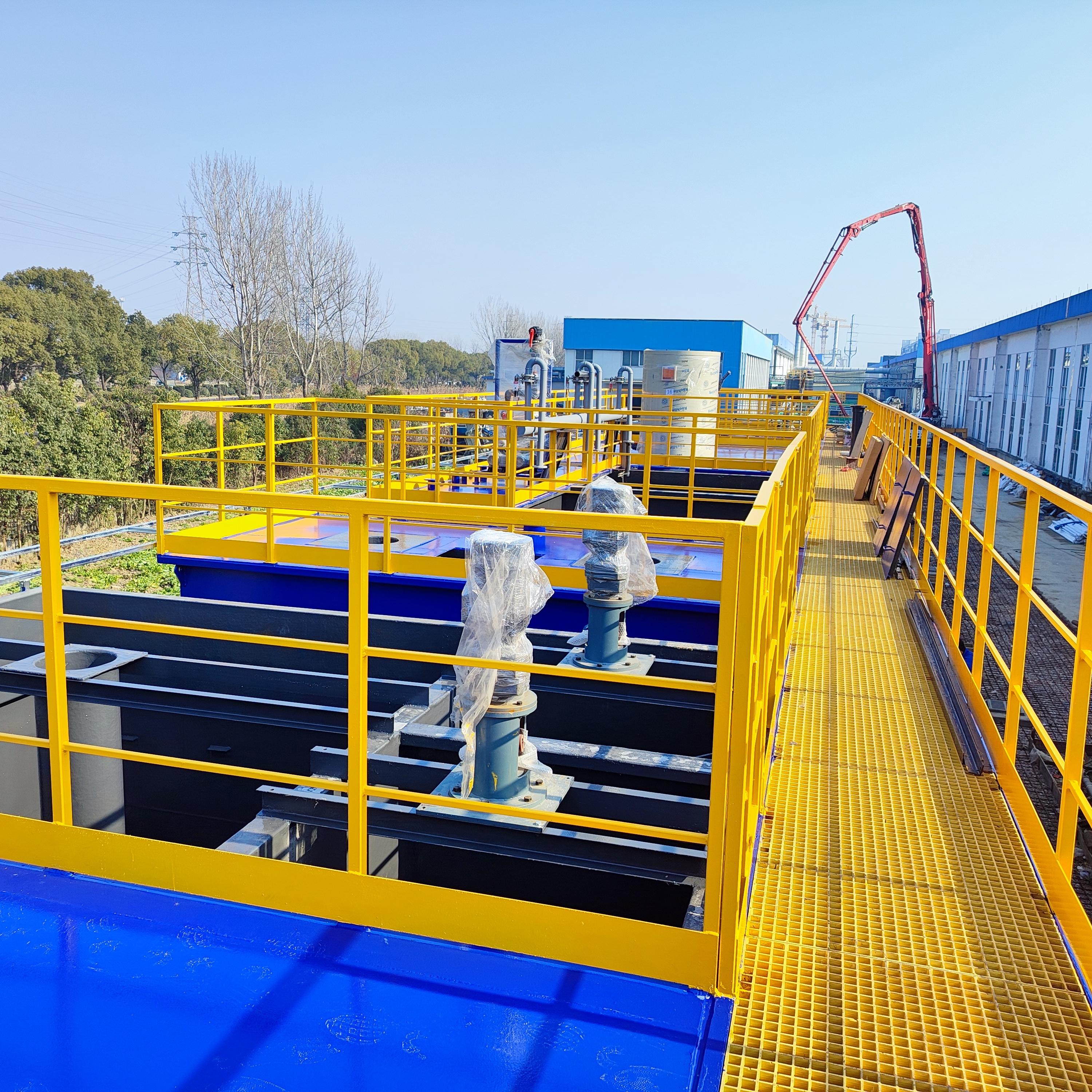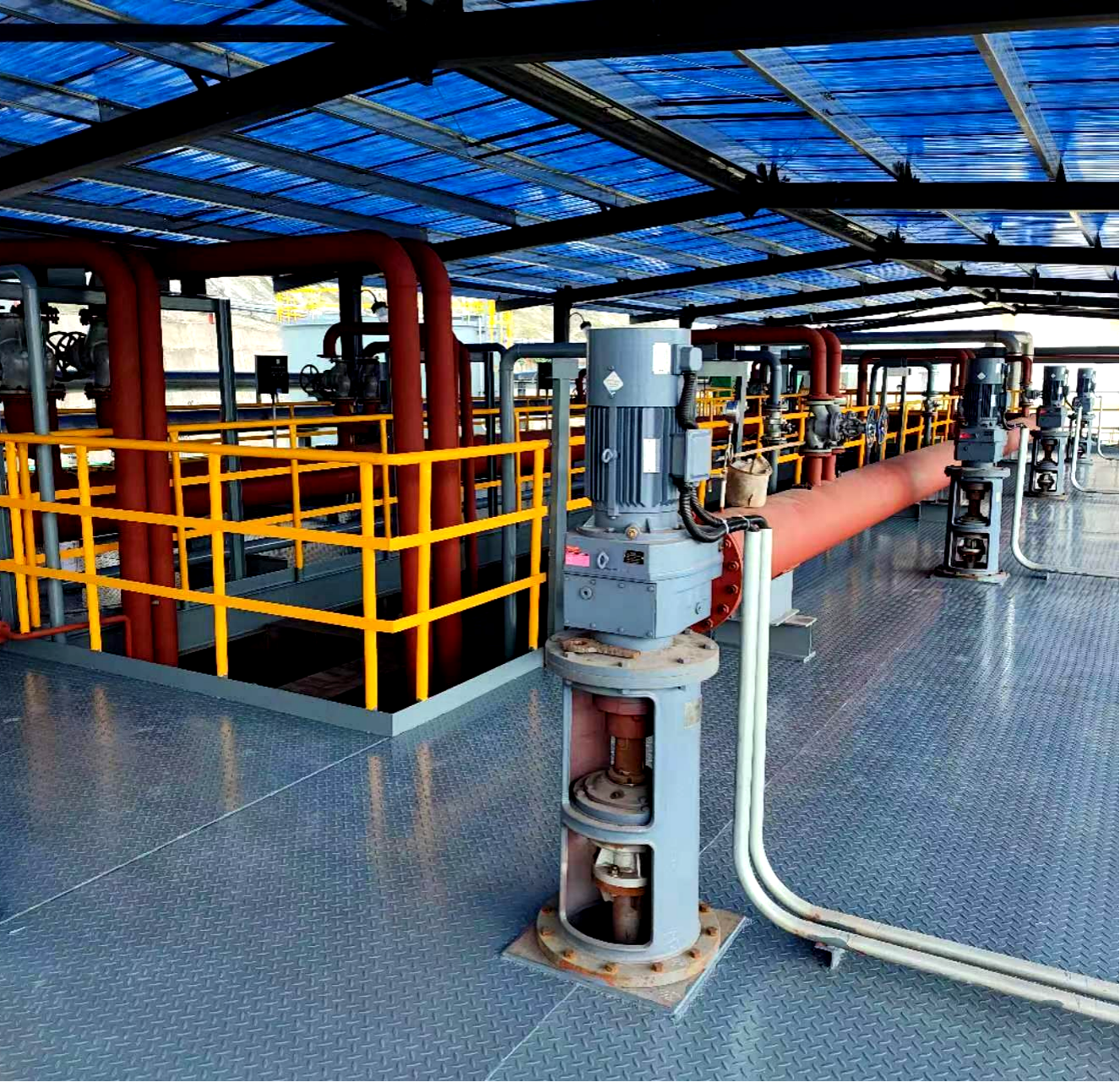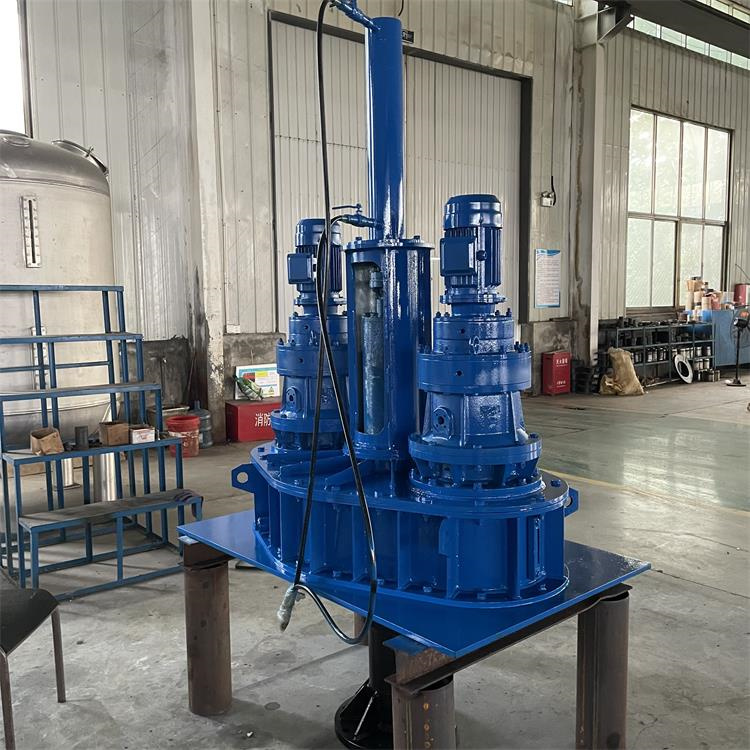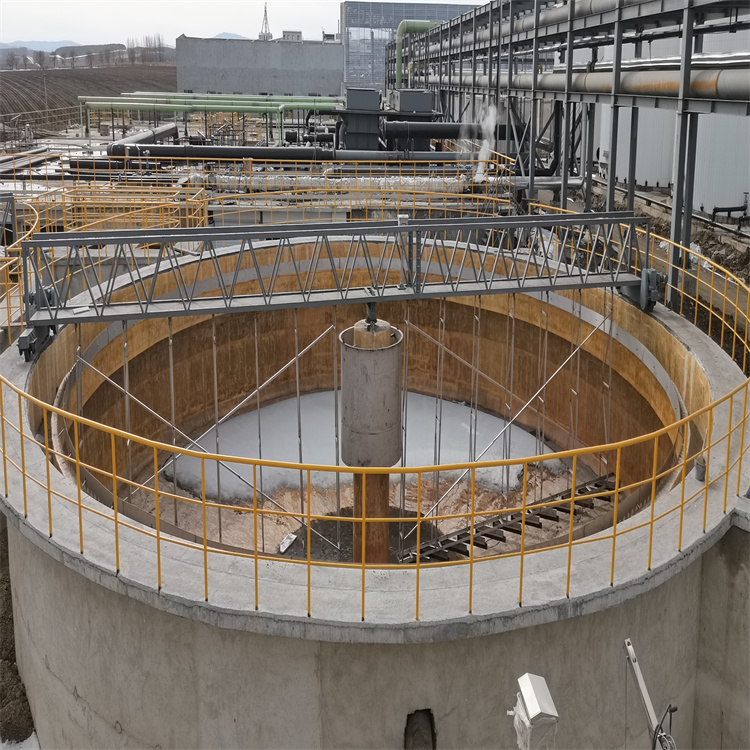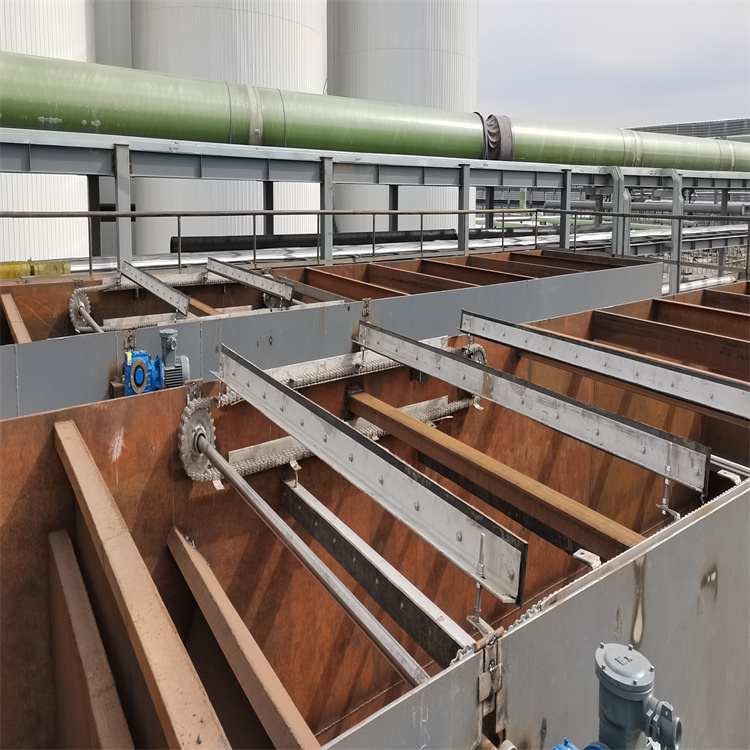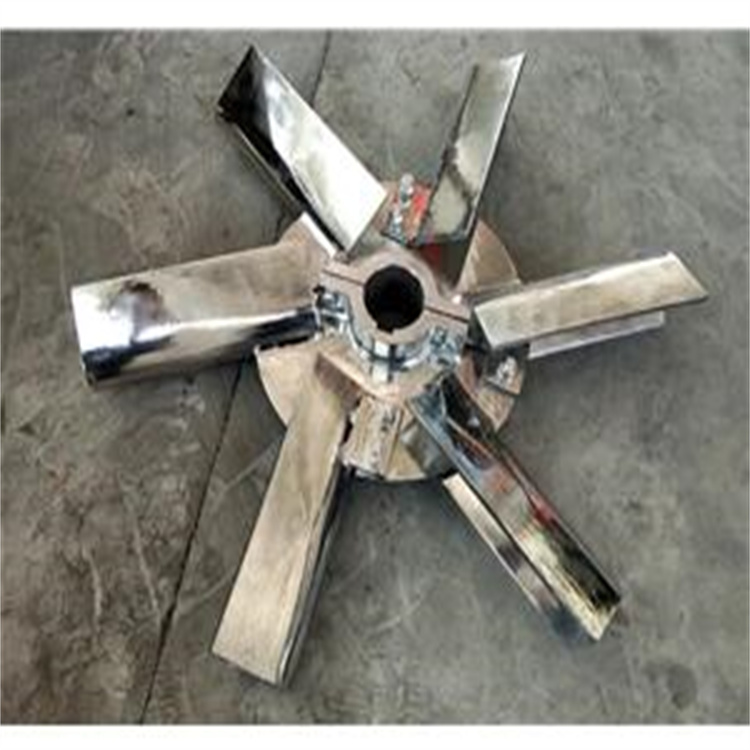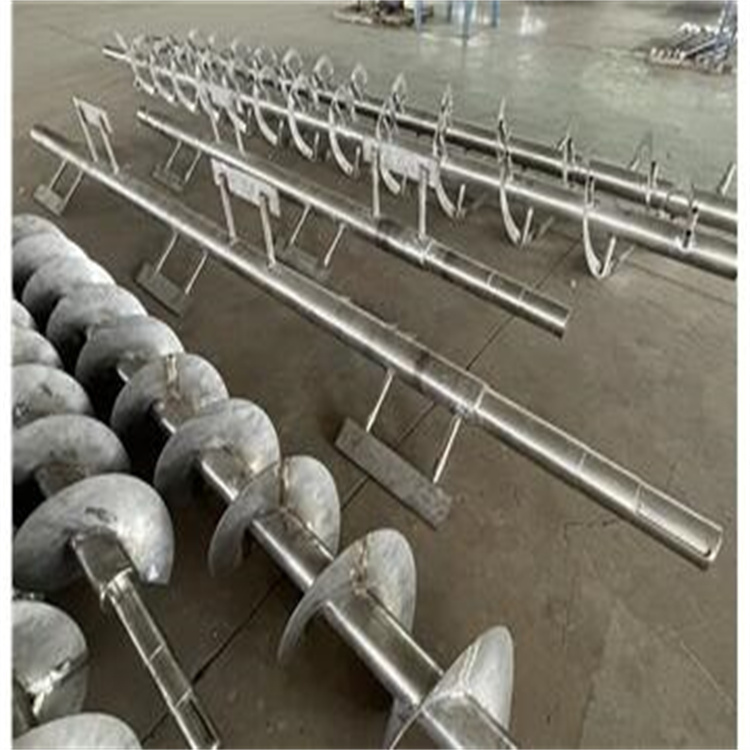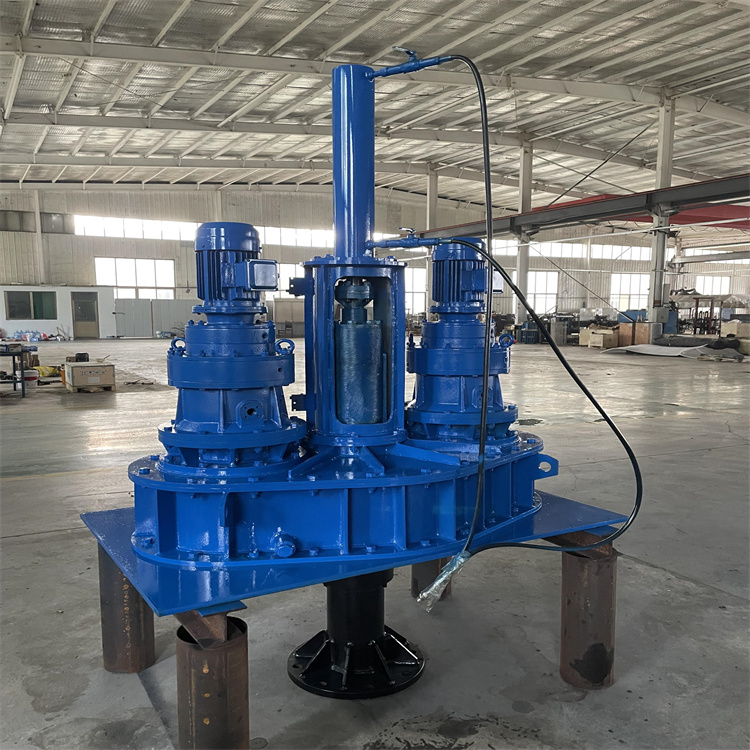


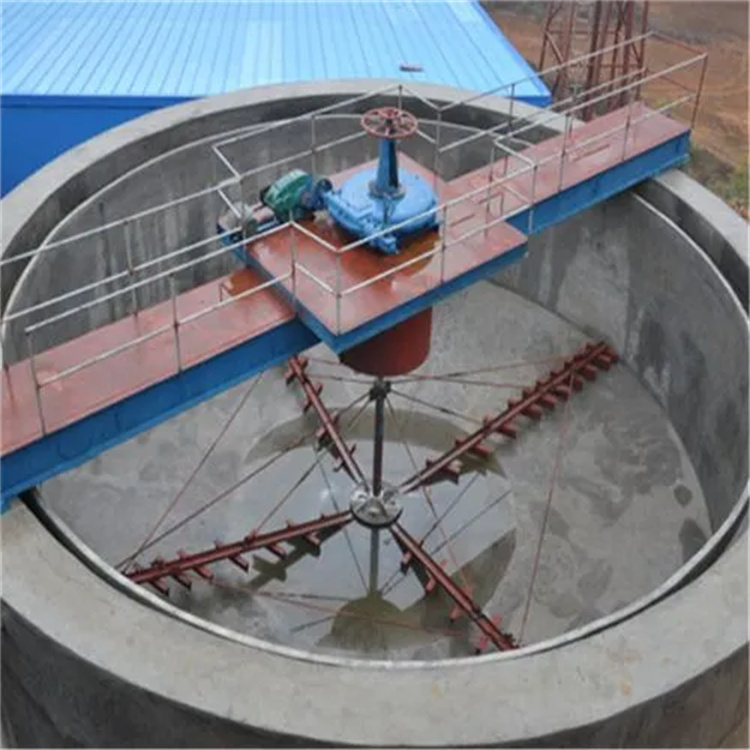


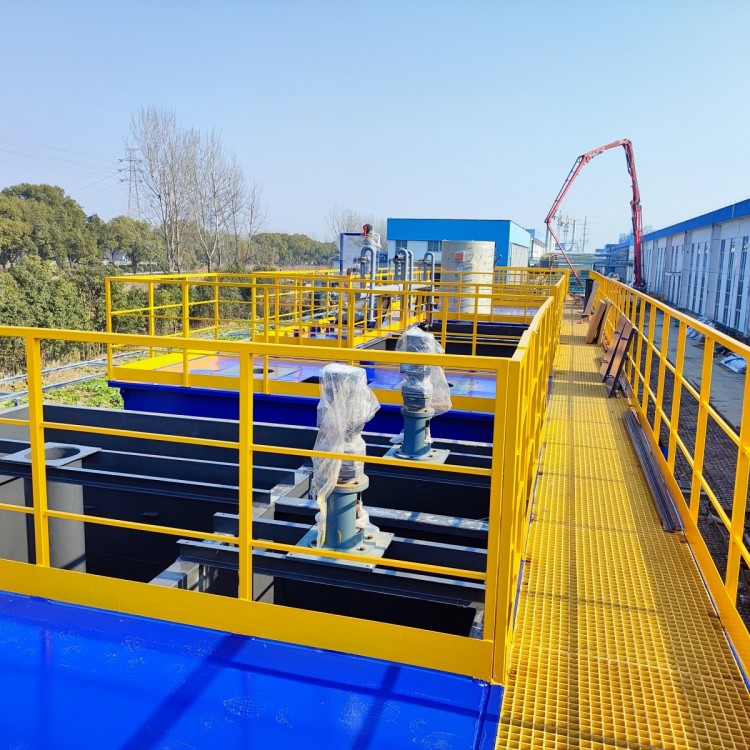

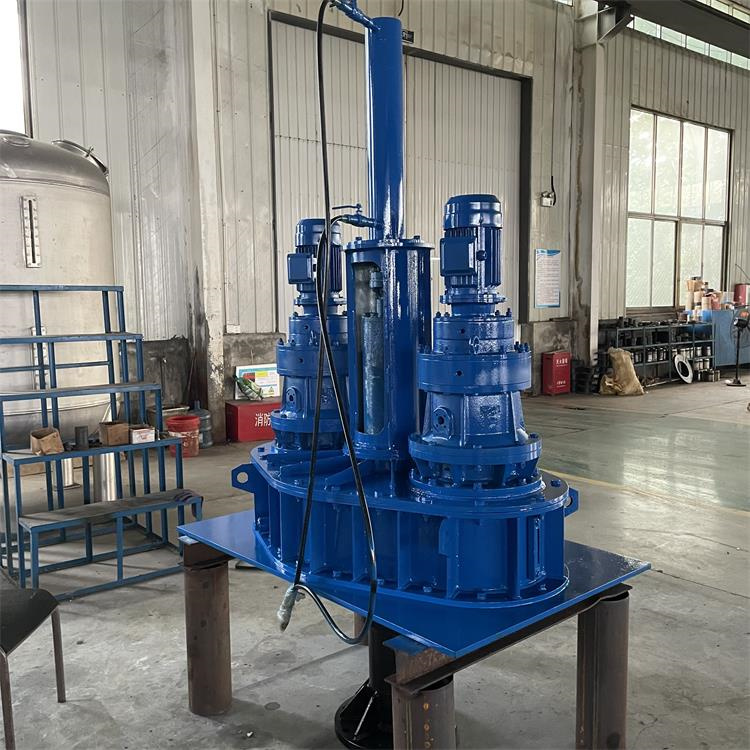
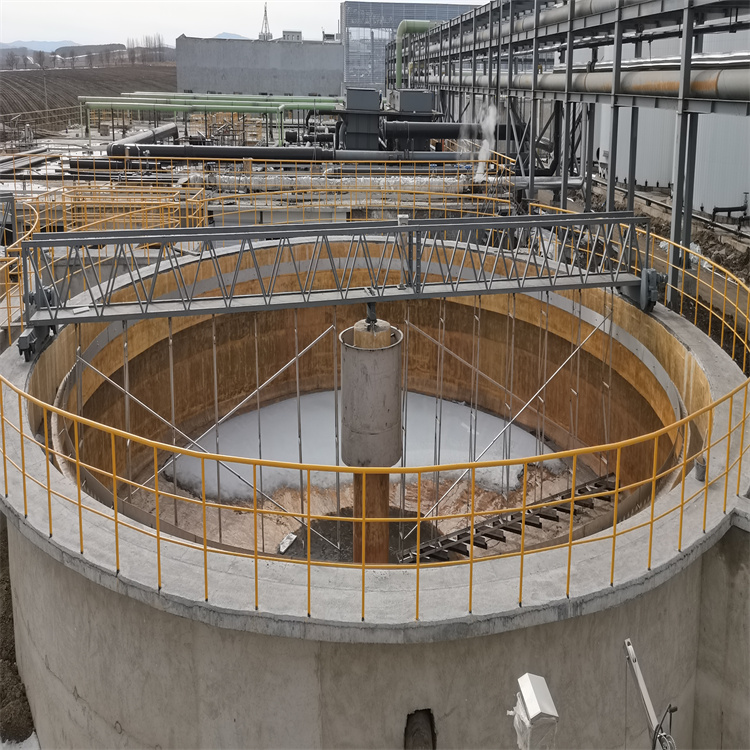





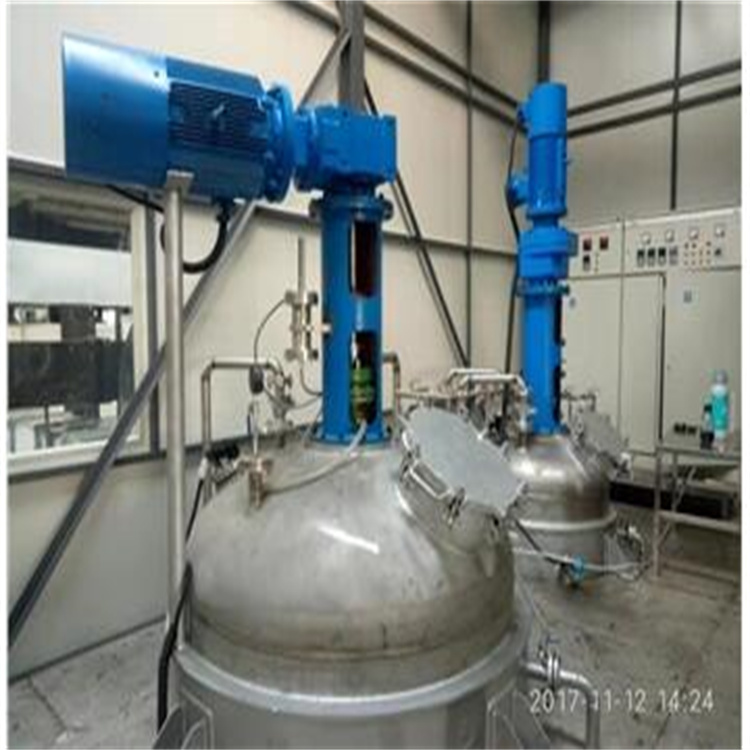
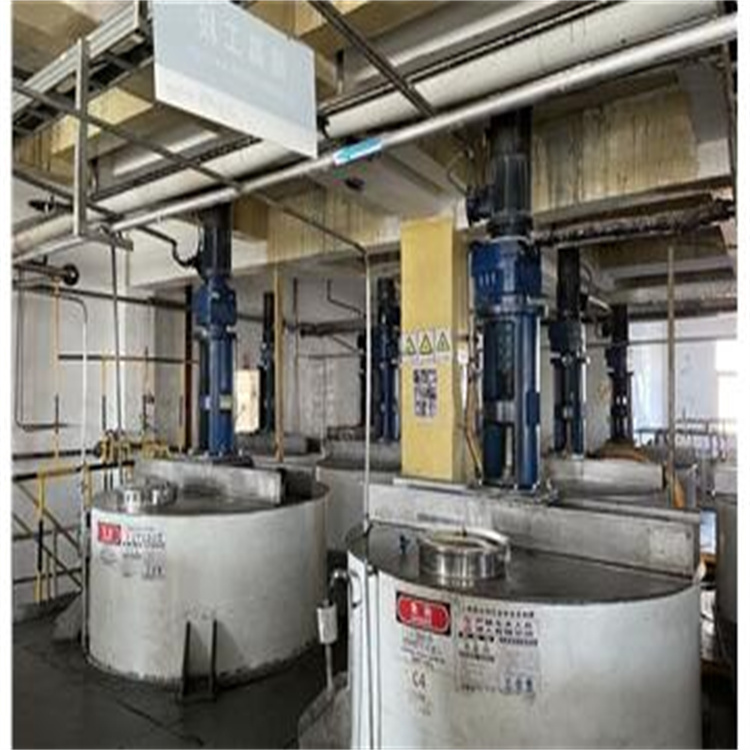
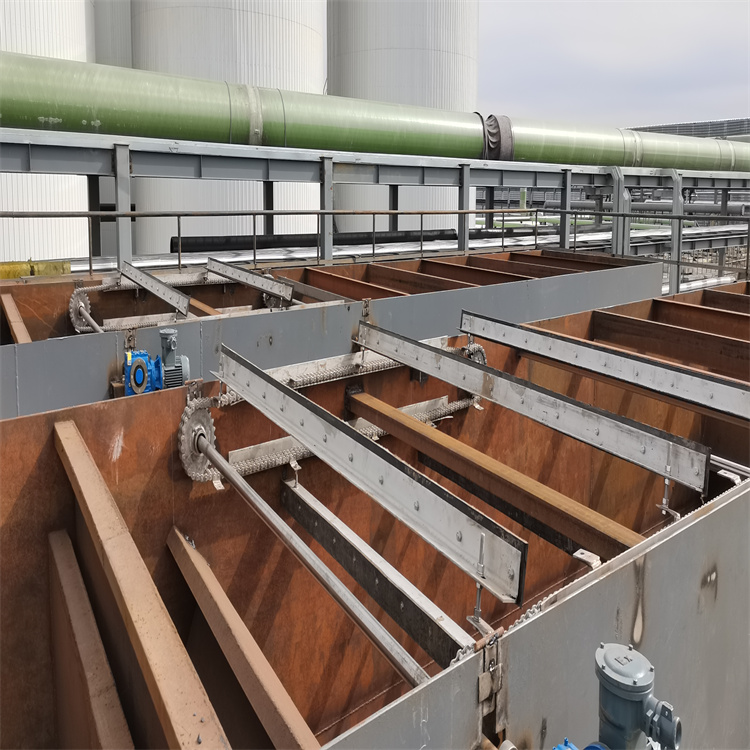
The advantages of the thickener include simple construction, easy operation, low energy consumption, and good technical specifications. Its drawbacks are that it occupies a large area and is not suitable for concentrating coarse-grained materials, as it is prone to clogging. To maintain stability in the sedimentation and concentration process of the pulp, the scraper's linear speed, designed based on the peripheral speed, should not exceed 7-8 m/min. For materials with coarser particles and a tendency to settle, the scraper's linear speed can be appropriately increased. If the concentration material has particularly fine particle sizes, the scraper's linear speed should not exceed 3-4 m/min.
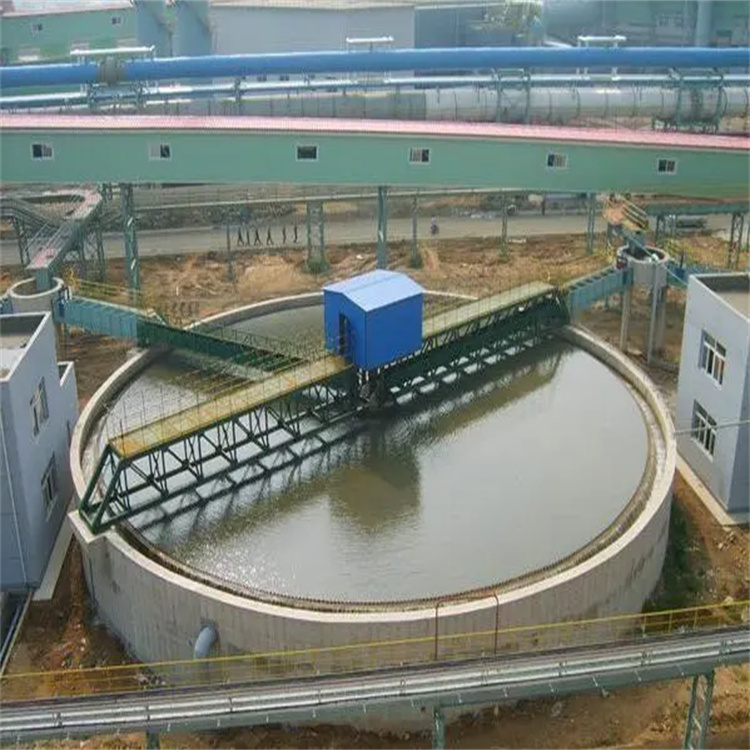
Principle of Dense Machine Operation
By utilizing the gravitational force of solid particles, the slurry is separated into clarified liquid and a high-concentration sediment. This process is called concentration.
During the concentration process, the mineral particles suspended in the pulp settle downwards due to their own gravity. At the moment of beginning to settle, the mineral particles accelerate downwards under the influence of gravity. Subsequently, the water resistance increases as the settling speed of the mineral particles accelerates, causing the acceleration to decrease gradually. Until the water resistance becomes equal to the gravity of the mineral particles, the acceleration of the settling particles decreases to zero. Consequently, the mineral particles settle at a constant velocity, known as the settling terminal velocity.
Concentrated slurry, if the concentration is low, the mineral particles can be considered to have negligible collisions and interference during settlement, which is referred to as free settlement; however, if the slurry concentration is high, the particles interfere with each other during settlement, resulting in a significant mechanical resistance due to collisions and friction. This type of settlement is called interference settlement. Since there is an additional mechanical resistance between the particles, aside from the resistance of water, the terminal settling velocity of interference settlement is lower than that of free settlement. This is why mineral particles settle faster in slurry with low concentration and slower in slurry with high concentration.
In continuous operating concentration equipment, the sedimentation concentration process is divided into clarification zone, sedimentation zone, compression zone, and extrusion zone.
If we can control the mining and ore discharge quantities to be exactly equal, the positions of the various sections can be correspondingly fixed at certain heights and remain in a state of dynamic equilibrium. At this point, the interfaces of the various sections seem to be static and unchanging.
This is not easily achievable in production practice. Due to changes in ore input and output, the dynamic balance is disrupted, and the heights of the various sections also change accordingly. To ensure the smooth progress of the concentration process, the requirements for the heights of the sections are as follows: the clarification section should be no less than 0.2 to 0.3 meters, and the sedimentation section should be no less than 0.3 to 0.5 meters.