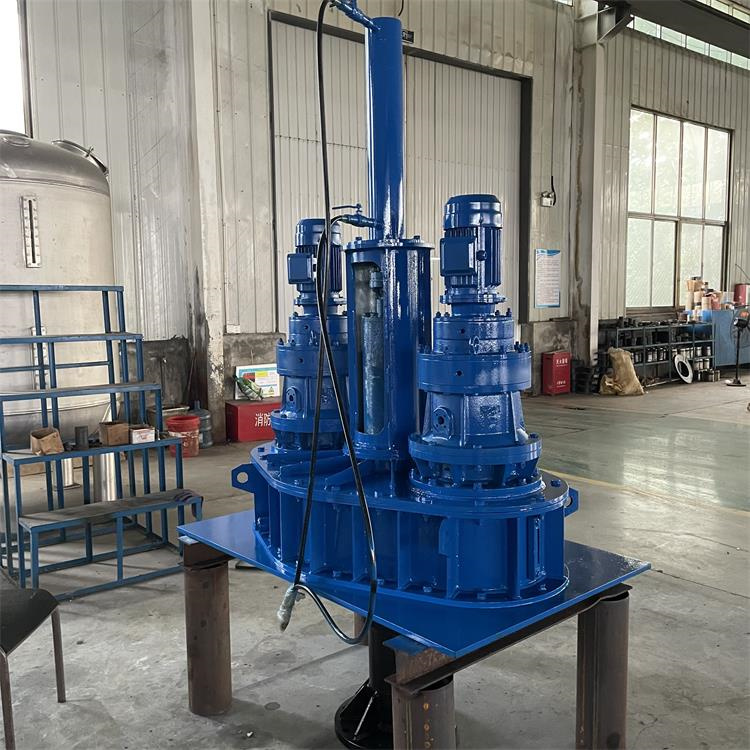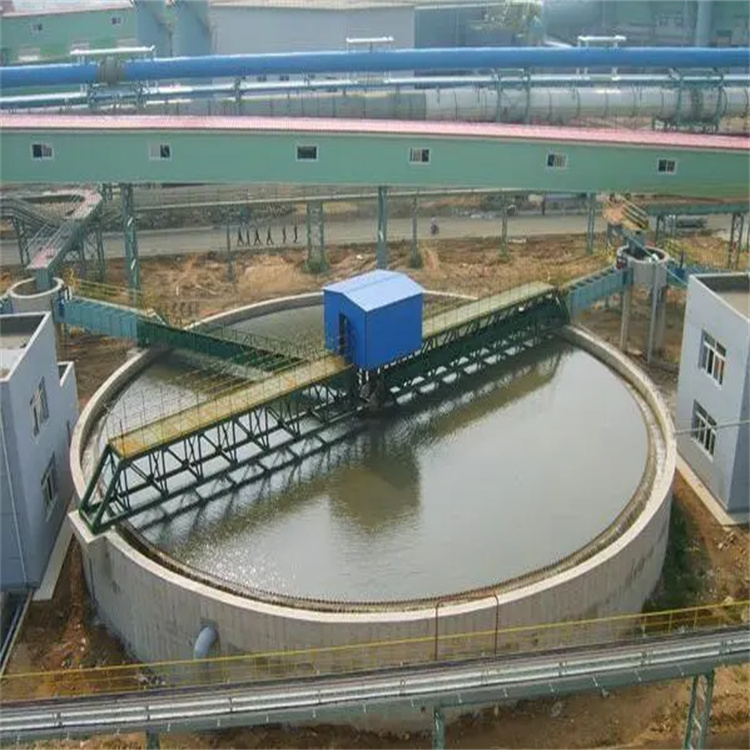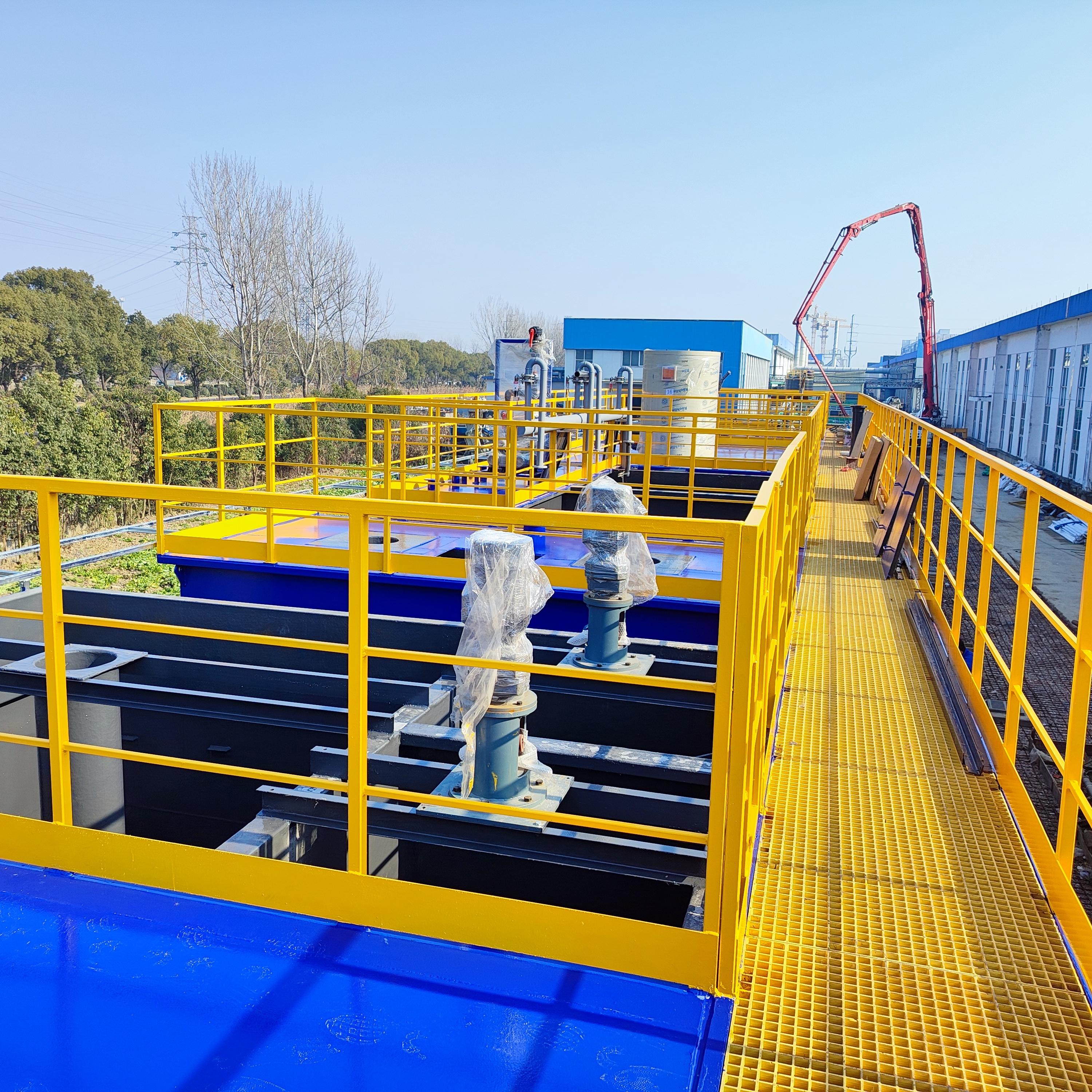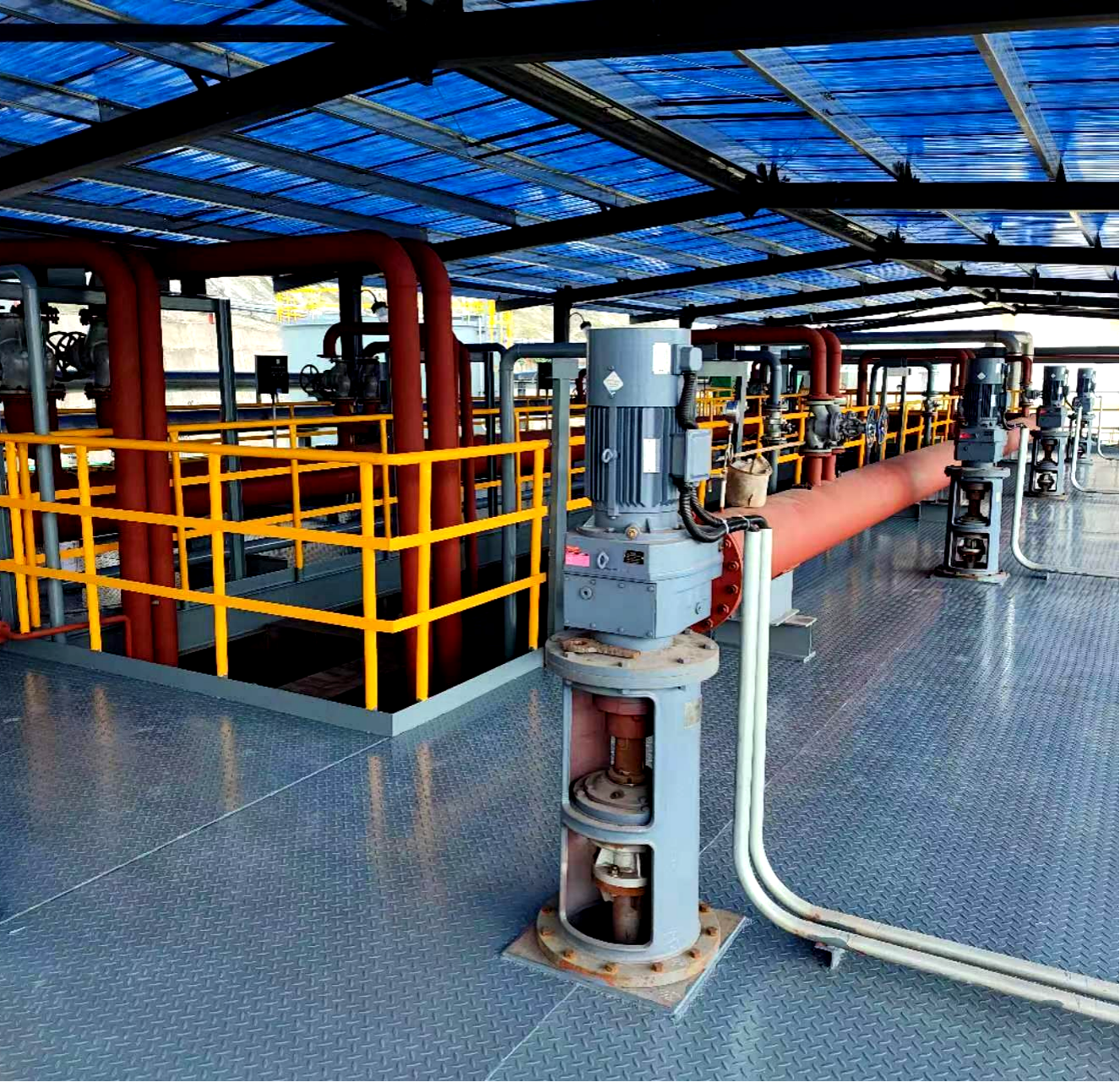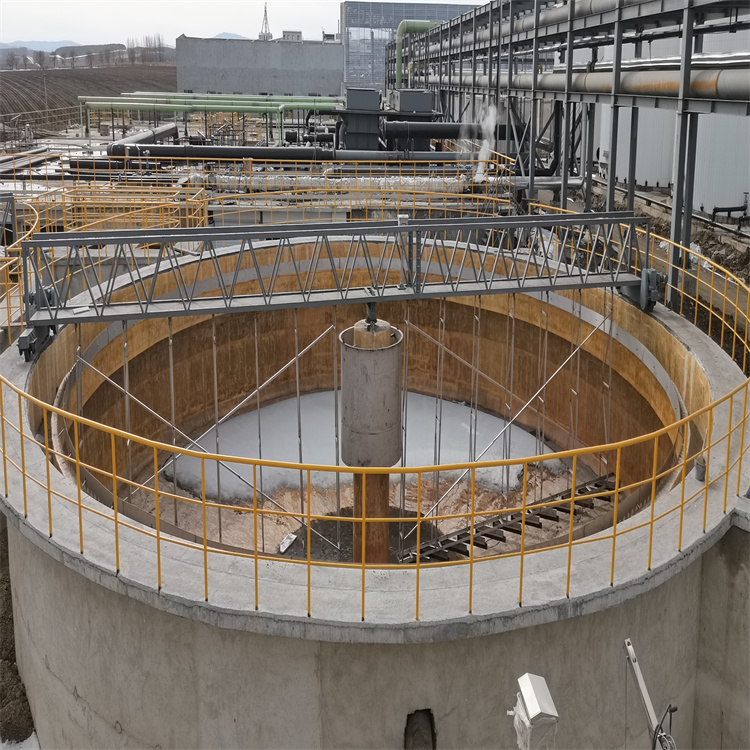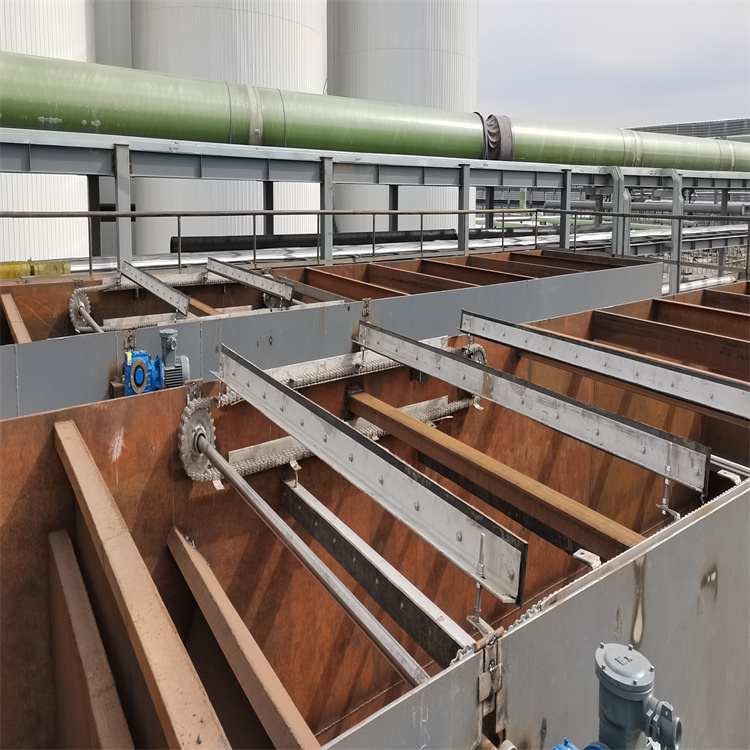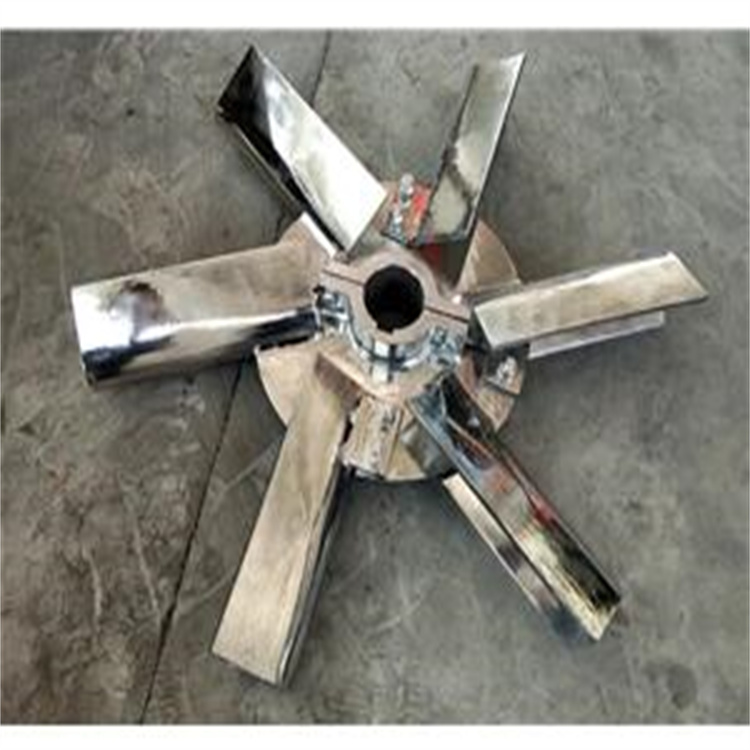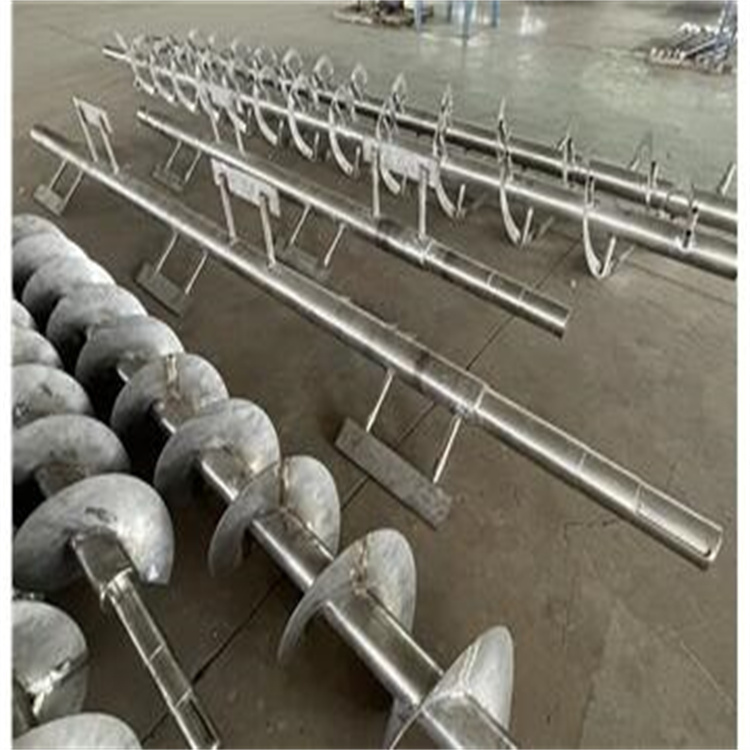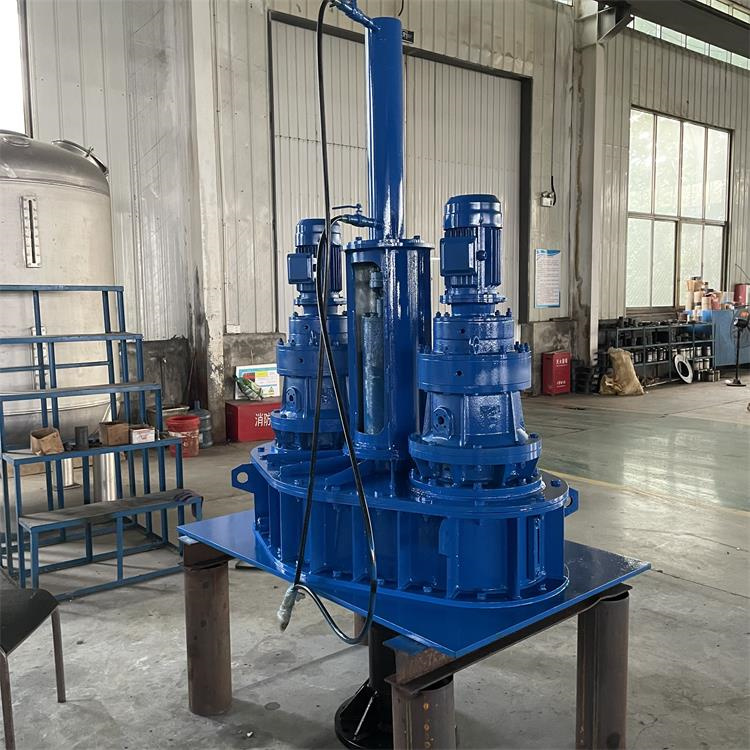

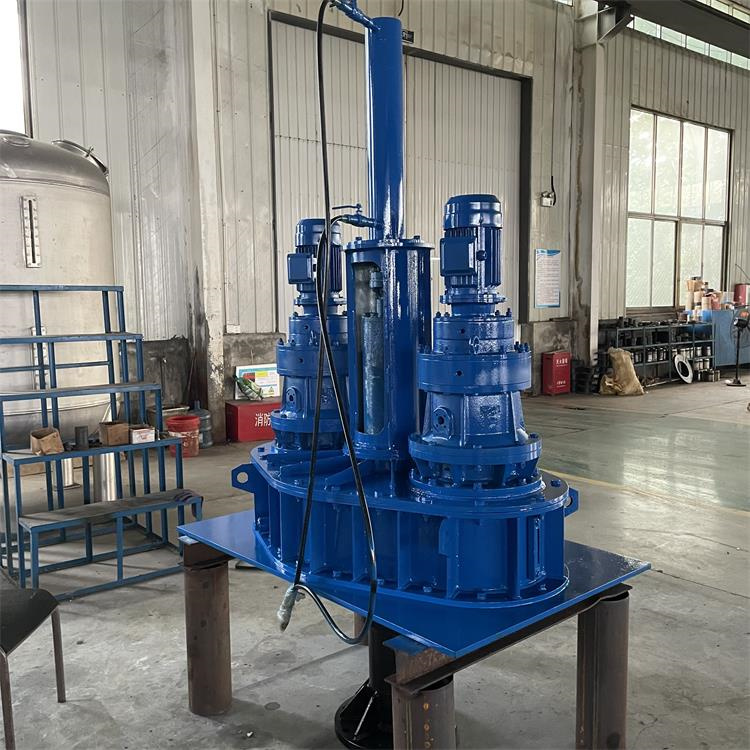
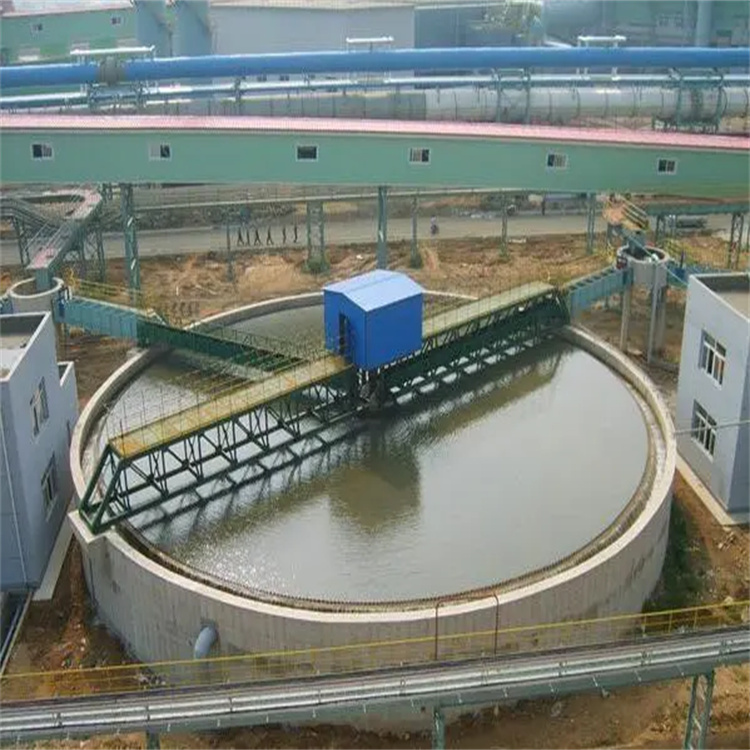
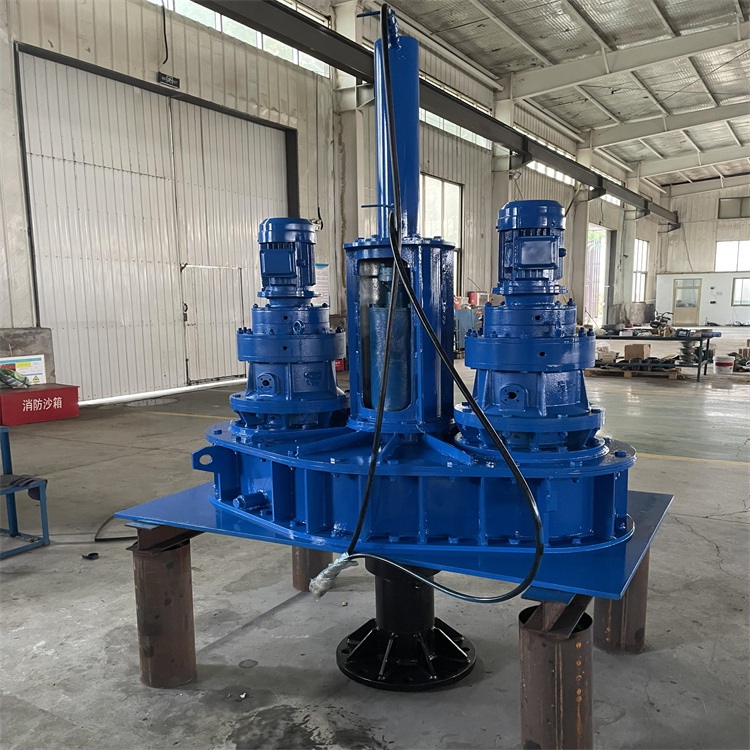


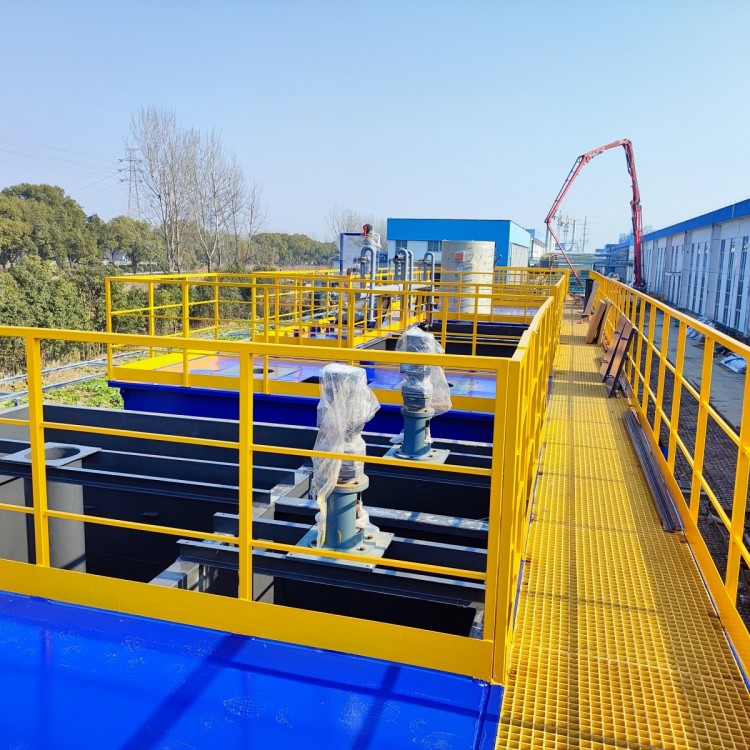

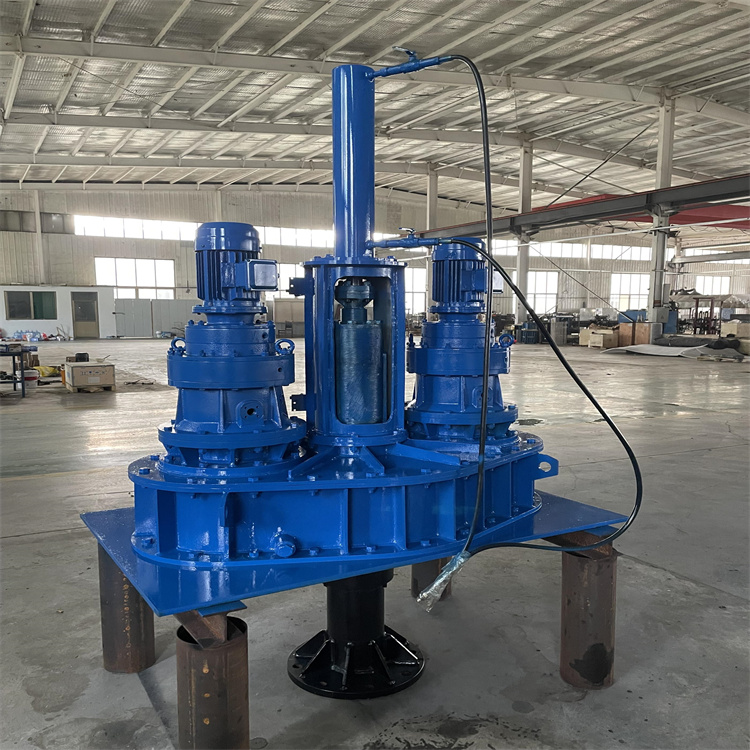
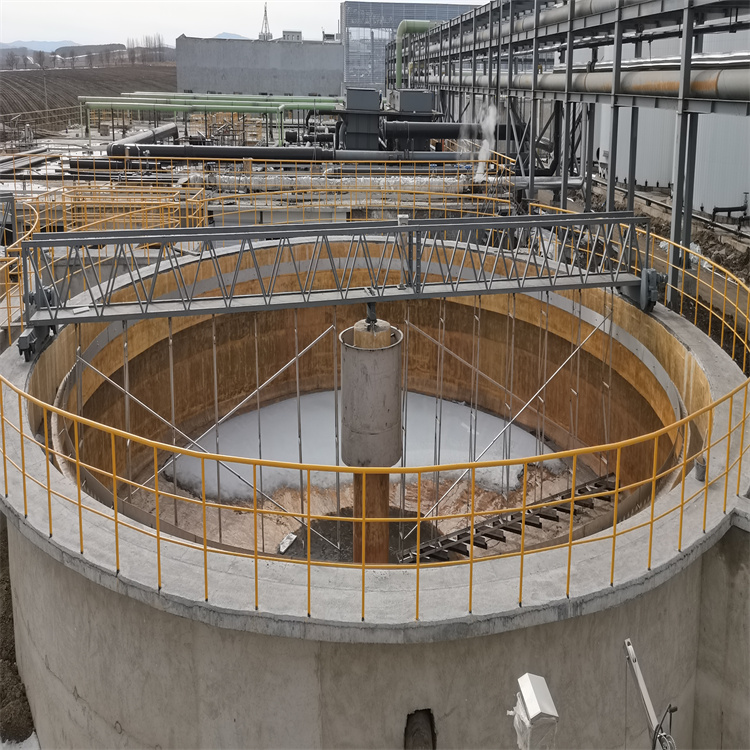





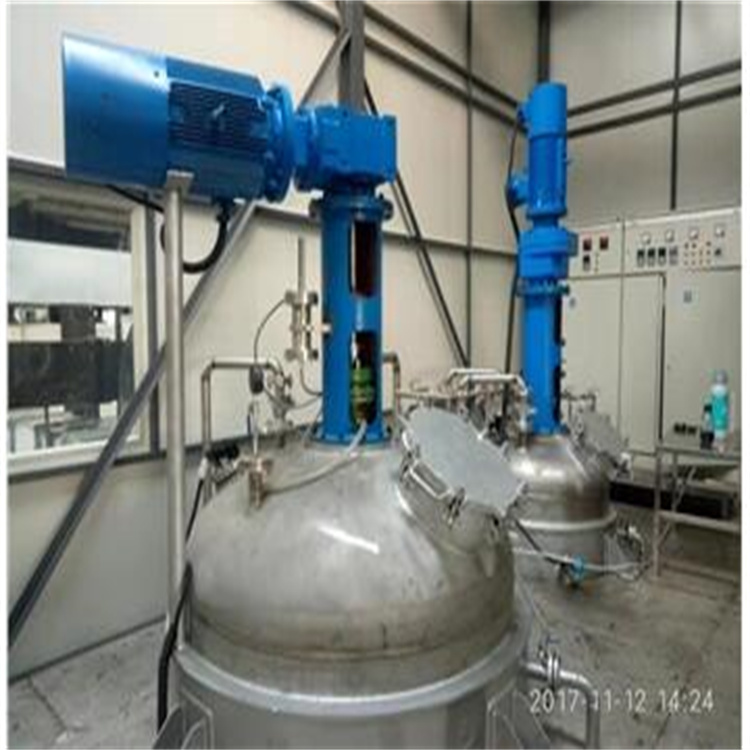
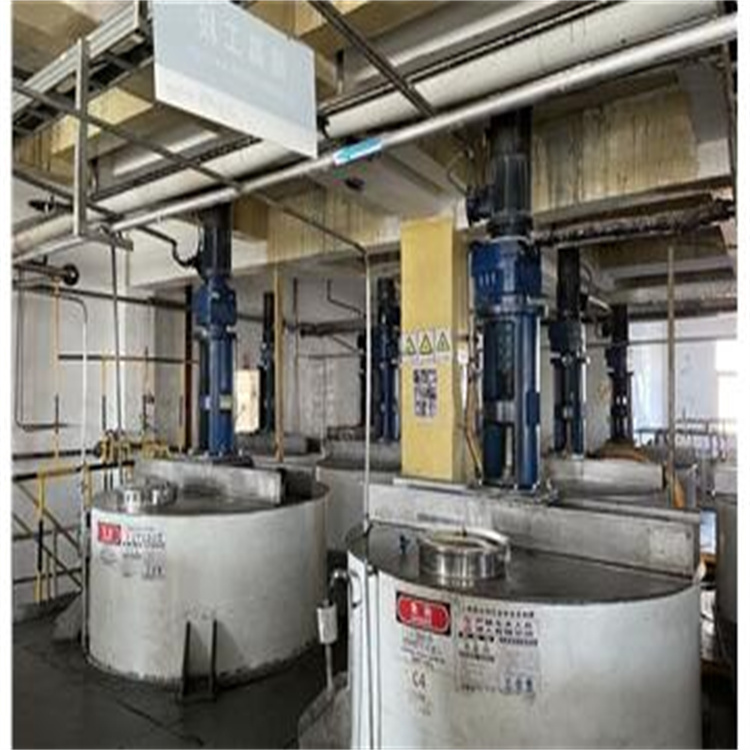
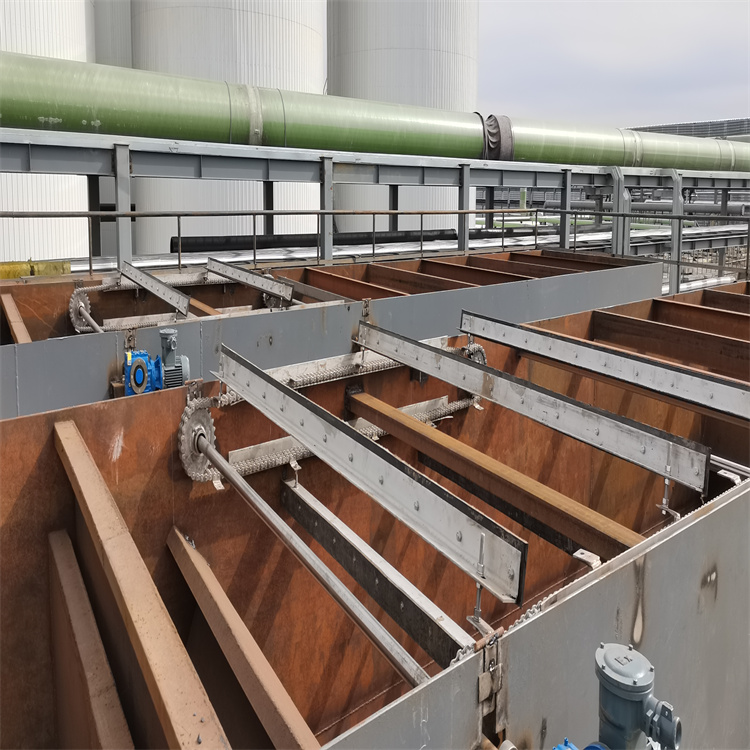
A thickener is a solid-liquid separation device based on the gravity sedimentation process, typically constructed with structural materials such as concrete, wood, or metal welded plates, forming a shallow, conical-bottomed cylindrical trough. It can concentrate a slurry containing 10% to 20% solid matter into a bottom slurry with 45% to 55% solids by gravity sedimentation. The thickened bottom slurry is discharged from the bottom outlet of the thickener through the action of a耙 (rake) installed inside and rotating slowly (1/3 to 1/5 r/min).
The upper part of the dense machine produces a cleaner clarified liquid (overflow), which is discharged through the circular trough at the top.
The Dense Phase Separator is widely used in wet metallurgy, ore dressing plants, chemical factories, and other production sites requiring solid-liquid enrichment and separation. It features a diameter of 3 to 100 meters and a depth of 2 to 4 meters.
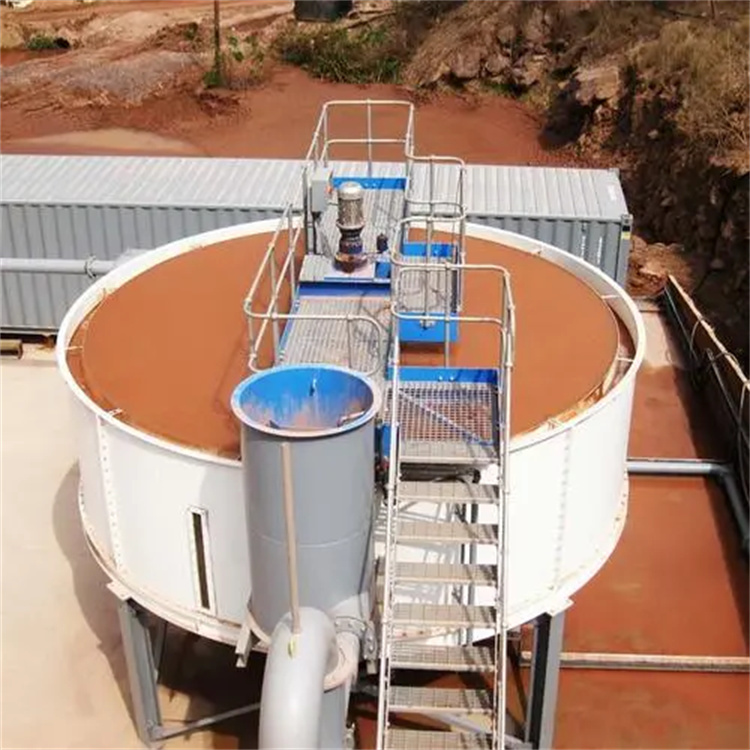
The development of the dense machine can be divided into 4 stages:
1) The thickener area was large without the flocculant, and the sedimentation efficiency was low.
2) Early addition of flocculant reduces the thickener area and accelerates sedimentation speed.
3) The high-efficiency thickener differs fundamentally in sedimentation principles compared to early models that added flocculants prematurely. The surface area is significantly reduced.
4) The deep cone thickener not only significantly reduces the area but also greatly enhances the bottom flow concentration, achieving a paste-like state for the bottom flow.