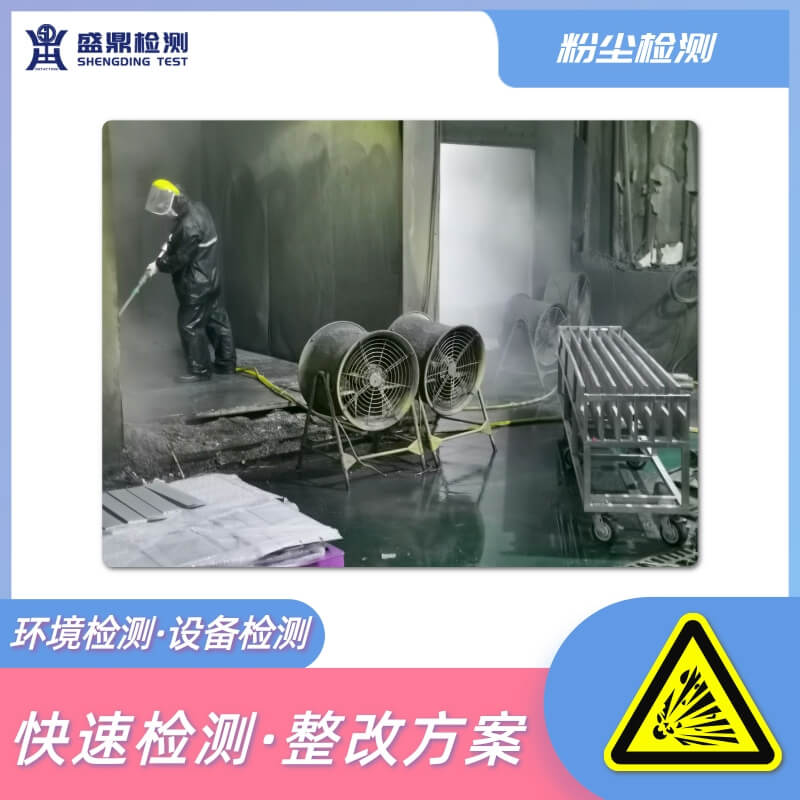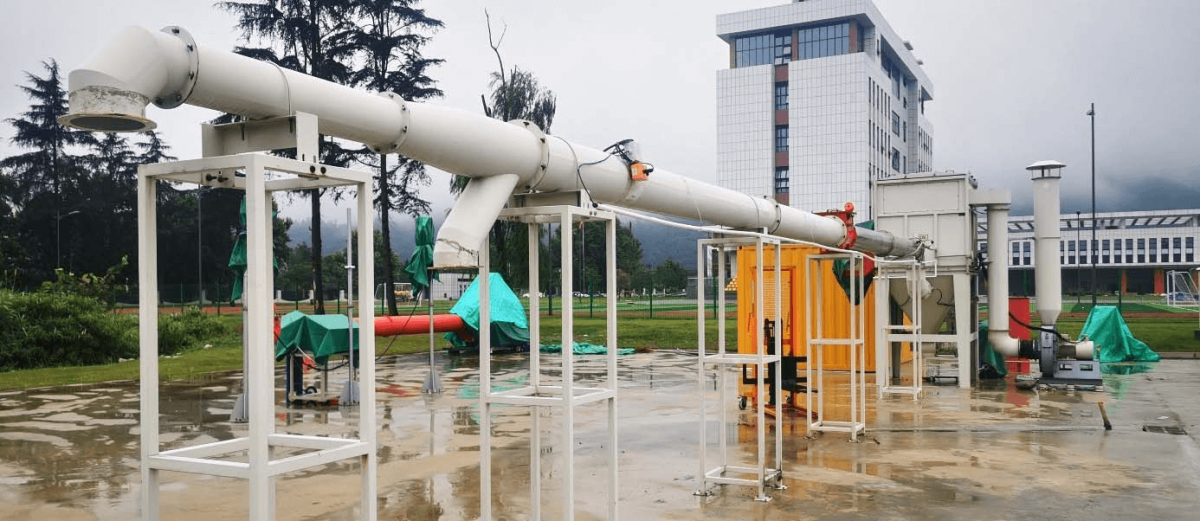

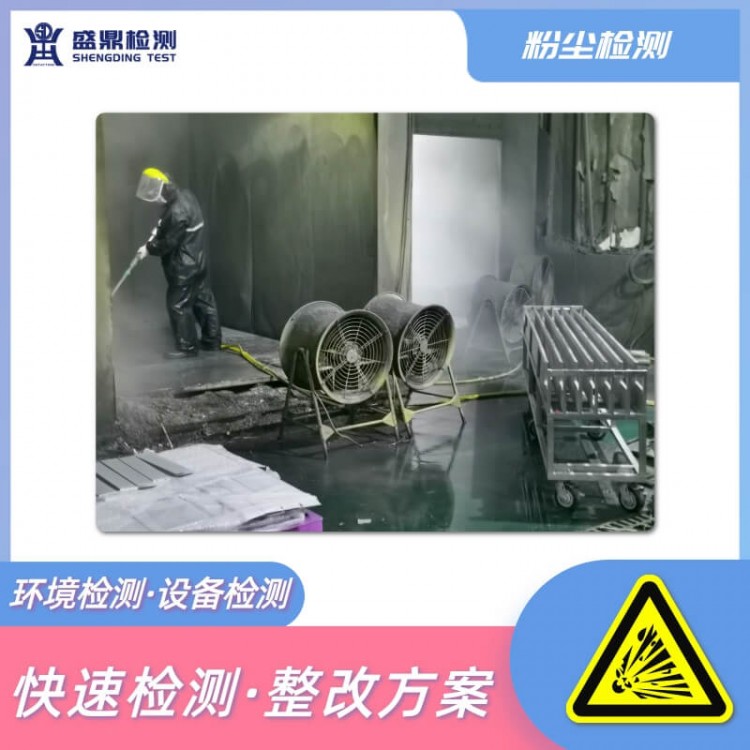
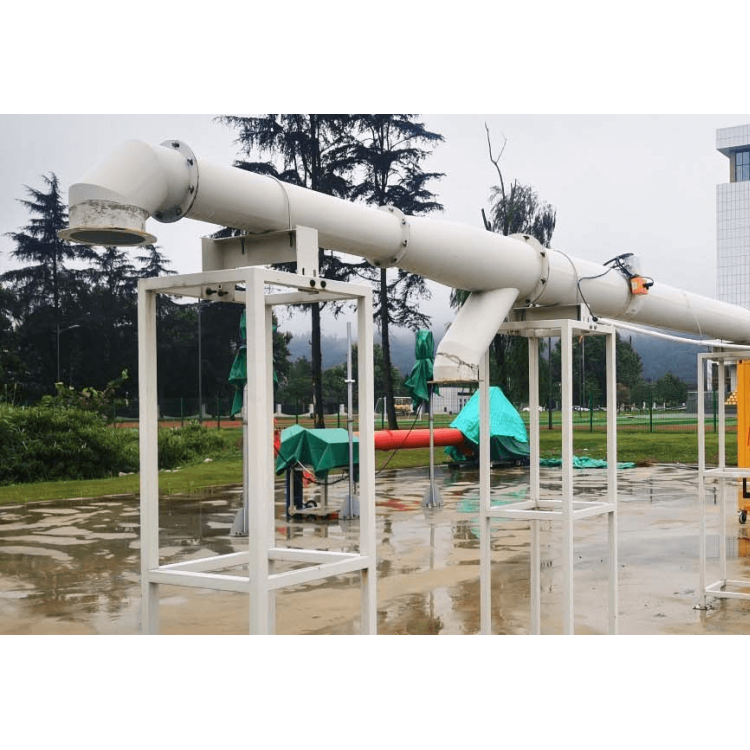







Frontier: Dust detection is divided into two types: one is the safety certification of electrical equipment used in dusty environments; Another way is to conduct environmental testing on hazardous environments such as dust and gas environments. Regardless of the situation, Shengding Testing Technology Center can provide you with technical support and one-stop services.
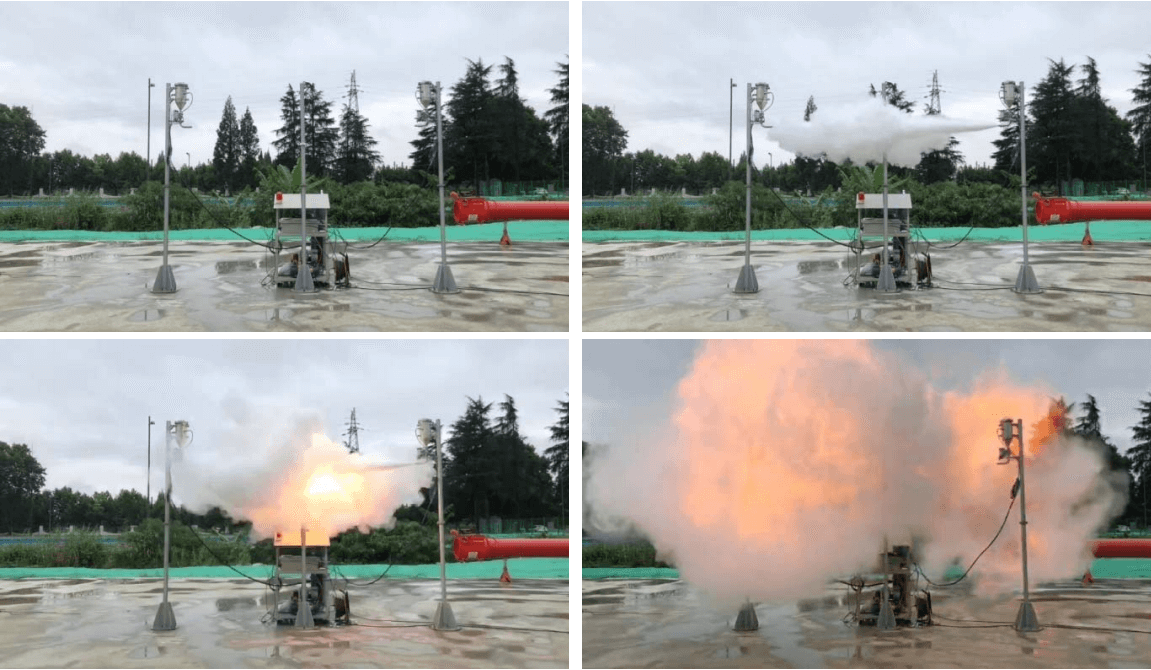
What is a dust explosion?
Dust explosion refers to a dust cloud formed by the mixture of combustible dust and air in a limited space. Under the action of an ignition source, the mixture of dust and air rapidly burns, causing a sharp increase in temperature and pressure through chemical reactions. Dust explosions are mainly accompanied by aluminum powder, zinc powder, aluminum processing powder, various plastic powders, organic synthesis intermediates, wheat flour, sugar, sawdust, dyes, gelatinous wood ash, milk powder, tea powder, tobacco powder, coal dust, plant fiber dust, etc.
When dust explosion occurs, the following five conditions are generally required: first, the dust itself is flammable or explosive; second, the dust must be suspended in the air and mixed with air or oxygen to reach the explosion limit; third, there is a thermal energy source that can cause dust explosion, that is, an ignition source; fourth, the dust has a certain degree of diffusion; and finally, the dust will explode in a sealed space, such as ethanol and water powder dust explosions in granulation ovens and boiling dryers.
Scope of dust explosion detection
Urea dust, wood dust, tobacco dust, coal dust, corn dust, molybdenum dust, carbon black dust, coal dust, plastic dust, graphite dust, flour dust, epoxy resin dust, aluminum dust, ferrosilicon dust, as well as metal dust, combustible and explosive powder dust.
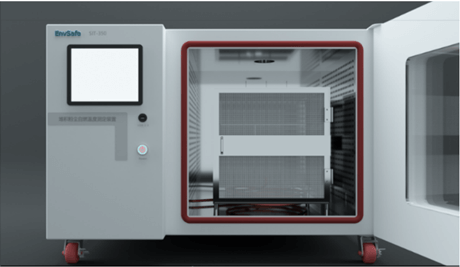
Inspection process
Contact Shengding Testing Center and communicate with the dust testing engineer. After the engineer confirms the basic information (enterprise business license, dust name), develop a detailed testing plan and submit it for review. After approval, provide a quotation and sign the testing contract;
send500 gramsDust samples need to be collected by the enterprise and shipped to Guangdong Wanji Shengding Testing Center by express delivery;
After receiving the sample, the engineer will immediately provide it to the technical personnel of the dust explosion prevention laboratory, and conduct explosiveness testing according to the previously developed testing planWithin one weekProvide a testing report and provide feedback to the engineer;
After receiving the inspection report, the engineer will send it out immediately, and the entire dust detection process will end (in about 2 weeks).
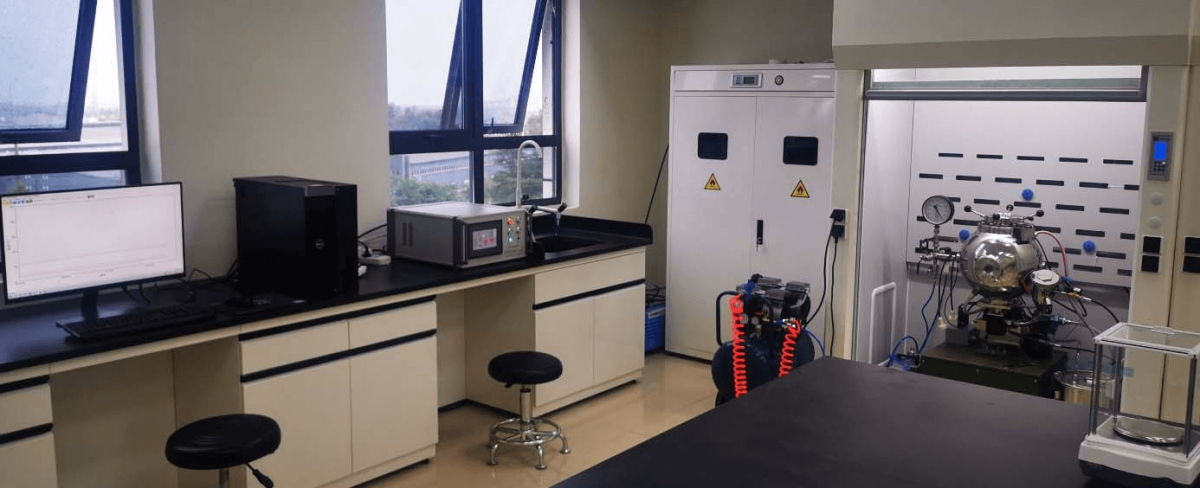
Characteristics of dust explosion
Multiple explosions are the biggest characteristic of dust explosions. The first explosion wave will blow up the dust deposited on the equipment or ground. In a short period of time after the explosion, negative pressure will be formed in the central area of the explosion, and fresh air around will fill in from the outside to the inside, mixing with the raised dust, thus triggering a second explosion. During a secondary explosion, the dust concentration will be higher.
2. The minimum ignition energy required for dust explosion is relatively high, generally above tens of millijoules.
Compared with combustible gas explosions, dust explosions have a slower increase in pressure, longer duration of higher pressure, greater energy release, and stronger destructive power.
Why conduct dust detection
Product evaluation: ingredient analysis, analysis of ingredient ratios, improvement of production defects, enhancement of product quality performance
Government regulation: business inspection, market supervision, project bidding and tendering, application for tax refund funds, etc
Market quality control: Ensure that their products can smoothly enter various electronic product platforms, supermarkets, etc
Connecting the market: enhancing the cognitive credibility of enterprises, expanding market share, improving competitiveness, and showcasing product quality
Industrial diagnosis: providing qualitative and quantitative analysis services for unknown substances in processes and materials
Dust electrical equipment detection and dust environment detection
Dust equipment testing refers to the safety performance testing of electrical equipment used in dusty environments to ensure that it will not cause safety accidents during operation. It is mainly aimed at protecting the safety of mechanical and electrical equipment during normal operation without generating electrical sparks, arcs, and other situations;
Dust environment detection is mainly aimed at detecting the concentration of dust contained in the environment, ensuring that the concentration is within a safe and controllable range. Once it exceeds this standard, the environment needs to be modified to control the concentration of mixed substances in the air and ensure that it is within a safe and controllable range.
execution standard
GB/T 16425-2018 Method for determination of lower explosive limit concentration of dust clouds;
GB/T 16429-1996 Method for determination of low ignition temperature of dust clouds;
GB/T 16430-1996 Determination method for low ignition temperature of dust layer;
GB/T 16426-1996 Method for determination of pressure and rate of increase of high pressure in dust cloud explosion;
GB/T 16428-1996 Determination method for small ignition energy of dust clouds;
ISO/IEC 80079-20-2:2006 Explosive atmospheres - Part 20-2: Material properties - Test methods for combustible dust;
BS 6713-1-1986 Explosion proof Systems Part 1: Method for determining the explosion index of explosive dust in the air;
ISO 6184-1:1985 Explosion suppression systems Part 1: Determination of explosion index of combustible dust in the air;