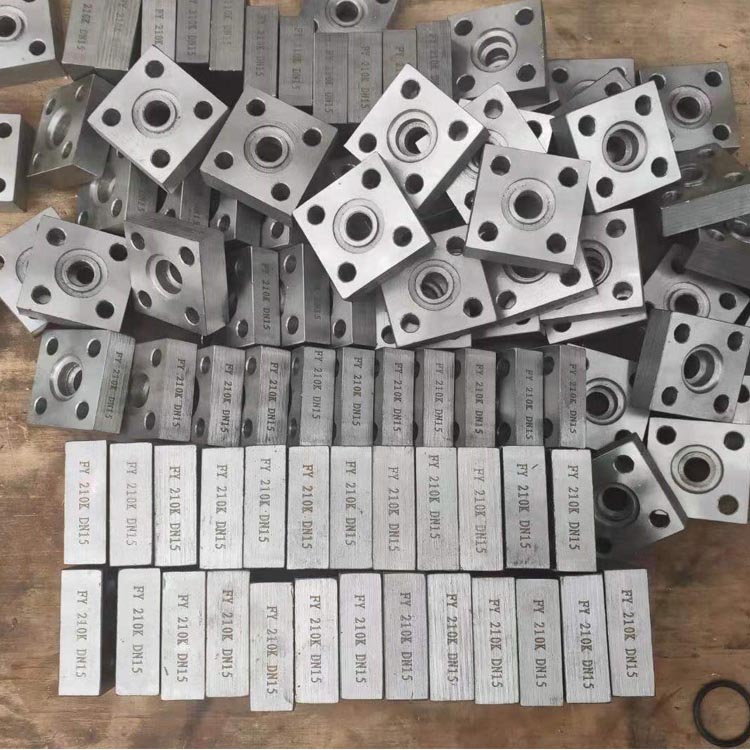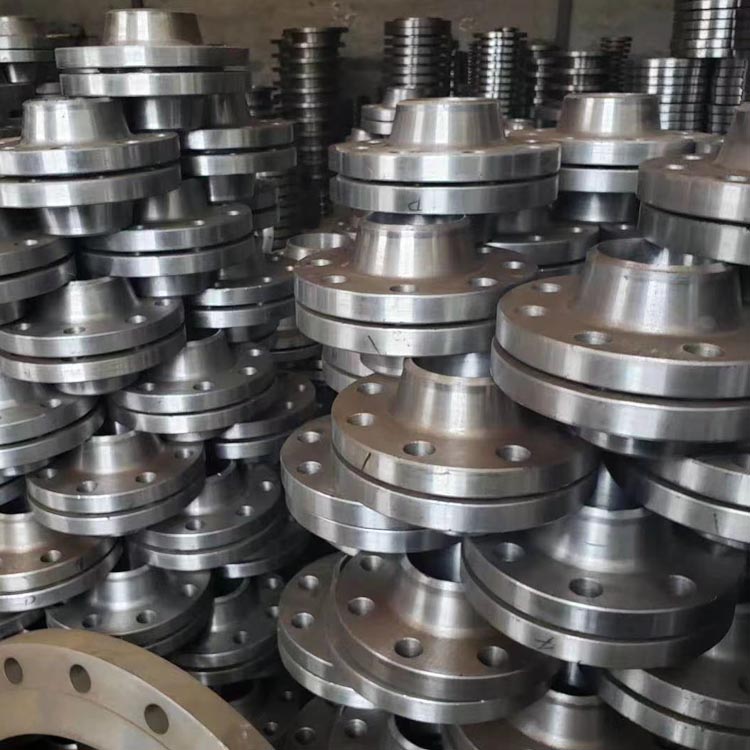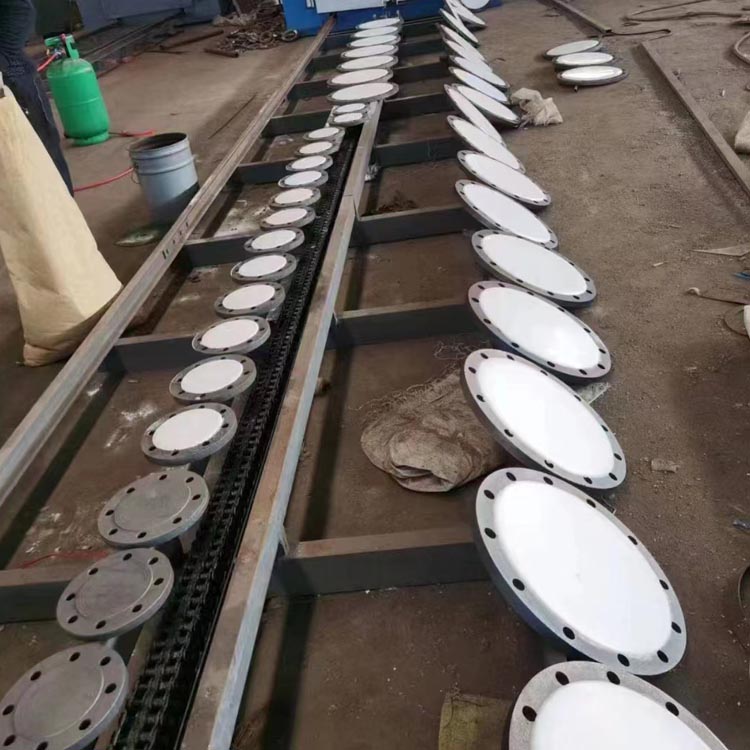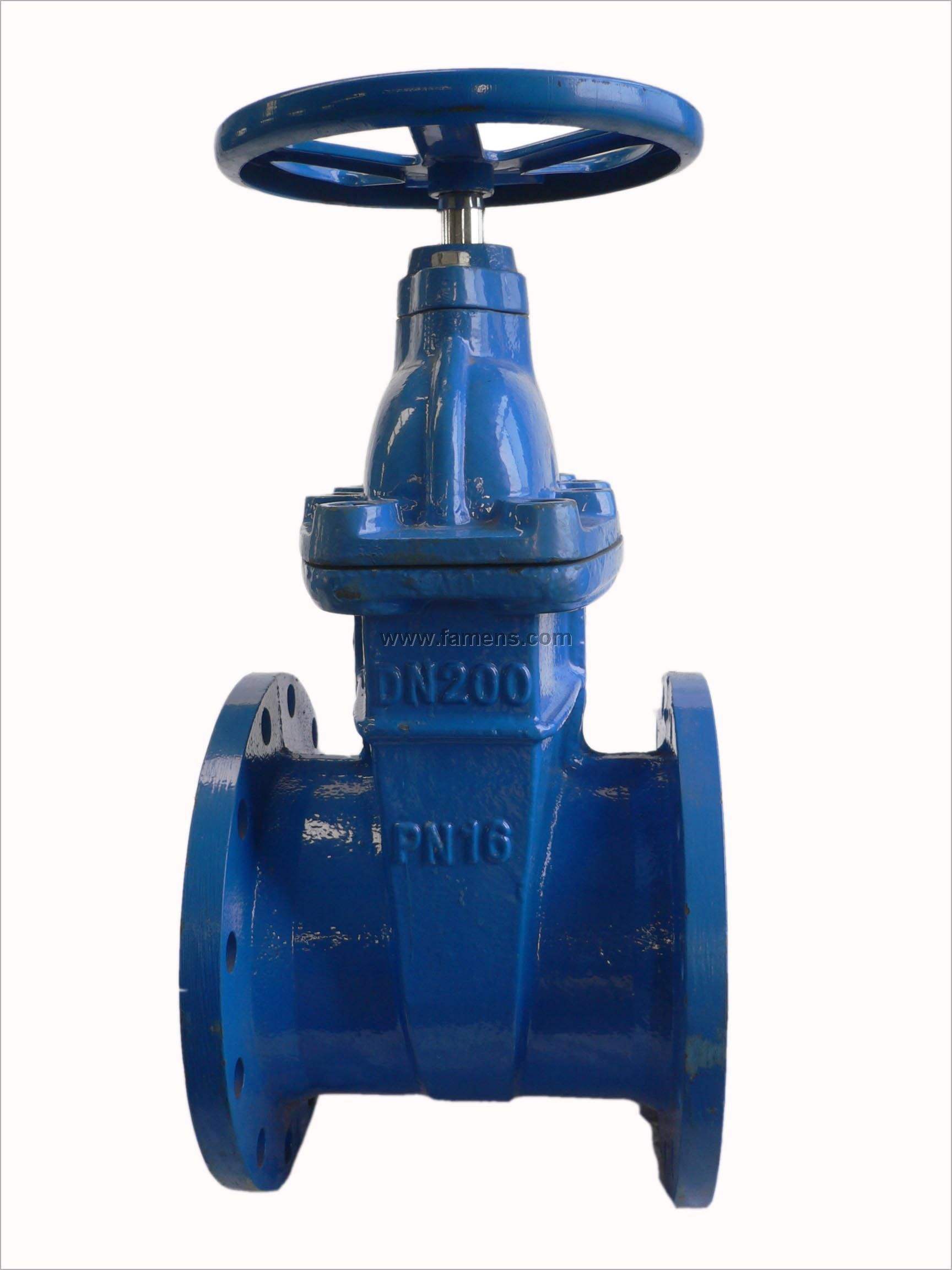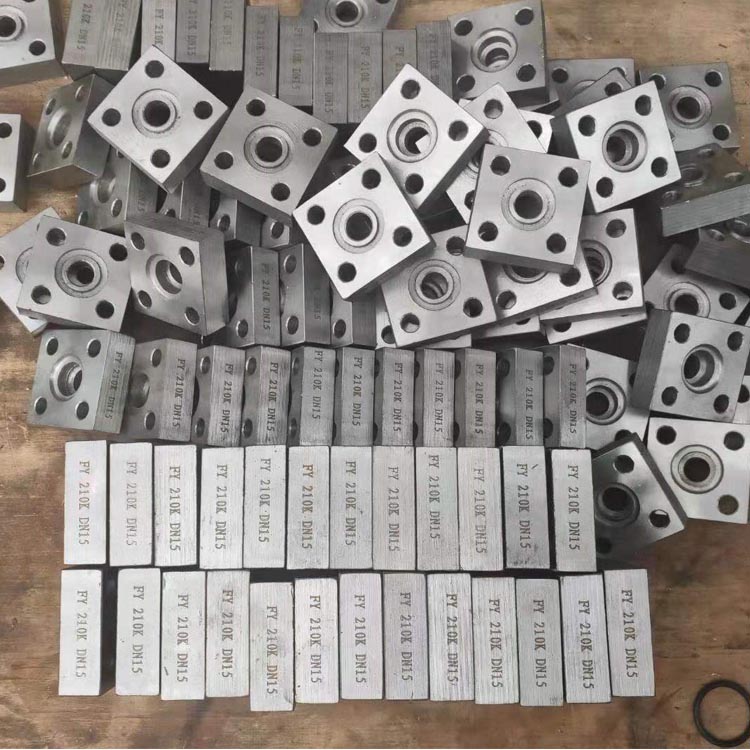

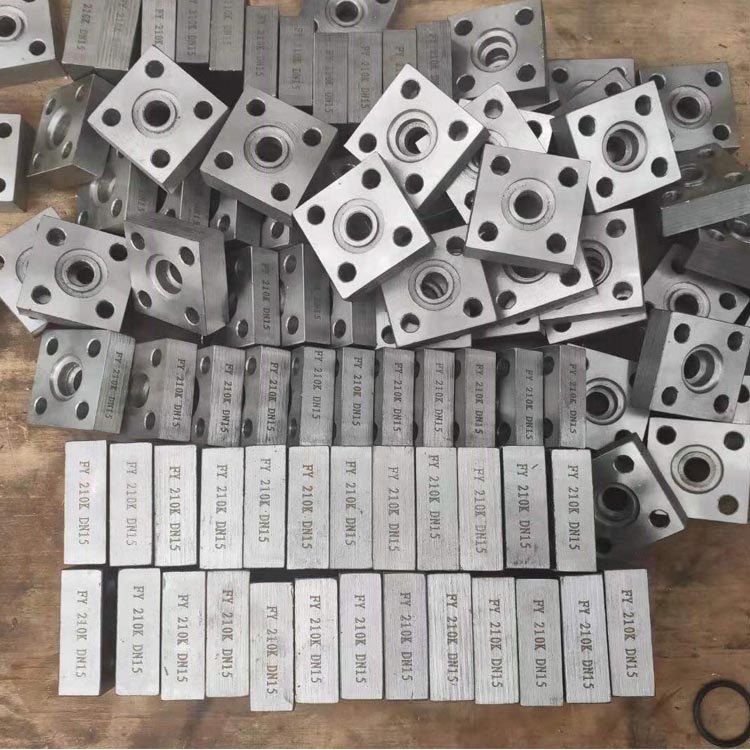
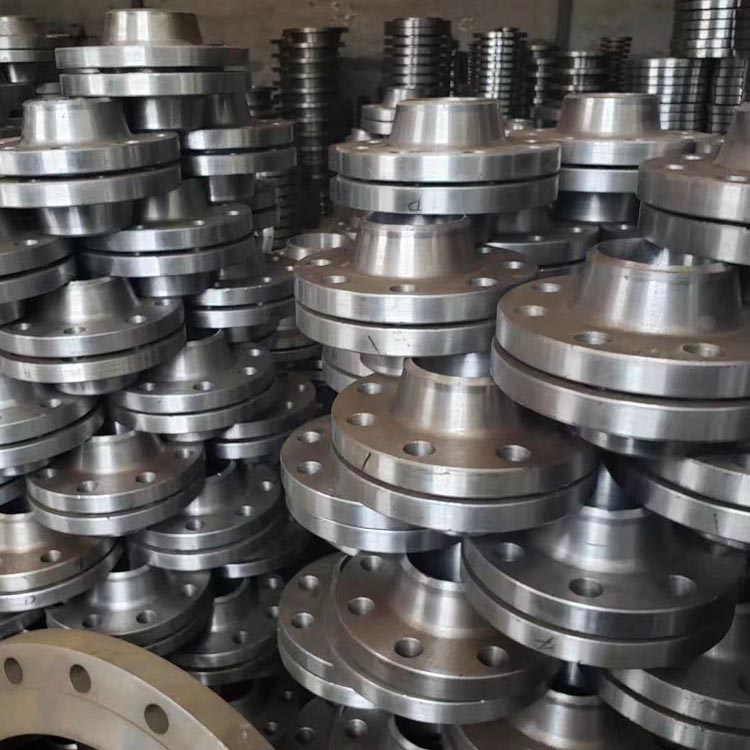







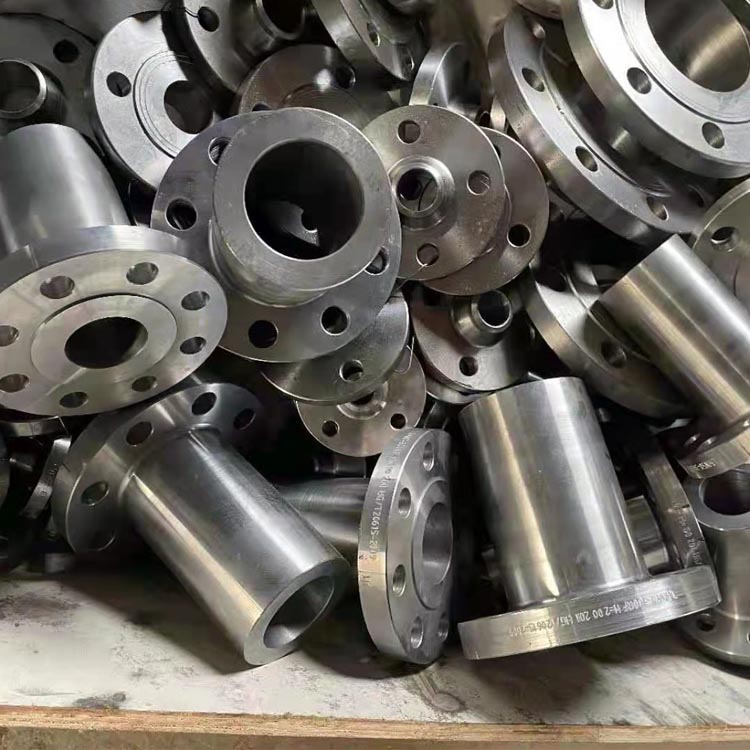
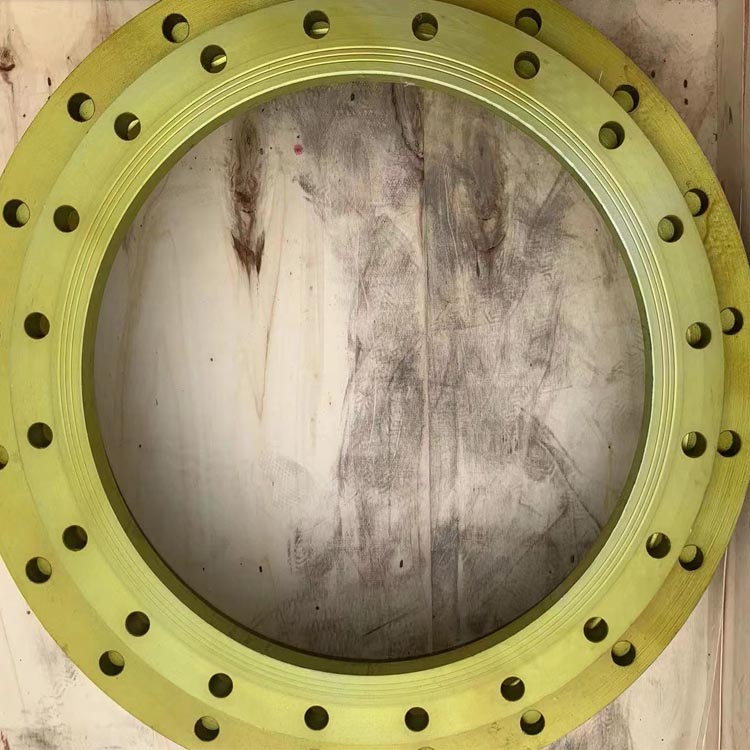
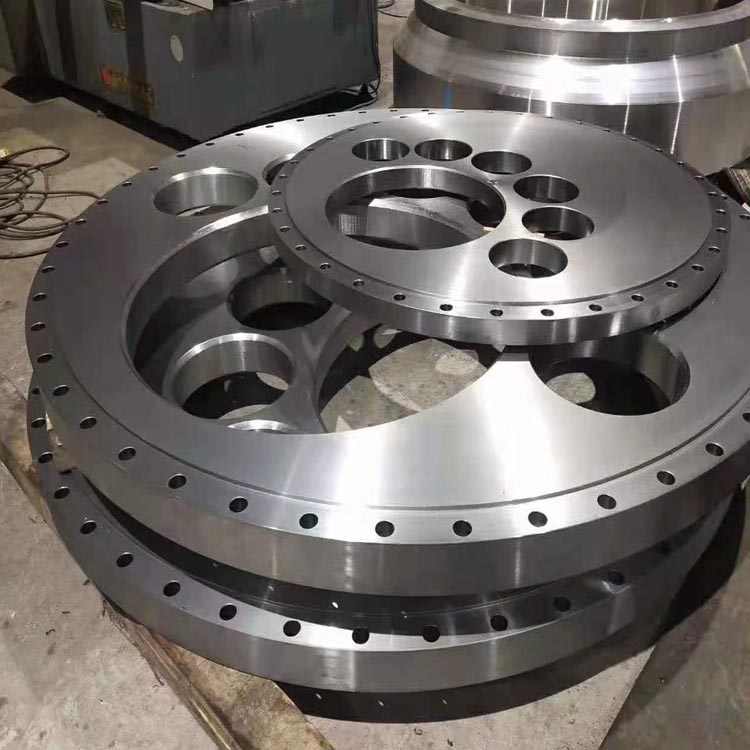
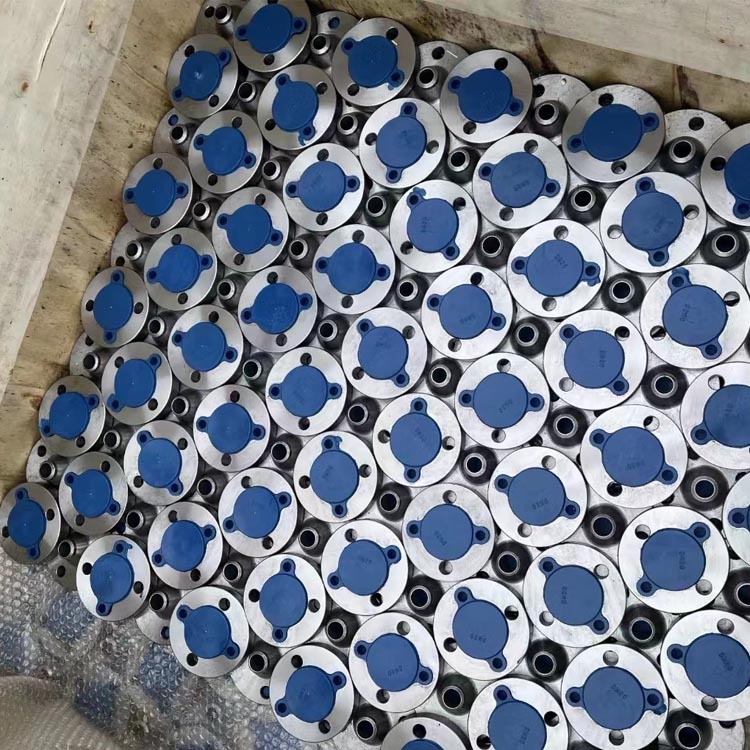
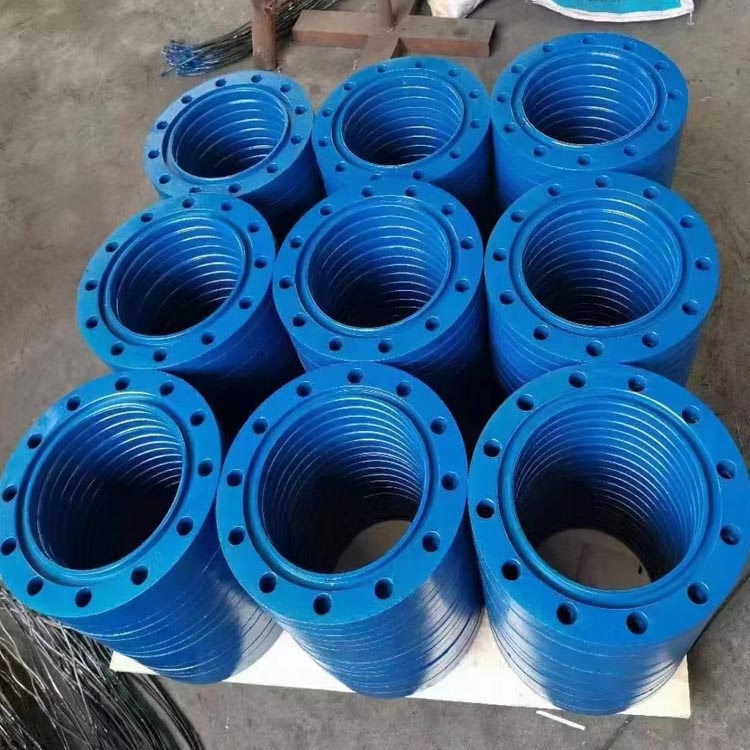
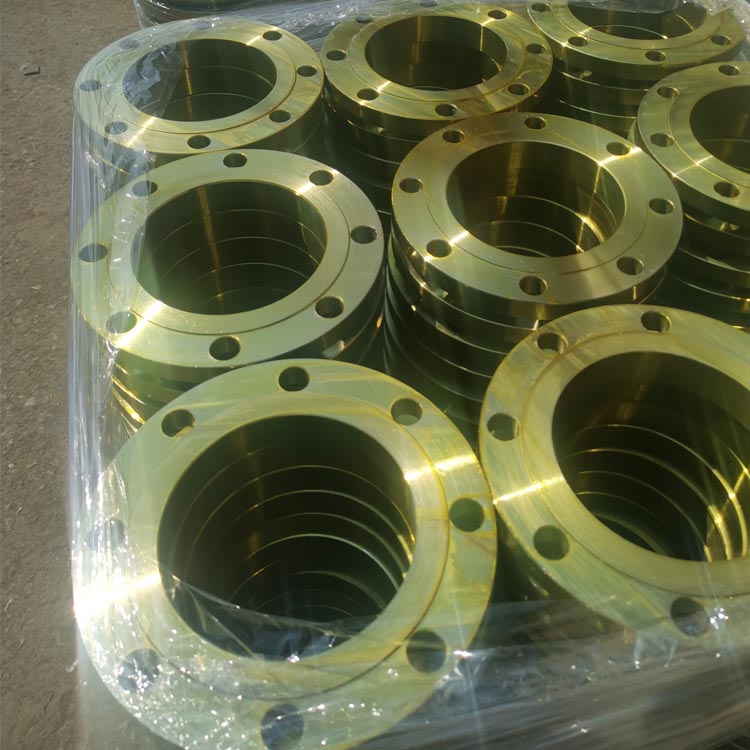
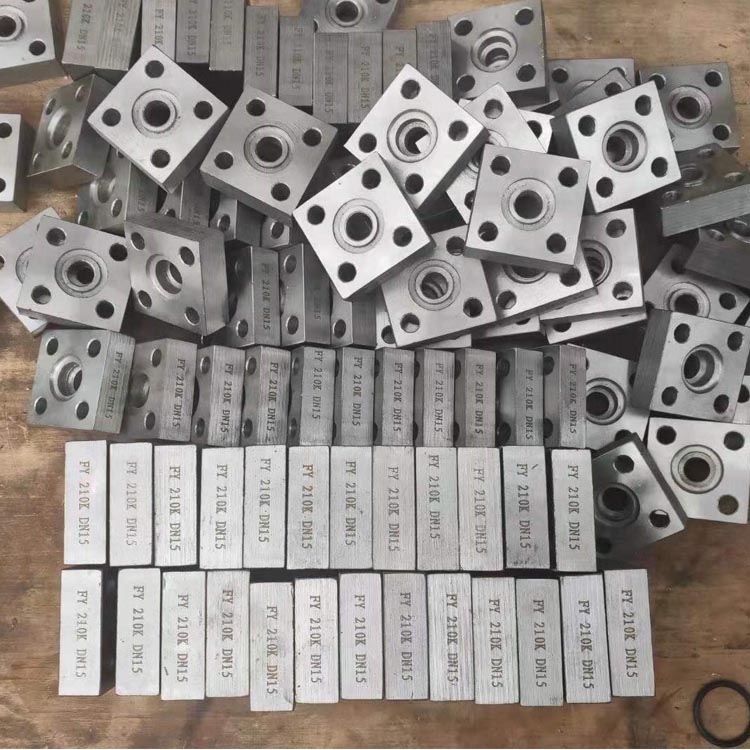
Flange, also known as a flange collar or boss, is a component used for connecting shafts to each other or for joining pipe ends. It is also used on equipment inlets and outlets, such as reducer flanges, for connecting two pieces of equipment. A flange connection or flange joint refers to a detachable connection consisting of a flange, a gasket, and bolts, all working together as a sealed assembly. Pipe flanges are specifically used in piping installations, while equipment flanges refer to the inlets and outlets of equipment. Flanges have holes and bolts that secure them tightly together, with a gasket used between them for sealing. Flanges are available in threaded (screwed) connections, welded flanges, and clamping flanges. Flanges are used in pairs; low-pressure piping can use threaded flanges, while pressures above four kilograms require welded flanges. Two flange discs are joined with a sealing gasket and then fastened with bolts. Flanges of different pressures have varying thicknesses and require different bolts. In the case of pumps and valves, when connected to pipes, these equipment components are also shaped to match the flange design, also known as flange connections. Any connection piece that uses bolts to join two flat surfaces and seal them is generally called a "flange," such as in ventilation pipe connections. These types of components can be referred to as "flange-type parts." However, such connections are only part of a single piece of equipment, like the connection between a flange and a pump, so it's not appropriate to call the pump a "flange-type part." Smaller components like valves can be called "flange-type parts."