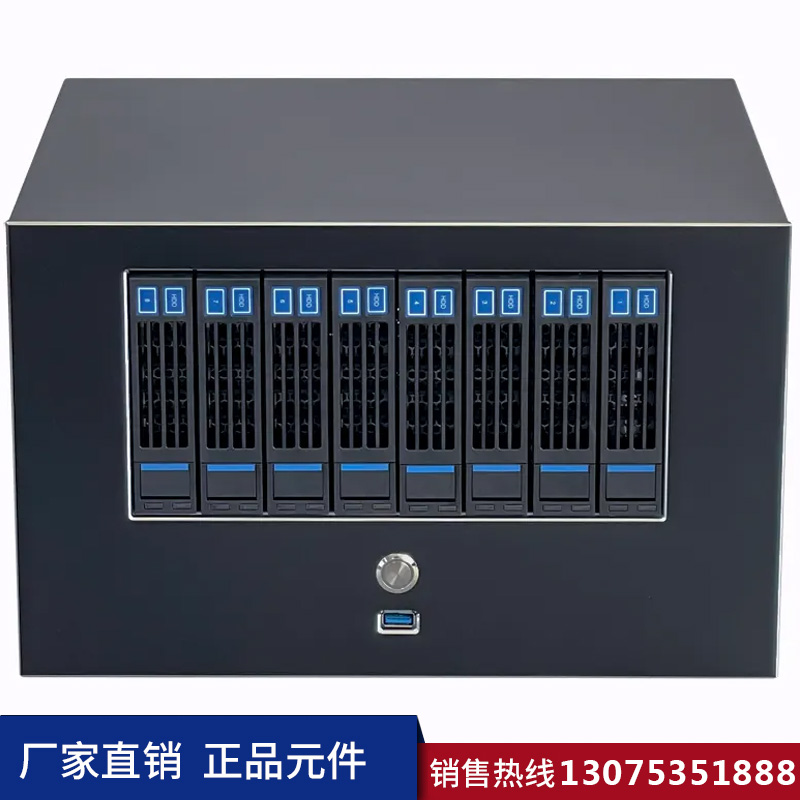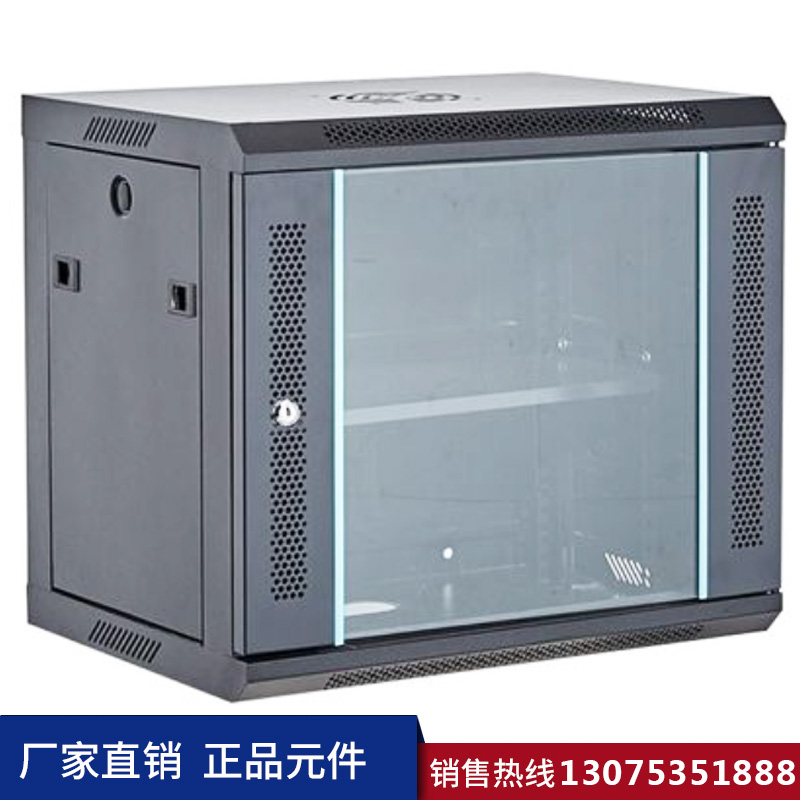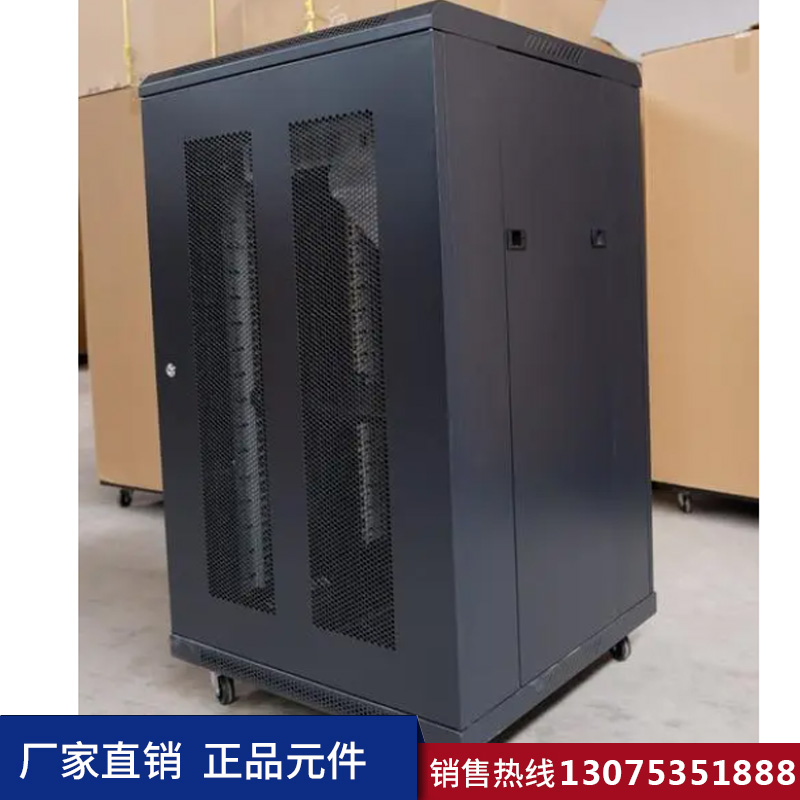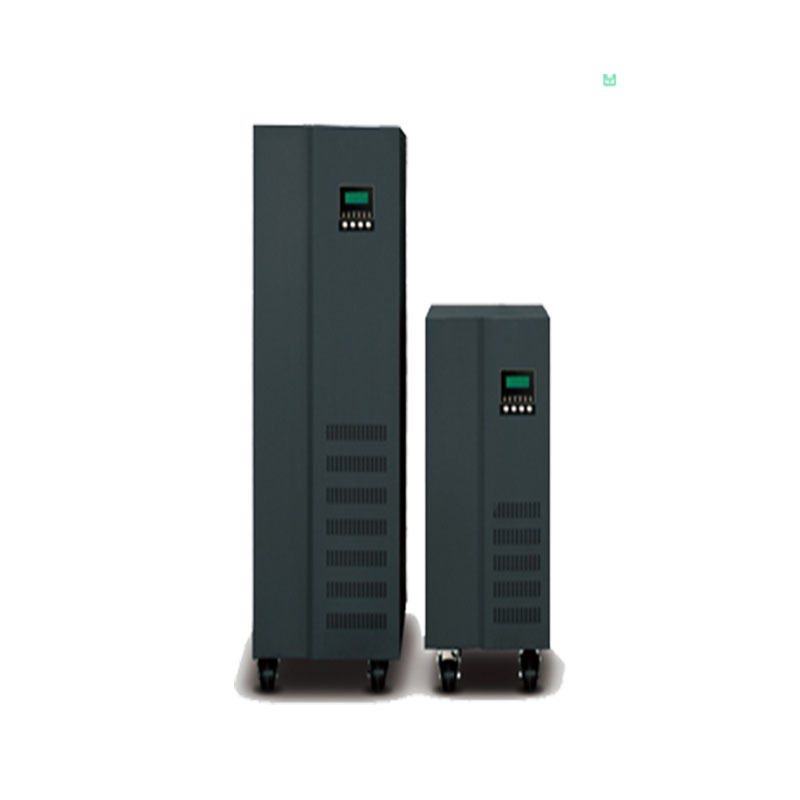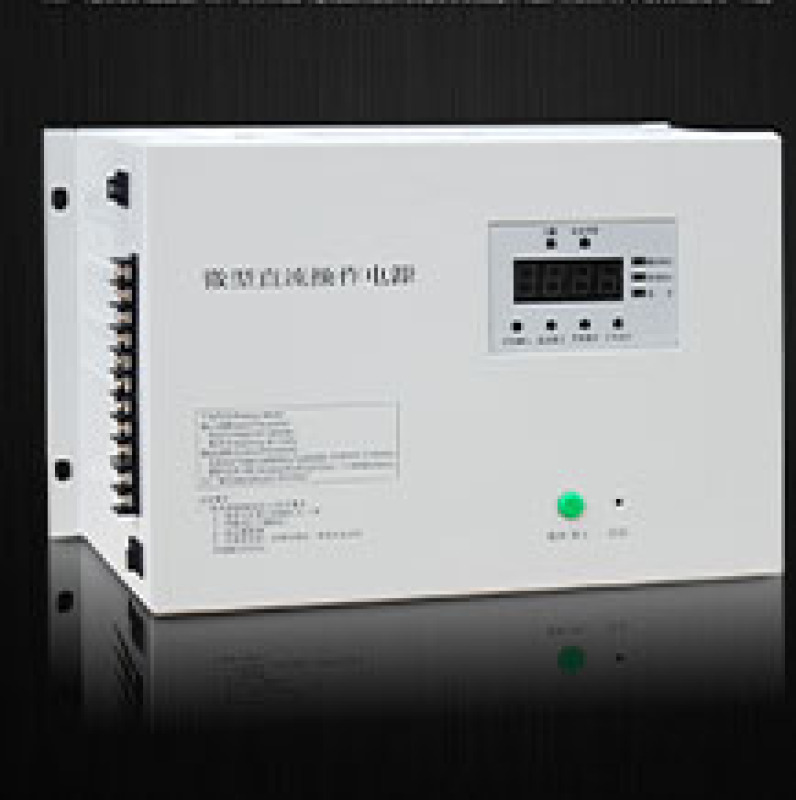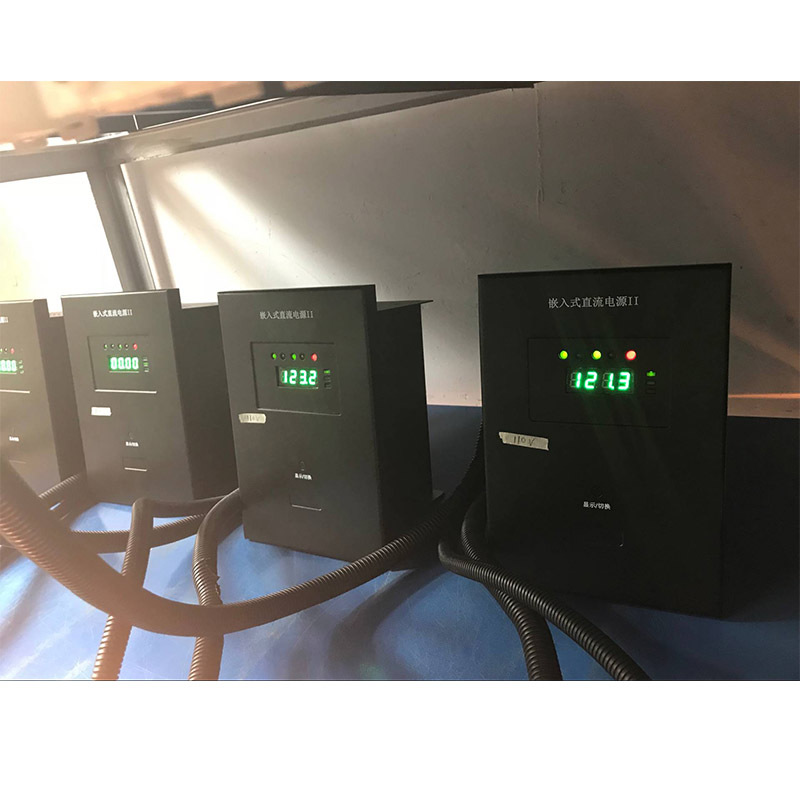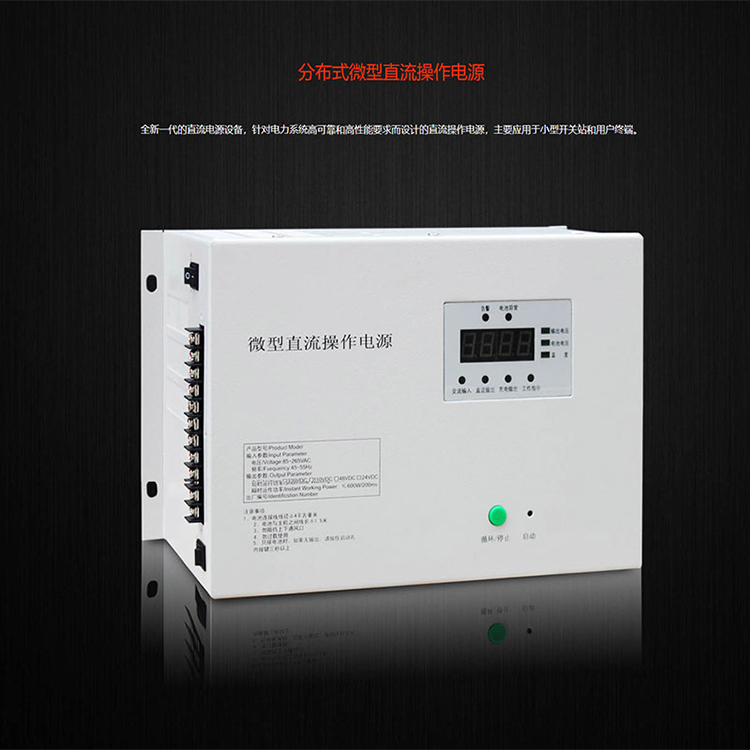

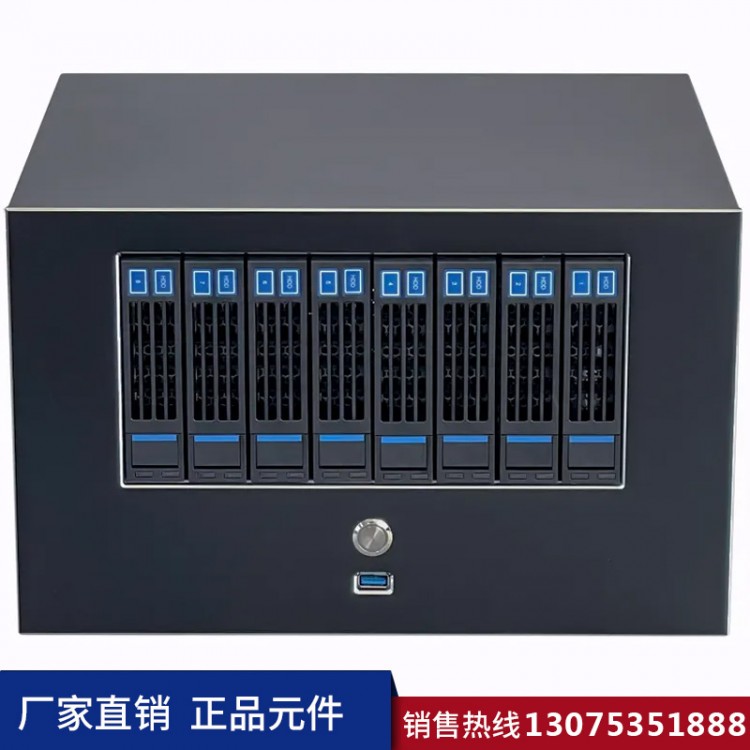

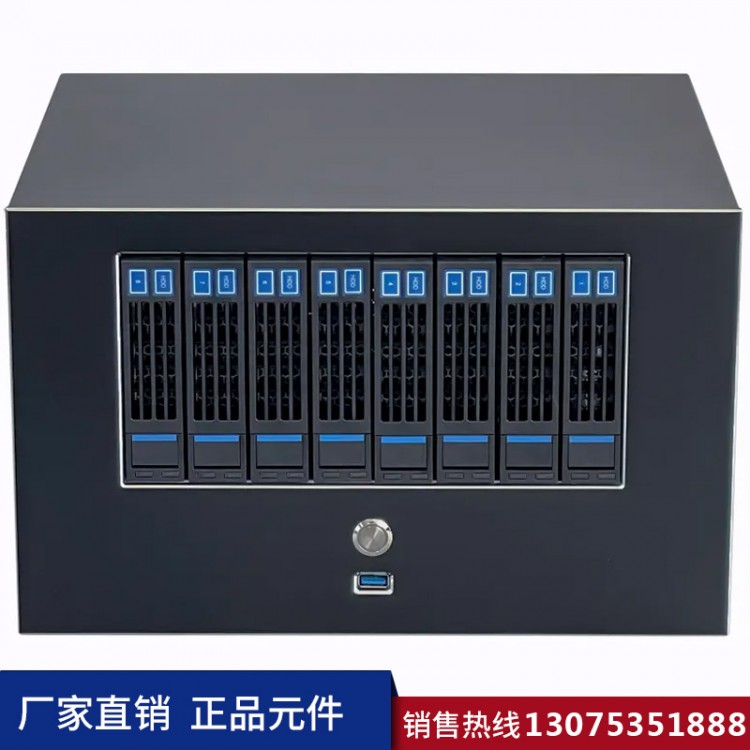
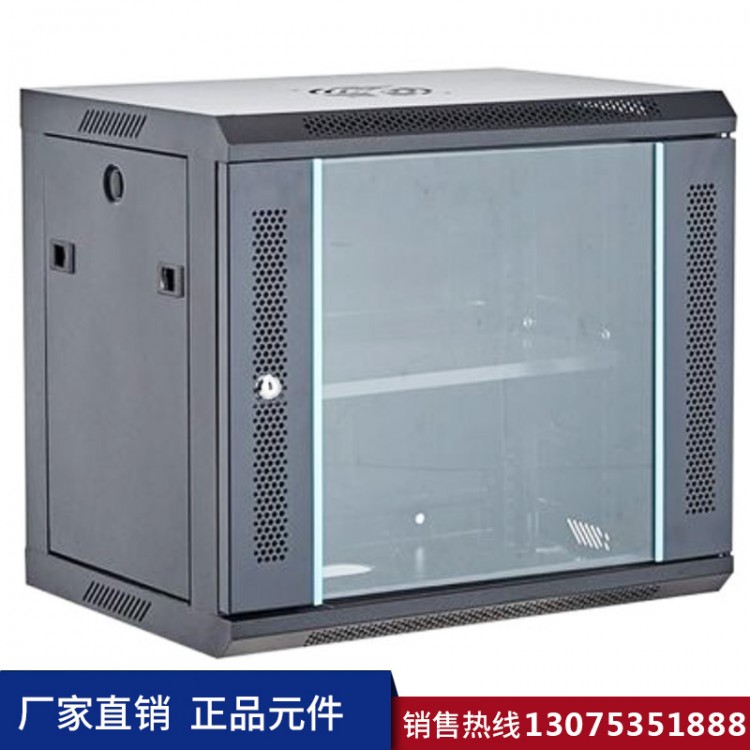
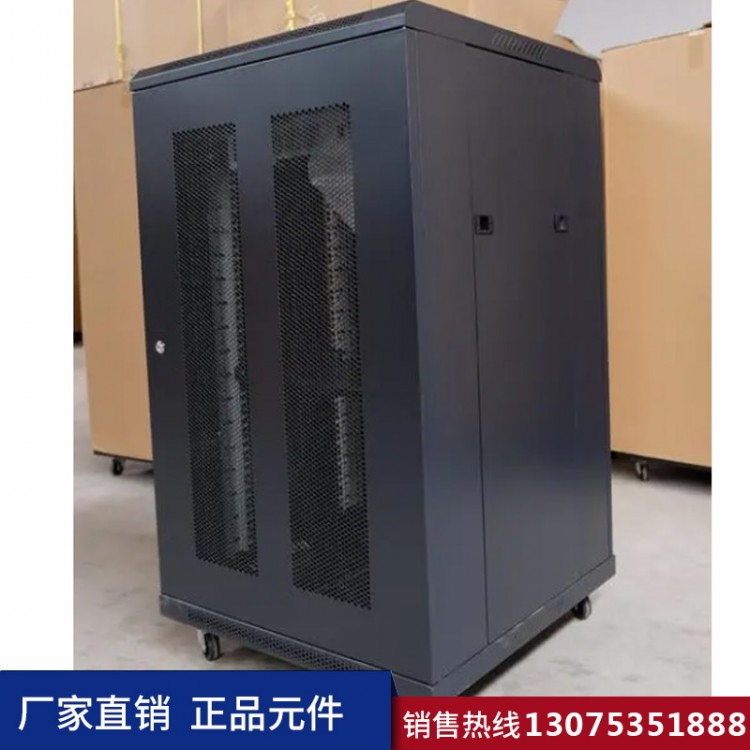







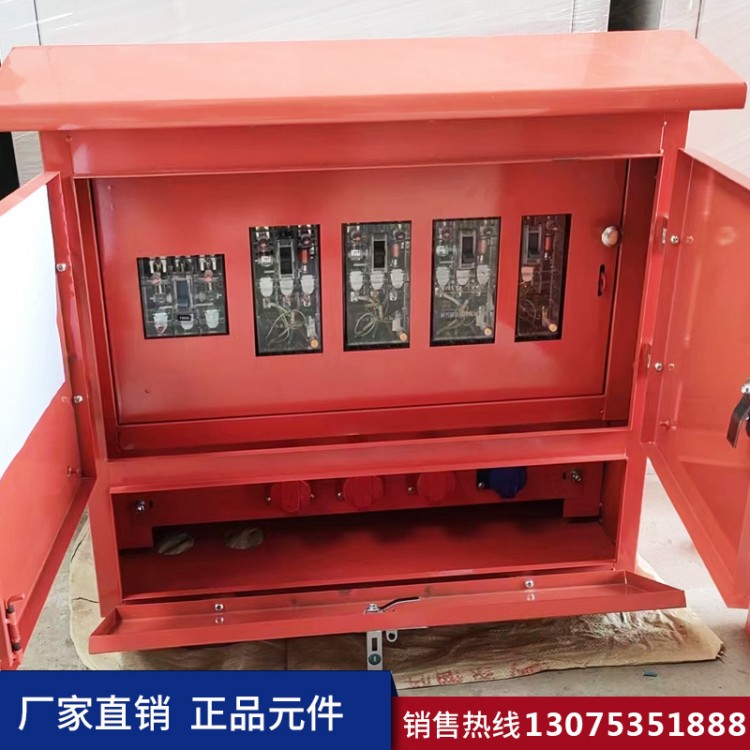
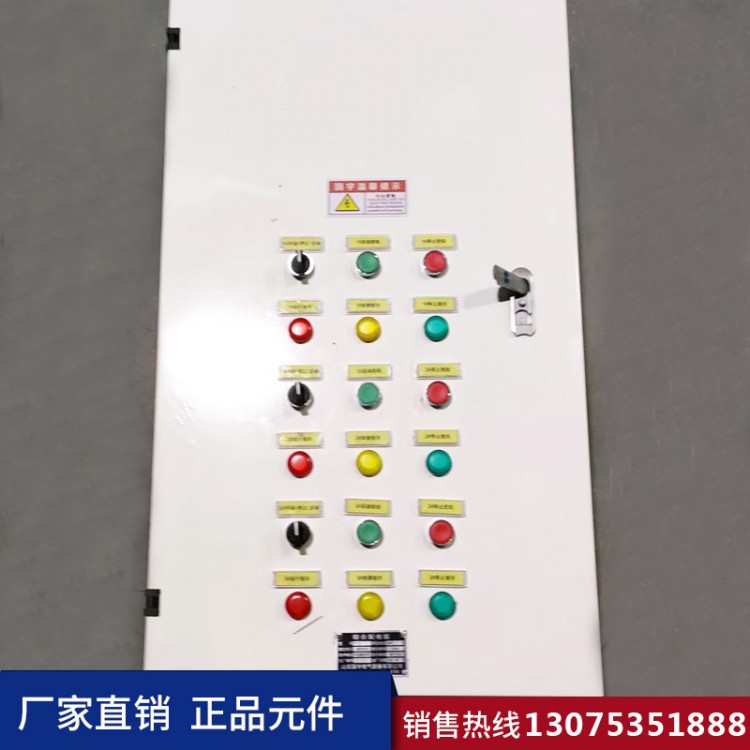

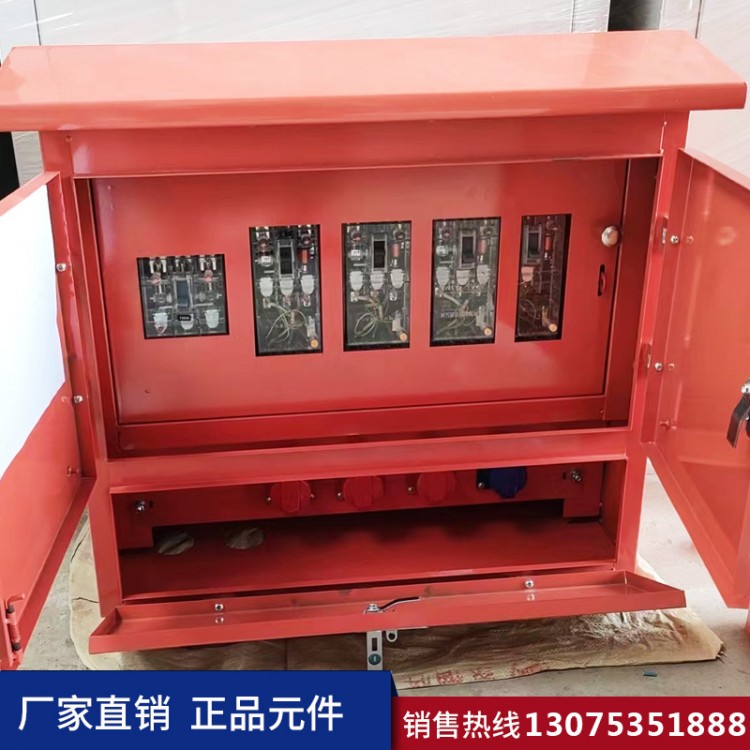
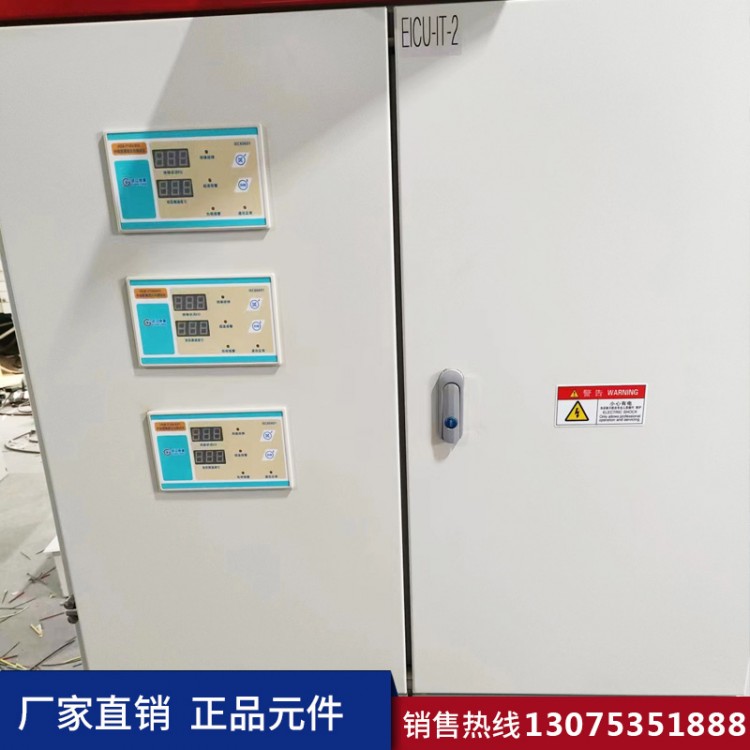
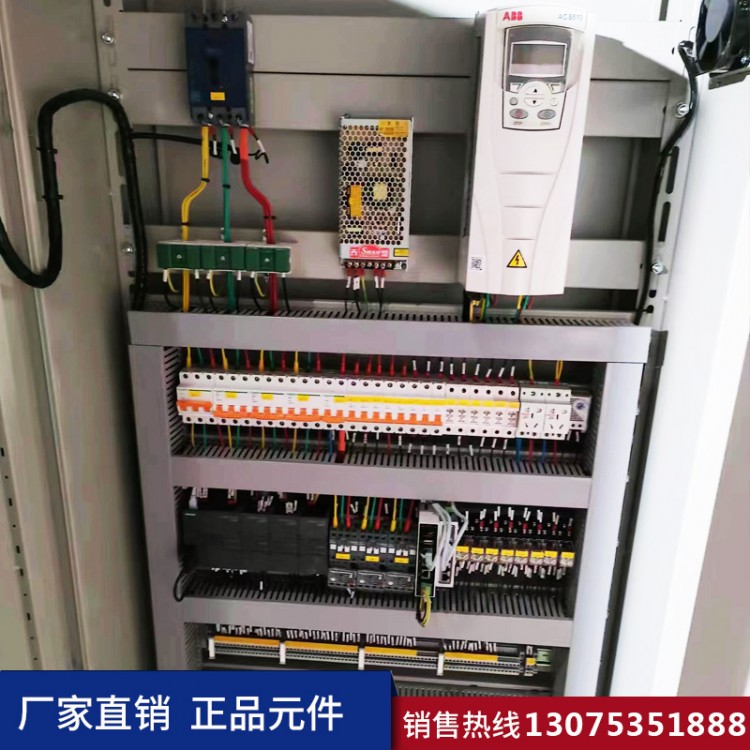
Network server cabinets are standalone enclosures designed for housing electrical or electronic equipment. They typically come with doors, removable or non-removable side panels, and back panels. Network server cabinets are an indispensable component of electrical equipment, serving as the carrier for electrical control systems. These cabinets are generally made from cold-rolled steel plates or alloys. The cabinets are usually categorized into server cabinets, network cabinets, console cabinets, and so on.
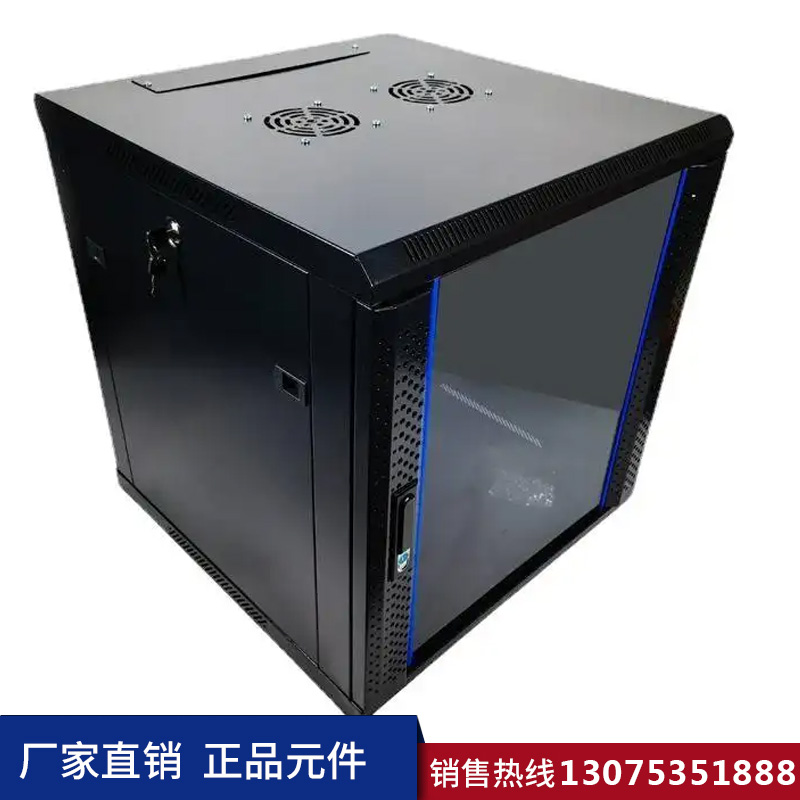
Network server cabinets are standalone enclosures designed for housing electrical or electronic equipment. These cabinets typically come with doors, removable or non-removable side panels, and rear panels. Network server cabinets are an essential component of electrical equipment, serving as a carrier for electrical control devices. They are usually made of cold-rolled steel or alloys. Cabinets are generally categorized into server cabinets, network cabinets, console cabinets, and more.
Product features of the network cabinet enclosures are as follows:
The cabinet doors and cases are designed with a full-sealed structure, equipped with sealing strips and waterproof grooves, offering four protective functions: rainproof, windproof, sandproof, and dustproof.
2. Network cabinet door hinge made of stainless steel, wiring box handle, and door inner stop.
3. The lead wire junction holes are improved to a detachable trapezoidal structure, facilitating cable insertion.
4. The cabinet exterior employs micro-marking and unmarked manufacturing techniques for enhanced aesthetics.
5. The network cabinet housing is made of stainless steel, offering excellent strength, high hardness, attractive appearance, good sealing, strong corrosion resistance, long service life, and easy maintenance. It is an ideal alternative for standard junction boxes, distribution boxes, and power boxes.

There are many types of cabinets, including network cabinets, server cabinets, outdoor cabinets, power cabinets, and various non-standard cabinets. These cabinets serve different functions. Different cabinets are suitable for different working environments. However, many people are unaware of the difference between network cabinets and servers. This situation can easily lead to difficulties for users in selecting network cabinets, even resulting in choosing unsuitable cabinets, which can cause significant inconvenience in their actual use.
Network Server Cabinets: Network server cabinets include server racks. A network server cabinet is not a specific cabinet but a general term. Based on current categories, there are server racks, wall-mounted cabinets, network cabinets, standard cabinets, and smart outdoor cabinets, etc. The capacity ranges from 2U to 42U. Network cabinets are primarily used for wiring projects, and network server cabinet enclosures are mainly used to store routers, switches, patch panels, and other network equipment and accessories. Generally, the depth of network cabinets is below 800 mm, while server racks are deeper than 800 mm. Network cabinets should be convenient for production, assembly, debugging, packaging, and transportation.

Server Rack: A network cabinet is a type of server rack, primarily used to combine installation panels, plug-in modules, electronic components, equipment, and mechanical parts into an integrated installation box. Server racks consist of frames and lids (doors). The lids are typically rectangular and placed on the ground. They provide an appropriate environment and safety for the normal operation of electronic equipment and are components following system-level components. Racks without enclosed structures are called racks. Server racks have excellent technical performance.