
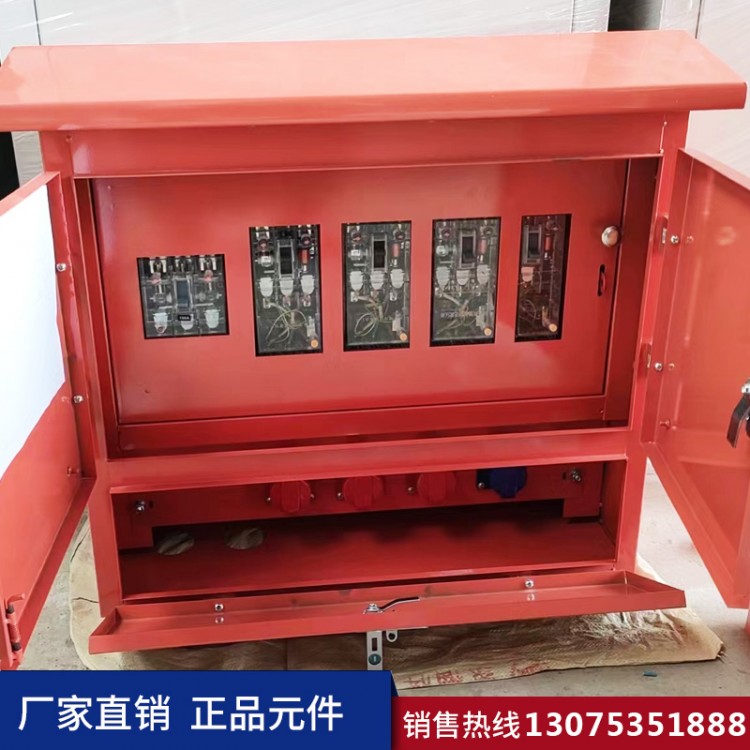

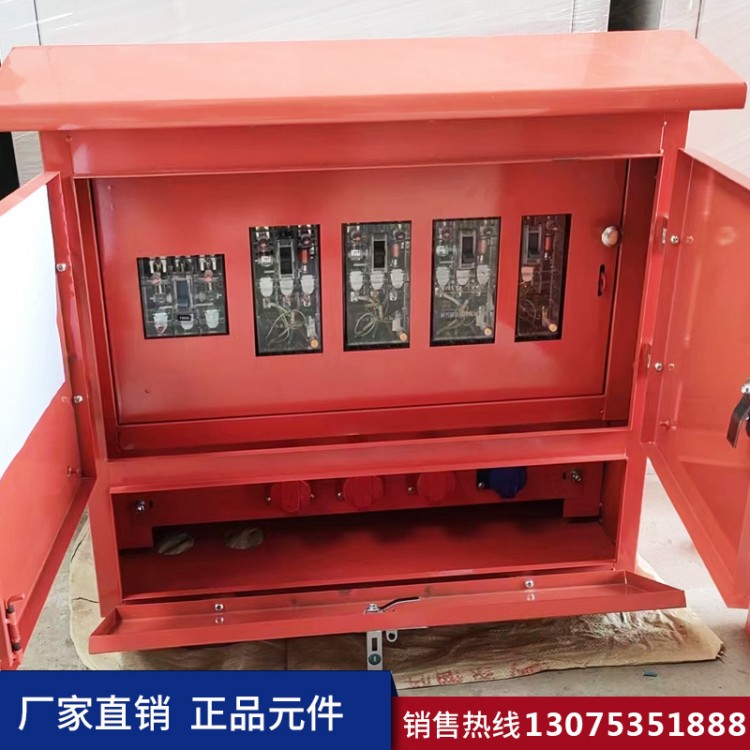








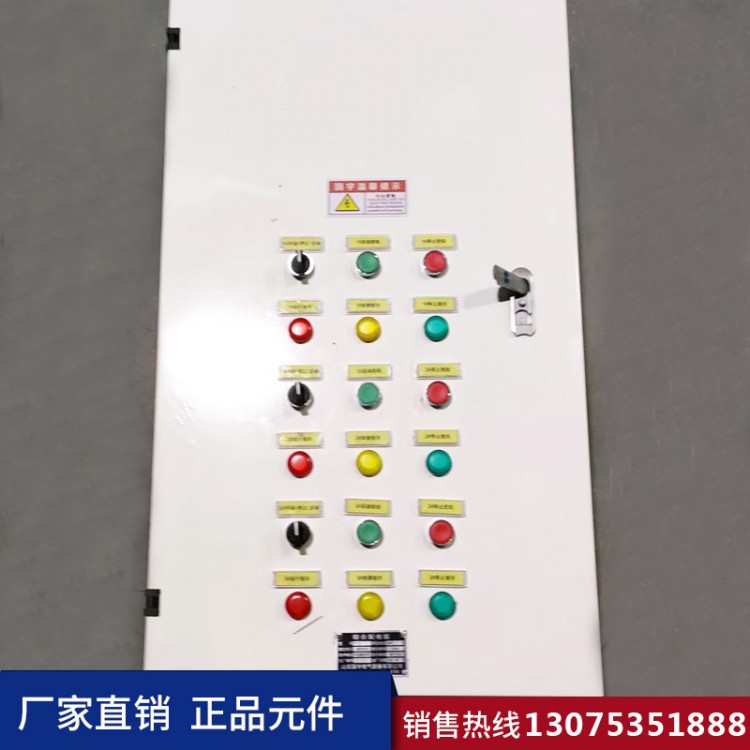

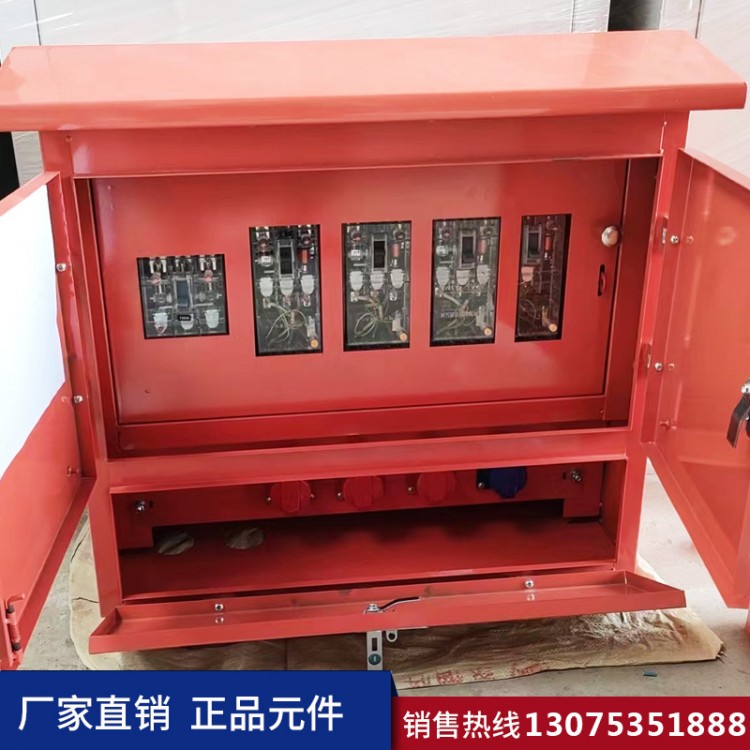
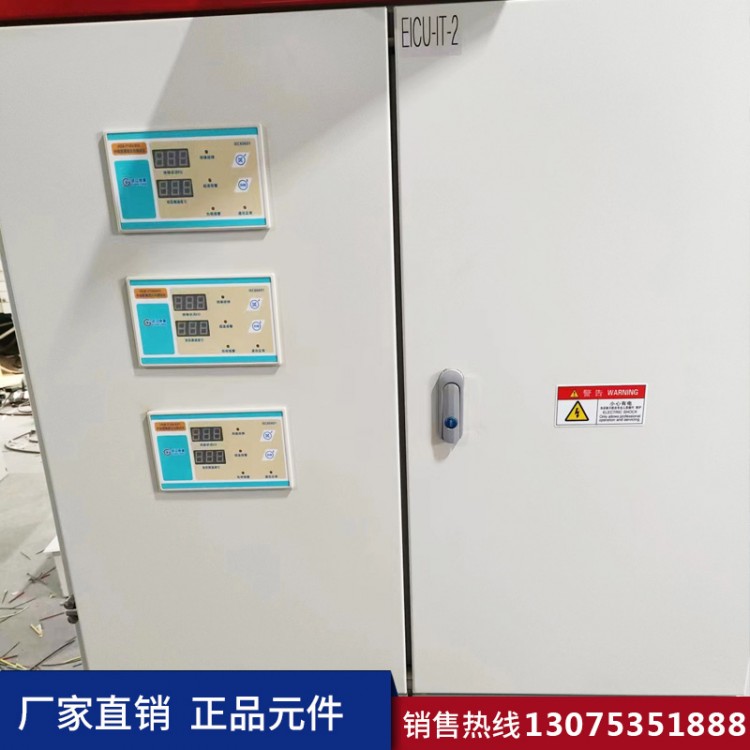
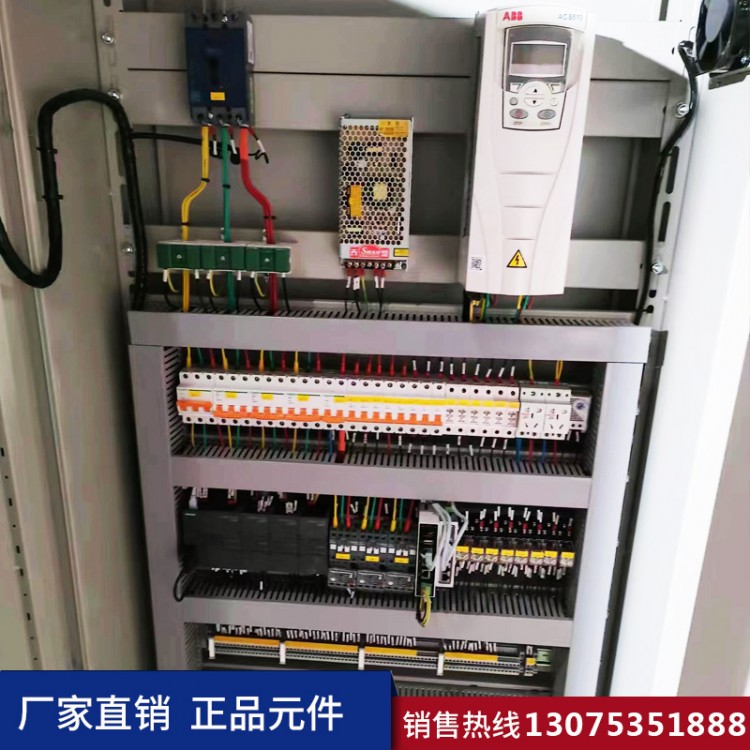
Distribution Box
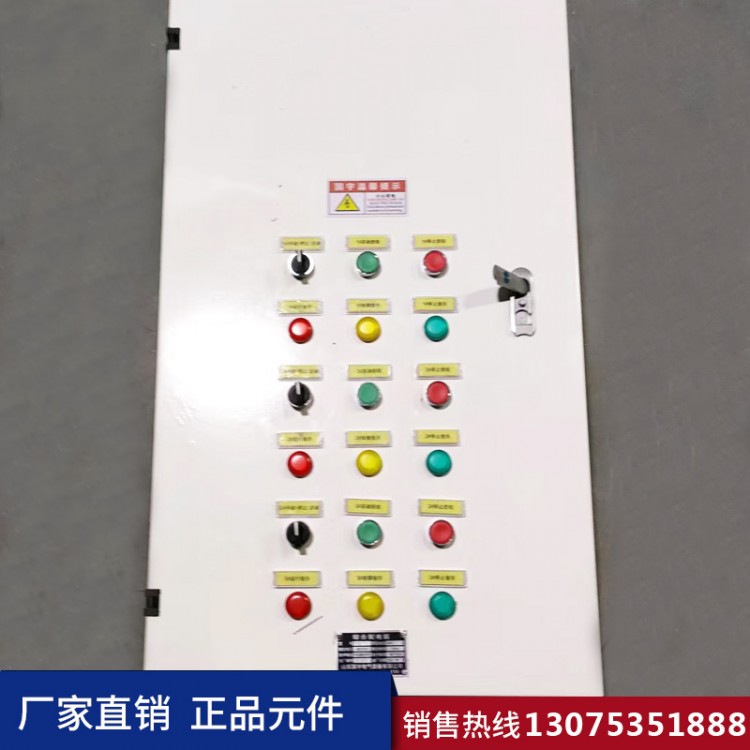
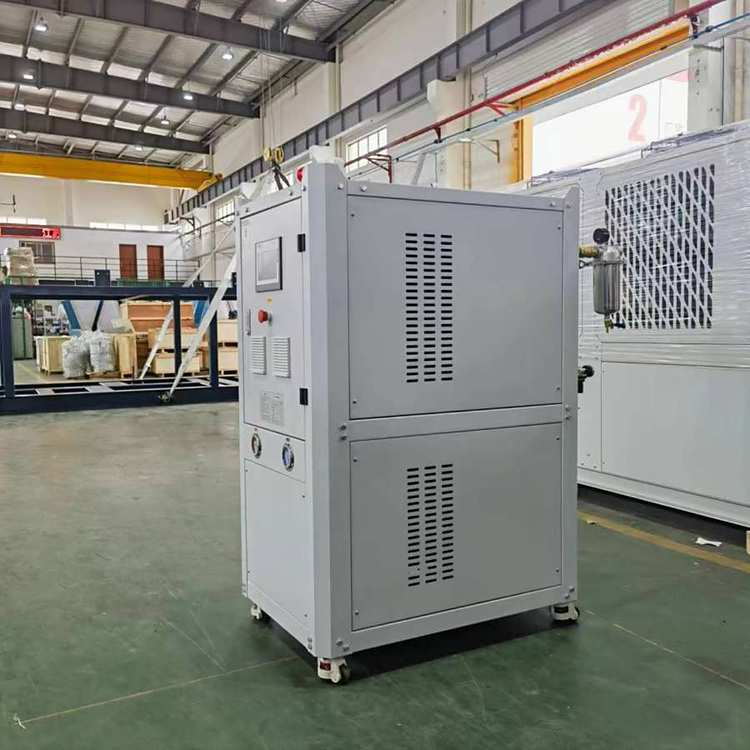
The distribution box is an electrical equipment featuring a compact size, easy installation, special technical performance, fixed location, unique configuration functions, unrestricted by the site, wide application, stable and reliable operation, high space utilization, minimal footprint, and environmental benefits.
A wealth of parameters on the distribution box data typically involves the assembly of switchgear, measuring instruments, protective devices, and auxiliary equipment within enclosed or semi-enclosed metal cabinets or panels, forming a low-voltage distribution box. Under normal operation, circuits can be connected or disconnected using manual or automatic switches.
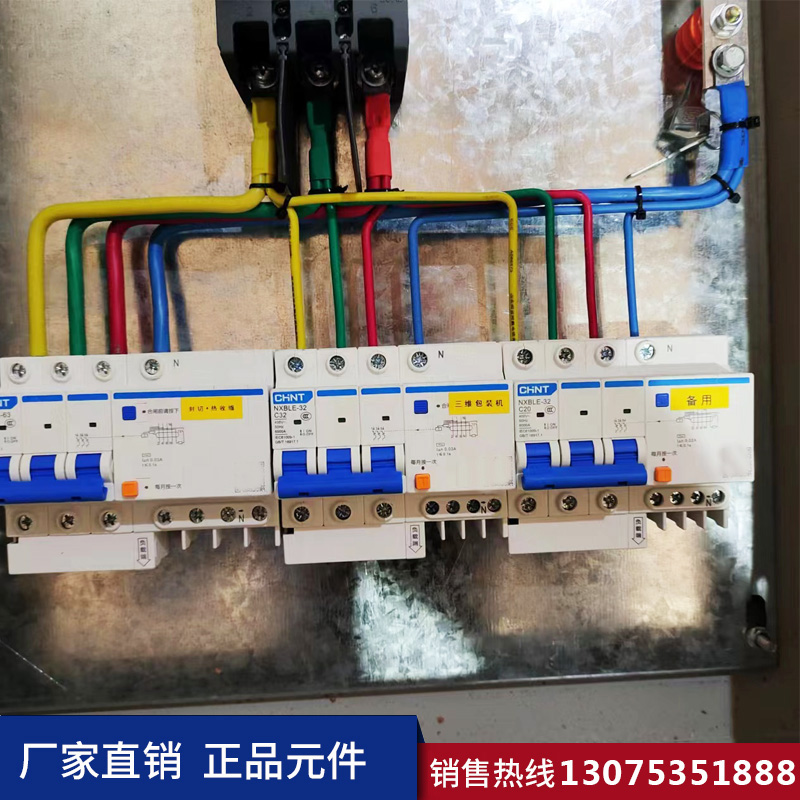
Usage
The distribution box features a compact design, easy installation, special technical performance, fixed location, unique configuration functions, unrestricted by site conditions, wide application, stable operation, high space utilization, minimal footprint, and environmental benefits. It serves as the control center for the rational distribution of electrical energy among various components in the command power supply lines. It is the control section responsible for reliably receiving power from the upper source and correctly distributing the load power. It is also a key factor in determining whether users are satisfied with the quality of power supply. Enhancing the operational reliability of the power distribution box is the goal of a good project.
Purpose of Distribution Box: Reasonably distributes electrical power, facilitates the operation of opening and closing circuits. Features a high level of safety protection and can directly display the conduction status of the circuit.
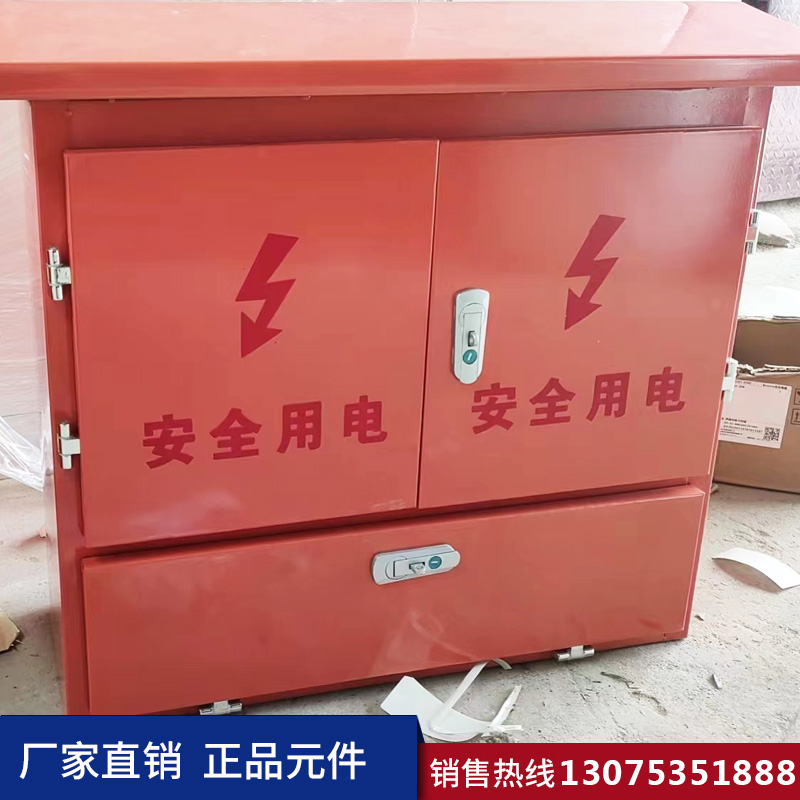
Categories
Common distribution boxes come in wooden and metallic varieties. Due to the higher protection grade of metallic distribution boxes, they are more commonly used.
Categorized by structural characteristics and application:
(1) Fixed panel-type switchgear, commonly known as a switchboard or distribution board. It is an open switchgear with a panel shield, offering protection on the front but allowing access to live parts on the back and sides, resulting in a low protection grade. It is suitable only for industrial and mining enterprises with lower requirements for power supply continuity and reliability, and is used for centralized power supply in transformer rooms.
(2) Enclosed (i.e., closed) switch cabinets refer to low-voltage switch cabinets where all sides except the installation face are enclosed. The electrical components such as switches, protection, and monitoring controls of these cabinets are installed within a closed casing made of steel or insulating material, and can be mounted against a wall or away from it. Isolation measures between each circuit within the cabinet may or may not be required, and can be achieved using grounded metal or insulating plates. Typically, the door is mechanically interlocked with the main switch operation. There are also enclosed desk-type switch cabinets (i.e., control desks), which have control, measurement, and signaling electrical equipment on the panel. Enclosed switch cabinets are primarily used as distribution devices in process sites.
(3) Drawer-type switch cabinets. These cabinets are made of steel plates with a closed shell, and all electrical components of the incoming and outgoing line circuits are installed in removable drawers, forming functional units capable of completing a specific power supply task. Functional units are separated from busbars or cables by grounded metal plates or functional boards made of plastic, creating three areas: busbars, functional units, and cables. There are also isolation measures between each functional unit. Drawer-type switch cabinets offer high reliability, safety, and interchangeability, making them a more advanced type of switch cabinet. Most switch cabinets refer to drawer-type switch cabinets. They are suitable for industrial and mining enterprises, high-rise buildings, and serve as centralized control power distribution centers where high power supply reliability is required.
(4) Power and lighting distribution control cabinets. Typically installed vertically in an enclosed configuration. The protective rating of the housing varies depending on the application. They primarily serve as power distribution units at industrial and mining production sites.
Structure
There are two types of distribution box structures.
1. Welded Structures [3]: Simply cut, bend, drill, and weld sheet metal parts together.
2. Assembly Structure: The sheet metal parts are processed separately, then assembled after each component is finished. Secured with screws and tees for a tight fit, the appearance is attractive, operation is simple, and it can save a significant amount of transportation costs.
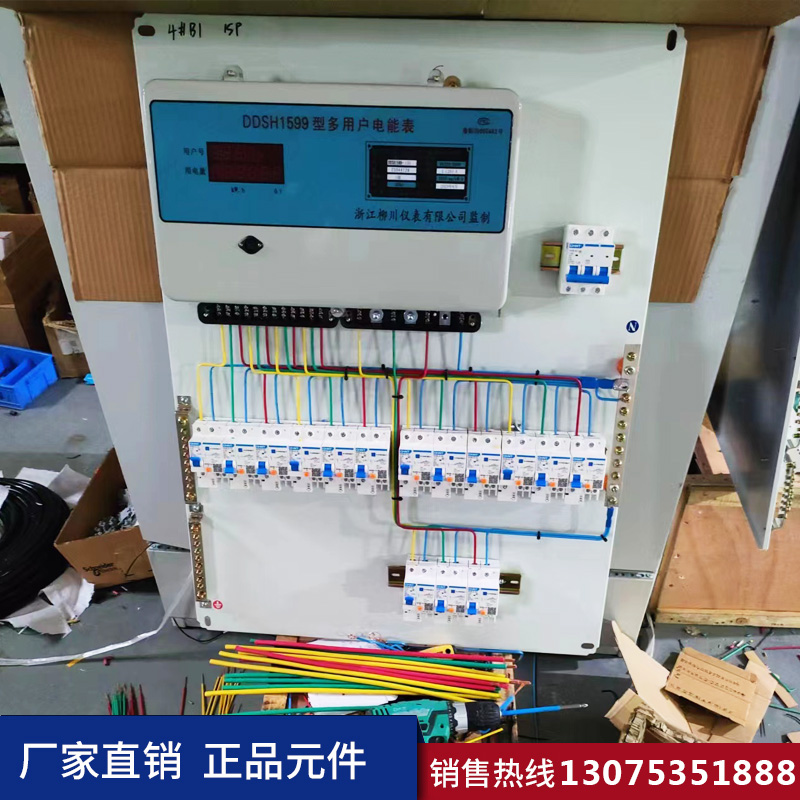
Distribution boxes and cabinets, control panels, switchboards, electrical cabinets, etc., are complete sets of equipment that centrally install switches, meters, and other devices.
Principle
The distribution box is assembled with switchgear, measuring instruments, protective devices, and auxiliary equipment according to electrical wiring requirements, in a sealed or semi-enclosed metal cabinet or panel. It forms a low-voltage distribution box. During normal operation, circuits can be connected or disconnected using manual or automatic switches. In the event of a fault or abnormal operation, the protective devices will disconnect the circuit or trigger an alarm. The measuring instruments can display various parameters during operation and can adjust certain electrical parameters, providing alerts or signals for deviations from normal operating conditions.
Reason
1.1 Faults caused by environmental temperature affecting low-voltage electrical equipment
Low-voltage electrical appliances in the distribution box include fuses, AC contactors, residual current protective devices, capacitors, and meters. The maximum ambient air temperature should not exceed 40℃; the average 24-hour ambient air temperature should not exceed 35℃; and the minimum ambient air temperature should be no lower than -5℃ or -25℃.
The distribution boxes for rural grid transformation operate outdoors, exposed to direct sunlight which generates high temperatures. Additionally, the operation itself generates heat. Therefore, during the peak summer season with extreme heat, the internal temperature of the box can reach above 60℃, which is significantly higher than the environmental temperature specified for these electrical appliances.
1. Faults caused by product quality issues
During the rural power grid renovation, due to the large quantity of distribution boxes required and the short construction period, the distribution box factory urgently needed a large number of low-voltage electrical supplies. This led to a relaxed requirement for product quality, resulting in some products failing soon after operation. For instance, some models of AC contactors failed to operate shortly after being installed in the distribution box due to the burnout of the contactor's closing coil.
1. Fault caused by improper selection of electrical appliances in the 3-way distribution box
Due to an inadequate selection of the contactor capacity during manufacturing, the same capacity AC contactors were installed in different outgoing circuit loops, and the unbalanced condition of the three-phase load was not considered, resulting in the inability to upgrade the current rating of some outgoing contactors by one level above the normal selected model.

Enhanced
2.1 For distribution boxes with transformer capacities of 100kV·A or more, temperature control relays (JU-3 type or JU-4 ultra-miniature temperature relays) and axial flow fans should be installed near the side wall of the internal heat dissipation window. They should be mounted on the left side of the control panel above the box body to automatically activate exhaust fans when the internal temperature reaches a certain level (e.g., 40℃), forcibly expelling heat for box cooling.
2.2 Employ protective circuits to prevent external circuit failures from affecting the power supply to the distribution box. Select a compact intelligent phase-loss protector, such as the DA88CM-II motor phase-loss protector module (Shanghai product), to be installed inside the distribution box to prevent motor burnout due to low-voltage phase loss operation.
2.3 Improved the wiring method of the low-voltage capacitor bank in the original distribution box, changing its installation position from the AC contactor's top terminal to between the low-voltage input line of the distribution box and the meter. This prevents inaccurate measurement of the metering device due to phase failure in the capacitor circuit or capacitor damage during operation. In addition, the capacitor should be selected from the BSMJ series to ensure reliable component quality and safe operation.
2.4 If an additional pole-mounted distribution equipment bracket is to be installed, you may opt for 2mm thick stainless steel sheets when manufacturing the distribution box casing. Increase the size of the distribution box proportionally (based on the JP4-100/3W model used in rural reform projects, increase the width of the original casing by approximately 100mm, changing from the original 680mm to 780mm. The improved distribution box dimensions are: 1300mm x 780mm x 500mm), to enhance the electrical safety distance between different branch outlets, between outlets and the box casing. This facilitates the operation, maintenance, and replacement of fuses for rural electricians, while also aiding in heat dissipation.
2.5 Select energy-saving AC contactors (similar to CJ20SI type) and ensure that the AC contactor coil voltage is connected to the corresponding terminal of the selected residual current action protector. Pay attention to proper load matching. When selecting an AC contactor, choose one with an insulation grade of A or higher, and ensure that the rated current of its main circuit contacts is greater than or equal to the load current of the controlled circuit. The rated voltage of the contactor's electromagnetic coil is 380V or 220V.
2.6 Selection of Residual Current Circuit Breakers. It is mandatory to choose products that comply with the standard GB 6829 "General Requirements for Residual Current Circuit Breakers" and are certified as qualified by the China Electrotechnical Product Certification Committee. Options include similar LJM (J) series energy-saving models with low sensitivity and time-delayed protection. The installation method of the protector must conform to the national standard GB13955-2005 "Installation and Operation of Residual Current Circuit Breaker Devices." The breaking time of the leakage protector should not exceed 0.1 seconds when the leakage current is equal to the rated leakage current.
2.7 The incoming and outgoing lines of the distribution box are selected with low-voltage cables. The selection of cables should meet the technical requirements. For example, the incoming line of the distribution box for 30kVA and 50kVA transformers uses VV22-35×4 cables, while the branching outgoing lines use the same specification of VLV22-35×4 cables; the incoming lines of the distribution box for 80kVA and 100kVA transformers use VV22-50×4 and VV22-70×4 cables, respectively, and the branching outgoing lines use VLV22-50×4 and VLV22-70×4 cables, respectively. After the cables are crimped with copper-aluminum terminal nuts, they are then connected to the distribution box's terminal posts with bolts.
2.8 Selection of Fuses (RT, NT Type). The rated current of the total overcurrent protection fuse on the low voltage side of the distribution transformer should be greater than the rated current of the low voltage side of the transformer, usually taken as 1.5 times the rated current. The rated current of the fuse element should be determined based on the transformer's allowable overload factor and the fuse characteristics. The rated current of the fuse element for overcurrent protection in the outgoing line should not exceed the rated current of the total overcurrent protection fuse. The rated current of the fuse element should be selected based on the normal high load current of the circuit and should avoid normal peak currents.
2.9 To analyze reactive power in rural low-voltage power grids, a DTS(X) series integrated active/reactive multifunctional electric energy meter (mounted on the metering board side) is installed inside the box. This replaces the original three single-phase electric energy meters (DD862 series) to facilitate online monitoring of load operation.

Product Selection
There are numerous types of distribution cabinets in domestic power supply and distribution systems, each with different cabinet structures and technical specifications. Due to the influence of various factors, well-designed drawings often require modifications, sometimes even complete redesigns. This not only affects the construction schedule of the power supply and distribution system but also poses certain difficulties for manufacturers in completing the production of distribution cabinets on time and up to quality standards.
Factors affecting changes to pre-designed drawings include:
Manufacturers of electrical distribution panels may recommend their products to customers, even though they may not be the most suitable for the customers' needs.
2. The design institute isn't very familiar with some newly launched cabinet models; it designs based solely on customer requirements.
3. Customers often have a limited understanding of their own needs, making it difficult to select the right cabinet type based on their requirements.
To address the aforementioned issues and meet users' need for a more accurate selection of specific distribution box models, the following analysis is provided on the characteristics of low-voltage distribution boxes commonly used in domestic power supply and distribution systems.
The following analyzes the cabinet structure and technical parameters of the aforementioned imported electrical distribution cabinets.
Key features of domestically manufactured distribution boxes include varying specific models from domestic manufacturers, differing structural designs, and the main electrical components installed can be either imported renowned brands or domestic ones.
The following details the relevant technical specifications.
1. Main Busbar Rated High Current: The rated current that the main busbar can carry.
2. Rated Short-Time Current: The root mean square (RMS) value of the short-time耐受 current that a specific circuit within the complete set of equipment can safely carry under the test conditions specified in section 8.2.3 of the national standard GB7251.1-2005, as provided by the manufacturer.
3. Peak Short-Time Current Tolerance: The maximum peak current that the manufacturer specifies the circuit can withstand under the specified test conditions.
4. Enclosure Protection Class: The level of protection provided by a complete set of equipment according to IEC60529-1989 standard, which prevents access to live parts, the intrusion of foreign solid particles, and the entry of liquids. Specific classification details are available in the IEC60529 standard.
5. Internal Partitioning Methods: Different ways of independently partitioning switchgear into separate compartments, in accordance with IEC60529-1989 standard, for the protection of personal safety.
Technical specifications among different models of distribution boxes vary greatly, and imported distribution boxes generally have superior technical parameters compared to domestic ones, but it cannot be assumed that imported distribution boxes are always better than domestic ones.
Below, based on actual work experience, I would like to discuss the following points:
1. Imported distribution panels are developed and manufactured overseas, typically designed for global power distribution markets. Due to the varying requirements and habits of power distribution systems across different countries, imported distribution panels may not be fully suitable for the domestic market.
2. The main electrical components of the imported distribution cabinets are all imported brand products, and some cabinet bodies or auxiliary components must be imported from abroad. This generally results in the imported distribution cabinets being much more expensive than domestic ones.
3. While the technical specifications of imported distribution cabinets are high, they are often only utilized partially, and sometimes not at all. For instance, an imported distribution cabinet can accommodate more circuits than domestic ones, but only by reducing the circuit capacity, which often does not meet the users' needs.
4. While the technical specifications of domestically manufactured distribution cabinets are lower than those of imported ones, they have already met user needs in the majority of domestic power supply and distribution systems.
5. As for the quality of distribution panels, as long as manufacturers adhere strictly to the 3C production and inspection standards, the quality of domestic distribution panels is not necessarily inferior to imported ones.
In summary, when selecting the model of a distribution cabinet, the following points should be considered:
Understand the user's needs and select an appropriate cabinet type based on the actual situation.
2. Prefer using domestically produced cabinets from well-known manufacturers; avoid盲目 selecting imported distribution panels with overly high technical specifications, as this can lead to resource wastage.
3. Since the main components in imported distribution cabinets share the same brand as the cabinet body, when selecting an imported distribution cabinet, attention should be given to the parameters of the main components, which must meet the user's requirements.

NoteMatters to note
(1) The construction power distribution system should be equipped with a main distribution box, sub-distribution box, and switch box, and be arranged in a hierarchical manner following the "main-sub-switch" sequence, forming a "three-level distribution" model.
(2) The installation locations of all distribution boxes and switch boxes for construction power supply systems should be reasonable. The main distribution box should be as close as possible to the transformer or external power source for easy power intake. The distribution boxes should be installed as centrally as possible around the electrical equipment or load concentration areas to maintain balanced three-phase loads. The switch boxes should be installed as close as feasible to the electrical equipment they control, considering the on-site conditions and working conditions.
(3) Ensure the three-phase load balance of the temporary power distribution system. The power and lighting power at the construction site should form two separate power loops, with the power distribution box and lighting distribution box to be set up individually.
(4) All electrical equipment on the construction site must have its own switch box.
(5) Enclosures and internal arrangements of all distribution boxes must comply with safety regulations. Switchgear should be clearly marked for its intended use, and the enclosures should be uniformly numbered. Distribution boxes that are no longer in use should have the power supply disconnected and the doors locked. Fixed distribution boxes should be equipped with fences and have measures to prevent rain and impact damage.
(6) Difference between distribution boxes and switchboards. According to GB/T20641-2006 "General Requirements for Enclosures for Low-Voltage Switchgear and Control Gear"
Distribution boxes are typically used in residential settings, while distribution panels are more commonly employed in centralized power supply applications, such as industrial and construction power. Both distribution boxes and panels are part of integrated systems; distribution boxes are categorized as low-voltage integrated systems, while distribution panels can be either high or low voltage.