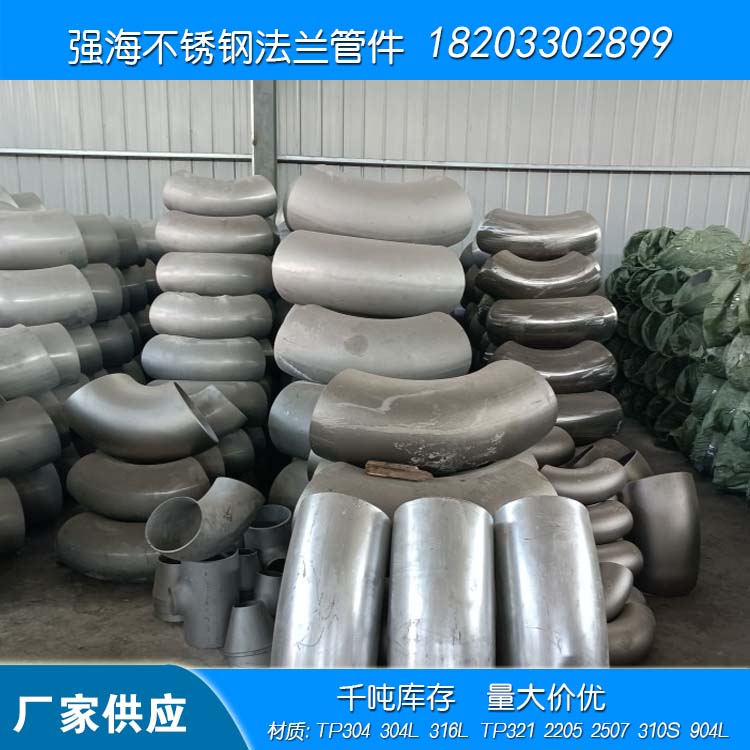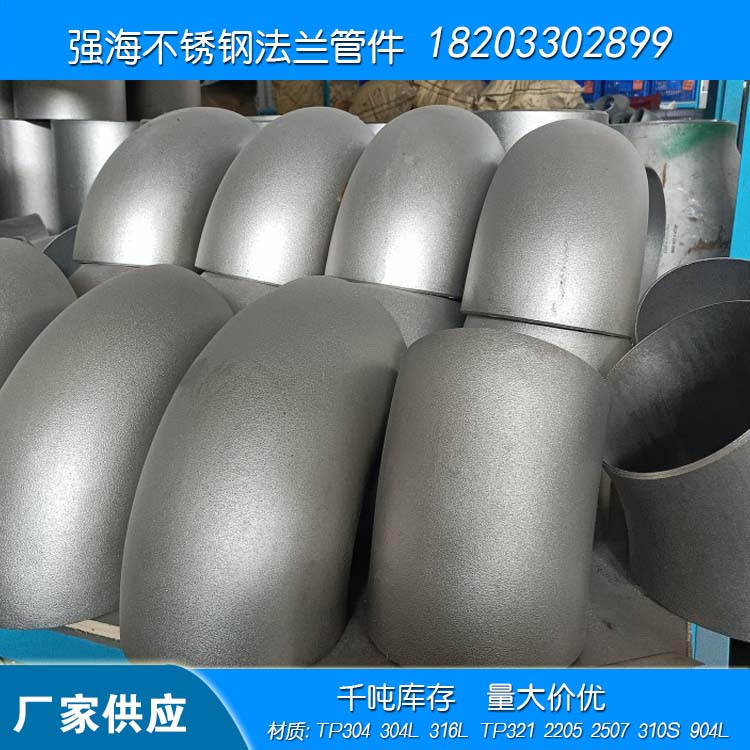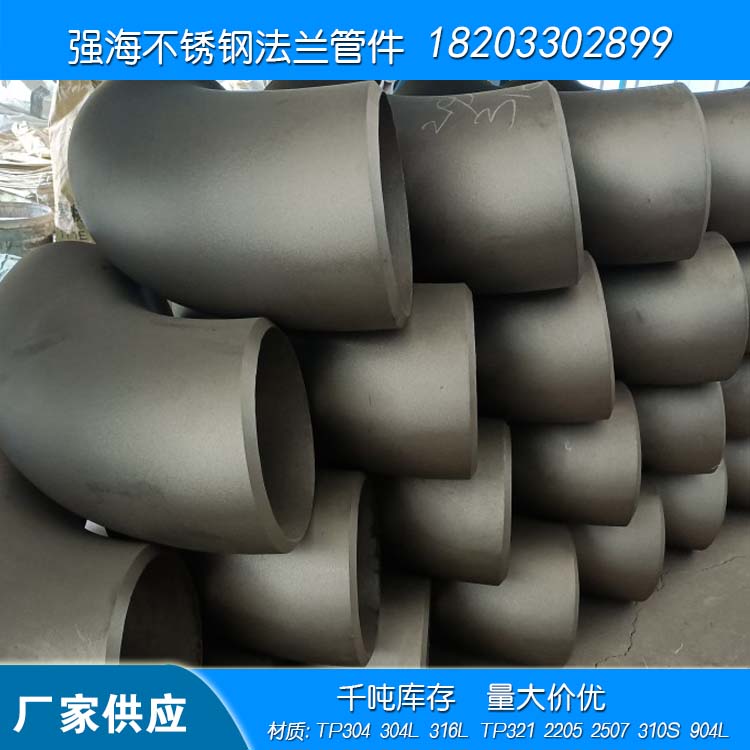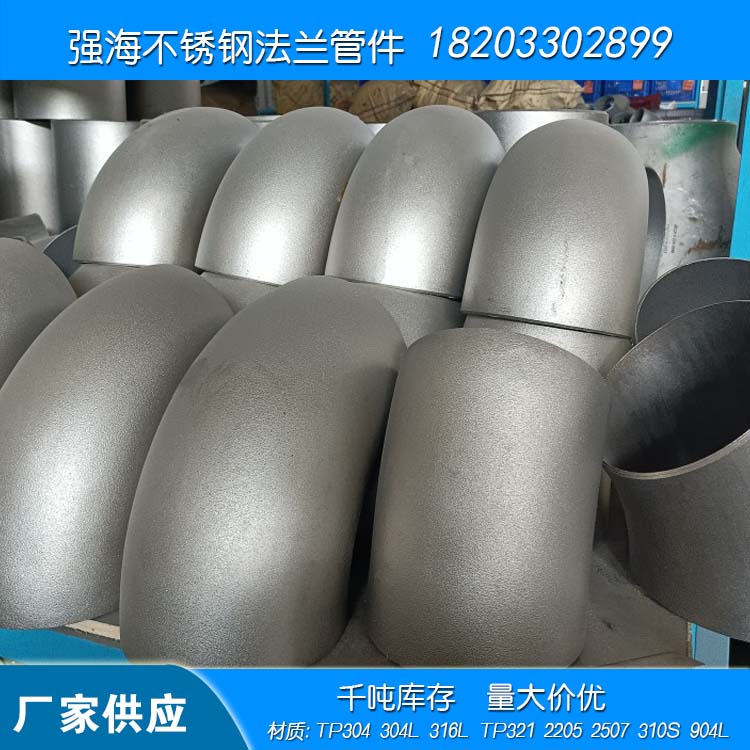
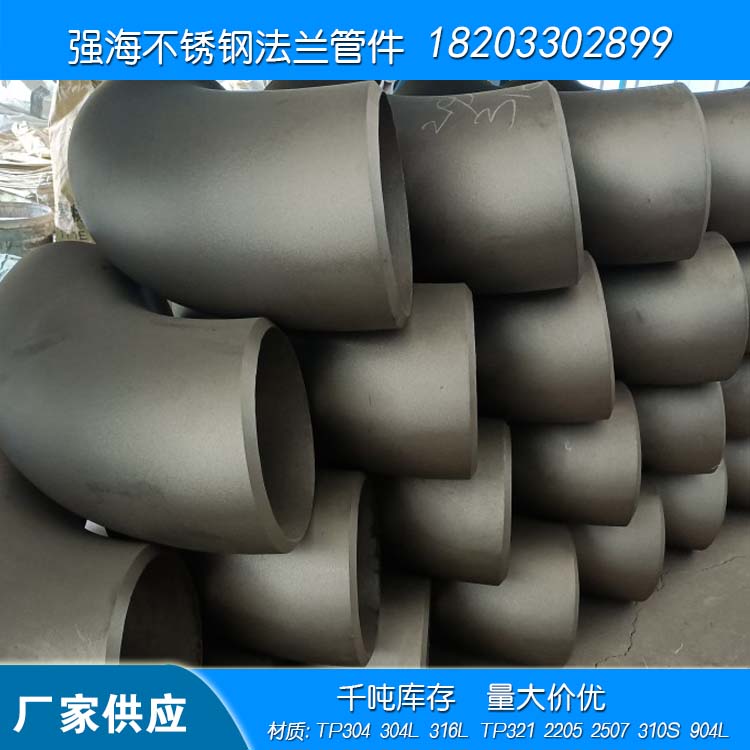


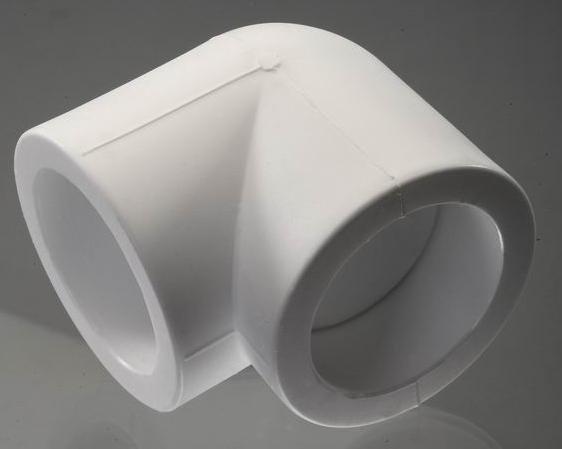





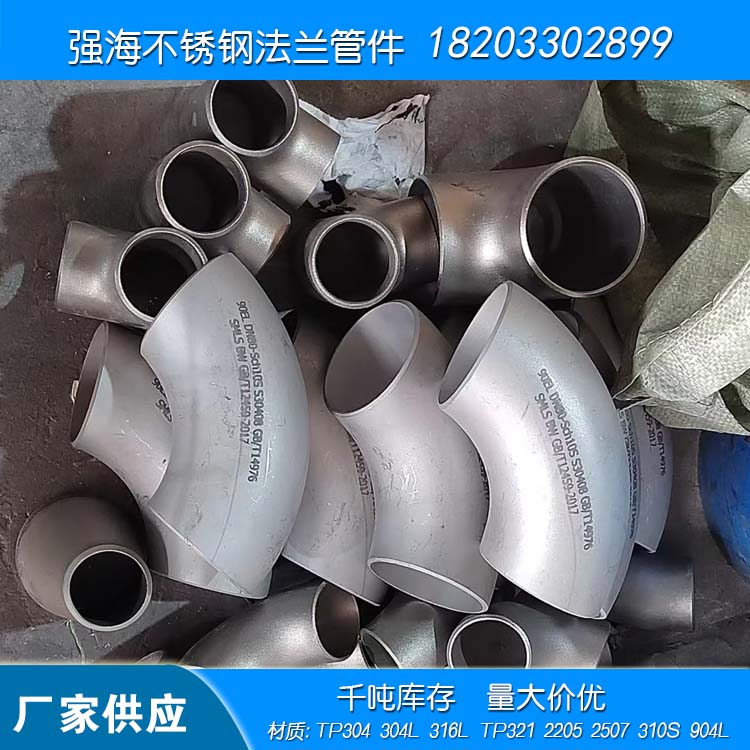


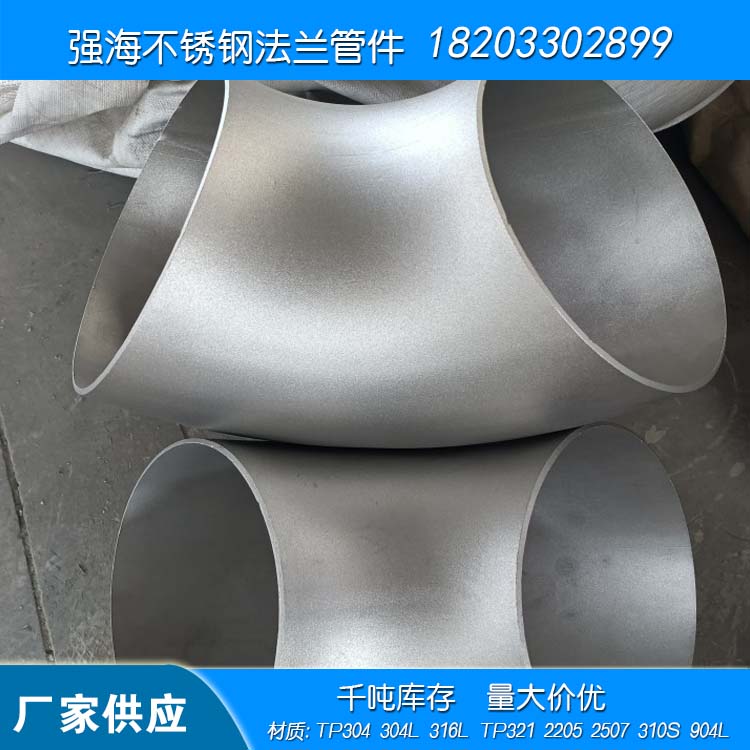
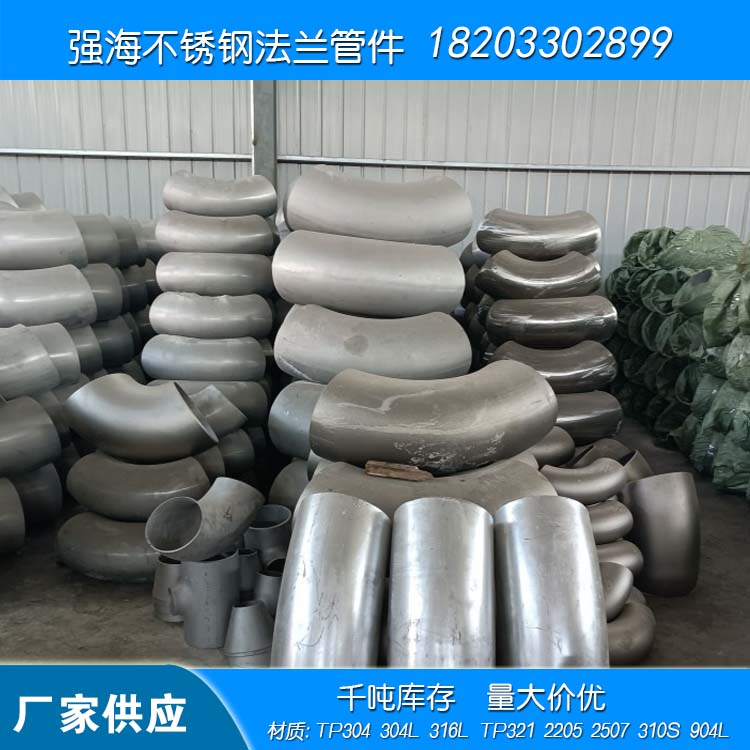
Welded elbows, forged elbows, cast elbows, etc., can be categorized according to the production process.
Divided by material: carbon steel, cast steel, alloy steel, stainless steel (304, 316, 310, 321, 301), copper, aluminum alloys, etc. (However, the small wooden factories are all forgings).
Manufacturing methods include: extrusion, forging, stamping, casting, etc. (Nowadays, it's mostly pure forging.)
304 stainless steel elbows can be further divided into equal diameter elbows and unequal diameter elbows. Equal diameter elbows are used to connect pipes with the same outer diameter, while unequal diameter elbows are used to connect pipes with different outer diameters.
Manufacturing standards include: National Standard, Electrical Standard, Water Standard, American Standard, German Standard, Japanese Standard, etc.
By radius of curvature: They can be divided into long-radius elbows and short-radius elbows. A long-radius elbow refers to its radius of curvature being equal to 1.5 times the outer diameter of the pipe, i.e., R = 1.5D. A short-radius elbow refers to its radius of curvature being equal to the outer diameter of the pipe, i.e., R = 1.0D. (D is the elbow diameter, R is the radius of curvature.)
Ranging by pressure class, there are approximately seventeen types, which are identical to the American pipe standards. These include: Sch5s, Sch10s, Sch10, Sch20, Sch30, Sch40s, STD, Sch40, Sch60, Sch80s, XS; Sch80, SCH100, Sch120, Sch140, Sch160, XXS; with STD and XS being the most commonly used.