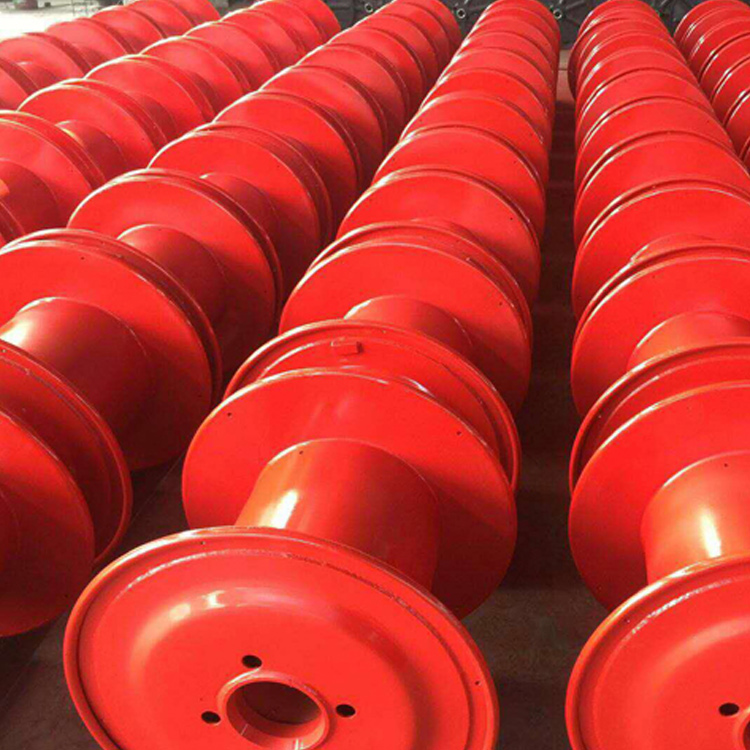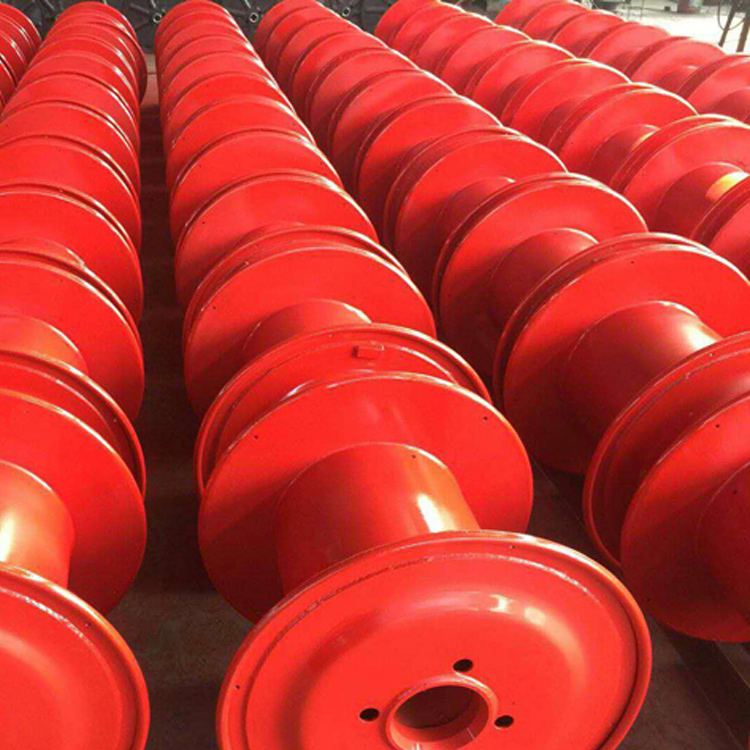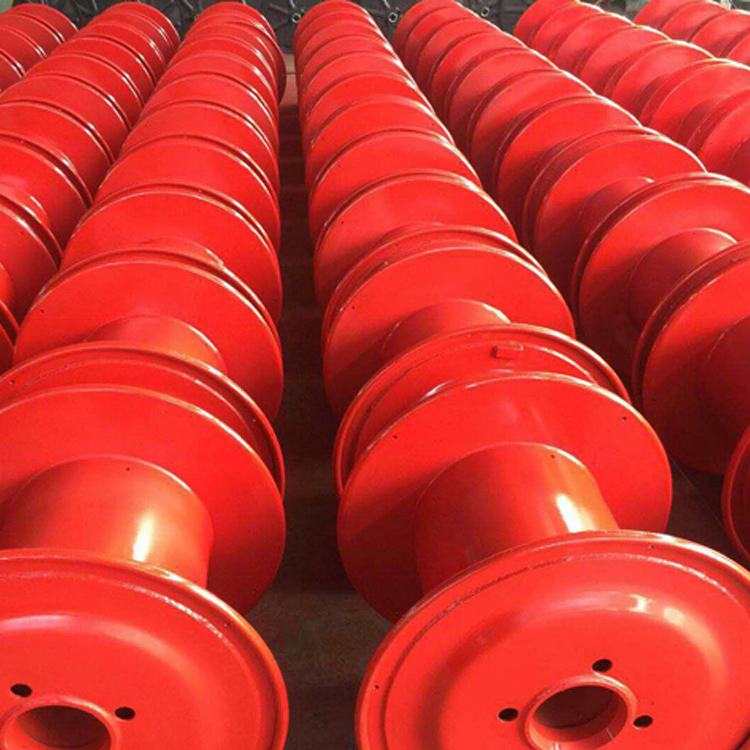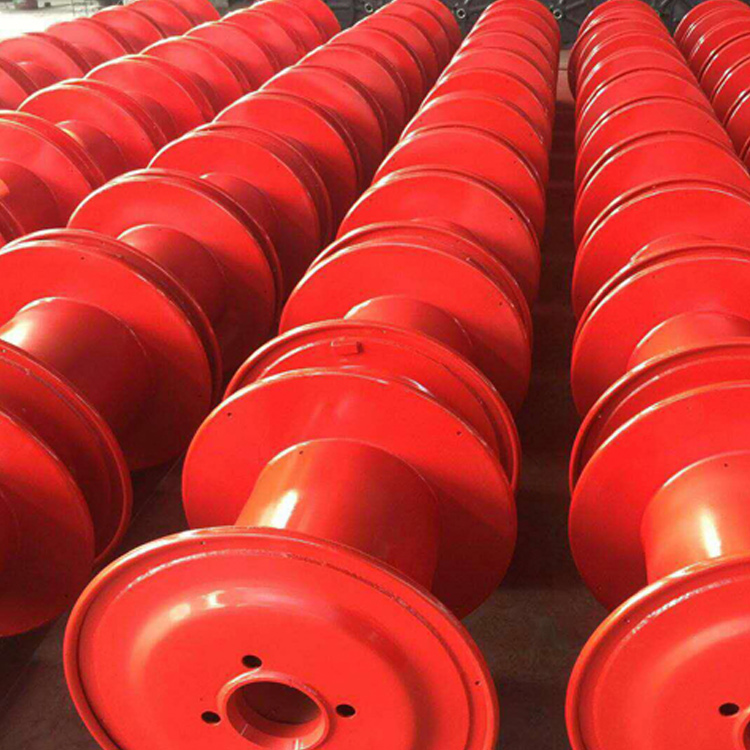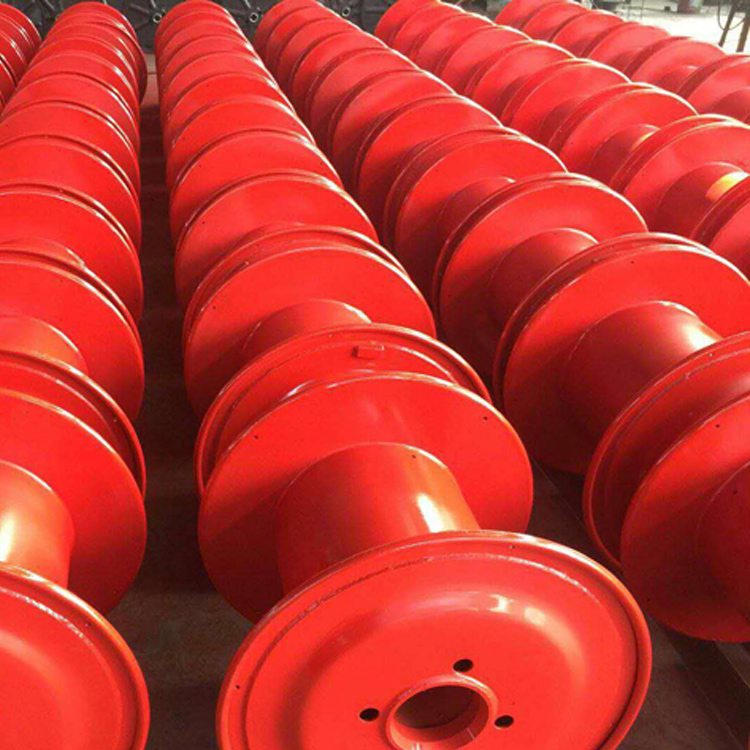

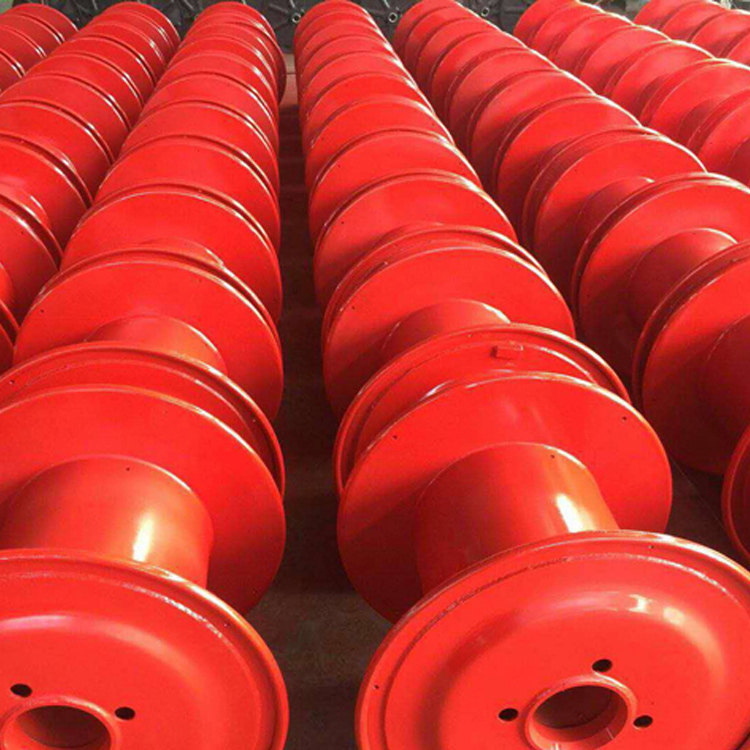
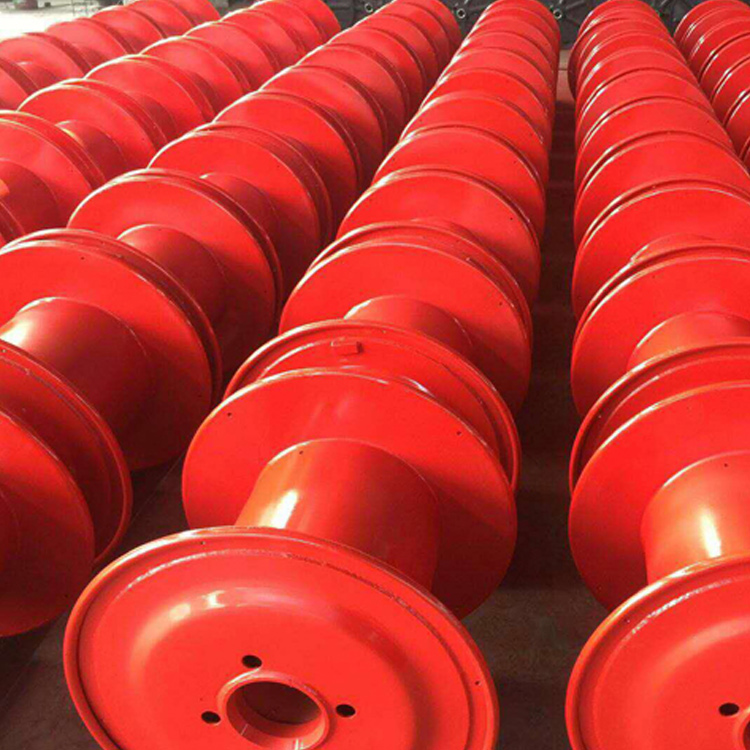









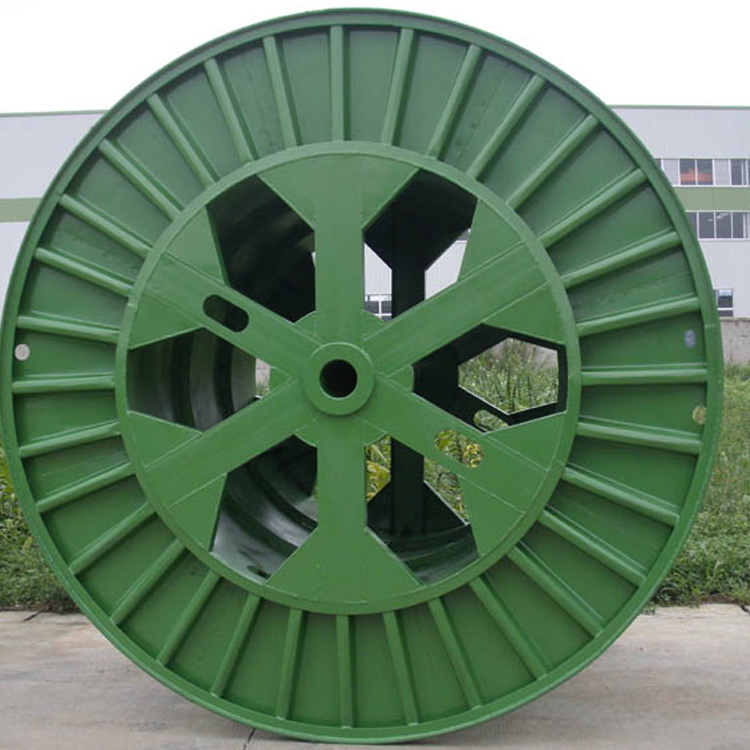
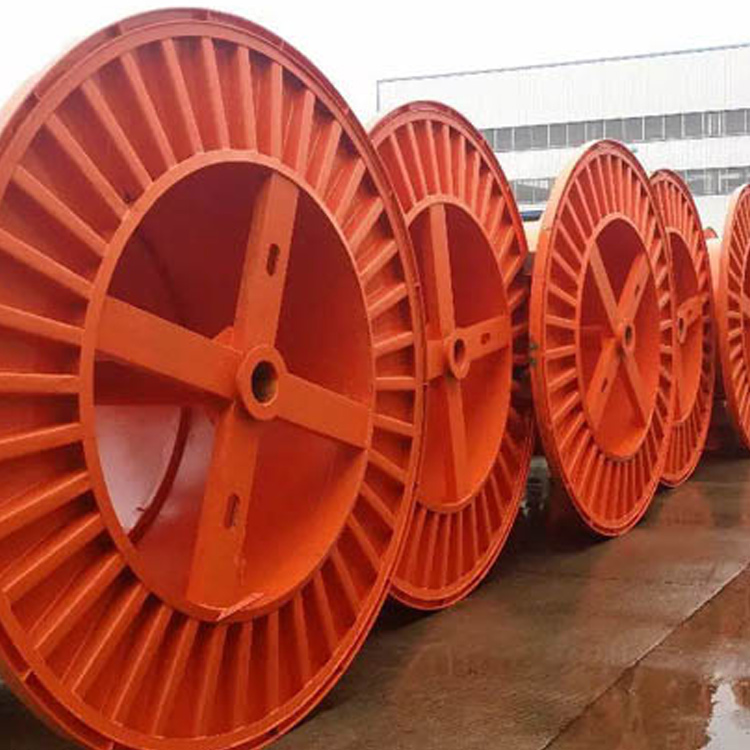
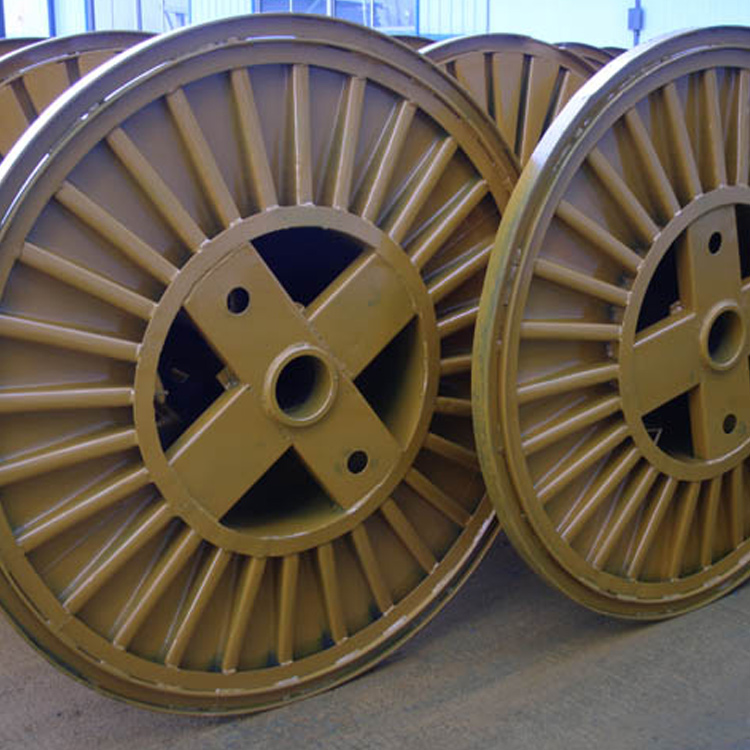
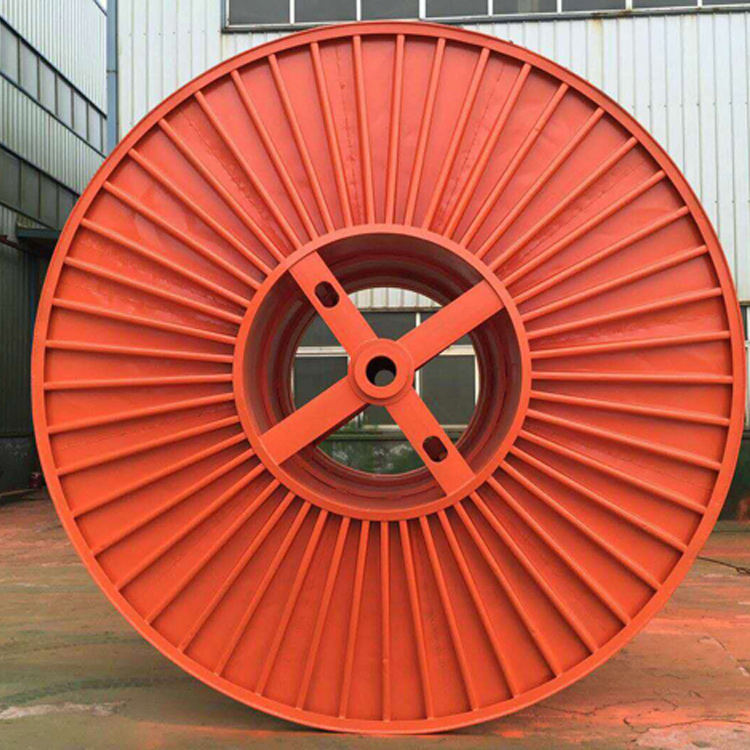
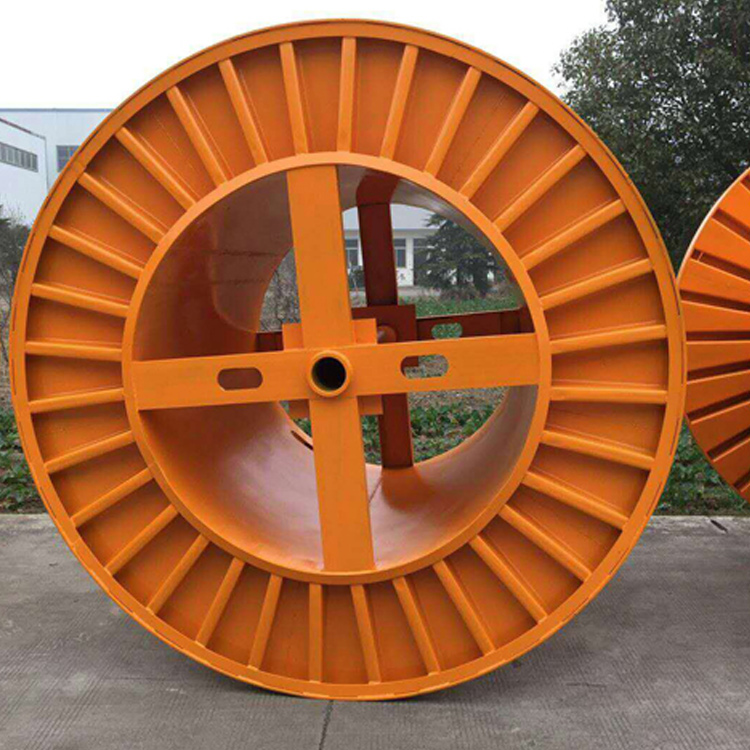
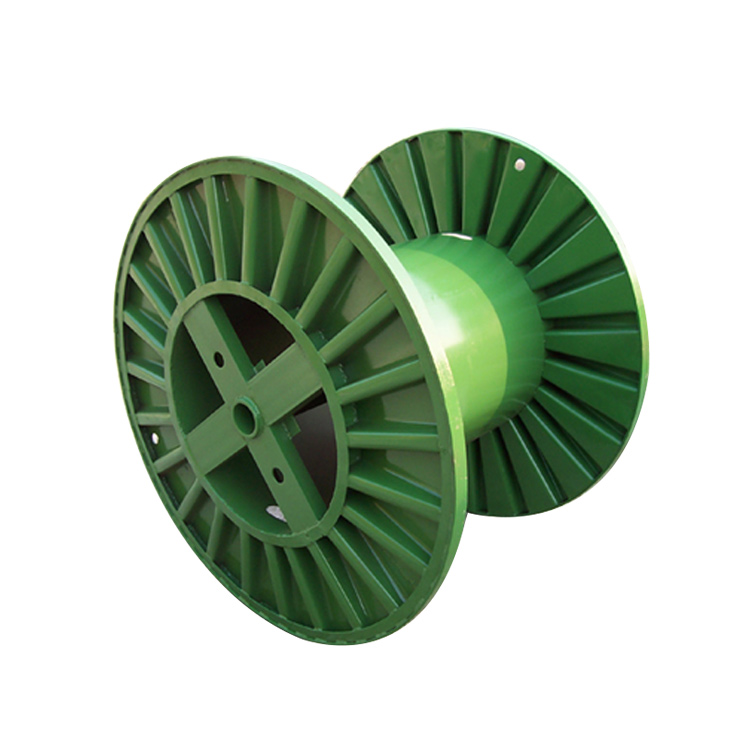
Manufacturers of spool cables should pay attention to the following issues during the transportation of spool cables, as cable products need to go through certain transportation and storage processes from the factory to the hands of the customer.
Prior to shipping, cable reel manufacturers should inspect the integrity of the cable packaging, the accuracy of the cable certificate, the tightness of the cable end caps, and ensure they are securely fastened to the cable reel. Additionally, check for any loose or falling off on the cable reel side panels. Only after confirming there are no issues should transportation proceed.
(2) When unloading, it is strictly prohibited to push the cable drum directly off the transport vehicle if there is no lifting equipment. Directly pushing it down not only damages the cable drum but also increases the risk of mechanical damage to the cable. For smaller cable drums, a ramp can be constructed using wood, and then the drum can be slowly rolled down the ramp using a winch or rope.
(3) Cable reels are not allowed to be transported flat. Laying them flat can cause the cables to become loose and easily damage the cable reels.
When loading, it is generally recommended to use a loader (forklift) or crane. It is strictly prohibited to hoist multiple reels of cable at the same time. If hoisted this way, the reels will not be evenly distributed in terms of force, and the center of gravity will be unstable, making it prone to slipping and falling.
Ensure that cable reels mounted on vehicles are properly stuffed to prevent them from rocking, colliding with each other, or toppling over. When handling coiled power cables, do not throw them; handle them gently during transport and be cautious to avoid mechanical damage. Coiled soft wires can be stacked or transported in containers during shipping, but the stacking height should not be too high. The stacks should be in close contact or securely fastened to prevent collapse and damage to the cables.
(4) Rolling of Cable Coils. When cable coils are rolling on the ground, the manufacturer must control them within a short distance. The rolling direction must be the same as indicated on the side of the cable coil. Rolling in the opposite direction may cause the cable to unravel and become loose or fall off. After the cables are transported to the destination, they should be inspected promptly to check for any damage. If damage is found, contact the manufacturer immediately for assistance. Under no circumstances should damaged cables be put into use to prevent adverse consequences.
Critical engineering cables or export cables should have protective plates nailed inside the cable drum opening, with the plates tightly adhering to the cable bundle. In case the cable drum is struck during transportation, the protective plates can provide effective protection.
(5) When loading cables onto reels, the ends should be securely sealed. The cable ends extending beyond the reel should be covered with a protective cap. During transportation, ensure there is sufficient space on the side of the cable reel to prevent damage to the cable seals.
(6) On vehicles, ships, and other conveyances, cable reels should be arranged in an interlaced pattern. The reels must be securely placed and fastened to the vehicle with steel cables on both sides. Additionally, a triangular wedge should be inserted at the bottom of the cable reel to prevent movement, collision, or tipping during transportation.
(7) When transporting large cable reels, it's crucial to select appropriate road transport equipment. If using heavy-duty trucks, ensure the vehicle height complies with the height restrictions of bridges, tunnels, and other road structures. If the limit is exceeded, consider using a trailer to reduce the transportation height.