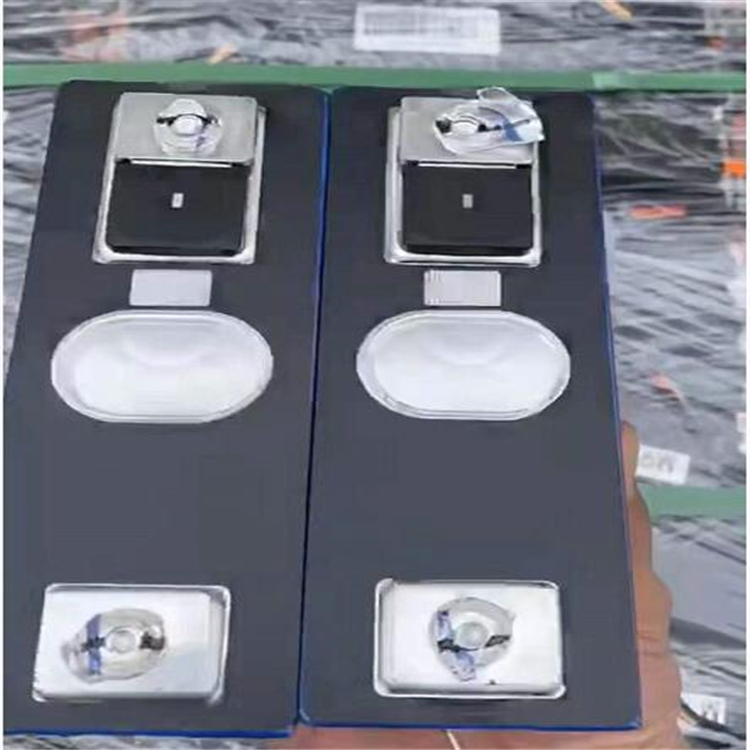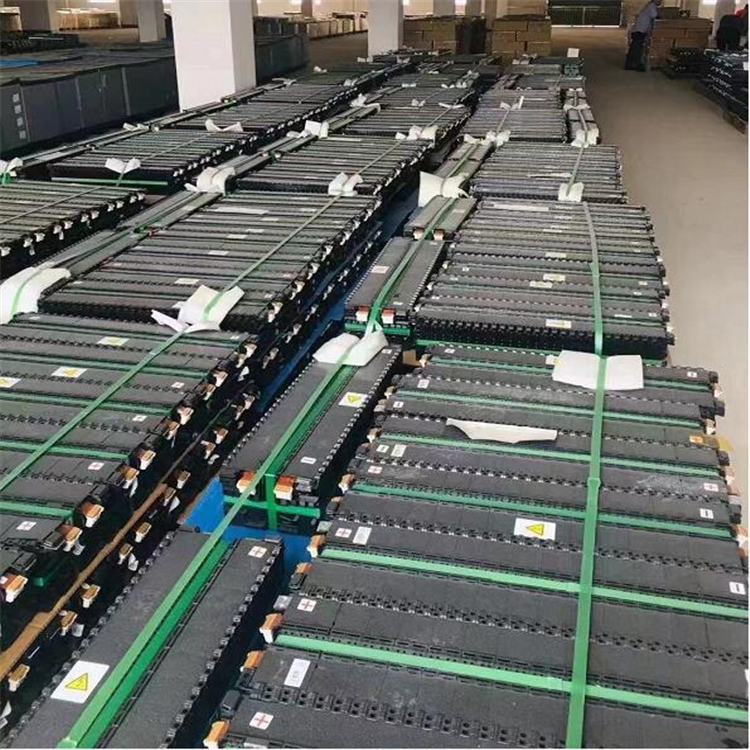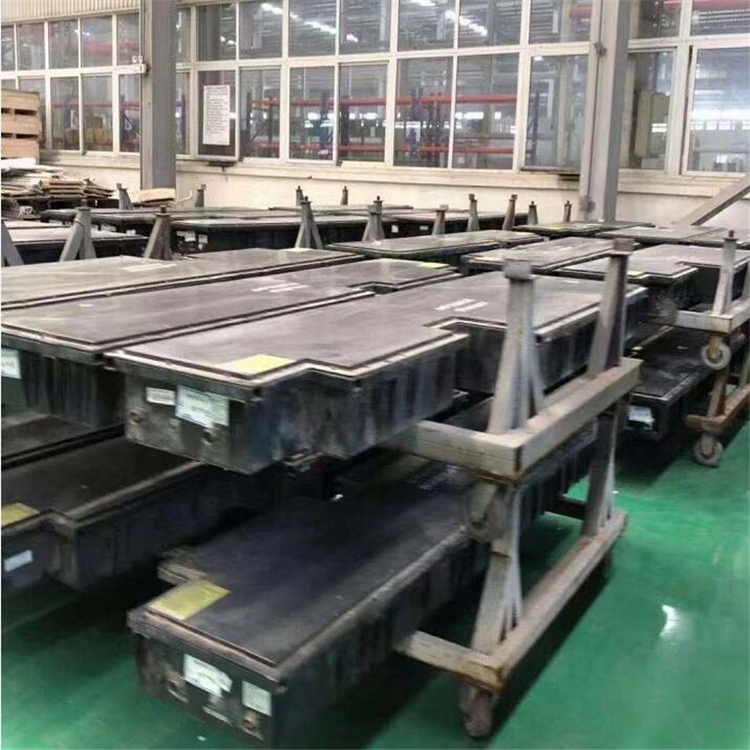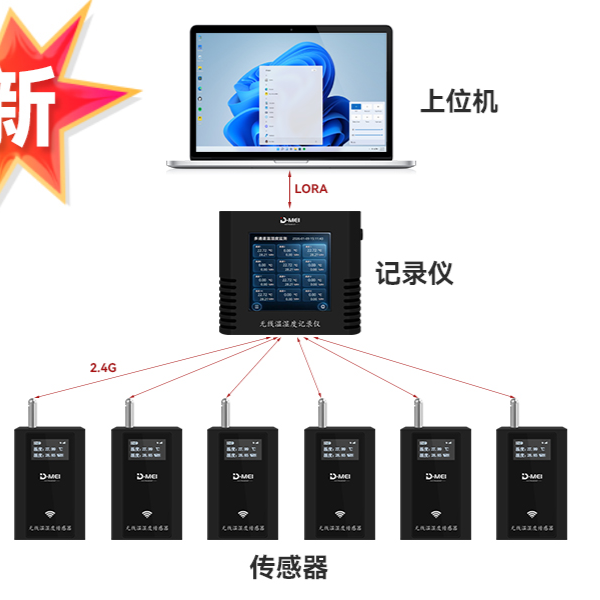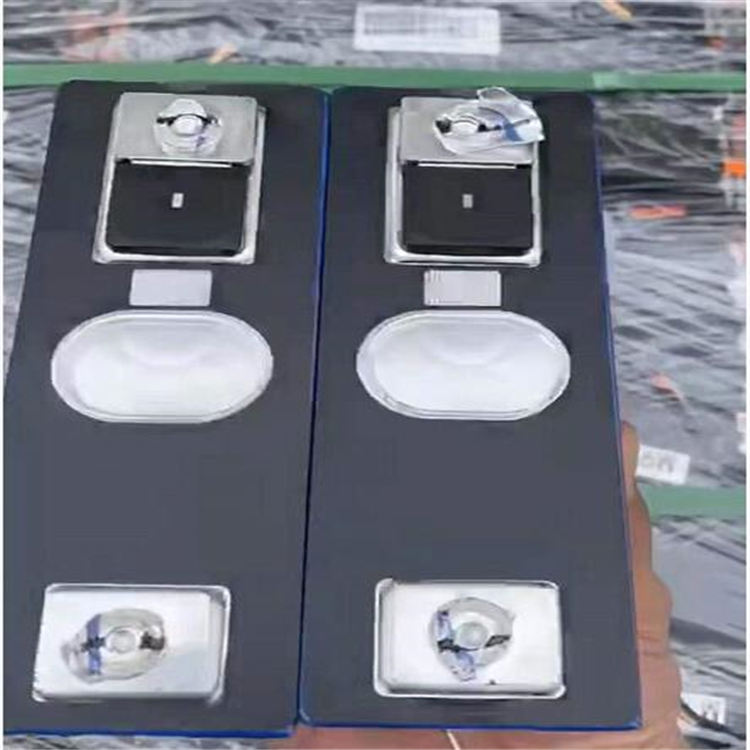

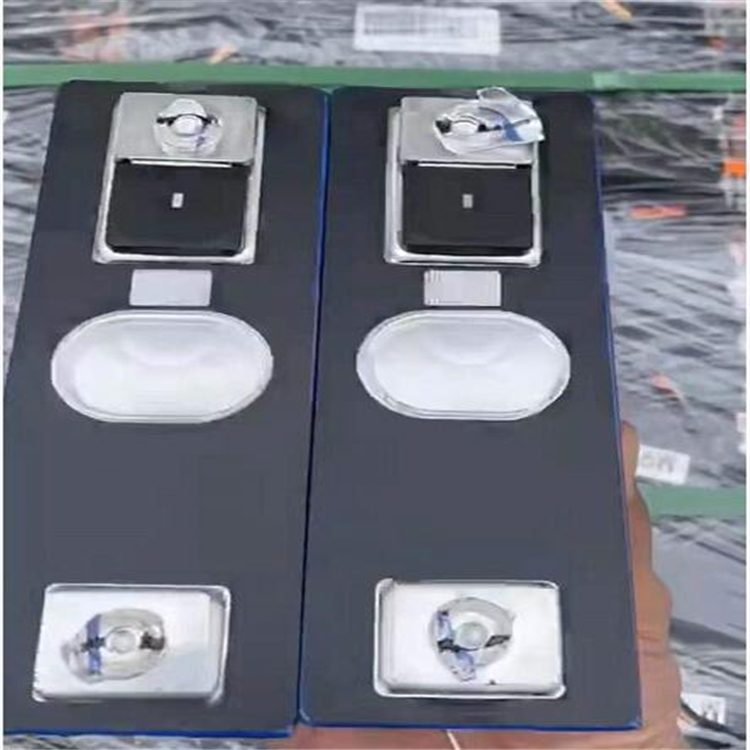

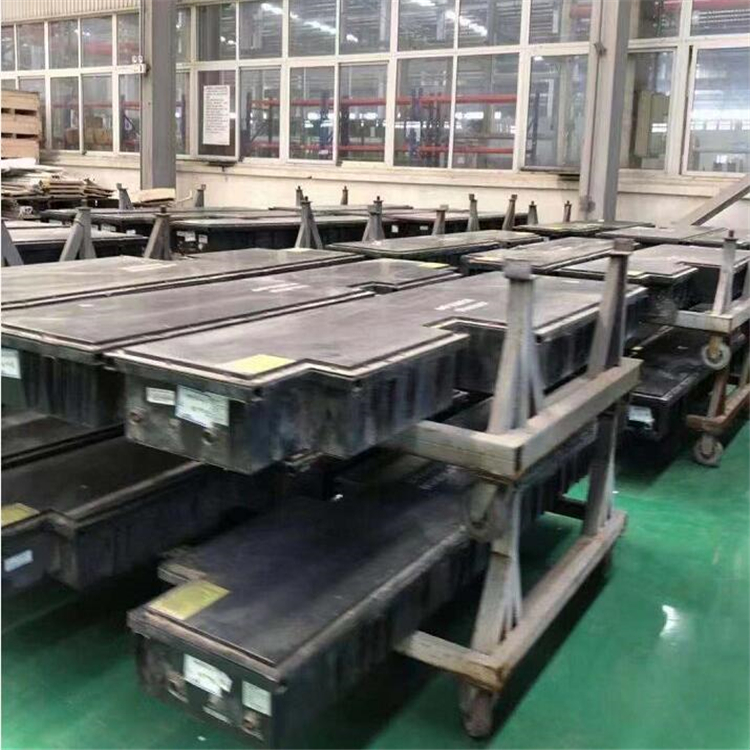







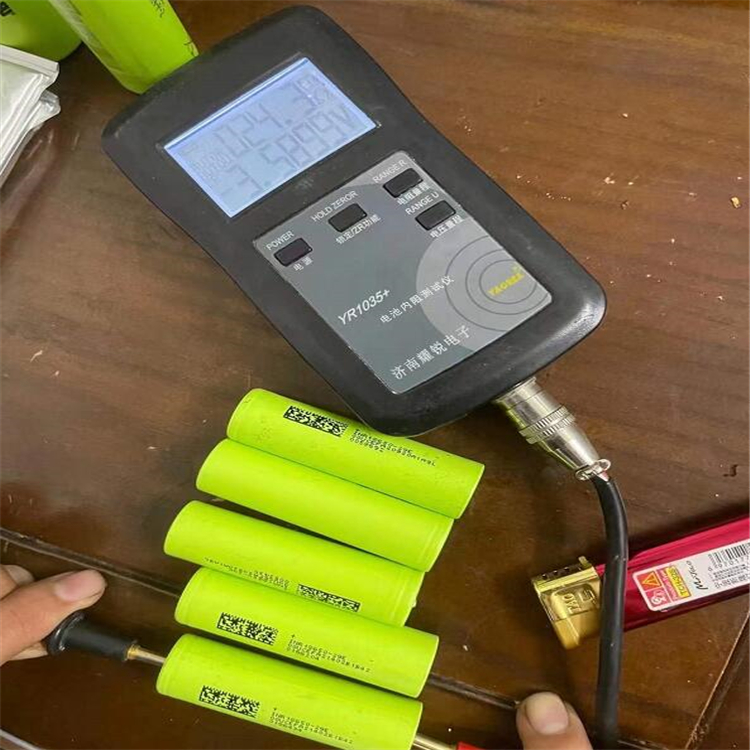
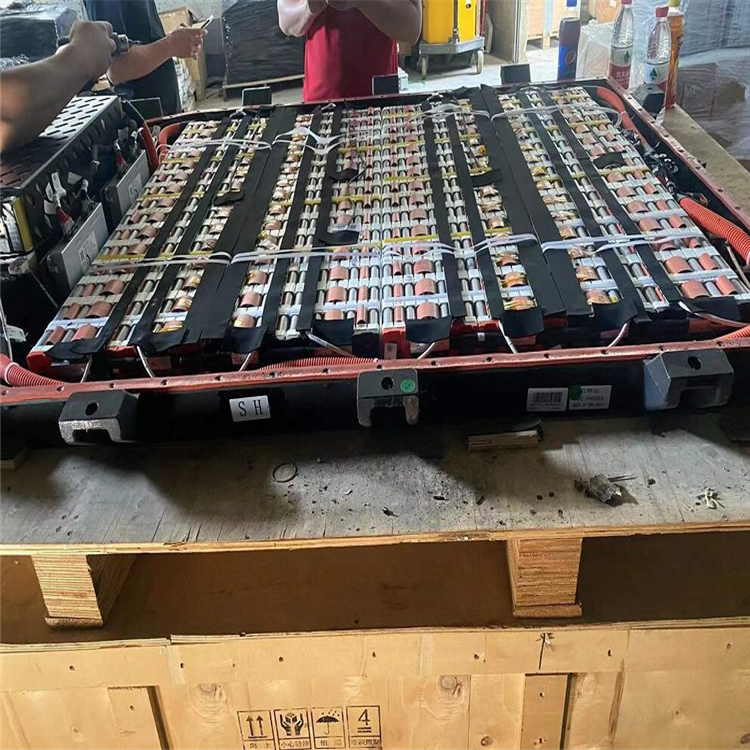
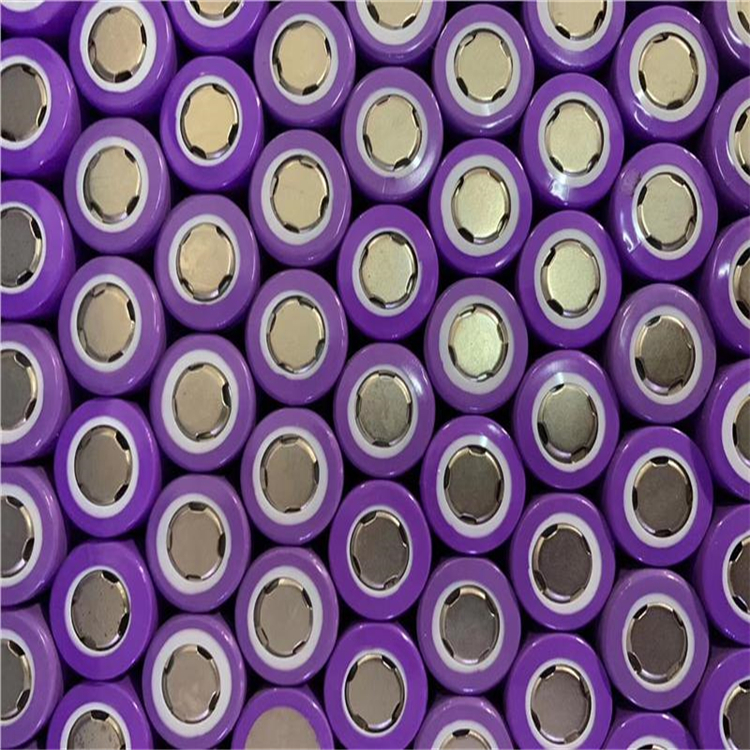

Recycled battery utilization refers to the reuse of spent batteries through recycling. In China, lead-acid batteries are widely used in industrial applications, with lead accounting for over 50% of the total cost of the battery. The primary processes employed include pyrometallurgy, hydrometallurgy, and solid-state electrolytic reduction technology. The casing is made of plastic, which is recyclable, and基本上 achieves**zero secondary pollution**.
Battery Recycling, Why Recycle Used Batteries:
Waste batteries discarded in the environment can affect the pH of soil and water systems with their acidic and alkaline electrolyte solutions, leading to acidification or alkalization. Heavy metals like Hg and cadmium, when absorbed by organisms, enter the human food chain through various pathways, accumulating in the human body and causing deformities or mutations, even leading to death. A single button battery can contaminate 600,000 liters of water, equivalent to an individual's lifetime water intake. A single battery left in the ground can render one square meter of land unusable. Among the five substances posing the greatest threat to the natural environment, batteries contain three of them.

Battery Recycling, Features of Lithium-ion Batteries:
High open-circuit voltage: The individual battery cell voltage typically reaches 3.6V, which is three times that of a standard nickel-hydrogen or nickel-cadmium battery.
2. High Energy Density: Taking the UR18650 battery as an example, its mass energy ratio and volume energy ratio can reach 125Wh/kg and 300Wh/cm³, respectively.
3. High output power, suitable for high current charging and discharging.
4. Excellent cyclic performance, no memory effect.
5. Low self-discharge: At room temperature, the self-discharge rate is less than 12%, with nickel-cadmium batteries (about 25% per month) and nickel-metal hydride batteries (about 15% per month). Due to the formation of a solid electrolyte interface (SEI) phase film on the carbon negative surface during the charging and discharging process, this film allows ions to pass through but not electrons, effectively preventing the self-discharge process.
6. Charge and Discharge: After cycling, the Coulomb efficiency can reach;
7. Wide operating temperature range: -25 to +45°C; if the thermal stability of the positive material and electrolyte can be improved, the operating temperature range can be expanded to -40 to +70°C.
8. Eco-friendly Chemical Energy: Lithium-ion batteries are free of pollutants and represent a highly environmentally friendly chemical energy storage device.
9. Long cycle life: With 80% discharge depth, the cycle life exceeds 1200 cycles; with a shallower discharge depth, the cycles can reach over 5,000.
10. Excellent processing flexibility, capable of producing batteries in various shapes, such as cylindrical and soft-pack. Consequently, lithium-ion secondary batteries offer significantly superior advantages compared to traditional secondary batteries.
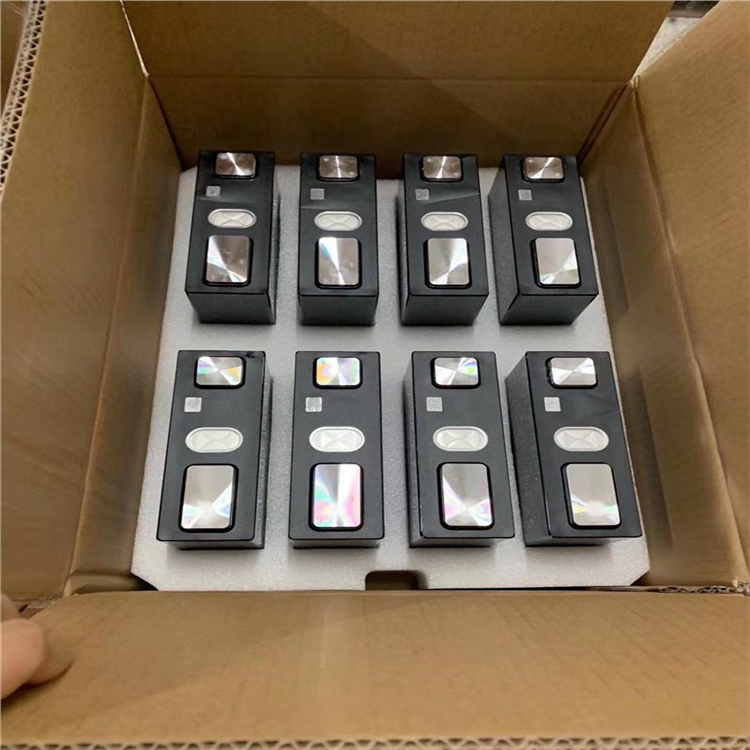
Battery recycling is crucial; discarding used batteries carelessly can contaminate our water sources and erode the crops and land upon which we depend, posing significant threats to our living environment. Therefore, it is necessary to recycle and reuse spent batteries. This not only prevents environmental pollution but also allows for the reuse of valuable components, conserving resources.
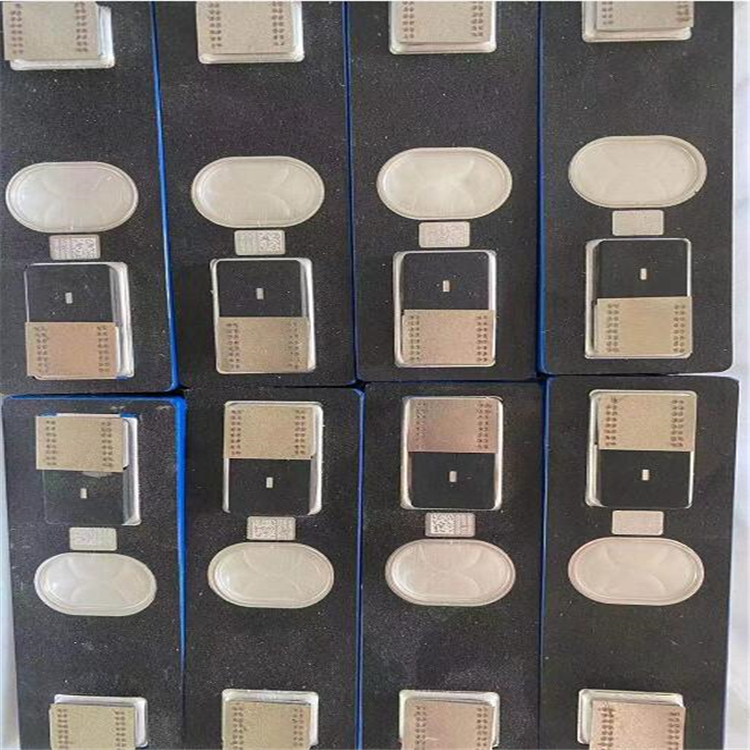
Battery Recycling: What are the methods of recycling and utilizing spent batteries?
1. The method for heat treatment involves grinding the old batteries and sending them to the furnace for heating. At this point, the emitted Hg can be extracted; at higher temperatures, zinc also evaporates, which is also a precious metal. The melting of iron and manganese forms the manganese iron alloy required for steelmaking.
2. Wet Processing: In the wet processing facility, all types of batteries, except for lead-acid batteries, are dissolved in sulfuric acid. Various metals are then extracted from the solution using ion exchange resins. The raw materials obtained through this method are purer than those from heat treatment, making them more expensive on the market. Moreover, 95% of the substances contained in the batteries can be extracted. Wet processing eliminates the sorting process (since sorting is a manual operation and increases costs).
3. Vacuum Heat Treatment: First, nickel-cadmium batteries must be sorted from the waste batteries. The waste batteries are then heated in a vacuum, where Hg rapidly evaporates, allowing for its recovery. The remaining material is then ground and metal iron is extracted using magnets. Nickel and manganese are then extracted from the remaining powder. The cost to process one ton of waste batteries is less than 1,500 marks (now approximately 6,345.18 RMB)!!
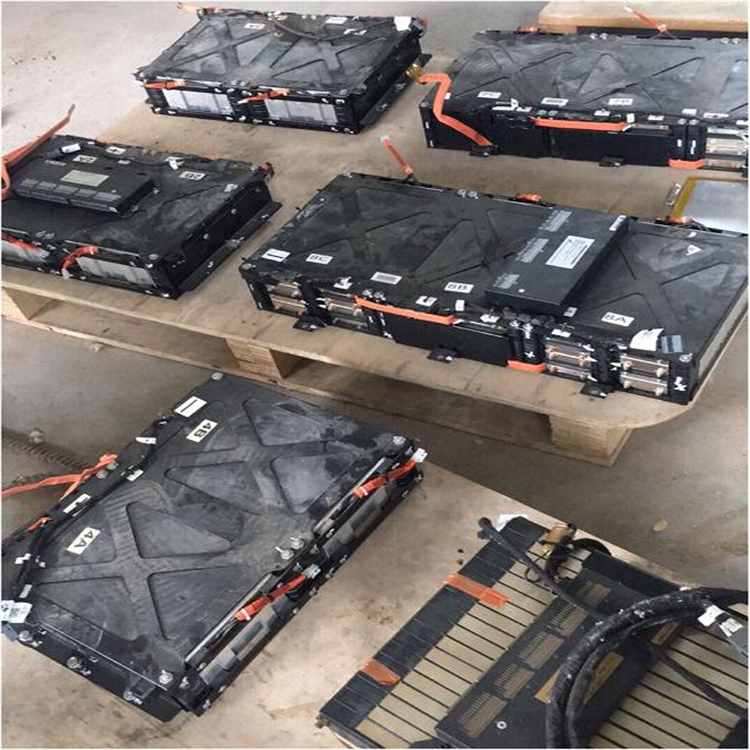
Battery recycling, the process of recycling and disposing of used batteries generally includes the following points:
1. Category: By smashing recycled waste batteries, we剥去the zinc casing and the battery bottom iron, extracting the copper caps and graphite rods. The remaining black material consists of manganese dioxide and a mixture for the battery core. After separately collecting these materials and processing them, we can obtain some useful substances. The graphite rods can be washed with water, dried, and reused as electrodes.
2. Zinc granules production: After cleaning the peeled zinc shell, place it in an iron pot and heat it, then maintain the temperature for 2 hours. Remove the floating dross on top, pour it out to cool, and then drip it onto an iron plate. Wait until it solidifies to obtain zinc granules.
3. Recycled Copper Sheets: We can flatten the copper caps, clean them with hot water, then boil with a certain amount of 10% sulfuric acid for 30 minutes to remove the surface oxide layer. After removing and cleaning, dry them to obtain copper sheets.
4. Recycling: We place the black material into the tank and then add 60°C warm water to stir for an hour, which allows it to dissolve completely in the water. After settling, filtering, and washing the filter cake twice with water, we collect the mother liquor.
5. Manganese Dioxide Recovery: After filtering, we wash the residue with water three times, then filter it. The cake is placed in a pot to dry, removing a bit of carbon and other substances. It is then mixed thoroughly with water for 30 minutes, filtered again, and finally dried at 100-110°C. This process yields manganese dioxide.