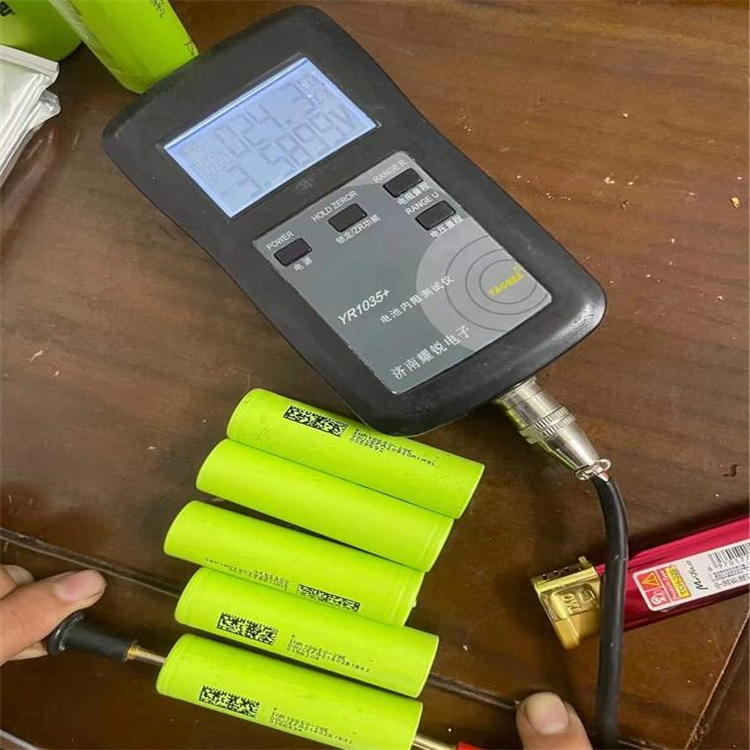

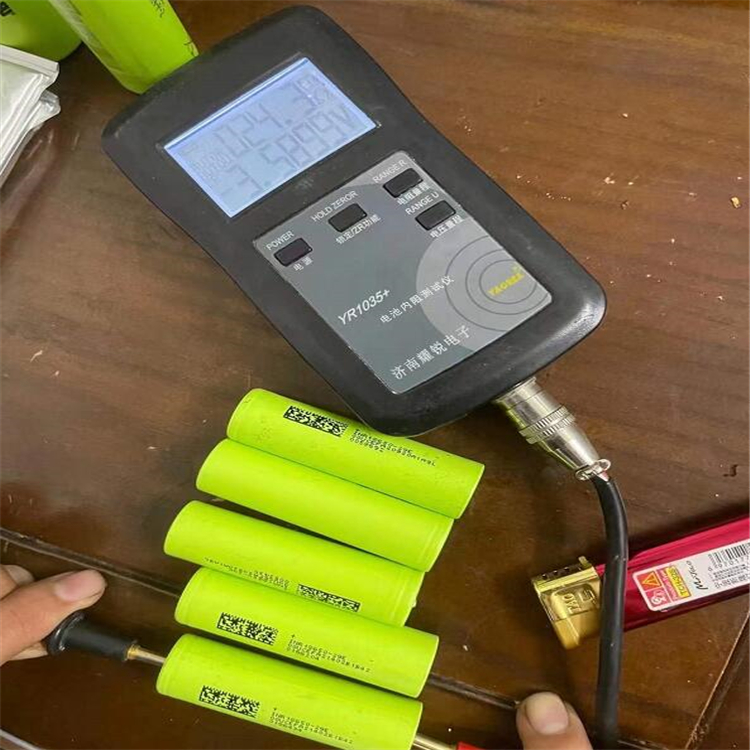
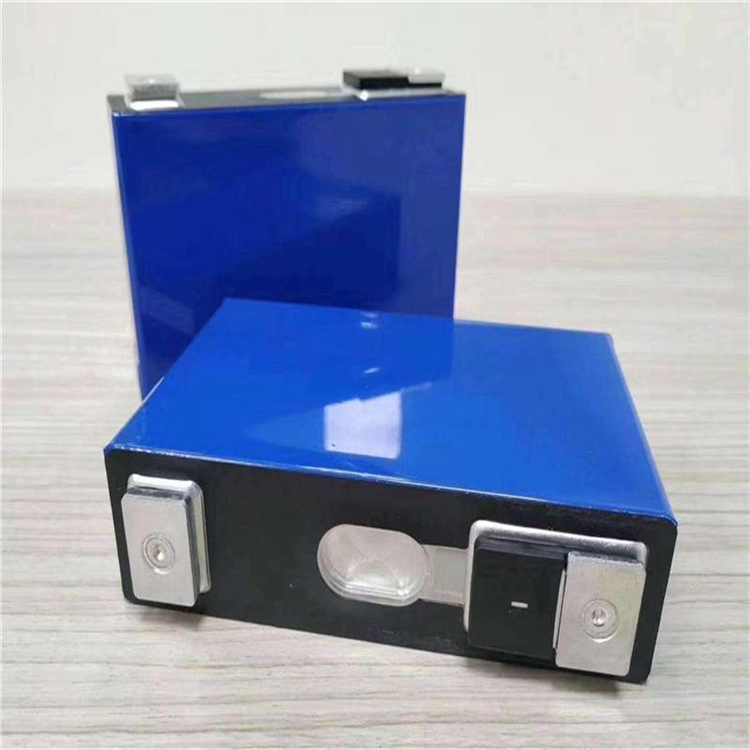







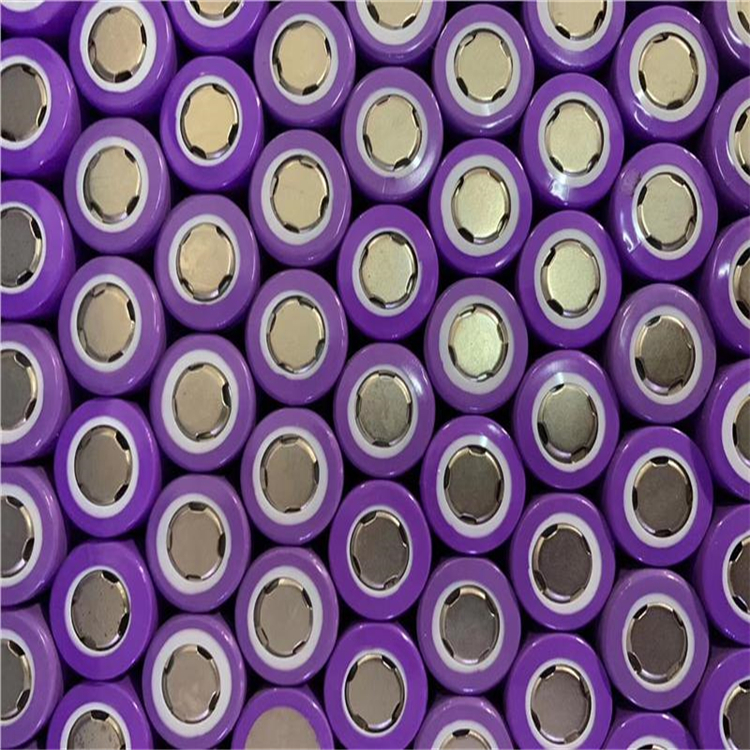

18650 Battery Recycling: High Safety Performance - The 18650 lithium batteries offer high safety, non-explosive and non-combustible; they are non-toxic and pollution-free, having passed the RoHS certification. With comprehensive safety features, they can be cycled over 500 times. They also have excellent high-temperature resistance, with discharge efficiency reaching up to 65 degrees. To prevent short-circuiting, the positive and negative poles of the 18650 lithium batteries are separated, reducing the likelihood of short-circuit occurrences. A protective board can be added to prevent overcharging and over-discharging, thereby extending the battery's lifespan.
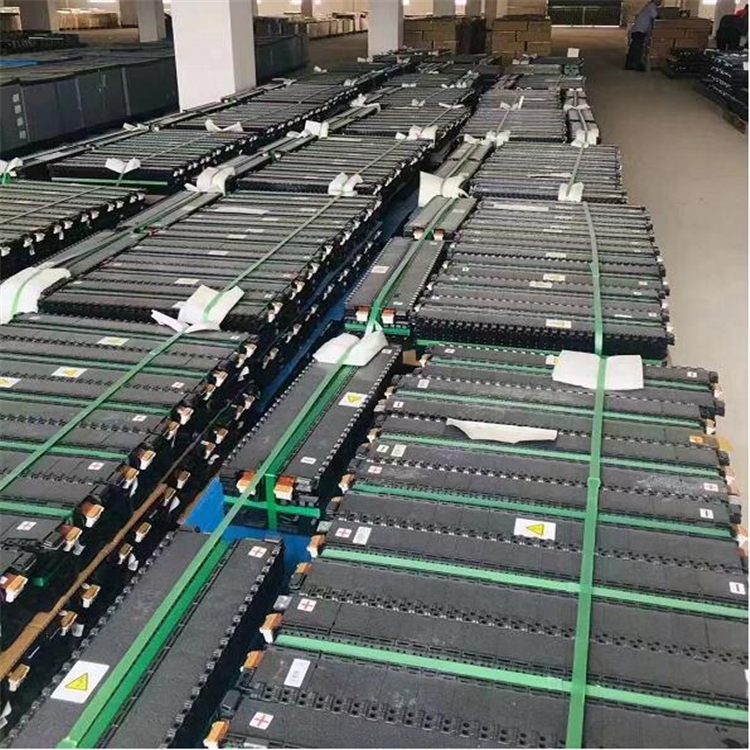
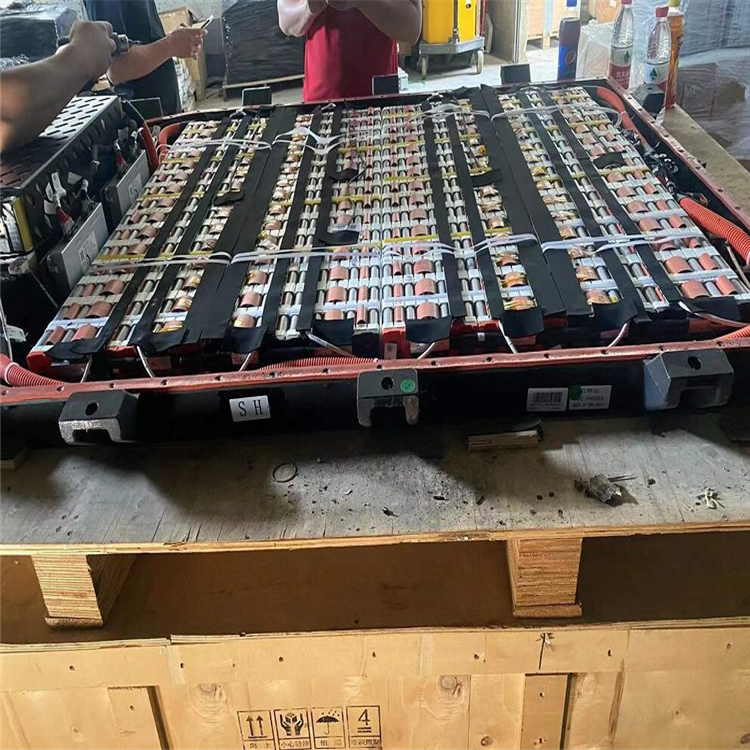
Lithium-ion batteries feature high working voltage, high energy density, long cycle life, good safety performance, and are clean and pollution-free. They are widely used in transportation, electricity, mobile communications, new energy storage, and other important fields. With the popularization and promotion of new energy vehicles, lithium-ion batteries have shone brightly in the new energy vehicle storage field. Due to the high energy consumption and short service life of power lithium-ion batteries, the amount of scrap has surged, causing severe environmental pollution. At the same time, used power lithium-ion batteries contain a large amount of resources such as copper, aluminum, and graphite. Without effective recycling, this also leads to resource waste. Therefore, the recycling and utilization of used power lithium-ion batteries is urgently needed.
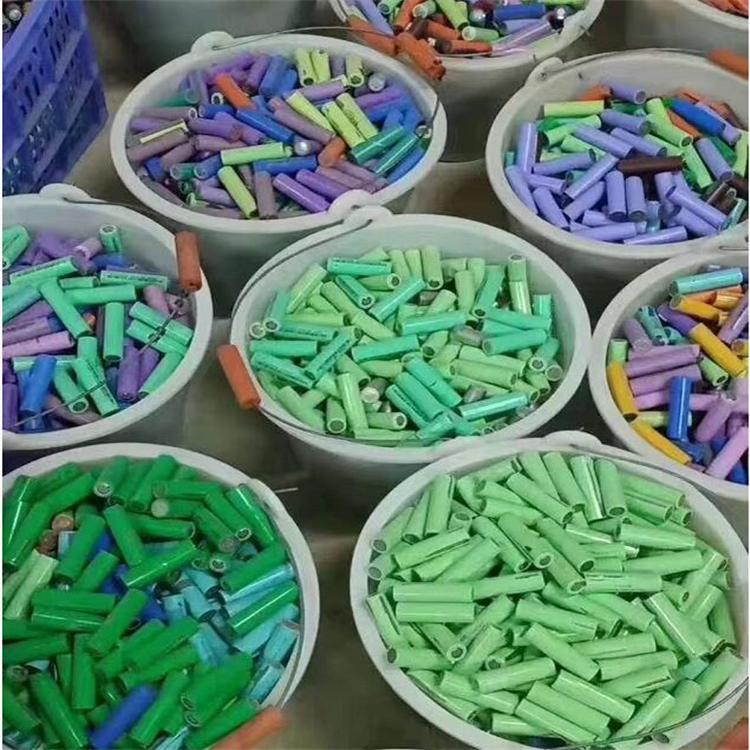
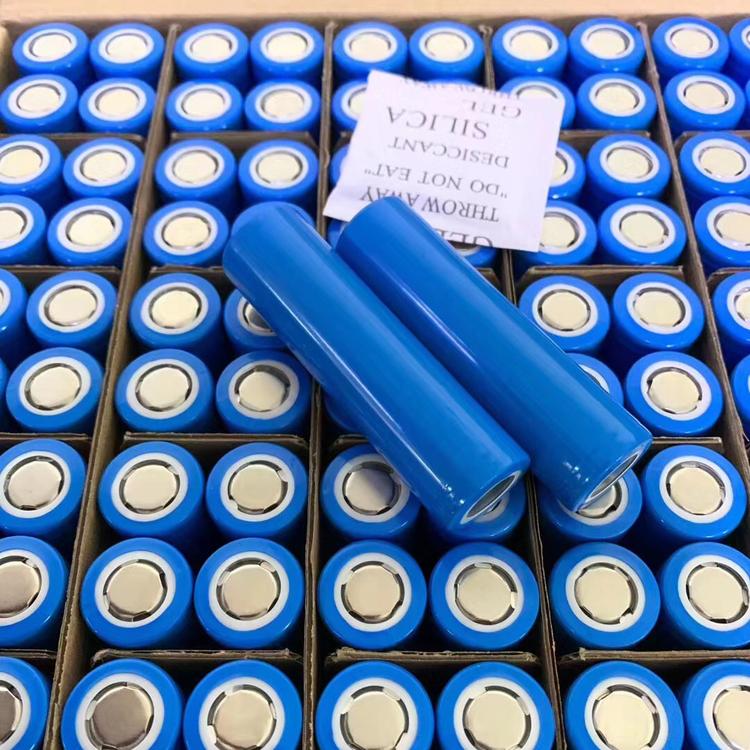
Cylindrical cells offer high capacity and high output voltage. The battery casing has high pressure resistance, preventing expansion during use and transportation. The design is flexible, with excellent charge and discharge cycle performance. The output voltage is stable, and the wide operating temperature range is environmentally friendly.
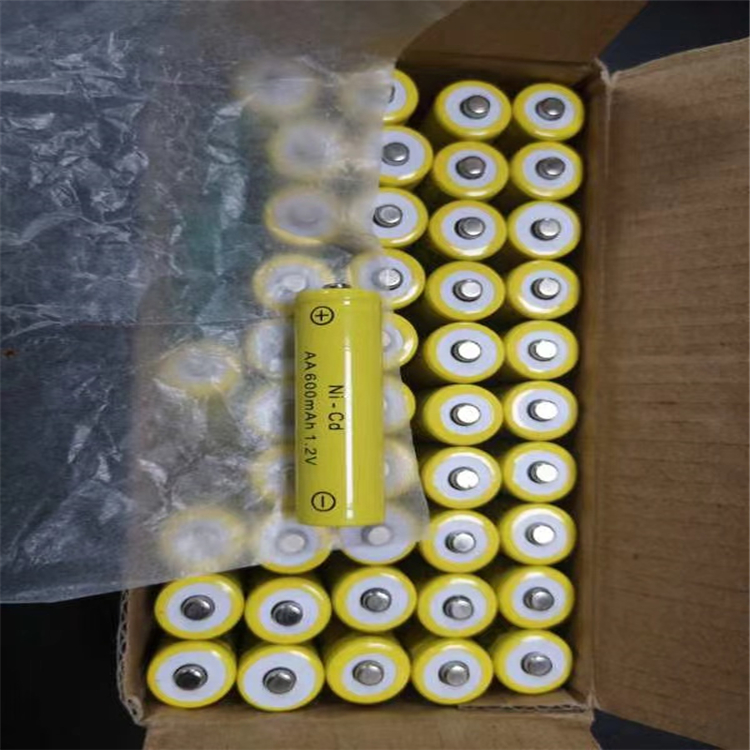
It is understood that waste lithium-ion batteries have a high recycling value. For instance, common lithium cobalt batteries contain metals like cobalt, copper, aluminum, and iron, with cobalt accounting for about 15%. China is lacking in cobalt resources, with high demand, and relies on imports. Recycling lithium-ion batteries can effectively alleviate this situation. Data shows that if waste lithium-ion batteries are fully recycled, 240 tons of cobalt can be recovered annually, which is worth over 40 million. Similarly, waste nickel-hydrogen batteries contain up to 30%~50% nickel, about 2%~5% cobalt, and 5%~10% rare earth elements, all with significant recycling value.
Current Status of Battery Recycling Regulations: Regulations in both domestic and international markets lack legal constraints for the secondary use of power batteries, but there are relevant laws concerning the recycling of spent batteries. EU regulations involving battery recycling include the Battery Directive, regulations on hazardous substance disposal, and regulations on the recycling of end-of-life vehicles. The U.S. establishes regulations at the federal, state, and local levels governing the production, collection, transportation, and storage of spent rechargeable batteries. Japan requires the battery industry to establish a recycling system for collecting and recycling rechargeable batteries.
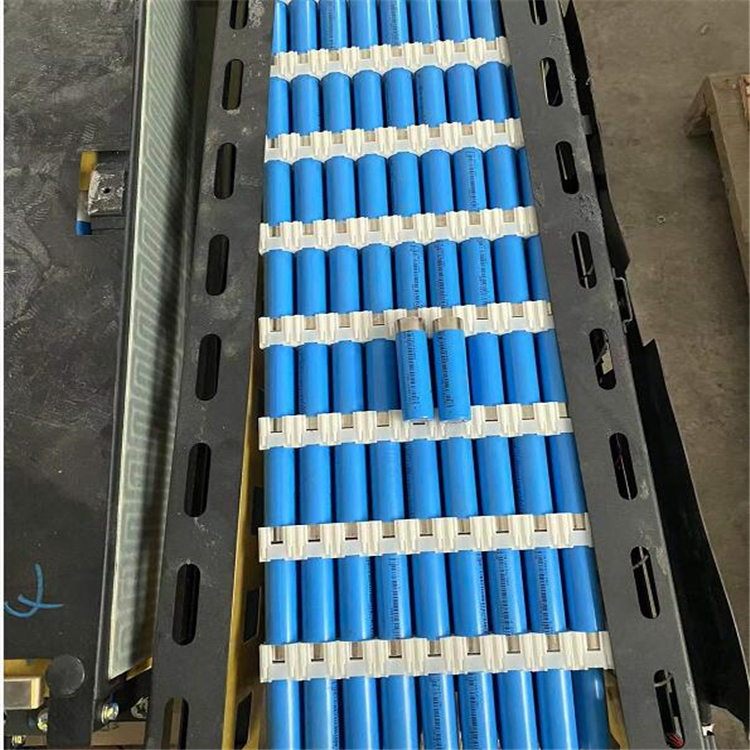
Cylindrical cells have low internal resistance, reducing battery self-discharge and extending battery life. Polymers with high discharge currents are ideal choices, boasting superior low-temperature characteristics, excellent energy and power density ratios, a wide range of applications, and compatibility with various instruments and equipment.
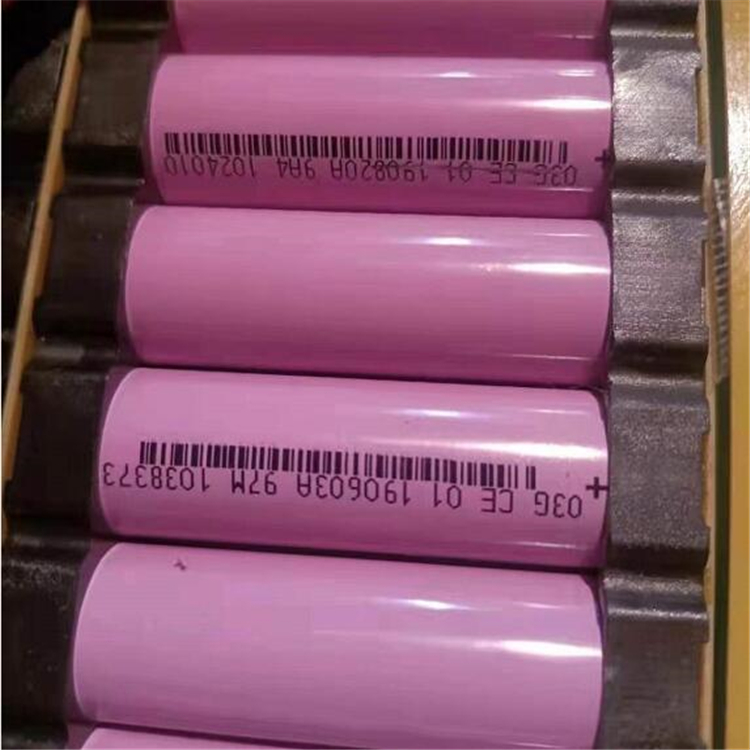
Recycled automotive power lithium batteries undergo quality inspections during the process of secondary use. This includes sorting and grading the cells, with assessments of safety and cycle life tests. Only after sorting, grading, and reassembly can the cells be reused.
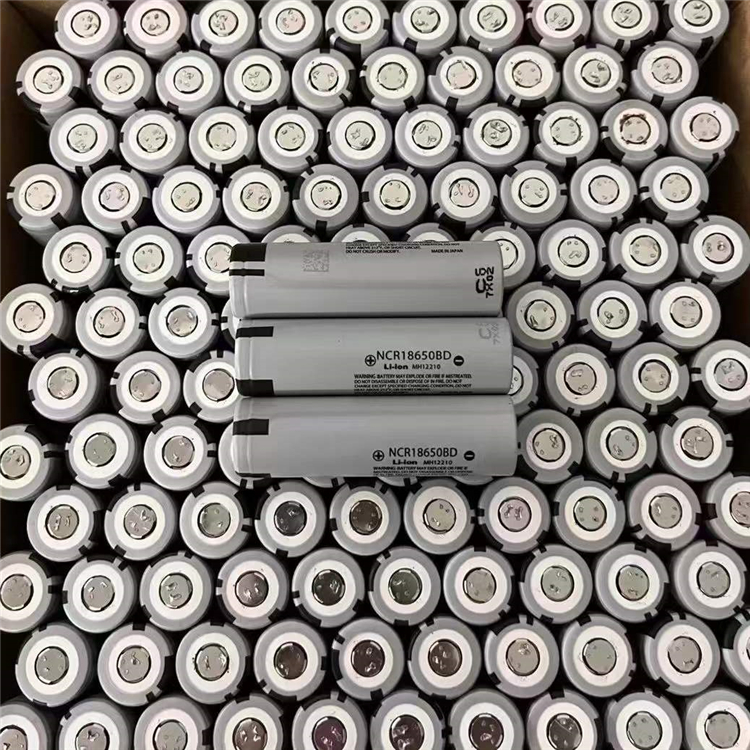
Cylindrical batteries offer consistent performance, high production capacity, and are suitable for mass production. They have excellent temperature resistance, are safe, and unlikely to explode. Their wide application range allows for effective and long-lasting polymer performance, and are convenient for production and installation.
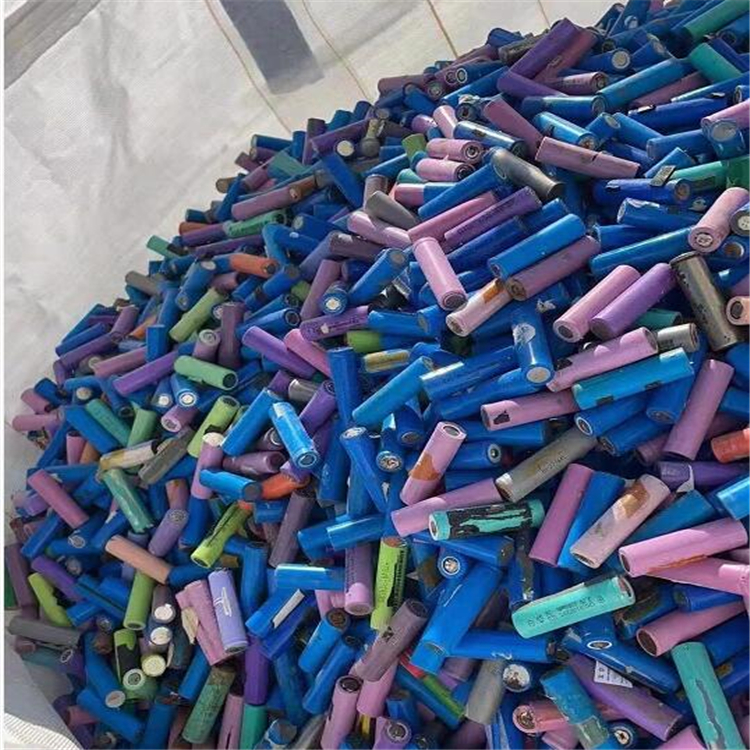
Currently, the field of lithium battery recycling and utilization is mainly divided into two aspects: 1) The secondary use of batteries that meet the degree of energy attenuation (such as for energy storage or low-speed electric vehicle applications), including lithium iron phosphate batteries and ternary material batteries; 2) The disassembly of batteries that cannot be secondary used, to recover materials such as nickel, cobalt, manganese, and lithium, such as digital batteries and some ternary material batteries. According to GGII research, in 2018, the total amount of power battery recycling was 10.93 million tons, with 2,460 tons used for secondary use, indicating that the scale of secondary use in the battery recycling field, especially in the power battery recycling field, is much smaller than the scale of recycling and disassembly.
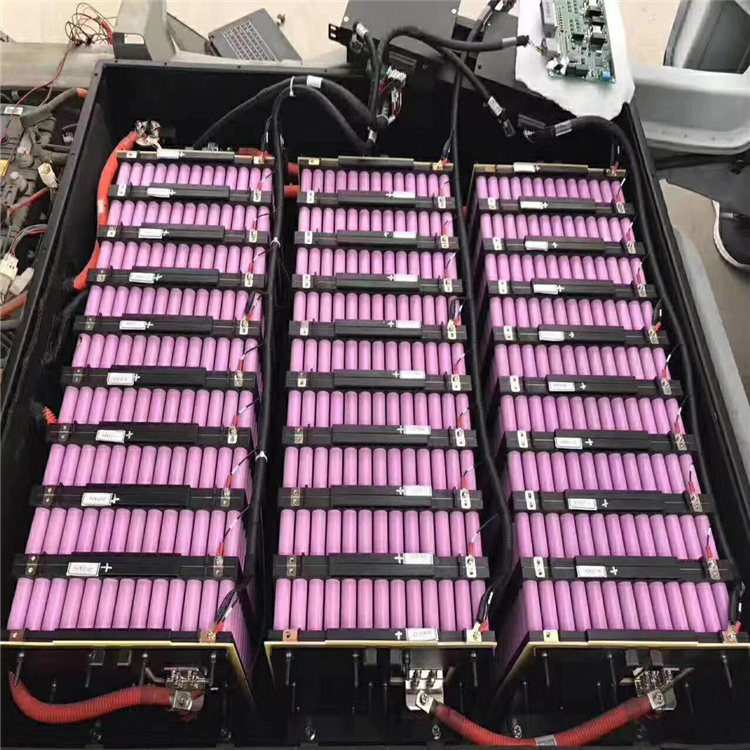
The technology for recycling and utilizing power lithium batteries is yet to be broken through. Currently, to balance energy consumption and water pollution issues, enterprises mainly adopt a "dry and wet combined" method to dismantle lithium batteries and recover precious metals such as cobalt and nickel. Although recycling lithium carbonate can address future lithium resource shortages, there has been no **substantial breakthrough in the research of recycling lithium carbonate both domestically and internationally. The cost of recovering lithium carbonate from lithium batteries is still more than 5 times the direct production cost of the enterprise.
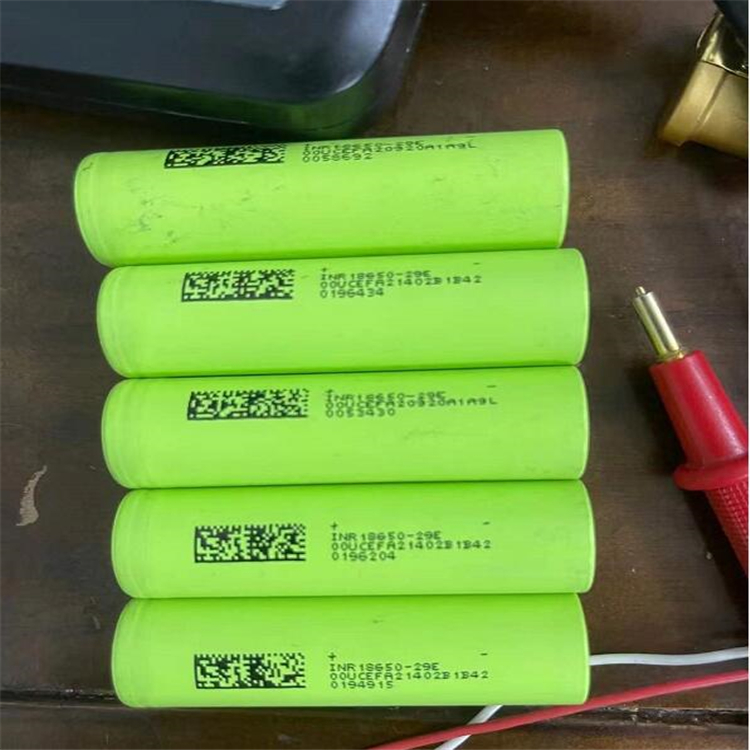
Cylindrical battery cells offer good capacity, high output voltage, excellent charge-discharge cycling performance, stable output voltage, ability for high-current discharge, high stability, a wide operating temperature range for safe operation, and are environmentally friendly.