








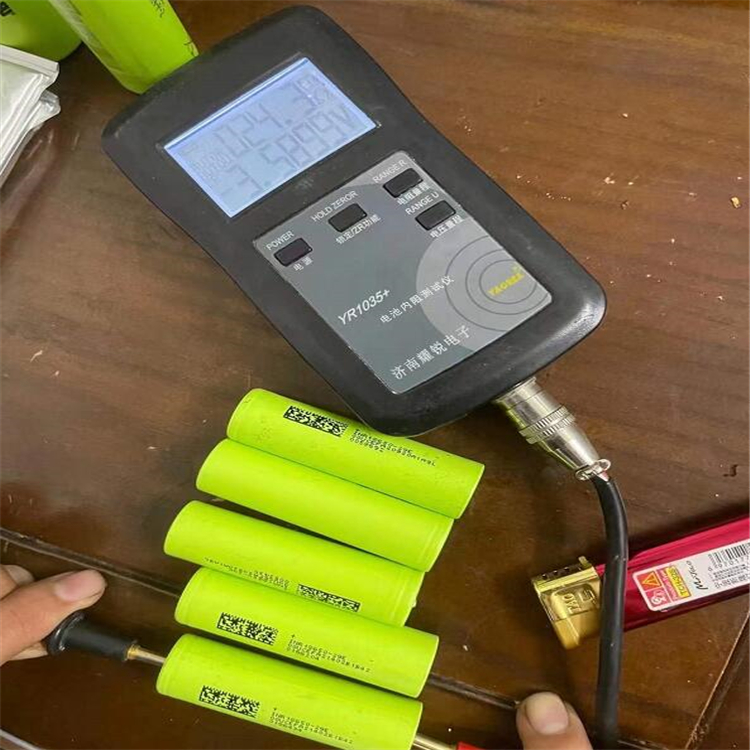
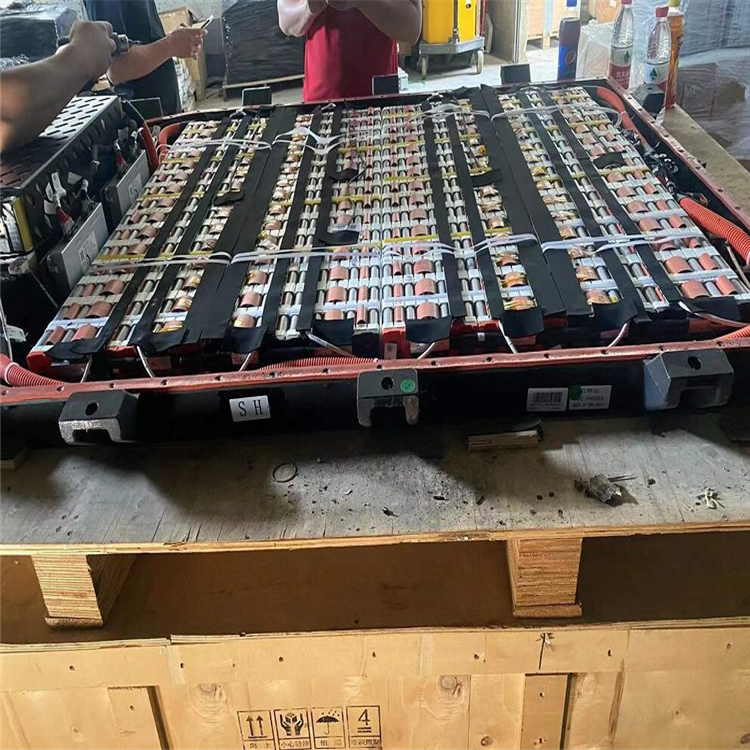
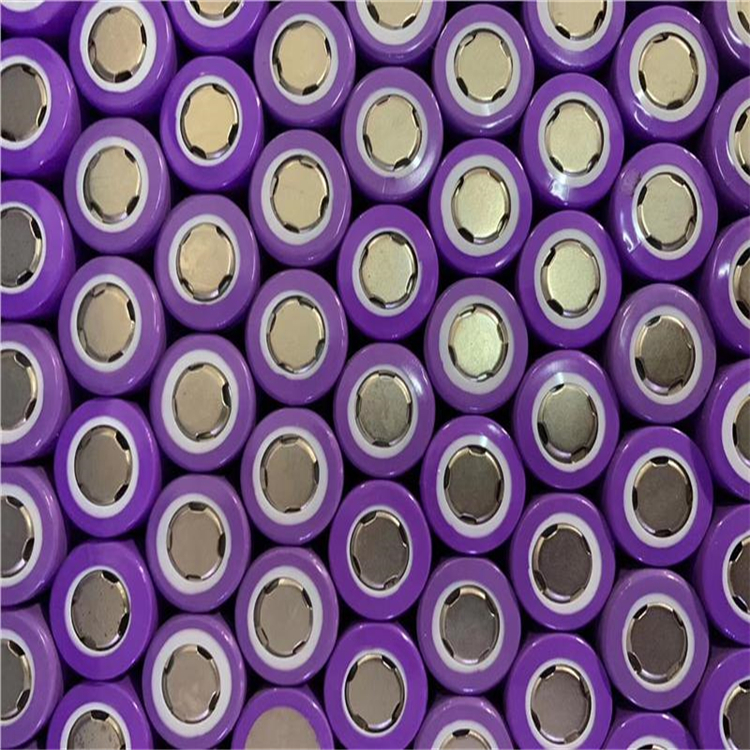
Lithium-ion batteries, as one of the three core components of electric vehicles (battery, motor, and controller), play a crucial role in determining the range and power performance of EVs. Although the cost of power batteries has decreased in recent years with technological advancements, data indicates that they still account for approximately 30% to 40% of the total cost of electric vehicles. For EV owners, regular maintenance of the power battery is particularly important.
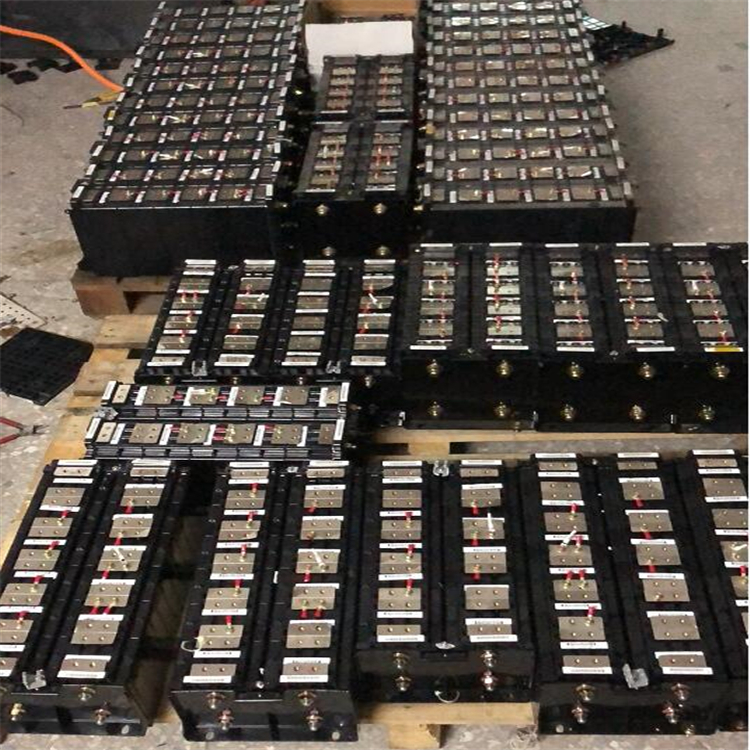
Insufficient awareness exists among the public regarding the pollution from the undercarriages of new energy vehicle lithium batteries. There is yet no conscious effort to collect the discarded undercarriages of new energy vehicles. Although the recycling of used new energy vehicle lithium battery undercarriages has gained attention from relevant departments in recent years, the results have been minimal. There is a need for extensive promotion of recycling awareness and to enhance public understanding of the significance of recycling and utilizing discarded new energy vehicle lithium battery undercarriages.
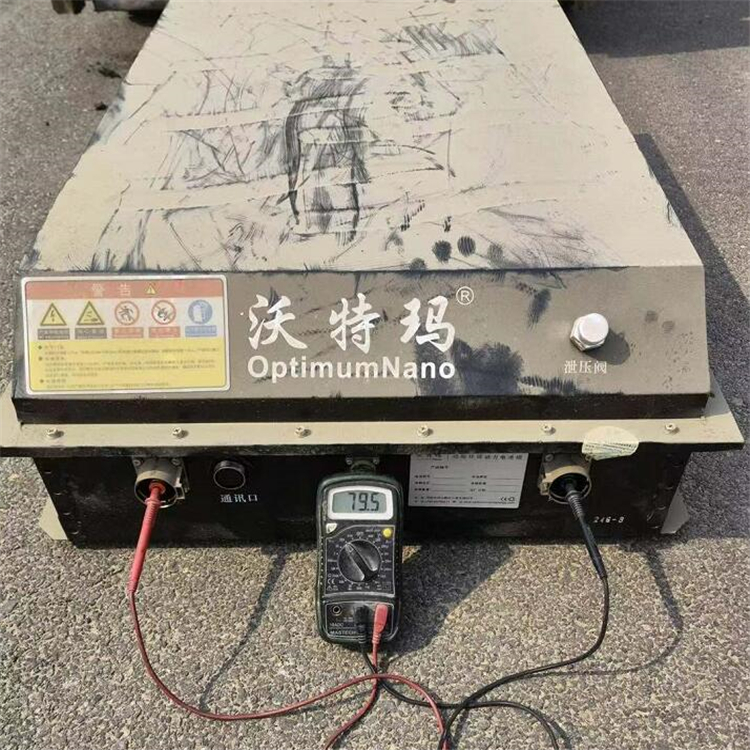
Properly recycling the battery packs of new energy vehicles can transform them into excellent "urban mines," as the abundance of metal resources within the batteries far exceeds those found in mines. The raw materials obtained from recycling these batteries can be utilized by battery manufacturers and their upstream and downstream companies, achieving resource conservation. Furthermore, the promotion of the battery swapping model will enable vehicle manufacturers or power battery manufacturers, as the main recycling entities, to pre-lock in sources of废旧 batteries, facilitating bulk recycling and thereby enhancing recycling profitability.
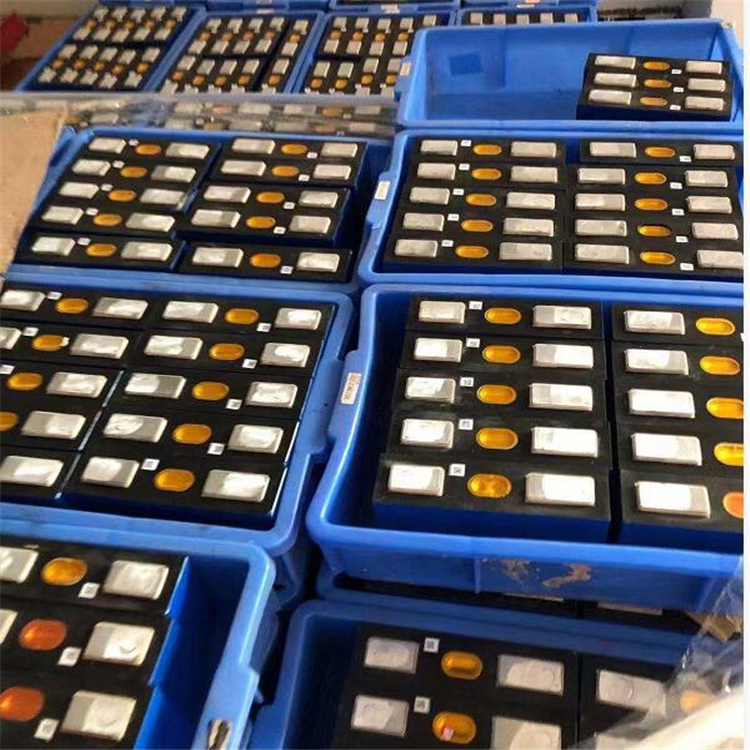
Neonew energy vehicle lithium battery undercarriages contain valuable resources such as cobalt, lithium, copper, and plastic, all of which have high recyclability. Therefore, scientifically and effectively disposing of neonew energy vehicle lithium battery undercarriages not only yields significant environmental benefits but also offers good economic returns. To alleviate the increasingly severe resource shortage and environmental pollution caused by economic development, achieve comprehensive recycling and utilization of used lithium-ion batteries.

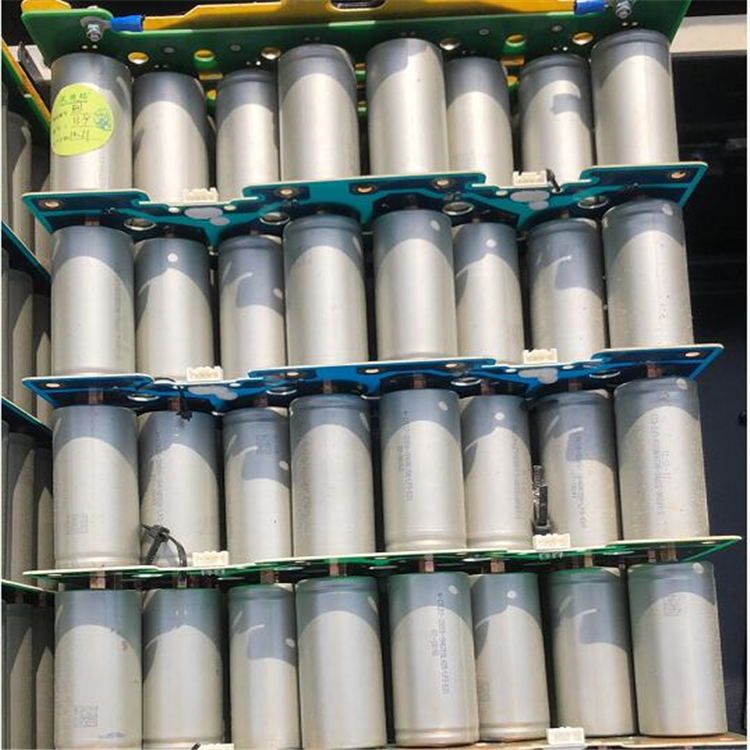
New energy vehicle lithium-ion battery packs typically contain 5% to 15% cobalt, 2% to 7% lithium, and 0.5% to 2% nickel, with a relatively high recyclability; lithium-ion batteries also contain toxic substances like lithium hexafluorophosphate, which can severely pollute the environment and ecosystems. Heavy metals like cobalt, manganese, and copper can also pose a risk to humans through bioaccumulation in the food chain, posing a high level of danger. As the application of lithium-ion batteries becomes more widespread, it is of significant social importance to recycle valuable metals from new energy vehicle battery packs, reduce environmental pollution, and alleviate resource scarcity issues.
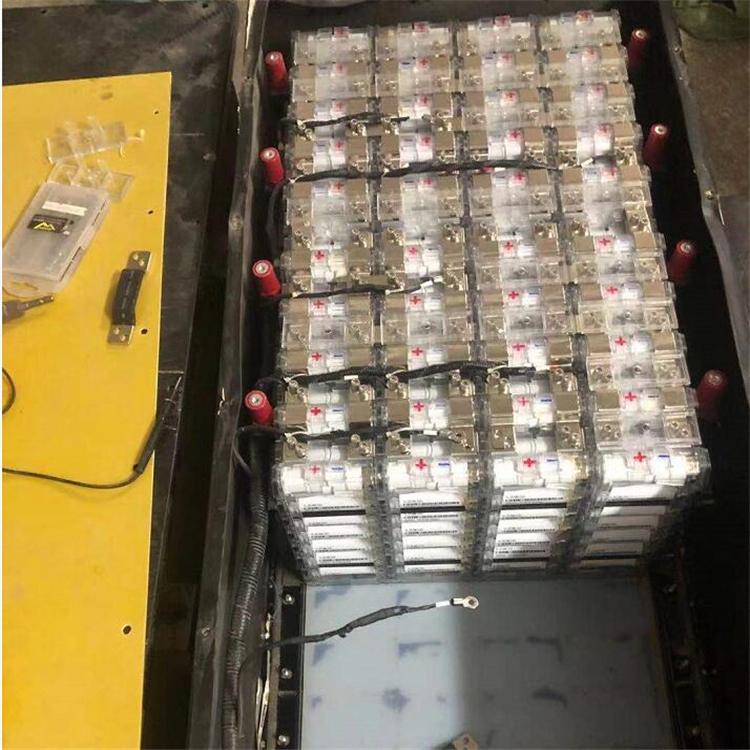
With the increasing application of lithium battery undercarriages in new energy vehicles, it is of significant social and economic importance to recycle the valuable metals from the undercarriages, reduce environmental pollution, and alleviate resource scarcity. The discarded undercarriages contain a large amount of heavy metals and electrolyte solutions like waste acid and alkali. If disposed of carelessly, the leakage of heavy metals from the batteries can pollute water bodies such as rivers, lakes, and seas.
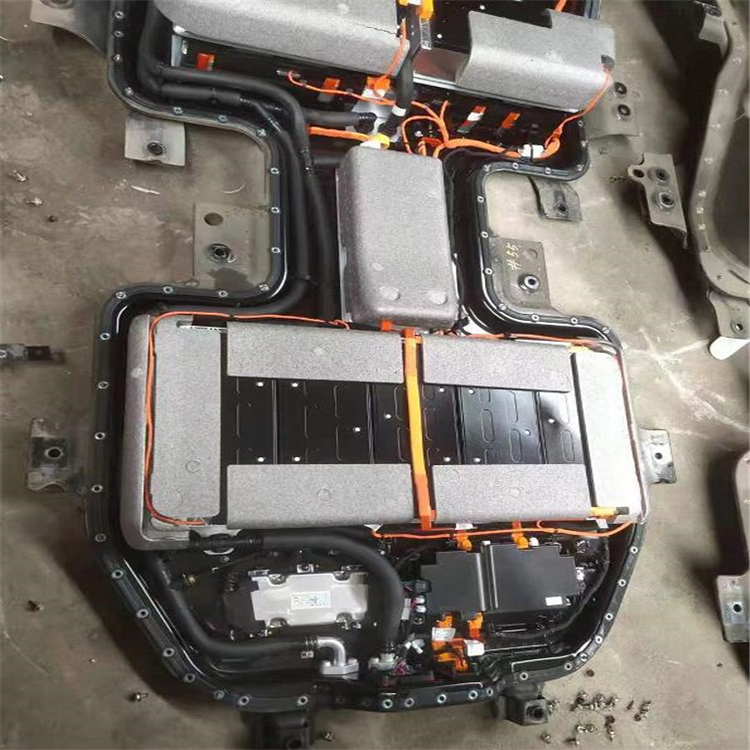
While vigorously developing lithium-ion batteries, it is crucial to pay attention to the research on the recycling and utilization of the bottom resources of spent lithium batteries from new energy vehicles. This not only brings economic benefits but also transforms waste into treasure, truly realizing the sustainable development of resources and the environment, and becoming an important link in the new energy industry chain.
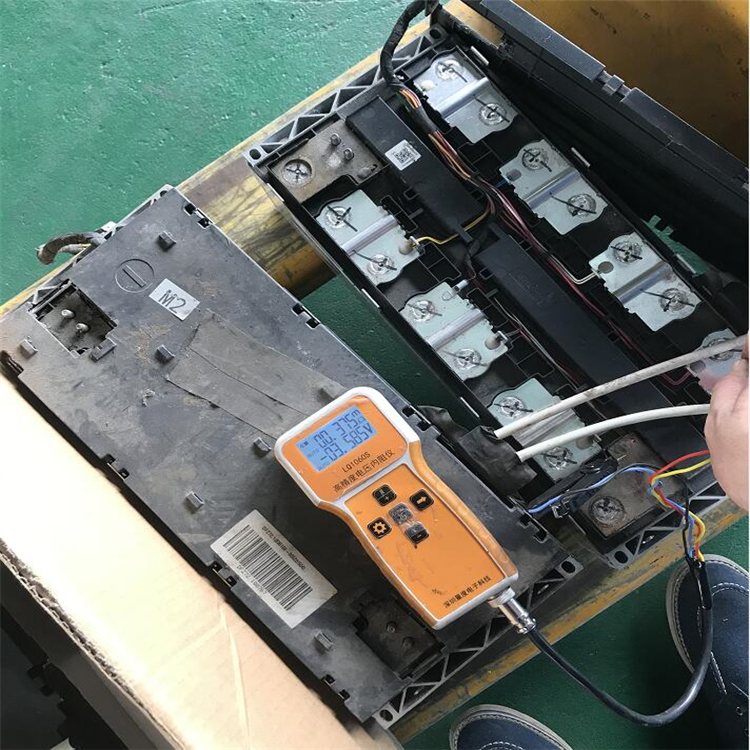
New energy vehicle lithium battery underbodies contain a large amount of heavy metals, as well as electrolyte solutions like waste acid and alkali. If discarded carelessly, the leakage of heavy metals from废旧new energy vehicle lithium battery underbodies can pollute rivers, lakes, seas, and other water bodies, indirectly threatening human health. Therefore, recycling and disposing of the underbodies of waste new energy vehicle lithium batteries not only addresses the pollution source but also achieves the recycling and reuse of resources.
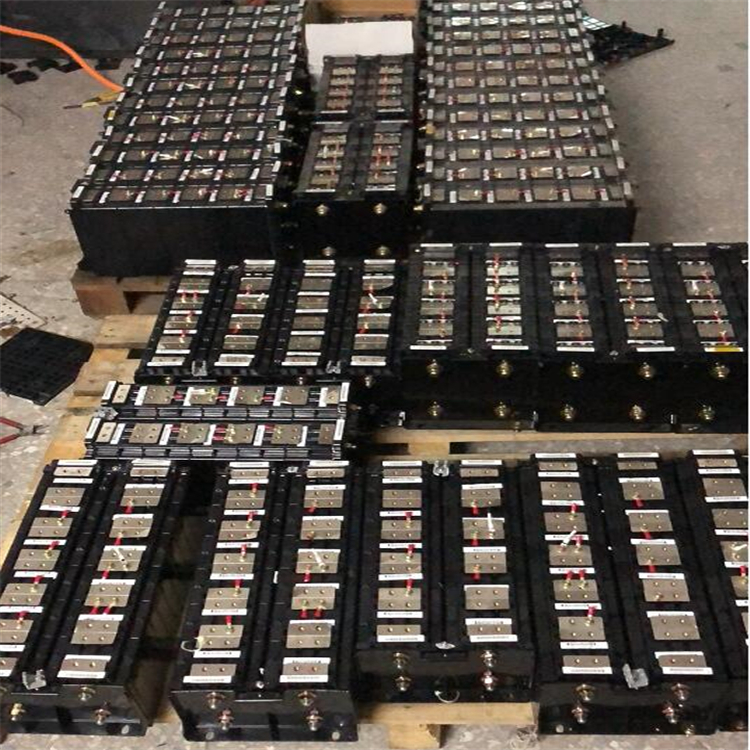
Discarding the battery packs of new energy vehicles can pollute the environment and harm human health. Recycling these battery packs is of great significance, effectively enhancing people's awareness of the importance of recycling used batteries, fostering a sense of social responsibility for environmental protection, and creating a positive environmental atmosphere across society.
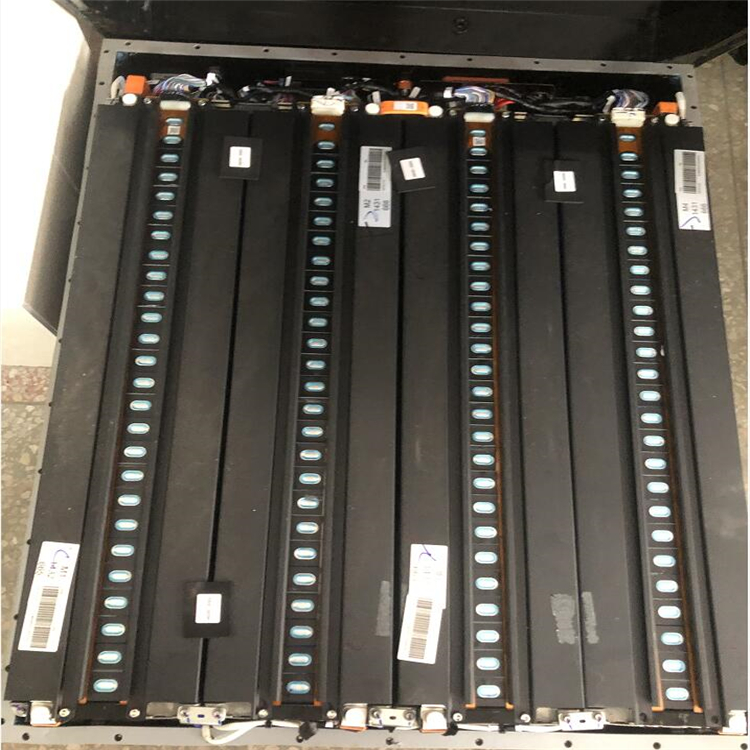
The raw materials produced from the recycling of new energy vehicle lithium battery undercarriages mainly include cathode and anode materials, electrolytes, electrolyte solvents, separators, and binders; if not recycled effectively and environmentally, these materials can cause certain damage to the environment. For instance, heavy metals like cobalt used as cathode materials can alter the environmental pH levels, and electrolytes and their solvents may lead to fluorine and other contaminant pollution, which could have corrosive effects on human skin.
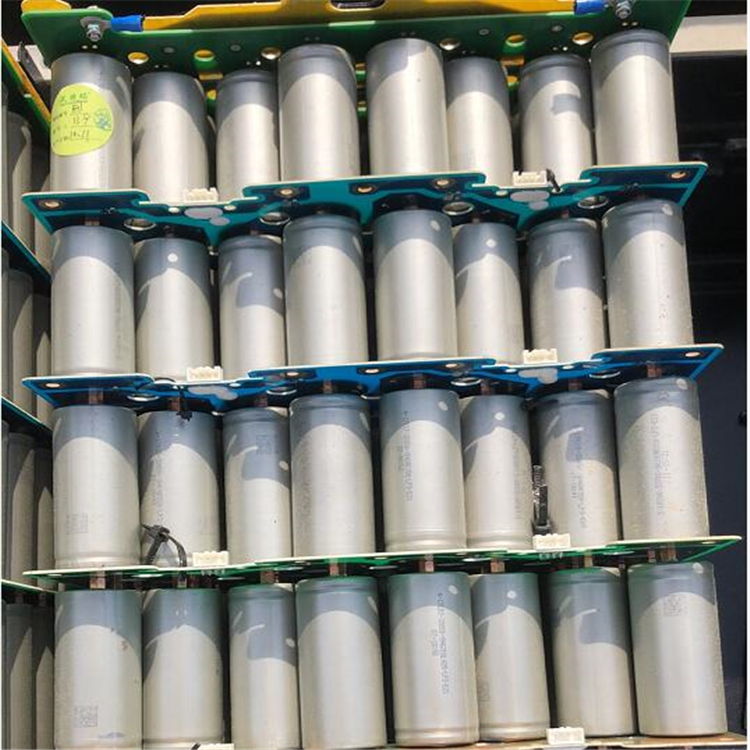
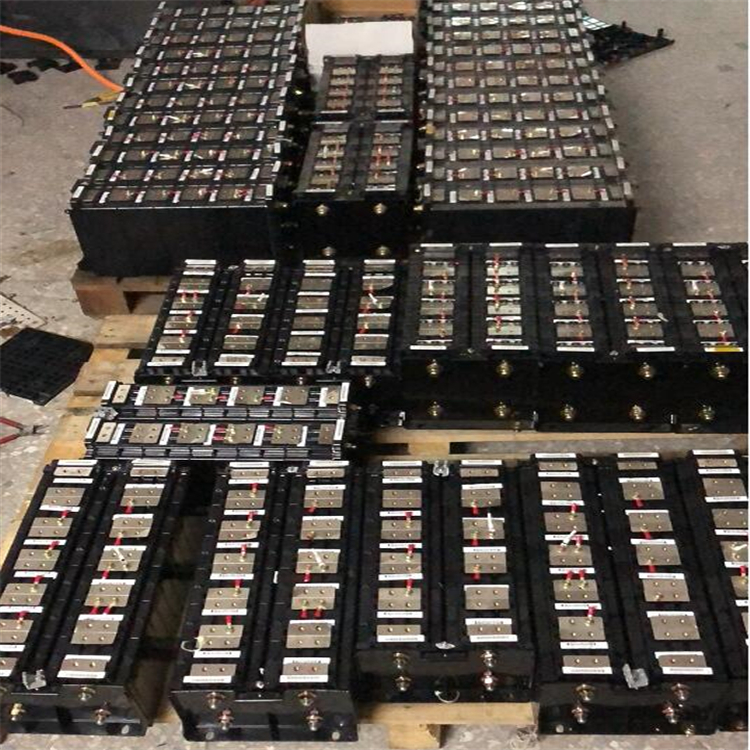
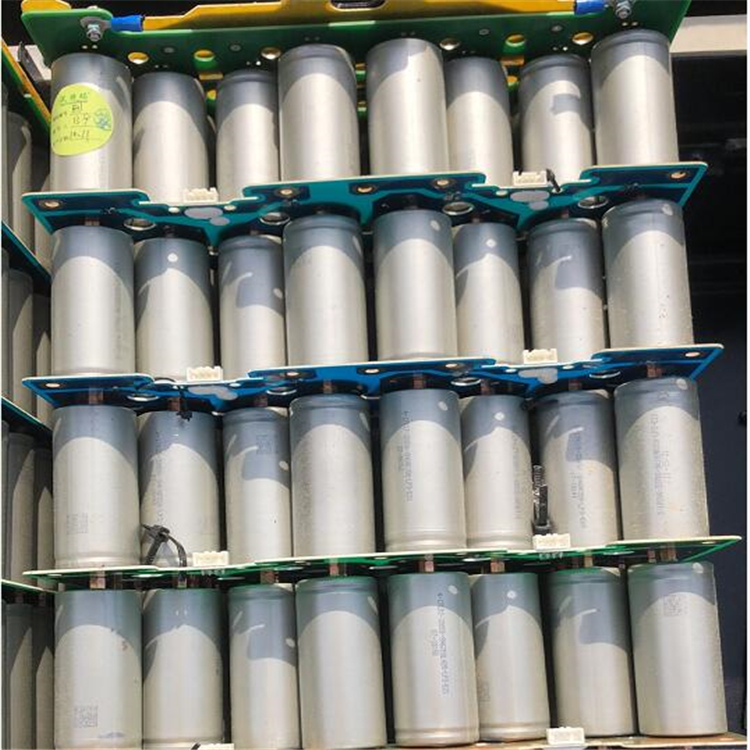
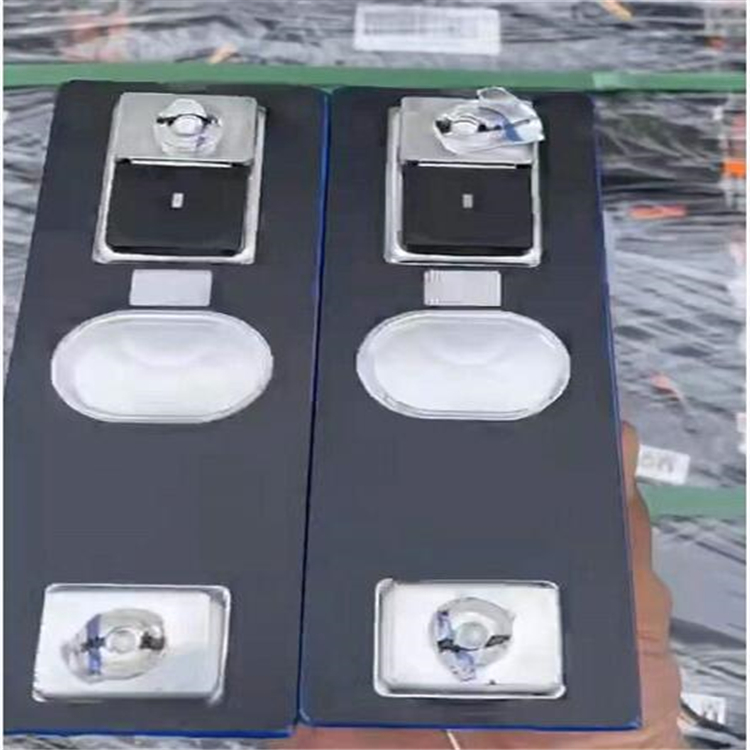
New energy vehicle lithium battery bottom plate recycling and processing refers to the centralized collection of scrapped lithium batteries, and the recycling of batteries through physical, chemical, and other recycling processes, or the extraction of valuable metal elements such as lithium, cobalt, and nickel from the batteries.
Our company is committed to long-term growth, pursuing quality, continuously expanding into new fields, seeking new business partners, adhering to the business philosophy of "Quality First, Reputation Supreme," and sincerely providing reliable services to friends from all walks of life!