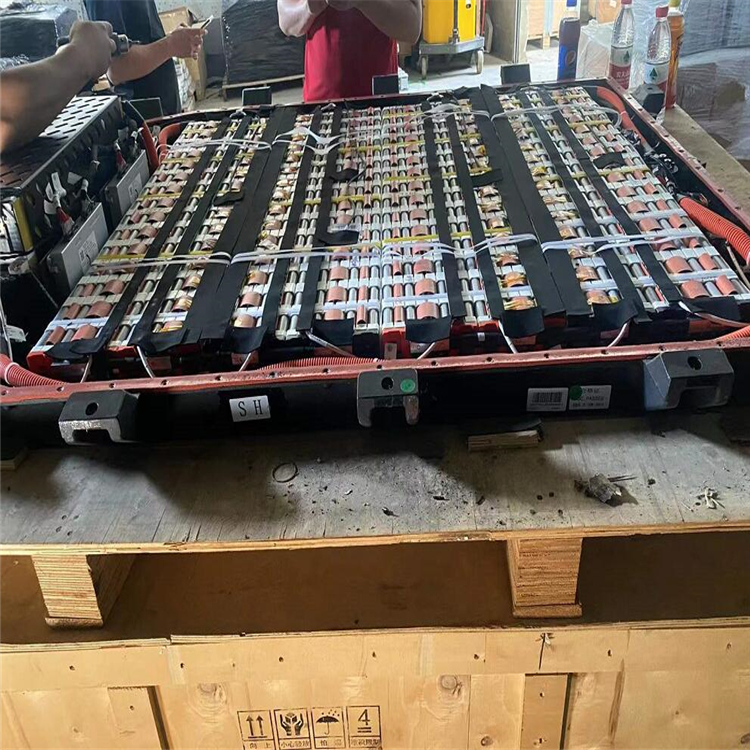

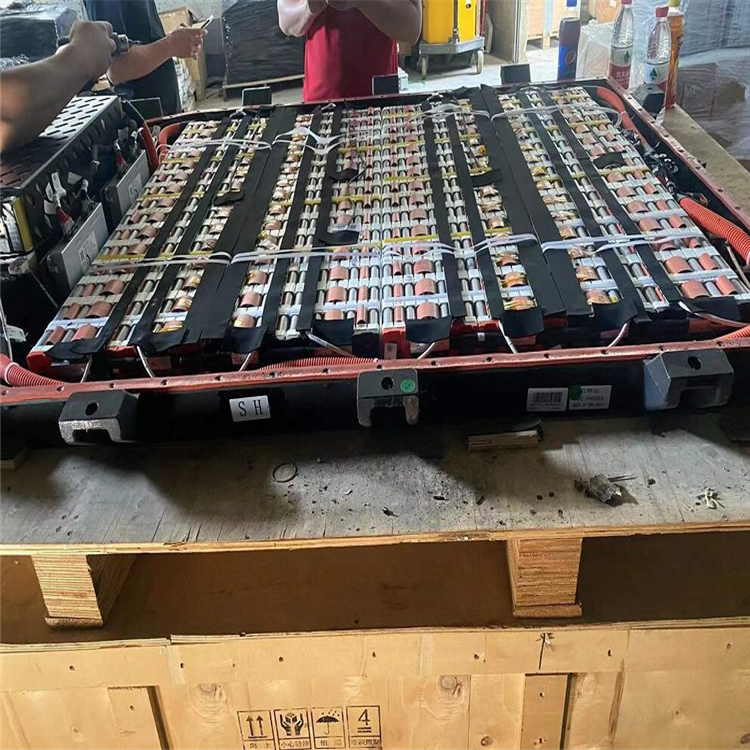

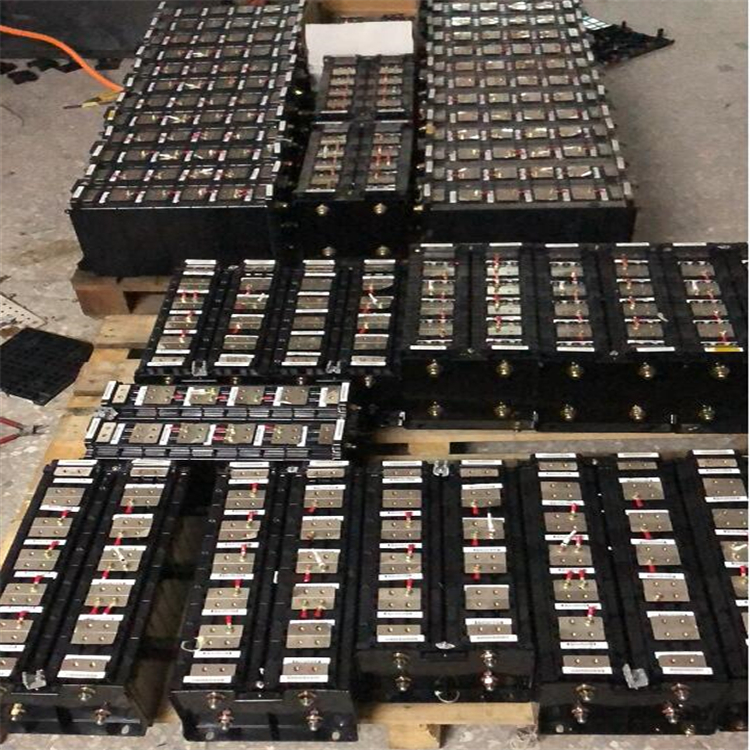







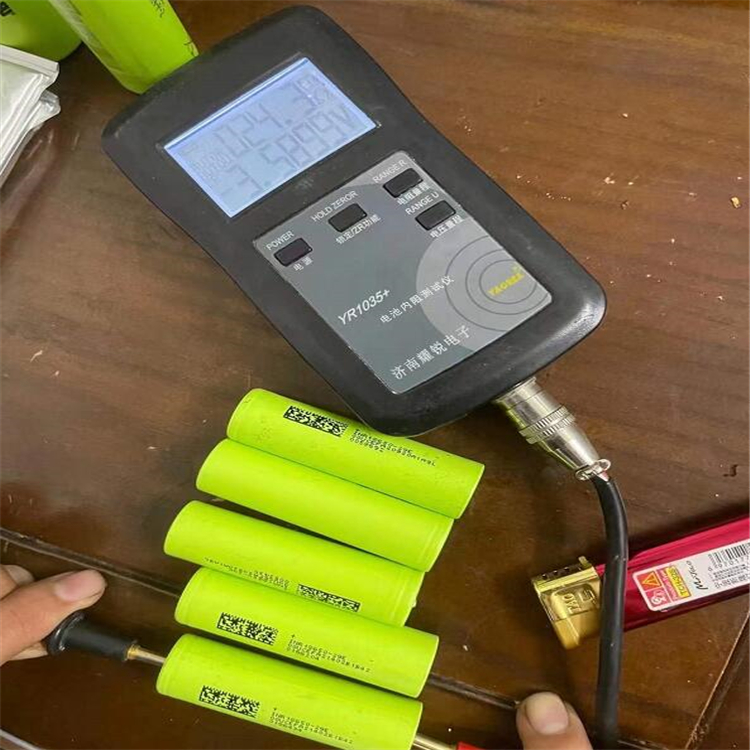
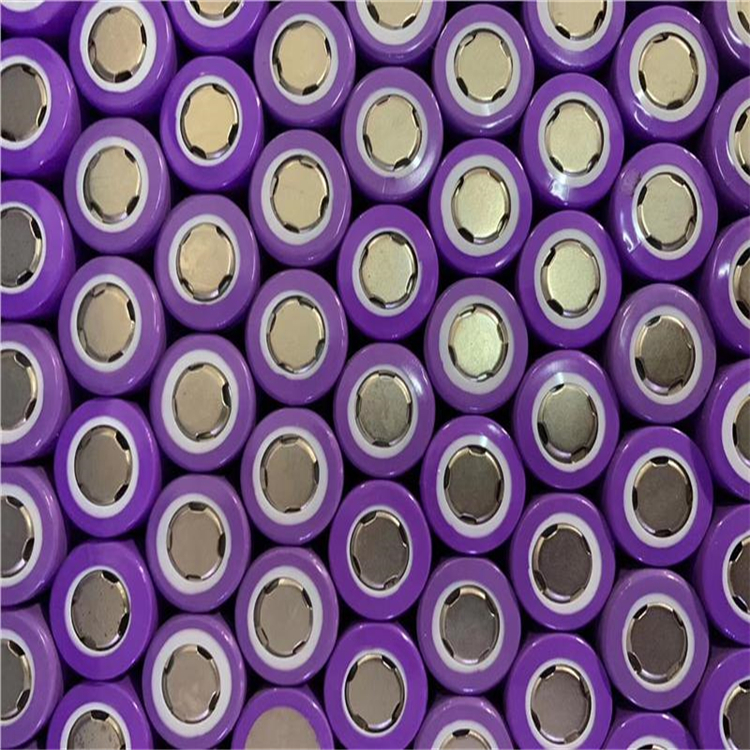

18650 Battery Recycling; theoretical lifespan for 18650 batteries is 1000 cycles of charging. Due to their high energy density, they are predominantly used in laptop batteries. Additionally, the excellent stability of 18650 batteries in operation makes them widely used in various electronic fields: commonly used in portable power supplies, wireless data transmitters, electric thermal garments and shoes, portable instruments, portable lighting equipment, portable printers, industrial instruments, and other devices.
Cylindrical cells offer high capacity, high output voltage, and excellent charge-discharge cycling performance. They feature stable output voltage, can discharge at high currents, have high stability, a wide safe operating temperature range during use, and are environmentally friendly.
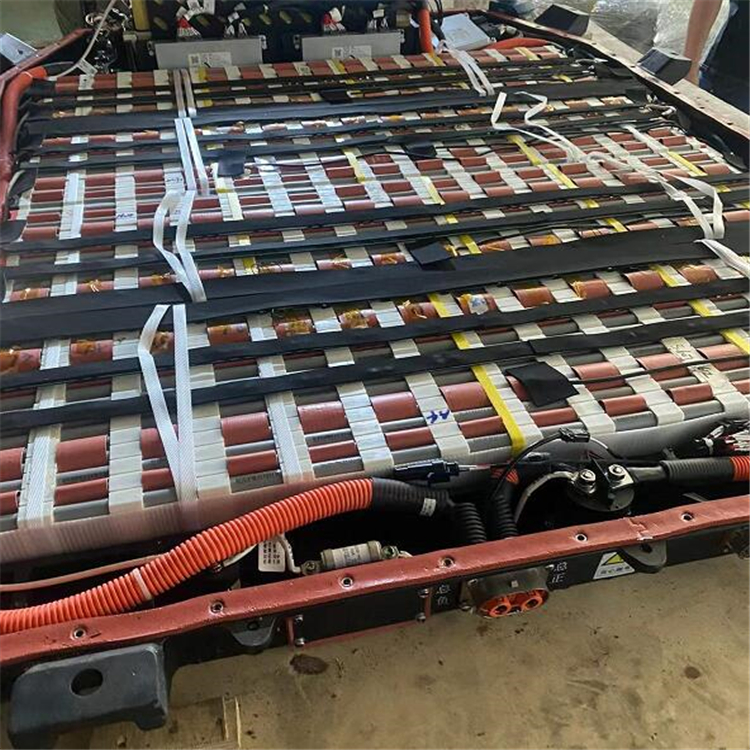
It is understood that spent lithium-ion batteries have a high recycling value. For instance, in common cobalt acid lithium batteries, metals such as cobalt, copper, aluminum, and iron are present, with cobalt accounting for about 15%. China is deficient in cobalt resources, with a high demand, necessitating imports from abroad. Recycling lithium-ion batteries can effectively alleviate this situation. Data shows that if spent lithium-ion batteries are fully recycled, 240 tons of cobalt can be recovered annually, which is worth over 40 million. Similarly, spent nickel-hydride batteries contain up to 30-50% nickel, 2-5% cobalt, and 5-10% rare earth elements, also with significant recycling potential.
Spent automotive lithium-ion batteries undergo quality inspections during the process of secondary use. This includes sorting and grading the cells, with assessments of safety and cycle life tests. Only after sorting, grading, and reassembly can the cells be reused.
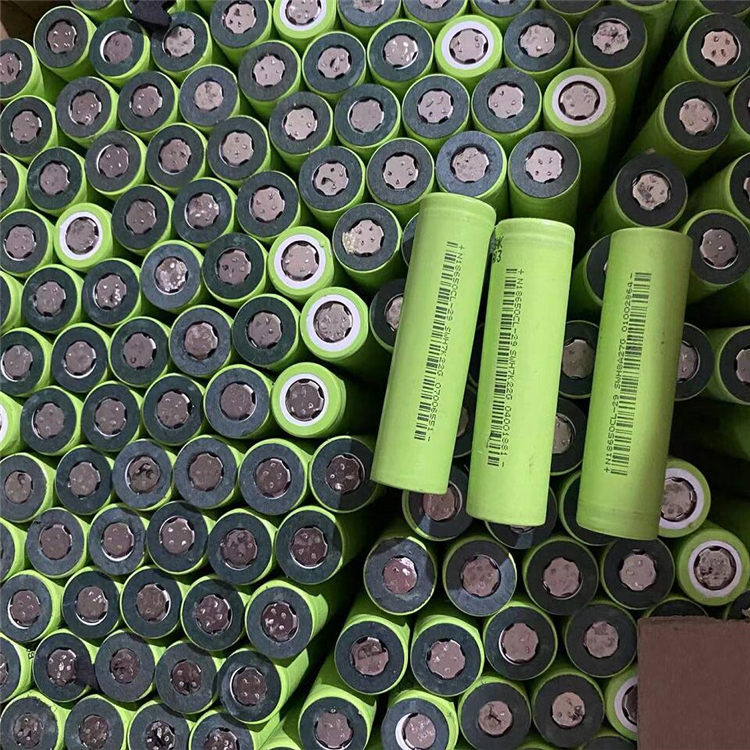
Cylindrical cells offer good consistency individually, high production capacity, and are suitable for mass production and processing. They have excellent temperature resistance and are safe, less prone to explosion. They have a wide range of applications, enabling the polymer to effectively and durably enhance performance, and are convenient for production and installation.
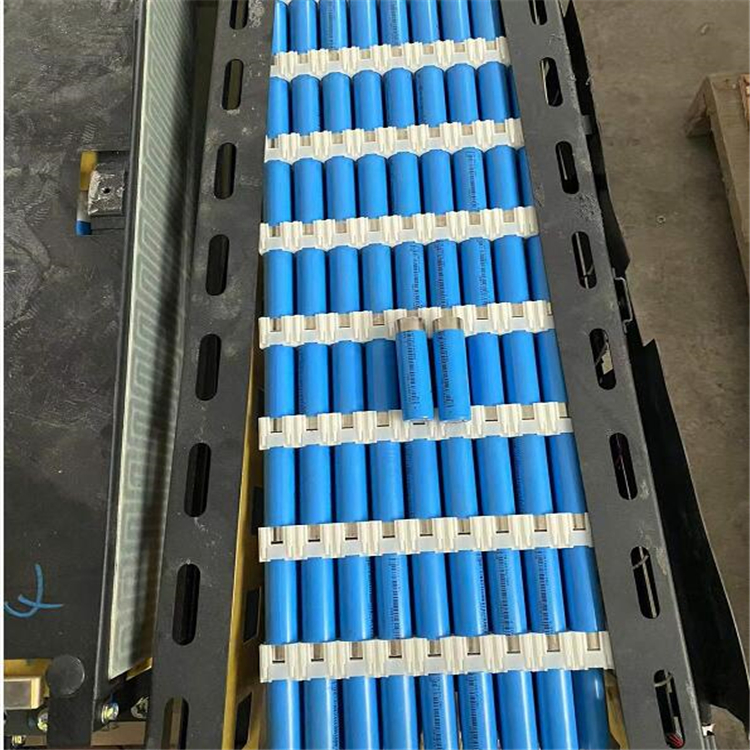
The technology for recycling and utilizing power lithium batteries is yet to be broken through. Currently, to balance energy consumption and water pollution issues, enterprises mainly adopt a "dry-wet combination" method to dismantle lithium batteries and recycle precious metals like cobalt and nickel. Although recycling lithium carbonate can address future lithium resource shortages, there has been no **substantial breakthrough in the research of recycling lithium carbonate at home and abroad. The cost of recycling lithium carbonate from lithium batteries remains more than five times the direct production cost of the enterprise.
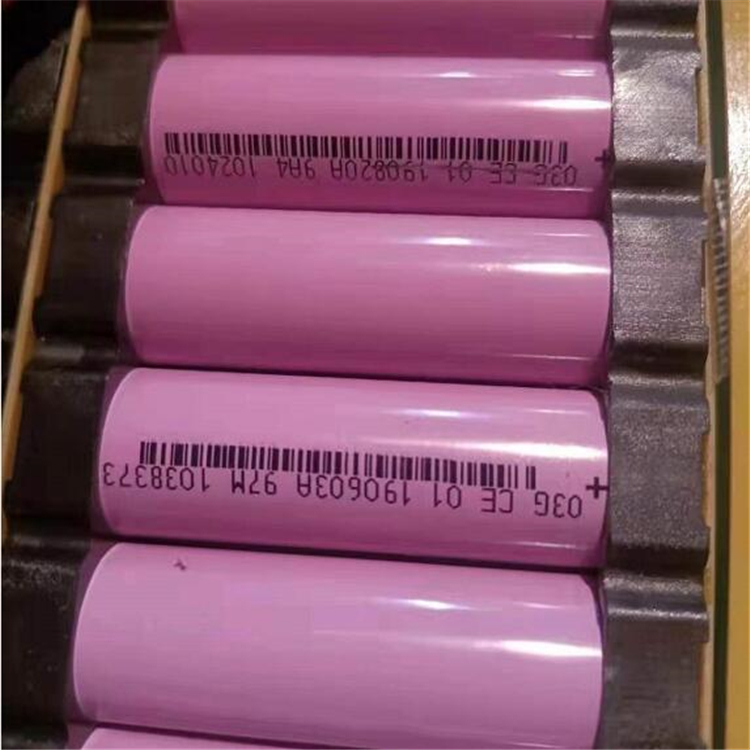
Currently, the field of lithium battery recycling and utilization is mainly divided into two aspects: 1) The secondary use of batteries that meet the degree of energy degradation (such as for energy storage or low-speed electric vehicle applications), including lithium iron phosphate batteries and ternary material batteries; 2) The disassembly of batteries that cannot be secondary used, to recover materials such as nickel, cobalt, manganese, and lithium, such as digital batteries and some ternary material batteries. According to GGII research, in 2018, the total amount of power battery recycling was 10.93 million tons, with 2,460 tons used for secondary use, indicating that the scale of secondary use in the battery recycling field, especially in the power battery recycling field, is far smaller than the scale of recycling and disassembly.
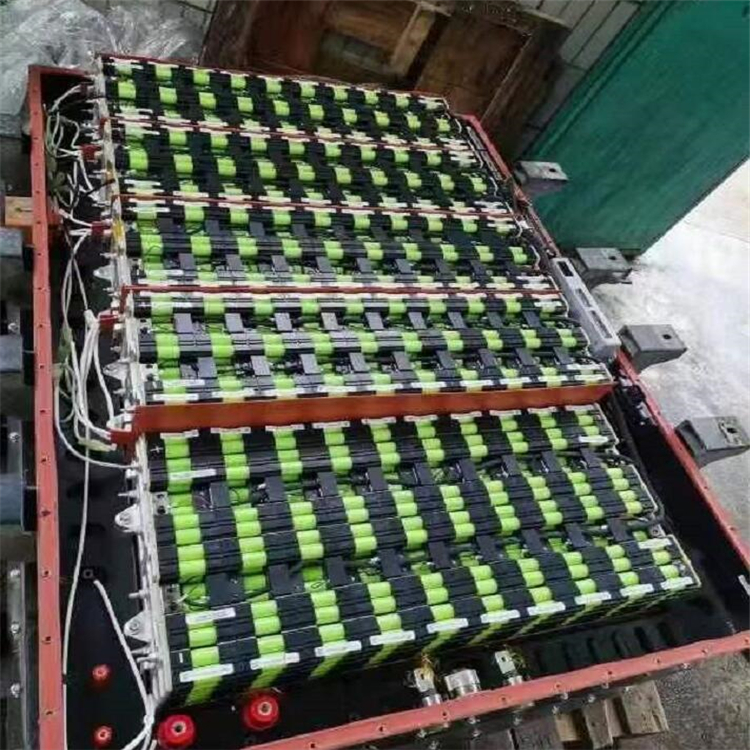
Current Status of Battery Recycling Policies and Regulations: Both domestically and internationally, regulations for the recycling of power batteries do not impose legal constraints on the secondary use of these batteries. However, there are relevant laws concerning the recycling of waste batteries. EU regulations involving battery recycling include the Battery Directive, Waste Treatment Regulations, and End-of-Life Vehicle Recycling Regulations. The U.S. establishes regulations at the federal, state, and local levels for the production, collection, transportation, storage, and other processes of waste rechargeable batteries. Japan requires the battery industry to establish a recycling system for collecting and recycling rechargeable batteries.

Cylindrical cells offer high capacity and output voltage, with a battery casing that withstands high pressure, ensuring no expansion during use or transportation. The design is flexible, boasting excellent charge-discharge cycling performance. The output voltage is stable, and the wide operating temperature range is environmentally friendly.
Lithium-ion batteries feature high working voltage, large energy density, long cycle life, excellent safety performance, and clean, non-polluting characteristics. They are widely used in transportation, electricity, mobile communications, new energy storage, and other important fields. With the popularization and promotion of new energy vehicles, lithium-ion batteries have shone in the field of energy storage for new energy vehicles. Due to the high energy consumption and short service life of power lithium batteries, the amount of discarded batteries has surged, causing severe environmental pollution. Additionally, discarded power lithium batteries contain large amounts of copper, aluminum, and graphite, among other resources. Failure to effectively recycle them would also result in resource waste. Therefore, the recycling and utilization of discarded power lithium batteries is urgently needed.
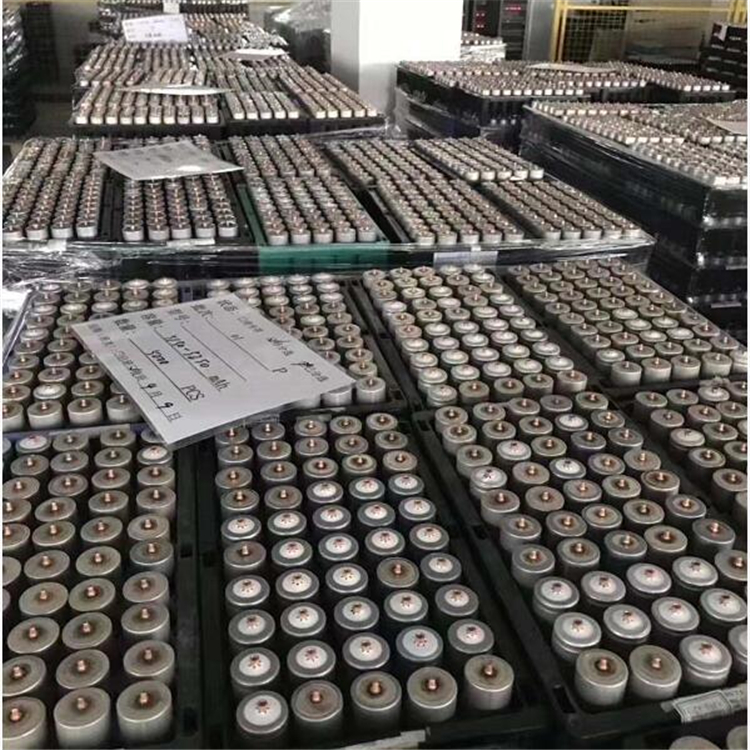
Cylindrical cell units exhibit excellent mechanical properties, mature production processes, and high efficiency. They offer excellent bending strength, ease of use, simplicity, and effective heat dissipation. They are not prone to combustion or explosion due to improper operations such as overcharging, overdischarging, or short-circuiting.
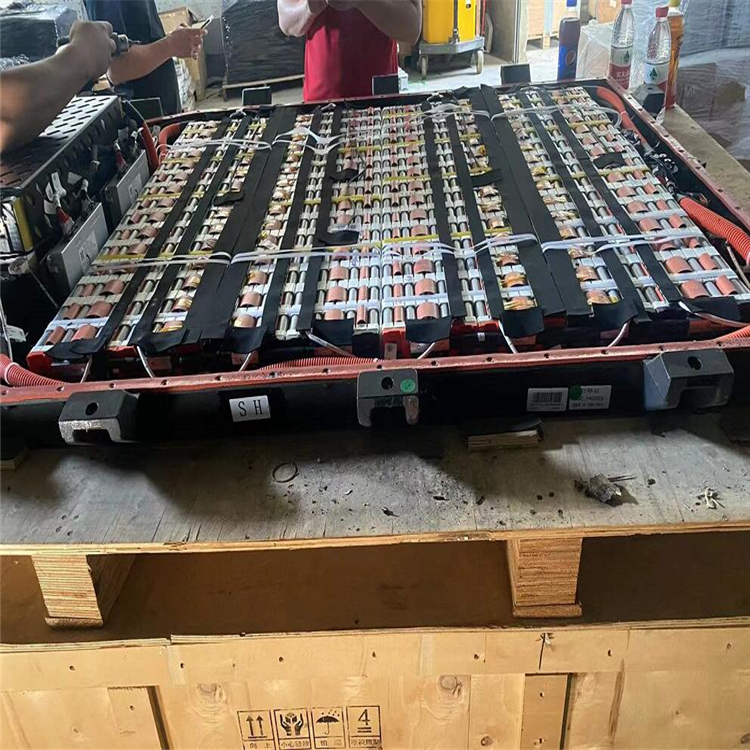
The company adheres to the principle of integrity, earning the trust of numerous clients and a favorable reputation in the field of power lithium battery cell recycling. We have established solid partnerships, and as our business continues to grow and expand, so does the scope of our collaborators. We eagerly look forward to collaborating with you and contributing to the sustainable development of society.