







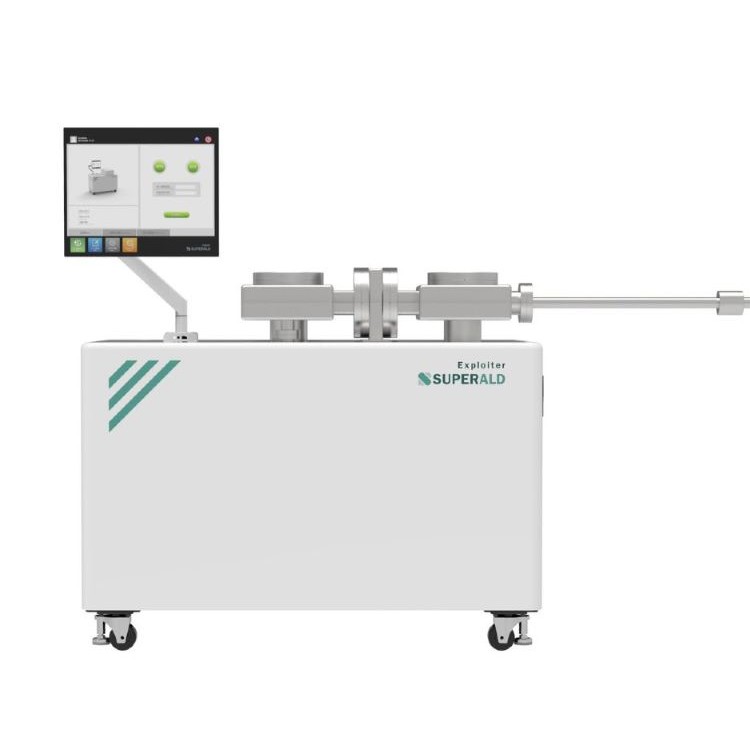

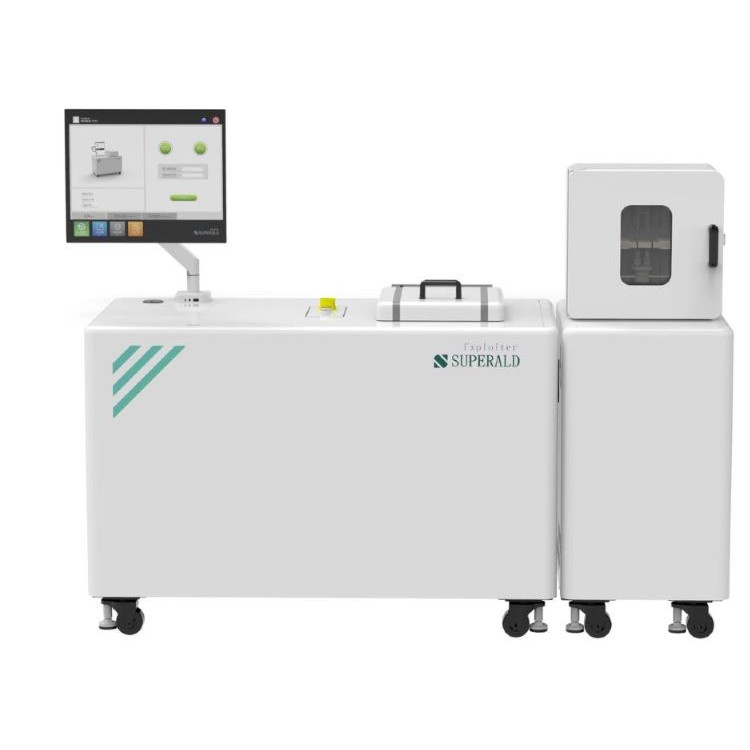
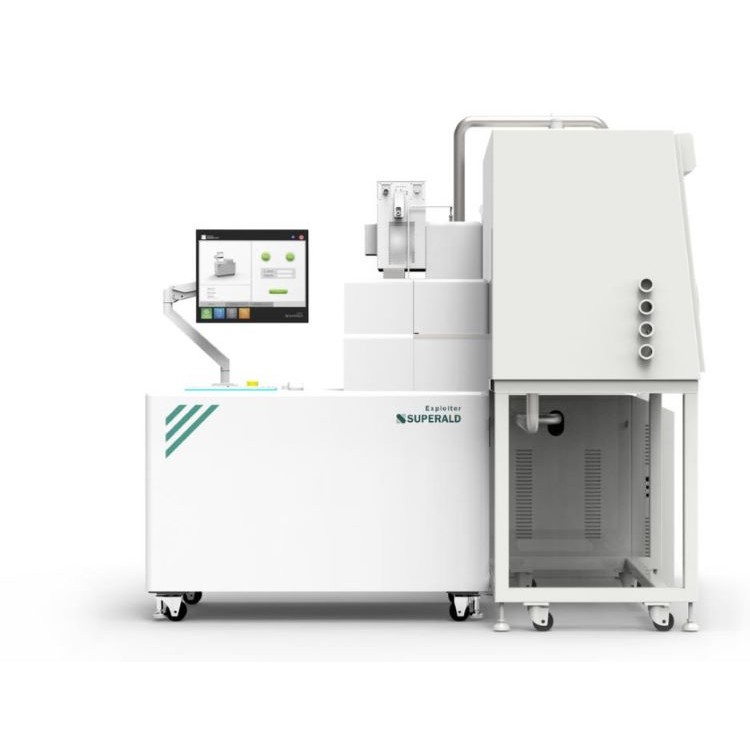

Equipment Specifications
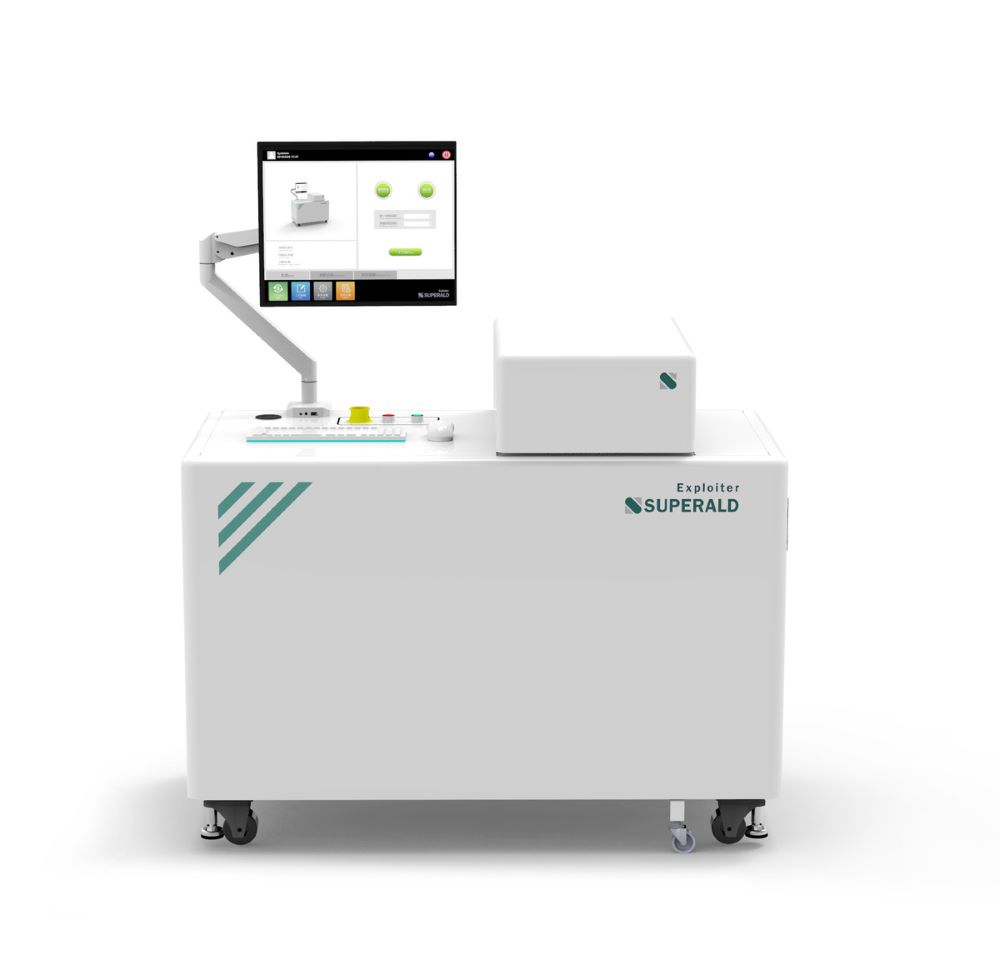
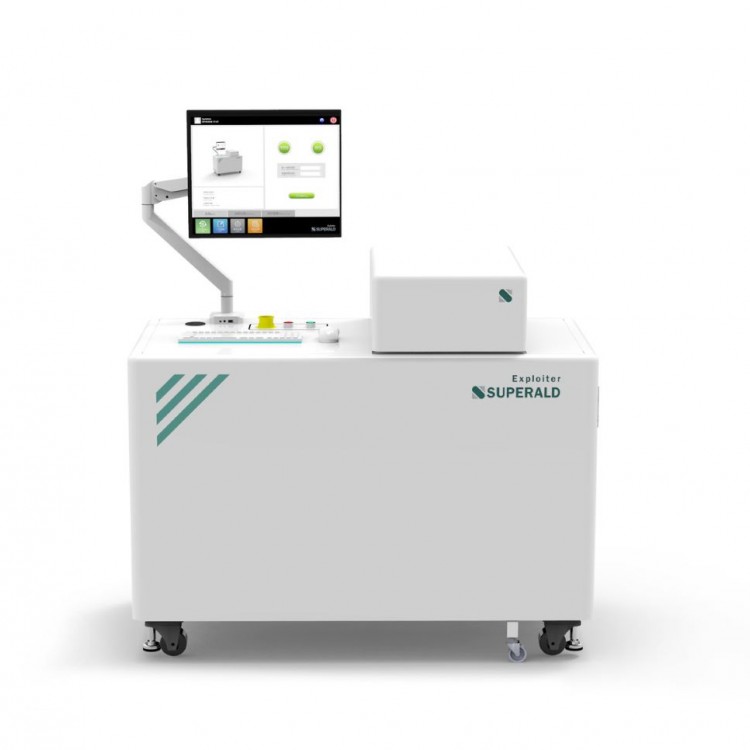
Substrate Size: Standard Size: 200mm Dia (8 inch) (Customizable)
Process Temperature: Temperature Range: RT~500°C (Customizable)
Pilot Line Configurations: Supports up to 6 pilot line gas paths ( customizable), including solid and liquid precursor source bottles
Heating System: Heating Temperature Range: RT~150℃
Reagent Pathways: Supports 2-way reagent gas pathways ( customizable)
Gas Carrier: Standard:N2MFC Traffic Control (Customizable)
Pressure Monitoring: Double-membrane gauge assembly (corrosion-resistant), 0.005Torr - 1000Torr
Base vacuum degree: <5x10⁻³ Torr
Vacuum System: Standard Oil Pump
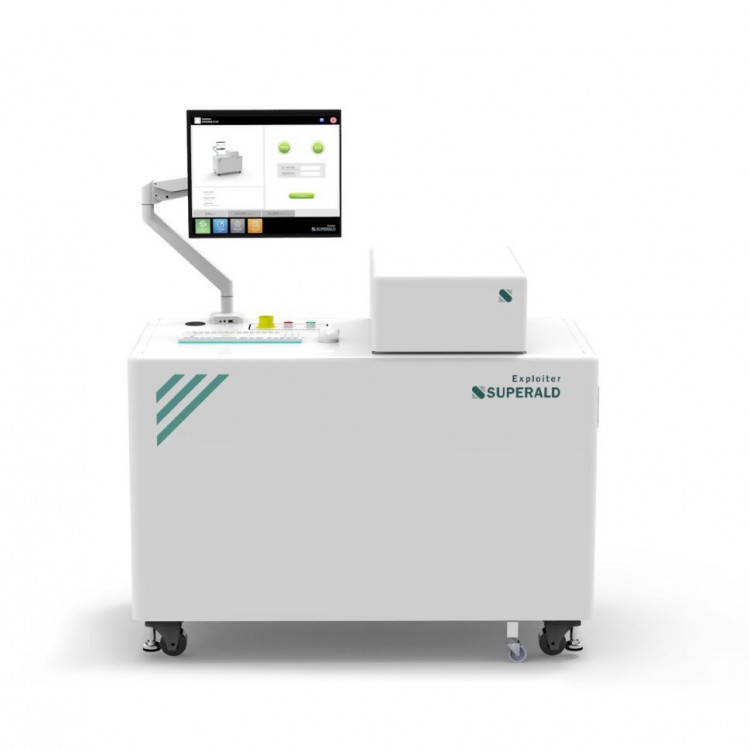
Control System: 19-inch monitor, compatible with touch industrial-grade embedded industrial computer, high reliability, expandable
Operating System: Industrial-grade programmable logic controller with Win7 operating system, supporting fieldbus and real-time multi-tasking operations
High-Temperature Heating Module: Independent source bottle heating module, supporting RT to 200℃
Reserved Module: Features a reserved plasma system interface, allowing for direct upgrade to plasma system (PEALD) without changing the chamber, enabling dual-mode switching between Thermal-ALD and PEALD.
Process
Types and application scenarios of degradable films include:
• High-K Dielectric MaterialAl2O3, H2O, ZrO2, Ta2O5, La2O3);
• Metal interconnect structures (Cu, WN, TaN, Ru, In)
Catalytic Materials (Pt, Ir, Co,)TiO2):
• Biological Coating (TiN, ZrN, TiAIN, AlTIN)
• Metals (Ru, Pd, Ir, Pt, Rh, Co, Cu, Fe, Ni)
• Piezoelectric Layers (ZnO, AIN, ZnS)
• Transparent electrical conductors (ZnO:Al, ITO)
Photonic crystal (ZnO)TiO2, Ta3N5);
Rack
•The frame is constructed with imported aluminum materials, featuring lightweight, high load-bearing capacity, and excellent heat dissipation.
• The housing is made of carbon steel with baked paint and rounded corners, lightweight and aesthetically pleasing, easy to disassemble, and ergonomically designed.
• The display can rotate 360 degrees freely, adjustable viewing distance, angle, and free悬浮
Control System
• The control system is implemented with a PLC + industrial computer + 19-inch touch screen, and the system communicates via high-speed Ethernet.
• The equipment is controlled in real-time by PLC, while also featuring a human-machine interface interaction based on the Windows 7 operating system, supporting the storage and import/export functions for historical data, process recipes, alarms, and logs.
• The equipment supports the "One-Click Deposition" function, where simply clicking the run button automatically completes a series of steps including vacuum extraction, heating, material deposition, and cooling. It enables the deposition of single or multi-layer materials; it provides an independent manual operation page, supporting manual on/off valve operation, and the human-machine interaction supports mouse, keyboard, and touch input methods.
• The equipment's operating software provides user permission management, allowing usage permissions to be set according to user levels, preventing accidental operations, and ensuring equipment and personal safety.
• The equipment's operation software provides a logical interlock function to prevent user errors and pops up an information dialog box for prompts.
• Equipment operation software integrates safety and parameter configuration, IO interlock list information function
Vacuum System
· Vacuum measurement employs a combination of dual vacuum gauges, providing more authentic, rapid, and precise process data. It offers well-reliable data collection for process personnel, ensuring the reproducibility of the process.
Application Fields
Nano materialsALD technology offers highly controllable deposition parameters, enabling atomic-level precision in thin film formation and growth on complex three-dimensional micro-nano structures of various sizes. It can produce nanometer-scale films with high uniformity, precision, and shape retention. ALD boasts high density and uniformity in longitudinal and transverse dimensions, providing optimal solutions for MEMS mechanical wear-resistant layers, corrosion-resistant layers, dielectric layers, hydrophobic coatings, biocompatible coatings, and etching mask layers. The ALD deposition parameters are highly controllable, allowing precise control of the number of cycles to achieve the required parameters for MTJ. ALD technology can modify surfaces to enhance the biocompatibility of nanopores, while also improving antibacterial properties and promoting cell synthesis.
2. Solar PanelsThe application of ALD base materials in c-Si solar cells began with...Al2O3,Al2O3It is a highly effective surface passivation layer, discovered to significantly enhance the efficiency of c-Si solar cells and has been applied in large-scale industrialization. Subsequent research has expanded the application of ALD from surface passivation layers to carrier transport materials.
3. CatalystALD technology easily controls the size, pore structure, content, and dispersion of nanoparticles, effectively designing core-shell structures, oxide/metal inverted structures, oxide-confined structures, structures with multi-metal tube structures and multilayer structures. Its unique self-limiting characteristic enables uniform and controllable deposition of catalytic materials on high-surface-area materials.
Lithium-ion batteriesALD Application Features in Lithium-Ion Batteries: (1) Preparation and Modification of Electrode Materials; (2) Protective Coating on Cathode Materials; (3) Artificial Solid Electrolyte Interphase (SEI) on Anode Materials; (4) Passivation of Lithium Metal Anodes and Prevention of Dendrite Growth; (5) Solid State Electrolyte (SSE) with ALD Effect; (6) Protective Coating on Insulating Films
Application of ALD Technology by YuanSu Technology in the lithium battery field mainly covers the following aspects:
a. Lithium-ion battery PP/PE separator coating, improving the separator's wettability, pressure resistance, and thermal shrinkage properties.
b、Positive electrode coating for lithium batteries, improving battery's rate performance and cycling performance
c. Lithium-ion battery negative electrode coating, improving battery's rate performance, cycle life, and safety.
5. Optical CoatingALD films grow in a layer-by-layer mode with saturated adsorption, enabling the formation of high-uniformity films over complex geometrical surfaces, such as large curved surfaces and deep holes with high aspect ratios. Compared to PVD films, the ALD films are denser and more suitable for manufacturing advanced precision optical devices in the future industrial sector.
6. BiologyALD can form a highly dense protective film through low-temperature deposition. Due to its nanoscale thickness, it doesn't affect the equipment itself. After depositing an ALD coating, the lifespan and safety of the implanted device can be significantly improved, and the frequency of replacement may also be effectively reduced. Additionally, ALD has biocompatibility with various materials, making this coating non-cytotoxic to human tissue. This enables ALD-deposited surface coatings to meet the demand for novel biocompatible materials in the preparation of substrates for constructing biocompatible cellular structures in this field.
7.OLED: ALD encapsulation films with thicknesses as thin as tens of nanometers can rival the barrier effects of traditional OLED encapsulation technology, while offering excellent transparency, thermal conductivity, mechanical strength, corrosion resistance, and adhesion to substrates. Due to their nanometer-scale film thickness, ALD encapsulation films can achieve significant bending without compromising encapsulation, making them perfectly compatible with flexible OLED device encapsulation, enabling truly foldable and rollable displays. Their excellent shape retention allows ALD films to act as exceptional passivation layers on the surfaces of LEDs with complex shapes and three-dimensional nanoscale structures, effectively blocking moisture and oxygen and enhancing performance. ALD-deposited passivation films on LED surfaces can also effectively repair destructive surfaces caused by plasma etching, significantly reducing leakage current and improving LED efficiency.