






Stainless Steel Reactor
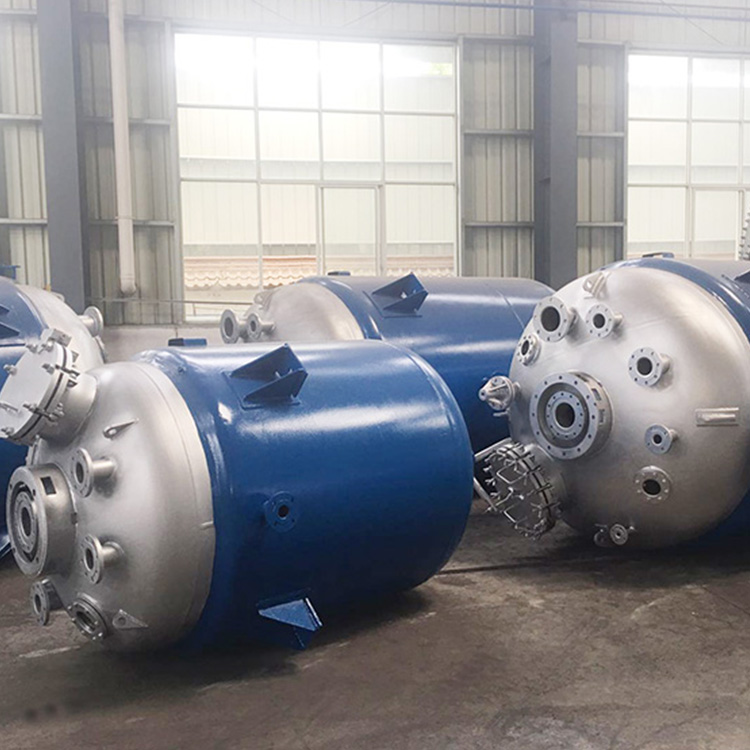
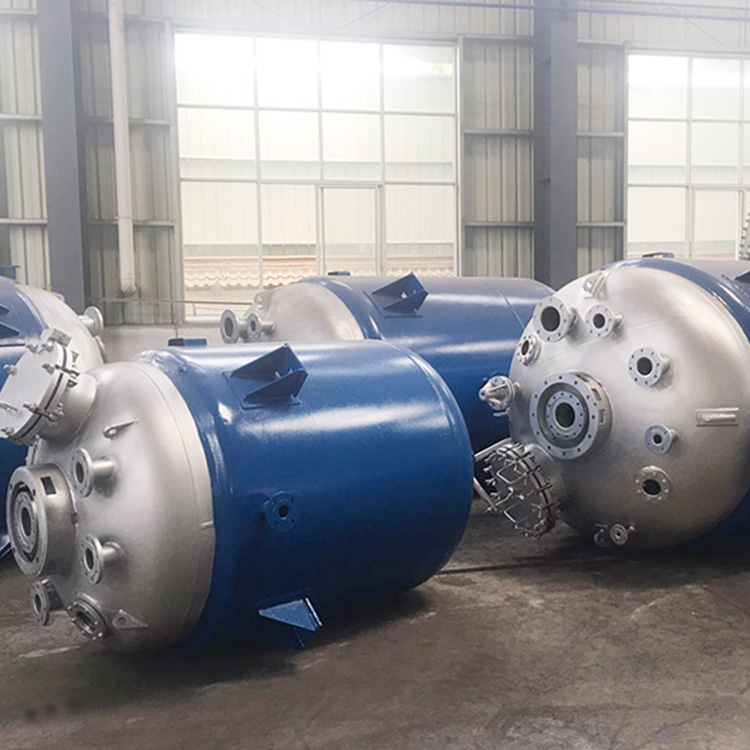
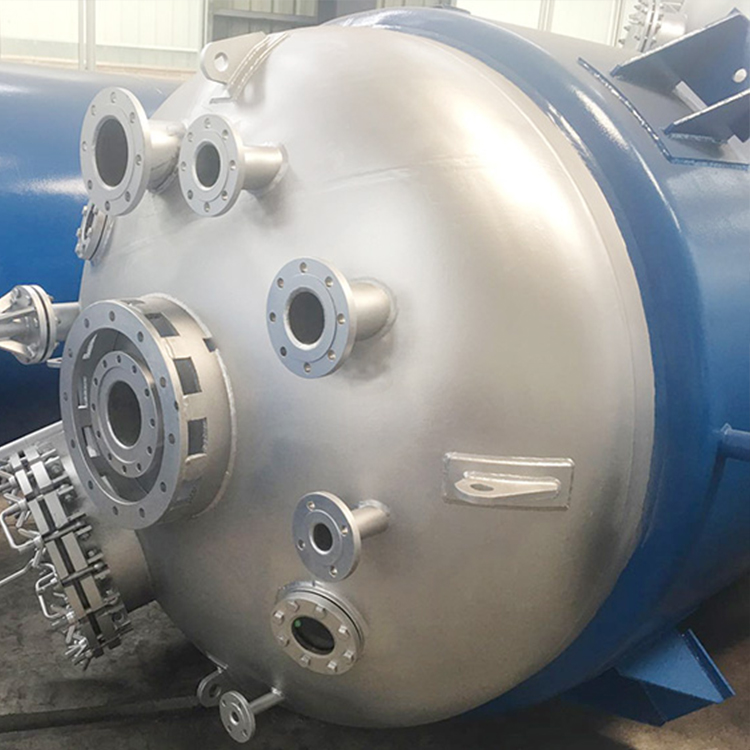
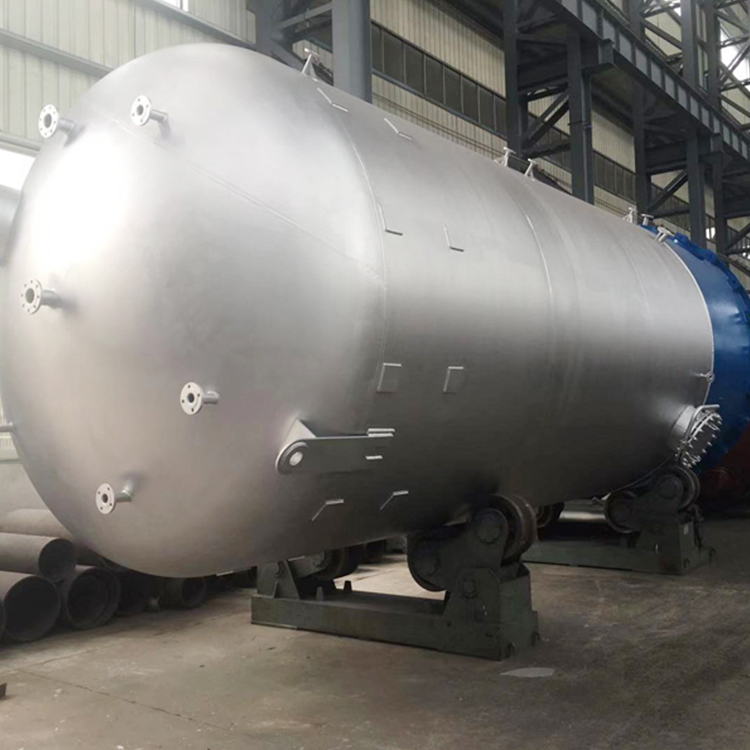
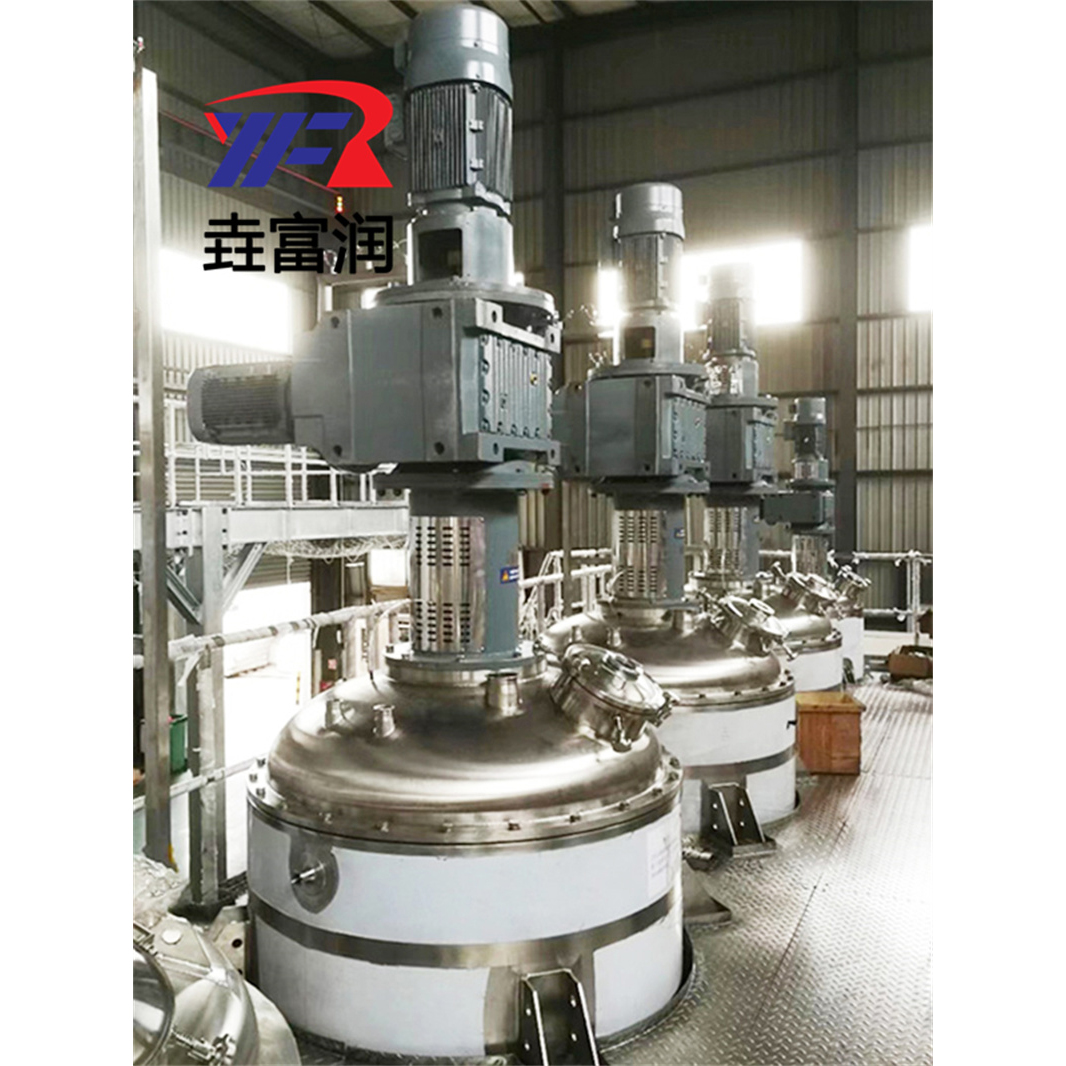
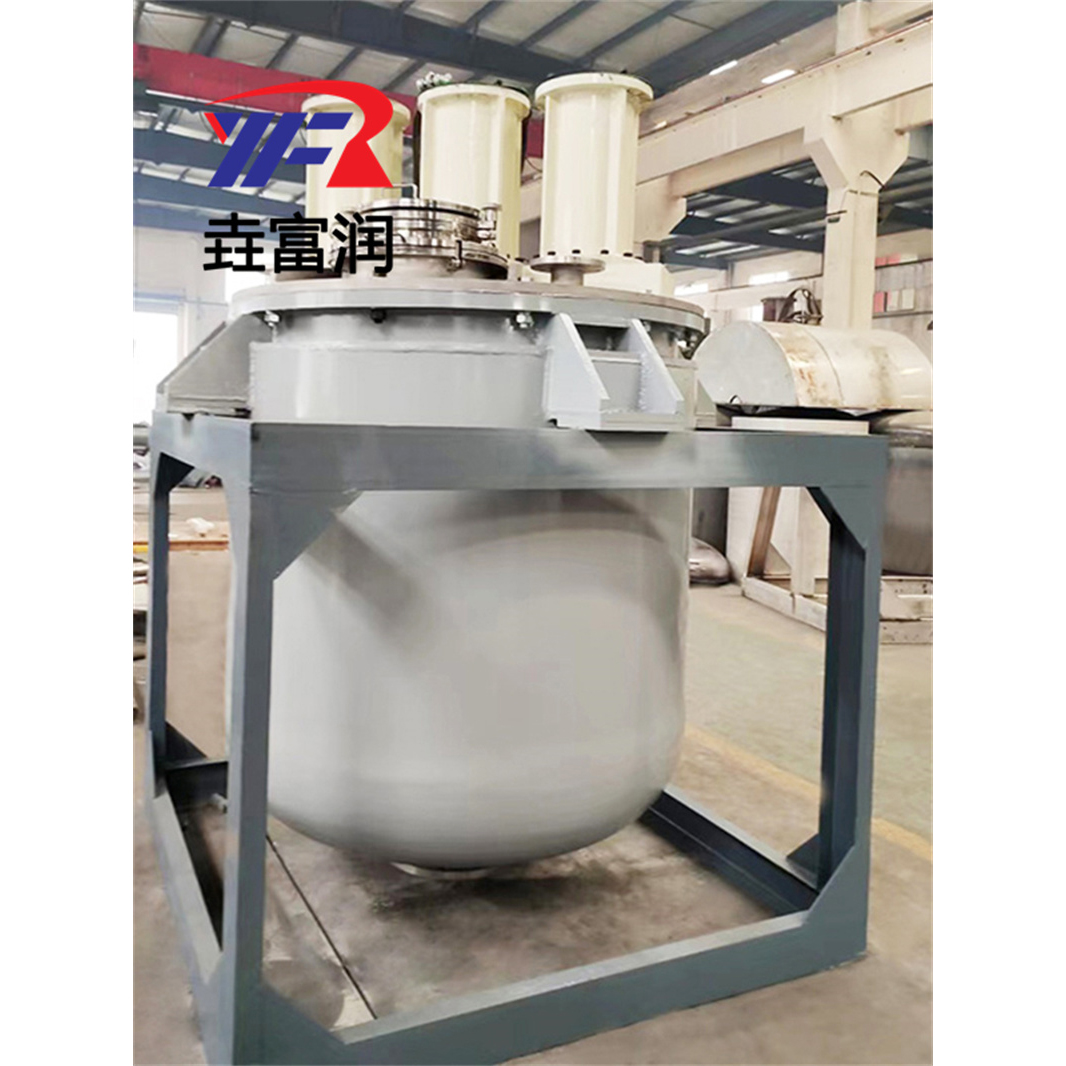
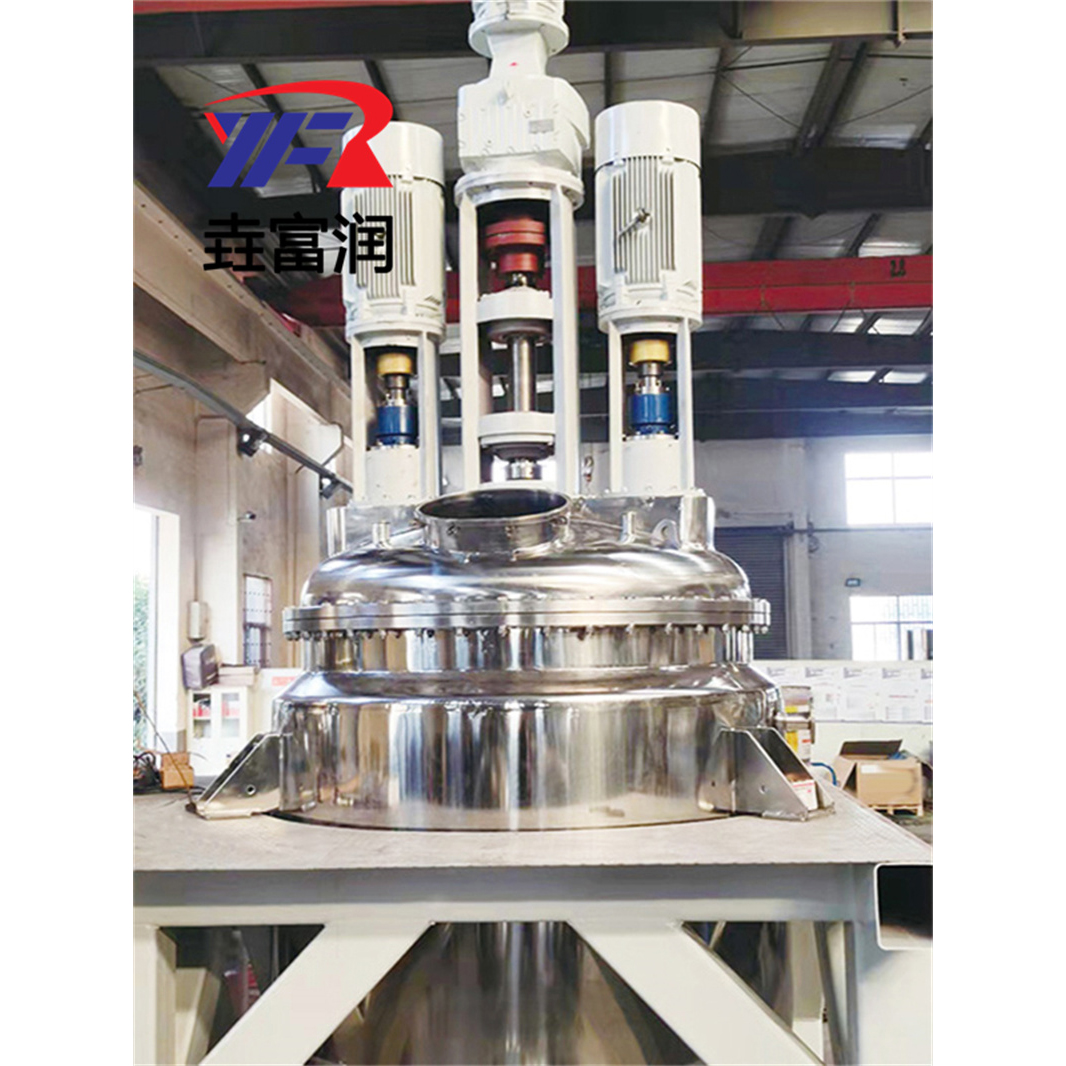
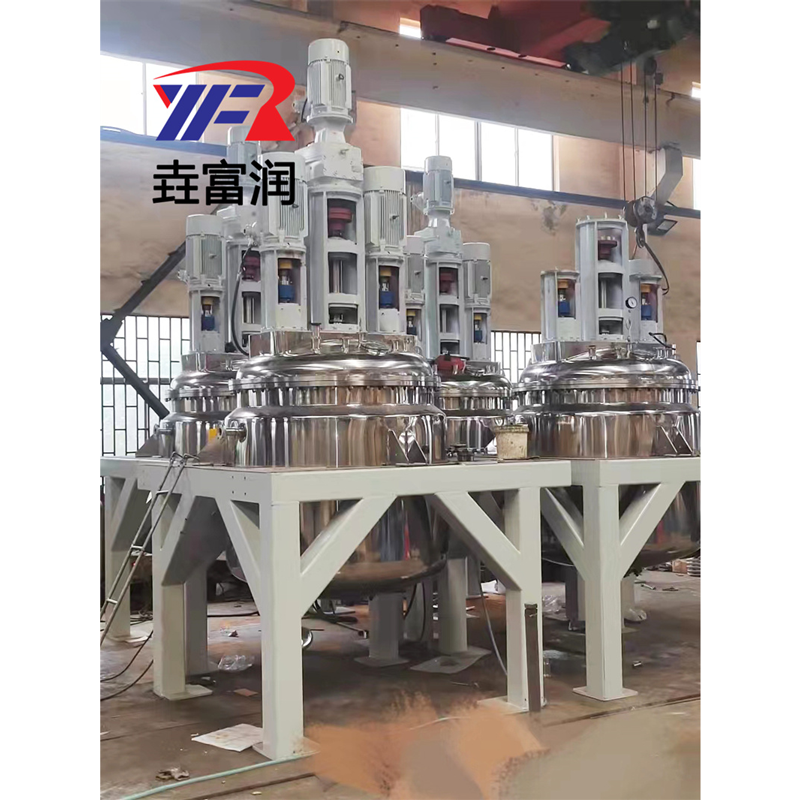
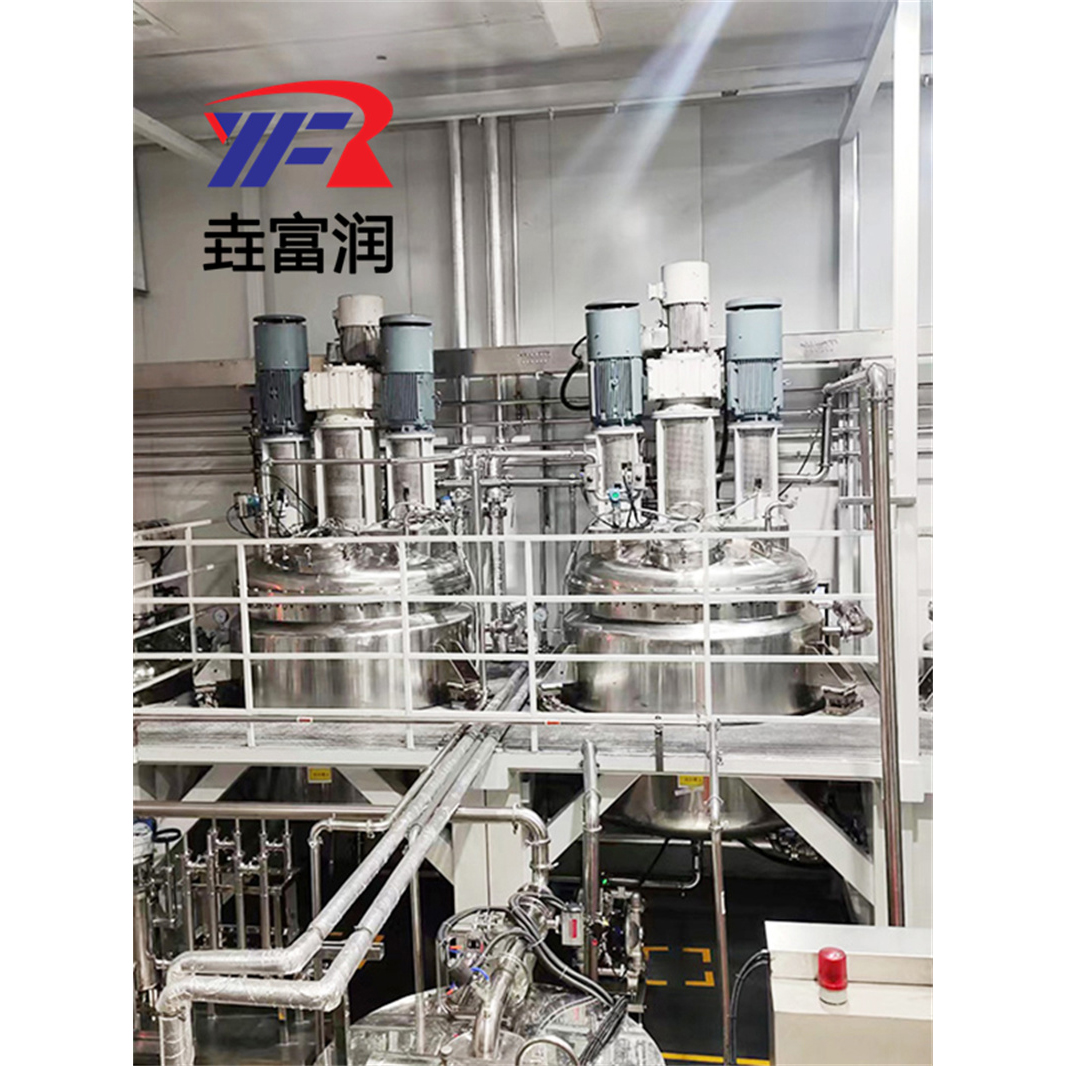
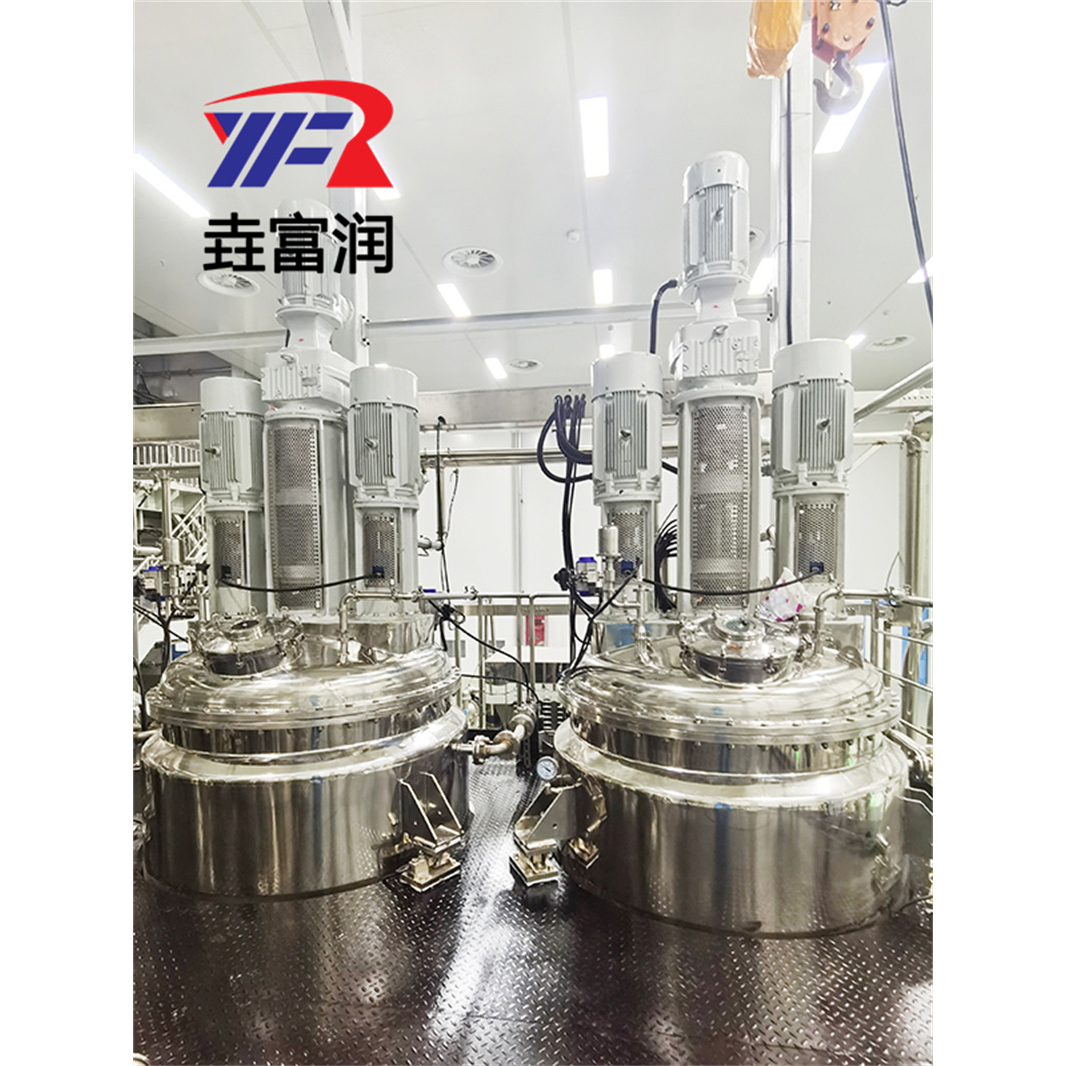
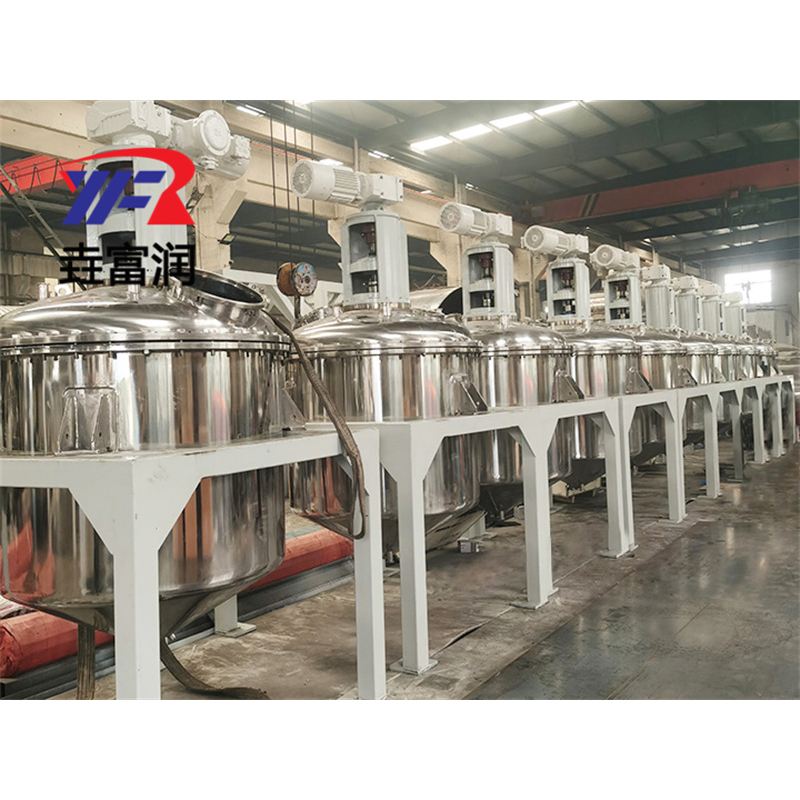
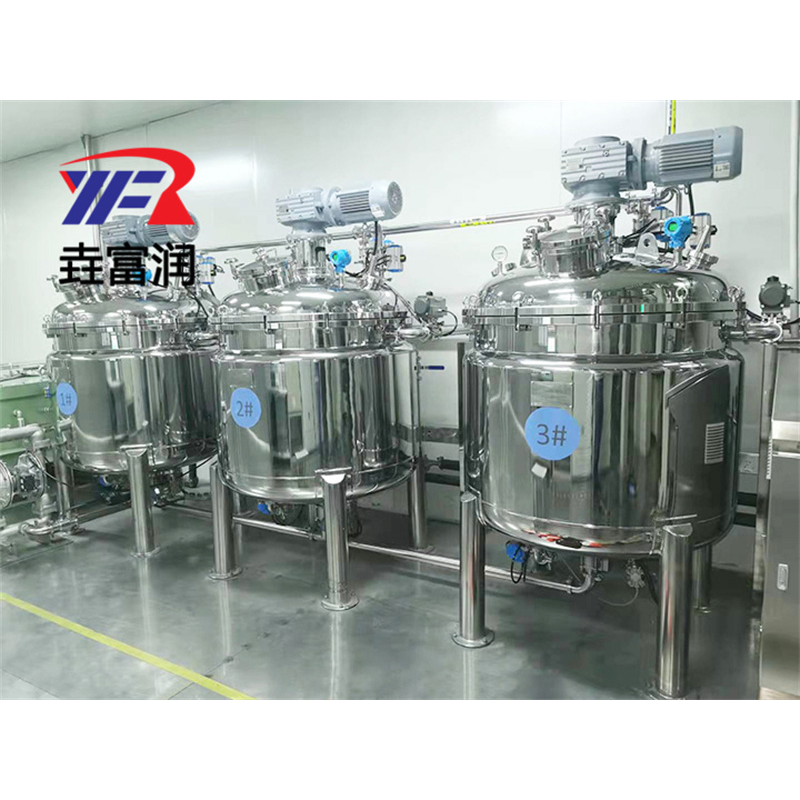
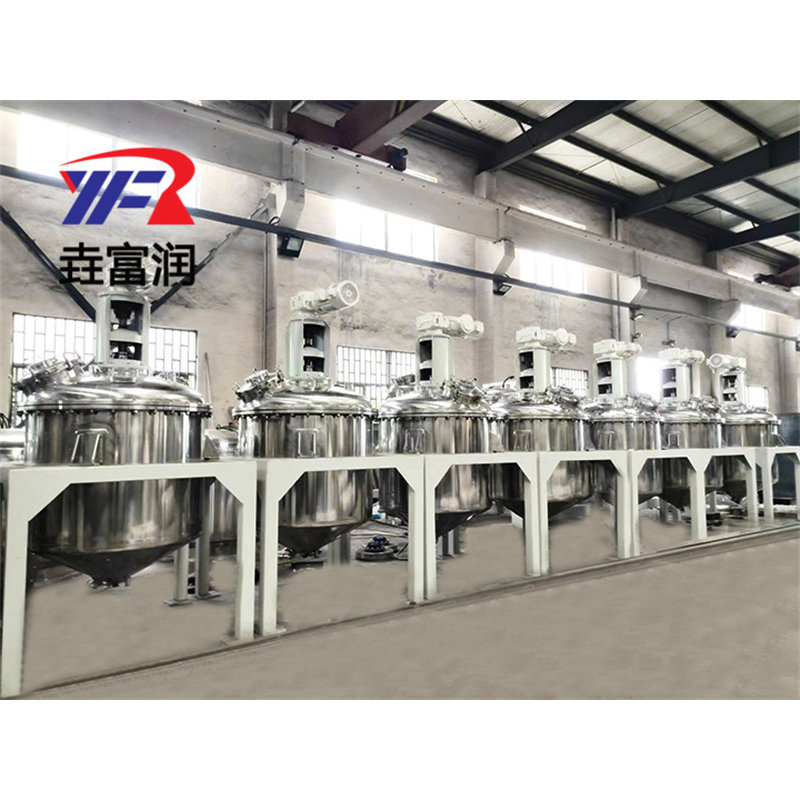
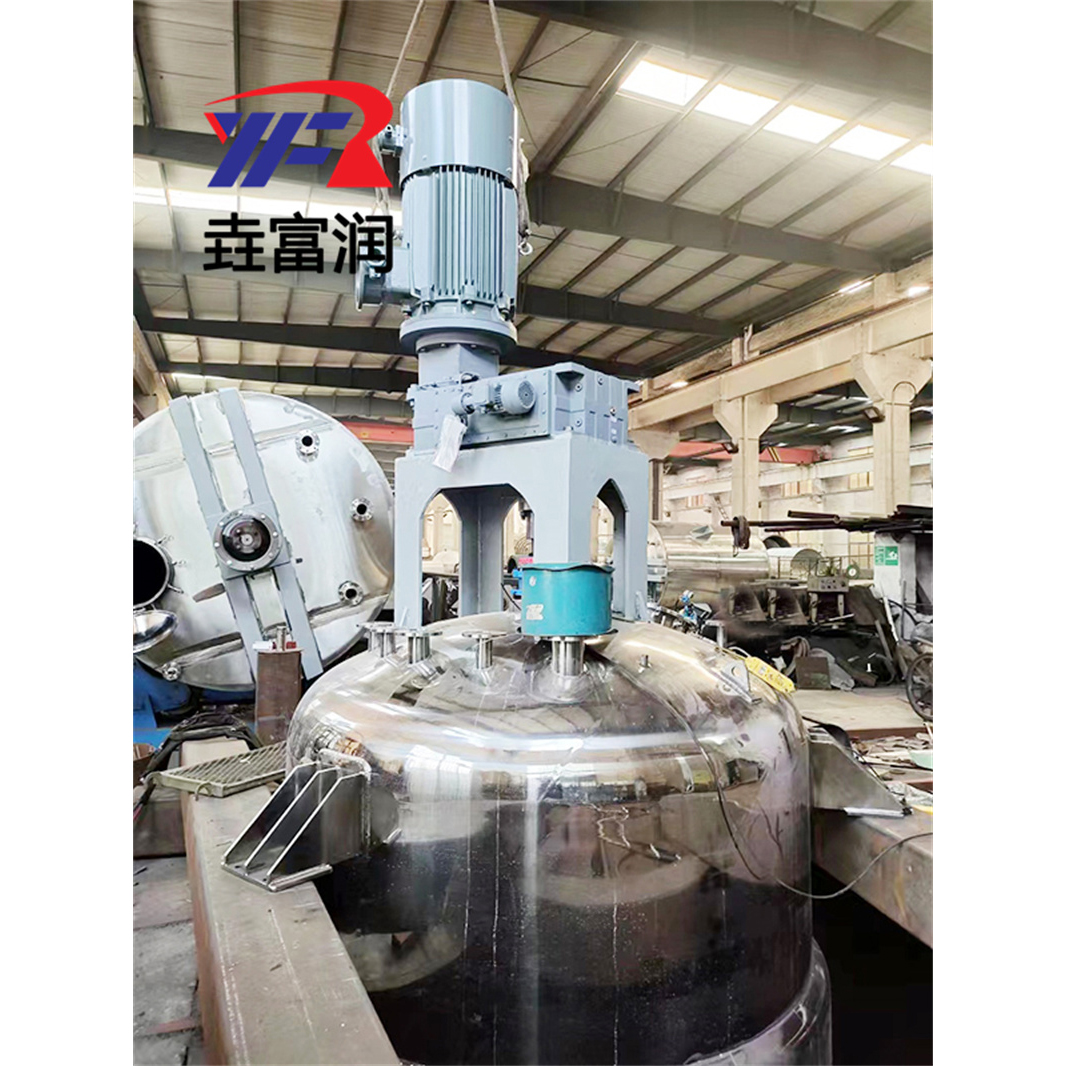
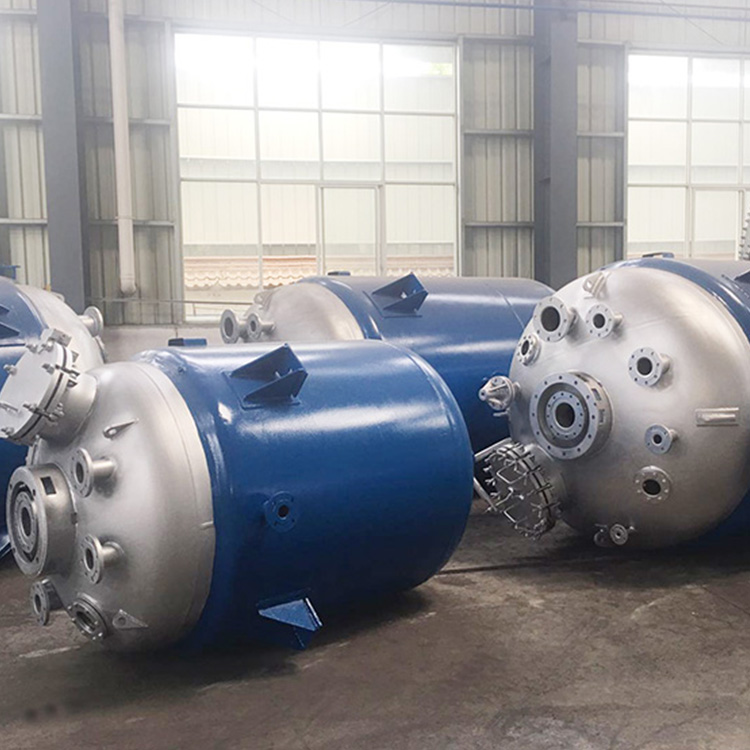
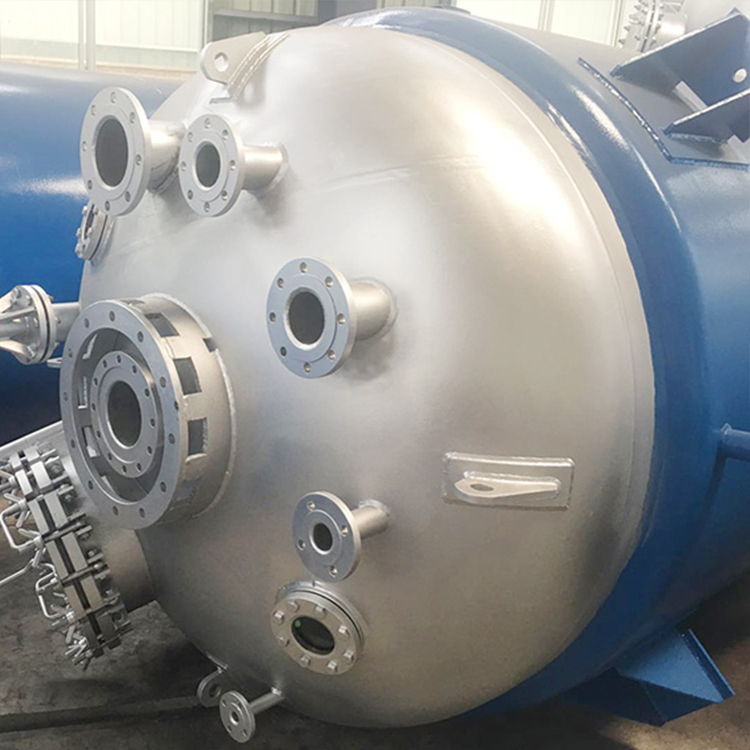
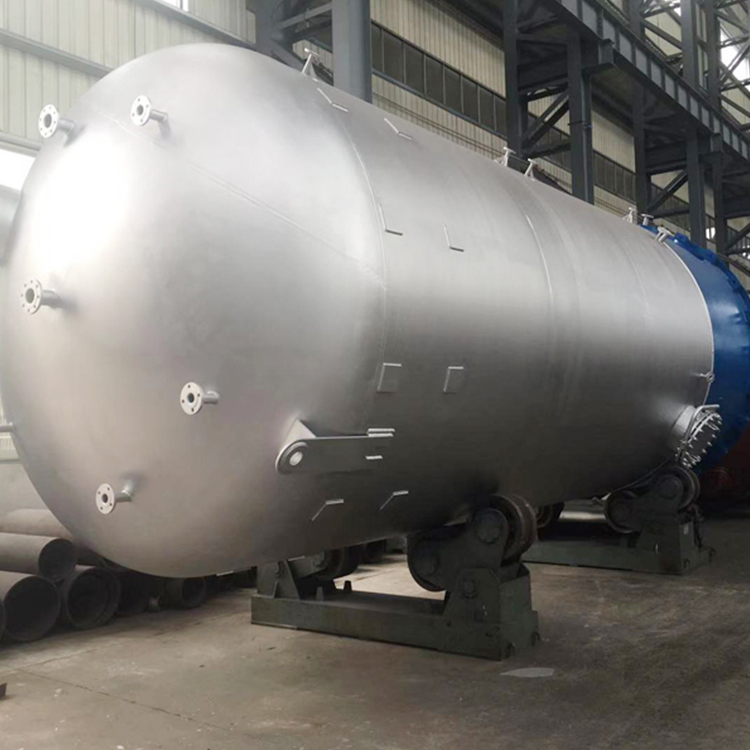
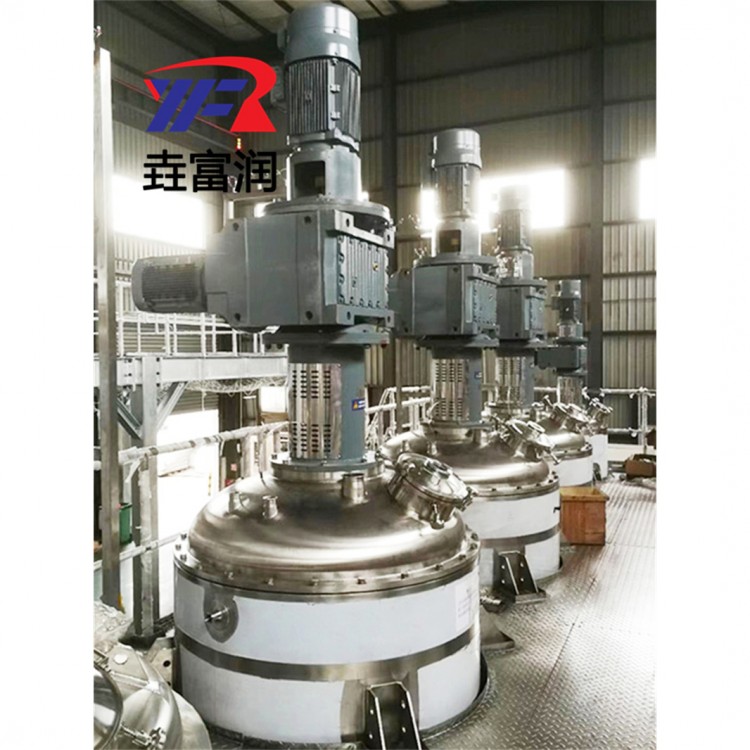
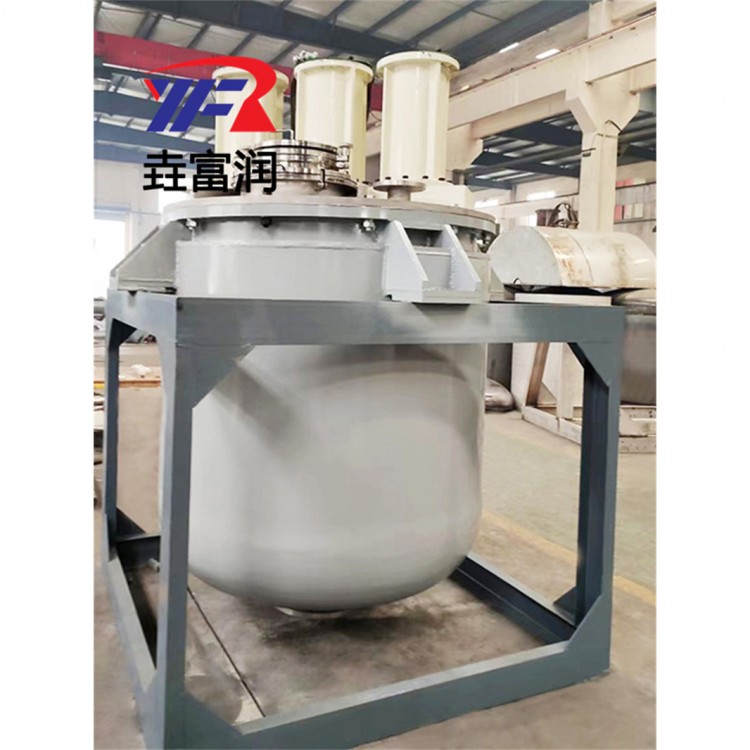
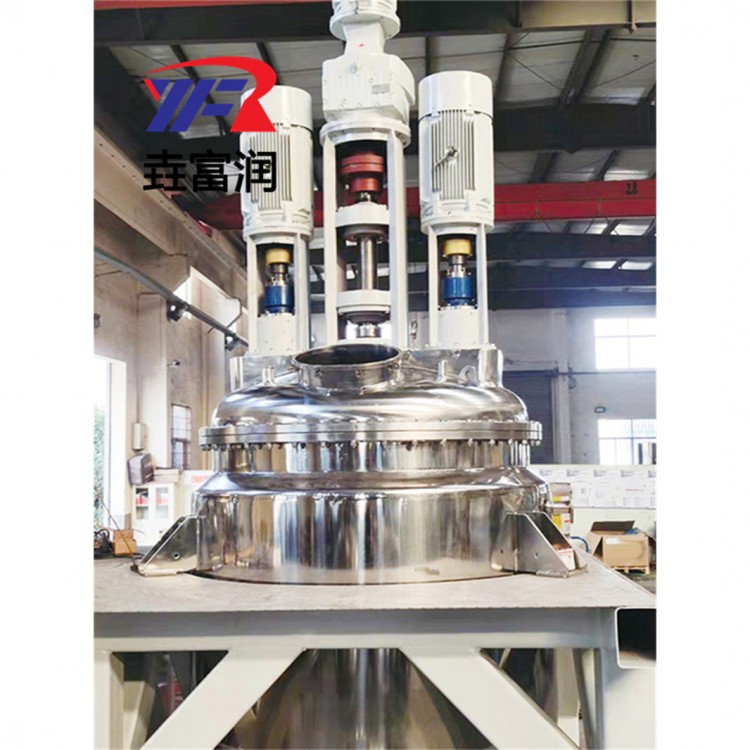
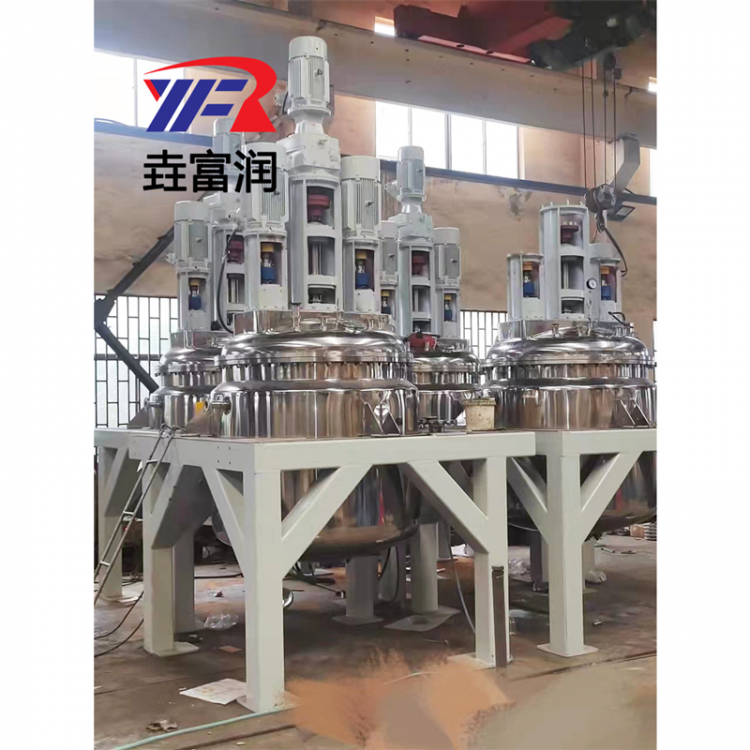
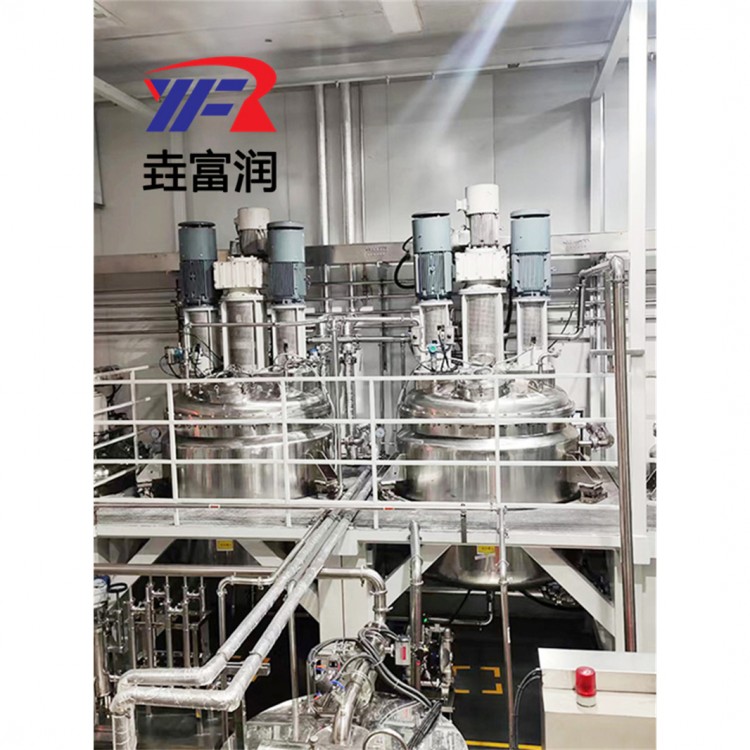
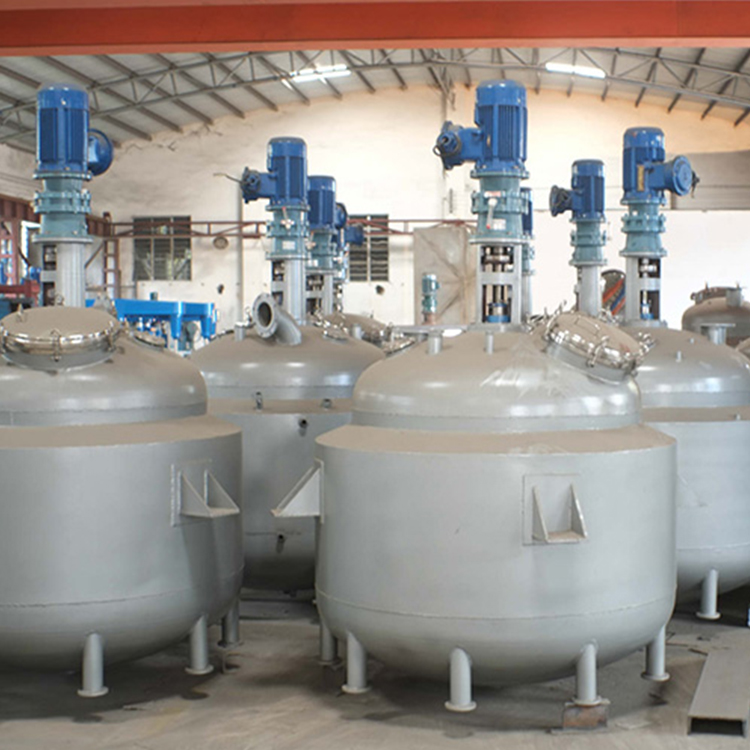
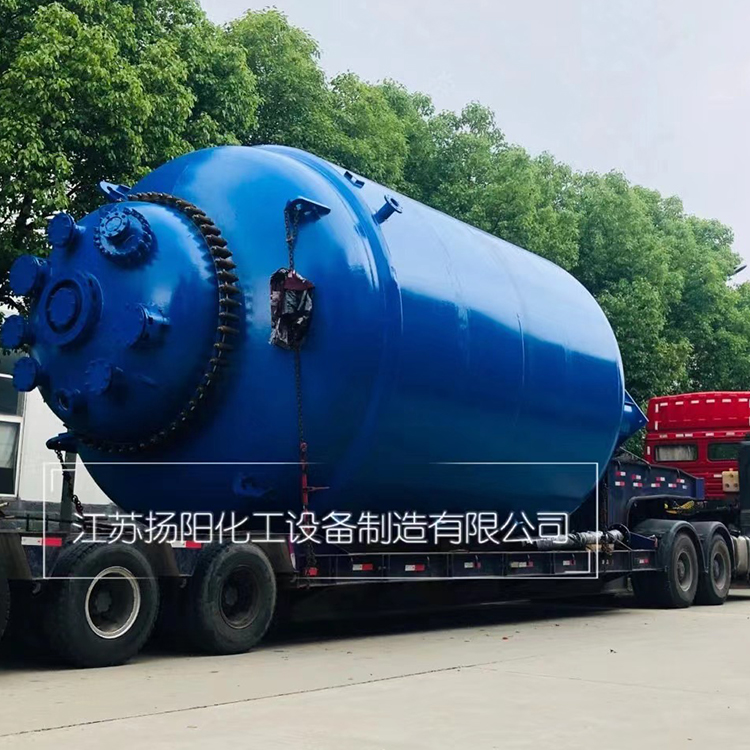
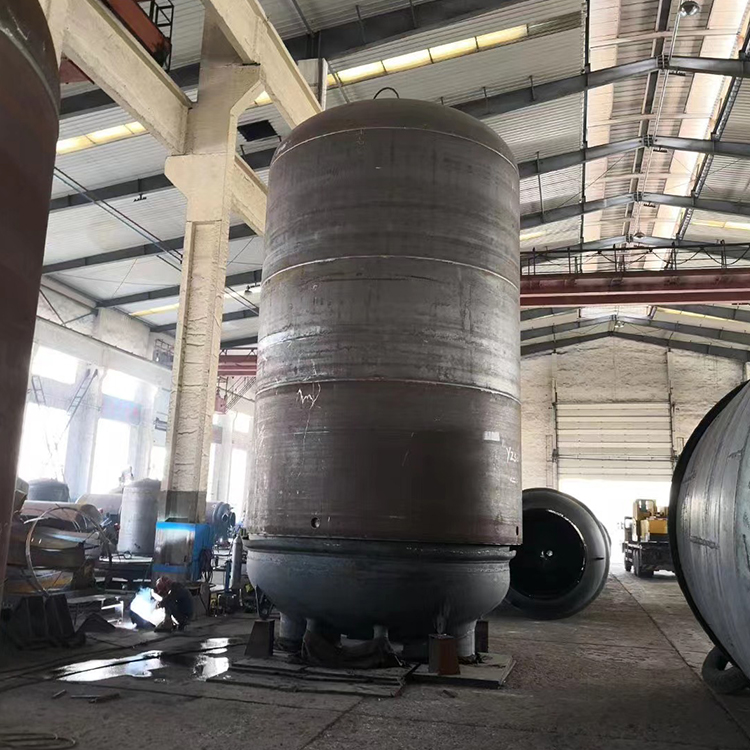
Stainless steel reactors are widely used in chemical, food, paint, thermoplastic adhesive, silicone, paint, petrochemical production processes such as reaction, evaporation, synthesis, polymerization, saponification, sulfonation, chlorination, and nitrification, etc. They are pressure vessels for processes like reactors, reaction pots, and polymerization reactors. The reaction pot is mainly composed of four major components: the inner tank, jacket, agitation system, and support base (insulated structures can be adopted according to process requirements). The equipment is mainly composed of the tank, jacket, and agitation system.
Material for stainless steel reaction kettle
All contact parts with materials are made of 304 or 316L stainless steel.
2. Surface Treatment for Stainless Steel Reactor Vessels
The inner surface is mirror polished to ensure no卫生blind spots, and the fully enclosed design keeps the material in a sterile state at all times. The outer surface is available in options such as sandblasting, brushed finish, and cold rolled natural matte treatment.
Heating Condensation: Heating methods available include steam, electric heating, and thermal oil to meet the process requirements of different working environments such as acid and alkali resistance, high-temperature tolerance, wear resistance, and corrosion resistance.