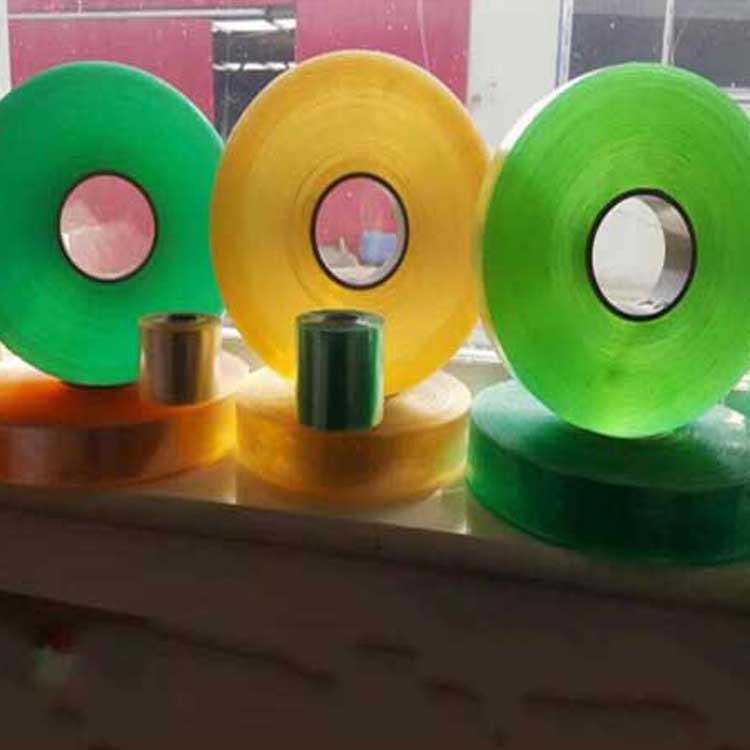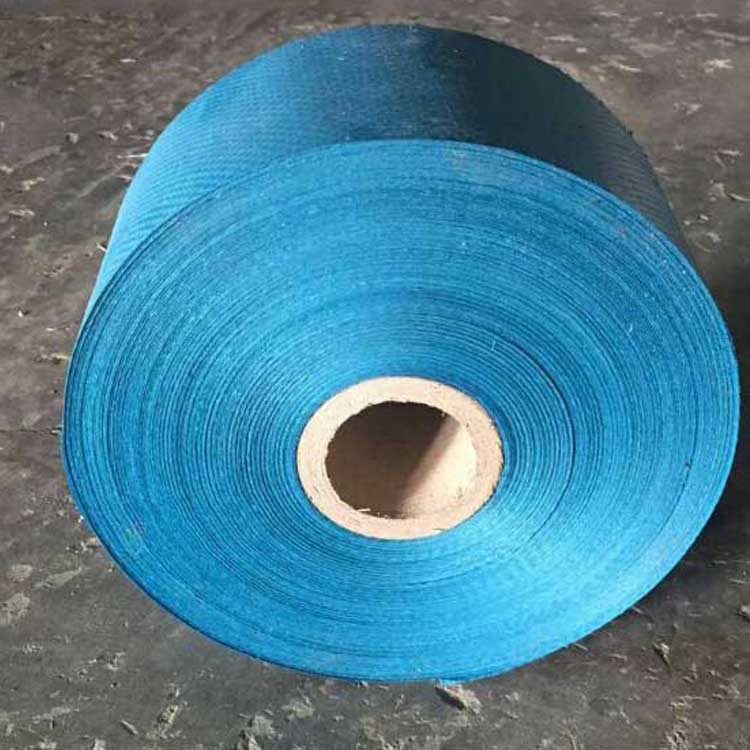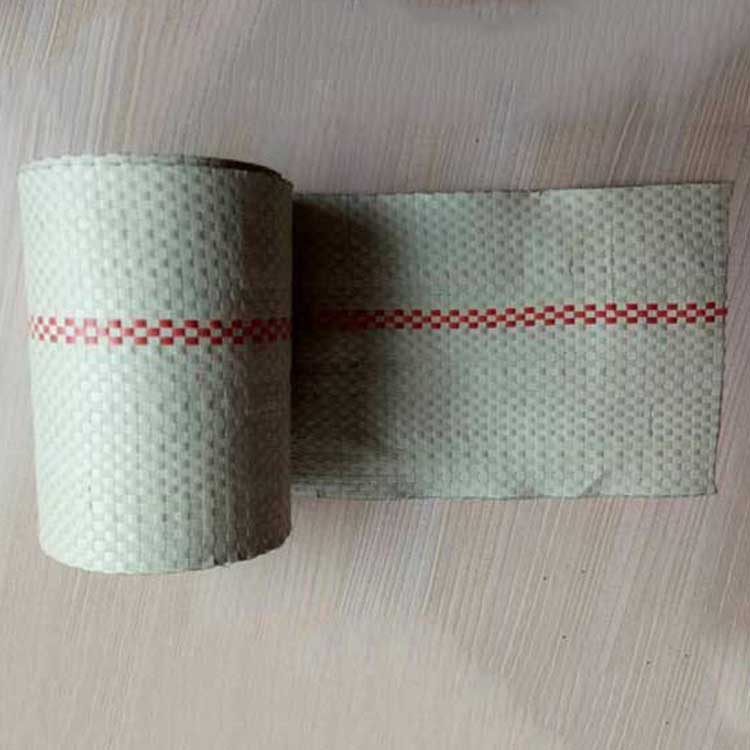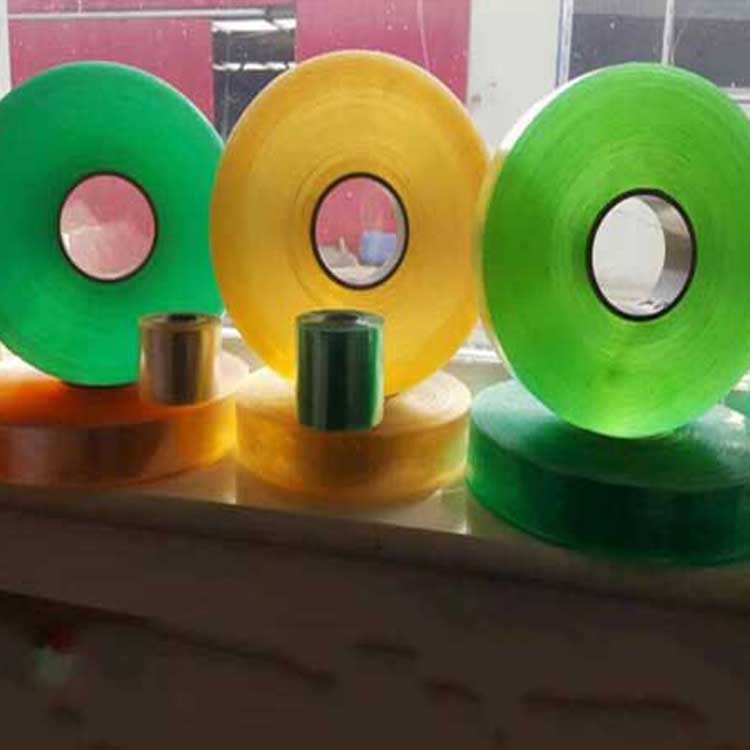

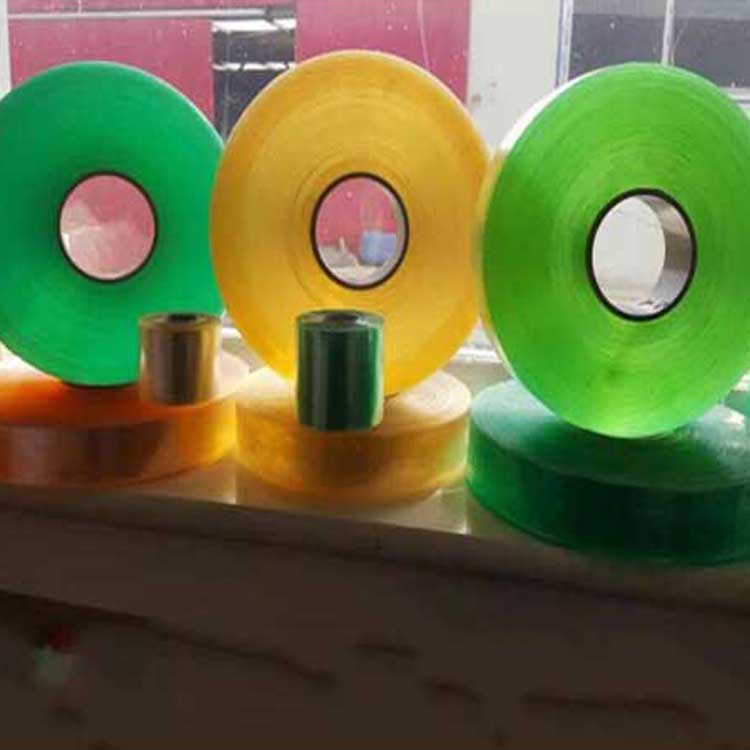







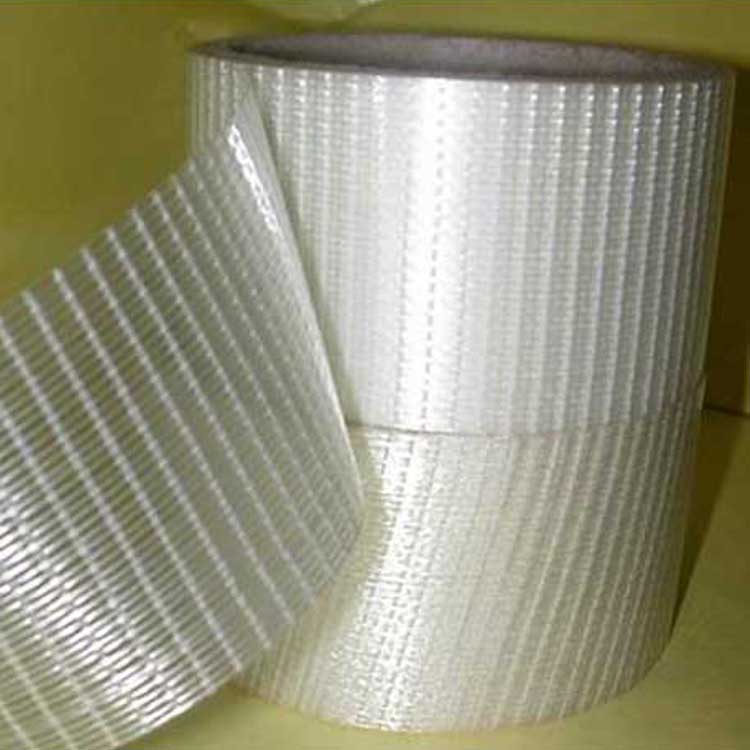
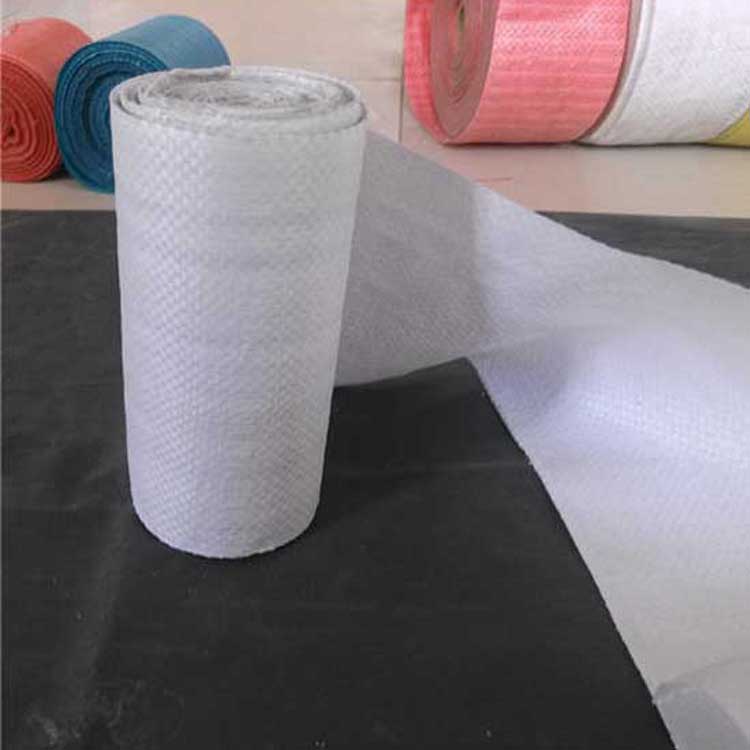
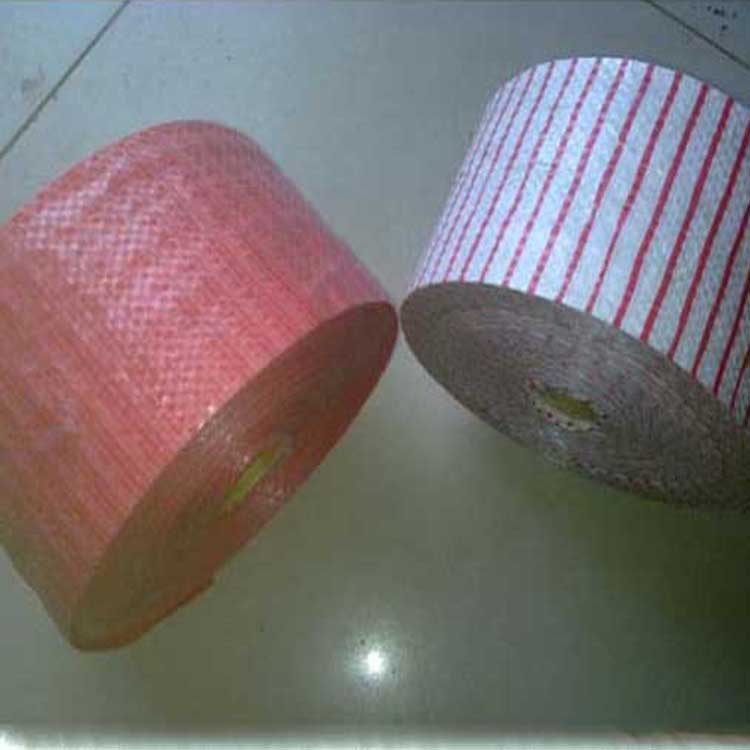
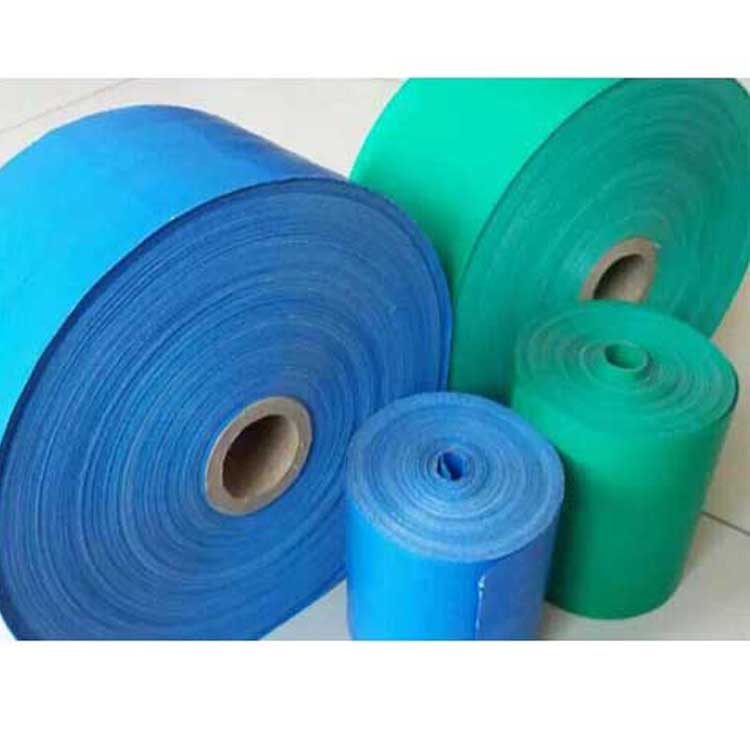
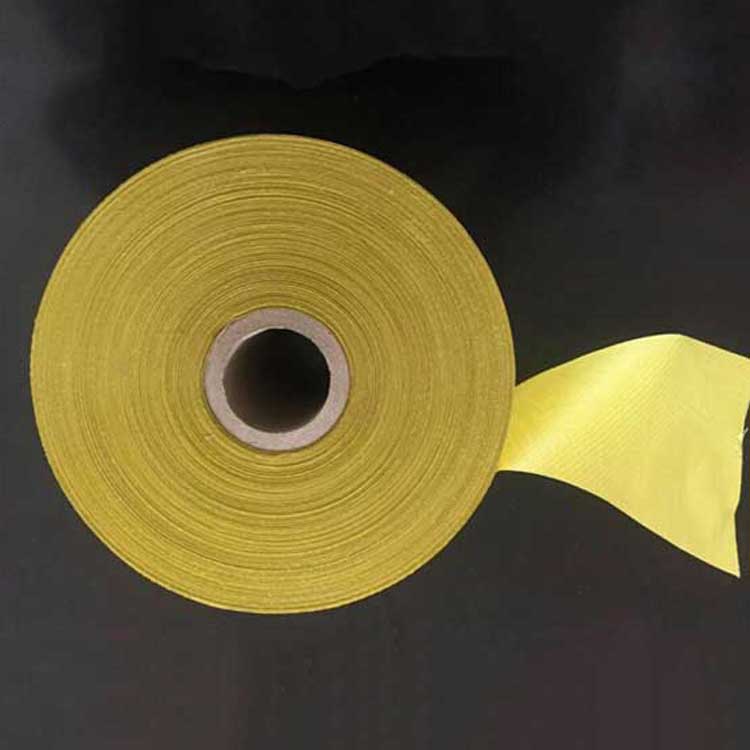
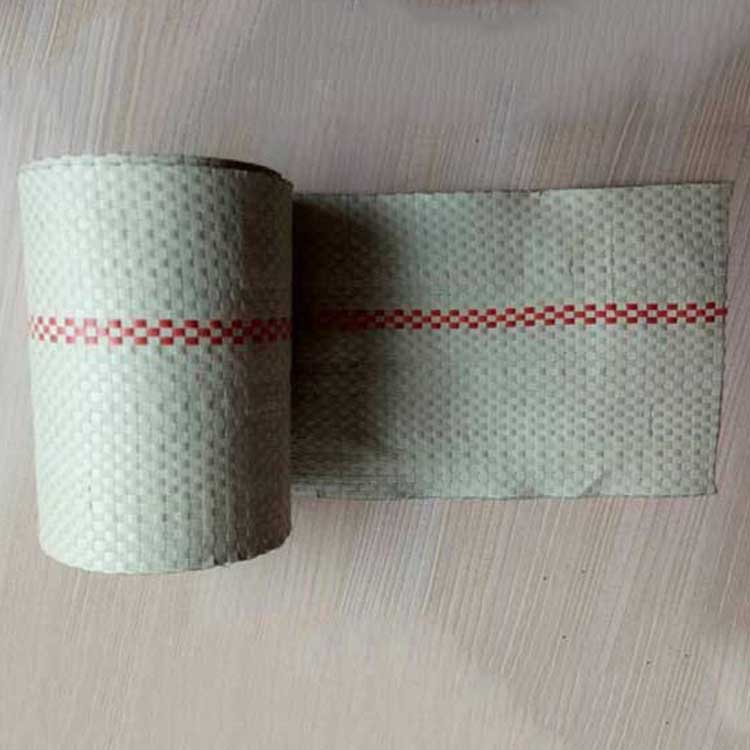
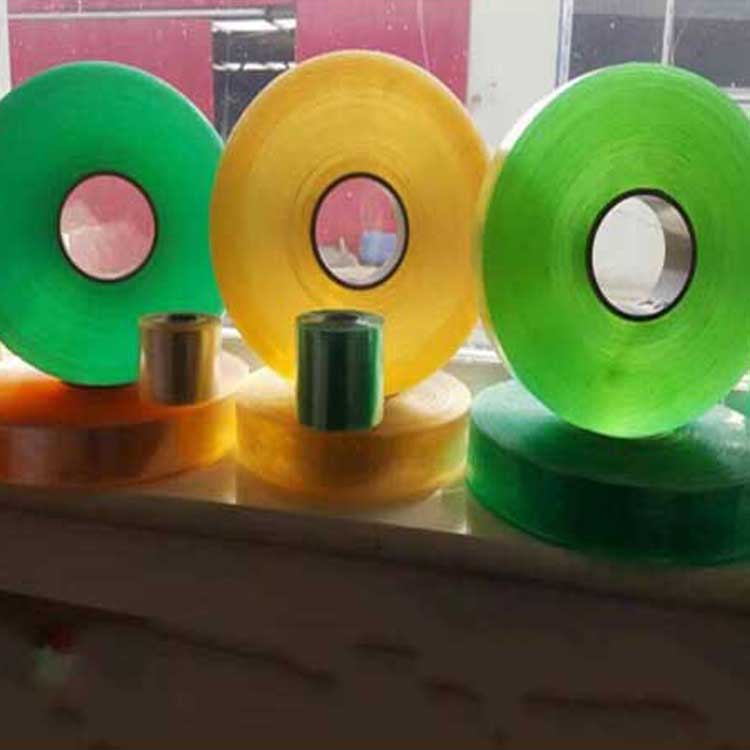
Non-woven fabric: Spunbond, plain spunbond, lightweight spunbond, thin spunbond, in white color, suitable for rubber cables, power cables, cables, communication cables, coaxial cables, audio stage cables, and optical fibers, etc. Being finer and lighter, the cost of manufacturing cables is not high, and they offer flexibility, suitable for various wire and cable coverings. The non-woven fabric for cables has instant temperature resistance, can withstand 230 degrees without melting or deforming, and does not require cable woven fabrics, offering excellent corrosion and sulfur resistance.
Additionally, due to the cores of cables being able to be connected under external forces, the cable sheath is required to have high tensile strength and low elongation. The structure of cable packaging fabrics is mostly non-woven, while woven fabrics used for cable packaging are relatively scarce. As non-woven fabrics do not require spinning or weaving, they simply align short textile fibers or filaments in a directional or random manner to form a fiber network structure, which is then reinforced using mechanical, thermal bonding, or chemical methods.