



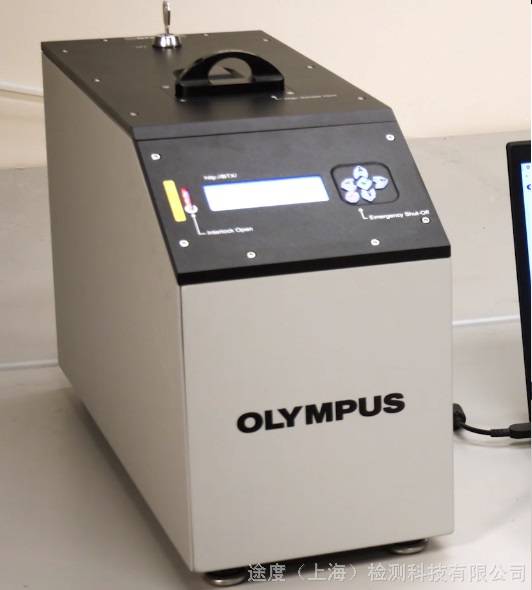
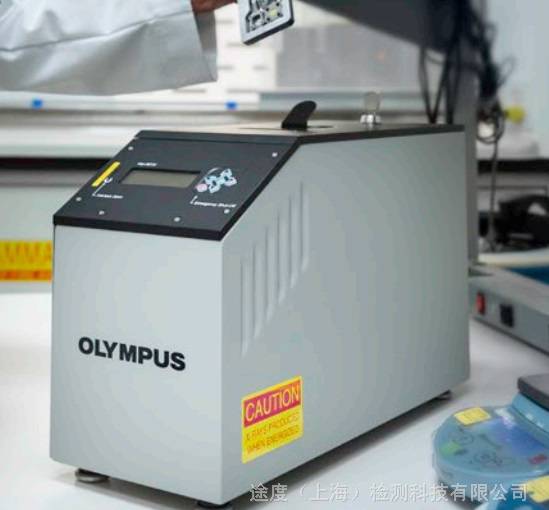









Olympus BTX III Desktop XRD Analyzer, Elemental Analyzer, Fluorescence Spectrometer, Mineral Element Analyzer, Alloy Analyzer
BTX III Desktop XRD Analyzer
The BTX III X-ray Diffraction (XRD) Analyzer is a compact desktop unit that rapidly provides reliable quantitative mineralogical information on the primary and secondary constituents of minerals.
The BTX III analyzer is equipped with a unique, compact sample tray, capable of replacing traditional XRD instruments, and is lightweight with minimal maintenance required. This standalone instrument can operate without compressed gas, water cooling systems, secondary chillers, or external transformers, thus keeping ownership costs low. Operators can connect the XRD instrument directly to other devices via Ethernet or wireless connectivity.
Olympus' XRD analyzer utilizes the intuitive SwiftMin software with the following features: a single-screen control panel displaying various data, pre-set calibration programs, easy data export, and automatic data transfer, thereby simplifying the user's workflow.
Enhanced speed and sensitivity facilitate rapid decision-making.
The BTX III analyzer combines a powerful, straightforward software with an enhanced X-ray detector, not only enhancing sensitivity and accelerating the analysis process but also delivering more reliable results.
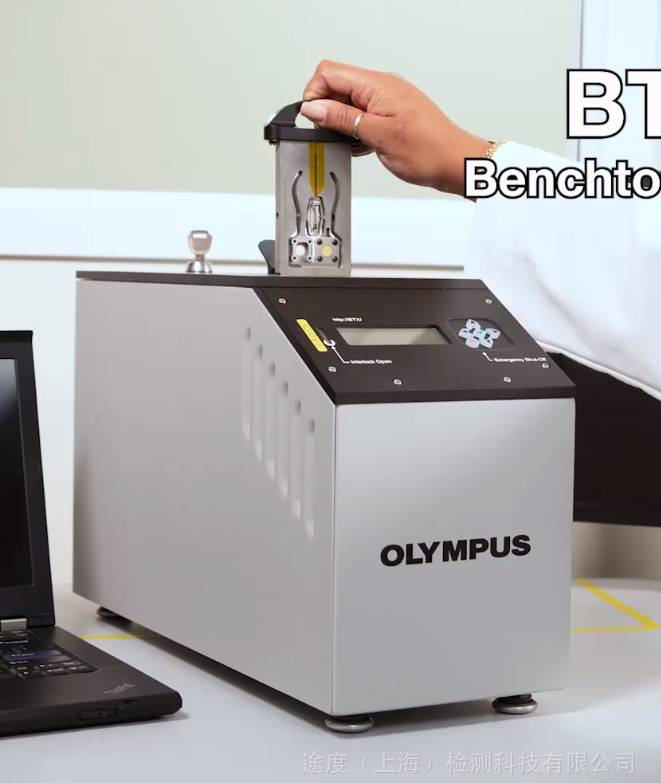

Updated X-ray detector hardware operates faster, analyzes density higher, thereby achieving lower detection limits.
SwiftMin's automatic mineral phase identification (ID) and quantitative software provides data directly on the XRD analyzer in real-time, allowing you to make quick, confident decisions.
Sample preparation, a breeze to complete
When using traditional desktop X-ray diffraction instruments, a large quantity of samples must be ground into powder and then compacted into spheres to ensure the grains have sufficient random orientation.
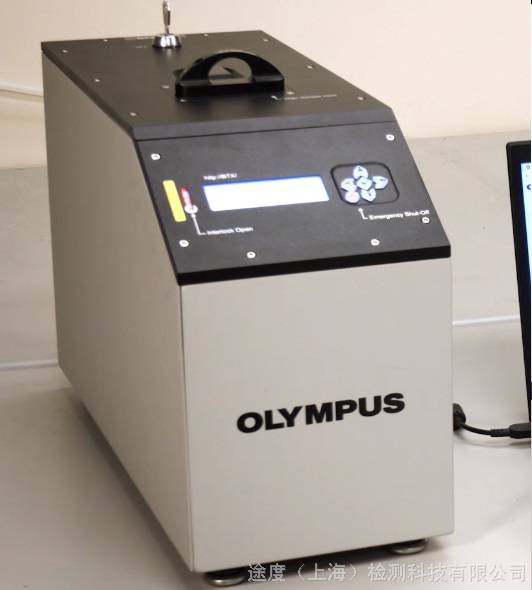

Compared to others, the BTX III analyzer utilizes a compact vibration sample tray to ensure all particles in the sample chamber undergo convection, thereby minimizing the impact of directional effects on data. Consequently, the analyzer requires only 15 milligrams of sample to deliver high-quality results, and the sample preparation is made easy with the sample toolkit provided with the analyzer.
SwiftMin's automatic mineral phase identification (ID) and quantitative software provides real-time data directly on the XRD analyzer, enabling you to make quick, confident decisions. During repetitive testing operations, the intuitive and straightforward features of SwiftMin software enhance efficiency and save time. The software performance is as follows:

Multiple data are displayed on a single control panel screen:View all mineral composition, calibration, and analysis information on the same screen, thereby speeding up the workflow.
Pre-set calibration program:Access can be granted through a new password-protected lab administrator screen, where preset calibration modes can be inputted, allowing operators of any level to use the analyzer and obtain reliable results quickly.
Automatic Data Transmission:At the click of the "Stop" button, or after a pre-set period of time, the analyzer will automatically send data to your network.
Easily export data:You can easily export quantitative mineralogical results for review, further data analysis, and also access the original data files through a network folder to analyze diffraction patterns.
Main Applications
Minerals and ores
Rich Iron Ore:Analyze iron-rich ores, even in the absence of certain mineral phases.
Quartz
Hematite
Hematite
Magnetite
Potassium CarbonateAnalyze potassium carbonate to identify and perform semi-quantitative analysis on certain identified minerals, including the following minerals:
Potassium Salt
Rock Salt
Anhydrous potassium magnesium sulfate
Potassium magnesium sulfate
Limestone and cement:Easily perform quantitative XRD analysis on common minerals mixed with limestone. When the ore in the quarry contains varying amounts of dolomite, this analyzer can quickly determine the dolomite content range from 0.5% to 9% with an error margin of just 0.02%.
Alpha Quartz
Asbestous Ore
Talc
White Marble
Calcite in coal:The calcite (CaCO3) is subjected to quantitative analysis. Calcite is a mineral that can reduce the combustion efficiency of raw fuel in coal-fired power plants. Identifying calcite can enhance combustion efficiency and decrease carbon emissions.
Petroleum and natural gas
Well Logging/Mud Logging:Mineral identification and quantification of shale cuttings from oilfields, enabling rapid feedback at the site for geological guidance and horizontal drilling. Simplifies the task of "tracing the ore veins" in specific mineral layers.
Silicate
Carbonates
Clay
Pyrite
PipeSensitive to energy, detectors can optimize peak-to-background analysis to distinguish and quantify corrosive materials in pipelines. Additionally, XRF measurements can be conducted simultaneously for rapid identification of elemental composition in materials.
Ferric oxide (FeO), Hematite (Fe2O3), Magnetite (FeO(OH)), Pyrite (FeS2)
Talc (CaCO3), Aragonite (CaCO3)
TailingsEasily reanalyze tailings to assess the plant's operational performance or evaluate past projects.
Pharmaceuticals
Quickly identify counterfeit medicines
Rapid, non-destructive fingerprint analysis of pharmaceutical formulations and precursors
Test for the presence and content of active and inactive foreign or substitute ingredients in the drug
Rapid XRD analysis helps ensure patient safety and protect the brand of legitimate pharmaceutical manufacturers.
BTX III XRDTechnical Specifications of the Analyzer
XRDResolution | 0.2 2Ø FWHM |
XRDScope | 5–55° 2Ø |
Detector Type | 1024 × 256Pixel; 2D Peltier Cooling CCD |
Sample particle size | < 150 μmCrushed ore (100 mesh, 150 μm) |
Sample Quantity | Approximately 15 mg |
XRay Tube Target Material | Cobalt or Copper (Cobalt as standard) |
XCathode Ray Tube Voltage | 30 kV |
XRay Tube Power | 10 W |
Data Storage | 240 GBRobust and durable internal hard drive |
Wireless Connectivity | 802.11 b/gRemote via web browser |
Operating Temperature | –10°C ~ 35°C |
Weight | 12.5 kg |
Dimensions | 30 cm × 17 cm × 47 cm |
Power Requirements | Standard AC Power Supply (No Cooling System) |













