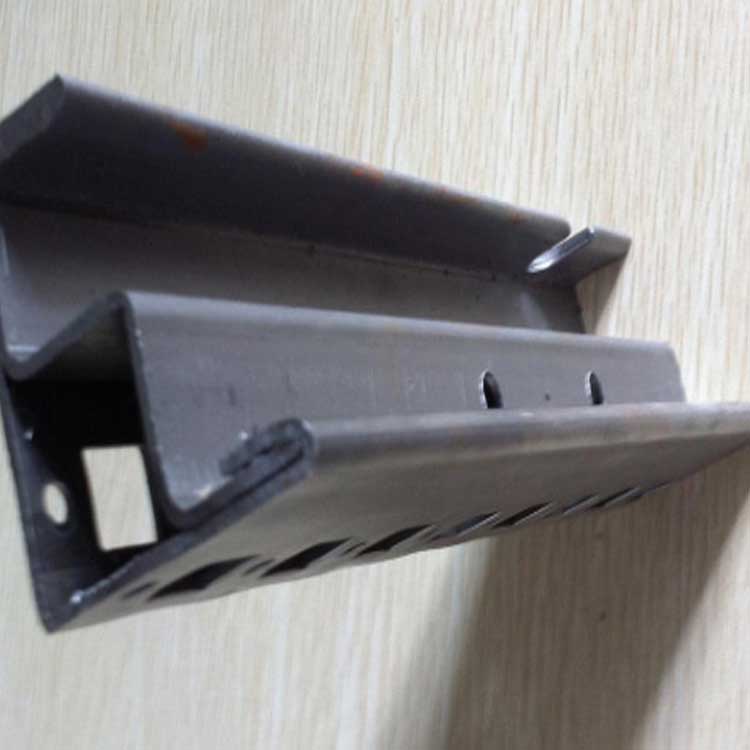

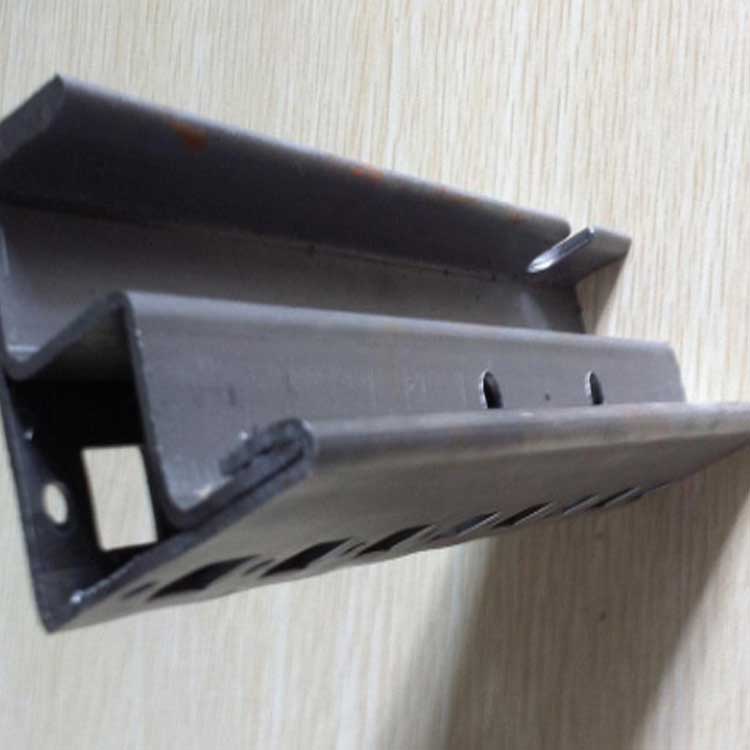
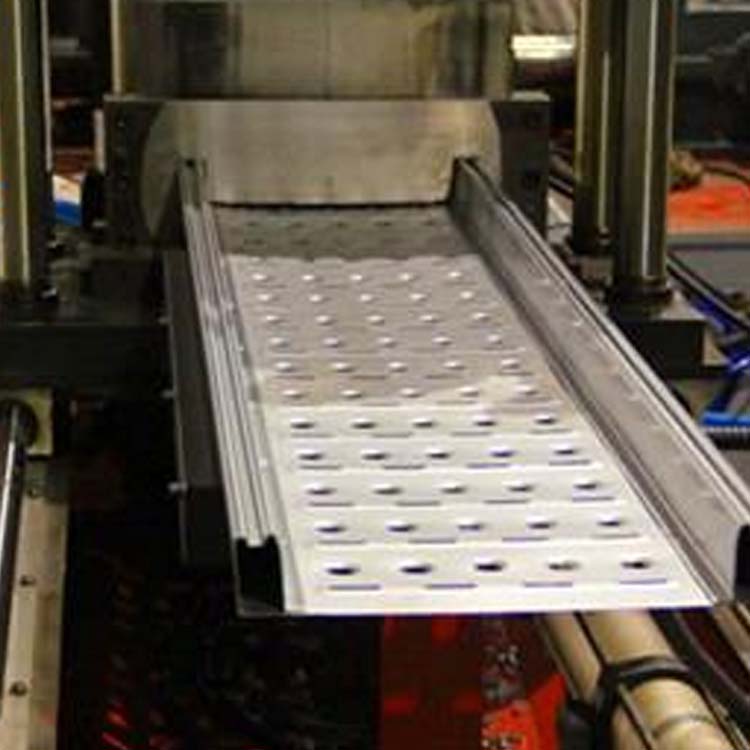
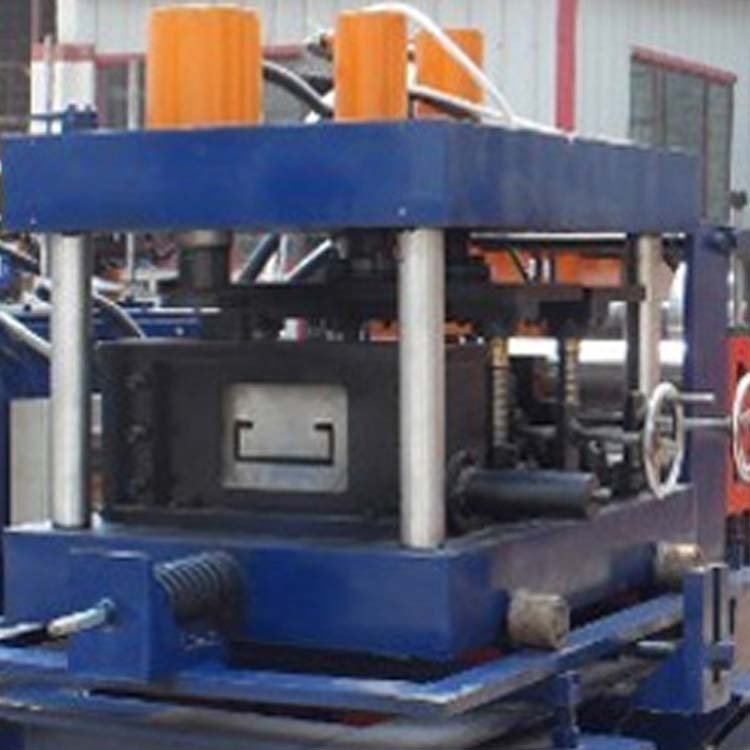







Cold Roll Forming Machine, Ball Bearing Guided Rail Machine Roller Design and Manufacturing Features:
1. Principle of average force distribution across each stage, uniform force distribution across all roller lines, even wear, and extended roller lifespan.
2. The use of C12MoV material for rolling mills takes advantage of its wear resistance, but there is a contradiction between its strength and hardness. During heat treatment, the red hardness of C12MoV must be utilized, and it requires two or even three tempering cycles after quenching to achieve the desired hardness.
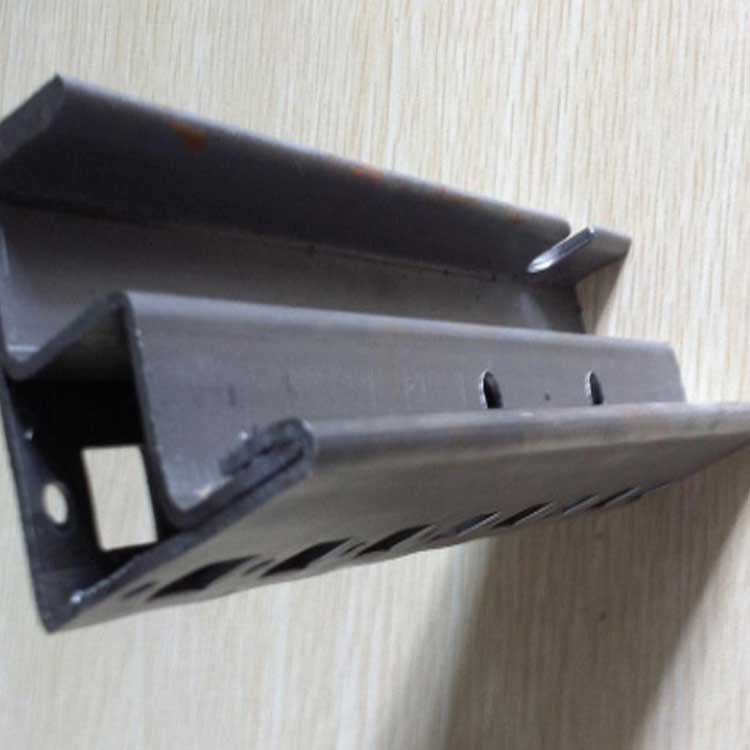
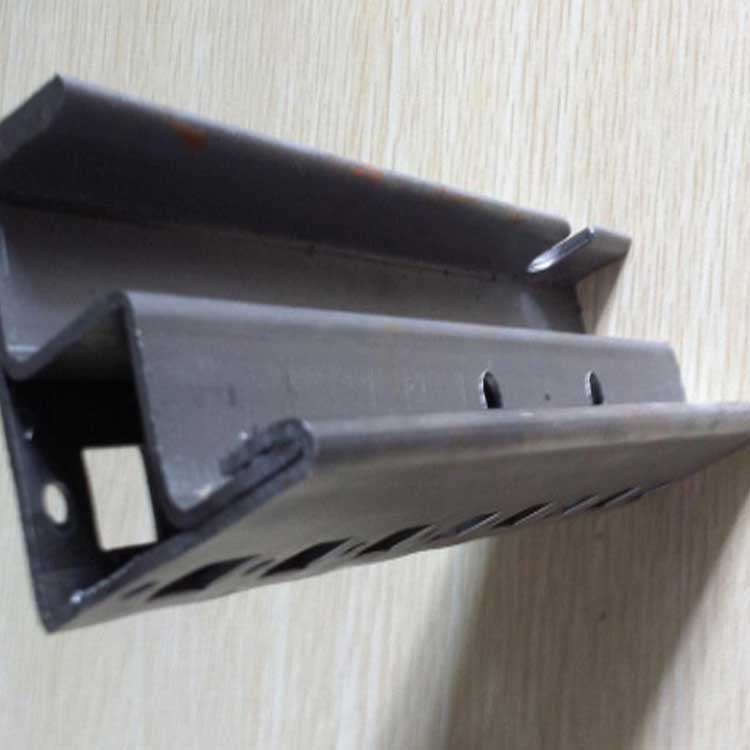
3. The track arc section is the core part of the sliding track. After the initial forming of the arc through several passes, when bending the vertical edges in subsequent passes, the formed arc should be effectively constrained using either the upper and lower rolling mills or the cross wheel. Otherwise, the arc position of the material will definitely change during the stretching process, with R becoming smaller and forming a triangle. The ball will not reach the bottom, resulting in noise from two-point contact. When R becomes larger, it causes oscillation with the track, leading to blurred tracks during sliding track use, uneven force distribution, deformation of the sliding track, and shortened lifespan.
4. Rolling stability issues often arise during production, where the material tends to shift left or right in the roller path. This is actually due to uneven distribution of force on a single roller set, with more force on the left causing the material to shift right, and more force on the right causing it to shift left.