






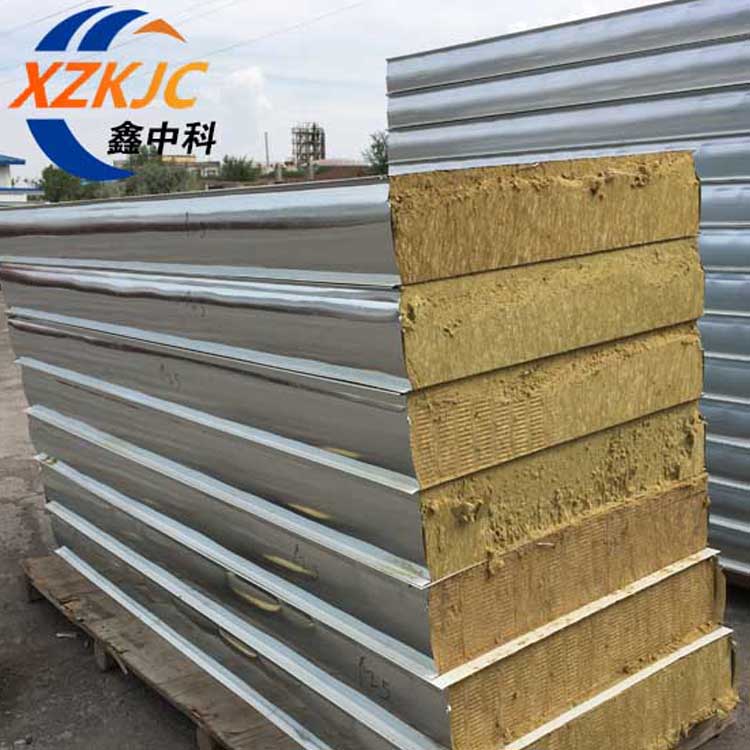
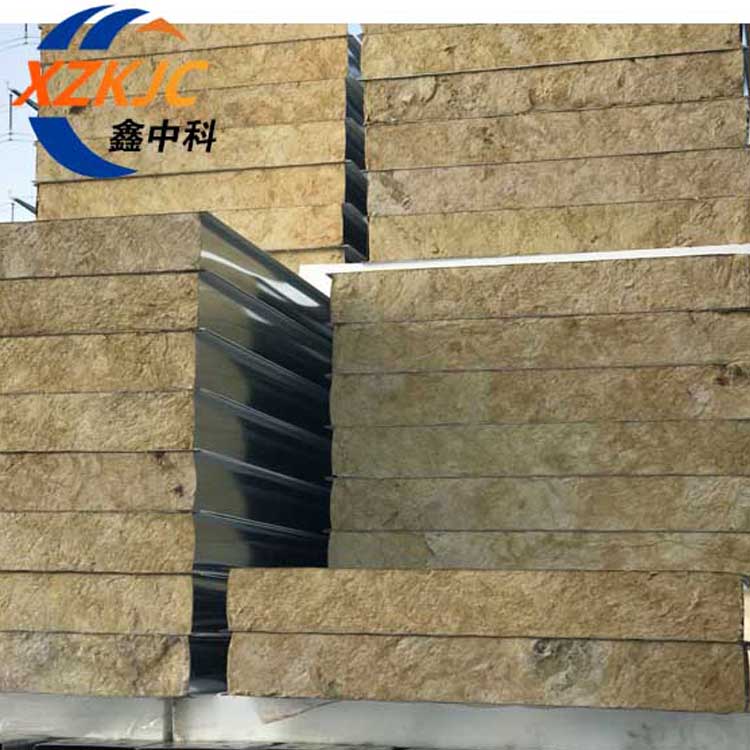
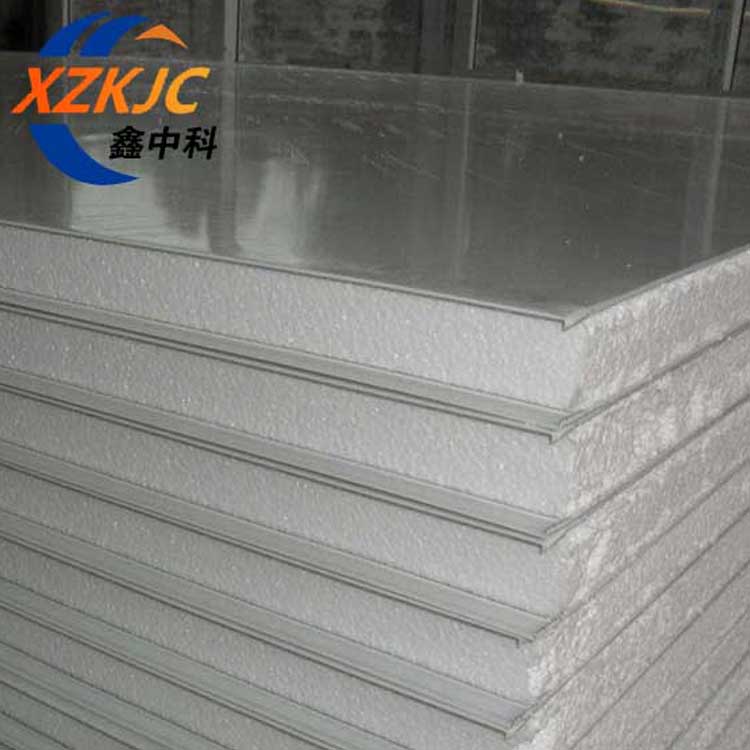
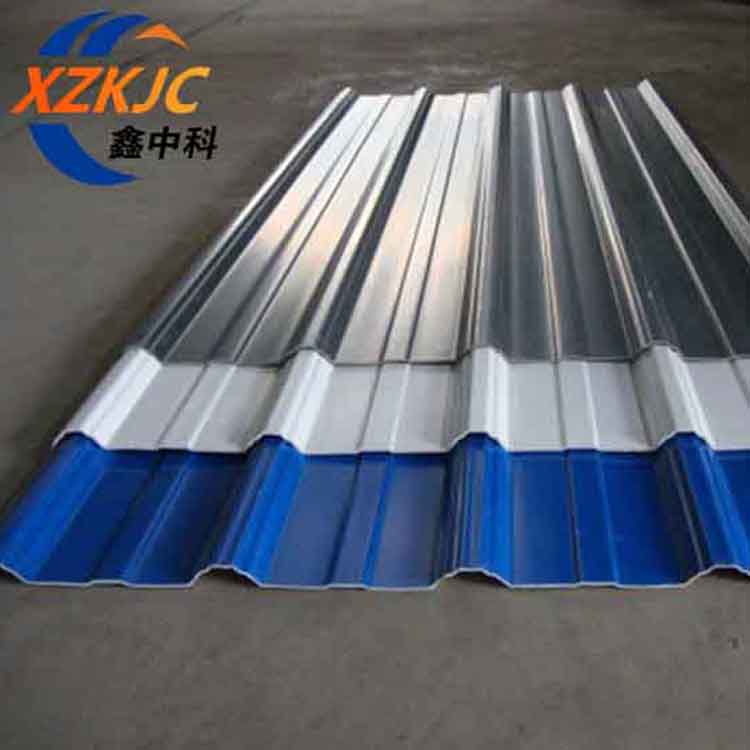
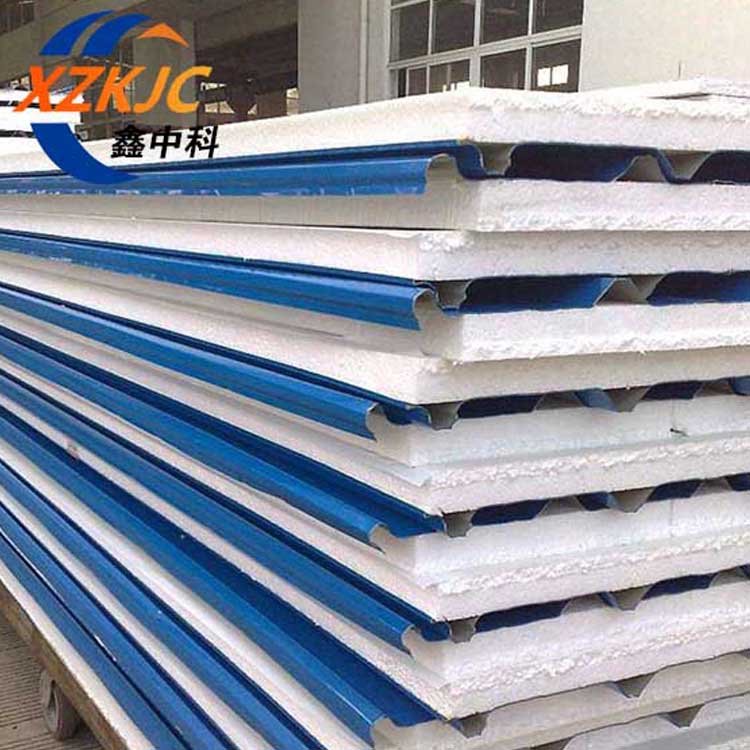
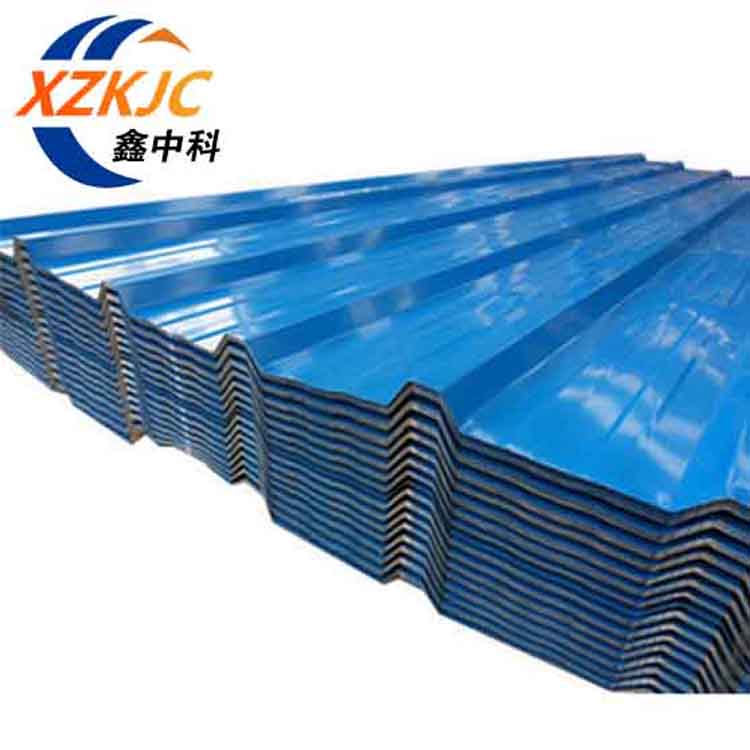
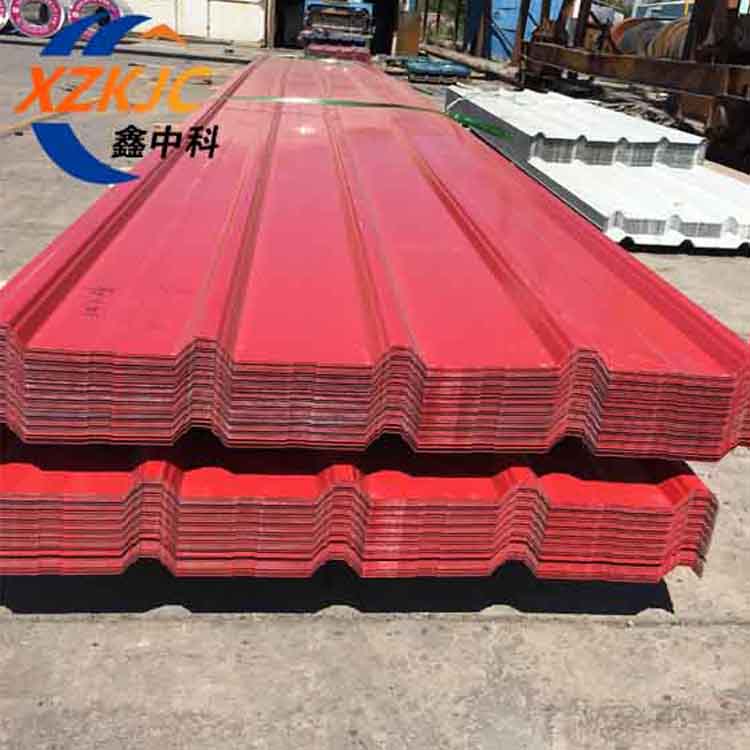
Side panels, a term for furniture components in ancient Ming and Qing dynasties. Referring to the vertical boards on both sides of furniture, commonly known as "side panels" or "wall panels." Now, it refers to a type of building material. It constitutes the load-bearing structure of a house, consisting of walls and floor slabs. Load-bearing walls in wall panel structures can be made of bricks, blocks, precast, or cast-in-place concrete. They can be categorized into three types based on the materials used and construction methods: mixed structures, prefabricated large-panel structures, and cast-in-place wall panel structures.
Foldable by Usage Function Categorization
Categorized into two main types: interior wall panels and exterior wall panels.
① Interior wall panels. Available in three types: cross wall panels, longitudinal wall panels, and partition wall panels. Cross and longitudinal wall panels are load-bearing, while partition wall panels are non-load-bearing. Interior wall panels should have sound insulation and fireproofing capabilities. They are generally made of a single material (common concrete, slag concrete, or lightweight aggregate concrete) and come in solid and hollow versions.
② Exterior Wall Panels. Available in three types: front wall panels, gable wall panels, and eave wall panels. The front wall panels are self-supporting, while the gable and eave wall panels are load-bearing. In addition to sound insulation and fire resistance, exterior wall panels should also provide energy-saving, heat insulation, waterproofing, frost resistance, and carbonation prevention, as well as meet aesthetic requirements for architectural decoration. They can be made from lightweight aggregate monolithic materials or composite materials (structural layer, thermal insulation layer, and facing layer).