








Shenzhen Factory Steel Structure Load Safety Assessment Fee Schedule, Factory Inspection Safety Testing Center
Structural Steel Load Testing Center, Third-party House Quality and Safety Inspection Agency for Structural Steel Load Testing — Local cooperative institutions for building engineering quality and safety inspection and identification with structural steel load testing capabilities. Our company holds CMA and other testing qualifications, fully equipped! Offering structural steel load testing, building inspection and identification services, we charge fairly and provide legally recognized house, factory, building, road and bridge, and project inspection and identification reports.
The following eight situations require a structural safety assessment of a building, which should not be overlooked. Small issues could lead to irreparable safety hazards! 1. The building is older than 30 years. 2. The building has been subjected to major renovations. 3. There are signs of foundation settlement or cracking. 4. The building has experienced foundation damage due to natural disasters. 5. The building has been affected by soil erosion or other environmental factors. 6. The building has been used for purposes other than its original design. 7. The building has structural components that are deteriorating. 8. The building has been neglected or poorly maintained.
House Normal Functionality Determination
This type of property assessment primarily focuses on whether it affects the normal usability of the occupants, such as issues like damaged decoration, leaks, hollowed areas, etc. During the inspection, more emphasis is placed on the review of the drawings and the on-site practical environment. Generally, this type of property assessment is often conducted for property registration supplements or changes in the property's usage function.
Safety assessment for house renovation construction
This type of house is primarily for renovating the entire internal structure or for adding new structures to increase load-bearing capacity. The key is to review and verify the impact of the renovation on the entire house before and after, ensuring it meets the required standards.
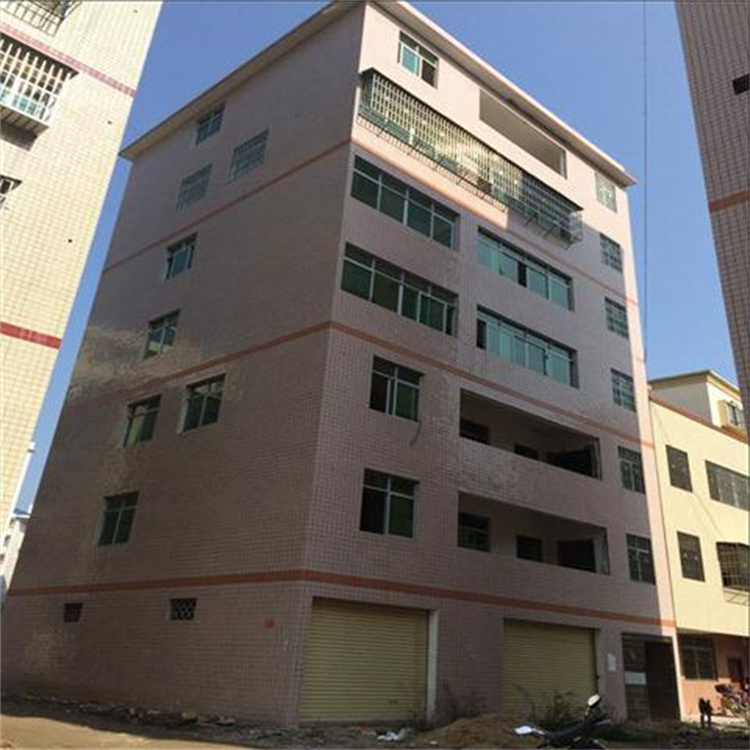
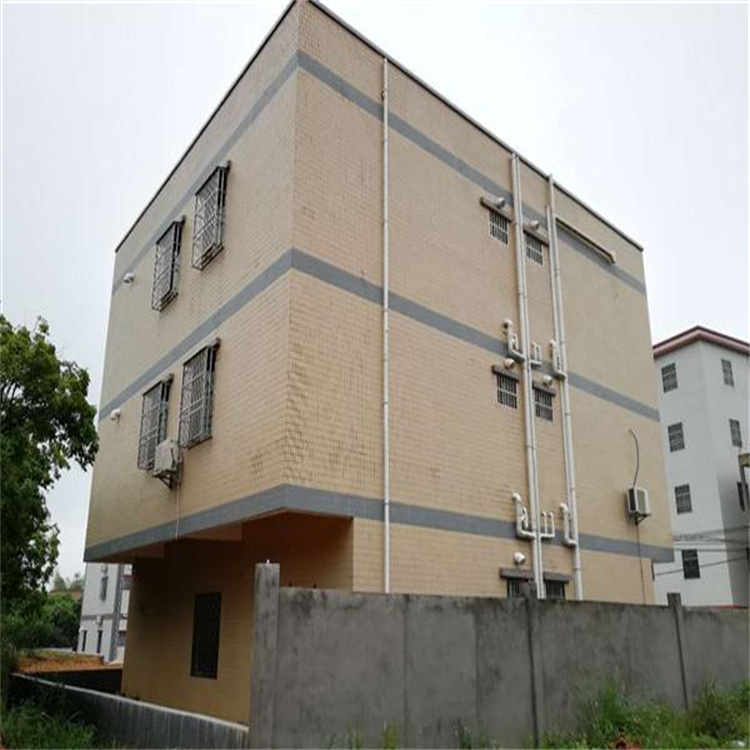
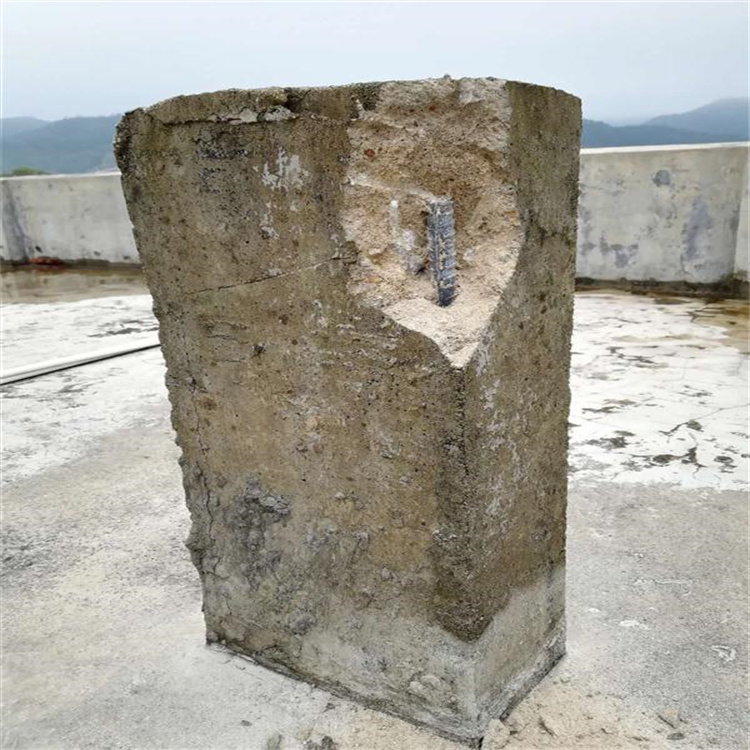
Firstly, understand the types of dilapidated buildings to adopt corresponding identification methods for inspections.
I. Types of Deteriorating Buildings:
Dilapidated buildings are categorized into whole-building dilapidation and partial dilapidation:
1) A whole building in danger of collapse refers to a structure that is at any time at risk of toppling entirely.
2) Local dangerous buildings refer to houses that may collapse locally at any time.
II. Identification Method:
01 Deteriorating buildings are identified by the unit of structure, with the unit of measurement being square meters of floor area.
1) The entire dilapidated building is counted by the total floor area in square meters.
2) Local dilapidated buildings are counted by the square meters of the building area at risk of collapse.
02 Risk assessment of dilapidated buildings should be based on the danger evaluation of the foundation and structural components, combined with historical conditions and development trends, and analyzed and comprehensively judged.
03 In determining the danger of foundation or structural components, consider whether the danger is isolated or related.
1) If the danger of the component is isolated, it does not constitute a danger to the structure.
2) If the danger of the component is related, contact the structural hazard assessment range.
04 In terms of historical conditions and development trends, consider the following factors' impact on the foundation's structural components: potential hazards in composition.
1) Degree of structural aging;
2) Impact of Surrounding Environment
3) Design safety factor values
4) Structural damage from human factors
5) Perilous Trend Development.
The types of dilapidated buildings vary, as do the methods of assessment employed.