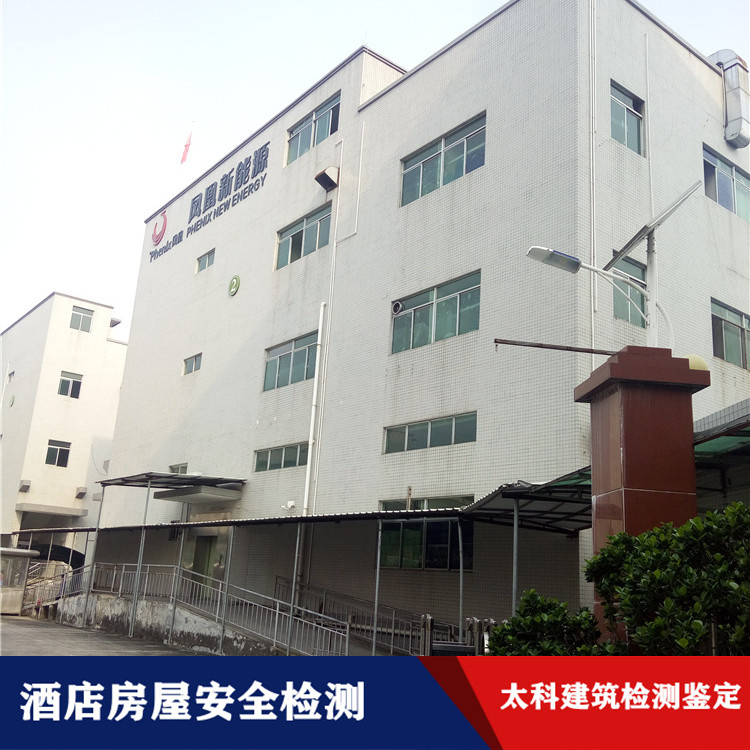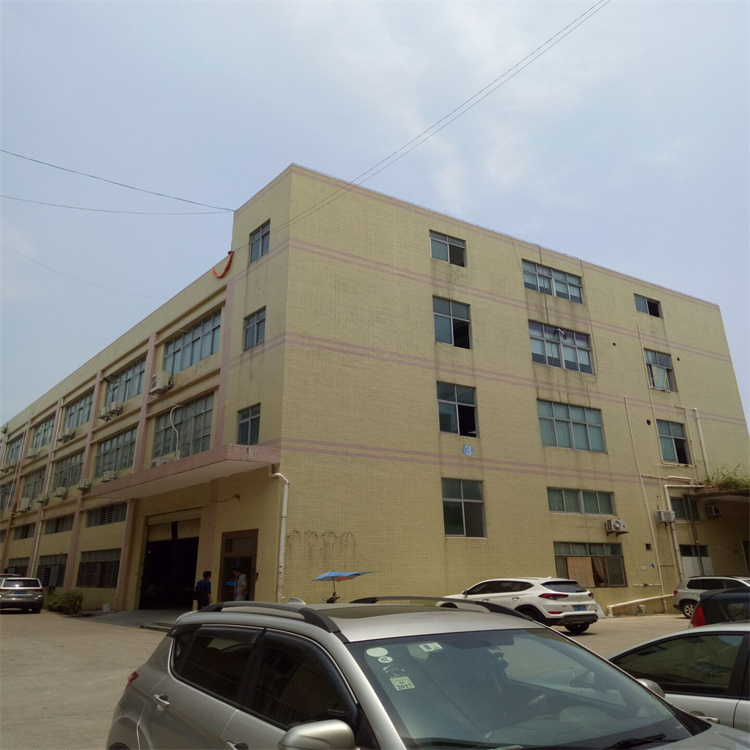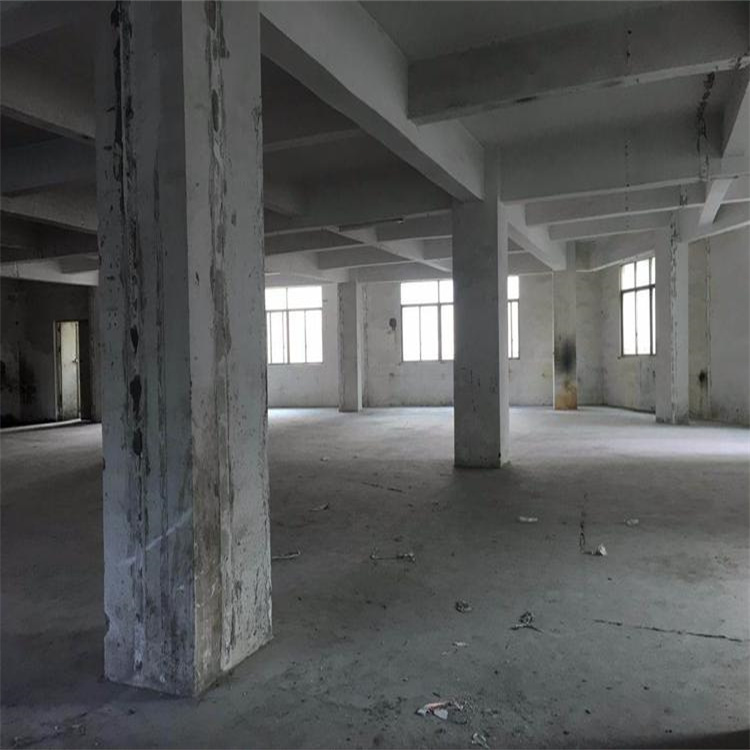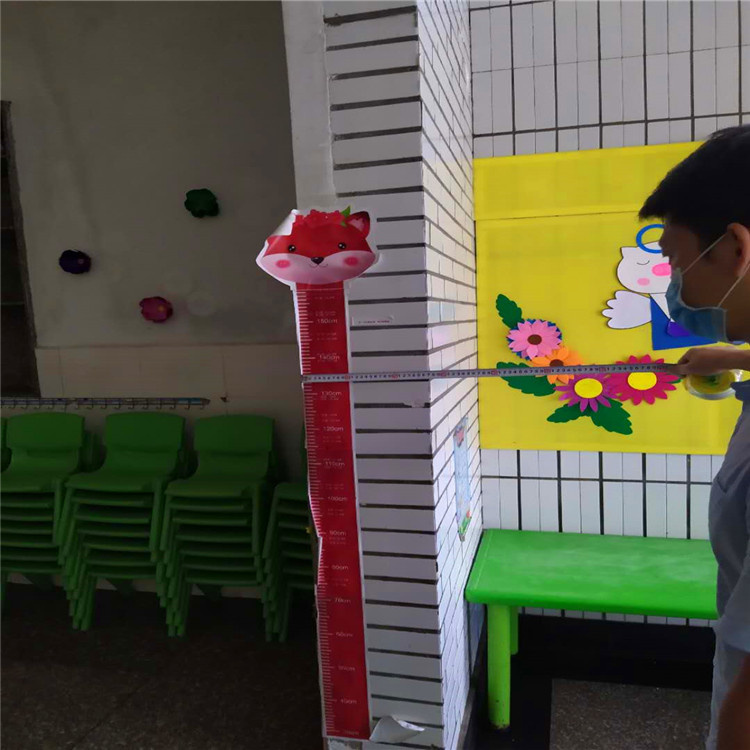

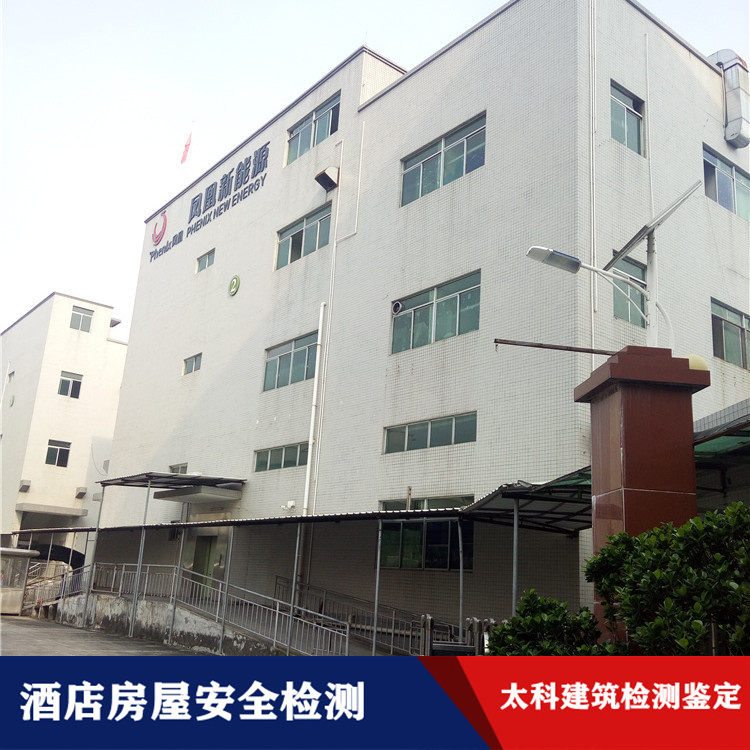

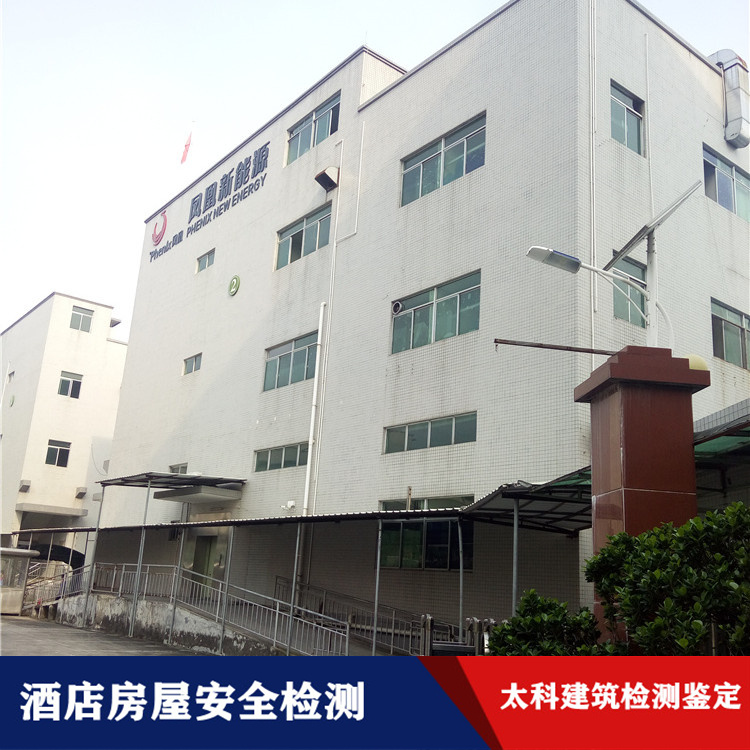
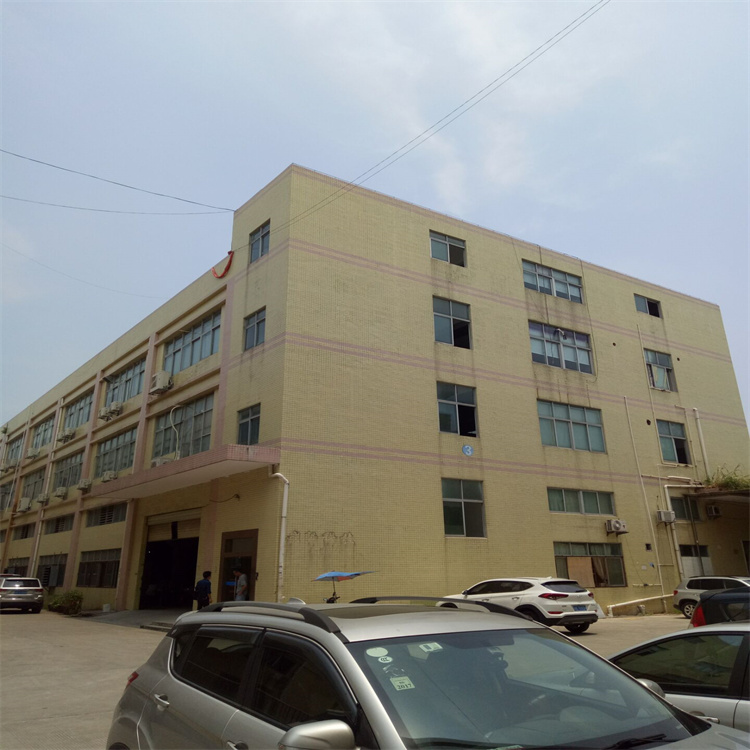
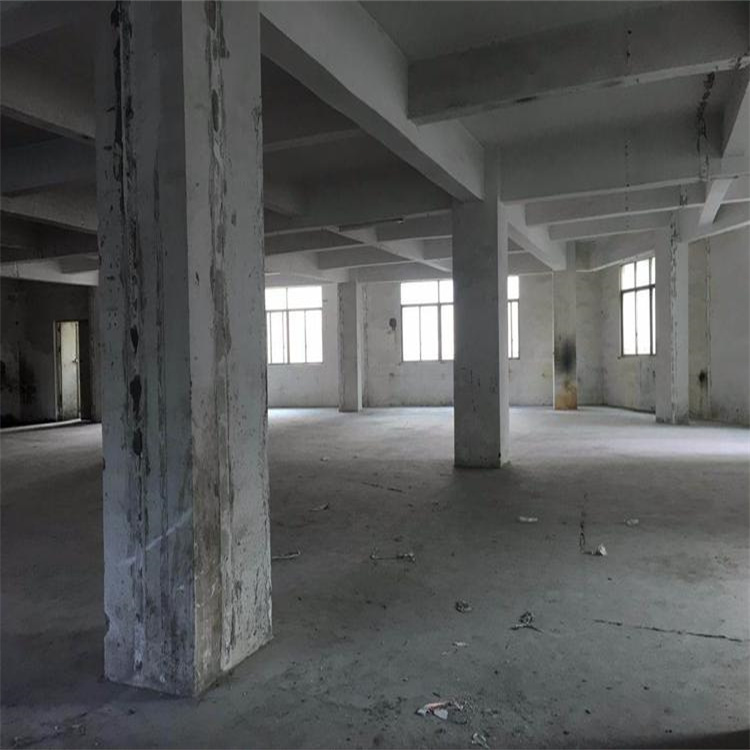







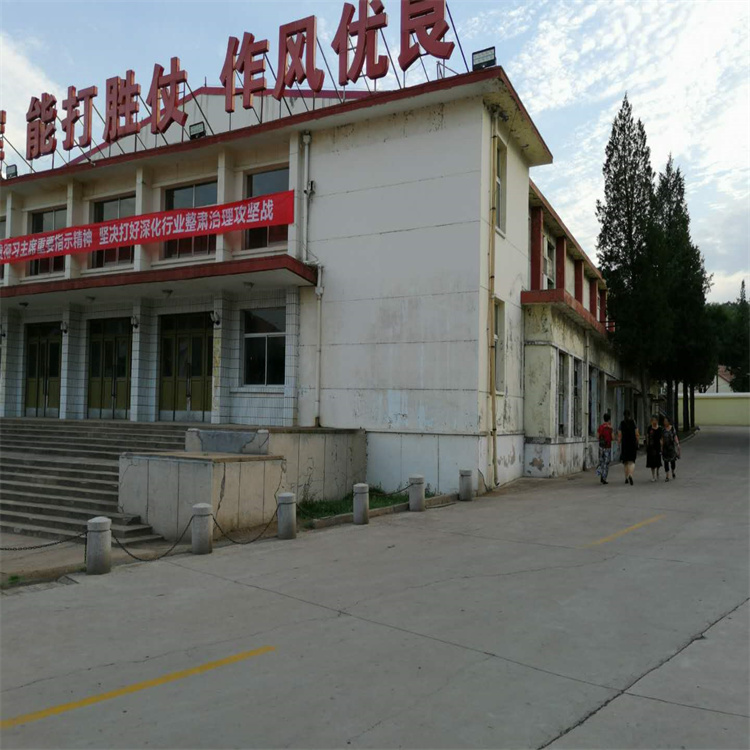
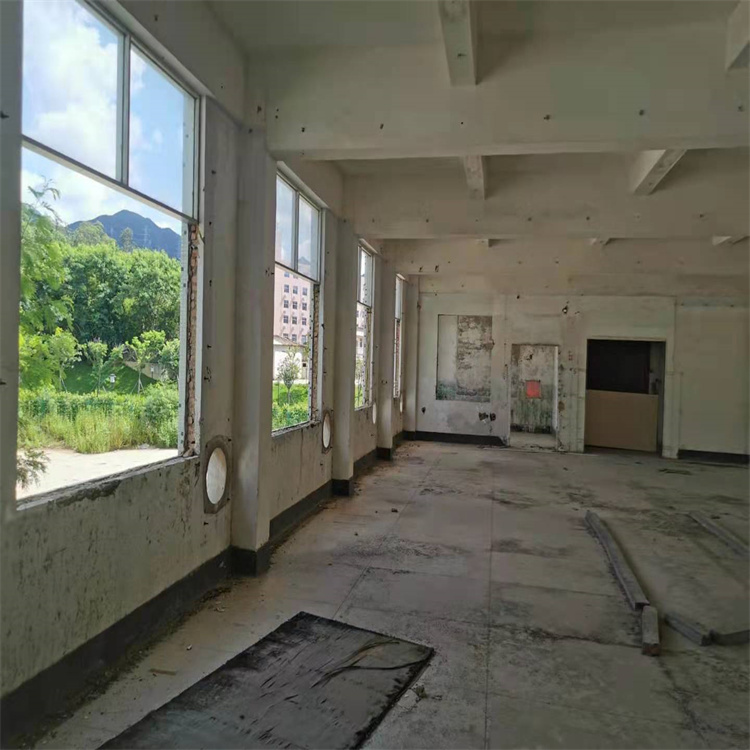
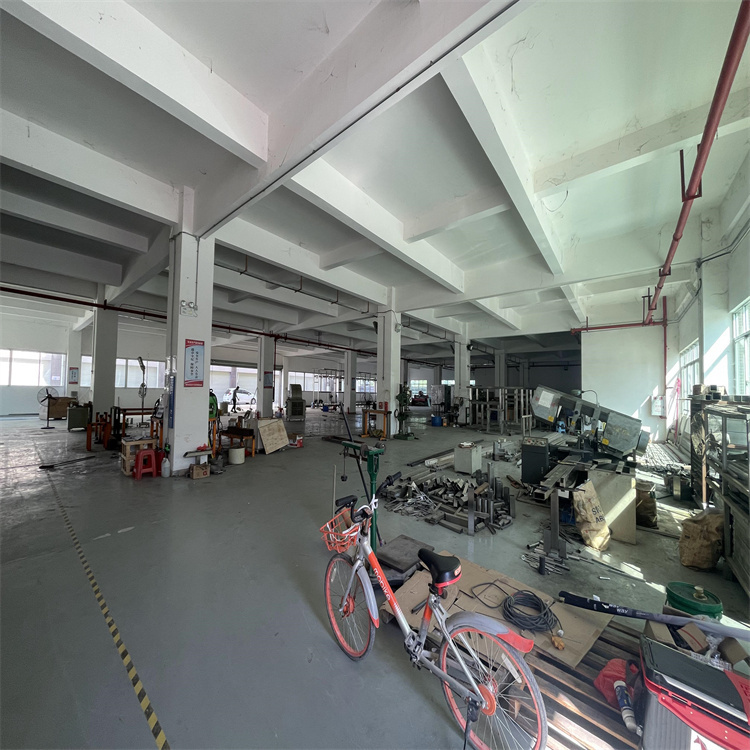
Shenzhen Taikang Building Inspection & Appraisal Co., Ltd. specializes in billboard inspections, factory safety checks, factory audit safety inspections, building safety inspections and appraisals, building safety inspections, structural safety inspections, floor load-bearing inspections, and factory load-bearing inspections. The company maintains harmonious relationships with local administrative, system, and educational authorities. It is proficient in handling various building structure inspection procedures, including house rental safety inspections, hotel and guesthouse inspections, school and kindergarten inspections, floor load-bearing assessments, dilapidated building appraisals, and renovation and transformation inspections, ensuring that reports are authentic, effective, scientific, and accurate.
Hotel Building Safety Inspection - Non-structural Building Safety Inspection Content:
Roof waterproofing, drainage, overflow protection, insulation, and heat preservation facilities' quality and operational status.
2. Quality and operational status of exterior doors, windows, and curtain walls.
3. The degree of compliance between the piping and equipment supported structurally and the design.
4. Effects on structural components from supports for outdoor advertisements, rooftop signs, or other installations on the exterior wall.

Home inspections evaluate the quality of the property, ensuring stability meets national standards, checking for compliance after renovation, and verifying the leveling of the flooring, among other specifics. So, what is the specific scope of a home inspection?
1. Home Inspection Items: Inspect the condition of the house structure, decoration, and equipment, and determine the house's condition grade.
2. Scope of Residential Inspection: Buildings and property management requiring determination of the condition and integrity of the structures.
3. Home Safety Inspection Items: Inspection of structural damage to the house, and the process of analyzing and determining the safety of the house.
4. Scope of Residential Safety Inspection: Homes with identified hazardous signs.
5. Trend Detection of House Damage: The monitoring process that detects the damage, such as deformation, displacement, or cracks, which may occur due to external factors like adjacent projects or internal factors such as design, construction, and use of the house.
6. Application Scope of Trend Detection for Building Damage: Buildings that may have been or are likely to be damaged due to various factors, or those that have already been damaged and require monitoring.
7. Residential Structure Change Detection: The process of evaluating the possibility of structural and functional changes in a house by inspecting the original structure to determine its safety level.
8. Applicable scope of house change detection: Structures requiring increased load-bearing capacity and structural modifications.
9. Seismic Resistance Capacity Test for Buildings: A process of evaluating the safety of a building under the specified intensity of an earthquake, based on the current quality status of the building and the prescribed seismic fortification requirements.
10. Application Scope of Seismic Resistance Testing for Buildings: Buildings without seismic fortification or with fortification levels lower than the current regulations, especially protected buildings, critical urban infrastructure projects, and reconstruction with added floors.
House inspections are very stringent due to the safety of many people in a building, so they must be strict. Many real estate companies are cutting corners to make profits now.
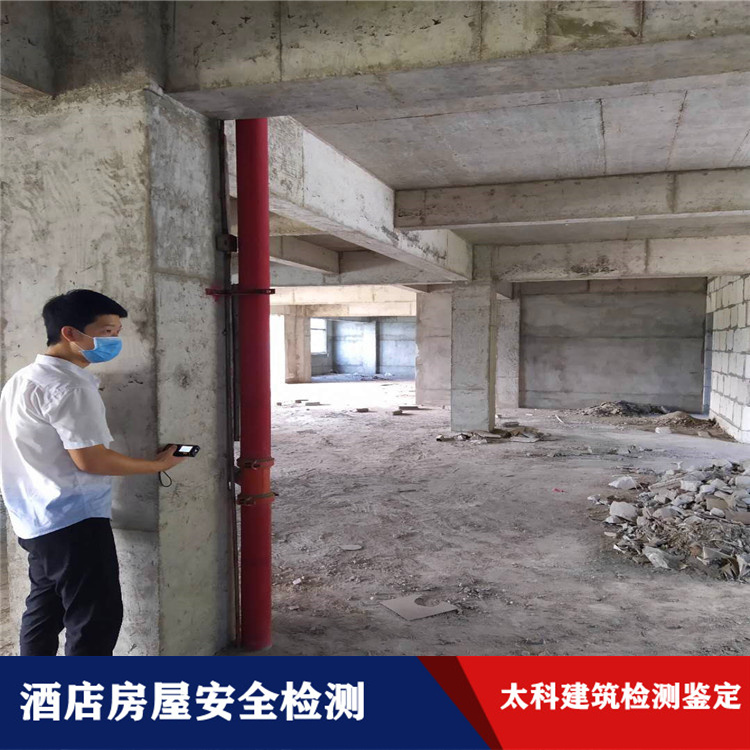
Primary technical basis for hotel house safety inspections:
(1) "Civil Building Reliability Standard" (G292-1999)
(2) "Existing Building Structural Inspection and Evaluation Standards" (DG/TJ 08-804-2005)
(3) Code for Load Design of Building Structures (G009-2012)
(4) "Code for Design of Concrete Structures" (G010-2010)
(5) Code for Design of Foundations for Buildings (G007-2011)
(6) "Technical Code for Testing Concrete Compressive Strength by Rebound Method" (JGJ/T23-2011)
(7) Drawings and other materials provided by the principal.
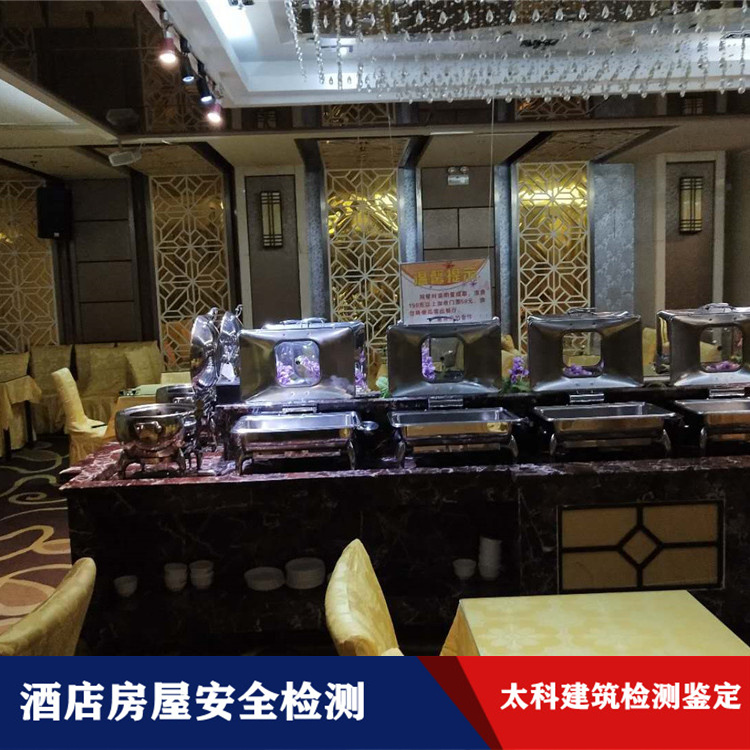
The process for hotel property safety inspections is as follows:
Gather relevant construction documents, design drawings, and geological survey reports.
2. Conduct random inspections of the concrete strength of columns, beams, and slabs according to specifications.
3. Inspect the reinforcement configuration and protective layer thickness of the columns according to specifications.
4. Inspect the cross-sectional dimensions of frame columns and beams, as well as the floor thickness.
5. Inspect the quantity, current status, and distribution of structural cracks in buildings.
6. Inspect the quantity, current status, and distribution of cracks in the filled walls of the building.
7. Analyze the uneven settlement of buildings.
8. Inspect the entire building for tilt and the extent of the tilt.
9. Conduct calculation and analysis of the building's main structure based on test results, specifications, and usage, derive conclusions on structural safety, and provide recommendations for the subsequent use of the property.
Shenzhen Taikang Building Inspection and Appraisal Co., Ltd. adheres to the宗旨 of "Unity, Diligence, and Self-discipline" in serving society. The company boasts a strong technical force with a well-structured team; it has a group of high and middle-level technical professionals with both moral integrity and professional skills, who have been engaged in architectural design, building structure safety appraisal, quality inspection, and structural reinforcement for a long time. They have extensive experience in building structure safety appraisal, quality inspection, and structural reinforcement, and are capable of handling various types of building safety appraisal tasks.