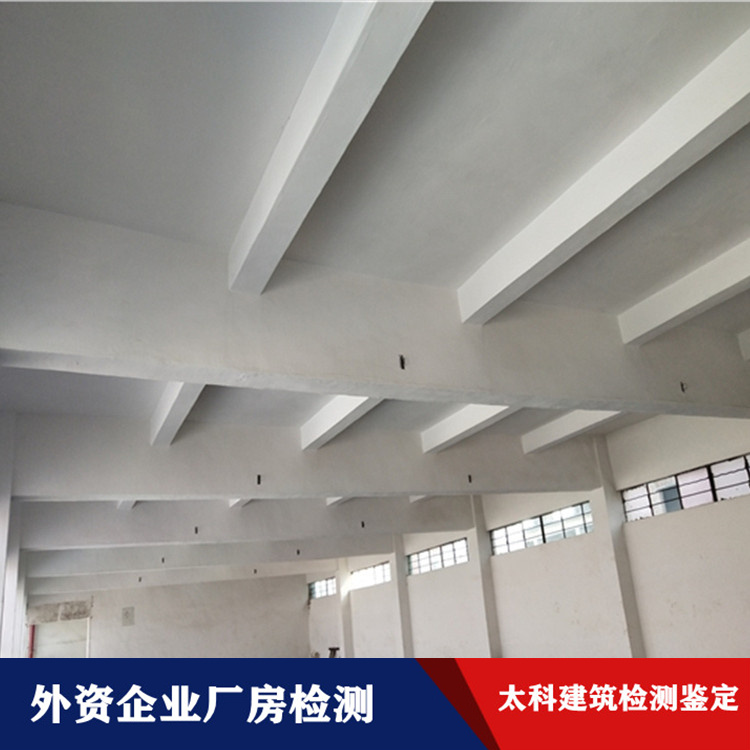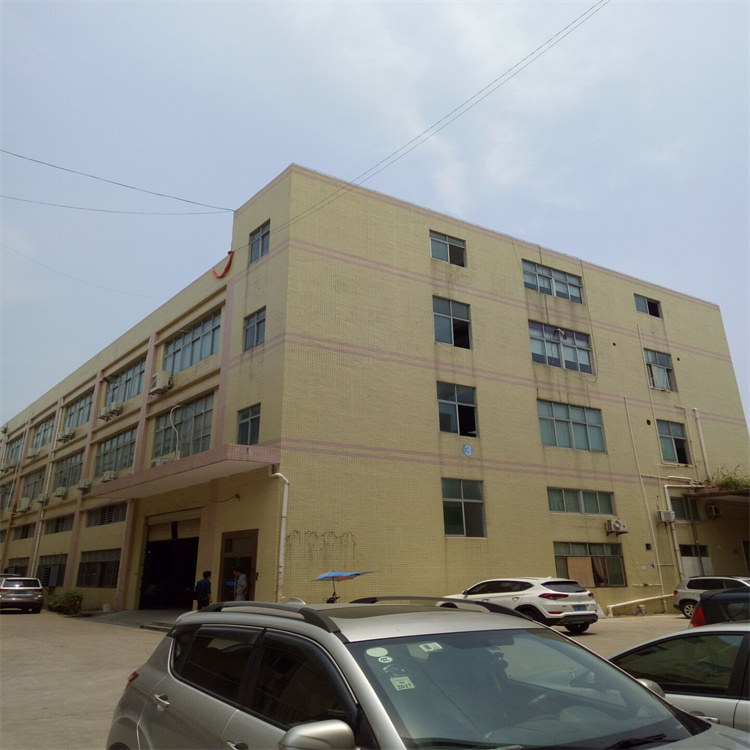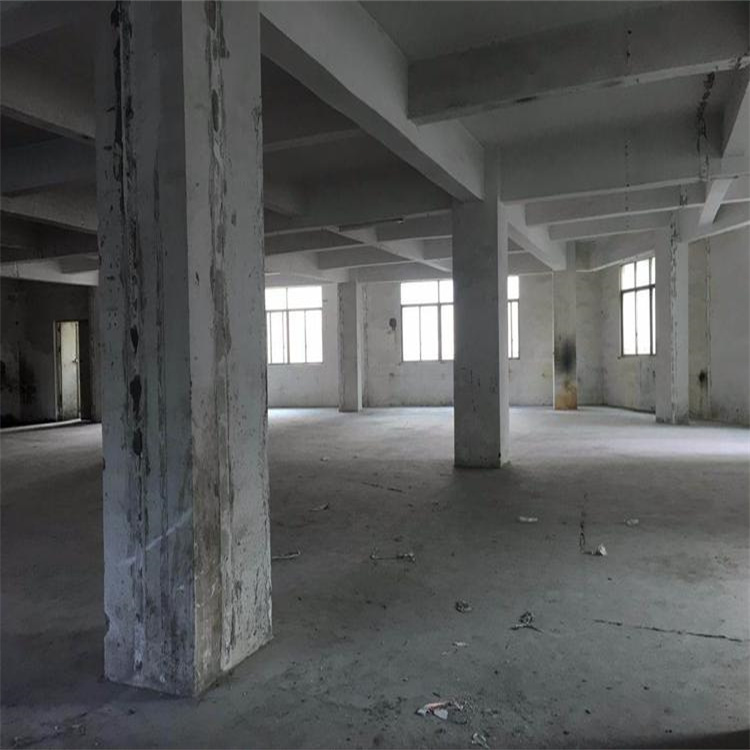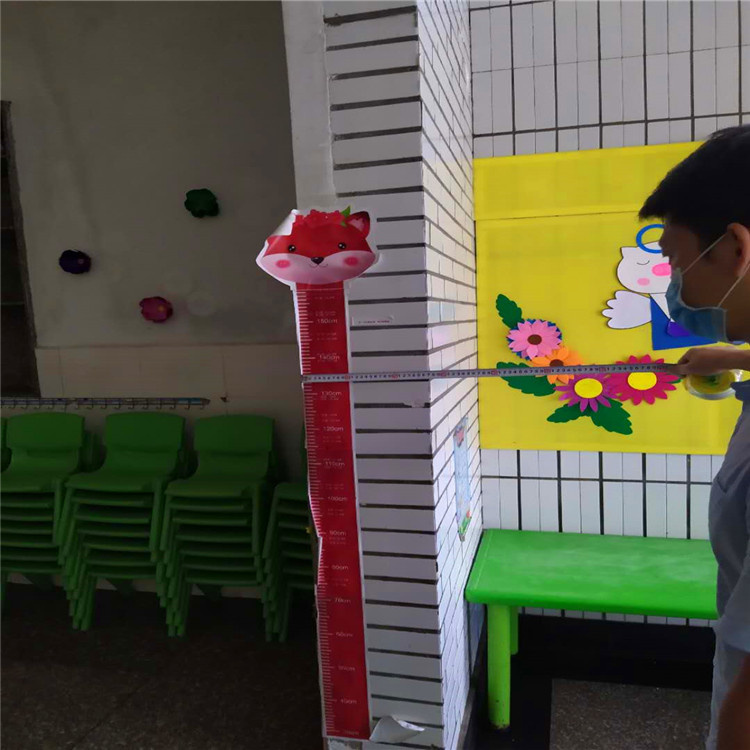

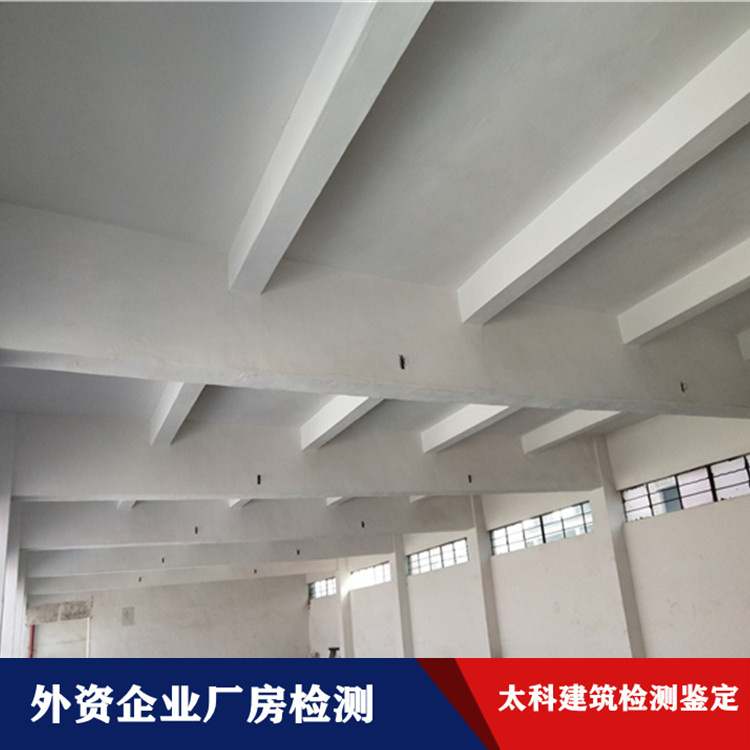

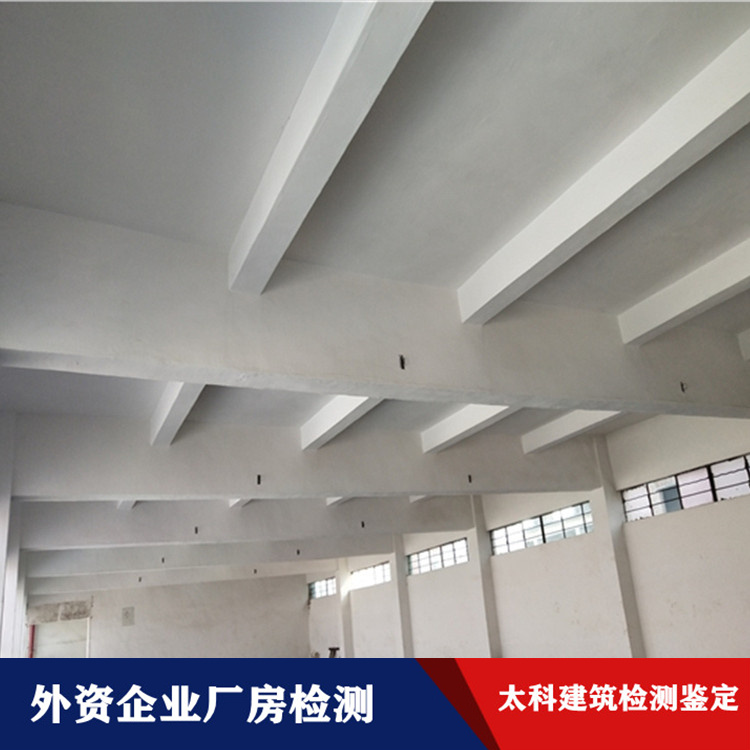
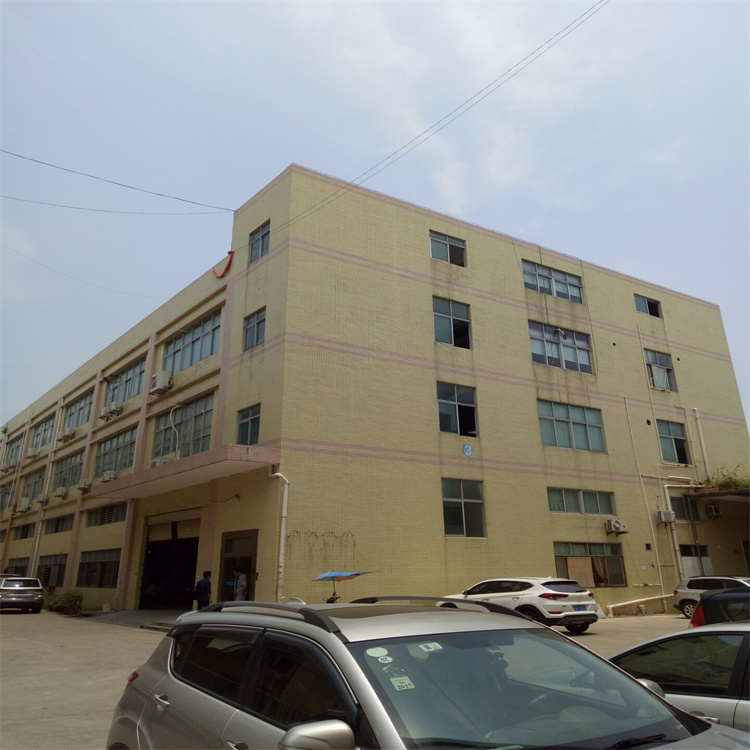
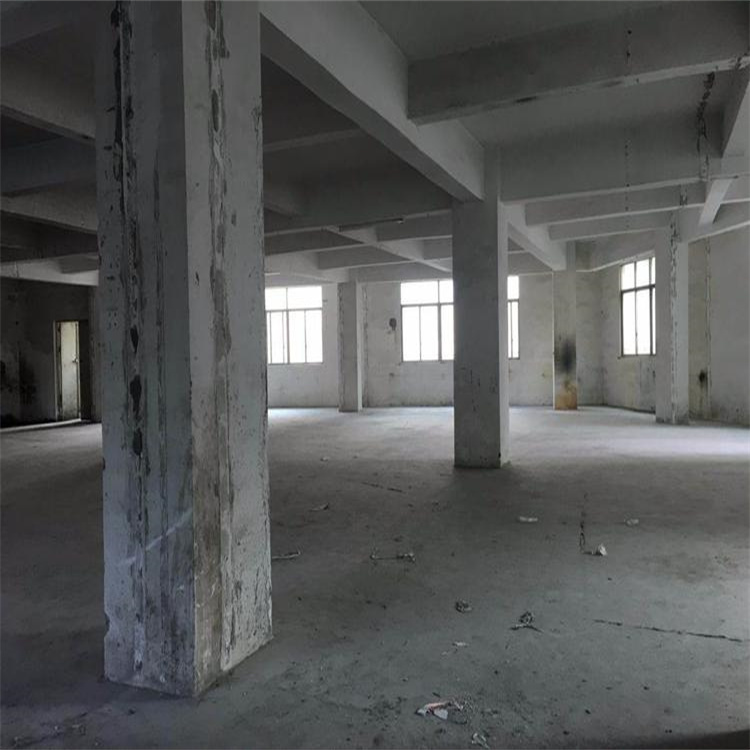







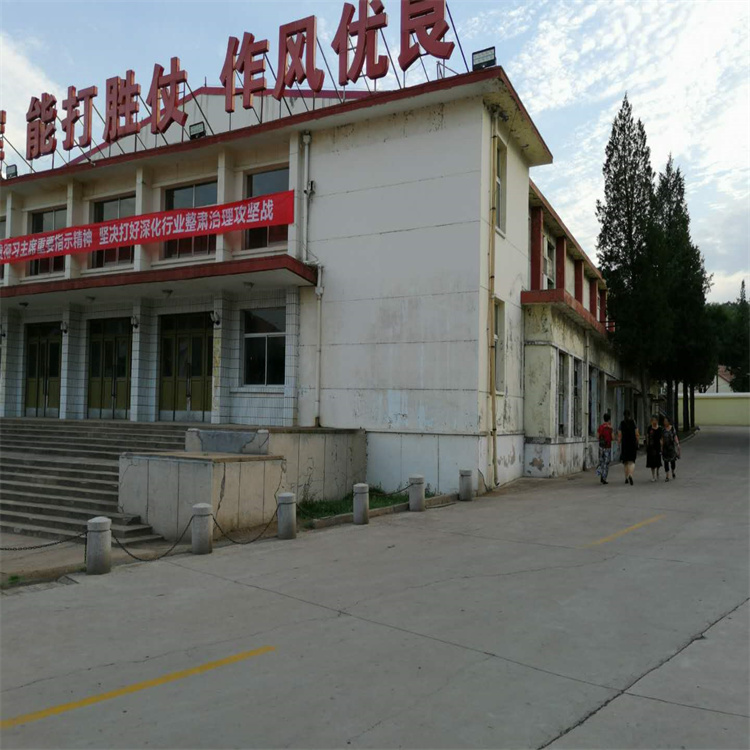
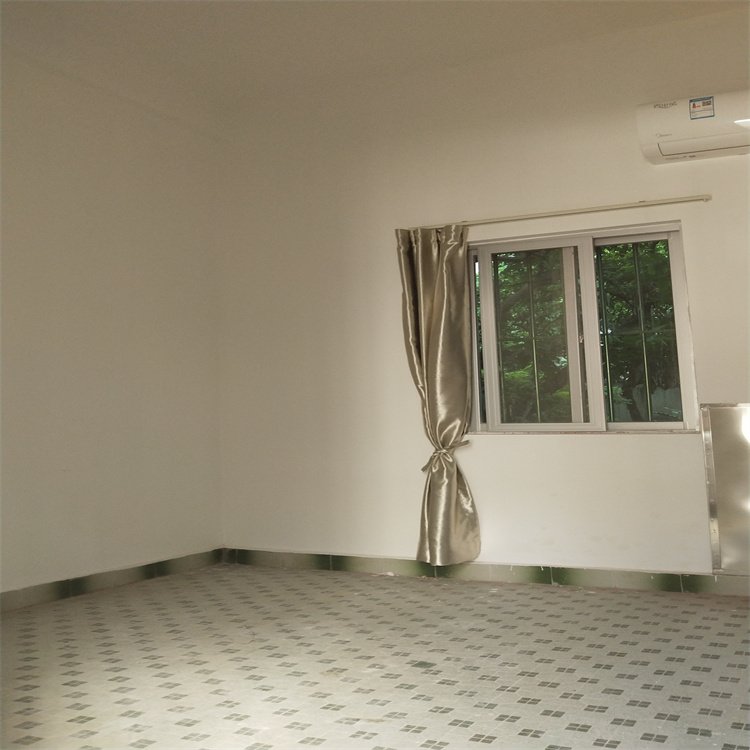
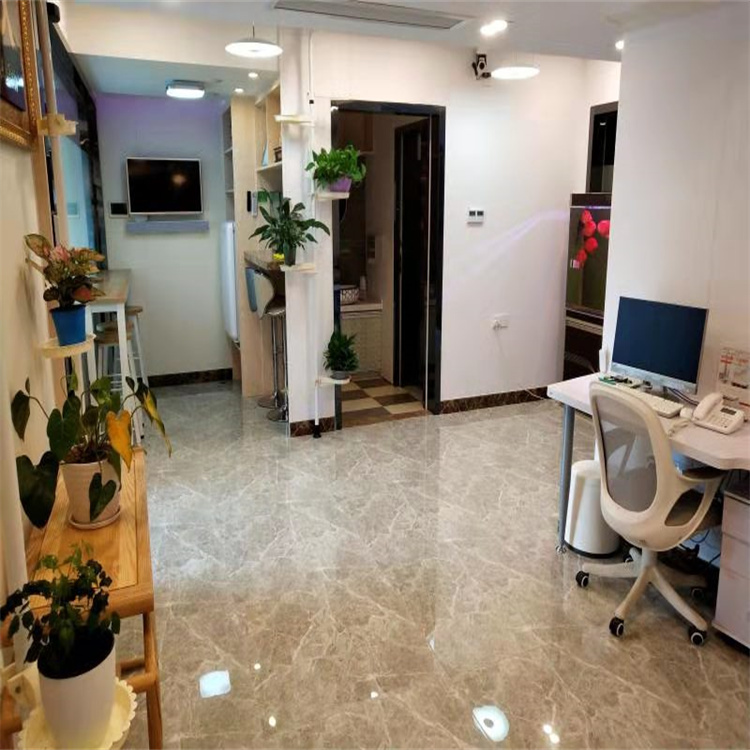
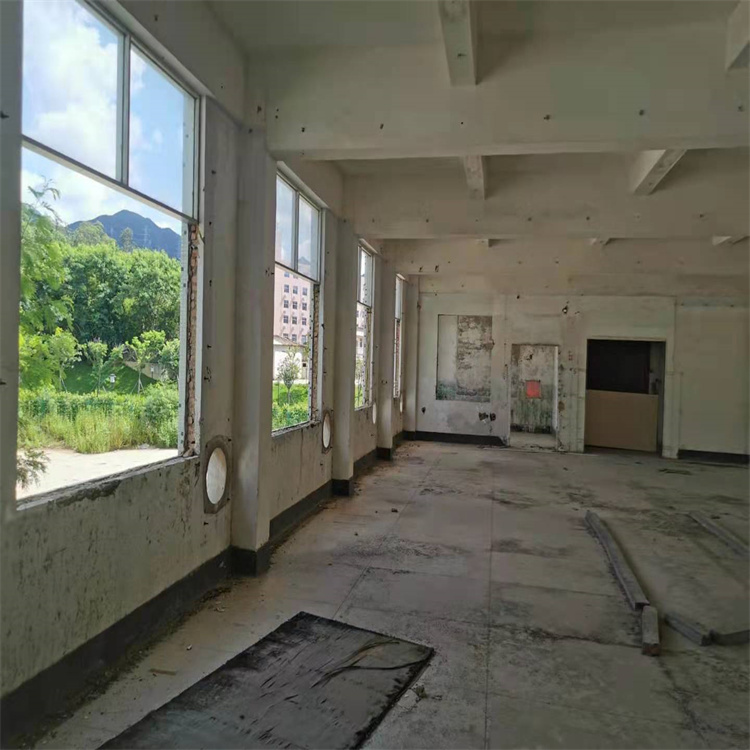
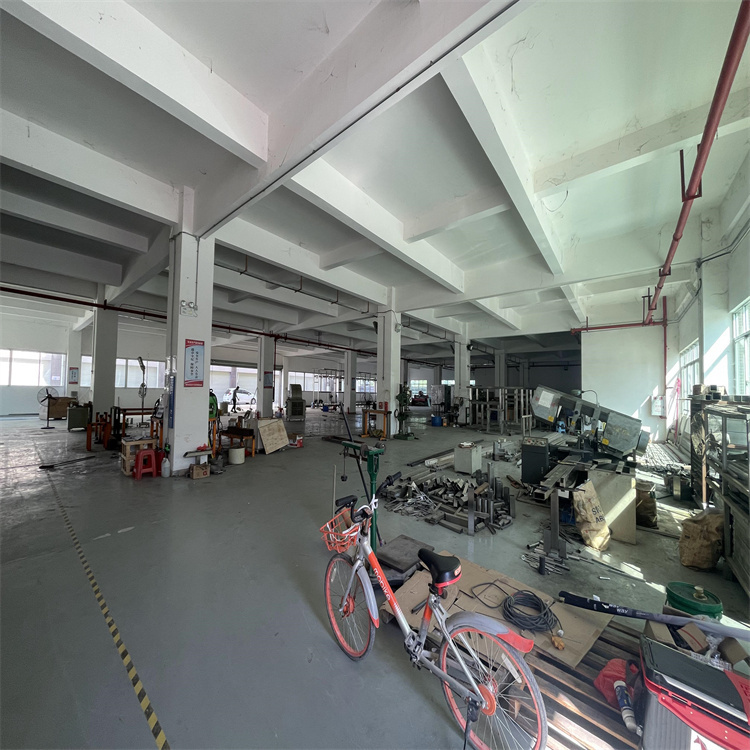
Foreign-invested enterprise factory building inspection and appraisal, enhancing daily assessment and management of the buildings, can promptly maintain and reinforce damaged structures, preserving the预定地's ability to withstand sudden disasters. This helps reduce the damage or property losses caused by natural disasters or fire accidents, and serves as a preventive measure against disasters.
Foreign-invested Enterprise Factory Safety Inspection:
In structural layout analysis, emphasis should be placed on inspecting and evaluating the structural system, floor layout, force transmission paths, connection methods, support arrangement, and construction measures.
In the analysis of structural member cracks, determine whether the crack is a load-bearing crack based on its location, shape, and other detection results. For load-bearing cracks, perform a load-bearing capacity calculation. For non-load-bearing cracks, further differentiate between settlement, shrinkage, construction, temperature, durability, etc., and analyze the causes of their formation.
During structural review, it is essential to clearly specify the adopted codes, calculation software and version, seismic fortification intensity, seismic grade, site category, basic wind pressure, ground roughness, and material strength parameters.
Four, the design specifications relied upon during structural review should be determined based on the purpose and type. For those involving renovations or changes in usage functions, the current specifications should be followed. The structural safety should adopt the design specifications that were valid during the construction period, but not below the 89 series specifications.
Five, during structural review, the additional dead load for civil building floors should not be less than 1.5 KN/m², and for the roof, not less than 3.0 KN/m². If reliable data is available, the actual value may be used. For factory live loads, unless specifically stated in the design documents, they should not be less than 3.5 KN/m². The dead load for staircases should be determined based on the cross-sectional dimensions.
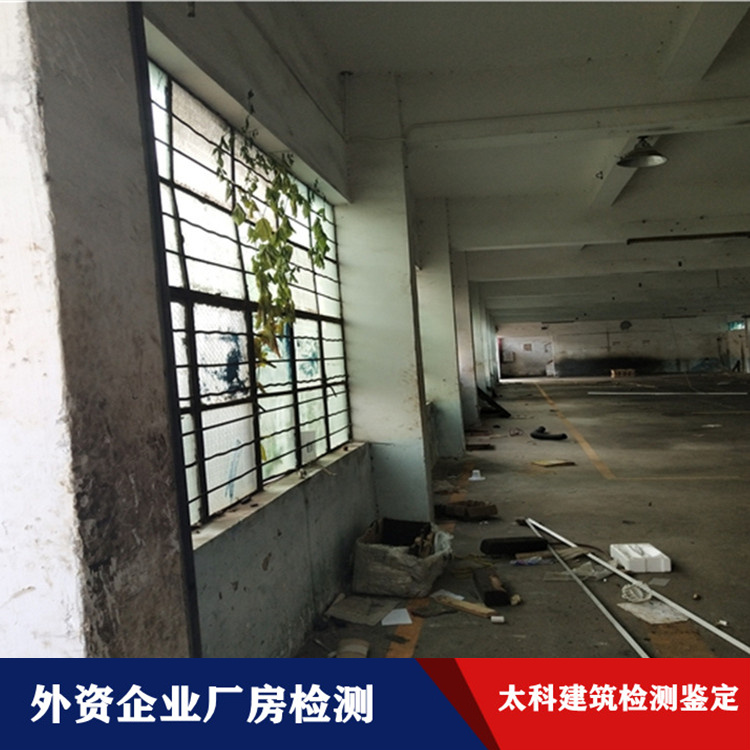
Foreign-invested enterprise factory construction quality inspection and appraisal:
1. Structural inspection and appraisal for construction projects (concrete structures, masonry structures, steel structures, towers and tall buildings, quality inspection of building components, vibration testing, structural stress testing, on-site structural performance tests); post-disaster structural load-bearing capacity appraisal.
2. Industrial and civil construction safety, suitability, maintainability, durability, and reliability assessment; building抗震evaluation; settlement observation, lighting and sunshine assessment, analysis, Floor Area Ratio (FAR) analysis, area measurement, building function evaluation; residential house inspection and evaluation; decoration and construction quality inspection and evaluation.
3. Municipal engineering and construction quality inspections, road and bridge functional performance and structural safety inspections, as well as repair and reinforcement assessments.
4. Indoor Environmental Testing for Construction Projects: Air Composition Identification, Hazardous Substance Identification in Decorative Building Materials, Noise and Vibration Assessment, Electromagnetic Radiation Identification, Light Blocking Pollution Identification, etc.
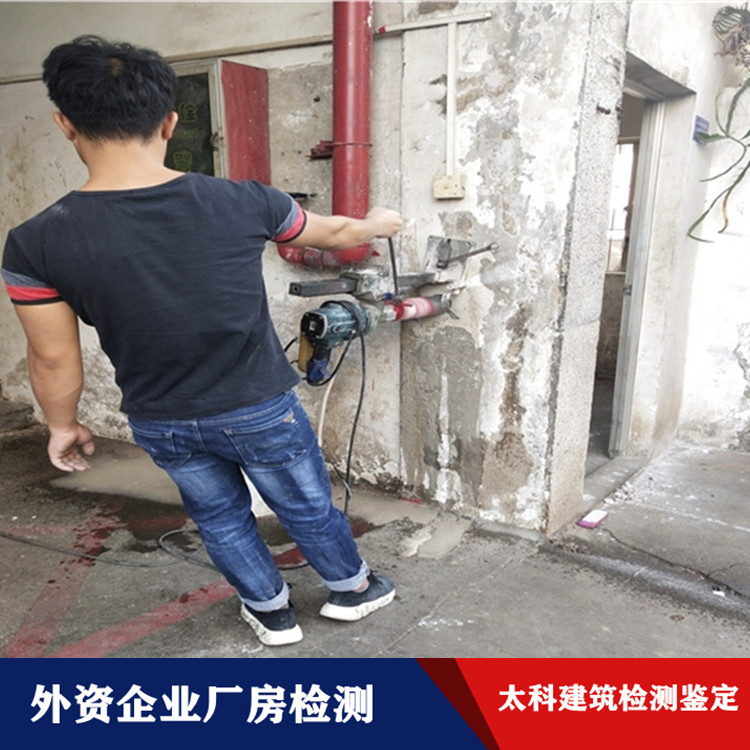
Foreign-invested enterprises' factory buildings generally require inspections under the "Building Quality Inspection Regulations" in the following eight situations:
1. The house has suffered from significant damage, deformation, or other functional deterioration due to improper use or aging.
2. For safety in use, it is necessary to understand the current structure and safety of the house.
3. External influences, such as adjacent construction work (deep excavation of foundation pit), cause damage to the house.
4. Proposed changes in the use, conditions, or requirements of the property.
5. House to be renovated or remodeled (including but not limited to adding floors, interlayers, etc.), and overall relocation.
6. Dispute regarding the quality of the house
7. Due to building protection requirements, it is necessary to understand the current operational status of the house and its reliability within the intended usage period.
8. The house has exceeded its designed service life.
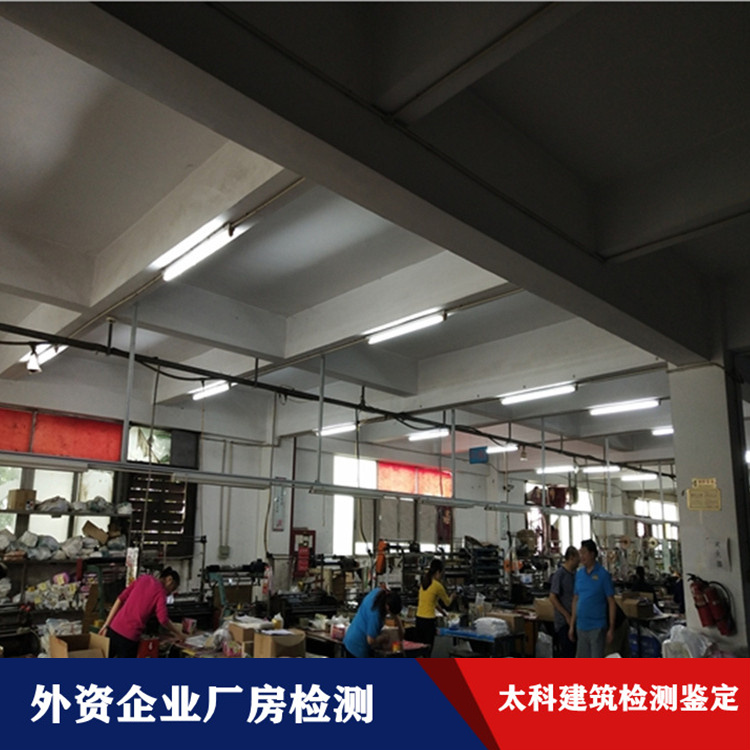
Foreign-invested enterprise factory inspection process:
1. Investigate the factory's usage history and the condition of its structure.
2. Document the main structure and load-bearing components of the factory using methods such as text, drawings, photos, or videos.
3. The testing items for the mechanical properties of the factory building structural materials should be determined according to the requirements of the structural load-bearing calculation.
4. As necessary, establish a calculation model based on the characteristics of the factory building structure. According to the actual mechanical properties of the building structure materials and the applied loads, verify the safety reserve of the factory building structure in accordance with current regulations.
5. Assess the current condition of the factory structure to determine the level of safety.
Shenzhen Taike Architectural Inspection & Appraisal Co., Ltd. always adheres to a management philosophy of people-oriented, innovative service, and efficiency-first. With the spirit of "based on testing, serving society," we provide comprehensive technical support and services to all sectors of society.