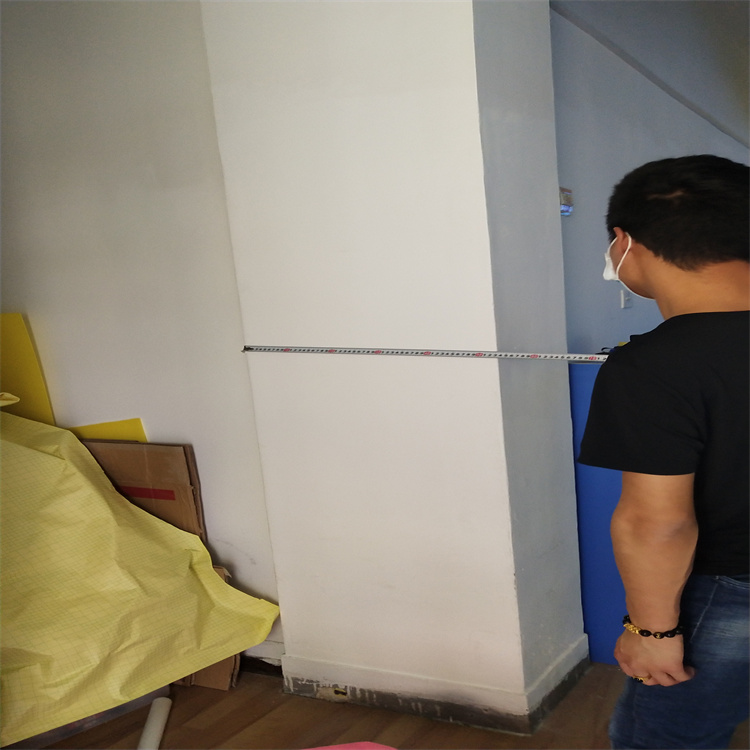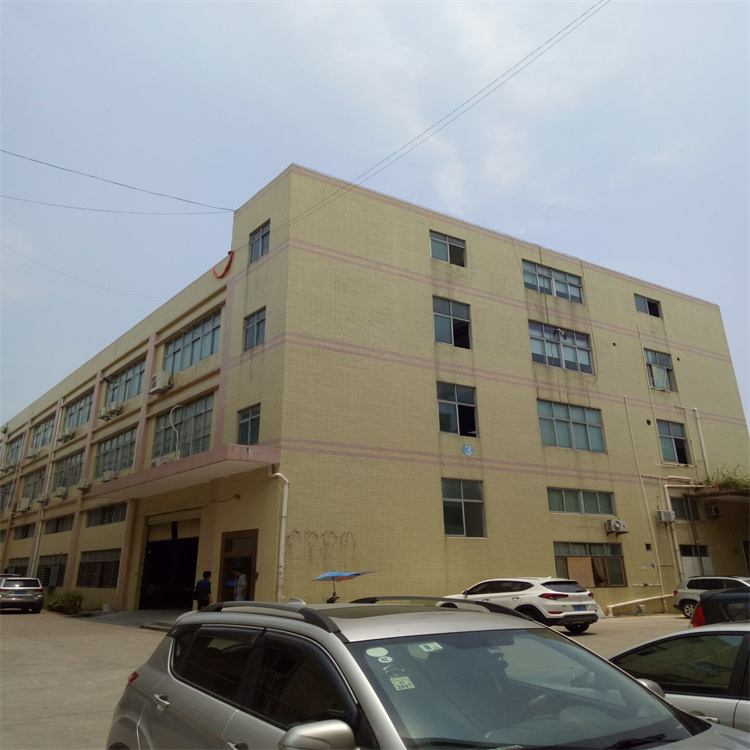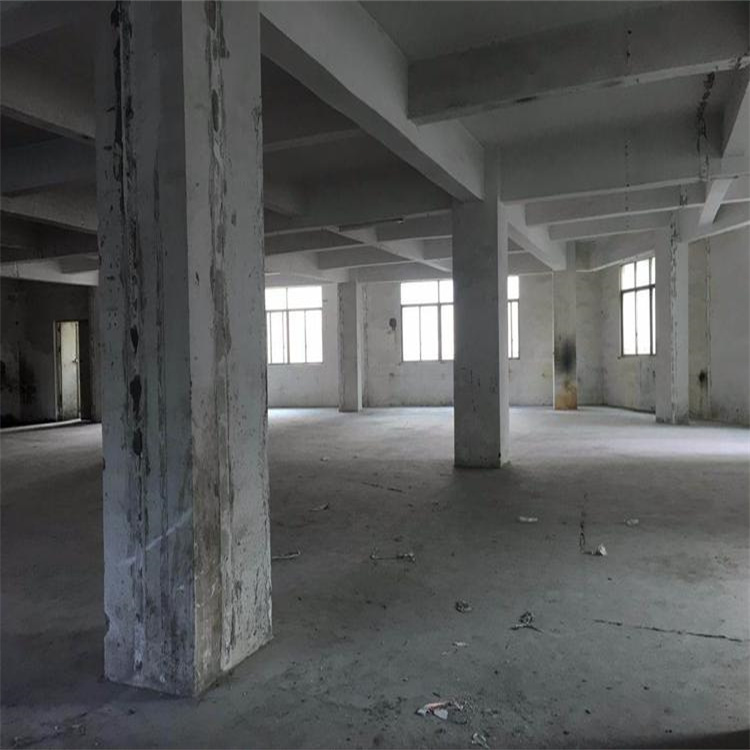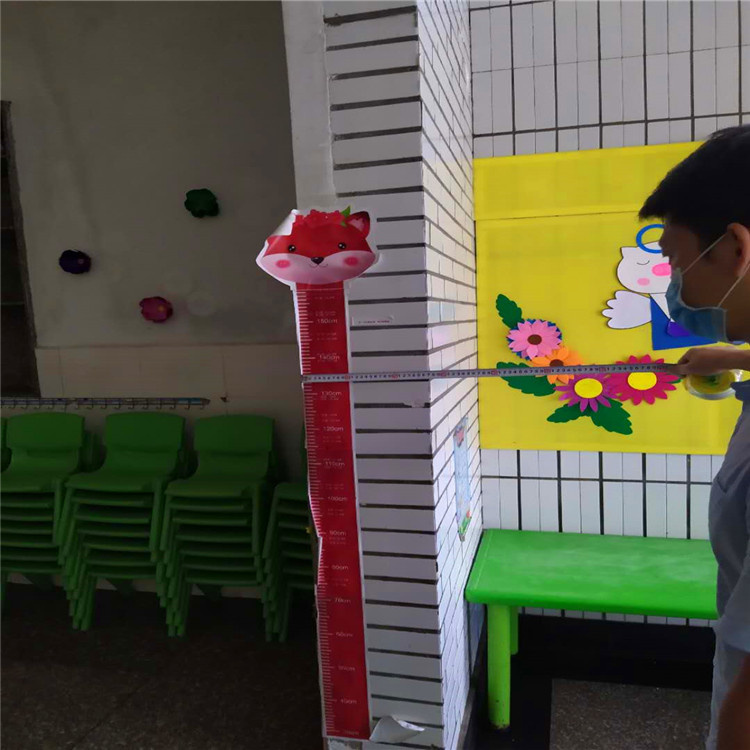

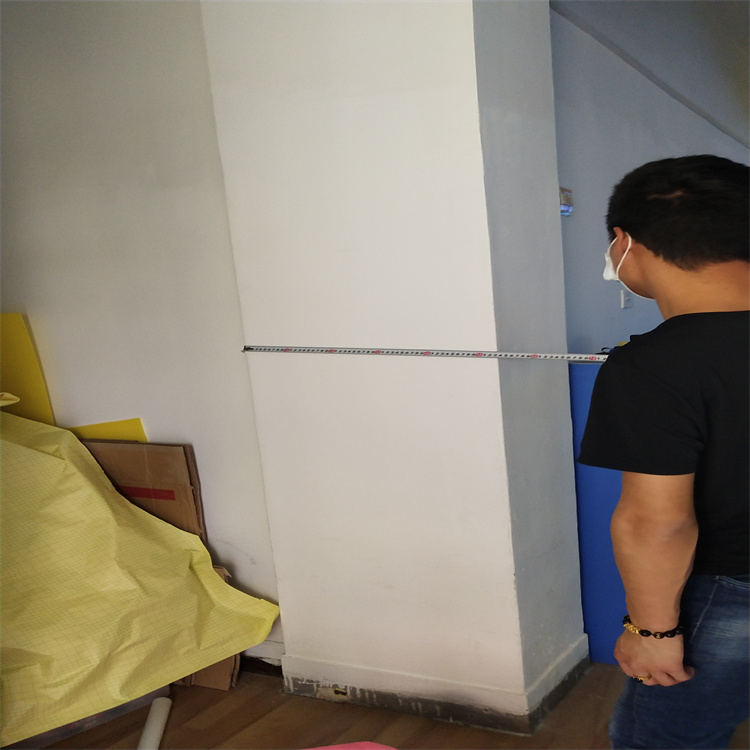

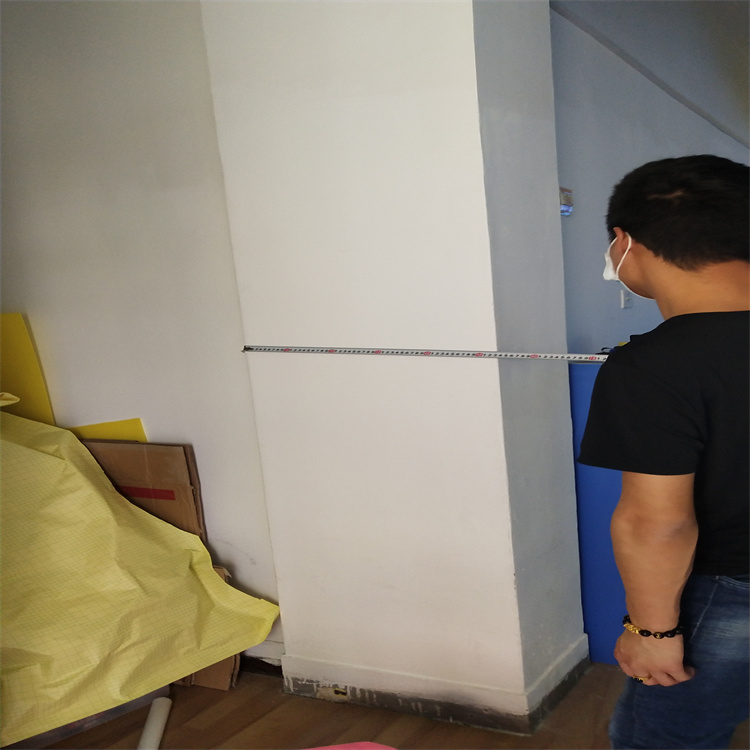

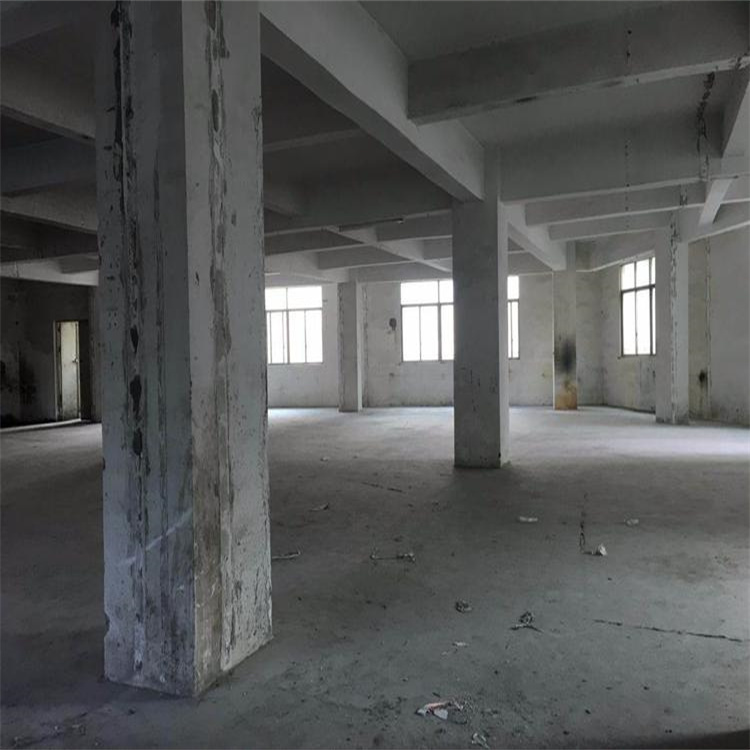








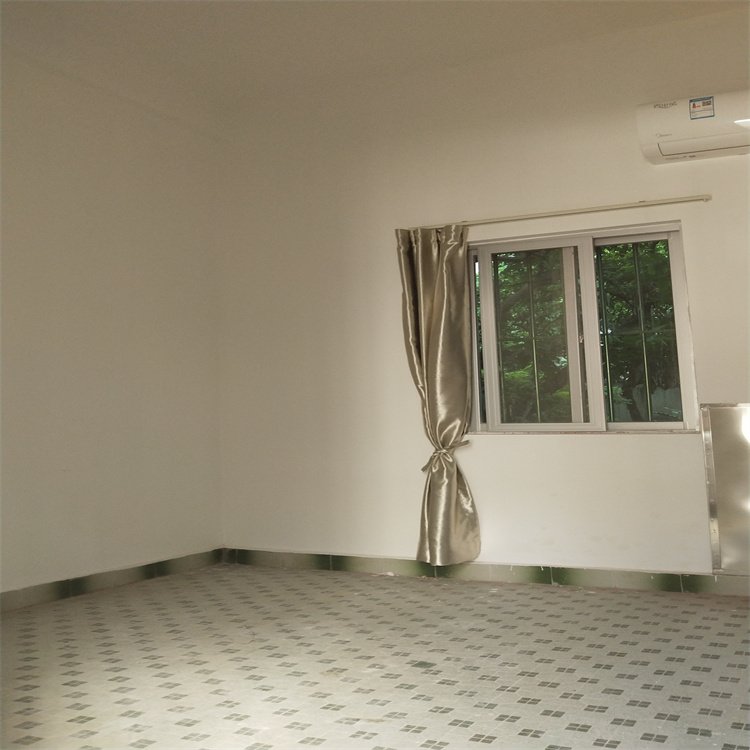

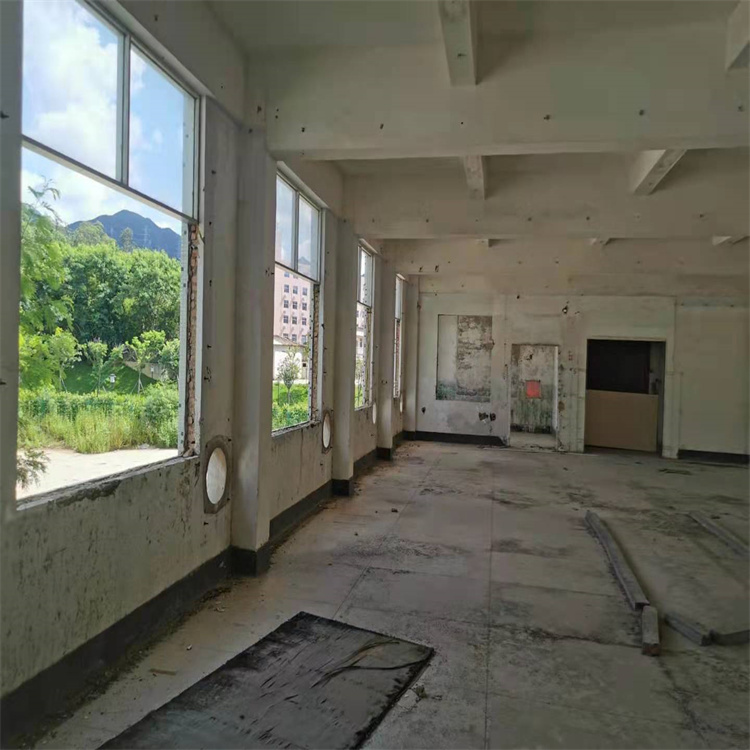
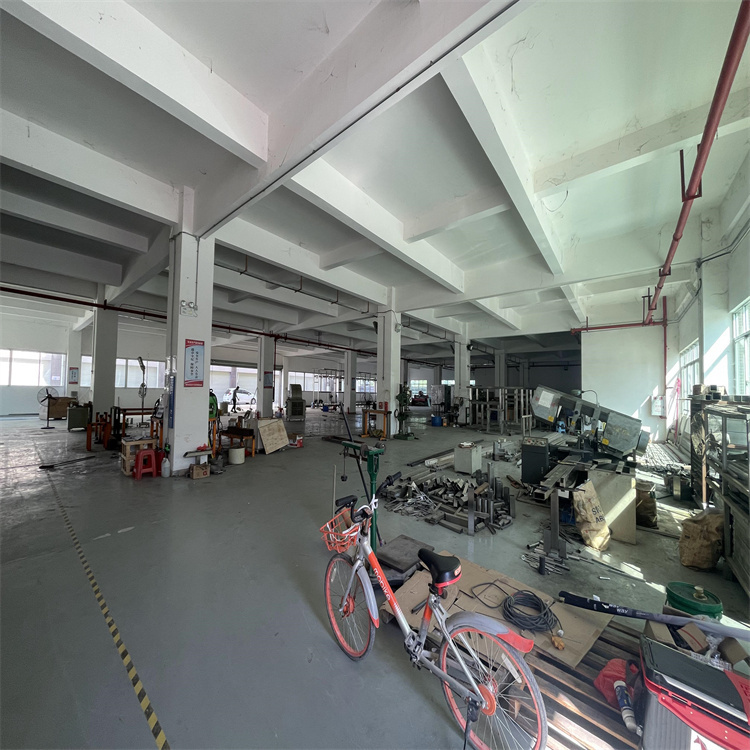
Residential housing and self-built house inspection, detection, and appraisal process:
(1) Historical records of construction, renovation, and usage; (2) Review of the size of the building; (3) Strength tests for the main structure of the house; (4) Inspection of the distribution of damage to primary structural components, such as cracking, deformation, and damage; (5) Modeling analysis for load-bearing capacity inspection based on on-site conditions; (6) Floor vibration tests; (7) Propose reasonable recommendations and structural reinforcement.
1. House Inspection Content: 1) Determine the extent of damage, types and quantities of combustible materials, and estimate the fire's scope and scale. 2) Conduct an initial visual inspection of damaged structural components to ascertain the temperature distribution and extent of damage and its area. 3) Use on-site testing equipment to compare damaged components with undamaged ones. 4) Take samples from the damaged areas of components when necessary, perform microscopic tests, and determine the degree of damage to the structural components.
5. Establish the structural mechanics model, conduct structural load-bearing calculations, and determine the reinforcement plan.
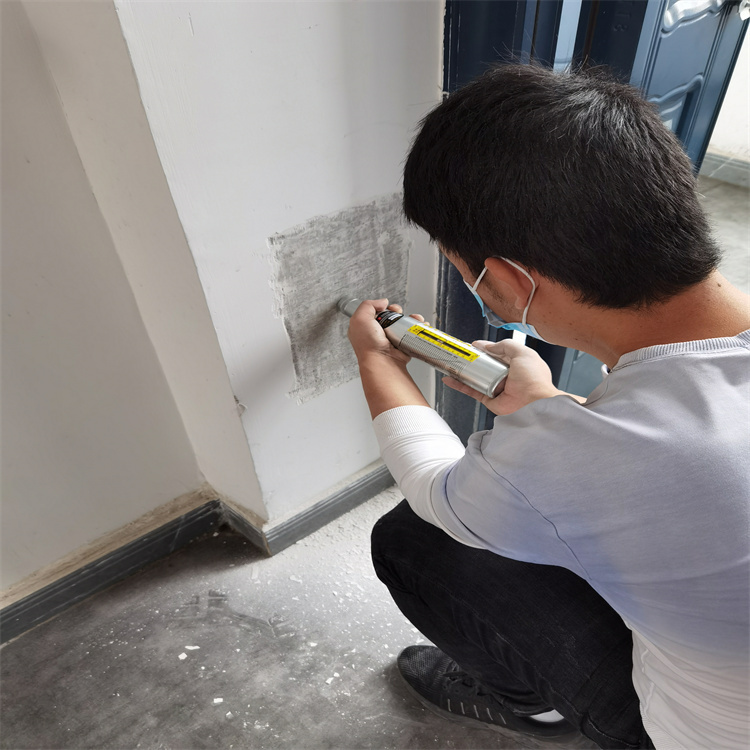
1. Inspection to identify the material composition of damaged structural components. 2. Preliminary analysis of deformation or cracks in structural components; sampling and microscopic testing of the damaged areas may be required if necessary. 3. Comprehensive analysis based on microscopic testing of the structural component materials to determine the cause of damage. 4. Establishing the structural mechanical model, conducting calculations for structural load-bearing capacity, determining structural safety, and proposing treatment recommendations.