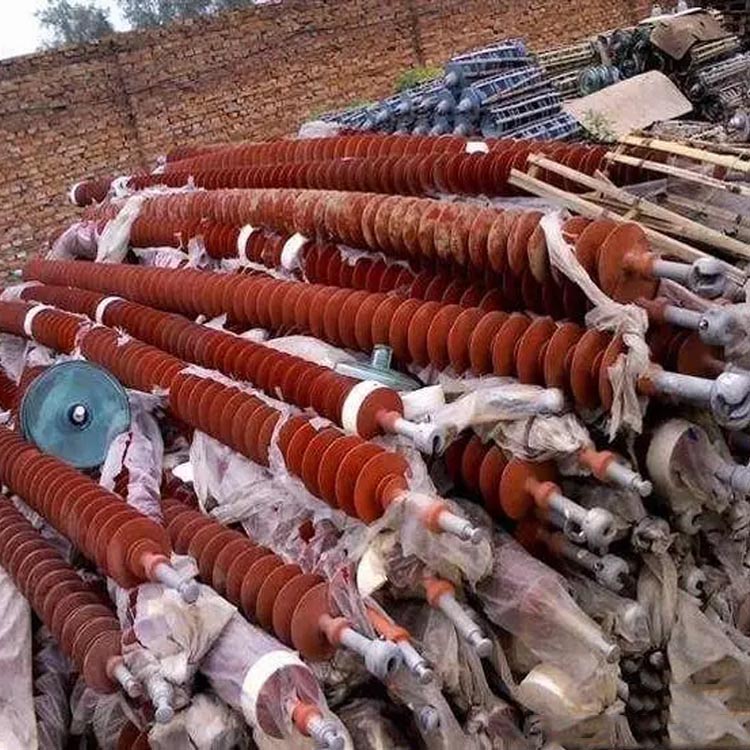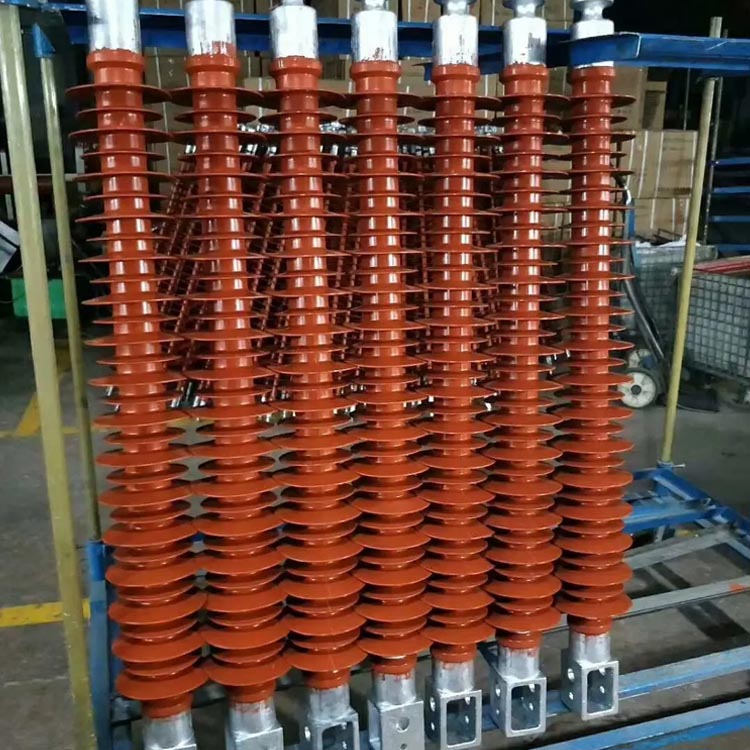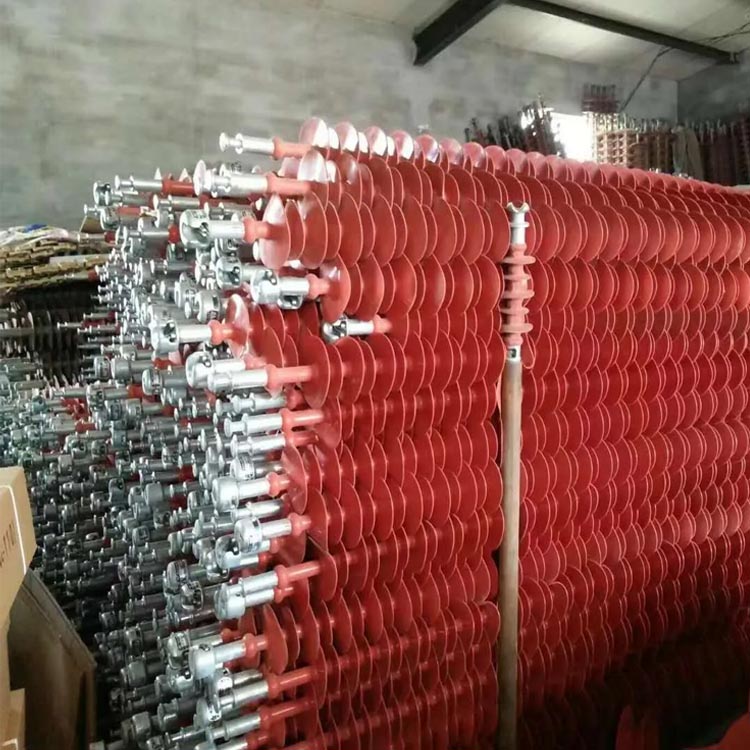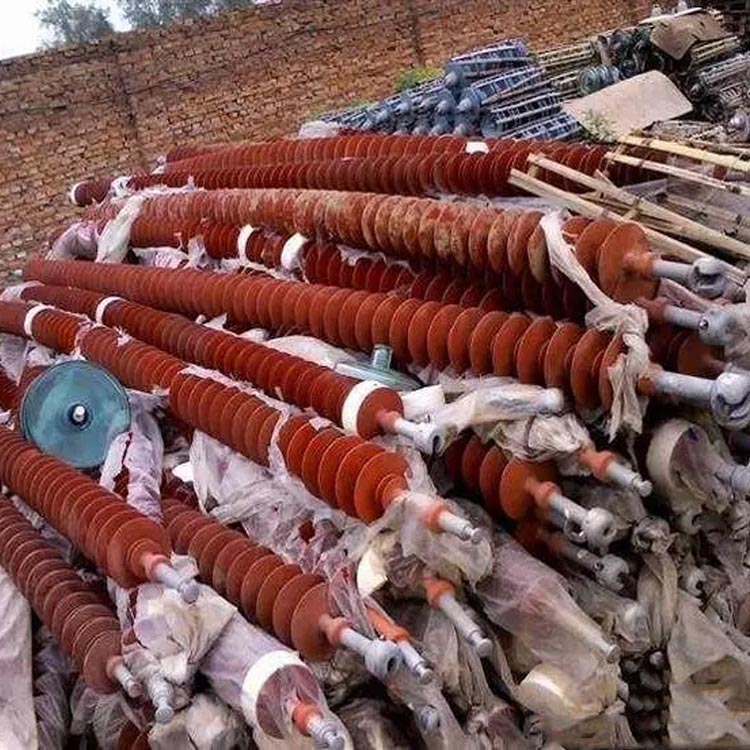

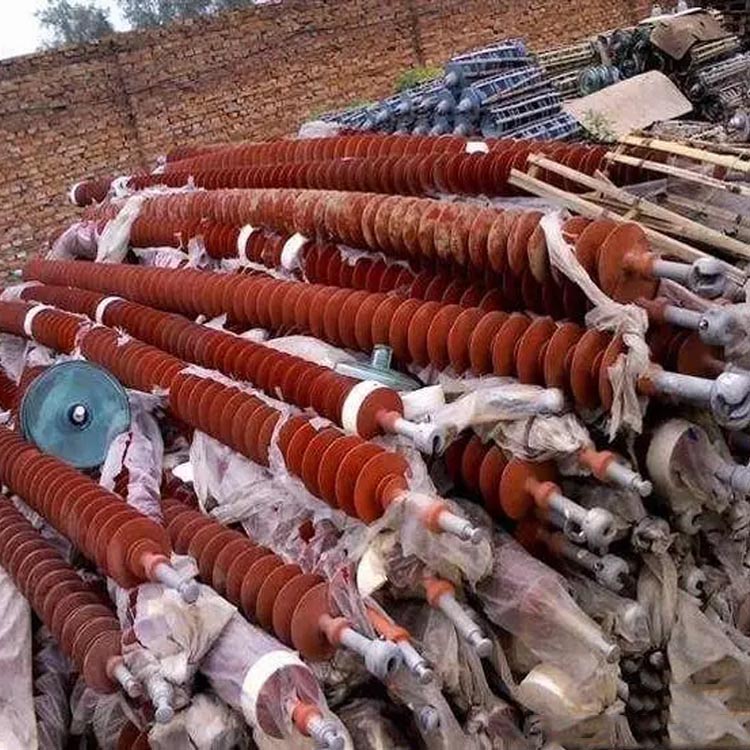
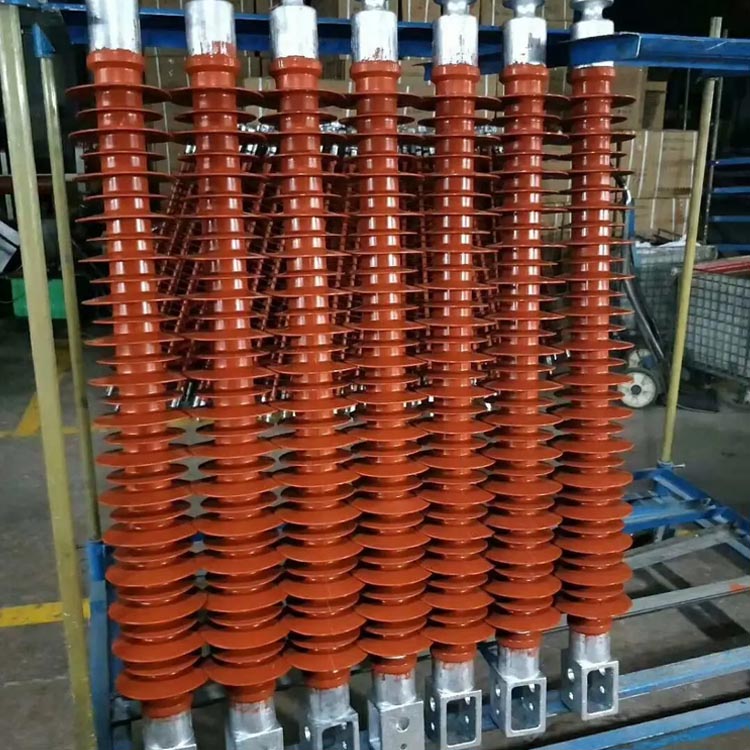







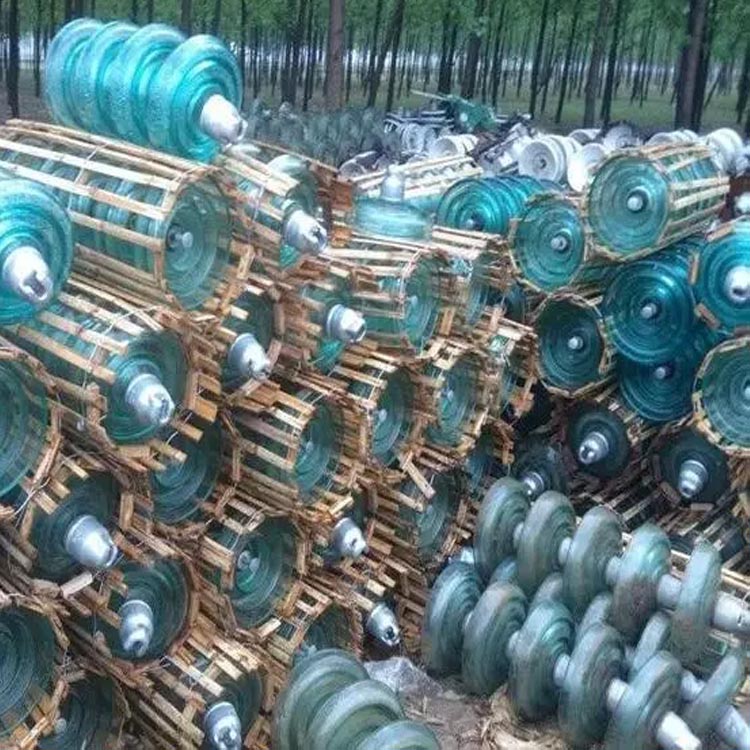
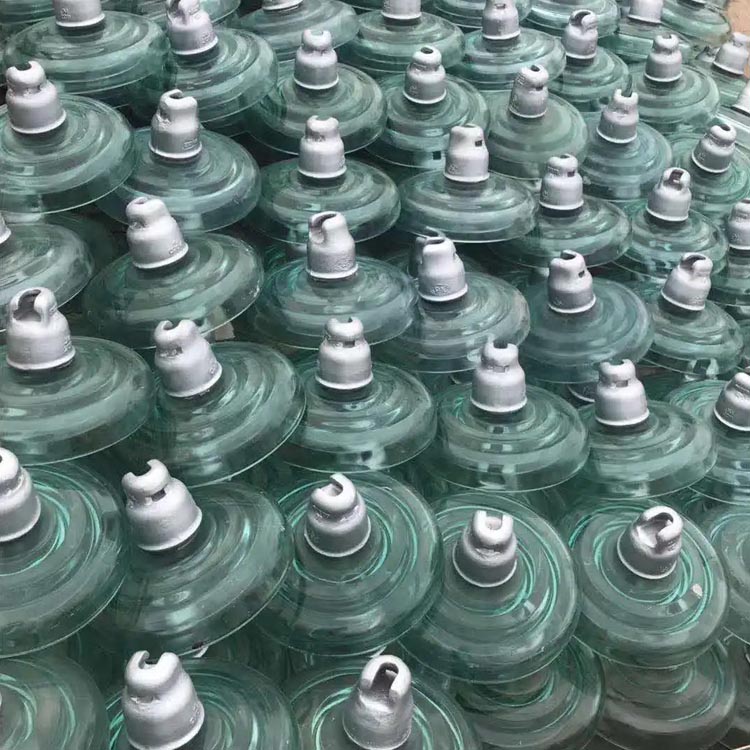
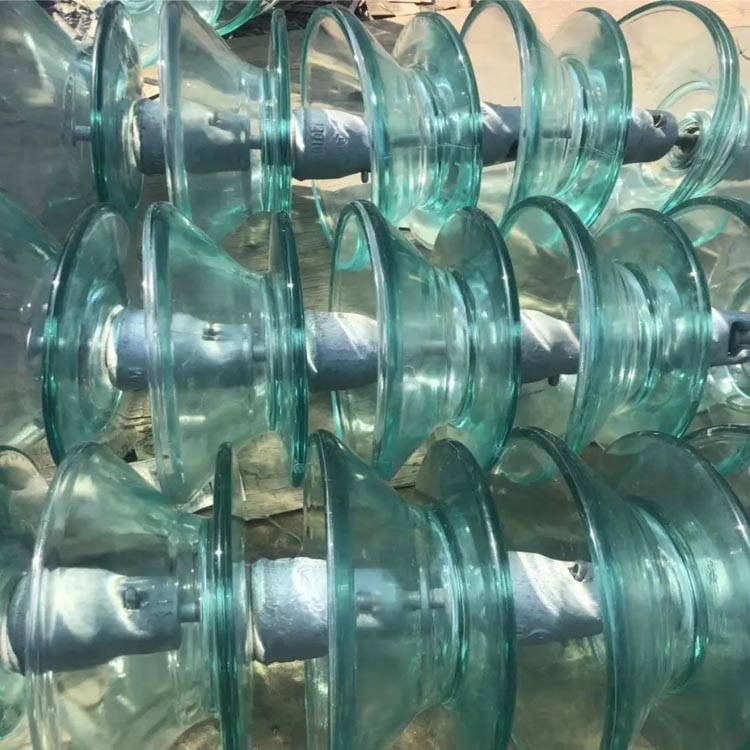
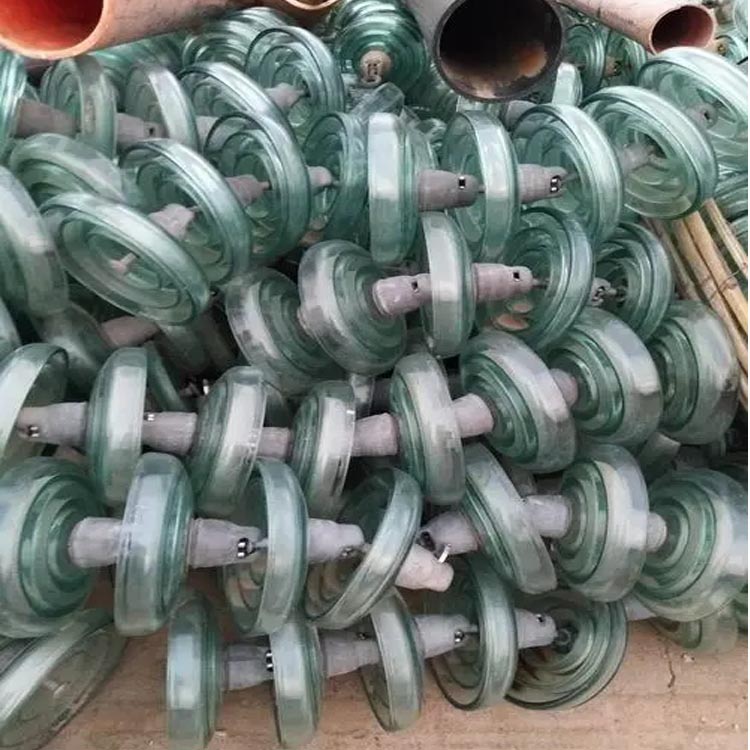
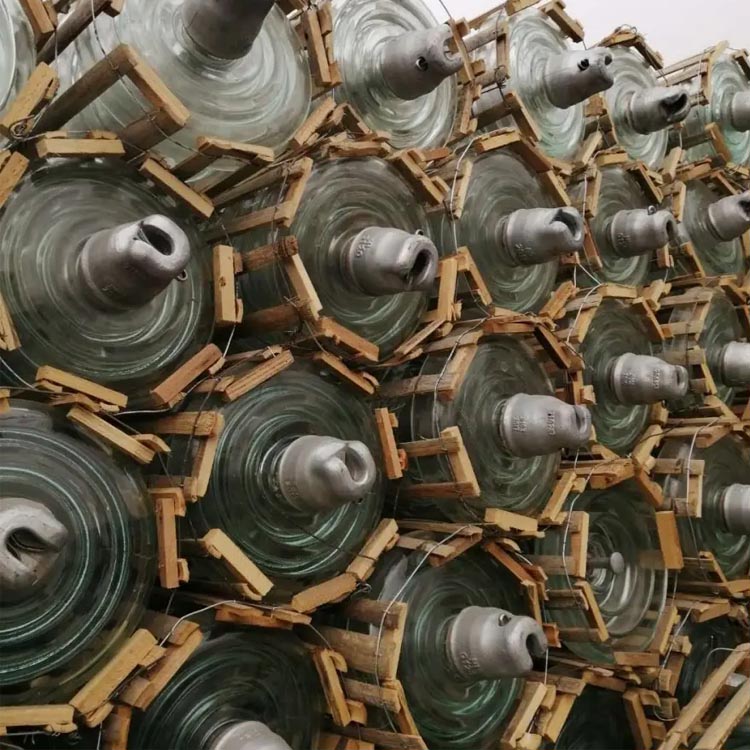
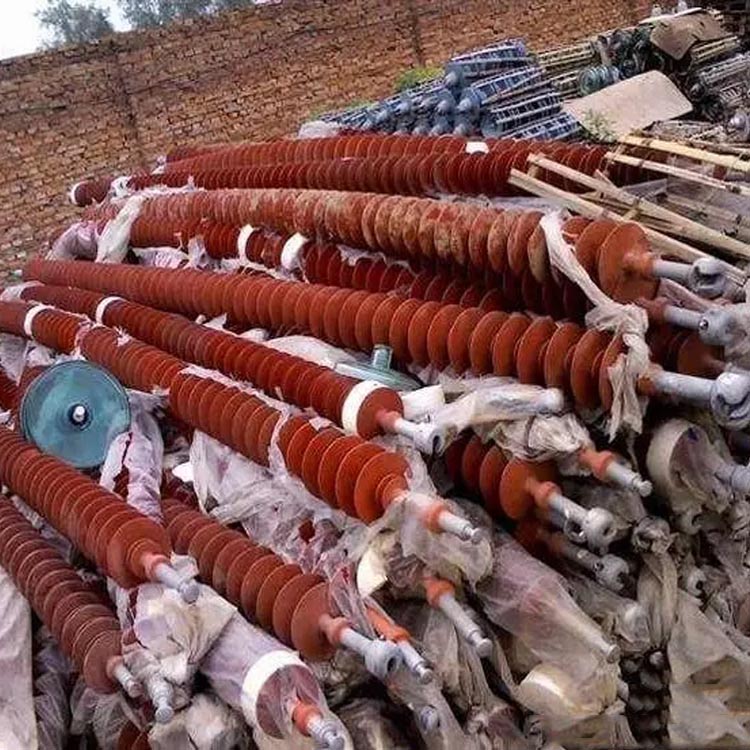
Composite insulators, also known as synthetic insulators, are made up of an insulating core rod (or tube) of glass fiber resin and a jacket and skirt of organic materials. They are characterized by their small size, light weight, high tensile strength, and excellent anti-fouling and flashover performance. However, they are not as resistant to aging as porcelain and glass insulators. Composite insulators include rod-type suspension insulators, insulating crossarms, pillar insulators, and hollow insulators (i.e., composite sleeves). Composite sleeves can replace porcelain sleeves used in various electrical equipment such as transformers, lightning arresters, circuit breakers, capacitive sleeves, and cable terminations. Compared to porcelain sleeves, they offer the advantages of high mechanical strength, light weight, and small size tolerances, and can also prevent damage caused by shattering.