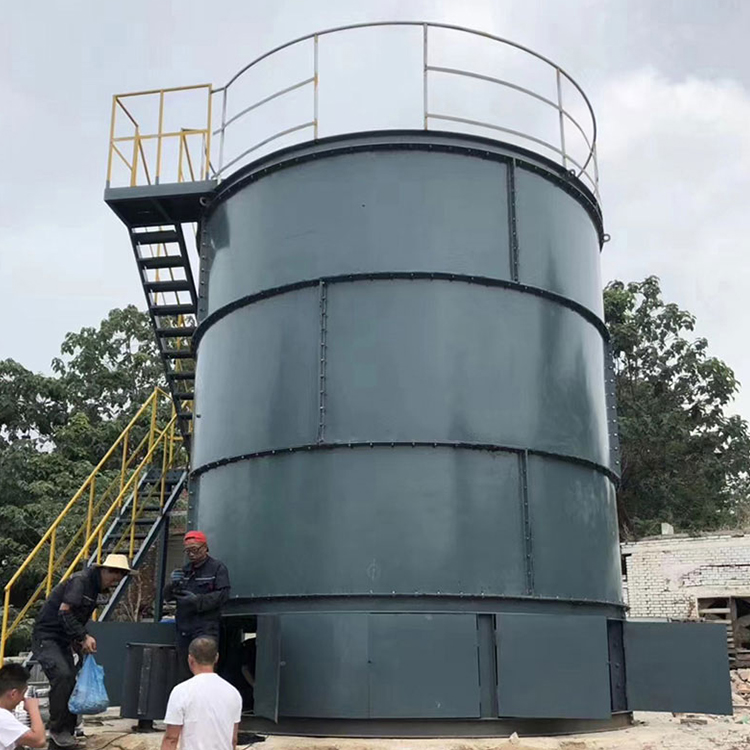

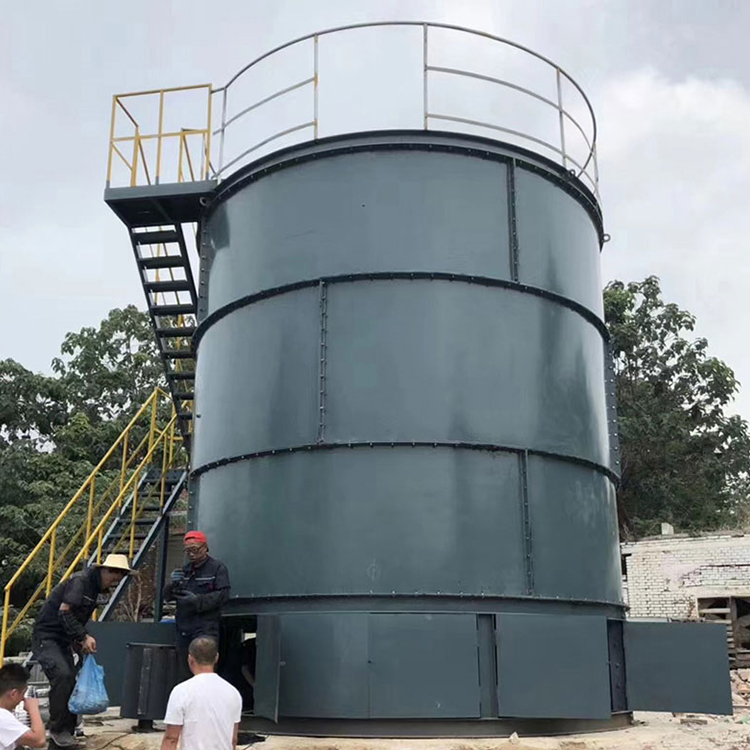
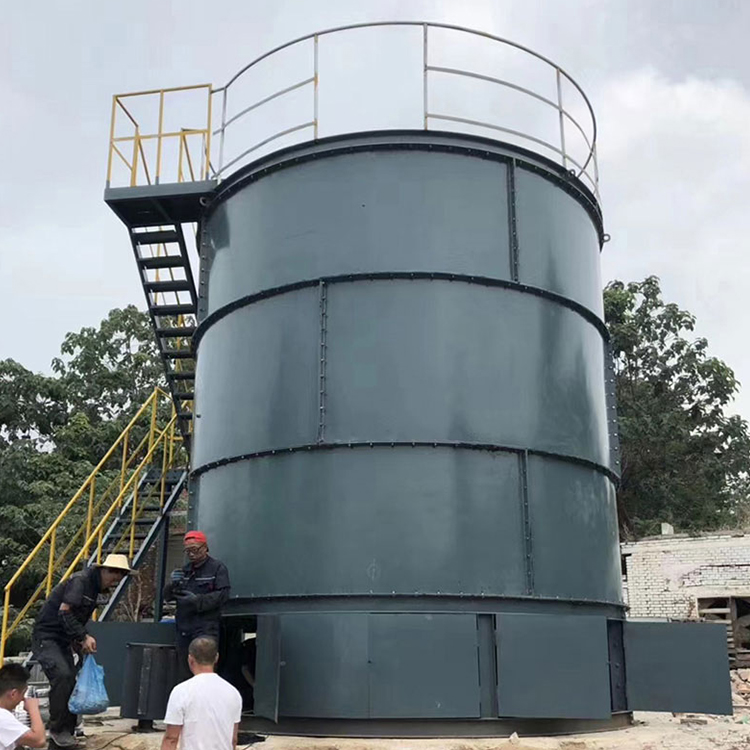
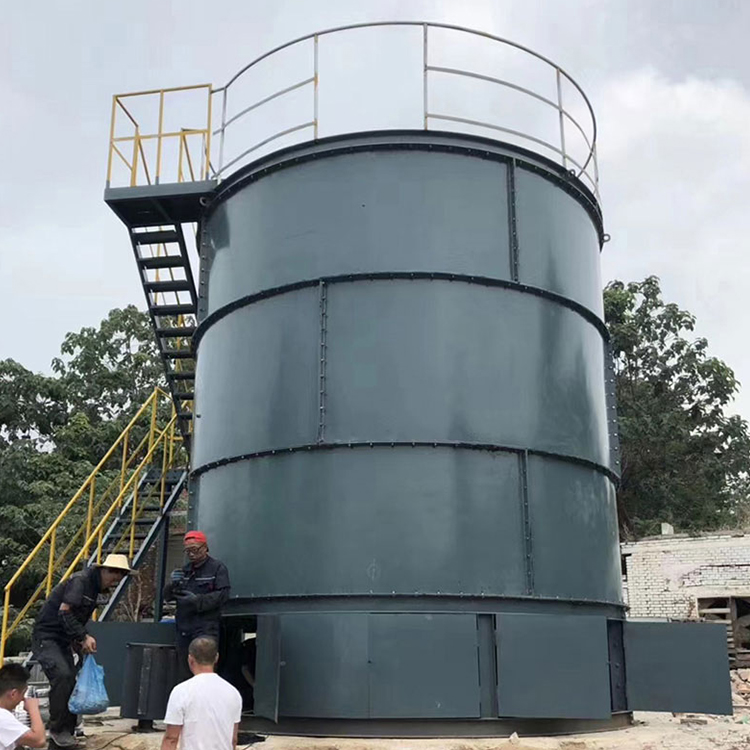











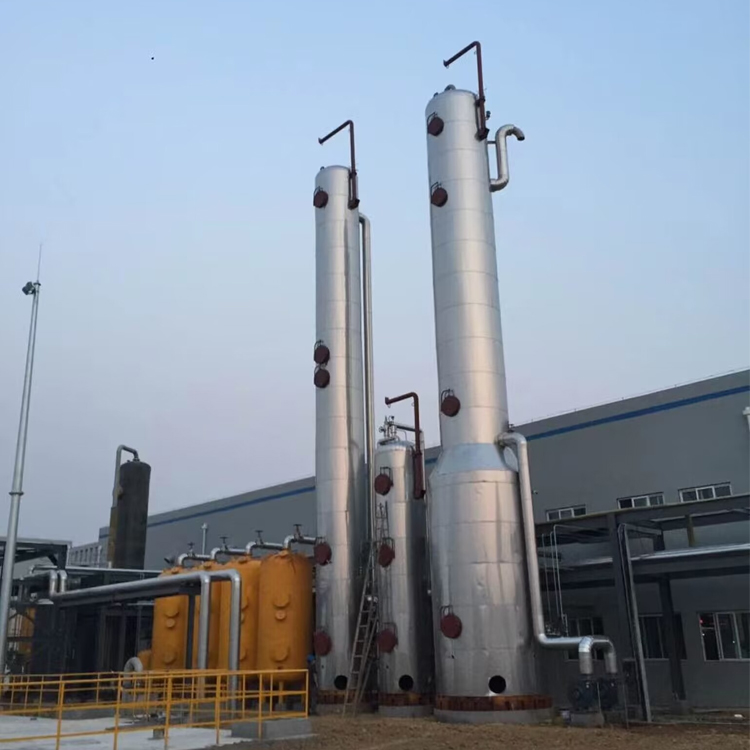
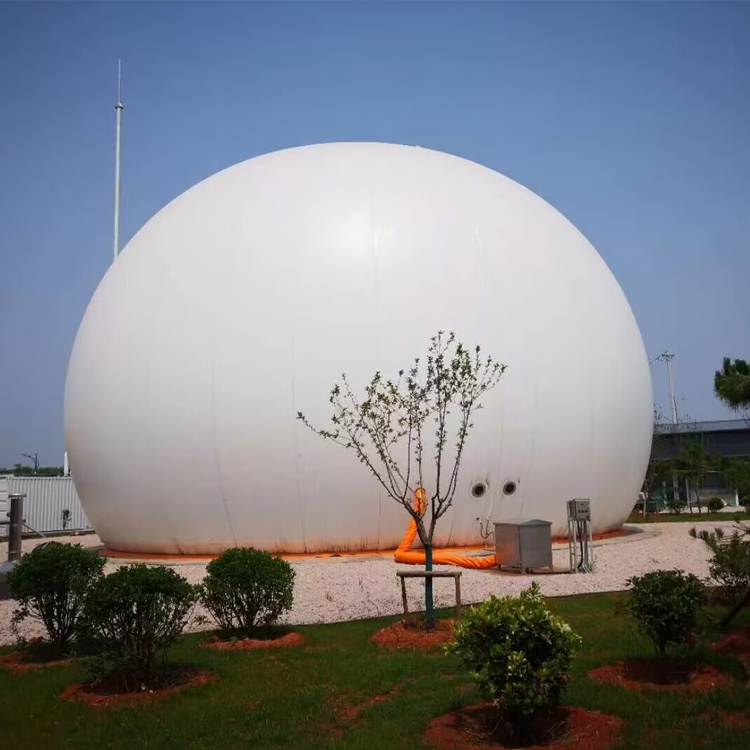

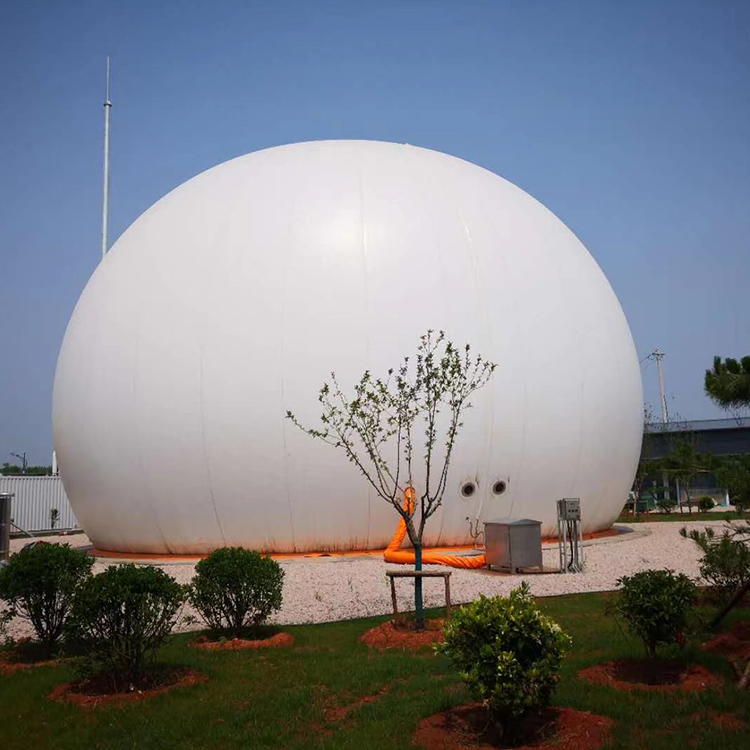
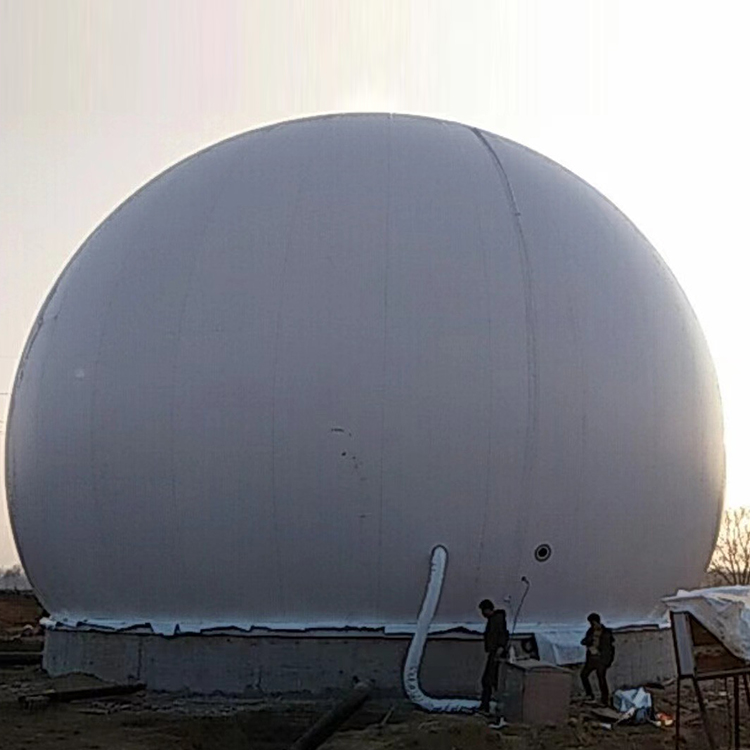
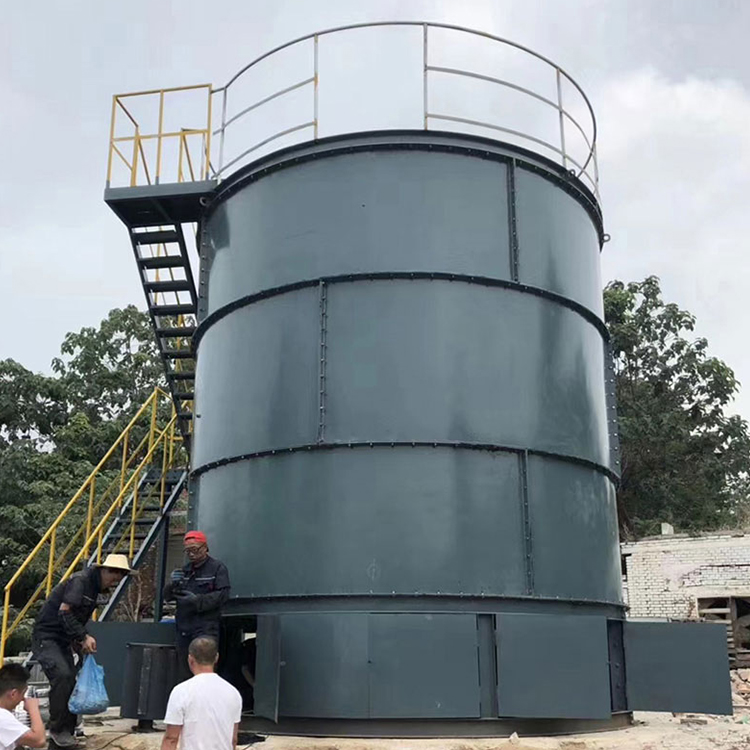
The process features of the aerobic fermentation tank are:
(1) Fermentation Main Unit
This fermentation main unit is composed of a mixing shaft, controller, heating plate, exhaust fan, fermentation tank, and observation port. It utilizes the microbial fermentation principle to decompose waste, producing organic fertilizer that meets national organic fertilizer standards.
The fermentation system can automatically shut down after the waste is fully decomposed.
Large fermentation space: The fermentation tank's capacity is 1.5 times the daily processing volume, ensuring ample material storage and fermentation time.
Automatic temperature control: Utilizes automatic sensing to measure temperature, controls temperature automatically, maintains a constant temperature, ensuring full fermentation of microorganisms.
Automatic Stirring: The rotation and stop time can be adjusted and set via the PLC panel from 0 to 100 rotations, with any timing. The main stirrer motor is equipped with an overload protection device. The operating mode should be adjustable, and both manual and automatic operation functions are provided.
Low fermentation energy consumption: Our microorganisms are independently developed and produced, with a temperature range of 50-60℃, and the daily fermentation energy consumption per kilogram of waste is 0.03-0.06 kWh.
(2) Automatic Liquid Crystal Control System
Color touch screen display, enabling automated operation with no human intervention by following the pre-set workflow via electrical control modules or software commands. It can directly reflect the real-time operating status of the equipment through the LCD display panel and perform effective operations.
The processor uploads information (machine operation status, amount of waste processed, etc.) to the information platform via the internet.
The control system features a 10-inch LCD screen, allowing for easy identification of problem points in the event of a unit failure, and precise operation of the equipment.
When a foreign object gets stuck in a functional module of the equipment, causing operation to halt, the device features a similar return or retract function, allowing the foreign object to be easily removed without the need for disassembling the equipment.
(3) Automated Material Discharge System
Automatic function for in-warehouse material discharge, completed through mechanical means without human assistance.
Once the fermentation tank is full, to ensure the operators can discharge the material promptly and avoid overflow during feeding, the system automatically detects the position and triggers an alarm, followed by automatic discharge.
(4) Remote Monitoring System
The operation data of each organic waste disposal unit is collected using sensors, and the abnormal data analysis is processed through a microprocessor. The data is then transmitted via multiple methods including GPRS network, Ethernet, LAN, and 485 communication transmission, enabling comprehensive data communication and monitoring of all running equipment. System functions include:
Monitor the temperature, humidity, power consumption, and dosage of biocides for each device, along with other operational data.
2) Variety of flexible information search methods.
3) Data export feature allows exporting data to Excel.
4) Equipment self-diagnosis function for detecting various malfunctions and statuses during operation.
5) Equipped with an automatic reporting feature for equipment operation failures, which automatically uploads equipment fault information to the server.
6) Large capacity equipment fault record storage function.
7) A versatile fault record query feature allows you to freely access various fault records of the equipment.
8) Robust equipment maintenance and information management feature.