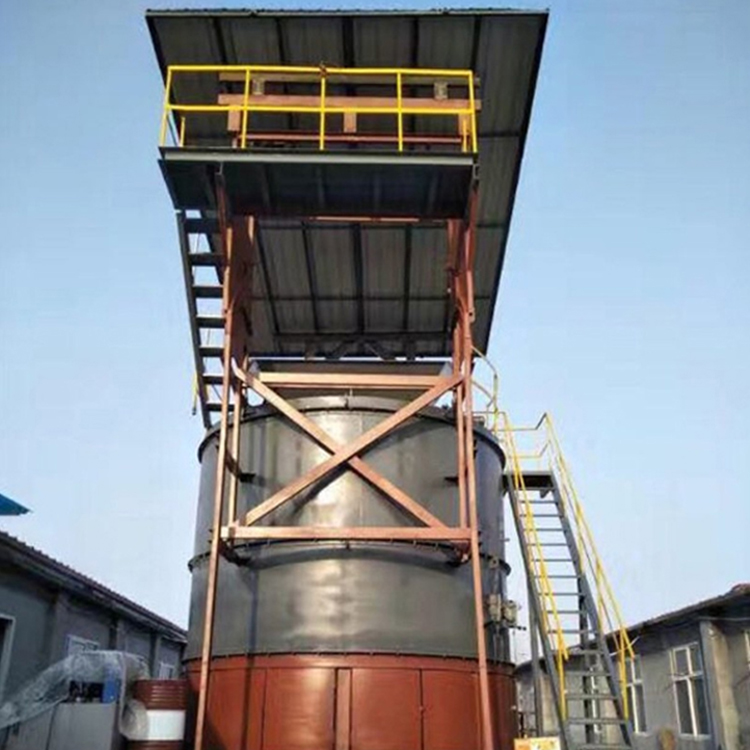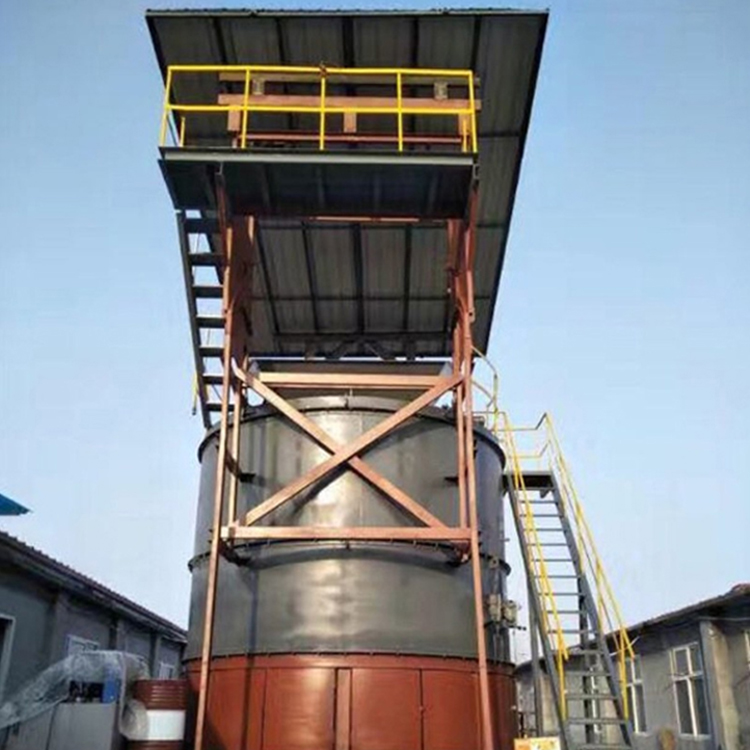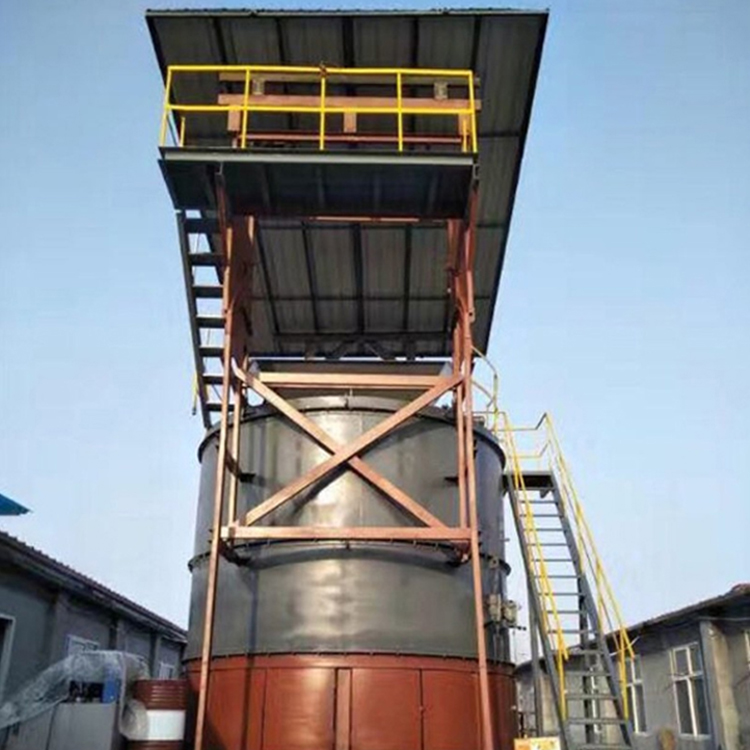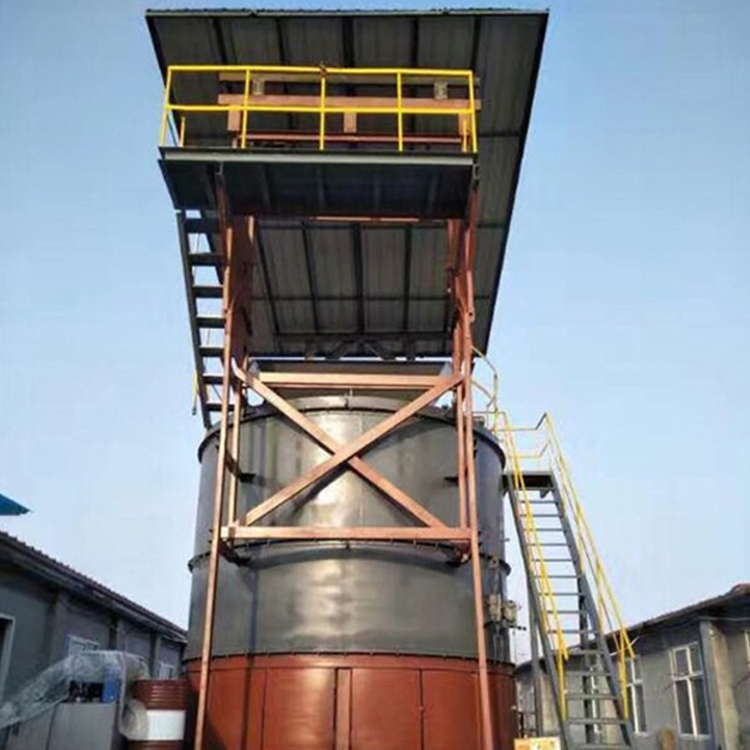


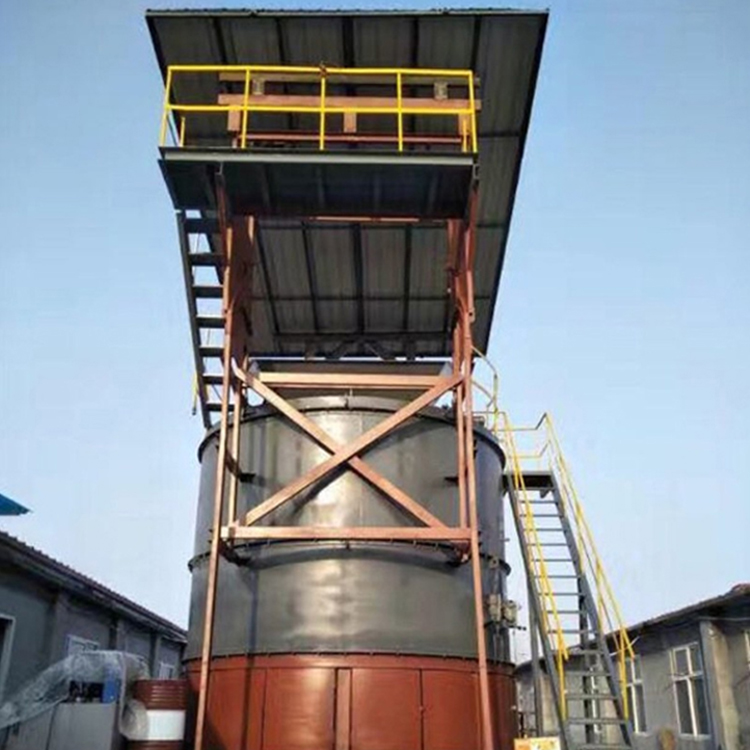
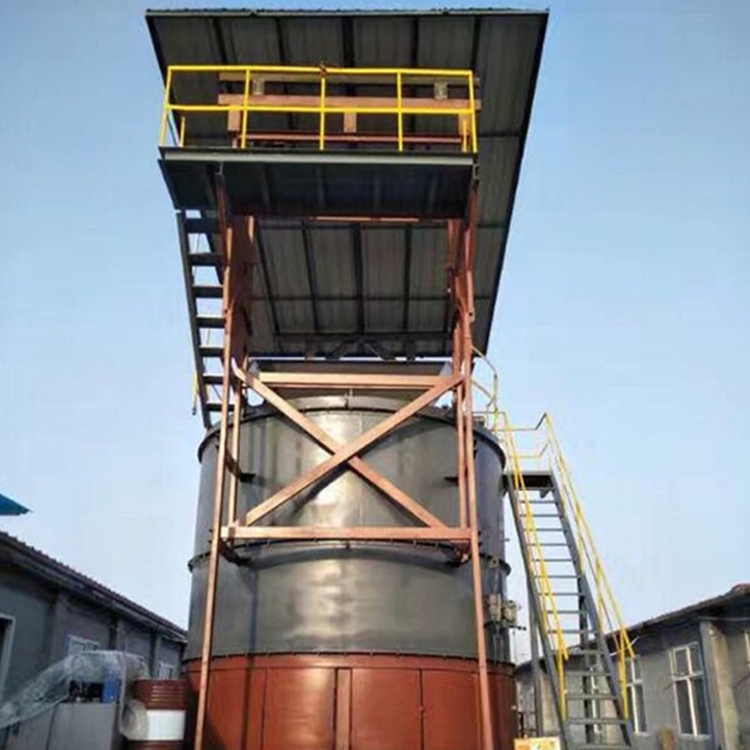











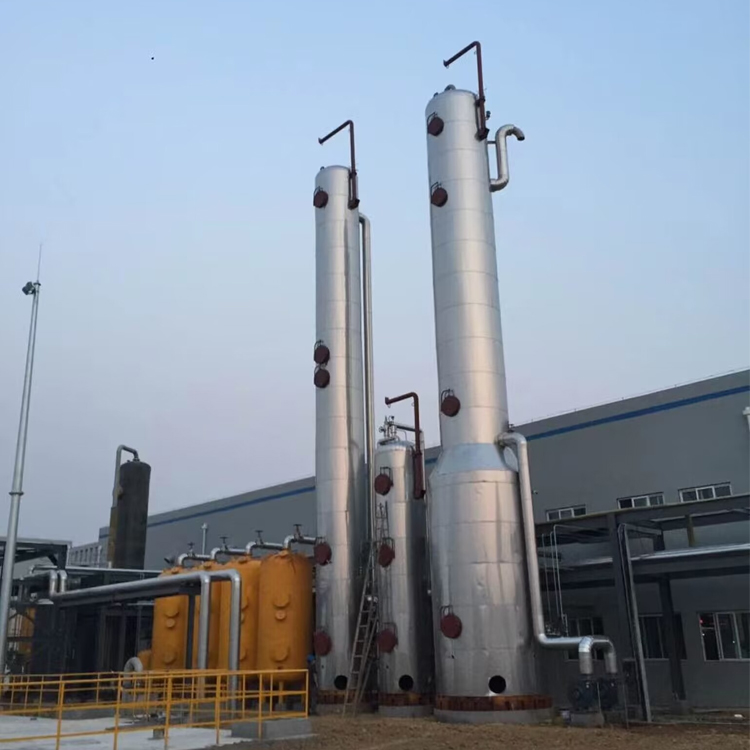
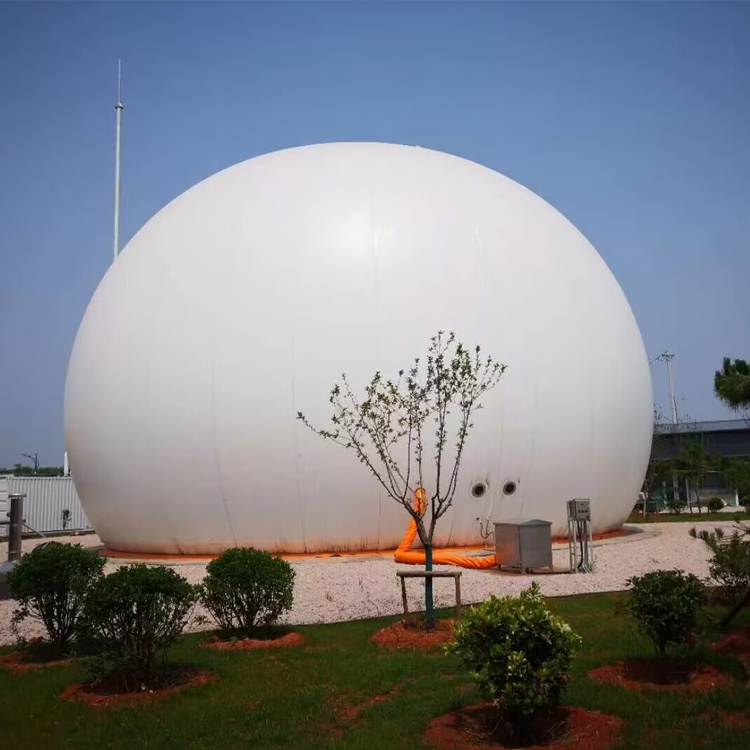
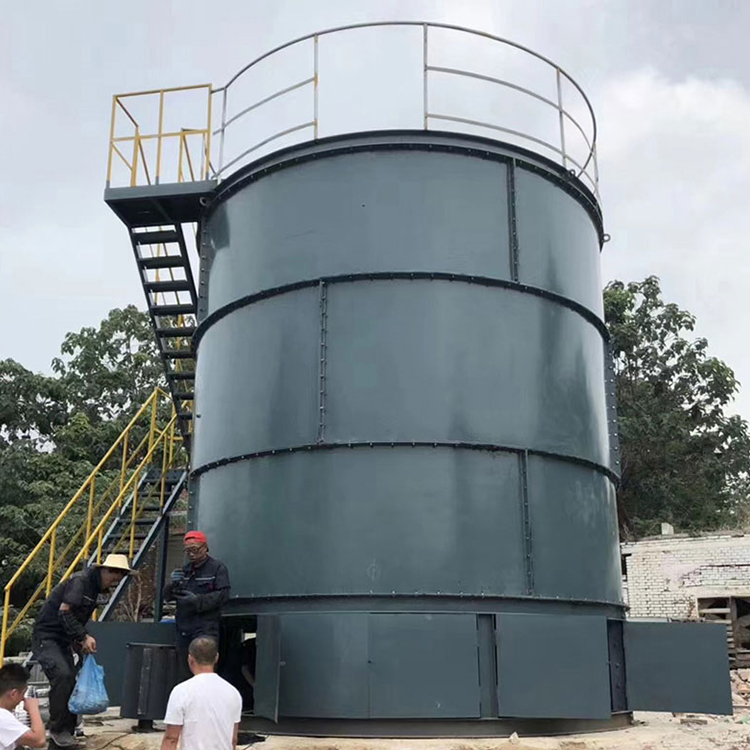
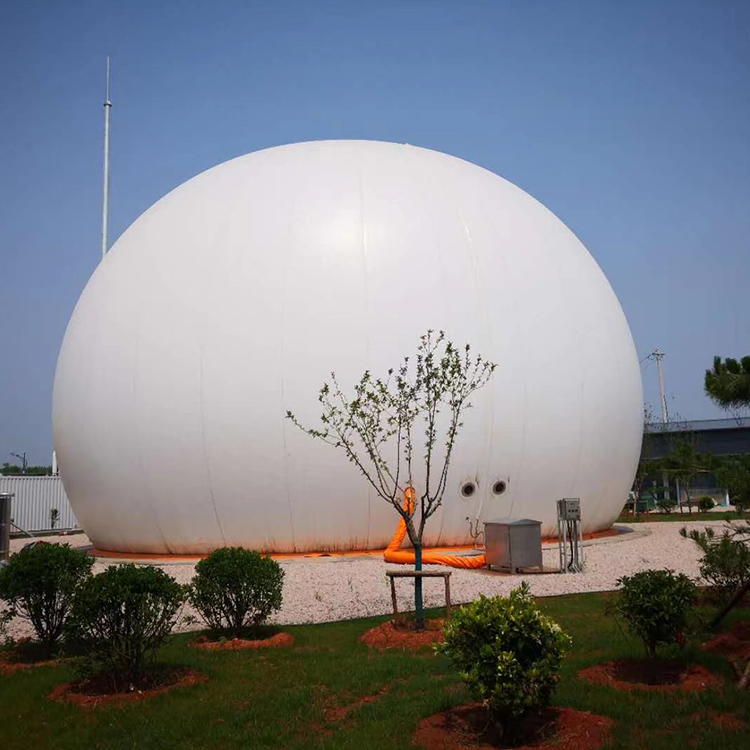
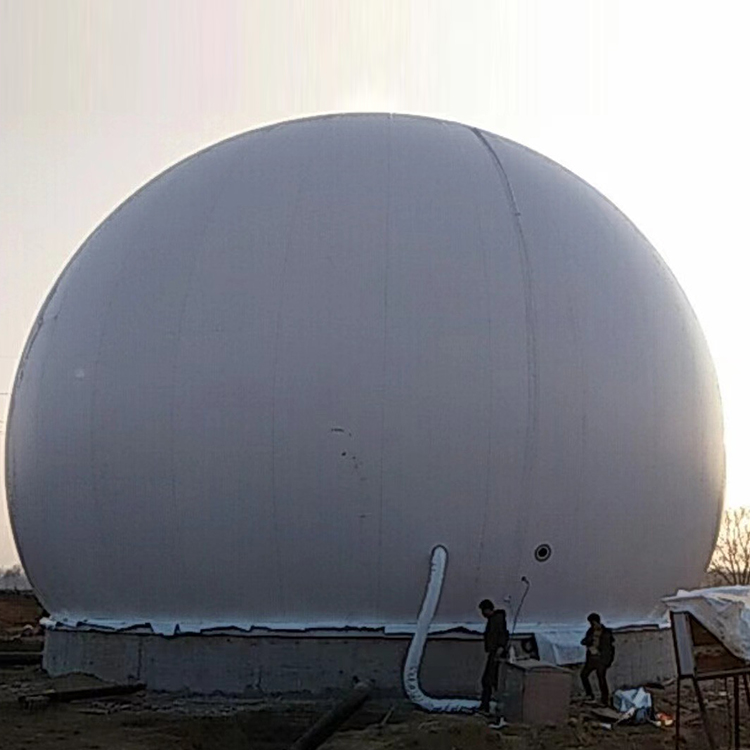
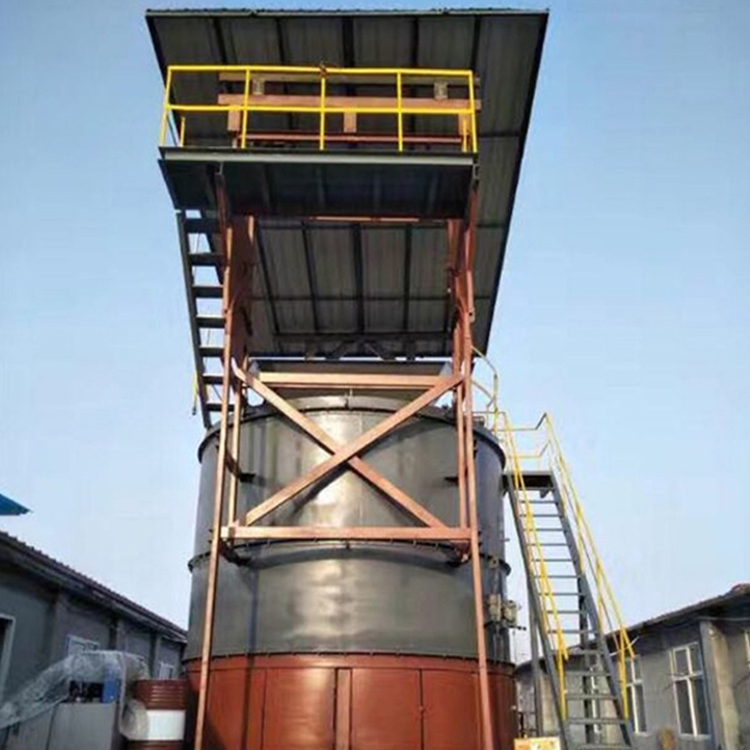
Organic fertilizer equipment offers the following advantages compared to traditional compost fermentation processes:
High degree of mechanization and integration, maximizes space utilization, minimal land area required, and low investment cost.
2. The project boasts high levels of automation and mechanization, allowing one person to complete the entire fermentation process, thereby avoiding direct contact between people and materials.
3. Utilizing high-temperature aerobic fermentation technology with bio-organisms, degrades and composts animal and poultry manure through the activity of microorganisms, with low energy consumption and operating costs.
4. The main equipment is designed with thermal insulation and equipped with an auxiliary heating system, allowing the equipment to operate normally in low-temperature environments, thus mitigating the impact of ambient temperature on the fermentation process.
5. The odors generated during the fermentation process are collected and treated centrally to ensure the gas meets emission standards. Traditional compost fermentation processes do not effectively handle odors, severely affecting the lives of surrounding residents.
6. The main equipment body is made of special materials (electrophoresis coating, biogas fermentation tank body, and automotive exterior anti-corrosion treatment process), which resists material corrosion and has a long service life.
7. The product can be processed into organic fertilizer, enhancing the utilization value of animal and poultry manure.
8. This process complies with the national industrial policies, including green economy, circular economy, resource utilization, scientific development, and energy conservation and emission reduction.