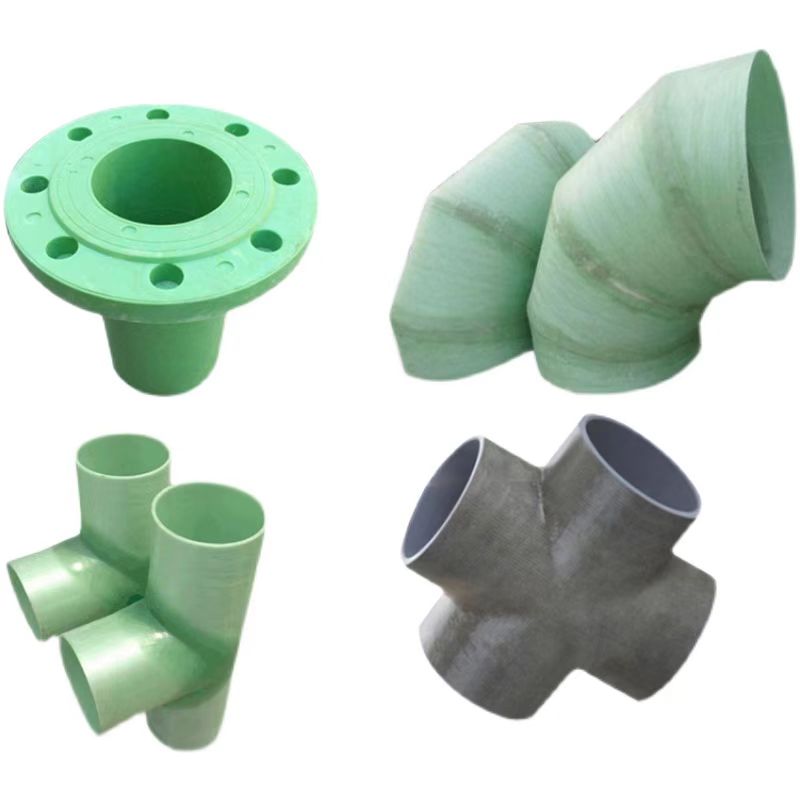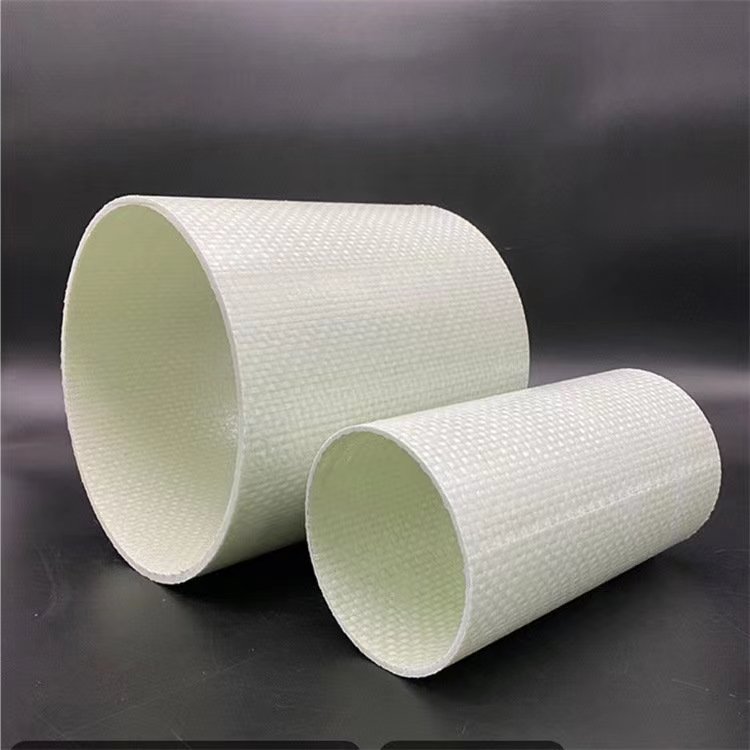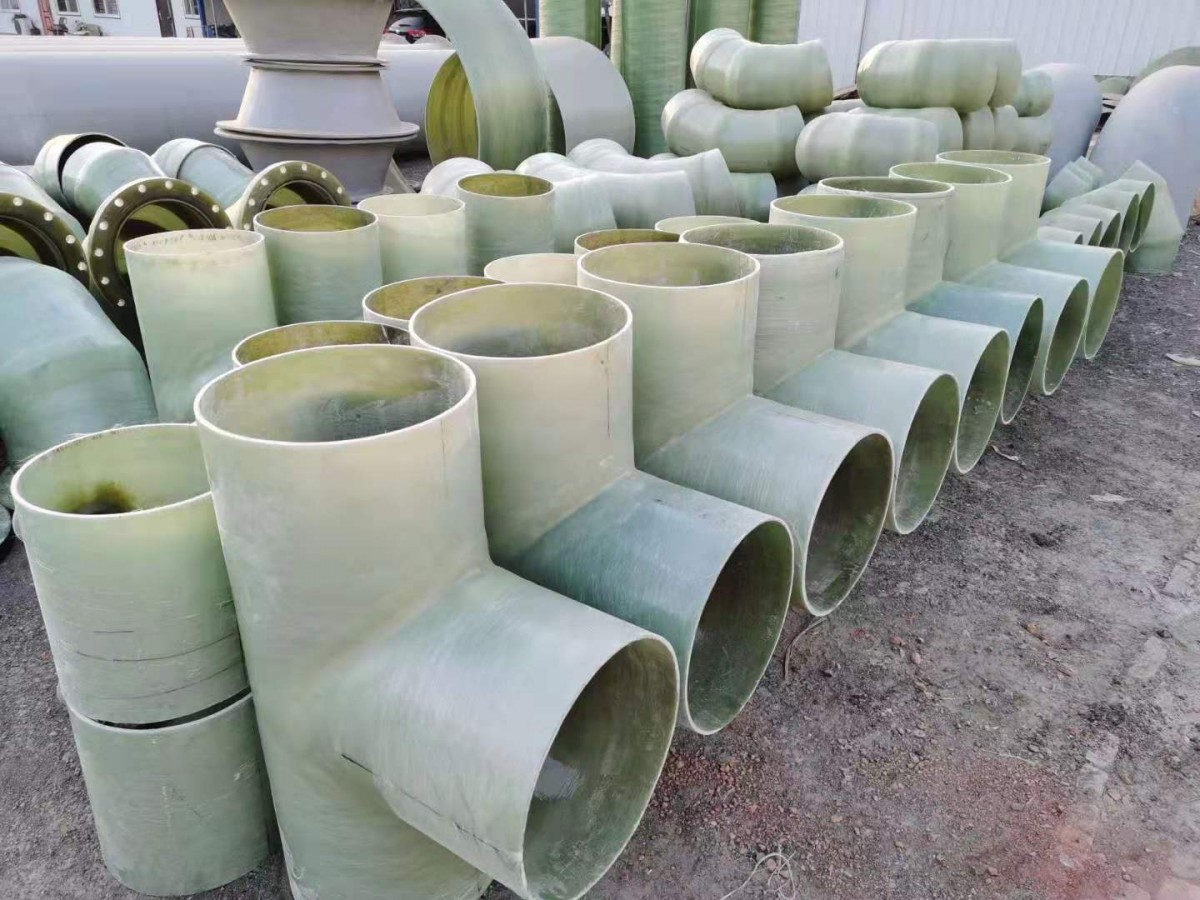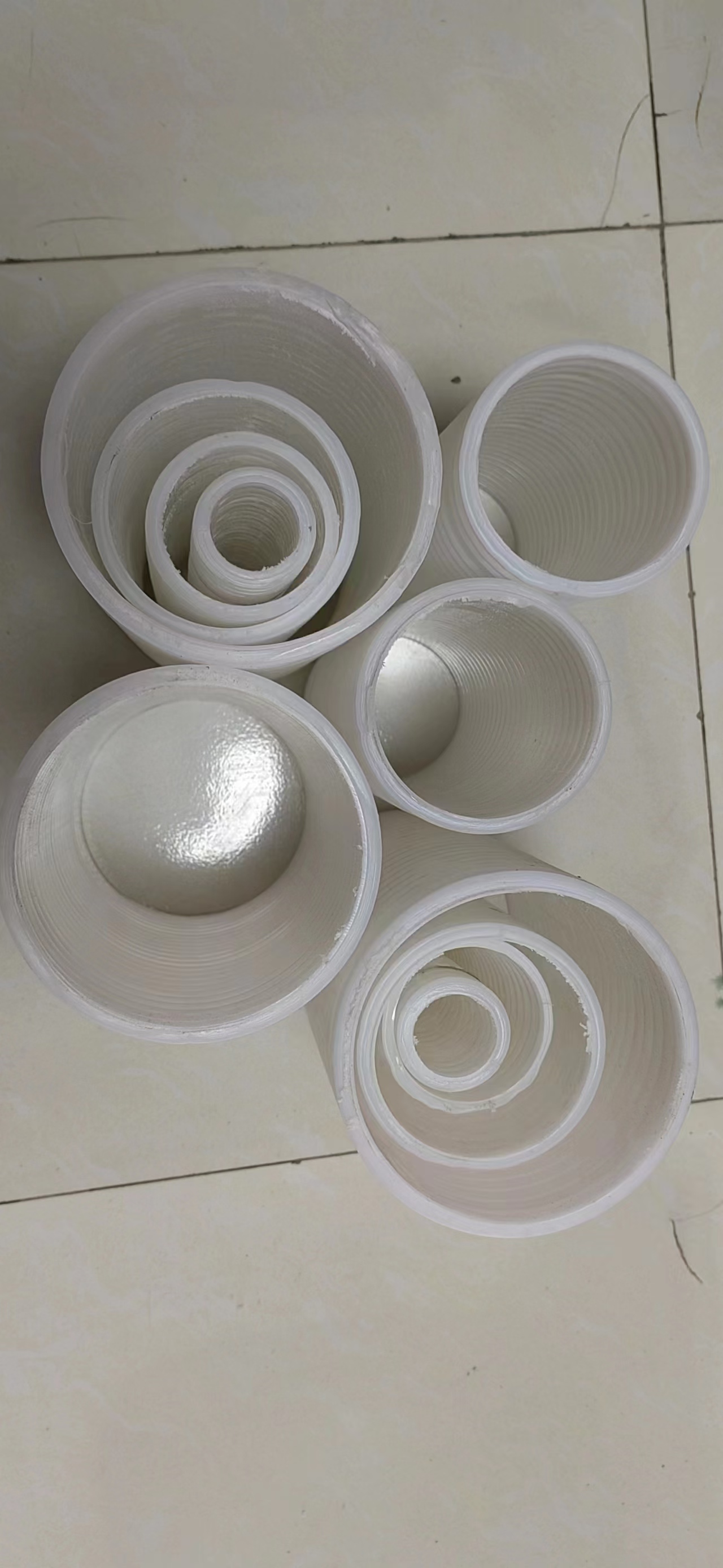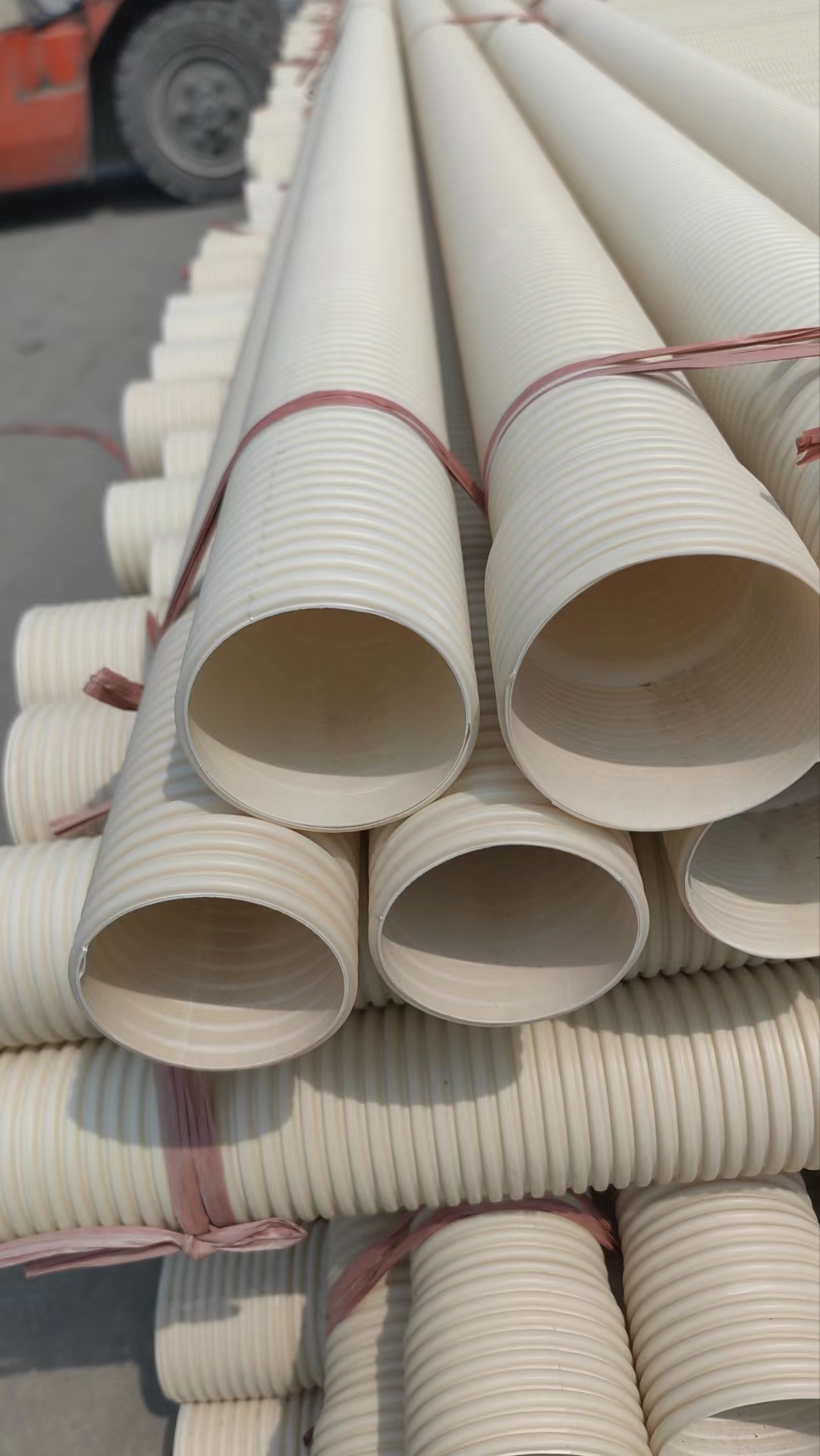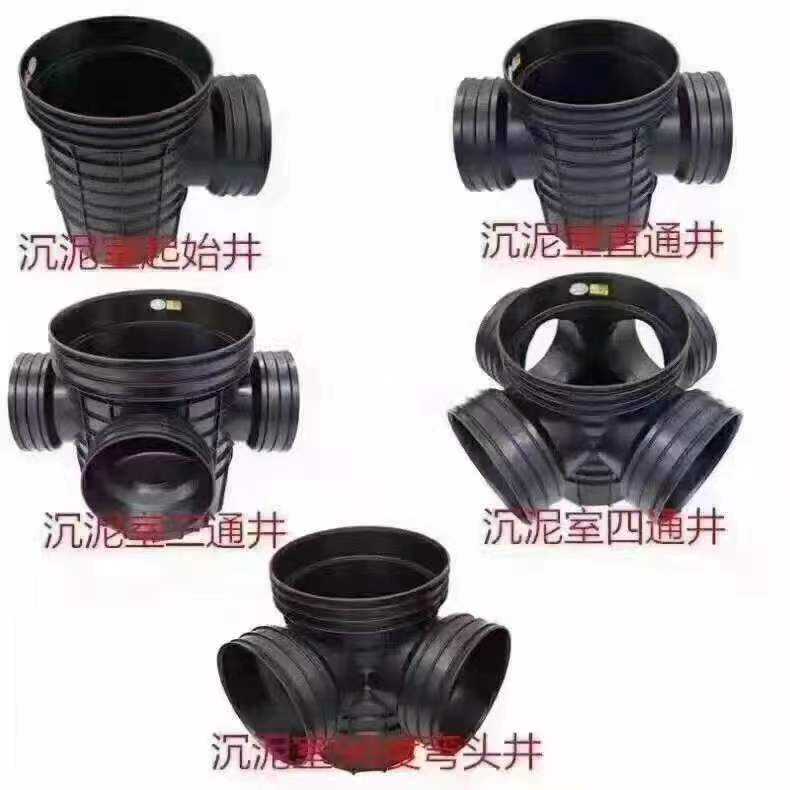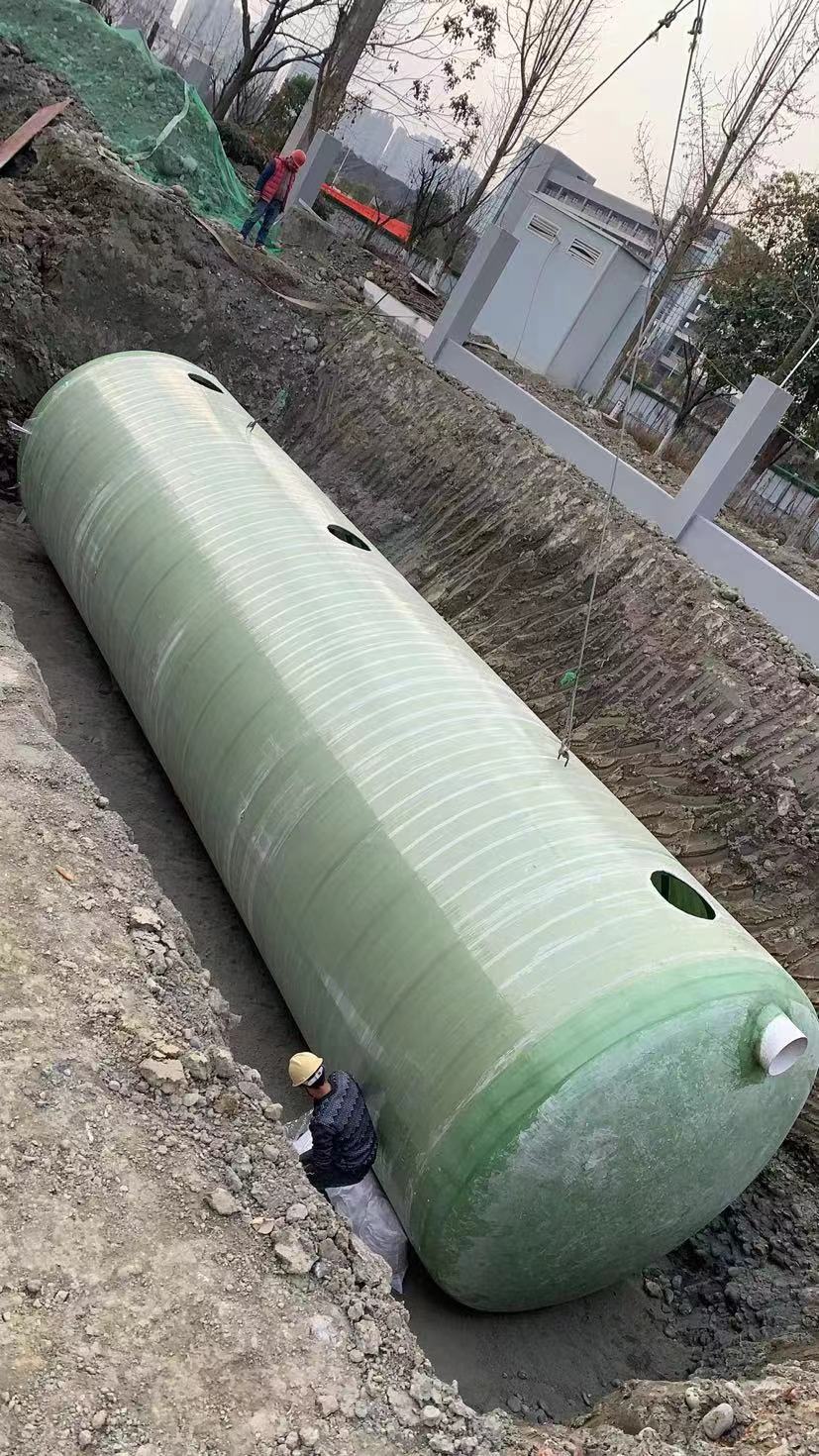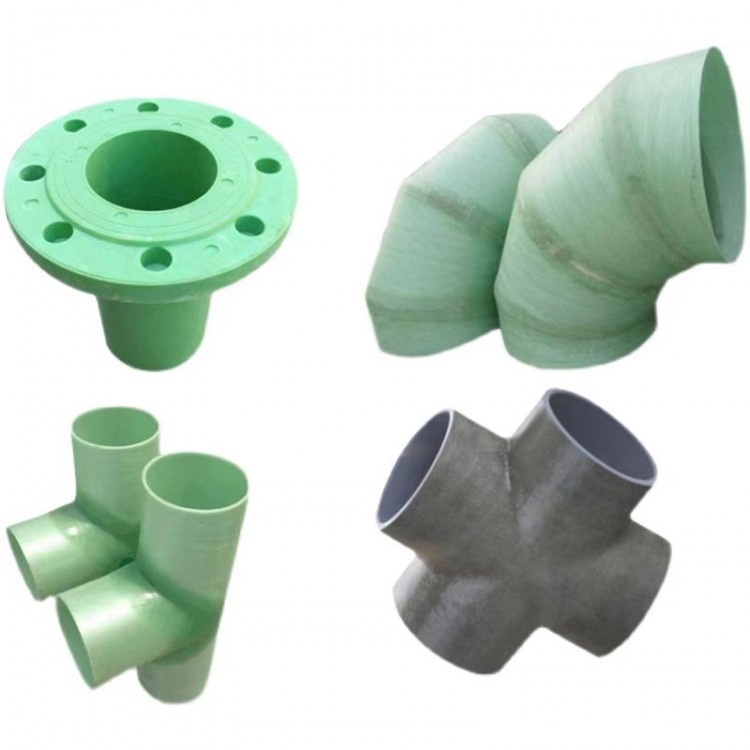
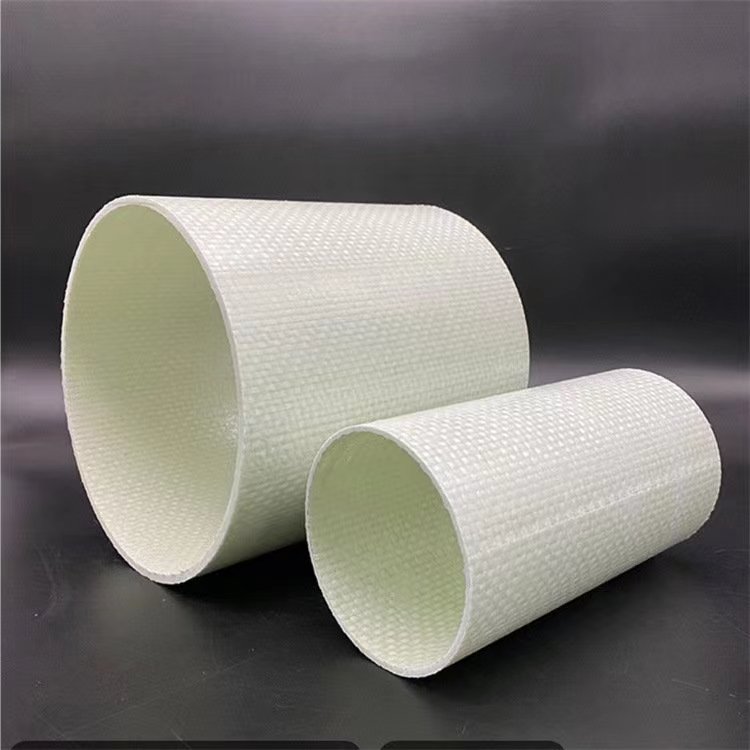
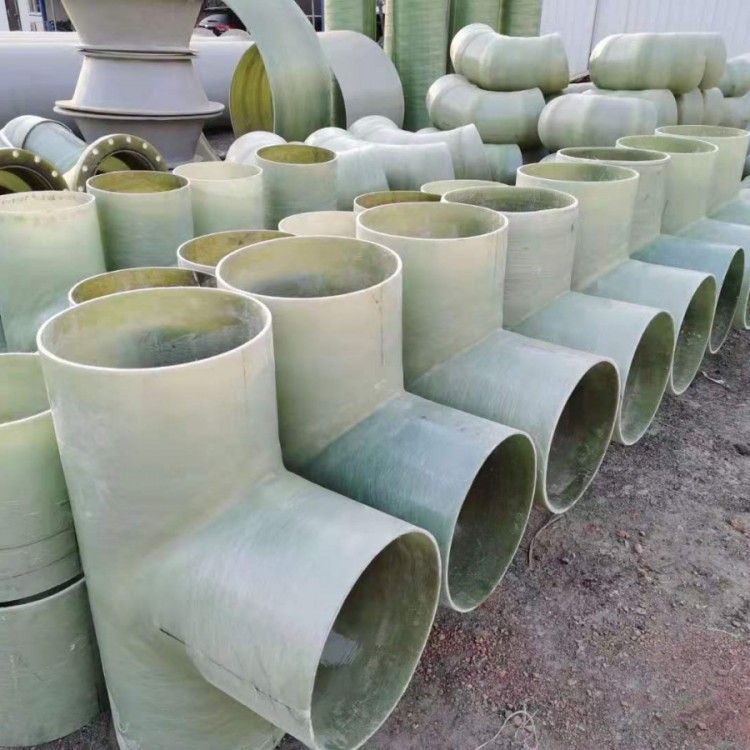


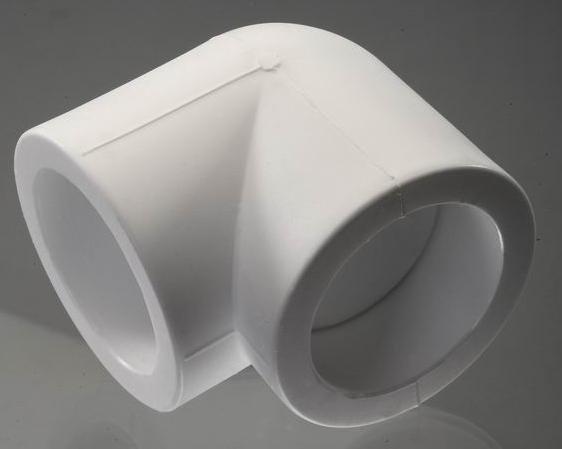
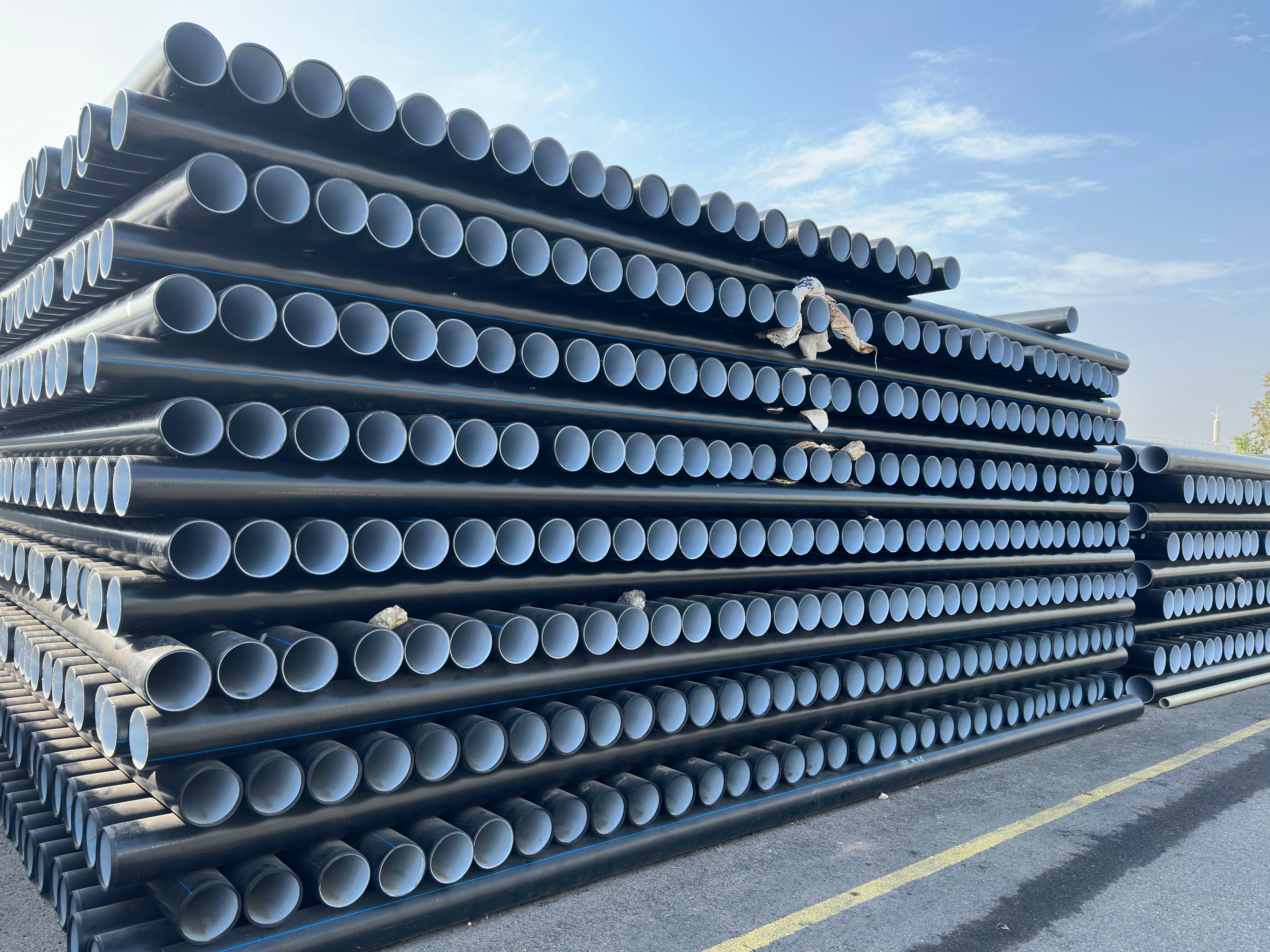
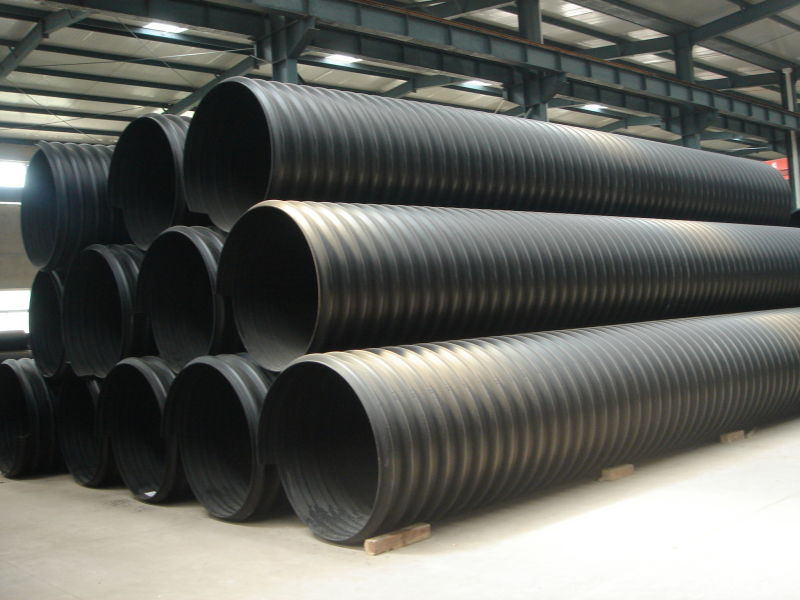
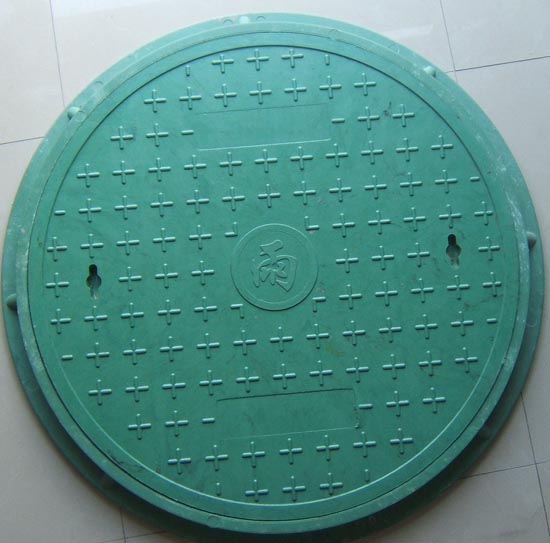
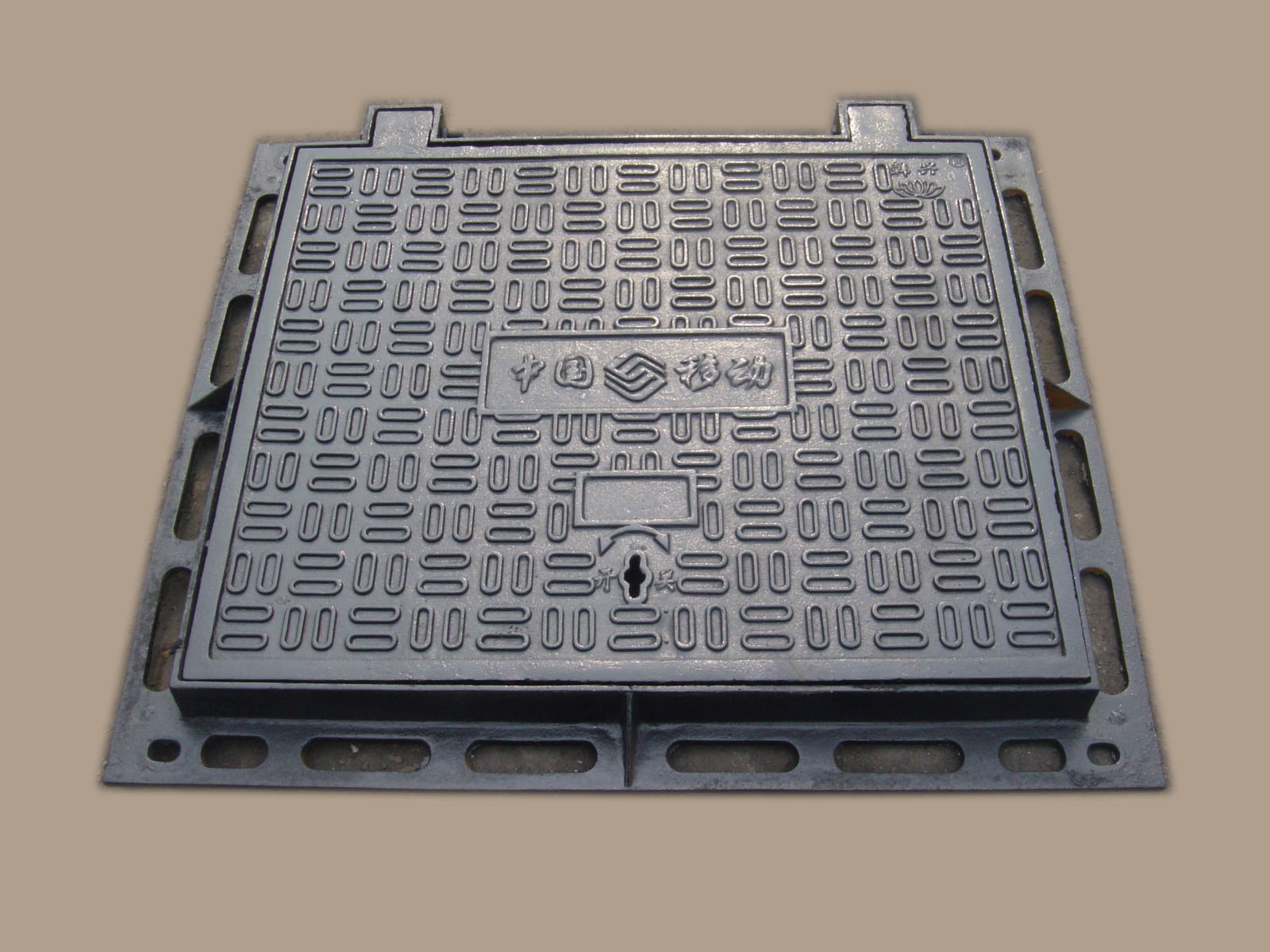






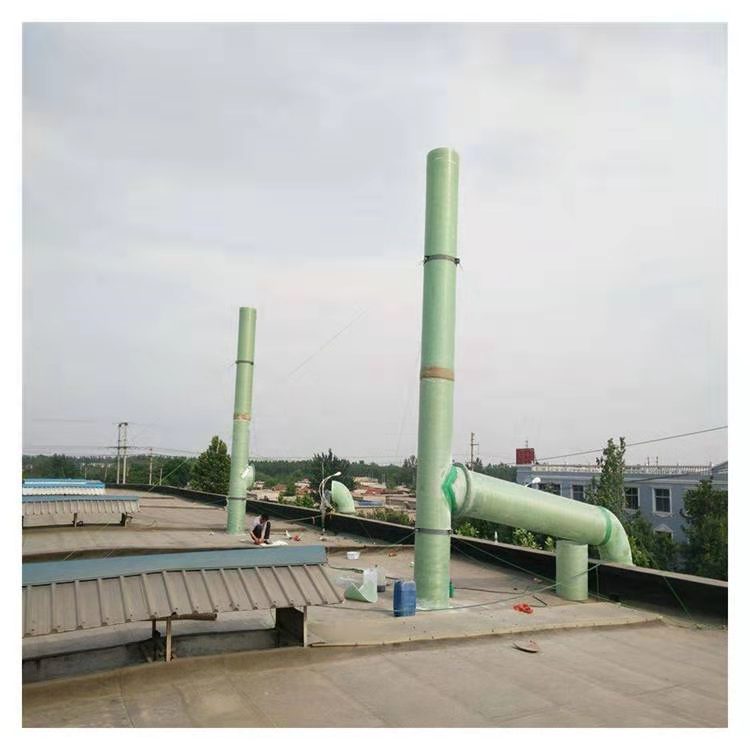
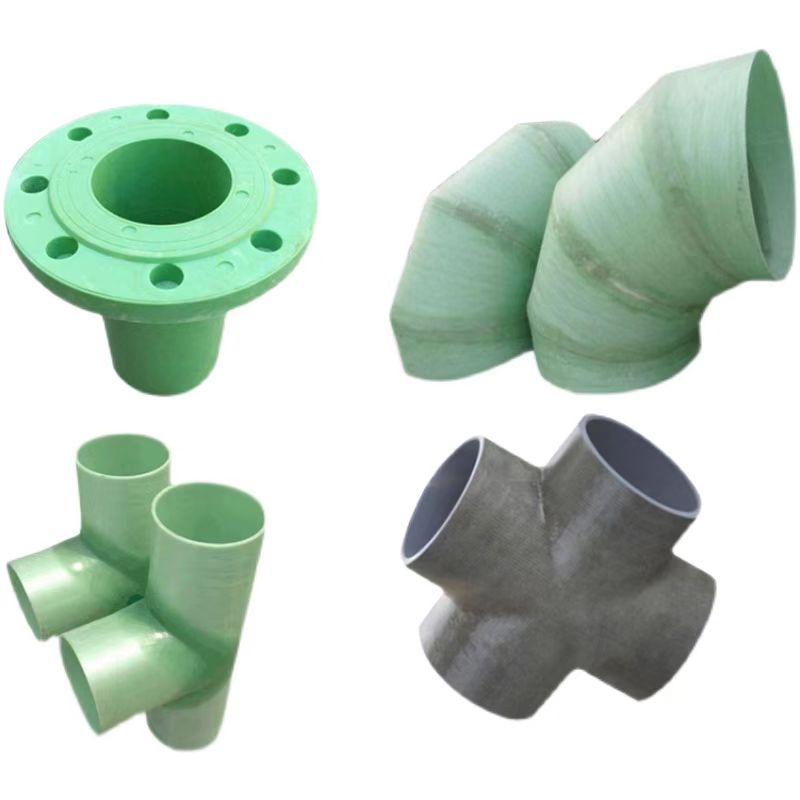
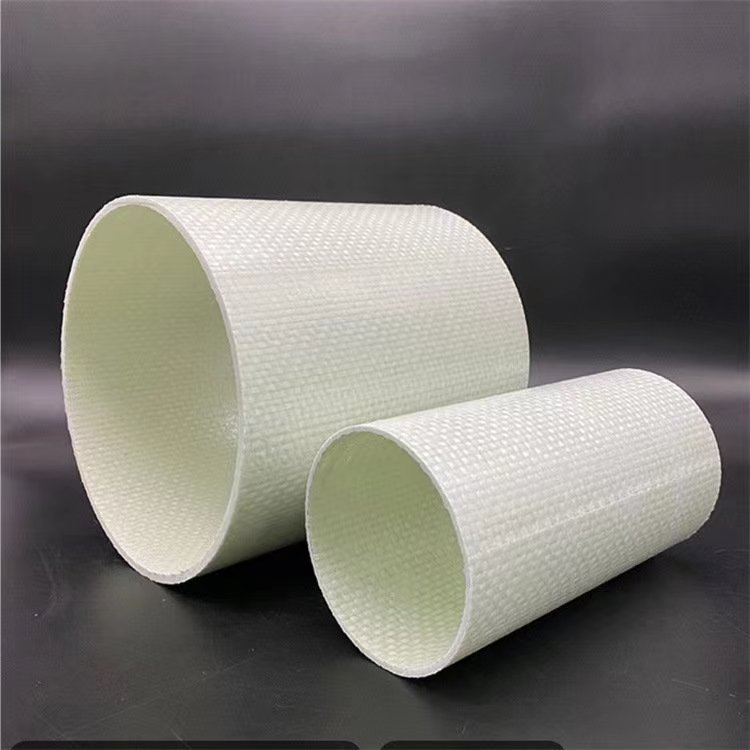
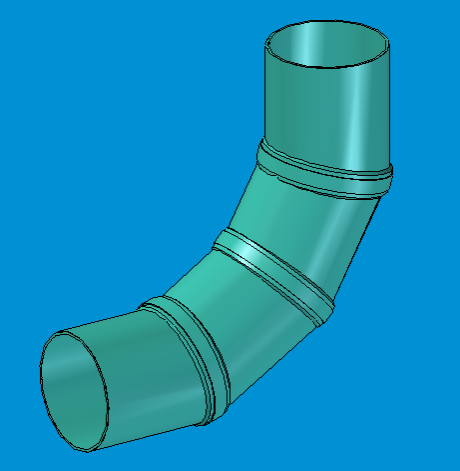
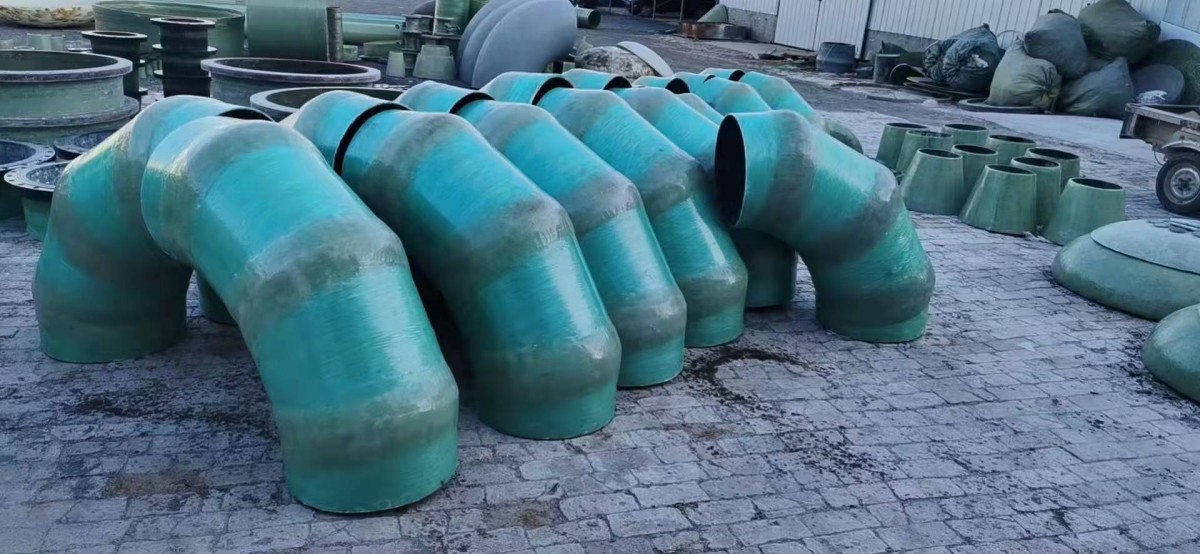
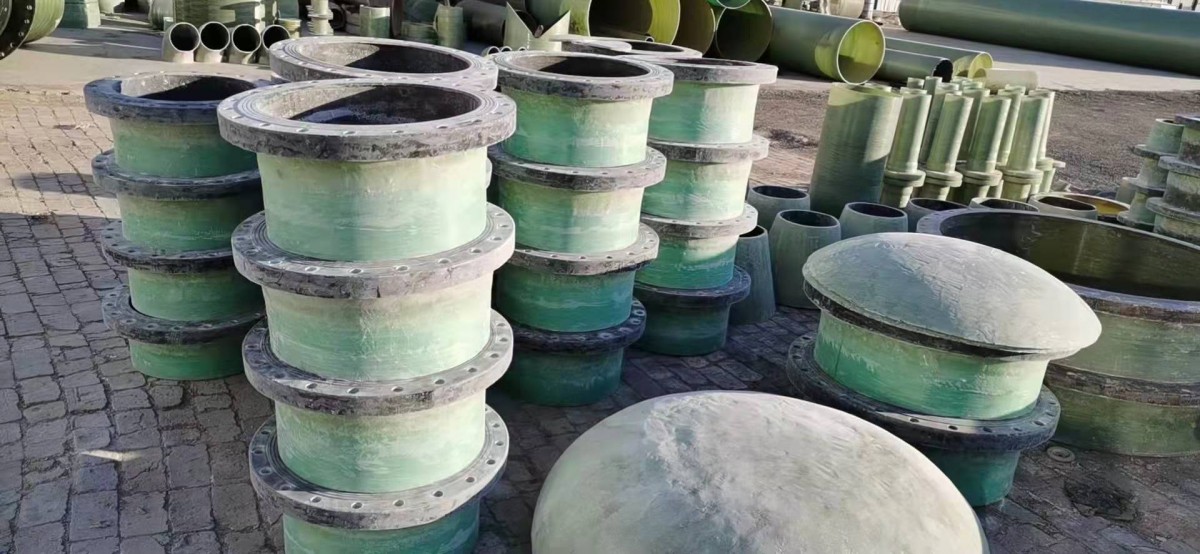
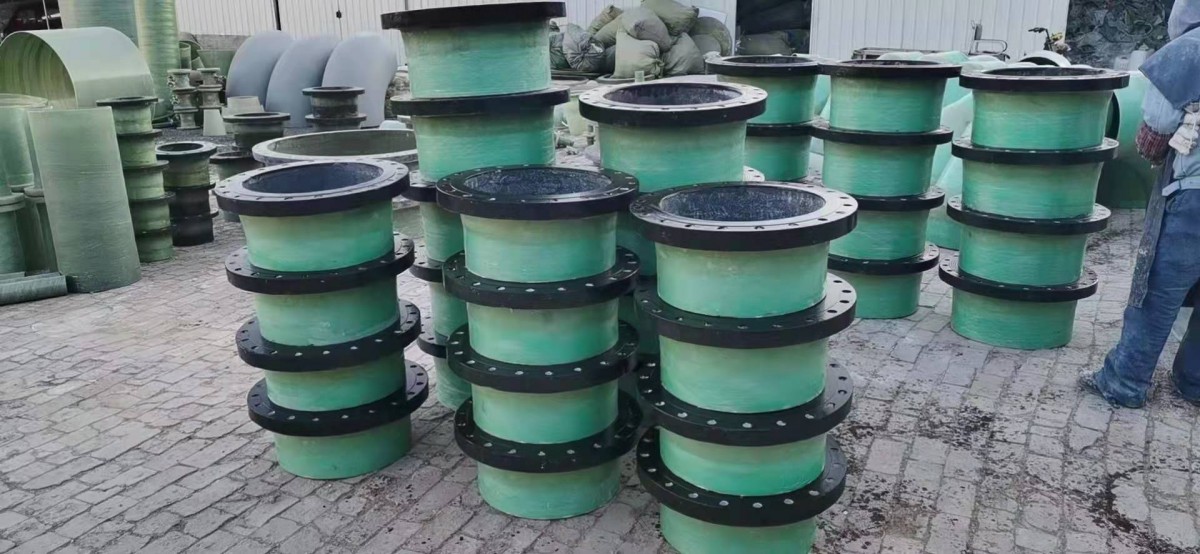
Common glass steel pipe fittings include: saddle short pipe, plug-in short pipe, flange short pipe, three-way tees with saddle and plug, three-way tees with saddle and plug and exhaust/drain, sloped tees, four-way tees with saddle and plug, unequal diameter tees, elbows (90°, 22.5°, 125°, 270°), and unequal diameter pipes, etc.
Features of Glass Steel Pipe Fittings:
1. Excellent Physical Properties: The specific gravity of glass fiber reinforced plastic (GRP) pipes ranges from 1.8 to 2.1, approximately one-fourth that of steel. They exhibit higher specific strength compared to steel, cast iron, and plastics. The weight of GRP pipes is generally not more than one-third of that of steel pipes of the same specification. They boast excellent physical and mechanical properties. Additionally, the expansion coefficient of GRP pipes is roughly equivalent to that of steel, while their thermal conductivity is only 0.5% of steel's, making them excellent insulators for both heat and electricity.
2. Chemical-resistant and long-lasting: Suitable for conveying various media such as acids, alkalis, salts, and organic solvents.
3. Excellent Hydraulic Properties: The hydraulic characteristics are one of the important features of glass steel pipes. Superior hydraulic properties mean lower fluid head loss, allowing for the use of smaller pipe diameters or lower-powered delivery pumps, thereby reducing initial pipeline engineering investments, saving electrical energy, and lowering operation costs. The inner surface of glass steel is quite smooth, with an average surface roughness of 0.008, almost considered to be a hydraulically smooth pipe. During operation, the inner surfaces of steel pipes, cast iron pipes, cement pipes, etc., often suffer from localized corrosion, becoming increasingly rough, while glass steel always maintains the smooth surface state of new pipes.
4. Low installation and maintenance costs; generally, glass steel pipes do not require special anti-corrosion treatment; the insulation layer can be thinned, or no additional insulation is needed; the pipes are lighter, requiring smaller lifting equipment tonnage and less power consumption. The length of glass steel pipes is longer than that of cement pipes and cast iron pipes, resulting in fewer joints, which all contribute to reduced installation and maintenance costs—this has been proven by numerous engineering practices both domestically and internationally.
5. High design flexibility and short modification cycles. Fiberglass is a fiber-reinforced material with a resin matrix, which is layered and wound around a mandrel under specific process conditions and then cured appropriately. The pipe wall is a laminar structure, allowing for adjustments to the physical and chemical properties of the glass steel pipe by altering the resin system or using different reinforcing materials. This enables the production of glass steel pipes with varying pressure ratings or specific performance characteristics to suit different media and working conditions. Short modification cycles are a significant feature of fiber-wound composites, making them superior to isotropic metallic pipe materials.
Glass-Fiber Reinforced Plastic (GFRP) Flange Specifications, Models, Performance Parameters, and Connection Methods
Glass-Fiber Reinforced Plastic (GFRP) Flange Production Range: DN50-4000mm; GFRP Flange Molding Process: Hand Lay-Up Molding
Glass Reinforced Plastic (GRP) Flange Product Features:
1. Lightweight, high-strength, and high-rigidity
2. Corrosion resistance properties
3. Excellent hydraulic performance
4. Sanitary performance of glass fiber reinforced sand pipe
5. Seismic Performance 6. Abrasion Resistance
7. Low-temperature performance
8. Environmental Adaptability
Fiberglass reinforced plastic (FRP) flanges are widely used detachable connecting components in pipelines and containers. As the use of FRP pipes and containers becomes more prevalent, the performance and manufacturing of FRP flanges are also increasingly valued.
Glass Reinforced Plastic (GRP) Flange Classification:
Common fiberglass flanges are commonly used in medium and low-pressure pipelines and containers with pressures not exceeding 3MPa, primarily including integral flanges, bonded flanges, and slip-on flanges.