














Bing Net
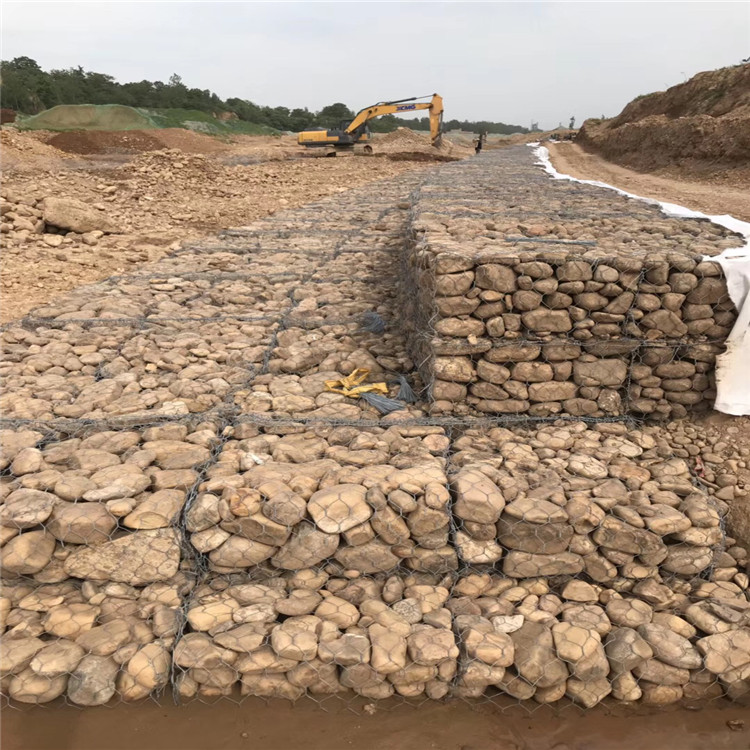
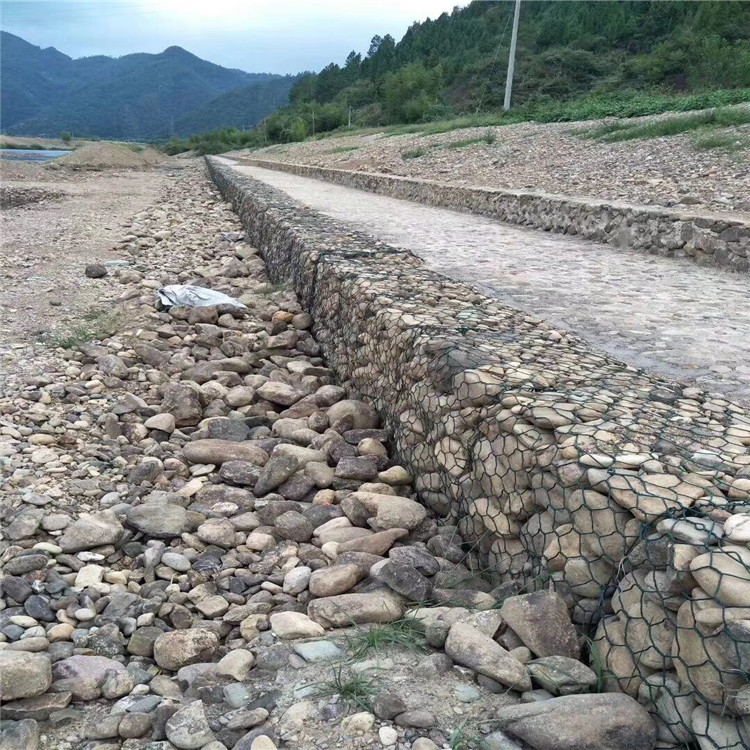
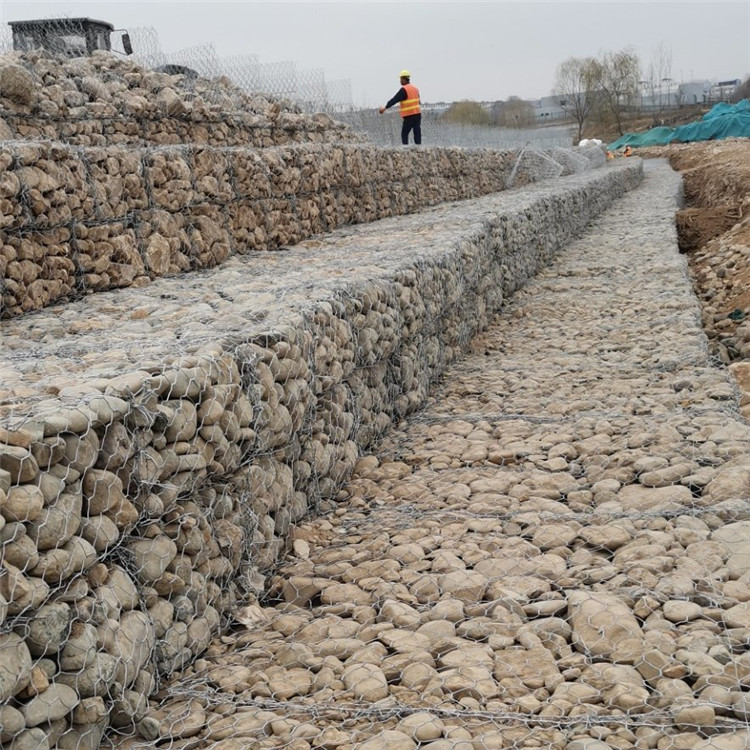
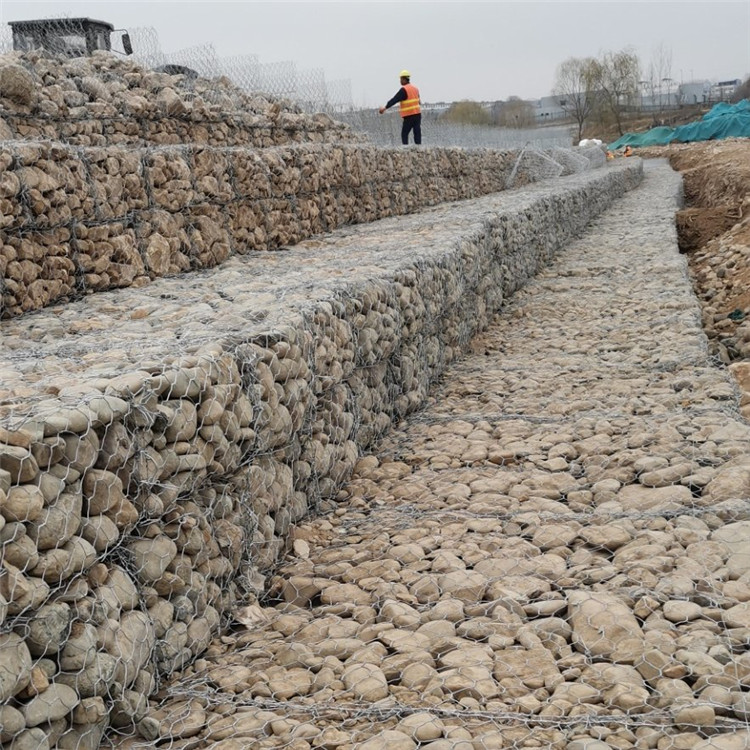
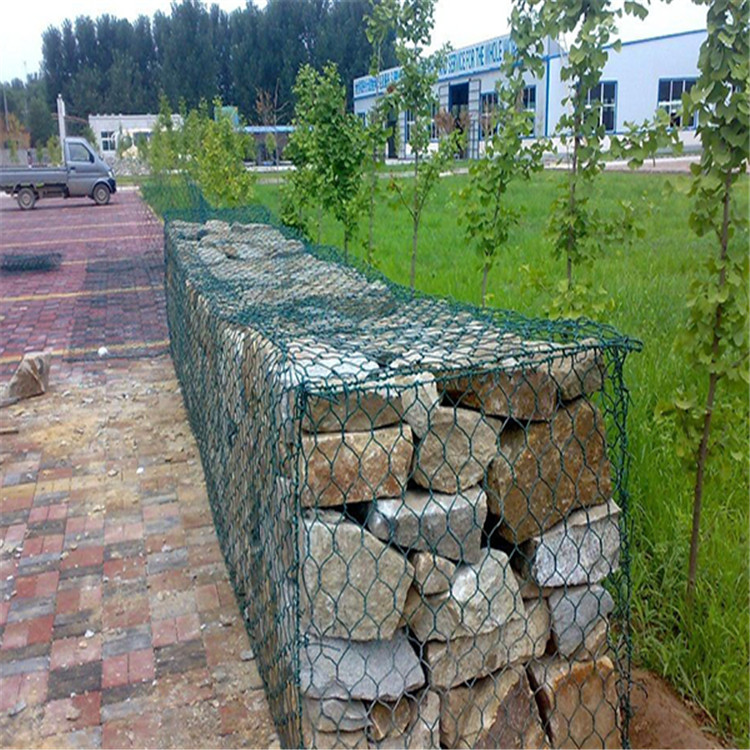
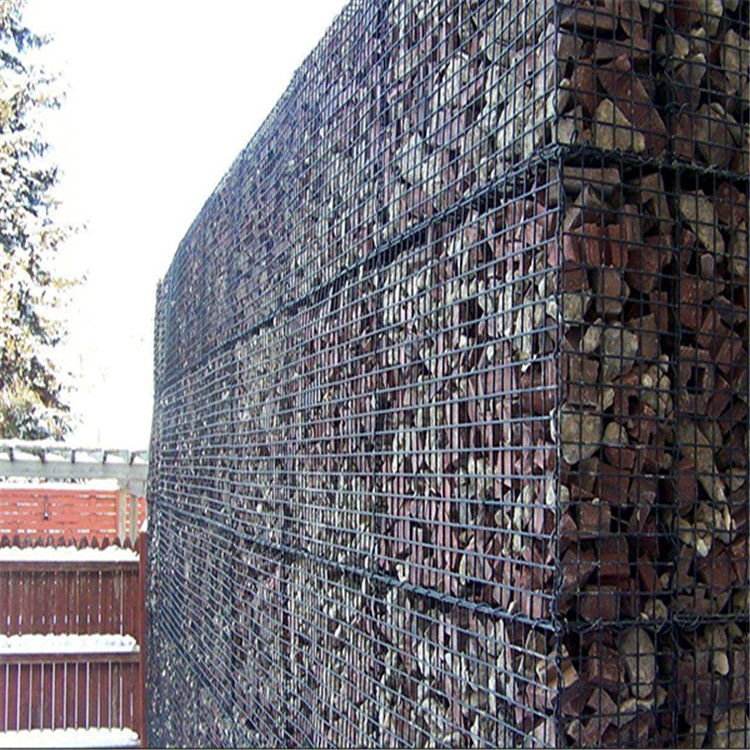
Binge Net (wire mesh, wire mesh baskets, gabion mesh, ecological mesh baskets, gabion baskets, hexagonal mesh baskets, gabion net) is assembled according to ASTM A975-97 specifications using gabion mesh panels with various aperture sizes. Field-filling stone materials are assembled to form a flexible, permeable, and integral retaining structure, used for ecological protection projects. The wires are made of high galvanized steel wire or 10% aluminum-zinc alloy wire. If the environmental conditions are severe and pollution is significant, the wire surface can be coated with plastic (PVC) to enhance the wire's corrosion resistance.
Geogrid, also known as Bin Grid or Eco Grid, is a new type of material structure widely used in traffic, water conservancy, municipal, garden, and soil and water conservation projects in recent years. The Eco Grid is made by mechanically intertwining high-strength, anti-corrosion, wear-resistant, low-carbon, heavily galvanized steel wire or 5% aluminum-zinc rare earth alloy coated steel wire (or homogenous coated polymer steel wire) into a multi-twisted, hexagonal mesh sheet. The length of the double-line hinge part should be no less than 5cm to prevent damaging the protective coating of the steel wire. The Eco Grid can be assembled into boxes according to engineering design requirements, filled with materials like blocks of stone, and then connected as a whole for use in new technologies for embankment, roadbed protection, and other projects.
BingNet Overview
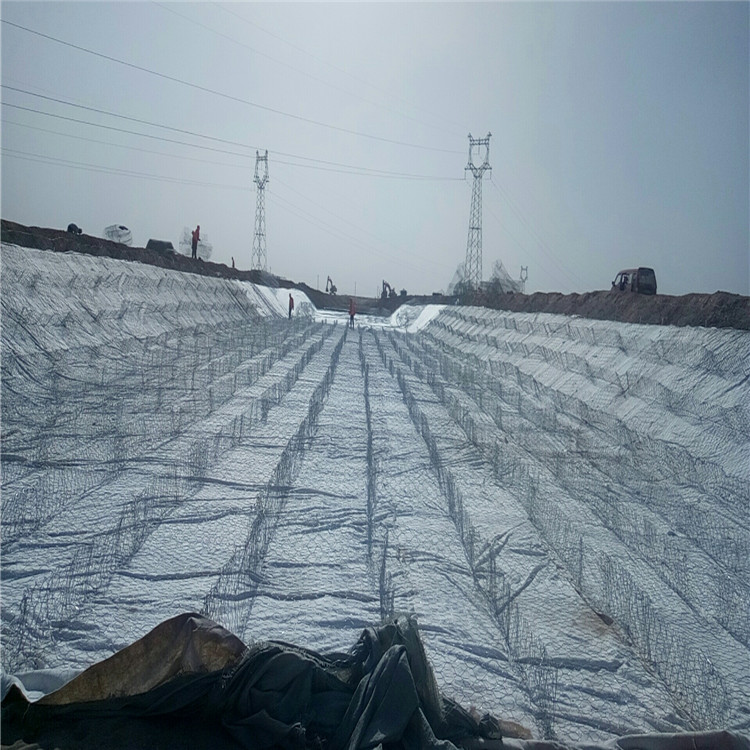
Ecological gabion technique is suitable for slow riverbanks with high flow rates, severe erosion, and excessive seepage. Gabions are flexible structures with excellent self-adjustment capabilities for uneven settlements. The porous surface of the riverbank allows for animal habitation and plant growth between the stones, and the gabion surface above the waterline can be used to plant with soil bags for ecological greening, meeting both ecological considerations and safety requirements.
In China, the ecological grid structure originated from over 2,000 years of bamboo cage and sheep pen craftsmanship, first utilized in the Dujiangyan project by the Li Bing father-son duo, marking the traditional ecological grid structure. The modern concept of ecological grid structure in China dates back to 1998, when a company named Jinlida in the south of the Yangtze River region first introduced it. Today, as a new type of ecological grid structure with innovative technology and materials, it has successfully been applied in hydraulic engineering, road, railway projects, and embankment protection. It effectively combines engineering structures with ecological environments. Compared to some traditional rigid structures, it has its own advantages, making it a worldwide structural form for protecting riverbeds, controlling landslides, preventing mud and stone flows, and preventing rock falls while considering environmental protection.
The mesh is woven from low-carbon steel wires that have been annealed and hot-dipped with zinc or a 5% aluminum-zinc alloy with rare earths. For engineering safety reasons, it is not permissible to use trial materials without international standards, such as steel wires with a 10% aluminum-zinc alloy coating.
If a layer of PVC or PE (absolutely not other polymers) is coated over低碳high galvanized or 5% aluminum-zinc rare earth alloy steel wire, the finished product will possess enhanced features such as anti-rust, anti-static, resistance to aging, corrosion resistance, high compressive strength, and high shear resistance, effectively resisting erosion from seawater or highly polluted environments.
Hessian bags are commonly used in soil stabilization techniques for slopes, due to their economic nature, ease of construction, and the ability to use locally sourced materials such as soil, gravel, and natural graded aggregates. They can quickly form retaining or water-resistant structures, making them a preferred choice in the engineering field.
Features of BingNet
(1) Economical. Simply place the stones into the cage and seal the opening.
(2) Easy installation, no special skills required.
(3) Strong resistance to natural damage, corrosion, and adverse weather conditions.
(4) Can withstand a wide range of deformation without collapsing.
(5) The silt between the stones in the cage is conducive to plant growth and can seamlessly blend with the surrounding natural environment.
(6) Excellent permeability to prevent damage caused by hydrostatic pressure.
(7) Save on transportation costs. Can be folded for transportation, assembled on-site.