

Product Details

Pipe plug bladders, rubber supports, support steel plates, bowl-shaped supports, spherical supports, bridge expansion joints


价 格Negotiable
最小起订0 Piece库存0 Piece
 Business Card
Negotiable
Negotiable

Negotiable

Negotiable
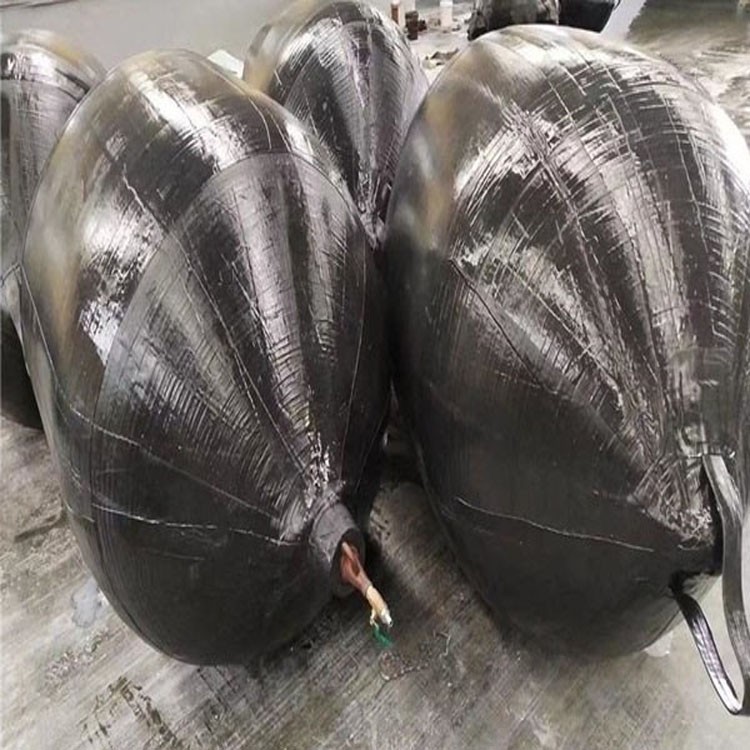 High-pressure water-blocking airb
Negotiable
High-pressure water-blocking airb
Negotiable
 GQF-C40 60 80
Negotiable
GQF-C40 60 80
Negotiable
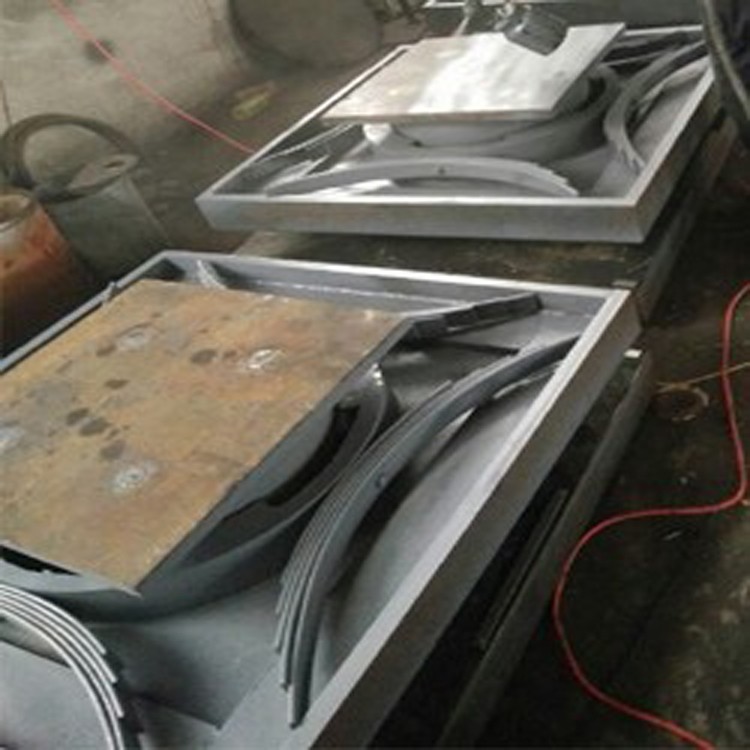 Elastomeric Reset Mount
Negotiable
Elastomeric Reset Mount
Negotiable
 Customizable, design drawings
Negotiable
Customizable, design drawings
Negotiable
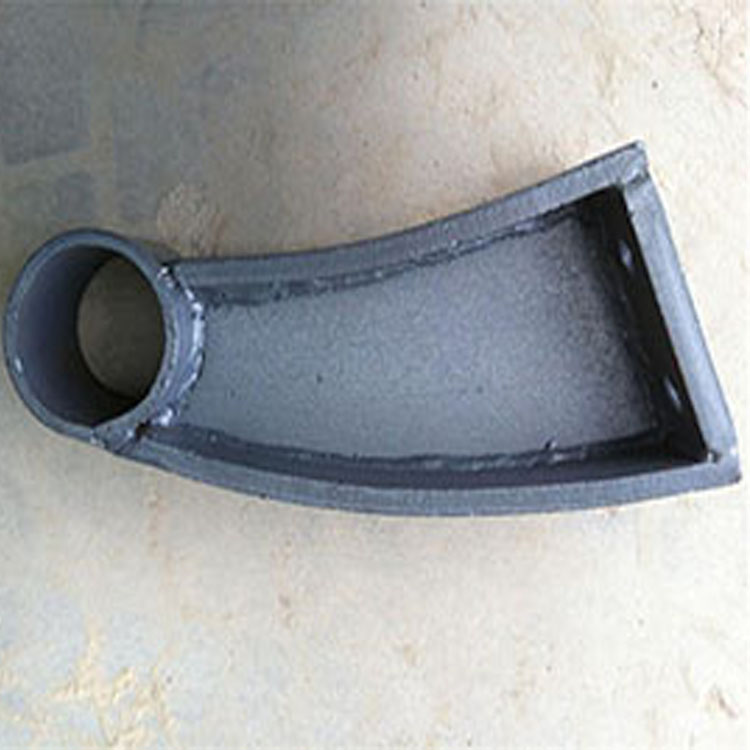 Cast Iron Molding
Negotiable
Cast Iron Molding
Negotiable
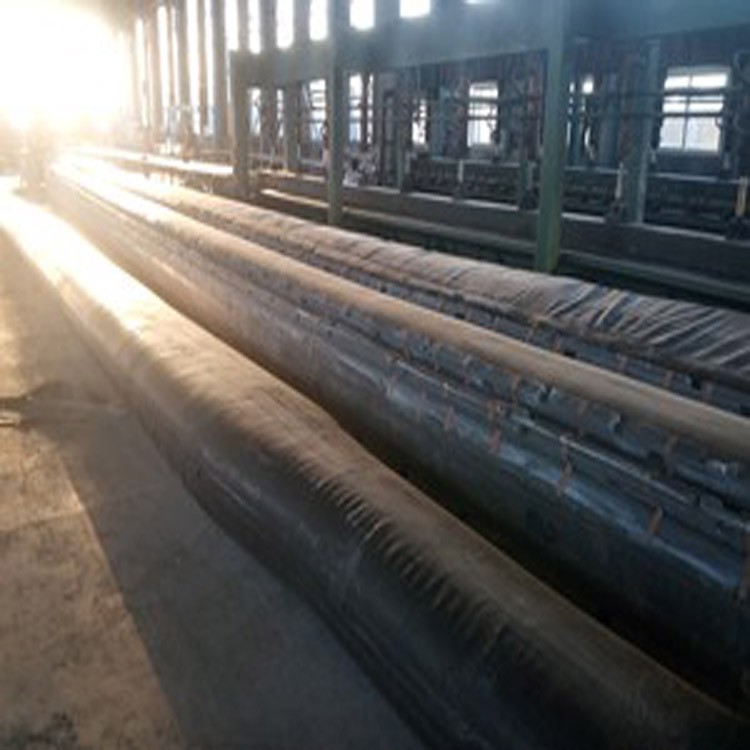 Rubber Inflatable Core Mold - 05
Negotiable
Rubber Inflatable Core Mold - 05
Negotiable
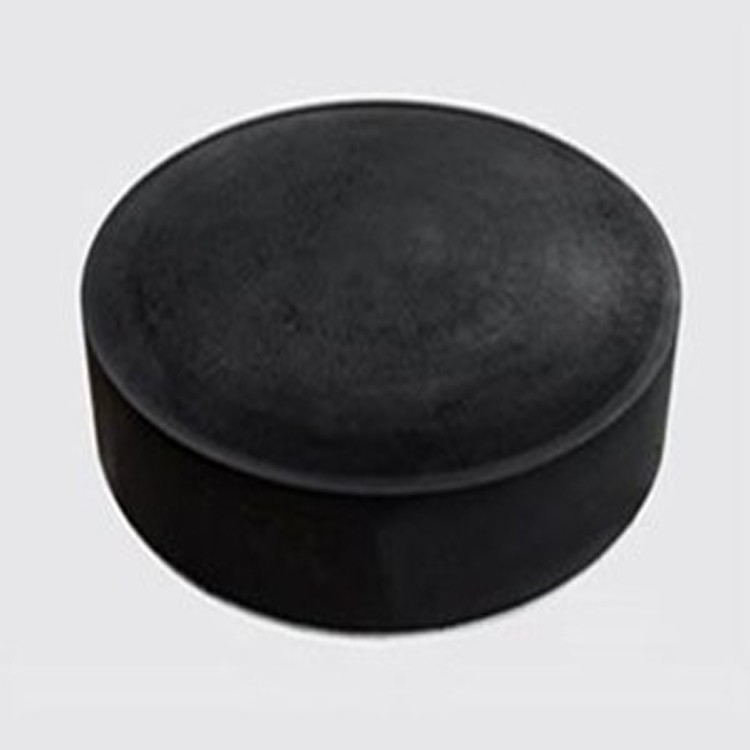 GYZ Series Circular Plate Rubber
Negotiable
GYZ Series Circular Plate Rubber
Negotiable
 GQF-Z40 60-80 model
Negotiable
GQF-Z40 60-80 model
Negotiable
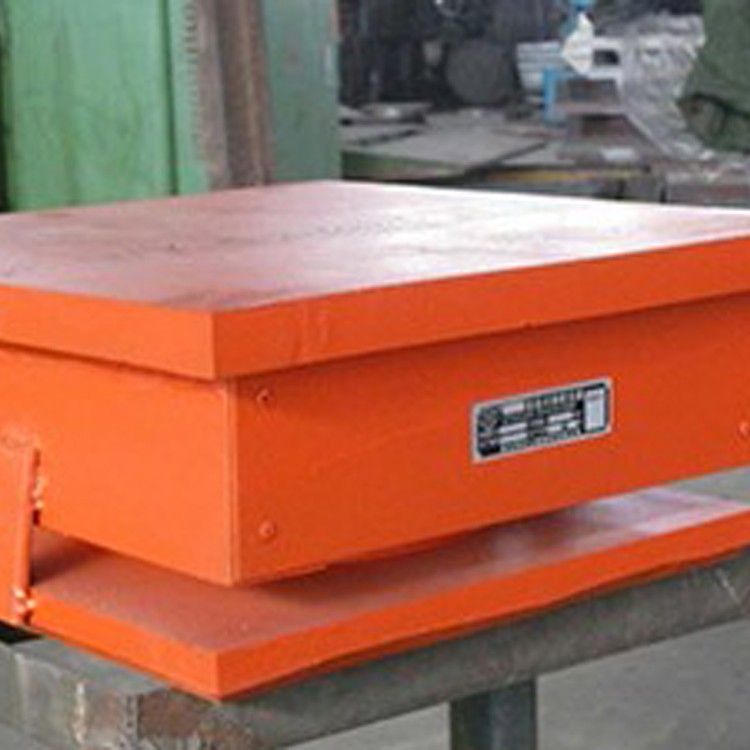 Ball and Socket Support, Basin Su
Negotiable
Ball and Socket Support, Basin Su
Negotiable
 GJZf4 Rectangular PTFE Plate Supp
Negotiable
GJZf4 Rectangular PTFE Plate Supp
Negotiable
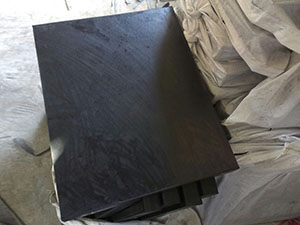
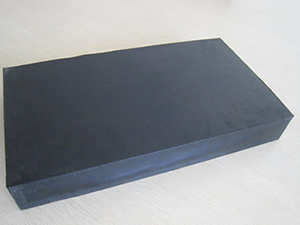
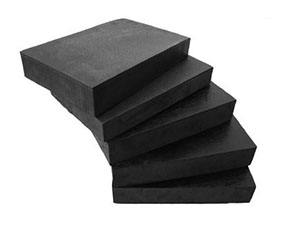
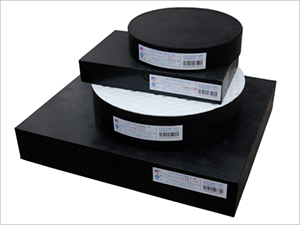
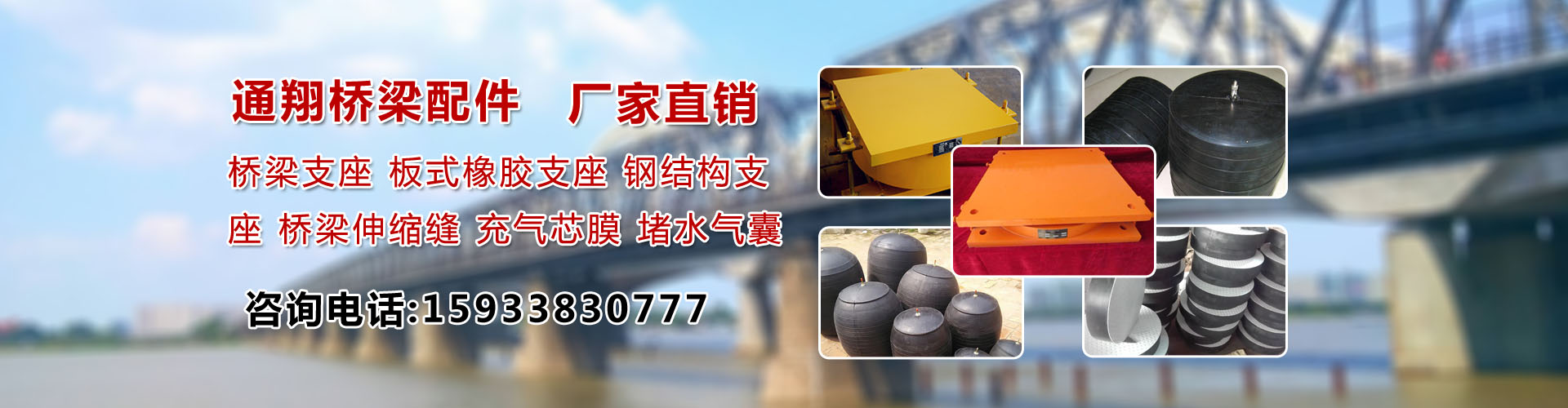
Rectangular rubber pads are bridge support products made by inlaying, bonding, and vulcanizing multi-layer natural rubber with thin steel plates. This type of rubber pad has sufficient vertical stiffness to bear vertical loads and reliably transfer the pressure from the superstructure to the pier; it has good elasticity to accommodate the rotation at the end of the beam; and it has significant shear deformation to meet the horizontal displacement of the superstructure.
Product Introduction:
The rubber bearing is a common product made by vulcanizing and bonding multiple thin steel plates with multiple rubber sheets. It boasts sufficient vertical stiffness, capable of reliably transmitting the reactive forces from the upper structure to the pier. The bearing has good elasticity to accommodate the rotation of the bridge's end beams; it also has a high shear deformation capacity to meet the horizontal displacement of the upper structure.
The product currently adheres to the following three standards:
Highway Industry Standard: JT/T4-2004 Highway Bridge Plate-Type Rubber Support
Railway Industry Standard: TB/T 1893-2006 Railway Bridge Plate Type Rubber Support
National Standard: GB 20668.4-2007 Rubber Support Bracket
Features:
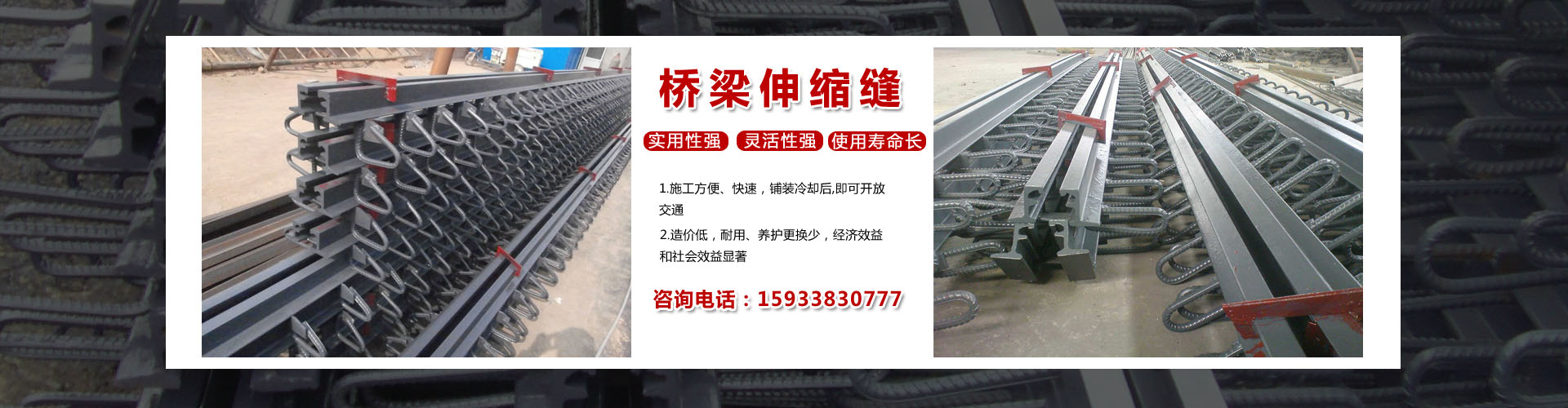
Simple structure, easy installation, steel-saving, affordable pricing, easy maintenance, and easy replacement.
A 1.5mm to 3mm thick polytetrafluoroethylene (PTFE) plate is adhered to the surface of the plate-type support, creating a PTFE sliding rubber bearing. This bearing, in addition to its vertical stiffness and elastic deformation, can withstand vertical loads and adapt to beam end rotation. Due to the low friction coefficient of the PTFE plate, the beam end can slide freely on the PTFE surface, allowing for unrestricted horizontal displacement, making it particularly suitable for bridges with medium to small loads and large displacements.
Product Categories:
One. Rectangular (Circular) Rubber Pad Support
(1) Performance: This product is made by inlaying and bonding multi-layer rubber sheets with thin steel plates. It possesses sufficient vertical stiffness to bear vertical loads, reliably transferring the counterforce of the upper structure to the pier. It has good elasticity to accommodate the rotation at the end of the beam; and it also exhibits significant shear deformation to accommodate the horizontal displacement of the upper structure.
(II) Features: This product has been widely used in bridge construction, hydropower projects, and seismic facilities for buildings. Compared to the original steel bearing, it features a simple structure, easy installation; saves steel, and is cost-effective; easy maintenance, and easy to replace. Additionally, the low building height of this product is beneficial for bridge design and cost reduction. It also has good shock isolation properties, which can reduce the impact of live loads and seismic forces on buildings.
Part Two: PTFE Slider Plate Rubber Support
(1) Features: This product is made by bonding a layer of polytetrafluoroethylene plate with a thickness of 1.5-3mm onto a common plate-type rubber bearing. In addition to having the vertical stiffness and elastic deformation of a common plate-type rubber bearing, it can withstand vertical loads and adapt to beam end rotation. Due to the low friction coefficient (μ≤0.03) between the polytetrafluoroethylene and the stainless steel plate at the bottom of the beam, the horizontal displacement of the upper structure of the bridge is unrestricted.

Phone Consultation