

Product Details

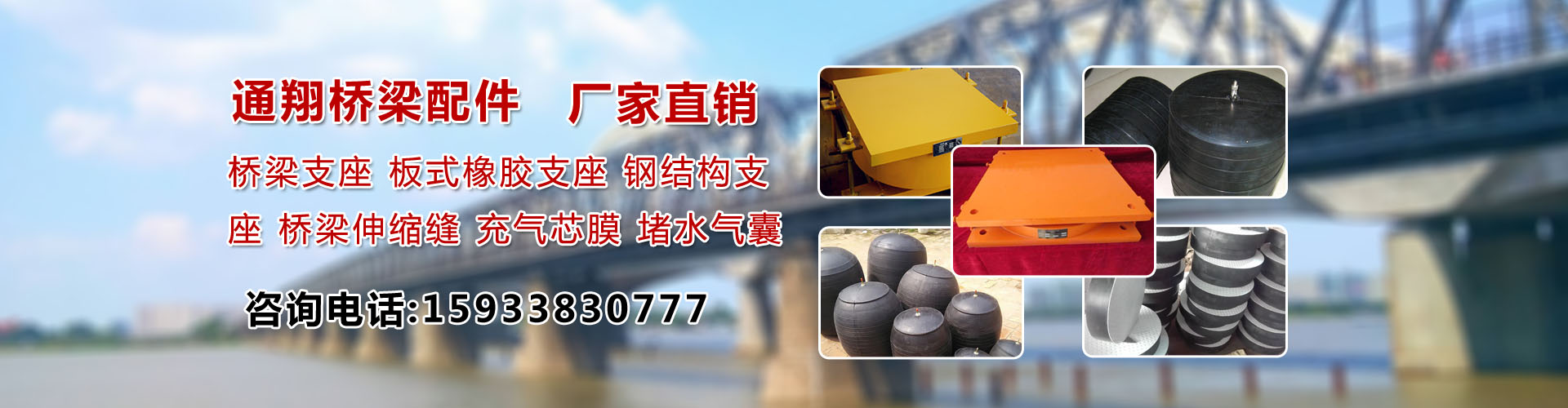
Pipe plug bladders, rubber supports, support steel plates, bowl-shaped supports, spherical supports, bridge expansion joints


价 格Negotiable
最小起订0 Piece库存0 Piece
 Business Card
Negotiable

Negotiable

Negotiable
Negotiable
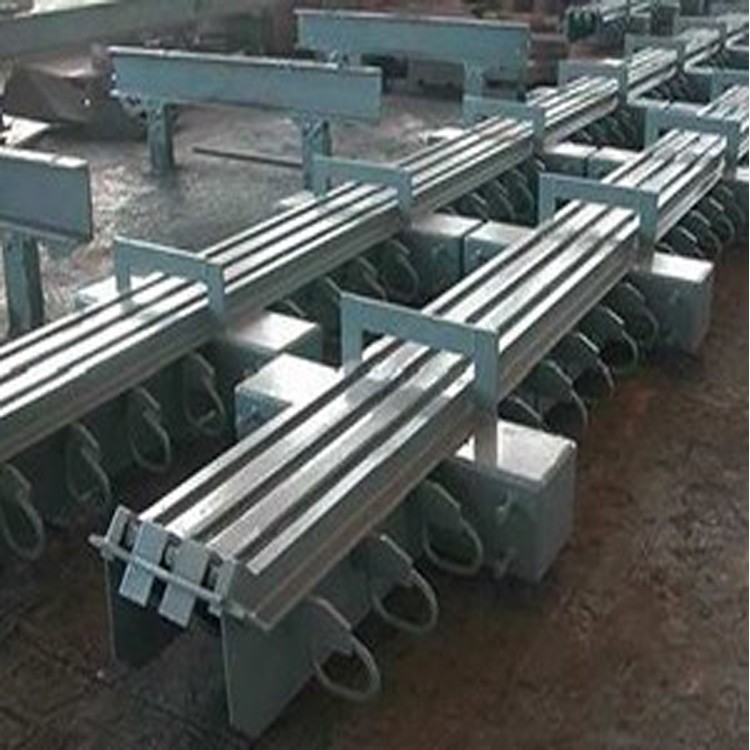 Modular Telescopic Units 160, 240
Negotiable
Modular Telescopic Units 160, 240
Negotiable
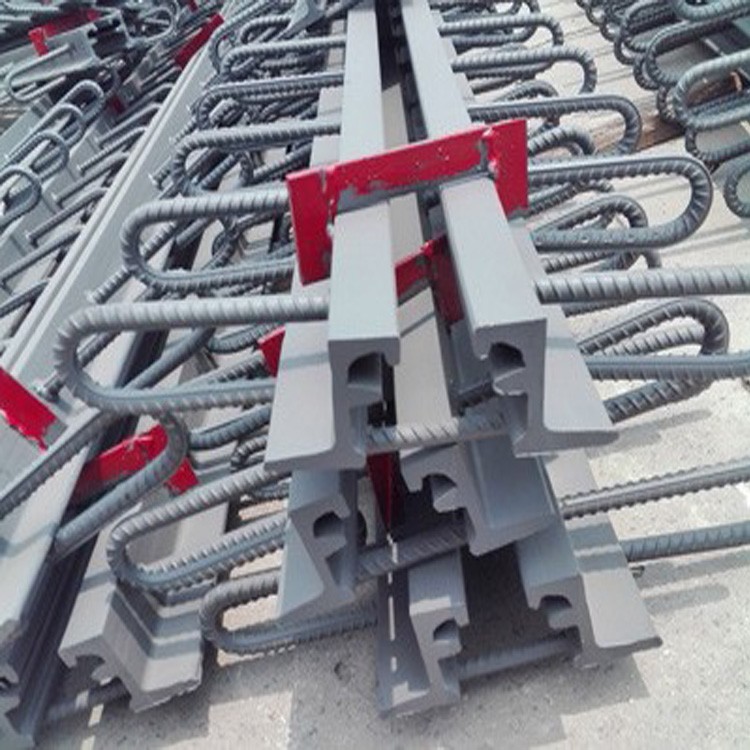 GQF-E40 60/80 Model
Negotiable
GQF-E40 60/80 Model
Negotiable
 GPZ (Ⅲ) Series
Negotiable
GPZ (Ⅲ) Series
Negotiable
 QZ Series, JQZ Series, LQZ Series
Negotiable
QZ Series, JQZ Series, LQZ Series
Negotiable
 GJZf4 Rectangular PTFE Plate Supp
Negotiable
Water Stop Air Bag for Pipes
Negotiable
GJZf4 Rectangular PTFE Plate Supp
Negotiable
Water Stop Air Bag for Pipes
Negotiable
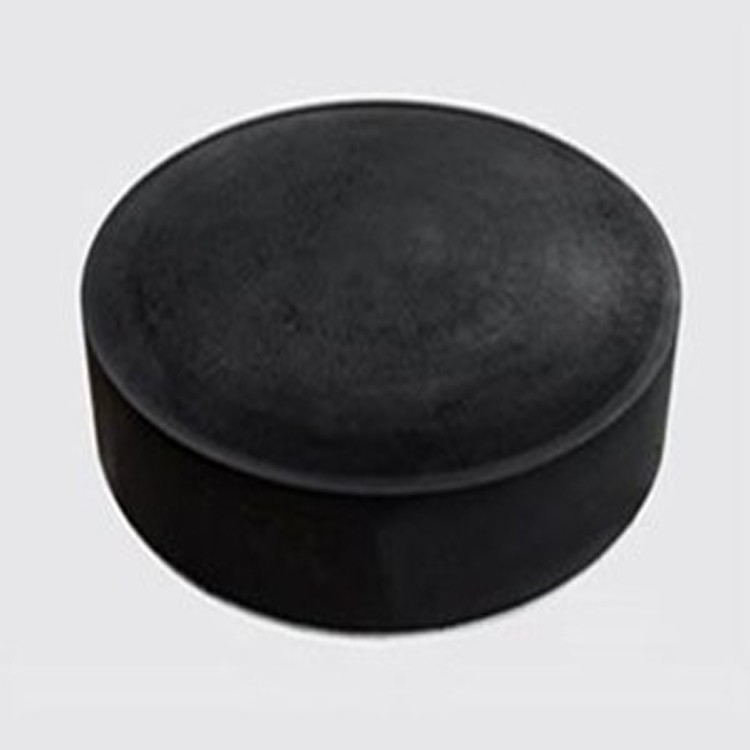 GYZ Series Circular Plate Rubber
Negotiable
GYZ Series Circular Plate Rubber
Negotiable
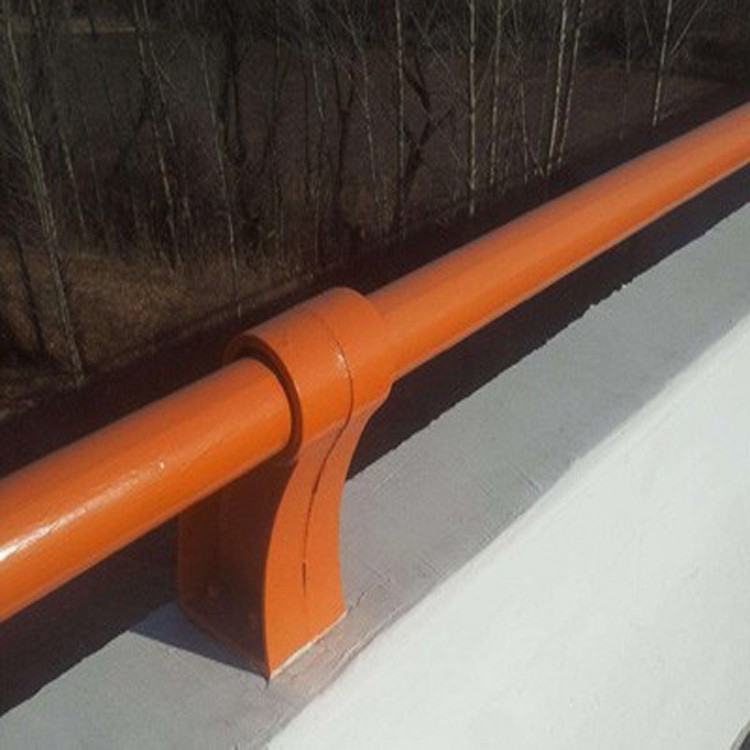 Red Bridge Guardrail Support
Negotiable
Red Bridge Guardrail Support
Negotiable
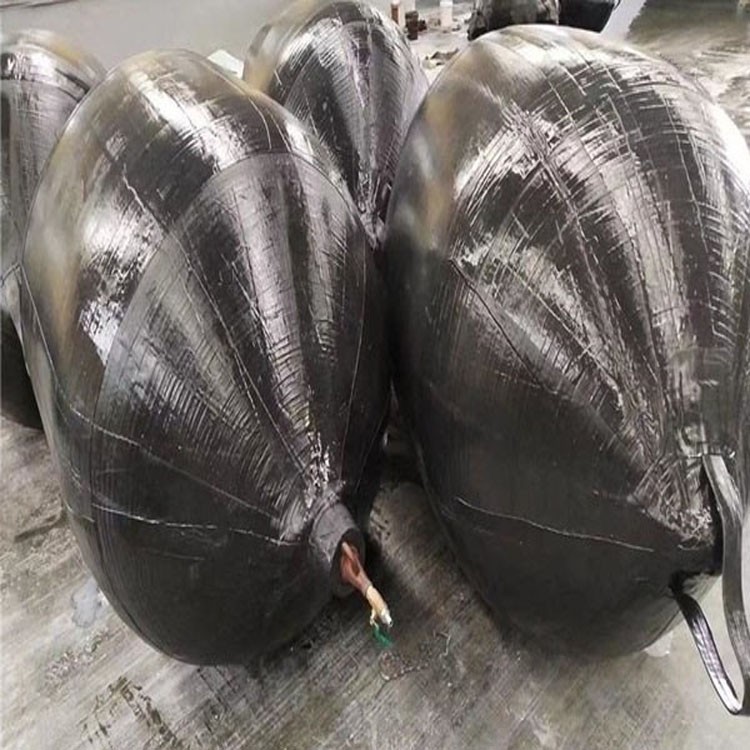 High-pressure water-blocking airb
Negotiable
High-pressure water-blocking airb
Negotiable
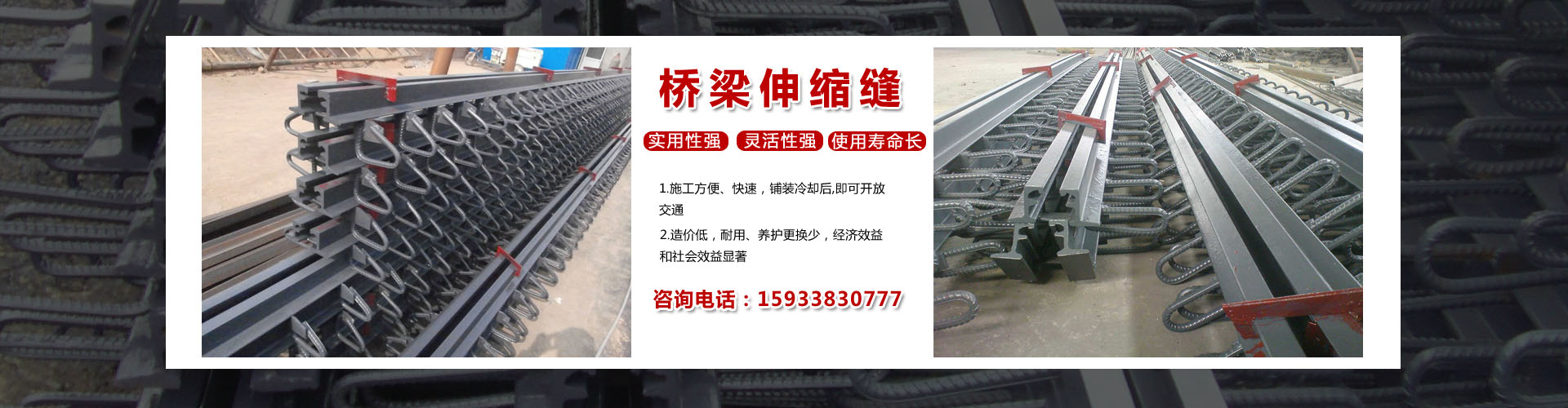
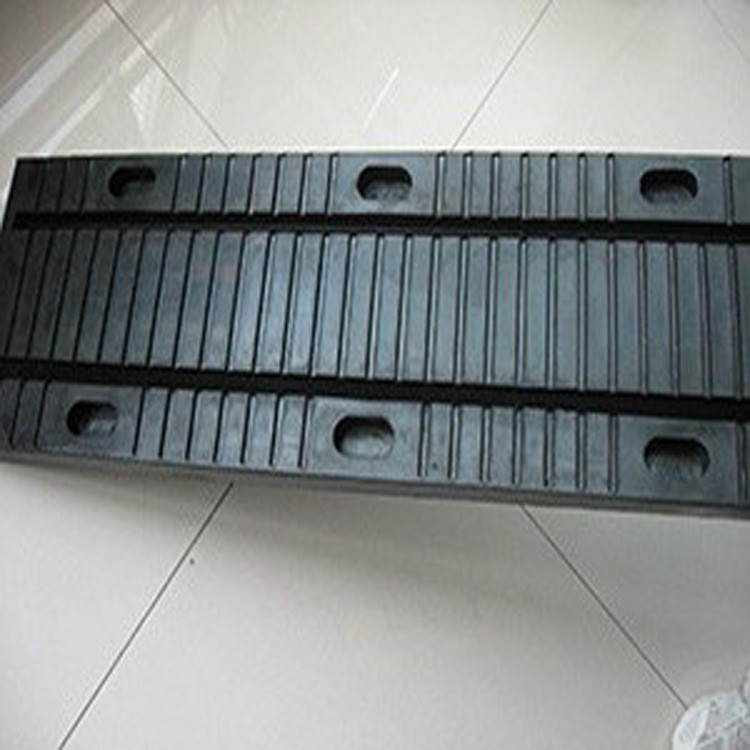 Rubber Expansion Joint Plates
Negotiable
Rubber Expansion Joint Plates
Negotiable
Among numerous basic isolation systems, through extensive experimentation and research, and based on international evaluation criteria for isolation systems, the laminated rubber pad isolation system boasts the following performance advantages:
1) The system boasts a high vertical bearing capacity. Typically, the design value of a single isolation damper's vertical bearing capacity can reach thousands of tons, with its ultimate bearing capacity up to tens of thousands of tons.
2) The shock-absorbing layer of this system features a stable elastic reset function, capable of automatically resetting instantly after multiple earthquakes. This is something that the frictional sliding shock-absorbing system cannot match.
3) The isolators have excellent durability, good resistance to low-cycle fatigue, heat air aging, ozone aging, acidity, and water resistance. Various performance tests on product samples indicate a lifespan of 60 to 80 years. Japan once replaced the isolators from a multi-layer rubber pad base isolation building that had been in use for 10 years for performance testing. The results showed that the various indicators had hardly changed compared to 10 years earlier.
4) The shock absorption effect is显著, with its acceleration response much lower than that of non-isolated structures, and the theoretical analysis results are in good agreement with the experimental results. For example, a 22.8-meter-tall reinforced concrete foundation isolation building in Tokyo, Japan, experienced a 6.7-magnitude earthquake off the coast of Chiba on December 17, 1987. The measured ground acceleration was 43.8 cm/s², while the top floor's peak acceleration was only 11.9 cm/s². During the research of the layered rubber pad foundation isolation system, the analysis and calculation of four different types of structural isolation systems show that in areas with an earthquake-resistant fortification intensity of 8 degrees, adopting a layered rubber pad foundation isolation system can reduce the fortification intensity of the upper structure by 1 to 2 degrees and provide a significant safety margin.
5) Compared to other vibration isolation systems, isolators are not significantly affected by uneven ground settlement, and they are simple in construction and easy to install, with a clear and straightforward method of force transmission.
Despite the many obvious advantages of the rubber pad isolation structure, it was found during the research process that the system requires quite strict dynamic performance requirements, which are significantly different from traditional non-isolation structures, both in design and construction. To ensure the reliability of the analysis and calculation results, the dynamic responses of four different types of structural systems were analyzed through four separate approaches, and it was discovered that:
1) The dynamic characteristics of the base isolation structure with stacked rubber pads not only vary with the type of structural system but also significantly depend on the installation position of the isolators. Therefore, during design, not only should a specialized conceptual design be conducted, but a multi-angle dynamic analysis should also be performed to reasonably and accurately grasp its dynamic response, ensuring a safe and reliable design.
2) In seismic isolation structures, to truly achieve the "isolation" of the upper structure from the ground, attention must be paid to the construction treatment of some key areas. This includes the isolation treatment of the ground floor staircase from the main structure, the flexible handling of water supply, gas, heating, and power distribution pipelines when crossing the seismic isolation layer, etc. Neglect in any aspect could lead to catastrophic disasters during an earthquake.
3) Additionally, the base isolation system of layered rubber pads has strict requirements for construction. The displacement of the isolation layer must not be interfered with or constrained by any reason. During construction, the isolation device and its accessories must not be damaged, and the isolation device should be installed with high levelness to ensure that the isolation layer can undergo horizontal displacement and instantly reset during an earthquake.
1) Due to the performance advantages of the rubber pad isolation system, such as its large vertical bearing capacity, strong elastic reset function, and significant vibration isolation effect, design limitations such as traditional building height restrictions and safety distances can be appropriately relaxed.
2) The research results indicate that the seismic fortification intensity of the superstructure in the layered rubber pad base isolation system can be reduced by 1 to 2 degrees, while still retaining a significant safety reserve.
3) Although the seismic isolation system requires an additional seismic isolation layer, which may seem to increase the cost, the savings in cost achieved by reducing the defense intensity of the upper structure can be used to construct the isolation layer. Therefore, compared to similar non-isolated buildings, the construction cost of the entire seismic isolation building will fluctuate between -5% to +5%. When considering the total life cycle cost of the building, including the damage to the building structure during earthquakes, losses of internal property, personnel injuries, and the costs associated with downtime due to building damage, the economic and social benefits of this basic seismic isolation system are substantial. It represents a highly promotable and applicable new technology.

Phone Consultation