

Product Details

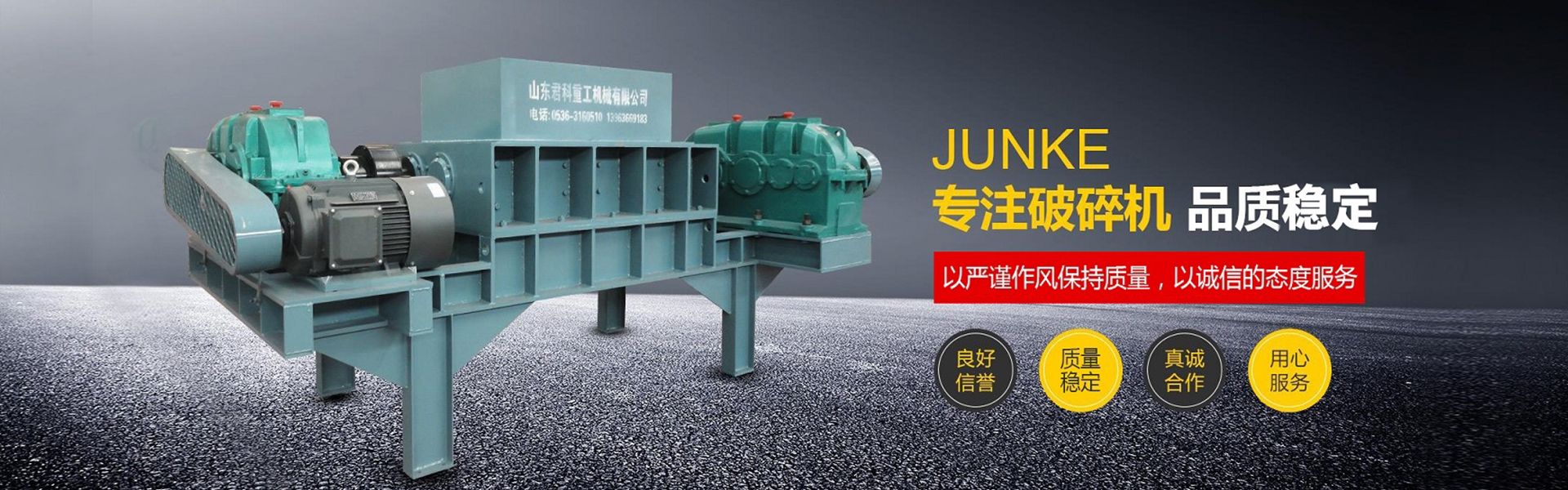
Roller Crushers (Double-Roller Crushers, Four-Roller Crushers), Toothed Roller Crushers (Double-Toothed Roller Crushers, Four-Toothed Roller Crushers), Double-Axis Shredders, reversible Anti-Blockage Crushers, Screening Machines, Magnetic Separators, etc.


价 格¥82000.00
最小起订1 Tai库存100000 Tai
 Business Card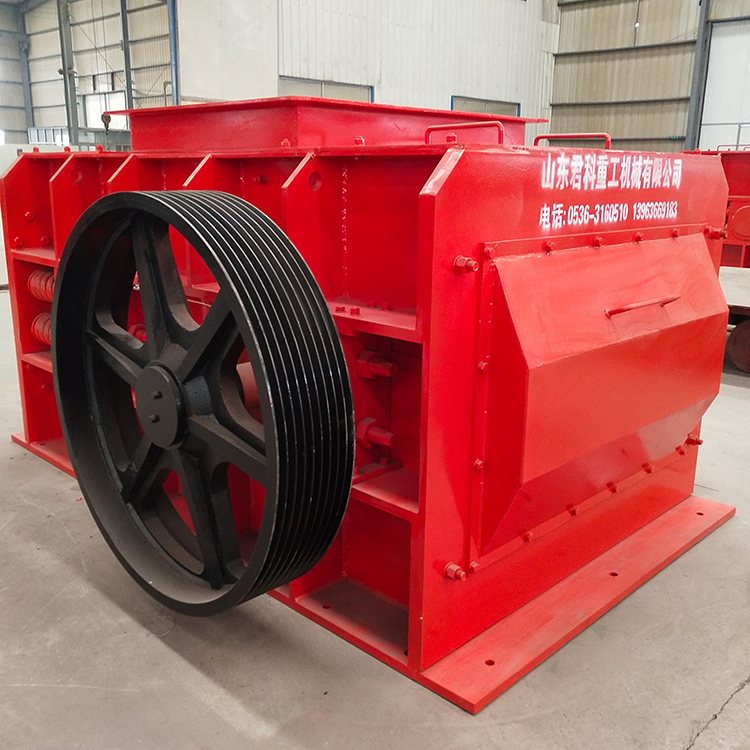
¥82000.00

¥95000.00

¥82000.00

¥75000.00
 鄂式Crusher
¥52000.00/Tai
Four-tooth roller crusher
¥95000.00/Tai
Double Roll Crusher
¥82000.00/Tai
鄂式Crusher
¥52000.00/Tai
Four-tooth roller crusher
¥95000.00/Tai
Double Roll Crusher
¥82000.00/Tai
 Reversible anti-blocking crushing
¥98000.00/Tai
Reversible anti-blocking crushing
¥98000.00/Tai
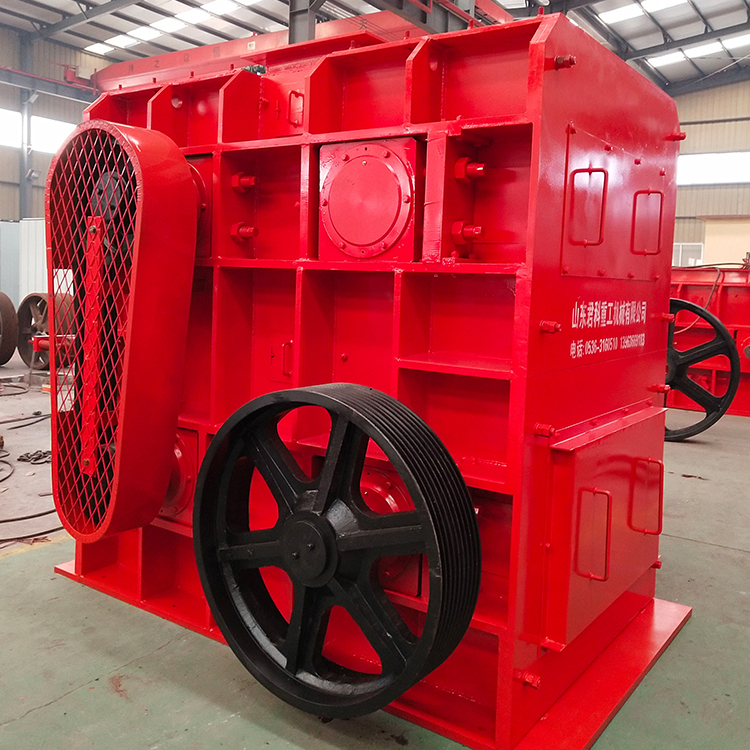 Four-roll Crusher
¥95000.00/Tai
Four-roll Crusher
¥95000.00/Tai
 Anti-plugging screen separator
¥35000.00/Tai
Anti-plugging screen separator
¥35000.00/Tai
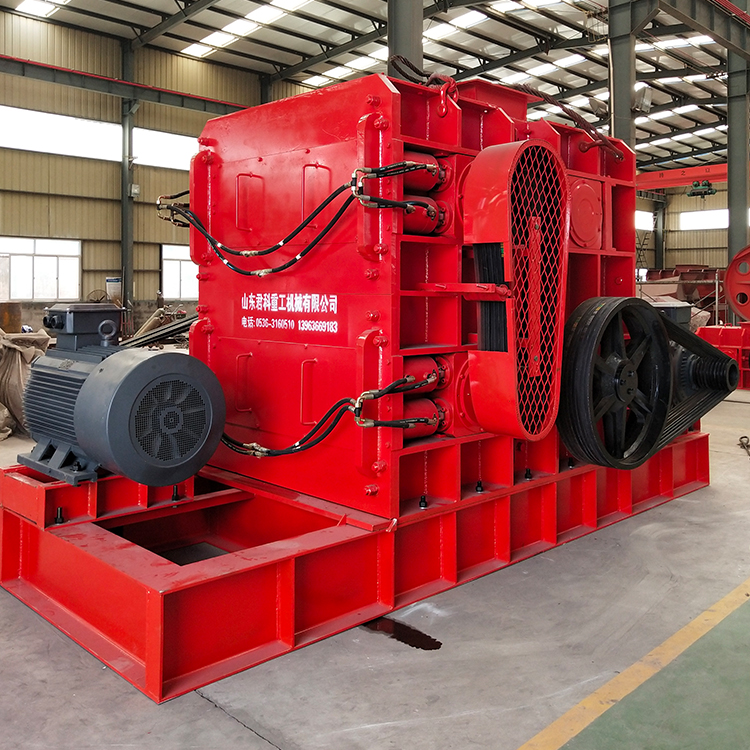 Roller Crusher
¥98000.00/Tai
Roller Crusher
¥98000.00/Tai
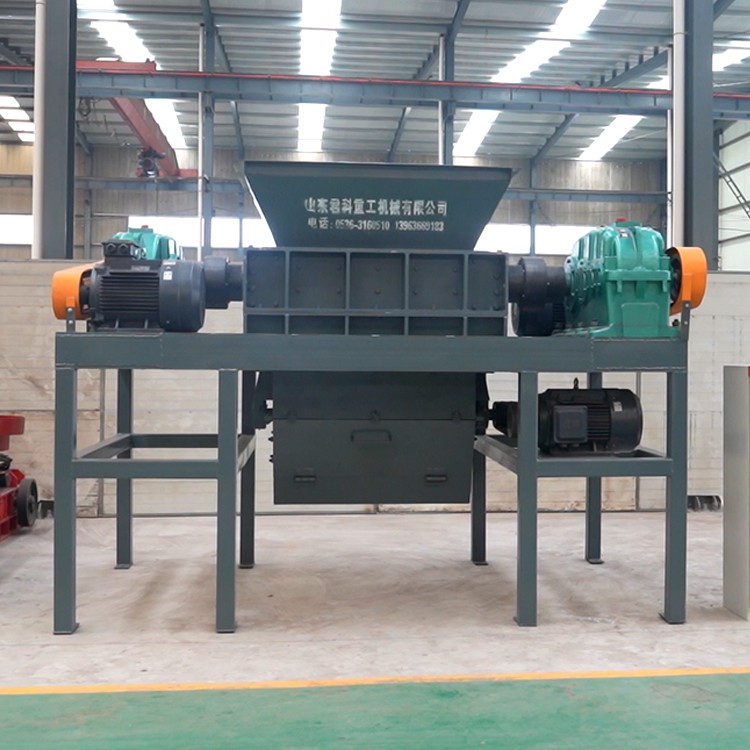 Cutting Shredder
¥69000.00/Tai
Cutting Shredder
¥69000.00/Tai
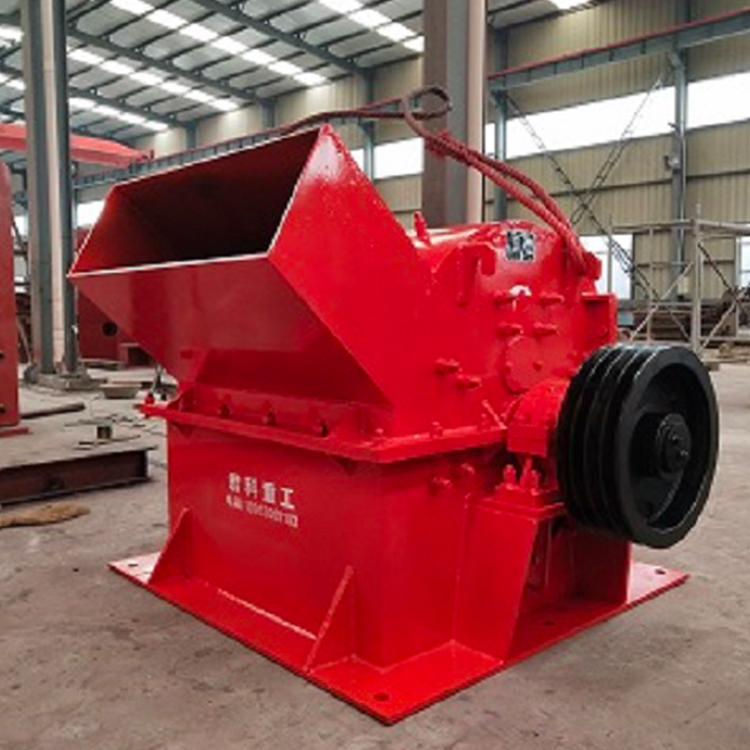 PC Hammer Crusher
¥26000.00/Tai
PC Hammer Crusher
¥26000.00/Tai
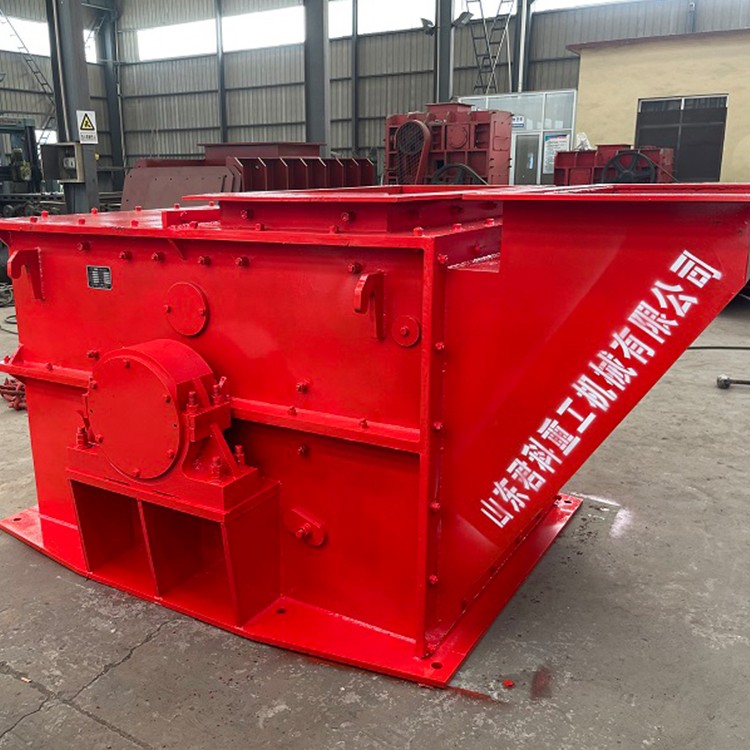 Ring Hammer Crusher
¥65000.00/Tai
Ring Hammer Crusher
¥65000.00/Tai
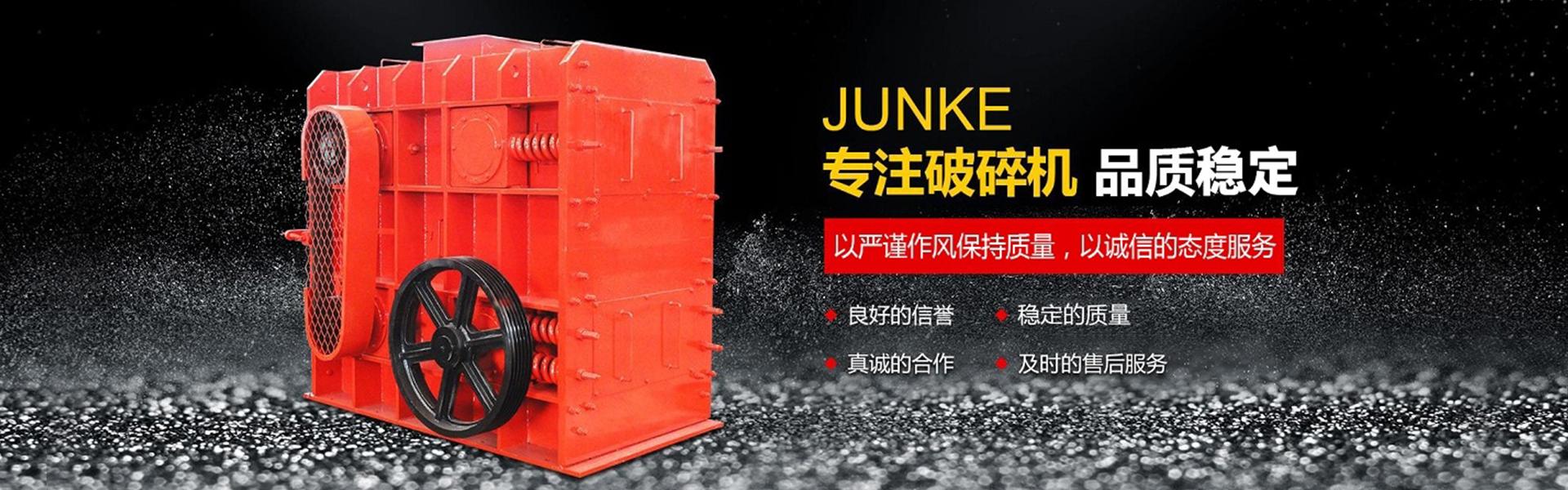
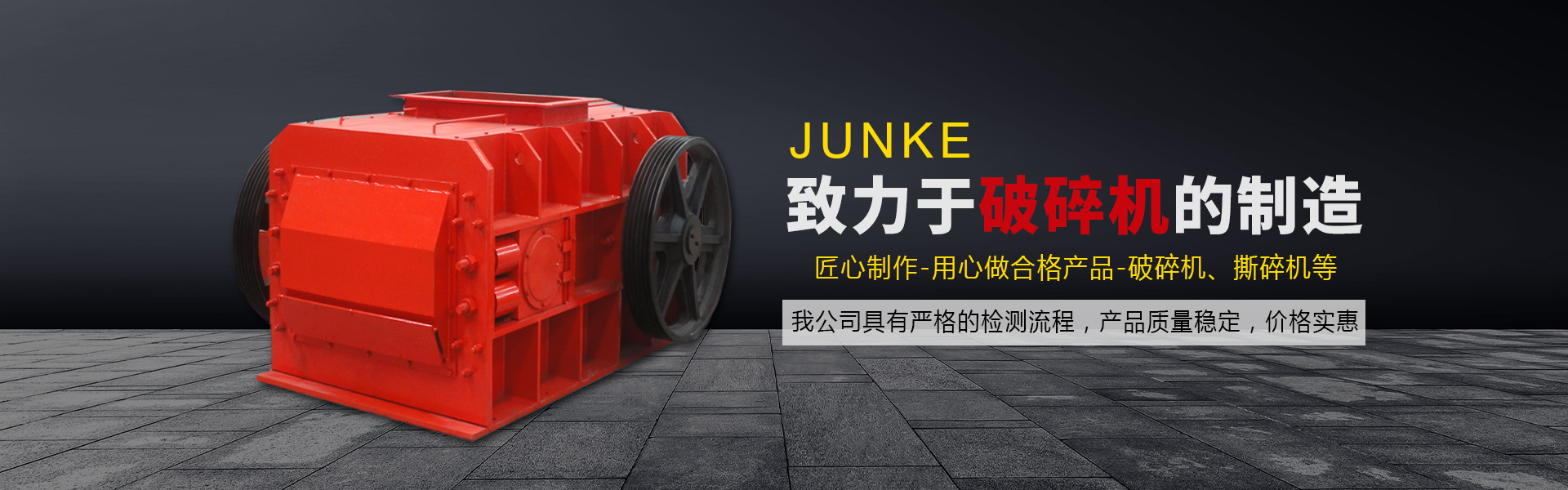
The roller crusher is a tunable crushing equipment suitable for brittle materials with medium hardness or below, such as coal, coal gangue, coke, slag, shale, chemical raw materials, limestone, feldspar, nickel ore, and iron ore.

A roller crusher is an efficient, energy-saving, environmentally friendly, and safe crushing equipment featuring a large crushing ratio, no moisture requirements for materials, non-sticky and non-blocking operation, low over-fine content, low noise, low vibration, low dust emission, low power consumption, small footprint, easy maintenance, and adjustable discharge particle size.

The roller crusher is composed of a frame, working rolls, adjustment devices, driving devices, and protective devices. The working rolls are divided into fixed rolls and movable rolls. The fixed rolls are bolted to a rigid frame, while the movable rolls are mounted on a track with an adjustment device at the rear. This allows for easy adjustment of the roll gap to meet the requirements of the crushing particle size.

The working rolls rotate in opposite directions with a differential speed, powered by two motors via V-belts, featuring mutual scraping and automatic cleaning functions. As materials continuously enter between the rolls, those meeting the particle size requirements fall automatically, while materials larger than the gap are subjected to combined crushing in the form of compression, splitting, friction, and impact along the axial and radial directions. This results in minimal over-fine material, significantly reducing energy consumption.


Phone Consultation