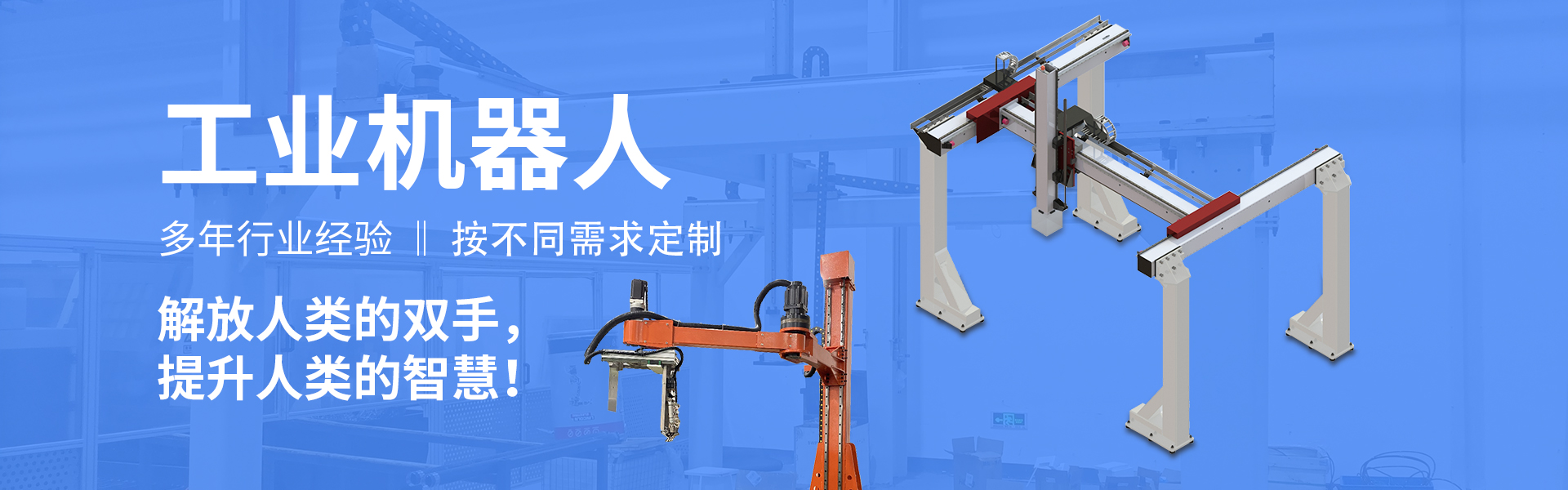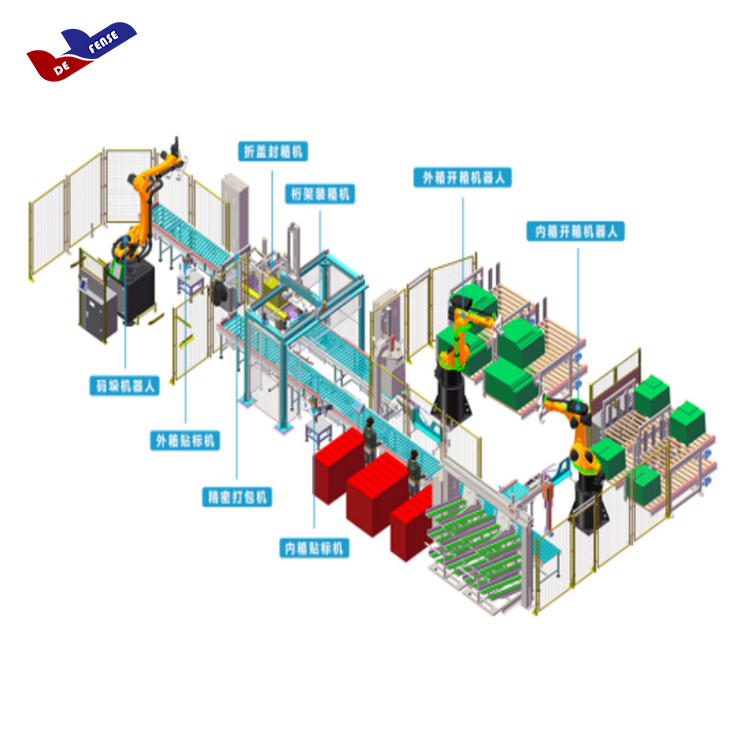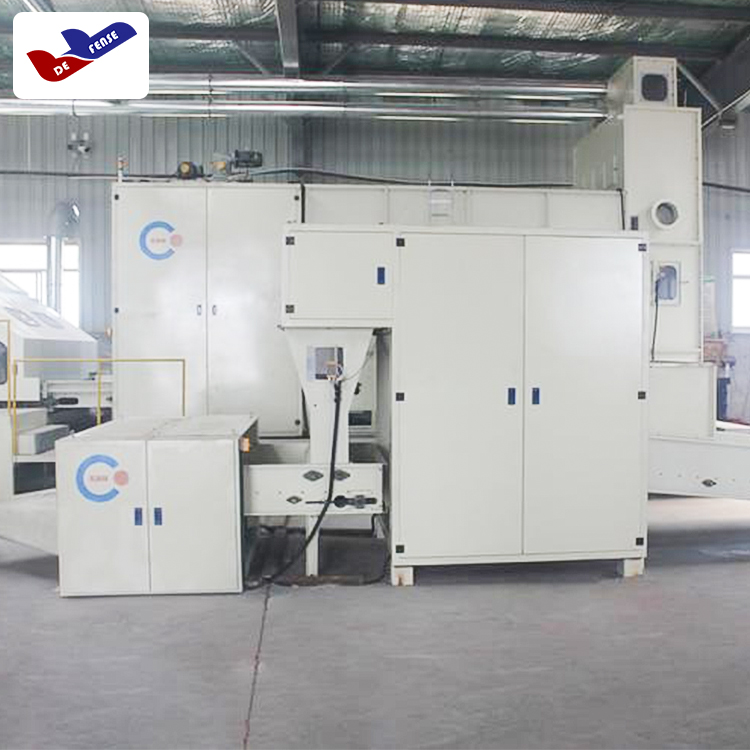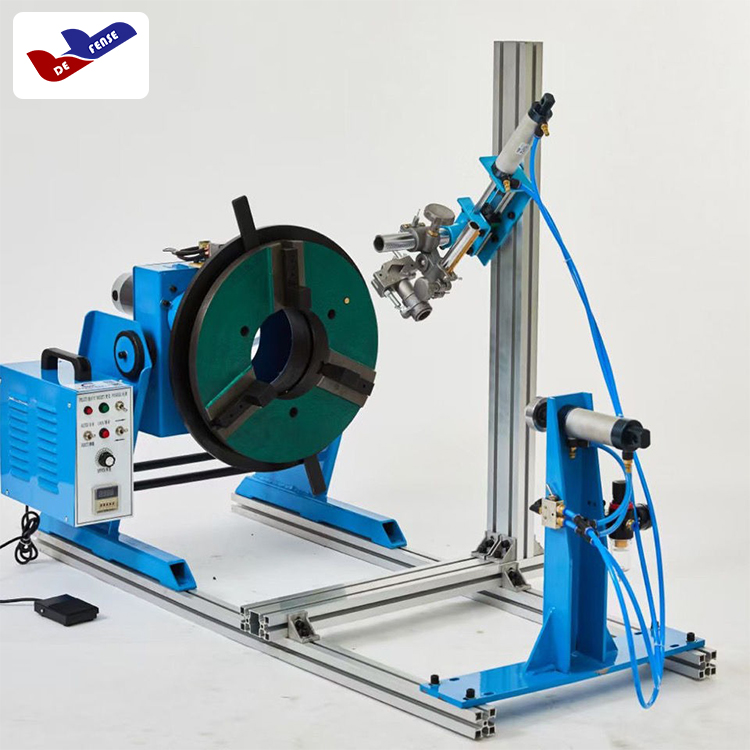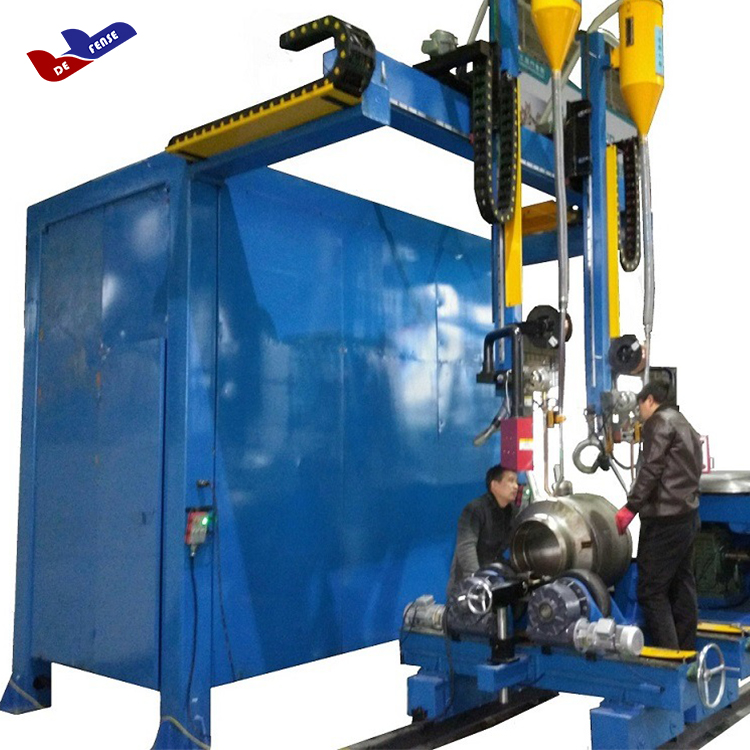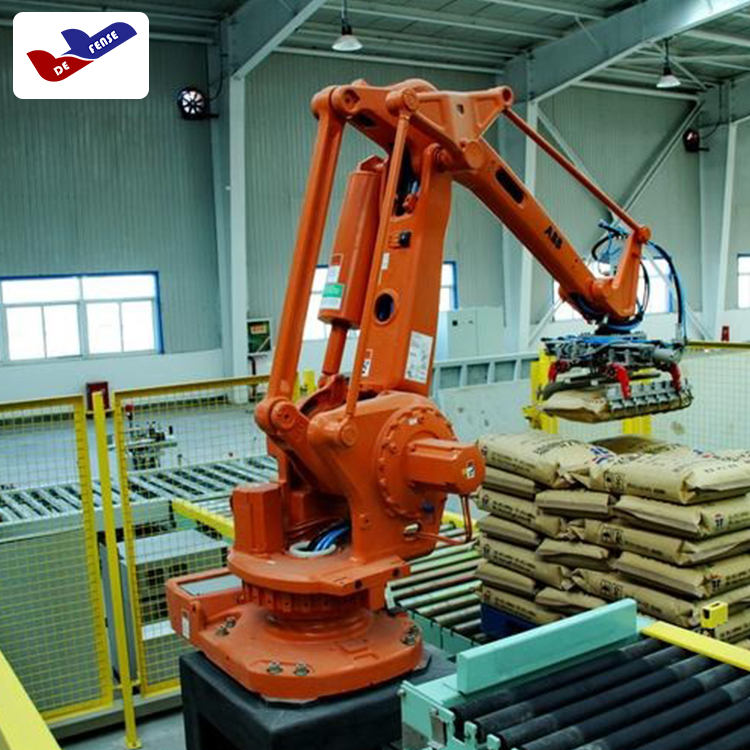
Focused on explosion-proof electrical equipment, industri...

China's rising labor costs in recent years have eroded the comparative advantage of its manufacturing sector. Concurrently, the declining birth rate and aging population trends have led to a decreasing labor force year by year. According to the "Guidelines for the Development of Manufacturing Talent," it is projected that by 2025, the manufacturing sector will face a labor shortage of 30 million. This shift in demographic structure is compelling the manufacturing industry to increase automation to address the issue of labor scarcity.
Since the concept of "new-quality productivity" was proposed in September 2023, it has become the core of China's industrial transformation, aiming for revolutionary technological breakthroughs, innovative allocation of production factors, and deep and comprehensive industrial upgrading and transformation. Specifically, new-quality productivity will drive China's industry towards intelligent, green, and high-end manufacturing development through technologies such as AI, industrial internet, humanoid robots, and 6G, with focus on key industries including new energy vehicles, hydrogen energy innovation materials, biopharmaceuticals, aerospace, and quantum technology.
Under the impetus of new-quality productivity, Chinese manufacturing is transitioning to higher-level manufacturing, thereby propelling the upgrade of manufacturing equipment and technology. With the rapid advancement of technologies such as machine learning, machine vision, and AI, and based on industrial robots as a composite of AI and automation, the level of automation and intelligence has been significantly enhanced, allowing robots to participate in more intricate manufacturing processes. Moreover, in 2024, the Ministry of Industry and Information Technology of China issued the "Industrial Robot Industry Normative Conditions (2024 Edition)" and the "Management Implementation Measures for the Industrial Robot Industry Normative Conditions (2024 Edition)," which clearly define the development goals and policy directions for the industrial robot industry. This marks that industrial robots are playing an increasingly significant role in the new-quality productivity.
According to the "World Robotics 2024" report released by the International Federation of Robotics (IFR), the global installation of industrial robots reached 541,300 units in 2023, with projections indicating a growth to 555,000 units by 2025. The report also highlights that approximately 70% of industrial robot installations are concentrated in Asia, totaling around 380,000 units, followed by Europe at 17% and America at 10%. Within Asia, China is the largest regional market for industrial robots.


b2b.china9.net © Zhongshang 114 Hebei Network Technology Co., Ltd.Address: Room 6009, Oriental New World Center, No.118 East Zhongshan Road, Qiaoxi District, Shijiazhuang City, Hebei ProvincePlatform Service Hotline: 4006299930