


- AllProduct Category
-
Light curtain target
Technical Articles
Industry News
News & Information
Light-Gas Gun System
Impact Tester
Security Management Platform
Impact/Overshoot Dynamic Checker
Ultra-Dynamic Testing Equipment
Ultra-Dynamic Signal Conditioning/Data Acquisition
Impulse Fire Device
Self-Organizing Network
FlexiBots Industrial Software
Automated Production Line
FlexiBots Assembly Robots
FlexiBots Inspection Robots
Flexible Hazardous Area Electrical Equipment
FlexiBots Industrial Robots



详情描述
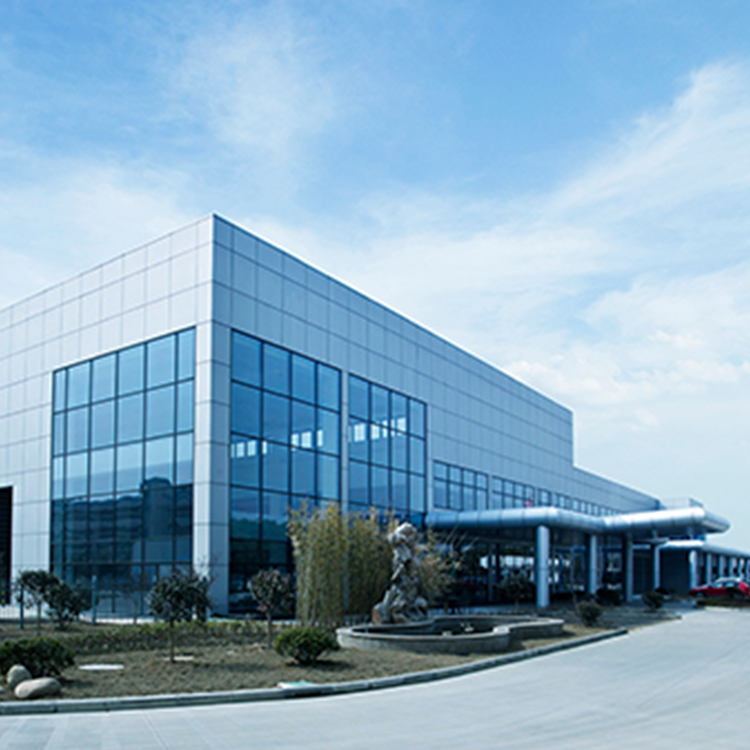
The nose and tail compartment disassembly specialist is a device specifically designed for the dismantling and installation of the forward and rear compartments of an aircraft during maintenance and disassembly processes. It is commonly used in large-scale aircraft maintenance, repair, modification, or disassembly operations. Its design aims to address the potential risks, inefficiencies, and complexity associated with traditional manual disassembly methods.
I. Application Scenarios
Industrial cabin maintenance and inspection
During regular inspections and maintenance of the cargo hold, especially when major repairs, internal structural inspections, or replacement of certain structural components are required, the disassembly of the bow and stern sections is a crucial step. This specialized aircraft can assist in the efficient and safe disassembly or installation of the bow and stern sections, ensuring the integrity of the airframe structure.
2. Industrial cargo hold modification:
When undertaking a conversion project for the cabin (such as adding new equipment or replacing existing equipment), disassembling the forward and rear sections is a crucial step. Special disassembly machines can quickly and accurately perform the cabin's dismantling and installation without damaging the main structure of the cabin.
3. Military-grade hull retirement and dismantling:
- When the industrial cabin is decommissioned or ready for dismantling, the specialized head and tail cabin disassembly machine can efficiently and safely dismantle the various sections of the industrial cabin, supporting subsequent part recovery and resource utilization.
4. Industrial Cabin Complete Assembly and Delivery
During the overall assembly of the industrial body, the installation and disassembly of the bow and stern compartments are also common operations. Special-purpose machinery can be used efficiently in this process to connect or separate the front and rear compartments with the main body of the fuselage.
II. Main Functions
Hull separation and docking:
- This specialized aircraft is capable of precisely separating and mating the nose and tail sections with the fuselage body. Through techniques such as robotic arms and hydraulic systems, it ensures safety and accuracy while enabling rapid disassembly and installation of the sections.
2. Position Adjustment and Centering
Disassembly and assembly aircraft are typically equipped with high-precision positioning systems to ensure accurate alignment during the mating process between the fuselage and the body, to avoid damage to either.
3. Load and Support Functions:
Due to the significant weight of the bow and stern compartments in a workboat hull, specialized equipment for disassembly must possess robust support capabilities to ensure the hull does not tilt, shift, or sustain damage during the dismantling process due to gravity or operational errors.
4. Automation Control and Ease of Operation
- The modern end-to-end cabin disassembly machine is equipped with advanced automated control systems, reducing reliance on manual operation and enhancing work efficiency and accuracy. The operating interface is typically simple and intuitive, controlled via a touch screen, buttons, or a remote control.
5. Safety Protection Features:
During disassembly, the specialized machine is equipped with multiple safety protection measures, such as overload protection, emergency stop, and sensor monitoring, to ensure the safety of the operators and prevent accidents during operation.
Section 3: Main Structure
Supporting Platform:
- This structure is designed to support the forward and rear sections of the outfitting cabin, typically made of steel or aluminum alloy materials with sufficient load-bearing capacity. The support platform can be adjusted for lifting and lowering through hydraulic, pneumatic, or mechanical means to accommodate different sizes of outfitting cabins.
2. Hydraulic or Mechanical Arm System
- Used for the separation and connection of hulls. Equipment such as hydraulic arms, mechanical arms, or telescopic arms can perform operations like positioning, lifting, and docking of hulls with precise control. These arm structures are usually equipped with sensors to ensure operational accuracy.
3. Positioning Device:
Disassembly and assembly aircraft typically feature high-precision positioning devices, utilizing technologies such as lasers, cameras, and sensors to ensure precise alignment during the mating of the cabin with the aircraft's main body, minimizing mating errors.
By integrating automated control systems with high-precision positioning systems, the specialized aircraft for nose and tail compartment disassembly not only enhances the safety and efficiency of the disassembly process, but also simplifies manual operations, providing a reliable technical guarantee for the maintenance, modification, and dismantling of aircraft.