

- AllProduct Category
-
Light curtain target
Technical Articles
Industry News
News & Information
Light-Gas Gun System
Impact Tester
Security Management Platform
Impact/Overshoot Dynamic Checker
Ultra-Dynamic Testing Equipment
Ultra-Dynamic Signal Conditioning/Data Acquisition
Impulse Fire Device
Self-Organizing Network
FlexiBots Industrial Software
Automated Production Line
FlexiBots Assembly Robots
FlexiBots Inspection Robots
Flexible Hazardous Area Electrical Equipment
FlexiBots Industrial Robots



详情描述
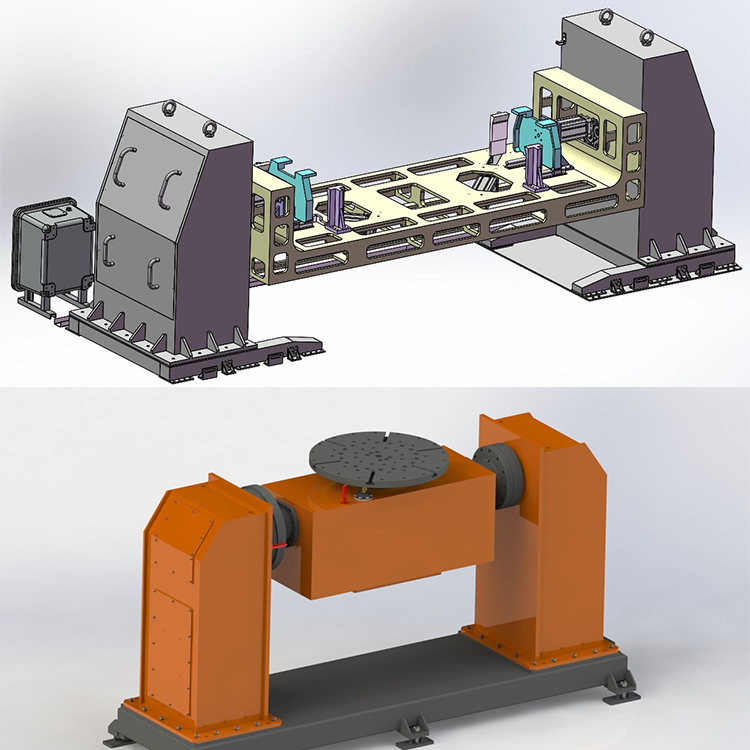
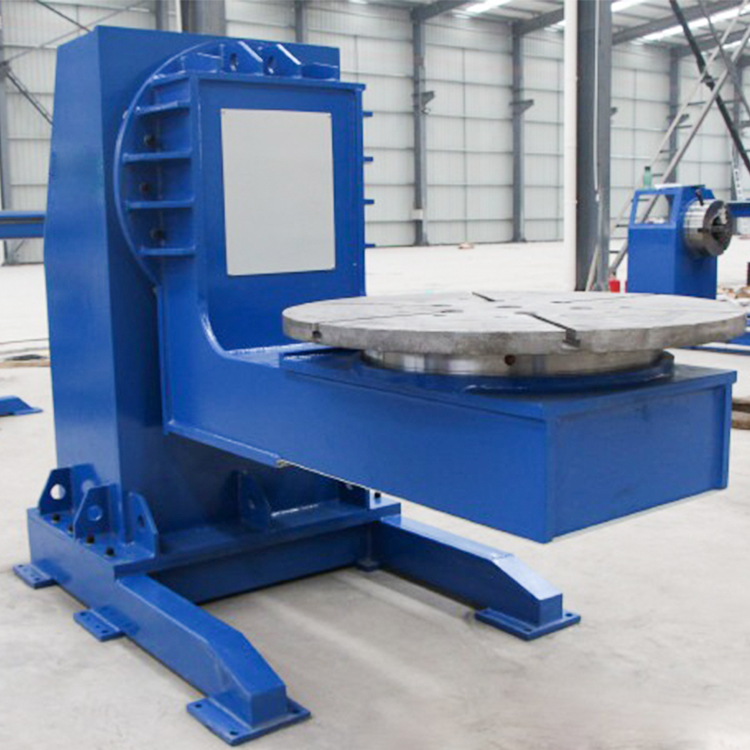
An automatic positioning machine is an engineering device commonly used in automated production lines or manufacturing processes. Its primary function is to automatically rotate workpieces from one angle to another during production, for subsequent processing or handling. Widely used across various industries, especially in welding, assembly, and logistics, it, when combined with high-precision positioning technology, significantly enhances production efficiency and operational accuracy.
I. Application Scenarios
1. Manufacturing and production lines
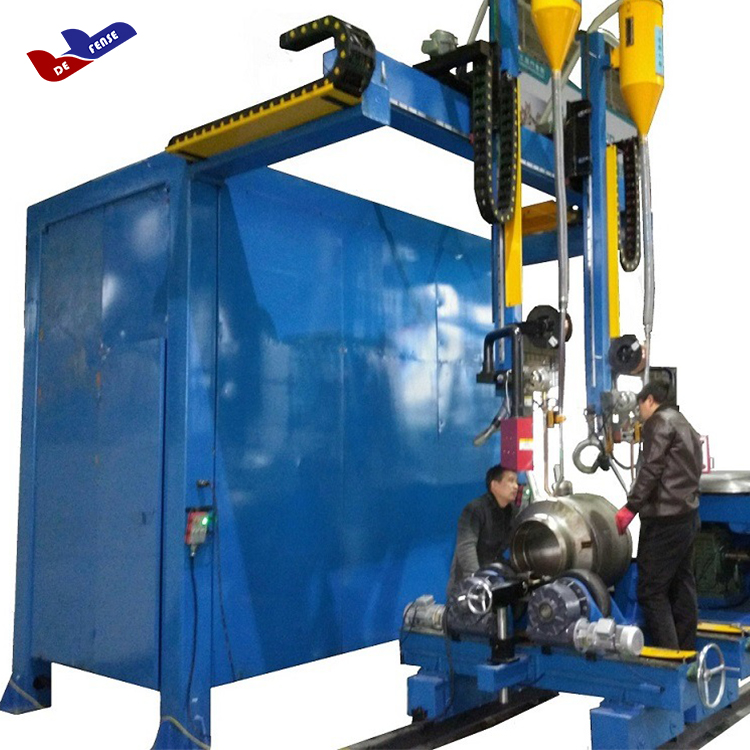
- Automotive production line: During various production stages such as welding, painting, and assembly, workpieces must be precisely adjusted to different angles for subsequent operations. The automatic positioning machine, combined with welding fixtures and high-precision positioning technology, allows for quick transitions between workstations, enhancing production efficiency and ensuring accuracy in each process.
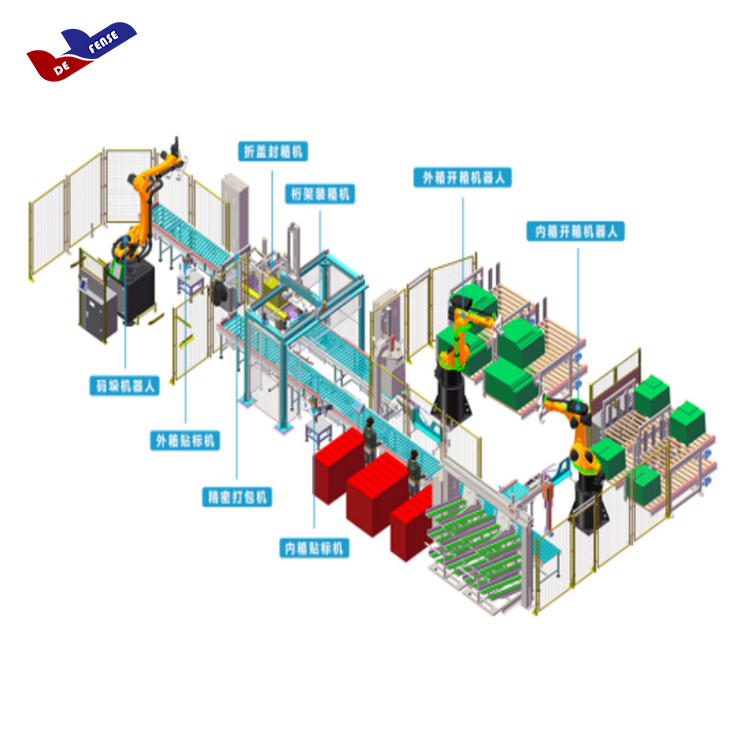
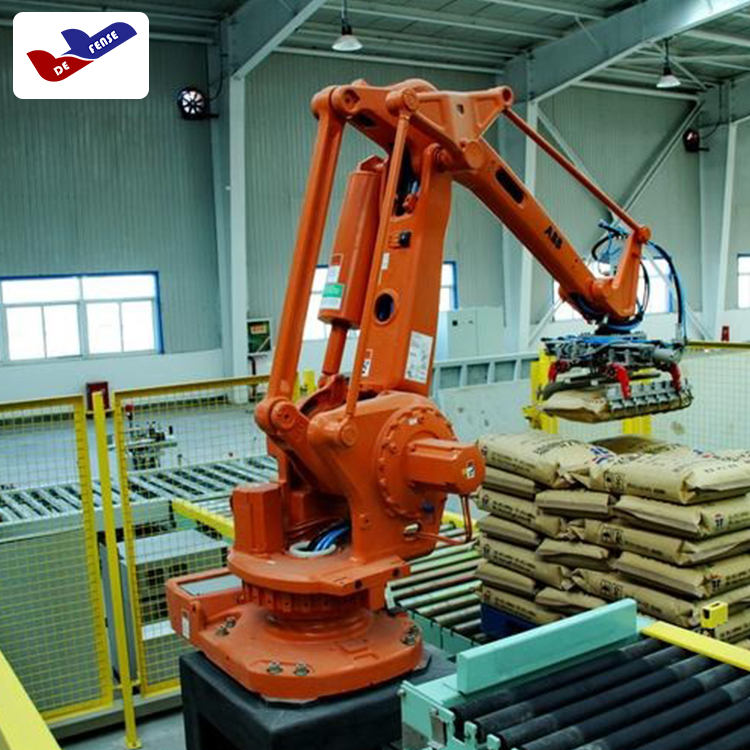
- Electronics Assembly: During the assembly of electronic components, the automatic positioning machine can quickly adjust the position of the workstations or switch to different assembly processes according to production needs, ensuring an efficient production pace. By integrating with OTC robots, the automatic positioning machine can accurately adjust the angle and position of each component, thereby achieving precise operations.
2. Logistics and Storage
- Automatic Sorting System: In the express industry, automatic positioning machines aid in switching packages between conveyors by adjusting the transmission path automatically, ensuring precise sorting and distribution. High-precision positioning systems guarantee accurate and error-free transmission of packages during this process, reducing errors and delays.
3. Transportation and Rail Transportation
-Railroad Switches: The automatic switch machine can precisely switch railroad switches through an automatic control system, ensuring trains travel along the designated route. This automatic switching not only enhances the flexibility of the transportation network but also reduces manual operations, thereby improving safety.
- Subway System: In the subway system, the automatic coupler facilitates switching between tracks for subway trains, ensuring flexibility and operational efficiency, particularly during peak hours. It effectively avoids congestion and enhances transportation capacity.
II. Main Functions
1. Automatic switching and positioning adjustment
- On the production line, the automatic positioning machine can automatically switch the position of workpieces or alter the connection between workstations according to pre-set process requirements. In conjunction with welding fixtures and OTC robots, the automatic positioning machine can perform highly integrated automated operations, thereby reducing manual intervention and operational errors.
- In the logistics system, an automatic transposer can switch goods from one conveyor path to another for sorting, distribution, or storage. High-precision positioning technology ensures accuracy during the switch, enhancing the efficiency and reliability of the entire logistics system.
2. Automatic turnout switching
- In rail and subway transportation systems, automatic turnout machines can switch tracks through automated control, ensuring trains travel along planned routes. The automatic switching function enhances the flexibility and efficiency of the transportation system, reduces human operation errors, and ensures traffic safety.
Enhance the flexibility and operational efficiency of the transportation network, minimize manual operation errors, and ensure traffic safety.
3. Precise Location and Operation
- In CNC machine tools, an automatic positioning machine can assist in precisely adjusting the position of tools or workpieces, making the processing process more efficient and accurate. With a high-precision positioning system, the automatic positioning machine can adjust the position of workpieces to the micron level, ensuring processing quality.
- On the automated assembly line, the automatic positioning machine can accurately adjust the position of workstations or change production tools based on production demands, ensuring the correct execution of each step. The combined use of welding fixtures makes the assembly process more precise, reducing operational errors.
III. Structural Composition
1. Drive System
- Electric Motors (Motors): Electric motors are the most common power source for automatic positioning machines, typically using stepper motors, servo motors, or AC motors. Electric motors can provide precise control and efficient driving force as needed, ensuring that the positioning machine can execute positioning operations quickly and accurately.
- Pneumatic Drive: In certain applications, pneumatic drive systems (such as cylinders) are often used to provide thrust, particularly suitable for lighter loads and rapid switching requirements.
-Hydraulic Drive: Hydraulic drive systems are commonly used in situations requiring substantial power, particularly in heavy machinery and industrial automation equipment, such as heavy material handling and construction machinery.
2. Transmission System
-Gear Drive: Transmits power through a set of gears, offering high precision and efficiency in transmission, suitable for applications requiring precise control.
- Belt Drive: Ideal for applications requiring quick and smooth motion, particularly for speed reduction or increase.
Ball screw drive: In some high-precision positioning machines, ball screws or trapezoidal screws are used to achieve precise linear motion, ensuring high-precision positioning adjustments during precision machining.
- Chain Drive: In some heavy machinery or larger displacement machines, chain drive offers greater transmission power.
Control System
- Embedded Controllers: In more complex applications, embedded systems (such as microcontrollers, FPGAs, etc.) may be used for more efficient and flexible control. These control systems can work in synergy with OTC robots and other automation equipment, achieving fully automated production processes.
- Human-Machine Interface (HMI): An interface for operators to interact with the automatic positioning machine, typically a touchscreen that displays equipment status, fault alarms, and allows manual adjustments to settings. Through this interface, users can quickly adjust equipment parameters to ensure efficient operation.
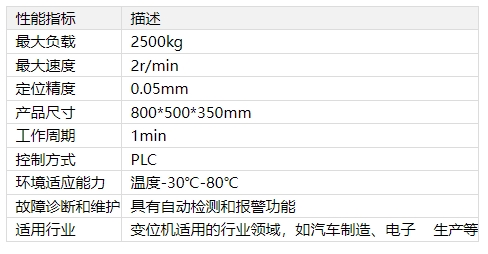
The following will describe some performance indicators of the automatic positioner: