Abstract: Mesh networking technology is reshaping our understanding of the internet. From smart homes to industrial automation, the advent of mesh networking has made device communication smarter, more efficient, and more reliable. This article will introduce the basic concepts, application scenarios, and future trends of mesh networking technology.
Introduction: Traditional network systems are typically managed and controlled by centralized infrastructure, but with the rise of the Internet of Things and the development of intelligence, the limitations of traditional network architectures have gradually become apparent. Ad-hoc networking technology has emerged, allowing devices to automatically connect and form networks without central control, and to achieve intelligent communication and collaborative work.
Ad-Hoc Networking Technology Overview: Ad-hoc networking technology is a method that enables network setup and management without human intervention. It operates on decentralized principles, where devices automatically discover and connect to form a network for mutual communication, creating a dynamic and self-organizing network topology.
Smart Home: In the smart home sector, mesh networking technology allows various smart devices, such as smart bulbs, smart plugs, and smart speakers, to automatically connect and form a network. Users can achieve unified control and management through smartphones or voice assistants.
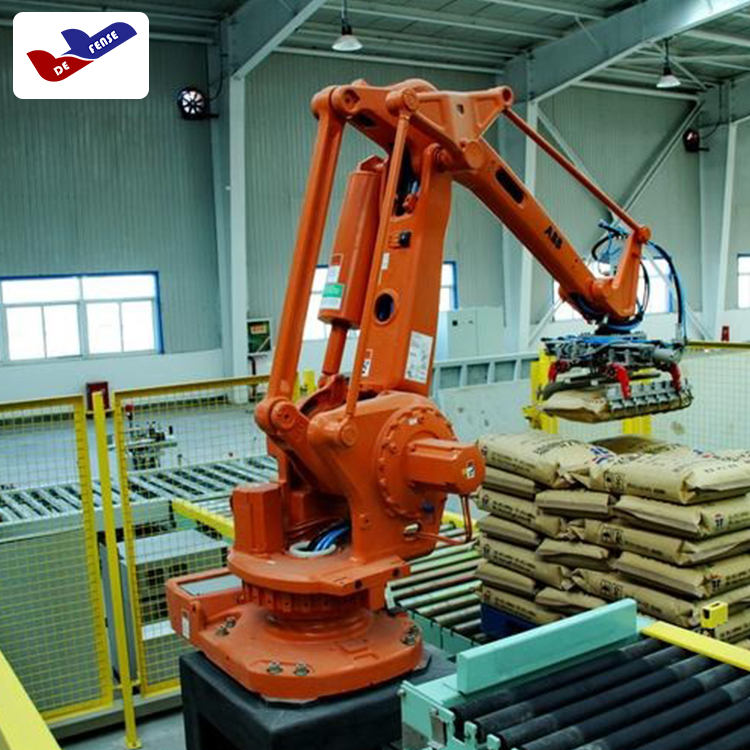
Industrial Automation: In the field of industrial automation, self-organizing network technology enables real-time data transmission and collaborative work among devices, such as sensor networks and intelligent robots, enhancing production efficiency and the intelligence level of equipment management.
Smart City: Mesh networking technology is also widely applied in the construction of smart cities, including intelligent transportation systems, smart streetlight systems, environmental monitoring systems, etc., achieving intelligent interconnection and management of various urban facilities and equipment.
Future Trend Developments:
Intelligence and Adaptability: Future Ad-Hoc Networking will become more intelligent and adaptive, capable of automating configuration and optimization based on environment and user needs, enhancing user experience and system performance.
Safety and Privacy Protection: As the scale of the Internet of Things expands, safety and privacy protection have become key concerns. Future ad-hoc networking technologies will enhance security mechanisms and privacy protection measures to ensure the safety and privacy of communication data.
Conclusion: The emergence of ad-hoc networking technology has provided a smart, efficient, and reliable solution for various application scenarios. As technology continues to evolve and innovate, ad-hoc networking will play an increasingly significant role in smart homes, industrial automation, smart cities, and other fields.