

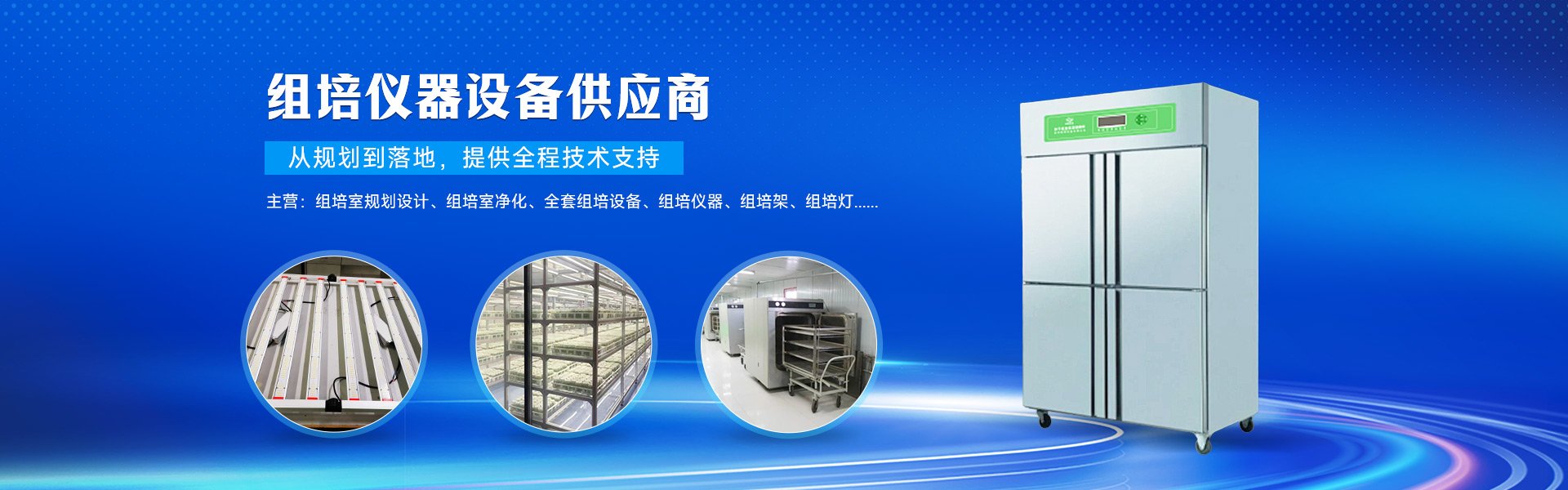
Focused on tissue culture racks, culture racks, tissue culture equipment, and tissue culture room design.
158-6661-1552



On the Eve of the Trillion-Dollar Market Boom: How Can China's Plant Tissue Culture Industry Break Through the "Carding the Neck" Dilemma?
In the brightly lit laboratory, researchers carefully use tweezers to pick up a tiny, less than 1 centimeter orchid leaf. Weeks later, this minuscule tissue will mysteriously grow into hundreds of new orchid seedlings — that's the charm of tissue culture technology. This modern biotechnology, hailed as "plant cloning," is sparking a revolution in agricultural production worldwide.
Plant tissue culture utilizes the totipotency of plant cells, cultivating plant tissues or cells in a sterile environment to regenerate into complete plants.
Plant tissue culture is a technique that involves cultivating plant tissues such as shoot tips, leaves, or roots in a sterile environment, utilizing the totipotency of cells to induce their regeneration into complete plants. This technology significantly shortens the breeding cycle and enables the rapid propagation of virus-free seedlings, such as orchids, potatoes, and bananas, which are widely used in economic crops. Additionally, tissue culture technology can preserve germplasm resources of rare and endangered plants, offering possibilities for ecological restoration.
It does not produce new individuals through the fusion of two reproductive cells, nor does it undergo genetic information recombination; the genetic material of its offspring is identical to that of the parents. Differences: Asexual reproduction does not require the fusion of two reproductive cells, while sexual reproduction involves the combination of two reproductive cells to form a zygote, which then develops into a new individual.
Due to the fact that the production of tissue culture seedlings is completed under sterile conditions from bottling to export, the scale of a tissue culture facility is generally measured by the number of sterile workstations purchased.
An ideal tissue culture room should be established in a quiet and clean location far from sources of pollution, preferably upwind of the prevailing wind direction throughout the year to minimize contamination. Additionally, tissue culture rooms for large-scale production should be situated in areas with convenient transportation, facilitating the transport of cultivated products.
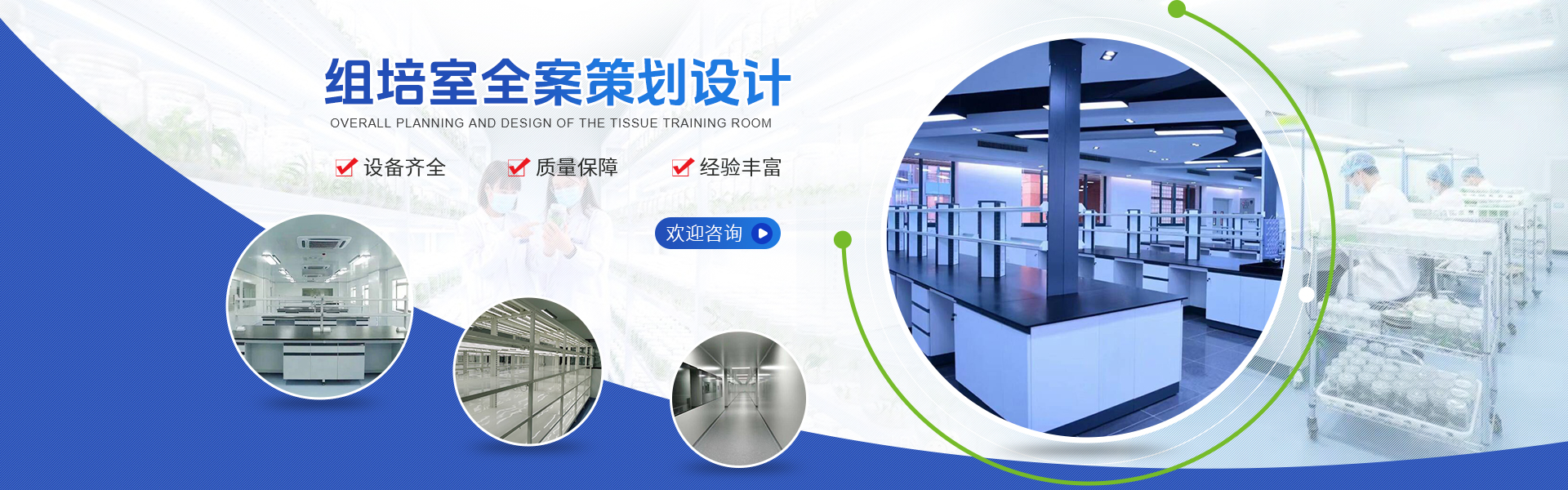
The tissue culture room, like other factory workshops, is composed of specific areas. These typically include buffer rooms, sterile rooms, culture rooms, and seedling rooms.
The procedure and steps for the purification of the tissue culture room
What to Consider When Setting Up an In Vitro Culture Room
What Should Be Noted When Setting Up an In Vitro Culture Room?
The Four Components of the Tissue Culture Room: Buffer Room, Sterile Room, Culture Room, and Seedling Room
Spring Orchid Tissue Culture for Rapid Propagation
The Utilization of Plant Tissue Culture Laboratory
Contact us

Service Hotline
15866611552
Company Telephone
158-6661-1552

Address
399 Hualong Road, Licheng District, Jinan City
b2b.china9.net © Zhongshang 114 Hebei Network Technology Co., Ltd.Address: Room 6009, Oriental New World Center, No.118 East Zhongshan Road, Qiaoxi District, Shijiazhuang City, Hebei ProvincePlatform Service Hotline: 4006299930




