

Focused on tissue culture racks, culture racks, tissue culture equipment, and tissue culture room design.
158-6661-1552



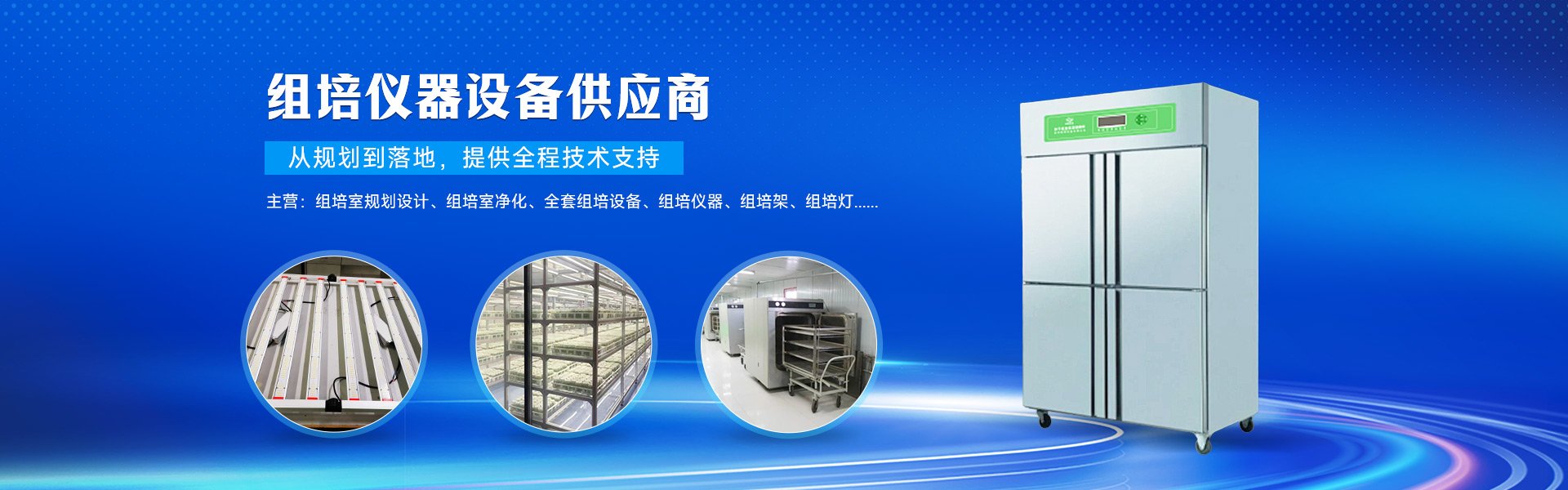
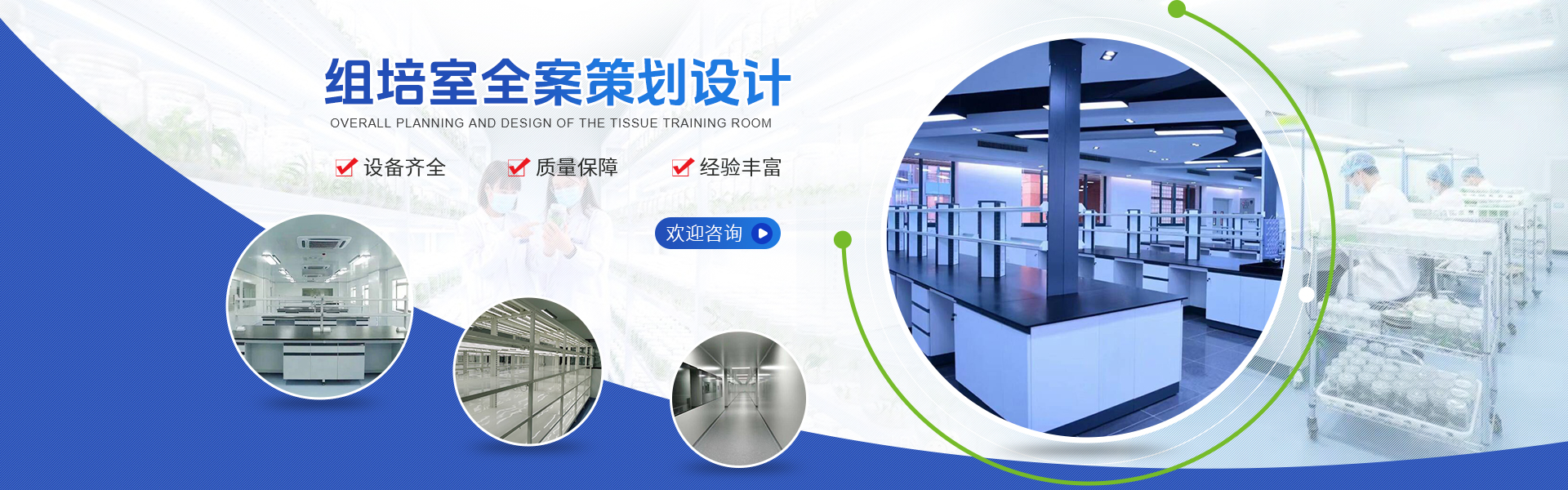
An ideal tissue culture room should be established in a quiet and clean location far from sources of contamination, preferably upwind of the main wind direction throughout the year to minimize pollution. Additionally, tissue culture rooms for large-scale production should be situated in areas with convenient transportation, facilitating the transportation of cultivated products. What specific principles should be paid attention to during the design process of a tissue culture room?
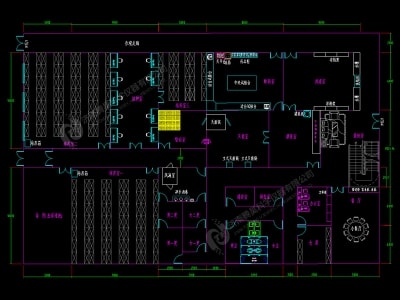
1. Determine the variety, purpose, and capacity.
Firstly, the design of the tissue culture room should consider the variety you wish to produce, which is often overlooked. Many believe that building a tissue culture room in the future can produce many, if not all, plant varieties. This is a common misconception. In fact, different plant varieties have varying tissue culture characteristics, with different cultivation cycles and conditions. Blind design without variety features can have immeasurable impacts on future space utilization, production efficiency, environmental control, and production costs. Secondly, consider the production purpose. Is it for rapid propagation, seedling detoxification, or selling seedlings, semi-mature plants, or mature plants? These factors need to be thoroughly considered during the design phase. The layout design of tissue-cultured plants also serves different purposes. Additionally, based on production capacity, combine variety, market conditions, and your own circumstances to set a target production capacity, and ultimately determine the scale of the tissue culture factory based on this capacity.
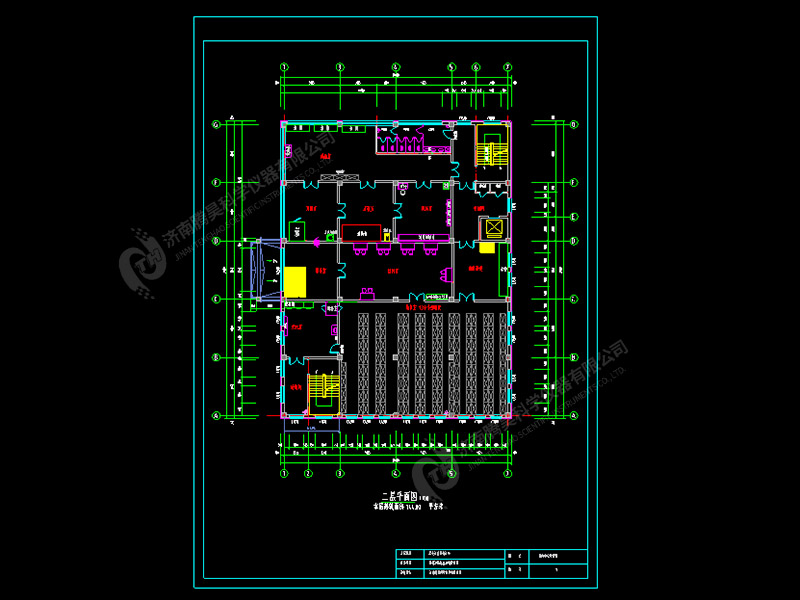
2. Strategic space planning enhances work efficiency.
A well-planned space should at least meet the following basic conditions:
Firstly, it offers comprehensive functionality for process operations.
Secondly, it can differentiate between personnel and logistics channels to avoid cross-contamination.
Third, there are clean control zones and non-control zones, with corresponding transitional measures between the areas.
Select materials rationally based on scale to reduce construction costs.
Many tissue culture plant decoration materials are available, including purification materials, aluminum alloy + glass, epoxy flooring, PVC flooring, and clean lighting. When selecting materials for decoration, consider the area of the tissue culture room, budget, and pre-set capabilities, among other factors. Find the right combination to achieve the best return on investment.
4. Regional cleaning treatments reduce the contamination rate during the cultivation process.
Contamination during the tissue culture process is an inevitable issue in any culture room. Therefore, regardless of size, a corresponding clean control area should be established. Of course, different scales and investments can opt for various methods (such as pipeline ventilation purification, mobile self-purification, FFU area purification, fresh air ventilation purification, etc.).
5. Rational HVAC design reduces operational costs.
Based on the scale of the tissue culture room, the HVAC layout and design primarily focus on the uniformity of air conditioning, refrigeration, and temperature, with the culture room being the key factor. Centralized HVAC design can be considered for larger-scale operations that can quickly transition to mass production. However, for small-scale tissue culture plants with unclear objectives or those unable to quickly enter production, it is typically recommended to use split HVAC design, which will significantly reduce operating costs during the early production phase.
6. Pay attention to fire safety design and eliminate potential fire hazards.
During the design phase of the tissue culture room, any form of factory must be considered. Factors such as interior materials, wiring design, emergency exits, and safety doors, among others related to safety, need to be taken into account.
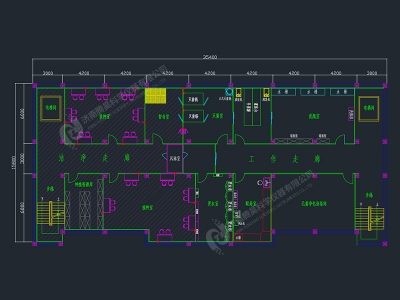
Please provide the Chinese content to be translated.Tissue Culture Room DesignIn the process, it's crucial to first determine the product to be tested and the required land area to ensure significant cost savings in construction. Next, a reasonable heating and air conditioning design is essential. Lastly, and importantly, it's vital to minimize pollution to the greatest extent possible, ensuring a favorable environment for cultivation.
Contact us

Service Hotline
15866611552
Company Telephone
158-6661-1552

Address
399 Hualong Road, Licheng District, Jinan City
b2b.china9.net © Zhongshang 114 Hebei Network Technology Co., Ltd.Address: Room 6009, Oriental New World Center, No.118 East Zhongshan Road, Qiaoxi District, Shijiazhuang City, Hebei ProvincePlatform Service Hotline: 4006299930




