

Focused on tissue culture racks, culture racks, tissue culture equipment, and tissue culture room design.
158-6661-1552





After years of exploration, many students are now able to manually inoculate sterile seedlings and have successfully cultivated a large number of seedlings, including petunias, violets, lilies, and more. From the initial ambiguity and mystery of tissue culture to the students' and teachers' proficient operations and research projects, the journey has been fraught with many "storms and stresses." They have encountered numerous difficulties, experienced many confusions, and also summarized a wealth of experience, achieving a little bit of success.
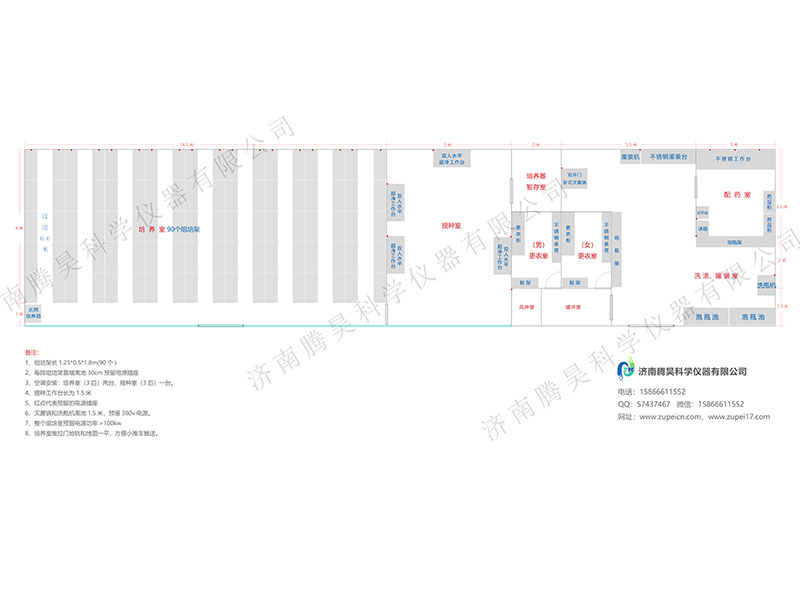
Establishment of student interest groups and the launch of activities
During the 7th and 8th periods on Thursday afternoons, each class selects six students who are both interested and responsible to form an interest group. The students first learn the entire tissue culture experiment process, then, based on their interests, choose a topic of their own to cultivate plants that they like, which also have economic or ornamental value. Now, the students in the interest groups are able to independently prepare mother solutions and culture media, search for media recipes online, adjust hormone ratios, and pH levels. During group experiments, they can even demonstrate and guide like teachers.
1.2 Student Group Experiments Have Become a Standard Practice
In the biological technology practical module curriculum standards, the new high school biology curriculum requires "to attempt plant tissue culture." According to the actual situation of the school, two teachers work together: one teacher uses multimedia in a lab opposite the tissue culture room to deliver theoretical knowledge, focusing on inoculation methods; after the lecture, students are grouped and inoculate in batches, with extracurricular activity groups guiding the inoculation process and demonstrating the preparation of mother liquid and the preparation and packaging of culture medium; during the inoculation process of the first and second groups, the third and fourth groups organize teaching materials, summarize the components of the culture medium, consider the conditions needed for plant cell development into complete plants, analyze literature, and summarize factors affecting tissue culture; as the third and fourth groups inoculate, the first and second groups repeat the aforementioned activities. After all students have completed inoculation, they collectively explore questions, complete consolidation exercises and college entrance examination questions to enhance their practical application skills.
On 1.3, we continuously explore, improve, and elevate through experimentation.
1) Maximize the use of un凝固ed culture medium. During the first time of preparing the culture medium, it was discarded without hesitation due to a slightly lower pH value that prevented it from solidifying; another time, the lily culture medium formed a paste but still flowed, as the group experiment was about to begin, there was no time to prepare new medium. We decided to inoculate insensitive tobacco on the spot, and it grew well. Now, when preparing the culture medium, pH paper is rarely used; simply add 30 μL of sodium hydroxide to every 1000 mL, and the medium works perfectly.
2) Replace distilled water with bottled water. Initially, use cool boiled water to mix the mother solution and culture medium, but the seedlings were severely infected; if the laboratory does not have a distilled water machine, bottled water can be used as a substitute for distilled water, and the effect is excellent.
3) We suppressed bacterial growth in contaminated seedlings through controlled temperature and humidity. After inoculating over 100 petunias, we discovered a layer of bright red bacteria on the culture medium, possibly due to inadequate sterilization of the culture bottles. As per routine, we promptly transferred the contaminated seedlings outdoors for cleaning. However, we found the explants to be robust, and it was a pity to discard them all. We decided to take them out of the culture room and place them on the office balcony. Perhaps due to the sunlight and reduced air humidity, the seedlings grew well. After 20 days, we transplanted them into the planting trays, and their growth was impressive.
2 Questions in Plant Tissue Culture Experimental Teaching
For student group experiments, a method is adopted where pre-class training for interest groups is provided, and they serve as示范 guides during class. After the experiments, students discuss in the regular laboratory, learning from each other's strengths and weaknesses. The concern is that the current teaching tasks in high school classrooms are mainly centered around the college entrance examination, making it difficult to establish enough interest groups. Additionally, these "little teachers" are unable to participate in student discussions, which is regrettable. Furthermore, for the plant tissue culture experiment class, the appropriate balance between theoretical explanation and hands-on time when two people are collaborating needs further investigation.
Prospects for Plant Tissue Culture Experimental Teaching
Over several years of exploration and practice, we have successfully cultivated a large variety of seedlings, including coin grass, petunias, violas, lilies, African daisies, chrysanthemums, and tobacco. Plant tissue culture, as a technology, boasts high technology, high benefits, and high density, enabling the cultivation of a vast number of plants in a small space with minimal explants, yielding significant returns. To this end, the school plans to first cultivate lilies and African daisies to green and beautify the campus; additionally, we can collaborate with gardening and greening departments to cultivate practical flowers for urban beautification.
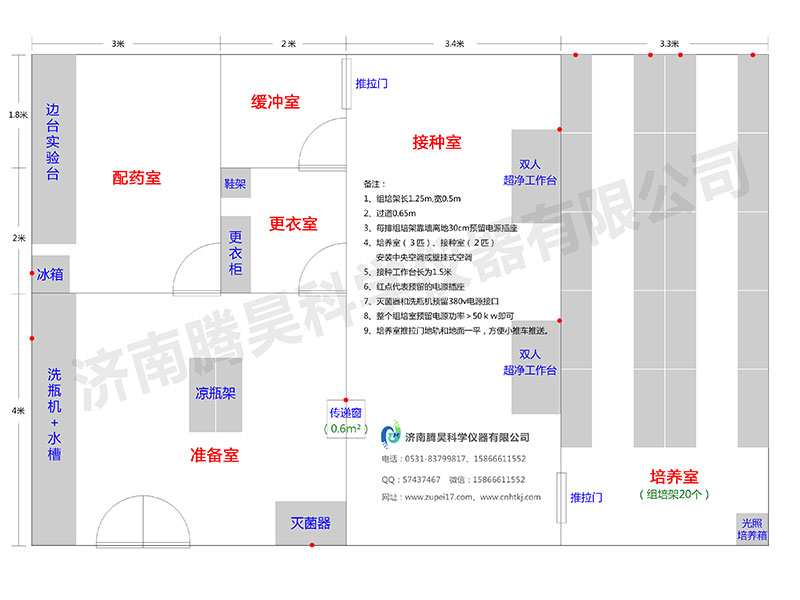
In summary, we must continue to strive, expand our research projects, fully utilize the resources of the plant tissue culture laboratory, and develop further and wider. Cultivate rare flowers, herbs, and other species, ensuring every student at the school can participate in the activities. Beautify the campus with flowers and plants nurtured by their own hands, allowing the flowers of science to bloom more vividly, brightly, and beautifully.
Contact us

Service Hotline
15866611552
Company Telephone
158-6661-1552

Address
399 Hualong Road, Licheng District, Jinan City
b2b.china9.net © Zhongshang 114 Hebei Network Technology Co., Ltd.Address: Room 6009, Oriental New World Center, No.118 East Zhongshan Road, Qiaoxi District, Shijiazhuang City, Hebei ProvincePlatform Service Hotline: 4006299930




