

Product Details
Capillary Rheometer, Torque Rheometer, Voltage Breakdown Resistance, Fully Automatic Melt Flow Index Tester, Dielectric Loss, Dielectric Constant
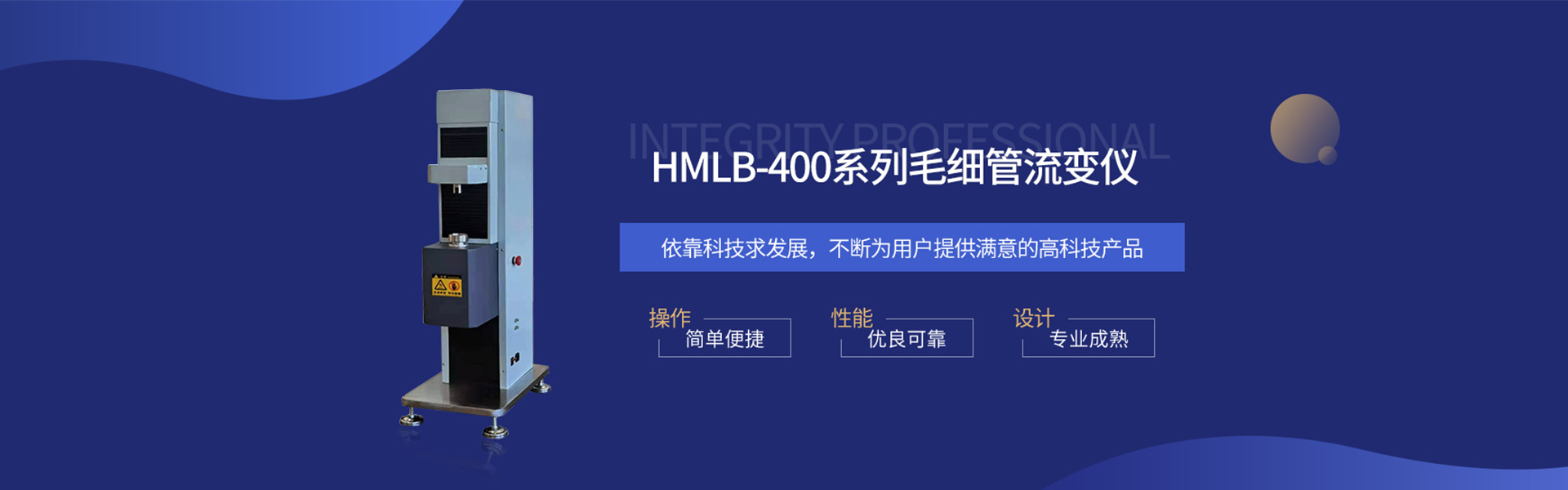
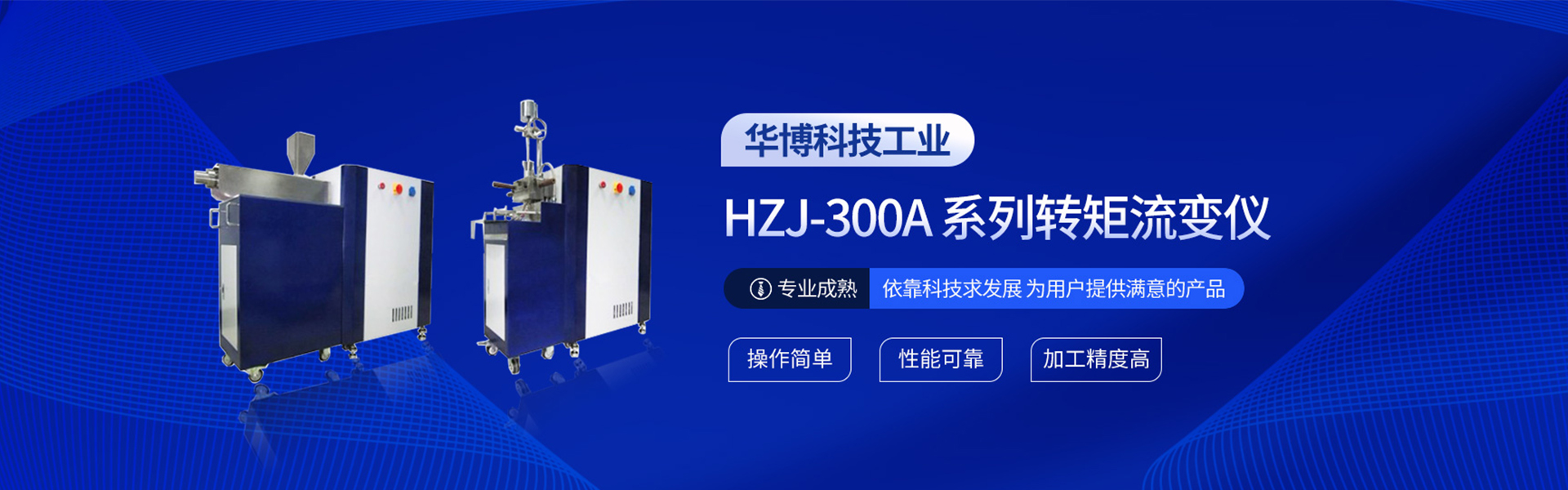


价 格Negotiable
最小起订0 piece库存0 piece
 Business Card
Negotiable

Negotiable

Negotiable

Negotiable
 Plastic Ball Indentation Hardness
Negotiable
Alloy Material Capillary Rheomete
Negotiable
Plastic Ball Indentation Hardness
Negotiable
Alloy Material Capillary Rheomete
Negotiable
 Cable material torque rheometer
Negotiable
Cable material torque rheometer
Negotiable
 Shear Viscosity Capillary Rheomet
Negotiable
Shear Viscosity Capillary Rheomet
Negotiable
 Dielectric Breakdown Test Equipme
Negotiable
Dielectric Breakdown Test Equipme
Negotiable
 Resin capillary rheometer
Negotiable
Resin capillary rheometer
Negotiable
 Composite material capillary rheo
Negotiable
Torque Rheometer Manufacturer
Negotiable
Composite material capillary rheo
Negotiable
Torque Rheometer Manufacturer
Negotiable
 High-pressure capillary rheometer
Negotiable
High-pressure capillary rheometer
Negotiable
 Fluorinated Plastic Torque Rheome
Negotiable
Fluorinated Plastic Torque Rheome
Negotiable
During the process of forming rubber and plastic materials, their fluidity is almost always involved. For example, in extrusion, injection molding, blowing film, and calendering processes, the material's flow behavior is crucial. The fluidity of the material not only affects the processing but also influences the mechanical properties of the product. For instance, molecular orientation has a significant impact on the mechanical properties of molded products, films, and fibers. The type and extent of molecular orientation are mainly determined by the characteristics of the flow field during the processing and the material's flow behavior.
A torque rheometer is an ideal device for studying the flow and deformation, plasticization, thermal shear stability, dynamic rheological properties, and plasticizing behavior of polymer materials, presenting the results in graphical forms such as torque vs. time and torque vs. temperature. It is widely applicable in research and production, serving as a crucial instrument for scientific research and production guidance. Compared to general instruments for measuring the flowability of materials like viscometers, this rheometer offers a more dynamic and practical measurement method, allowing for continuous, accurate, and reliable determination of material rheological properties under conditions similar to actual processing, such as mixing of multi-component materials, curing of thermosetting resins, vulcanization of elastomers, dynamic stability of materials, and the impact of screw speed on system processing performance.
The Fluoroplastic Torque Rheometer can be used to study the thermal stability, shear stability, flow, and plasticizing behavior of fluoroplastic and thermoplastic materials. It is characterized by its ability to continuously, accurately, and reliably measure the rheological properties of the system during processes similar to actual processing. It can also perform curing characteristic tests for thermosetting materials.
1.3 Application Areas
1. Research on UPVC Processing Properties and Material Development
2. Development and processing performance research of fluoro plastics and thermoplastic materials
3. Cross-linking and Thermosetting Resin Curing Property Research
4. Educational and Research Applications

The Fluoroplastic Torque Rheometer consists of components such as a compounding torque rheometer, extrusion capillary rheometer, capillary test die, data acquisition measurement system, electronic computer, and operating software.
High-precision torque rheometer
The Fluoroplastic Torque Rheometer is primarily composed of imported servo motors, high-precision dynamic torque sensors, gearboxes, mixing chambers, temperature modules, measurement modules, computers, and control software, with its principle illustrated as shown in Figure 2.
Figure 1 Fluoroplastic Torque Rheometer
The enclosed mixer is akin to a miniature kneading machine, consisting of a removable "∞"-shaped mixing chamber and a pair of rotors that rotate in opposite directions at different speeds. Inside the mixing chamber, the rotors rotate towards each other, exerting shearing forces on the material, thereby forcing a thorough mixing within the chamber. Due to the differing speeds of the rotors, a dispersive mixing occurs in the gap between them.
The unit boasts an overall aesthetic design, with the main sheet metal featuring a combination of off-white and blue. Color customization is available upon customer request. The stainless steel parts are made of SUS304 stainless steel.
Computer software features data collection, storage, calculation, analysis, and output functions, and can print test reports according to user requirements.
System Software
The software suite includes the Mixer – Mixing Test Control Software, Plastic – Extruder Test Control Software, and WinNian – Viscosity Test Data Processing Software. The Mixer and Plastic software interfaces are feature-rich, capable of measuring, setting, and controlling speed, torque, temperature, and pressure. The curve window can display real-time curves of these data points over time. These data can be processed and graphed by the software. Experimental reports are generated under the Test Control Software and printed out by a color printer. It also supports multiple curve overlays and smooth curve processing functionalities.


Figure 2: High Shear Torque Rheometer Figure 3: Various Rotors
Figure 4: Panasonic Servo Motor + Panasonic Servo Controller
Figure 5 Beijing AviCom High Precision Torque Sensor

Figure 6: Schematic illustration of a high-shear torque rheometer
1 - Rod; 2 - Feed opening; 3 - Compounding chamber; 4 - Material leakage; 5 - Compounding machine; 6 - Emergency brake switch
7 - Manual Panel; 8 - Drive and Torque Sensor; 9 - Switches; 10 - Computer
Figure 7 - Test Curve of the Compounding Torque Rheometer
PVC Blending PVC Heat Stabilization
XLPE Cross-Linked PVC Blended
Phone Consultation